
When sourcing roofing materials internationally, product quality is only part of the equation. Equally important is whether the manufacturer complies with recognized international standards. Certifications demonstrate that a factory follows strict quality management systems, uses tested production processes, and manufactures products that meet market requirements.
For importers, distributors, contractors, and project developers, understanding what certifications a stone coated roofing manufacturer should have helps reduce purchasing risks and ensures smoother customs clearance, project approvals, and long-term customer satisfaction.
1. Why Certifications Matter When Choosing a Manufacturer
Certifications provide independent verification that a manufacturer operates according to established industry standards. They also give buyers greater confidence in product consistency and factory management.
Reduce sourcing risks
Certified manufacturers usually follow standardized production procedures, making product quality more stable from one shipment to the next.
Improve project credibility
Many government projects, commercial developments, and international tenders require certified building materials before approval.
Simplify international trade
Proper certifications can help facilitate customs clearance and meet import regulations in different countries.
2. ISO 9001: Quality Management System
ISO 9001 is one of the most important certifications for any roofing manufacturer. It demonstrates that the factory has established a systematic quality management process covering purchasing, production, inspection, and customer service.
Why ISO 9001 matters
- Standardized production procedures
- Consistent product quality
- Continuous process improvement
- Documented quality control systems
For international buyers, ISO 9001 often serves as the first indicator of a professionally managed manufacturing facility.
3. CE Certification
If a manufacturer exports to European markets, CE certification is often essential. It indicates that the products comply with relevant European safety, health, and environmental requirements.
Benefits of CE certification
- Supports access to European markets
- Demonstrates compliance with applicable regulations
- Increases buyer confidence
Although not every destination requires CE certification, many international distributors consider it an important sign of product quality.
4. SONCAP, COC, and Country-Specific Certificates
Many countries require conformity certificates before imported roofing products can enter their markets.
Common examples include:
- COC (Certificate of Conformity)
- SONCAP (Nigeria)
- SASO (Saudi Arabia)
- PVOC (Kenya and several African markets)
Importers should always verify the specific certification requirements of their destination country before placing an order.
5. SGS Testing Reports
Although SGS is not a certification itself, independent SGS testing reports provide valuable third-party verification of product performance.
Typical testing includes:
- Coating adhesion
- Salt spray resistance
- Impact resistance
- Steel thickness verification
- Weather resistance
Independent laboratory reports provide buyers with objective evidence of product quality.
6. Fire Resistance and Wind Resistance Testing
Different construction projects require roofing systems that can withstand specific environmental conditions. Performance testing helps verify that products meet these requirements.
Fire performance
Fire resistance testing demonstrates how roofing materials perform when exposed to high temperatures or open flames.
Wind uplift resistance
Wind testing confirms that interlocking roofing systems remain secure under strong wind conditions, especially in hurricane-prone or coastal regions.
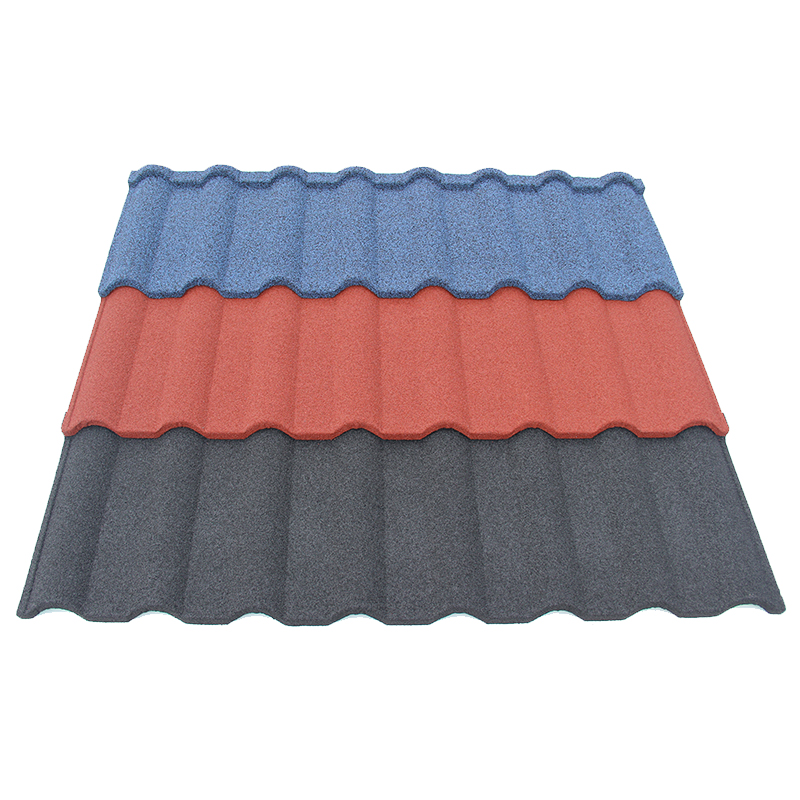
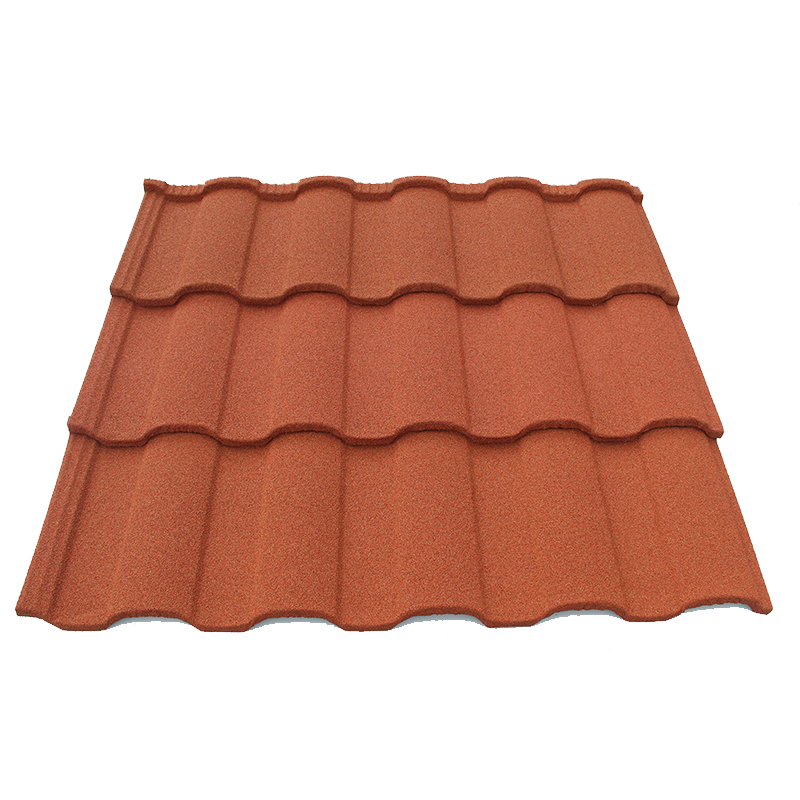
Roofing profiles such as Bond Tile are frequently selected for projects requiring excellent wind resistance and long-term durability.
7. Material Quality Certifications
Product quality also depends on the raw materials used during manufacturing. Professional roofing manufacturers maintain strict standards for every production stage.
Steel substrate verification
Galvalume steel provides better corrosion resistance than standard galvanized steel and is widely recommended for premium roofing systems.
Stone granule quality
Natural ceramic-coated stone granules improve UV resistance, color stability, and weather protection.
Coating system inspection
Multi-layer protective coatings improve corrosion resistance and extend the roof’s service life.
8. Factory Audit and Production Capability
Beyond certificates, buyers should also evaluate the manufacturer’s actual production capabilities.
Key factors to review
- Automated production lines
- Quality inspection equipment
- Raw material traceability
- Production capacity
- Packaging standards
- Export experience
Reliable manufacturers combine documented certifications with transparent factory management and consistent production quality.
For example, JCROOF operates under an ISO 9001 quality management system and provides CE, COC, and other export-related certifications according to customer and destination market requirements. Combined with automated production lines and strict quality inspections, these certifications help international buyers source roofing products with greater confidence.
Certification Checklist for Importers
| Certification | Purpose | Recommended |
|---|---|---|
| ISO 9001 | Quality Management System | ★★★★★ |
| CE | European Market Compliance | ★★★★★ |
| COC | Export Compliance | ★★★★★ |
| SGS Test Report | Third-Party Product Testing | ★★★★☆ |
| Wind Resistance Test | Structural Performance | ★★★★☆ |
| Fire Resistance Test | Safety Performance | ★★★★☆ |
Frequently Asked Questions
1. Is ISO 9001 mandatory?
Not always. However, it is widely recognized as the international benchmark for quality management and is highly recommended when selecting a roofing manufacturer.
2. Do all countries require CE certification?
No. CE certification primarily applies to the European market, although many buyers in other regions also value it as evidence of product quality.
3. Why are SGS reports important?
They provide independent verification of product performance, helping buyers confirm quality before placing large orders.
4. Should I request copies of certifications?
Yes. Always ask manufacturers to provide valid certificates and testing reports, and verify that they are current and applicable to the products you intend to purchase.
5. Are certifications enough to evaluate a manufacturer?
No. Certifications are important, but buyers should also assess production capacity, factory audits, export experience, technical support, and after-sales service.
Conclusion
Choosing a certified stone coated roofing manufacturer significantly reduces procurement risks and improves product reliability. Certifications such as ISO 9001, CE, COC, and independent SGS testing reports demonstrate a manufacturer’s commitment to quality, compliance, and continuous improvement.
However, certifications should never be evaluated in isolation. Buyers should also verify production capabilities, inspect factory quality systems, and work with manufacturers that have proven export experience. By combining certification verification with comprehensive supplier evaluation, importers can build long-term partnerships and ensure consistent roofing quality for every project.