
A stone coated roofing quality inspection catches problems a contract alone never will. Written specifications describe what a product should be. Physical testing confirms what it actually is. Importers who skip direct verification often discover coating or dimensional issues only after a container has already crossed the ocean. This guide breaks down the core tests worth running before shipment, and how to apply them across different import scenarios.
Why Pre-Shipment Quality Testing Matters More Than Contracts Alone
A purchase order can specify exact coating thickness and wind ratings. That paperwork means little if the actual production batch does not match it. Physical inspection closes this gap between what was promised and what was actually made. Importers who build this step into every order protect themselves from expensive surprises after goods arrive.
Specifications Describe Intent, Not Delivered Reality
A detailed spec sheet reflects what a manufacturer intends to produce. Actual production can drift from that intent due to equipment variance or rushed timelines. Direct testing is the only way to confirm the two actually match.
Problems Are Far Cheaper to Catch Before Shipping
A coating defect caught at the factory costs far less to resolve than the same defect discovered after a container arrives at its destination. Pre-shipment testing shifts problem discovery to the point where it costs the least to fix.
Breaking Down the Core Tests That Reveal Real Quality
A handful of specific tests reveal most quality issues before a shipment leaves the factory. These include coating adhesion checks, dimensional accuracy verification, weight consistency across samples, and documented weathering test results. The table below outlines what each test involves.
| Test Type | What It Checks | How to Perform It |
|---|---|---|
| Coating Adhesion Test | Whether granules stay bonded under stress | Cross-hatch tape test on sample tiles |
| Dimensional Accuracy Check | Consistent profile shape for proper interlocking | Physical measurement against manufacturer specifications |
| Weight Consistency Check | Uniform steel gauge and coating thickness | Weigh multiple samples from different batches |
| Weathering Test Documentation | Long-term coating durability under simulated conditions | Request third-party accelerated weathering reports |
Coating Adhesion Testing
A simple cross-hatch tape test reveals whether granules bond securely to the steel base. Poor adhesion shows up as granule loss when tape gets applied and removed from the surface. This test takes minutes and catches a common, costly defect.
Dimensional Accuracy and Interlocking Fit
Tiles need to match documented dimensions precisely for proper interlocking during installation. A physical measurement check against manufacturer specifications reveals forming inconsistencies before they cause installation problems.
Weight Consistency Across Multiple Samples
Weighing several samples from different production batches reveals whether steel gauge and coating thickness stay consistent. Significant weight variation between samples often signals inconsistent manufacturing control.
How to Apply These Tests Across Different Import Scenarios
These tests matter differently depending on destination market requirements and product type. The following examples show how this evaluation plays out in practice.
Coastal Market Coating Verification
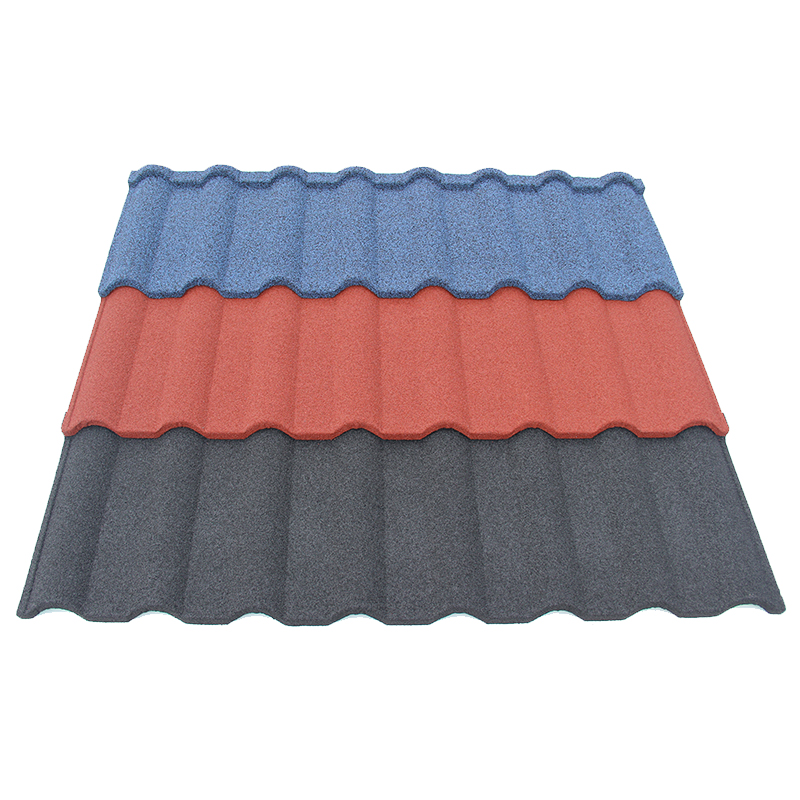
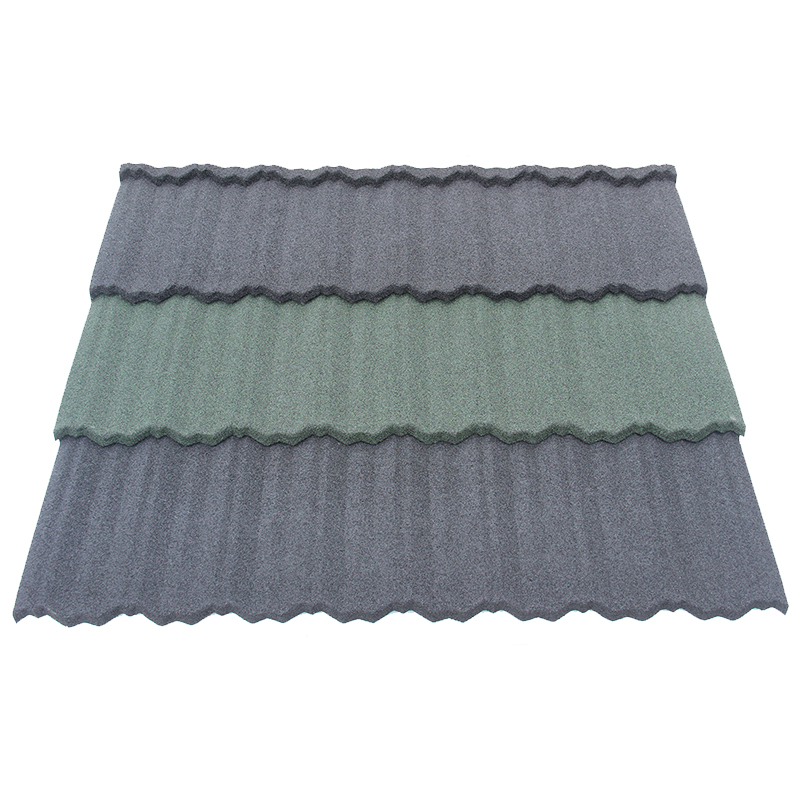
Importers shipping a profile like Bond Tile to coastal markets should prioritize coating adhesion testing above other checks, since salt exposure punishes weak coating bonds quickly.
Fire-Rated Batch Testing for Regulated Markets
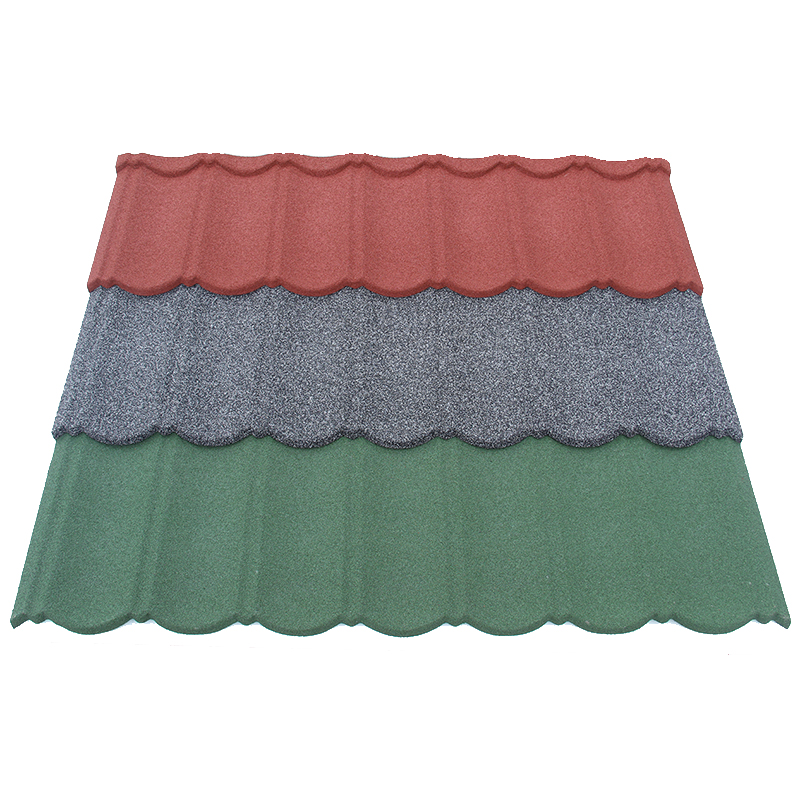
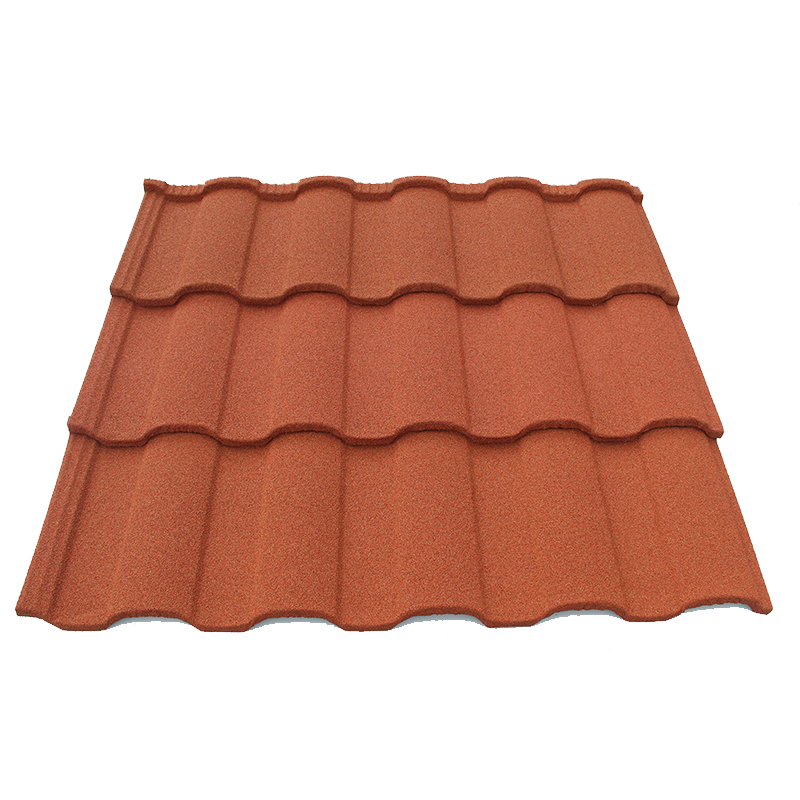
Markets requiring Class A fire documentation need batch-specific test reports for a profile such as Roman Tile. General product-line certificates may not satisfy this requirement on their own.
Dimensional Consistency for High-Volume Orders
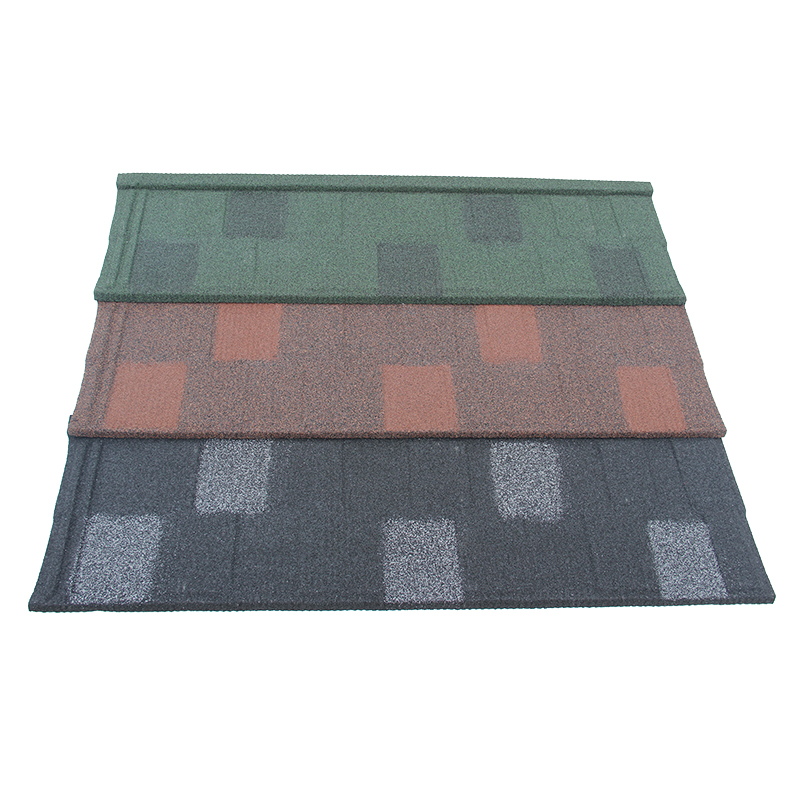
Large orders of a high-volume profile like Shingle Tile benefit from sampling multiple pallets, not just one box, to confirm dimensional consistency across the full shipment.
Precision Testing for Architectural Profiles
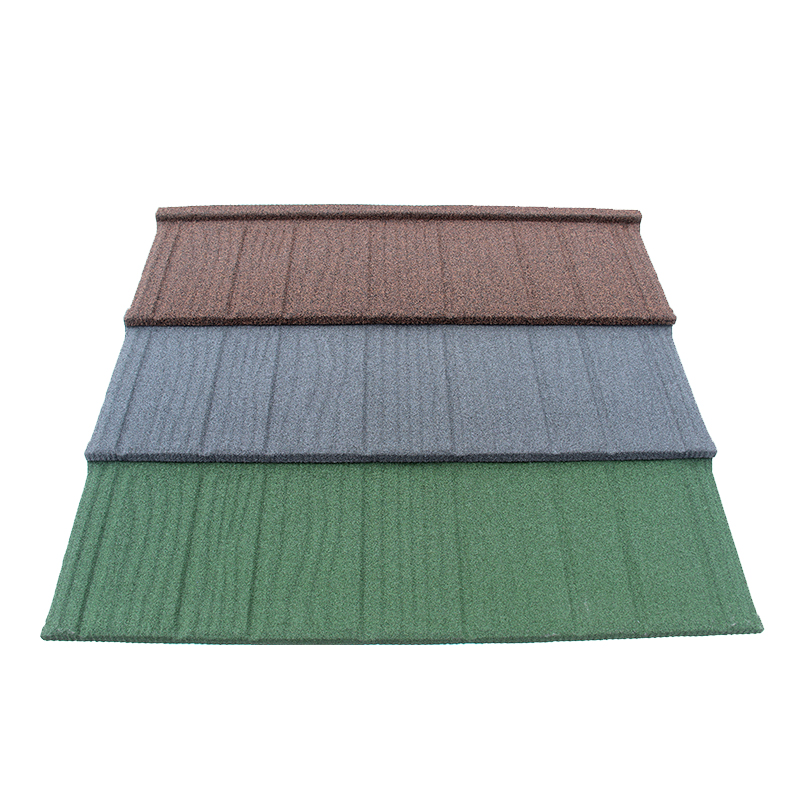
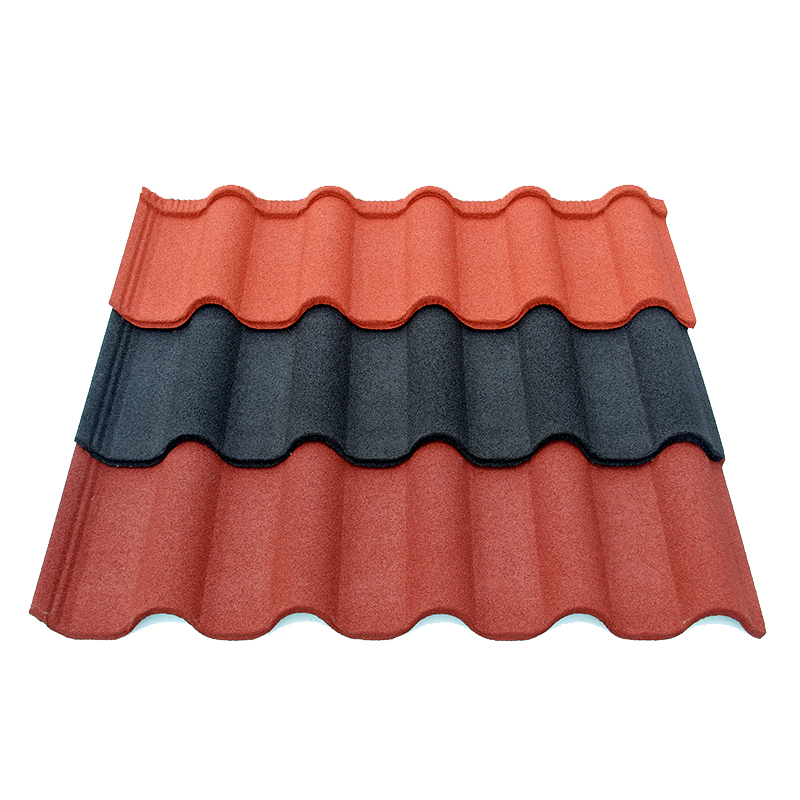
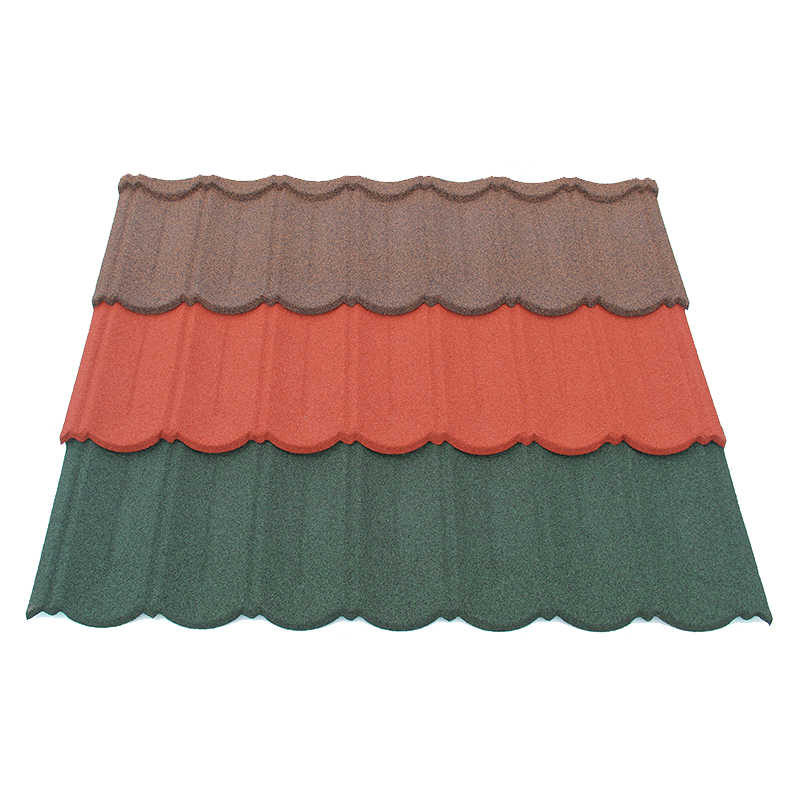
Custom profiles like Milano Tile demand tighter dimensional tolerance checks than standard products. Manufacturers such as JCROOF support this process by coordinating directly with independent inspection services before shipment. A textured profile like Shake Tile deserves close attention to granule bonding specifically, since its deeper texture can hide adhesion weaknesses more easily than a flat surface.
Common Mistakes Importers Make During Quality Inspection
A few mistakes repeat often enough among importers to deserve specific attention. Recognizing these patterns early protects shipments and long-term supplier relationships.
Testing Only One Sample From the Entire Order
A single sample rarely represents an entire production run. Testing multiple samples across different pallets or batches gives a far more accurate picture of overall quality.
Skipping Independent Verification of Weathering Claims
Manufacturer-provided weathering data alone can be difficult to verify independently. Requesting third-party test reports adds a layer of confidence a manufacturer’s own claims cannot provide alone.
Relying Solely on Visual Inspection
A tile can look acceptable while still failing a coating adhesion or dimensional accuracy test. Visual inspection alone misses problems that only surface through direct physical testing.
- Test samples from multiple pallets, not just one representative box
- Run a coating adhesion test before approving any shipment
- Verify dimensional accuracy against documented manufacturer specifications
- Request independent, third-party weathering test reports when possible
- Document every inspection result for future reference and comparison
Building a Reliable Pre-Shipment Inspection Process
A consistent inspection process protects importers across every order, not just the first one. Applying the same testing standard repeatedly builds a reliable record of supplier performance over time.
Questions to Ask Before Approving Any Shipment
Ask which samples were tested and how many pallets they represent. Request documentation for every test performed, not just a summary conclusion.
Working With Third-Party Inspection Services
Independent inspection services add an objective layer of verification beyond what a manufacturer can self-report. This service often pays for itself by catching a single significant defect before shipment.
Testing stone coated roof tile quality before importing protects buyers from costly surprises after goods arrive. Coating adhesion, dimensional accuracy, and weight consistency checks together reveal far more than a written specification or a single sample ever could.