
Renovation roofing decisions are rarely as simple as picking whatever was on the house before. Homeowners want better performance without a jump in weight or cost the structure cannot support, and stone coated metal roofing tile has become a common answer to that problem. It replicates traditional looks while solving the weight, weather resistance, and longevity issues that come up constantly in older homes. This guide breaks down why this material fits renovation projects specifically, what factors matter during selection, and where homeowners and contractors commonly go wrong.
Why Renovation Projects Need a Different Roofing Approach Than New Construction
New construction allows engineers to design the roof structure around the material from the start. Renovation projects work the opposite way, since the existing structure was often built for a lighter or different roofing system entirely. This mismatch is why renovation roofing decisions require more careful evaluation than a straightforward new build. Choosing a material without checking structural compatibility often leads to expensive surprises mid-project.
Existing Structures Set the Real Constraints
An older roof deck was engineered for the load of its original material, whether that was asphalt shingle or wood shake. Switching to a heavier material like clay or concrete tile can exceed what the structure was built to carry. This constraint often narrows renovation material choices before aesthetics even enter the conversation.
Renovation Timelines Rarely Allow for Structural Rebuilds
Most renovation budgets do not include reinforcing the roof structure itself. This makes lightweight, high-performance materials especially valuable, since they deliver upgraded durability without requiring costly structural work most homeowners are not planning for.
Breaking Down What Makes Stone Coated Roofing Work for Renovation
Stone coated roofing combines a steel or aluminum-zinc base with a granule coating bonded under high heat. This combination gives the material a traditional visual texture while keeping the overall system significantly lighter than clay, concrete, or slate. Several specific factors explain why this material performs so well in renovation settings. The table below compares stone coated roofing against other common renovation material options.
| Material Type | Weight Compared to Original Deck Load | Weatherproofing Performance | Expected Lifespan | Renovation Fit |
|---|---|---|---|---|
| Asphalt Shingle | Similar to original | Moderate | 15-25 years | Lowest cost, shortest lifespan |
| Clay or Concrete Tile | Significantly heavier | Strong in warm climates | 40-50 years | Often requires structural reinforcement |
| Standard Steel Panel | Lighter than original | Strong with proper coating | 25-30 years | Good fit, limited aesthetic range |
| Stone Coated Metal Roofing Tile | Lighter to comparable | Strong across most climates | 40-50 years | Matches traditional look without added load |
Weight Compatibility With Existing Structures
Stone coated systems typically weigh a fraction of clay or concrete tile while still delivering a similar visual profile. This makes the material one of the few options that upgrades durability without triggering a structural engineering review on most renovation projects.
Weatherproofing Performance Across Climates
The coated steel base resists cracking, fading, and moisture penetration far better than aging asphalt or untreated wood shake. This consistency across different climate conditions is part of why the material works well for renovation projects in varied regions rather than one specific climate zone.
Aesthetic Flexibility for Matching Neighborhood Style
Renovation projects often need to preserve a home’s existing character, especially in established neighborhoods with consistent architectural styles. Stone coated profiles replicate shingle, shake, and tile textures closely enough to maintain that visual continuity while upgrading the underlying performance.
How Stone Coated Roofing Fits Different Renovation Scenarios
Renovation goals vary significantly depending on the home’s age, location, and the homeowner’s priorities for the project. Some renovations focus on matching the original look, while others prioritize storm resistance or long-term maintenance reduction. The following examples show how stone coated roofing adapts across these different renovation scenarios.
Coastal Home Renovations
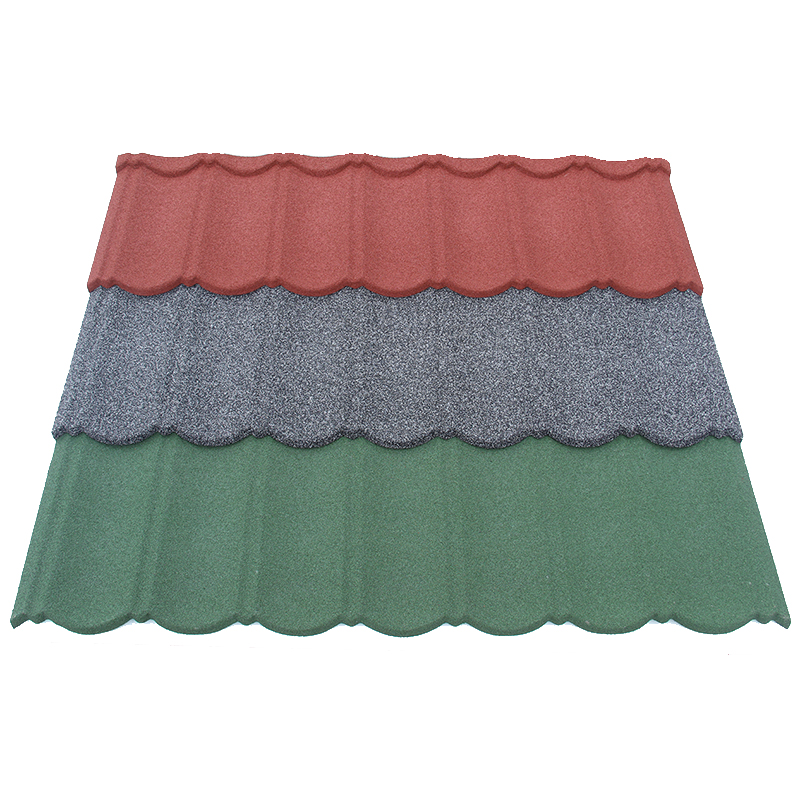
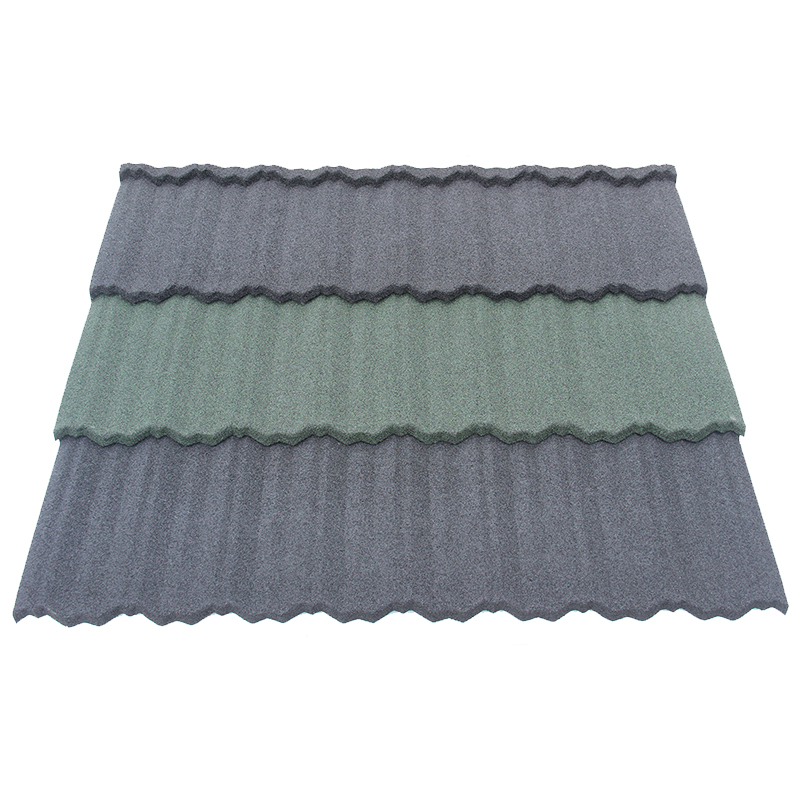
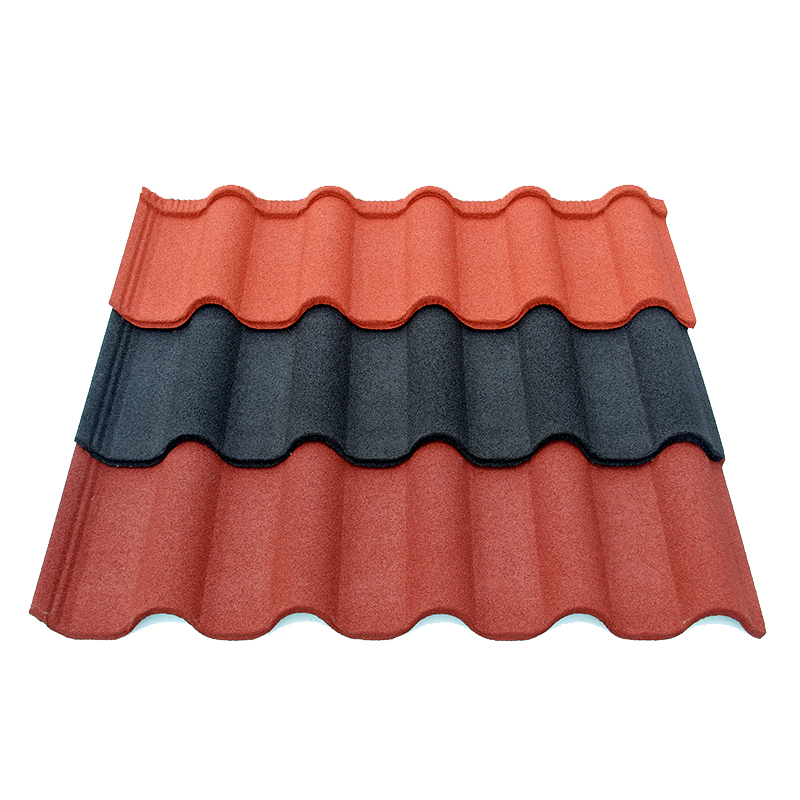
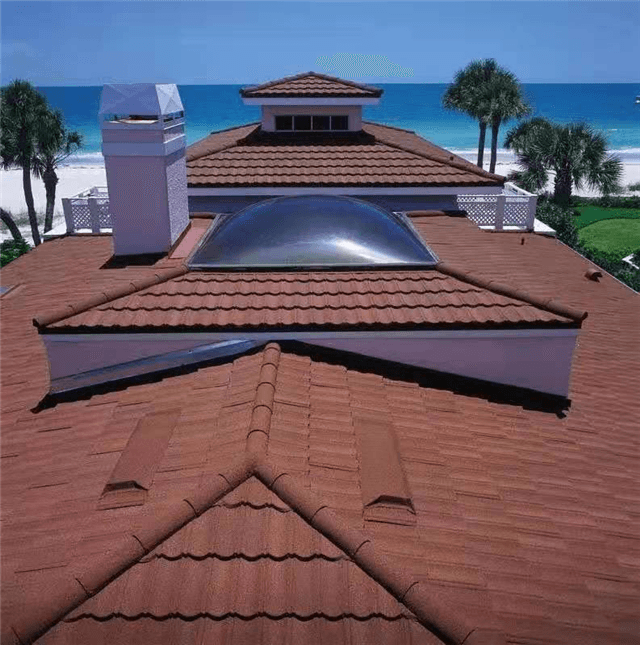
Coastal renovations need strong corrosion resistance to handle salt exposure over time. A Bond Tile profile is a common choice here, since its coated steel base and interlocking design hold up against wind and salt air far longer than the original asphalt roof it typically replaces.
Classic and Historic Home Renovations
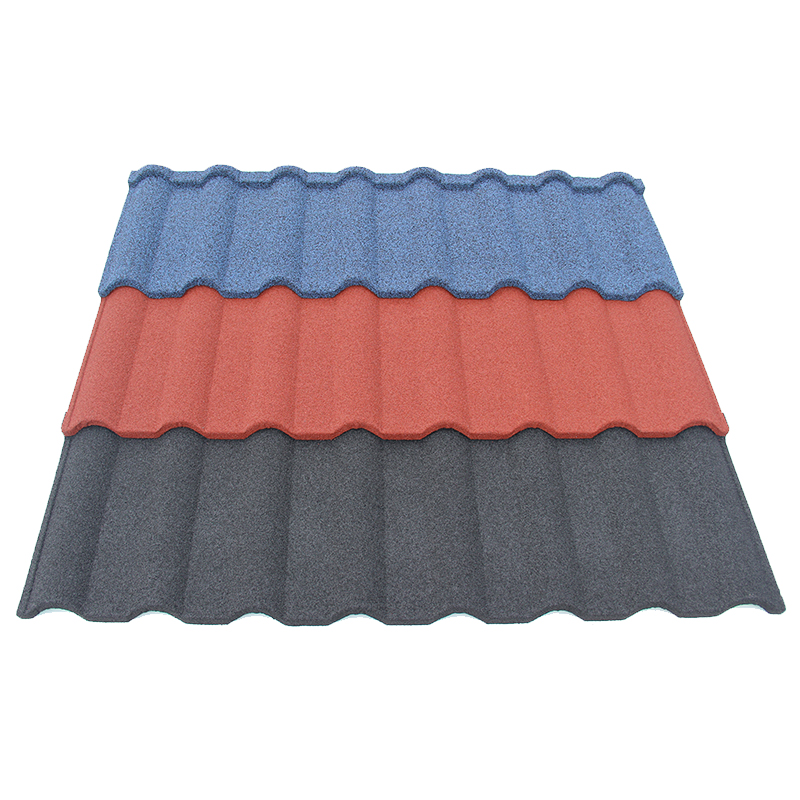
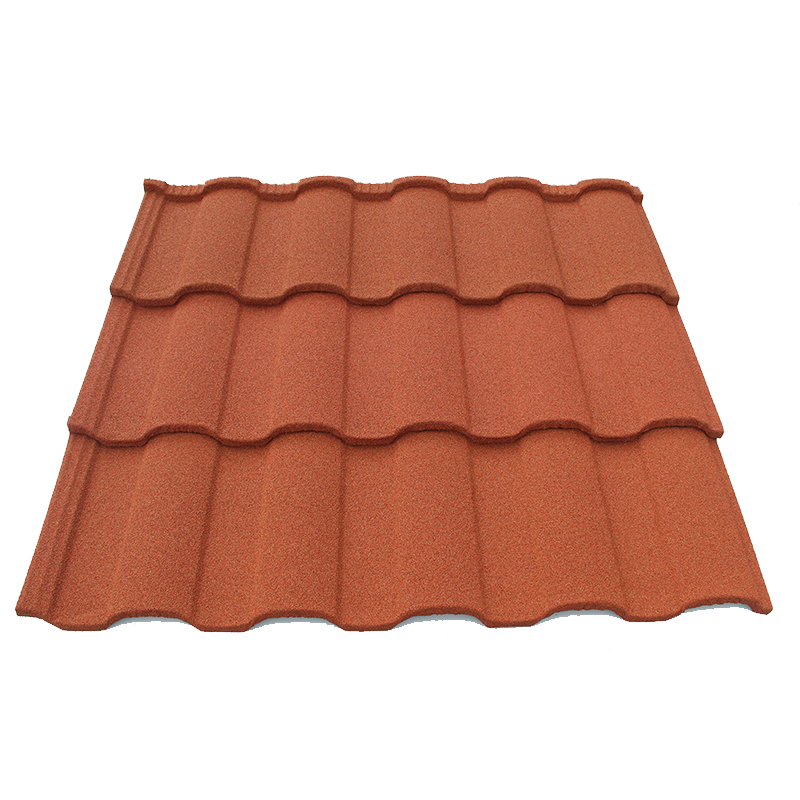
Homeowners renovating older or historic-style homes often want to preserve a distinctive tile silhouette without the weight of real clay or concrete. A Roman Tile profile replicates this classic look while keeping the roof load within what the original structure can support.
Standard Suburban Reroofing Projects
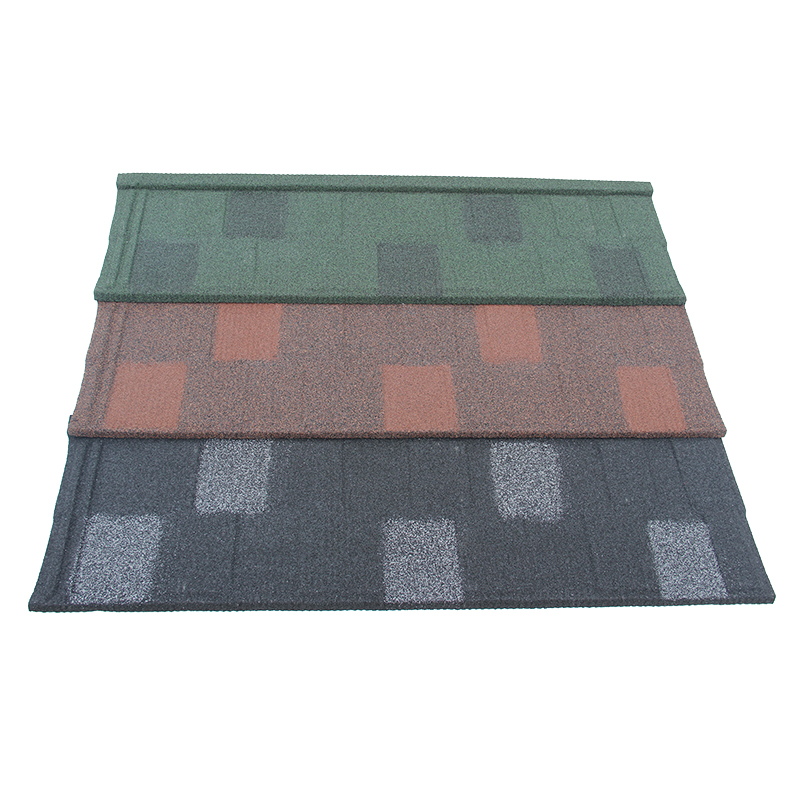
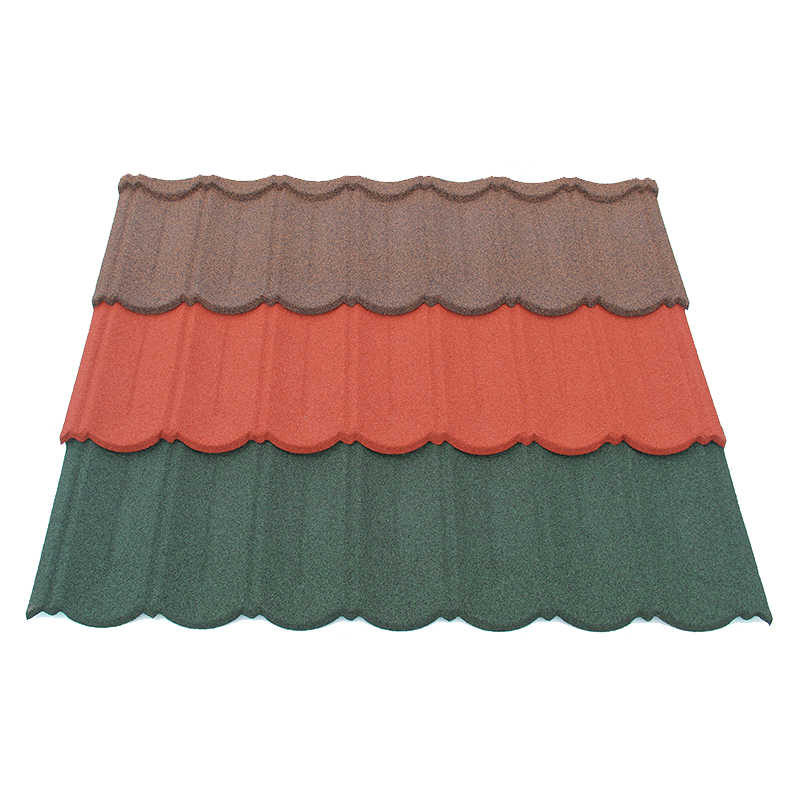
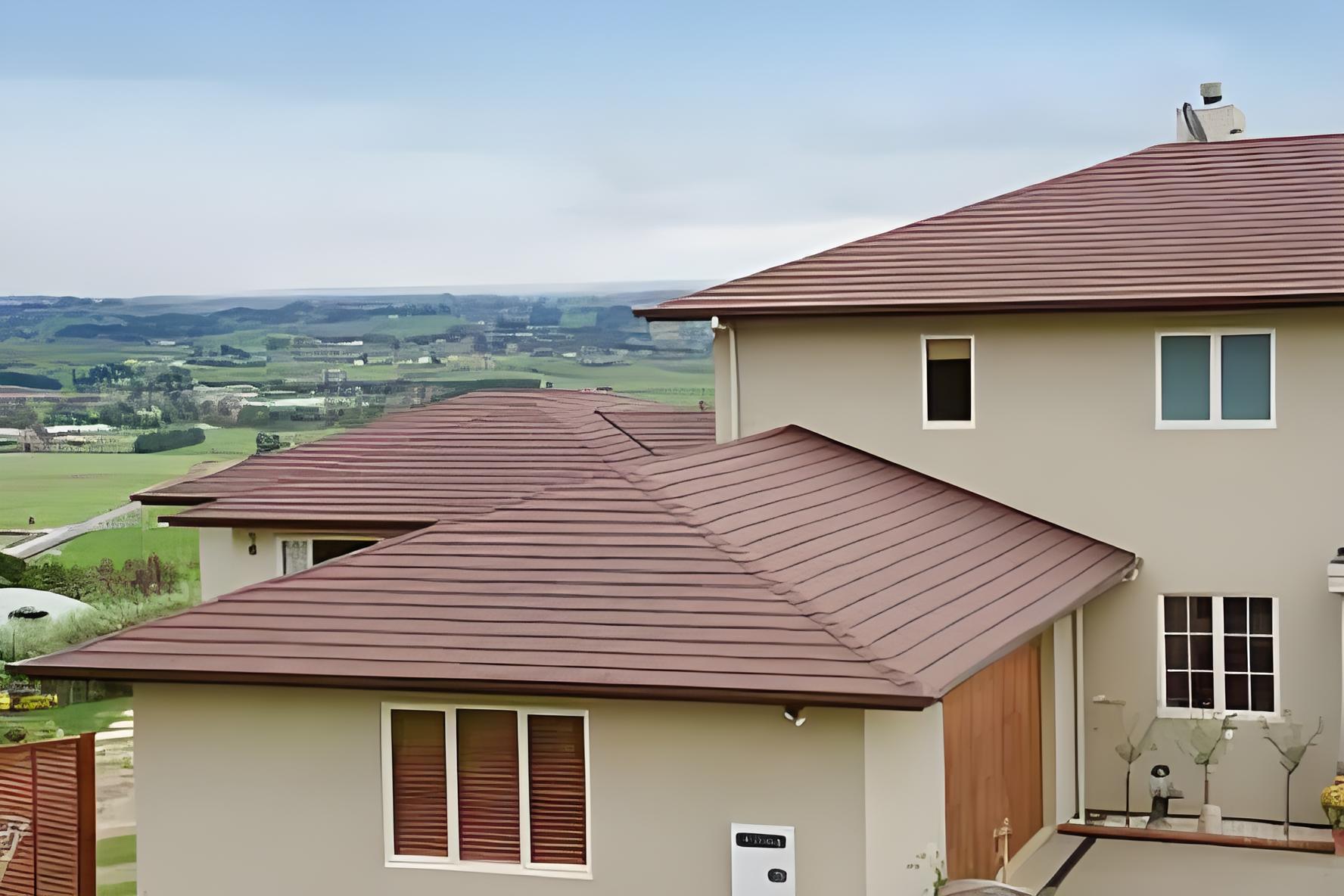
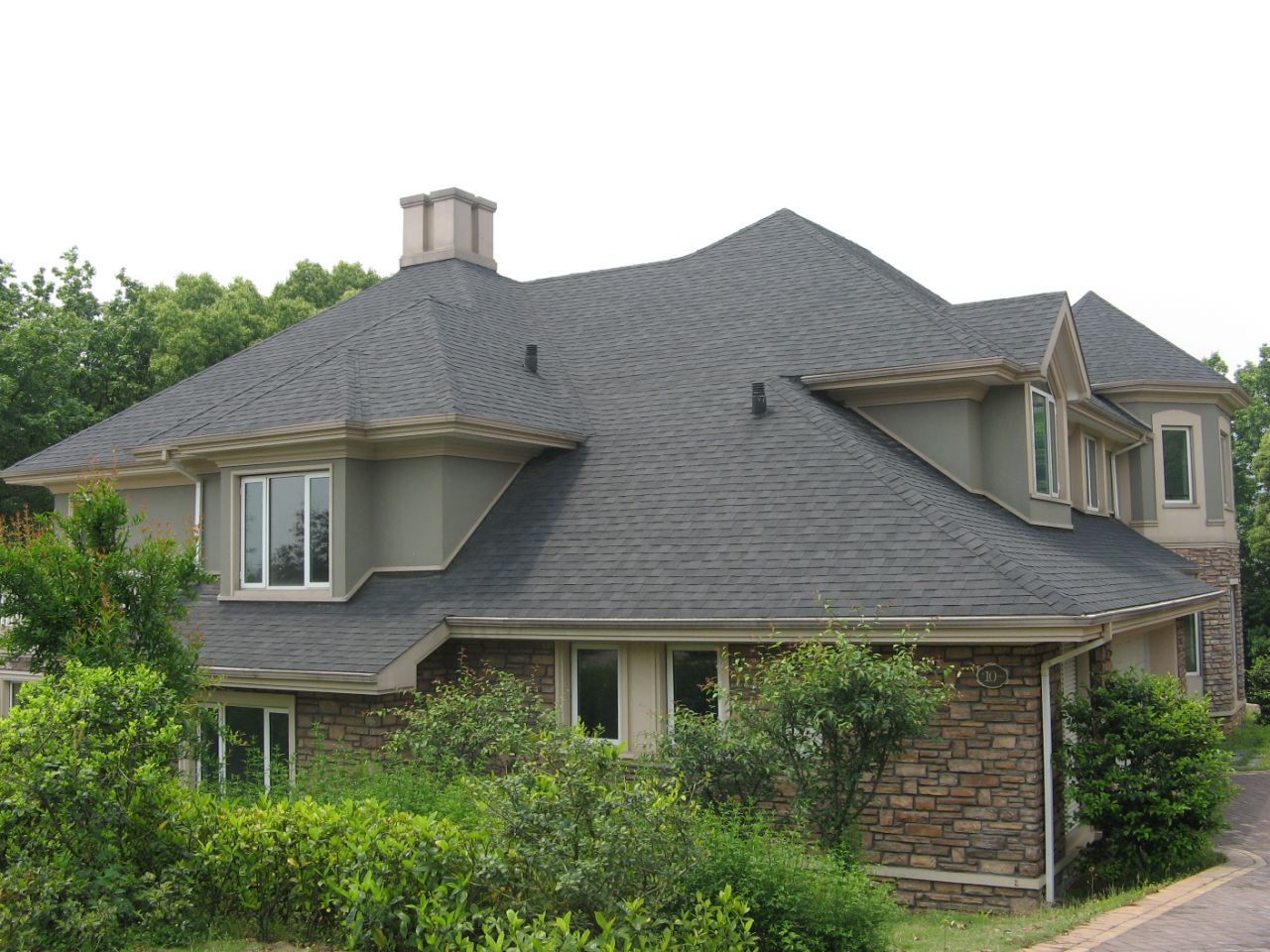
Most suburban renovation projects simply need to replace worn asphalt shingle with something more durable while keeping the same general appearance. A Shingle Tile profile fits this scenario directly, offering the familiar shingle look with a much longer service life.
Modern and Architectural Renovations
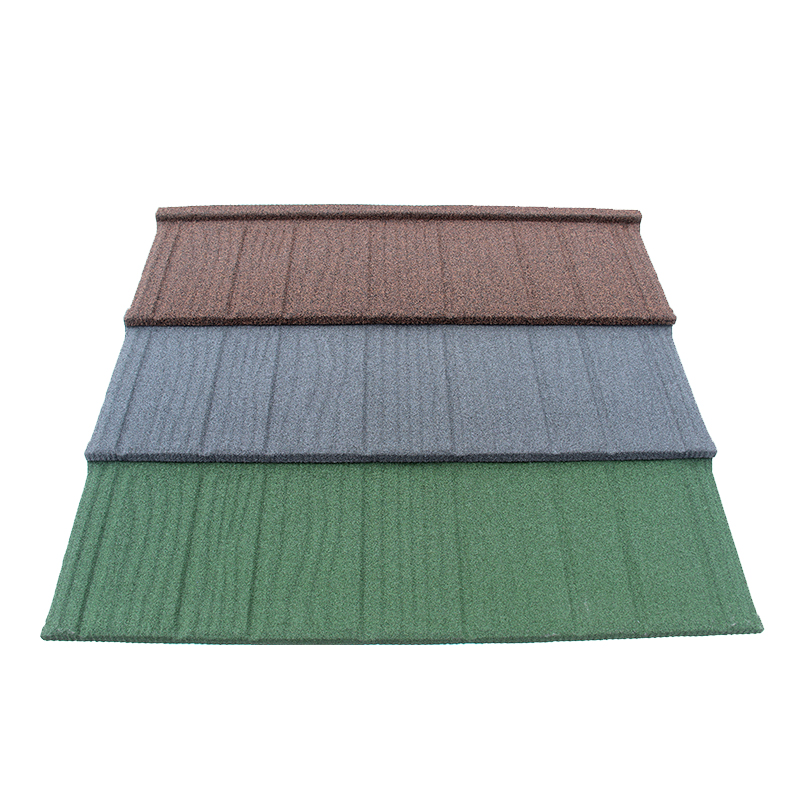
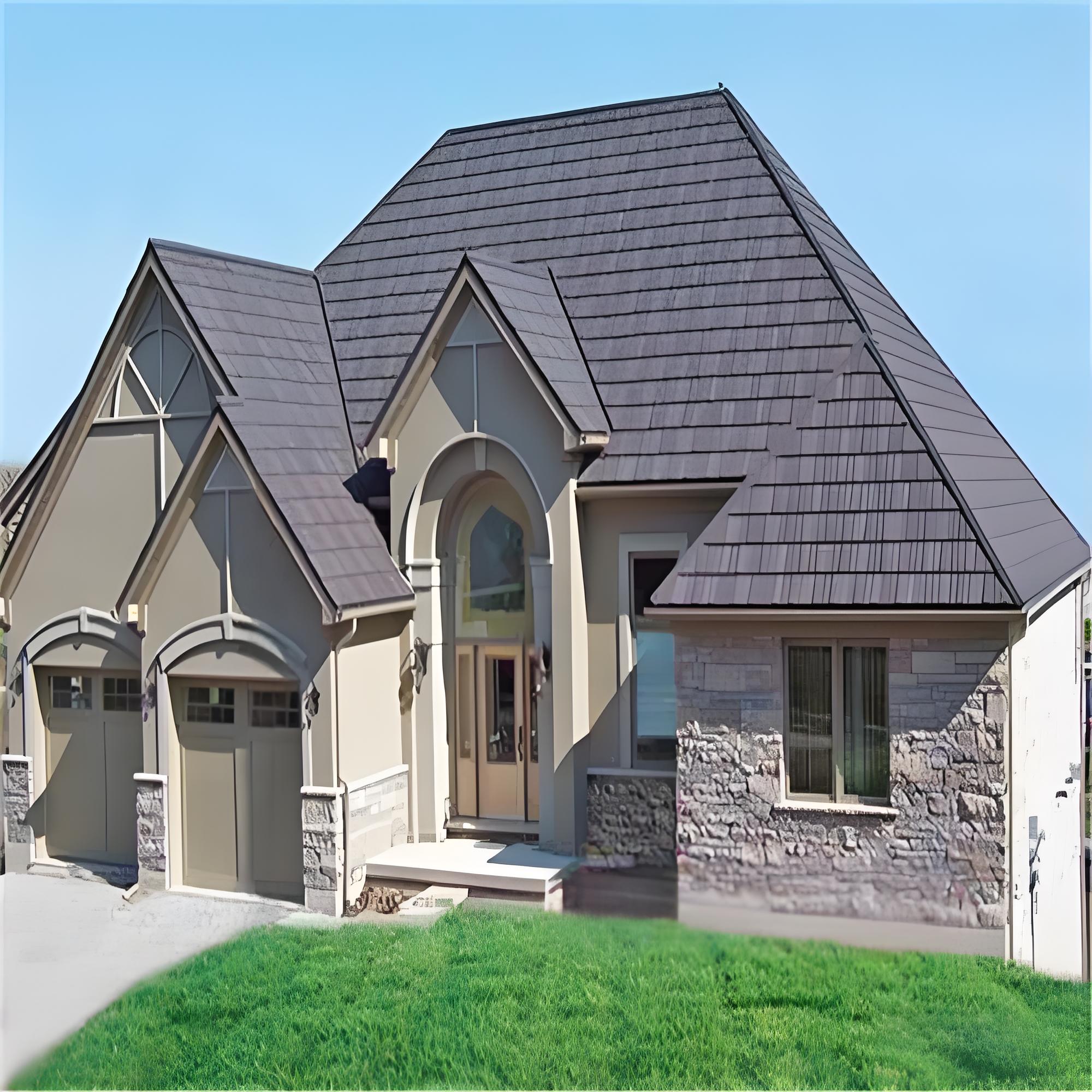
Homeowners updating a property with a more contemporary design often want a cleaner roofline than traditional profiles provide. Suppliers such as JCROOF frequently guide these projects toward a Milano Tile profile, which supports a modern aesthetic without sacrificing the durability the renovation is meant to deliver. Cabin and rustic-style renovations often move in the opposite direction, choosing a Shake Tile profile to capture a natural wood shake appearance while avoiding the rot and fire risk that come with real wood.
Common Mistakes Homeowners and Contractors Make During Reroofing
Renovation reroofing mistakes tend to repeat across projects, usually because the existing structure gets overlooked during material selection. Recognizing these patterns early helps homeowners and contractors avoid costly mid-project surprises.
Choosing a Heavier Material Without Checking Structural Load
Selecting clay or concrete tile without confirming the deck can support the added weight is one of the most common and expensive renovation mistakes. This error often surfaces only after a structural inspection stops the project midway through planning.
Underestimating Ventilation Needs in an Older Attic
Older homes frequently have outdated or insufficient attic ventilation, which shortens the lifespan of any new roofing material installed above it. Renovation projects should always reassess ventilation rather than assuming the existing setup is adequate.
Focusing Only on Curb Appeal Instead of Long-Term Performance
Homeowners sometimes select a material purely for its appearance without asking about wind rating, impact resistance, or expected lifespan. This mistake often becomes clear only after the first major storm tests the roof’s real performance.
- Confirm the existing roof deck can support the new material’s weight
- Reassess attic ventilation as part of any renovation reroofing plan
- Balance aesthetic goals with documented wind and impact ratings
- Request a lifecycle cost estimate, not just an installed price quote
- Verify local code requirements before finalizing a material choice
Planning a Renovation Roofing Project That Delivers Long-Term Value
A renovation roofing decision should be evaluated the same way any other long-term home investment gets evaluated. That means weighing structural compatibility, climate performance, and expected lifespan together rather than focusing on any single factor in isolation.
Questions to Ask Before Committing to a Material
Ask about the material’s weight relative to your existing roof deck, its documented wind and impact ratings, and its expected service life in your specific climate. Clear, specific answers to these questions are a strong signal of a trustworthy supplier.
Working With Suppliers Who Understand Renovation Constraints
Renovation projects benefit from suppliers who routinely work within the structural and budget limitations these projects involve, rather than defaulting to new-construction assumptions. That experience often prevents costly mismatches before they happen.
Stone coated roofing has become a common renovation choice because it solves a specific problem: upgrading durability and appearance without exceeding what an existing structure can support. Homeowners and contractors who evaluate structural compatibility, climate performance, and long-term value together consistently get renovation results that outperform the roof they replaced.