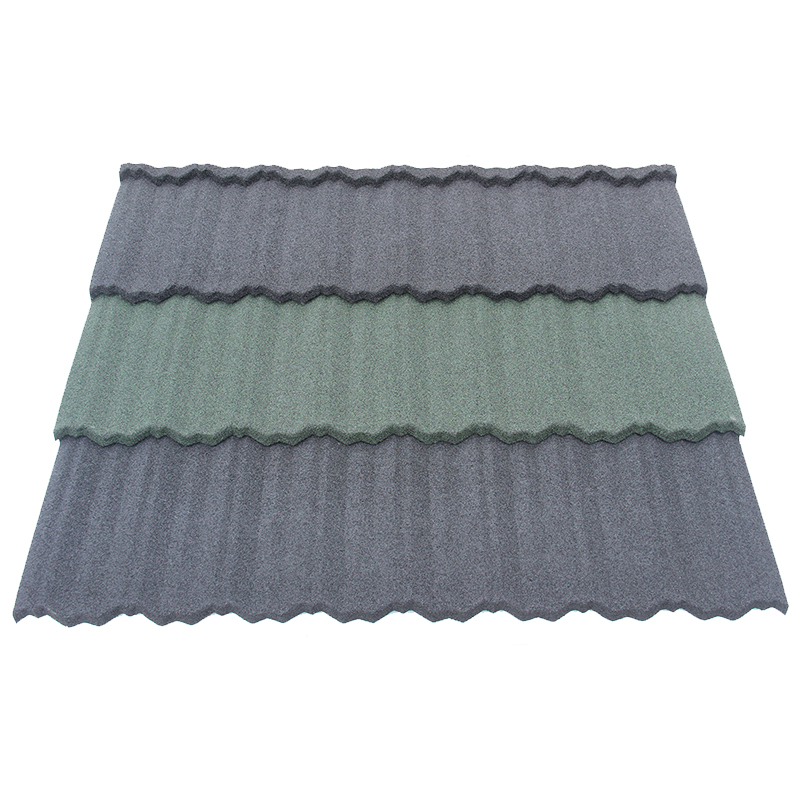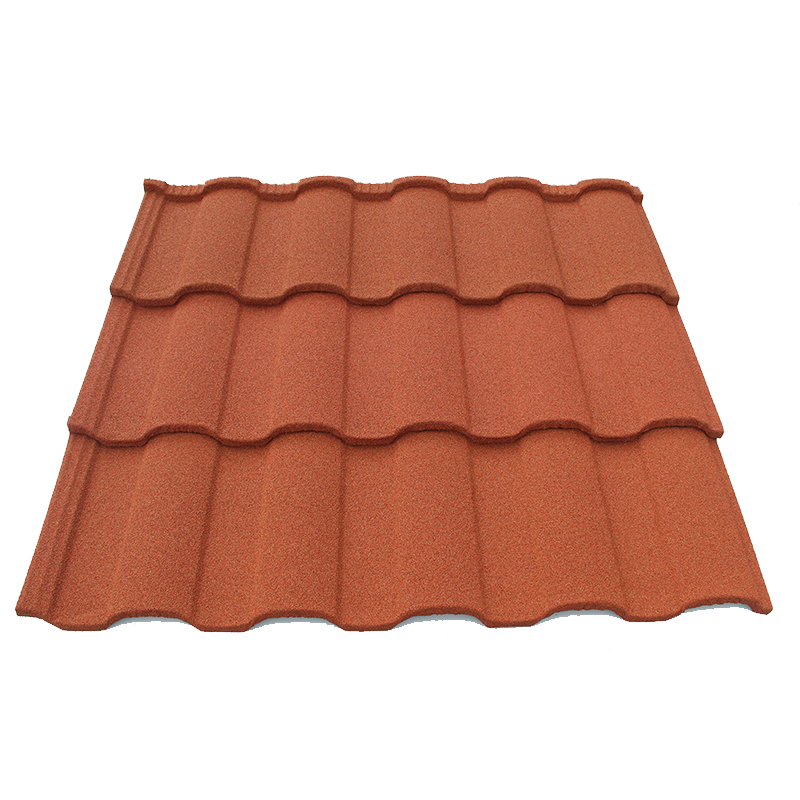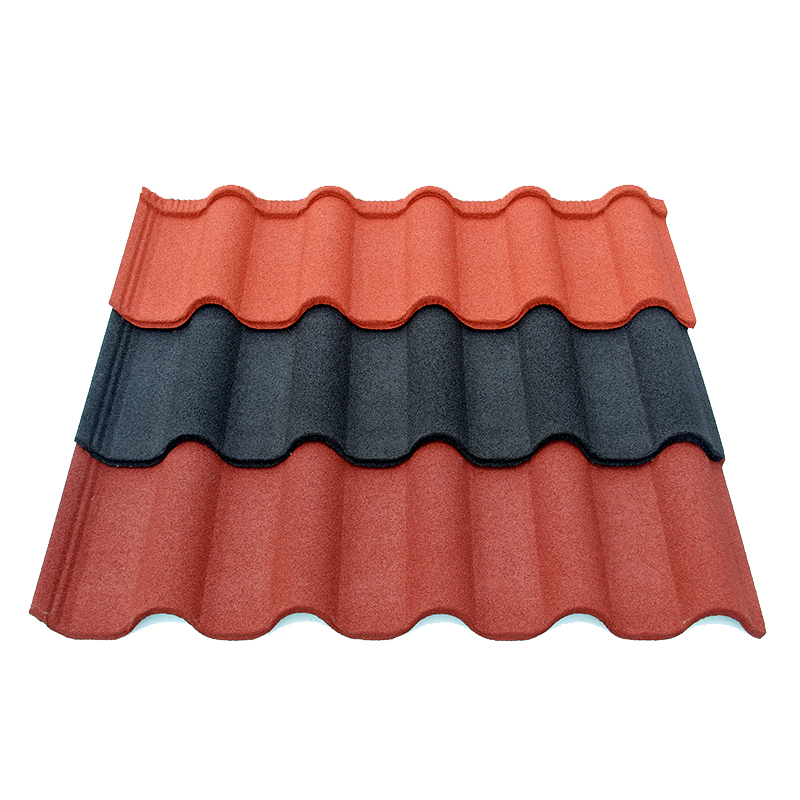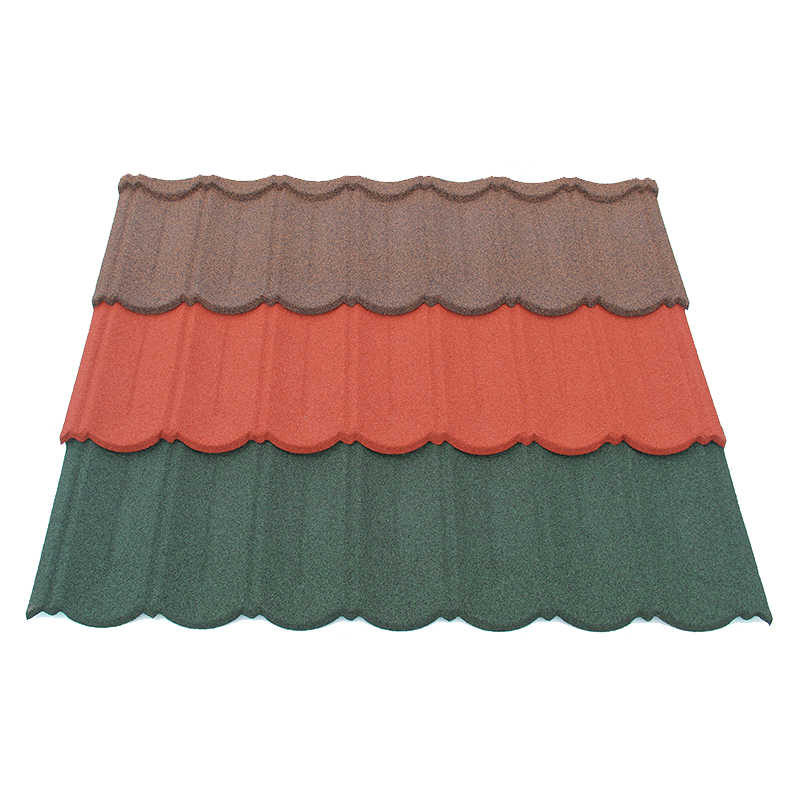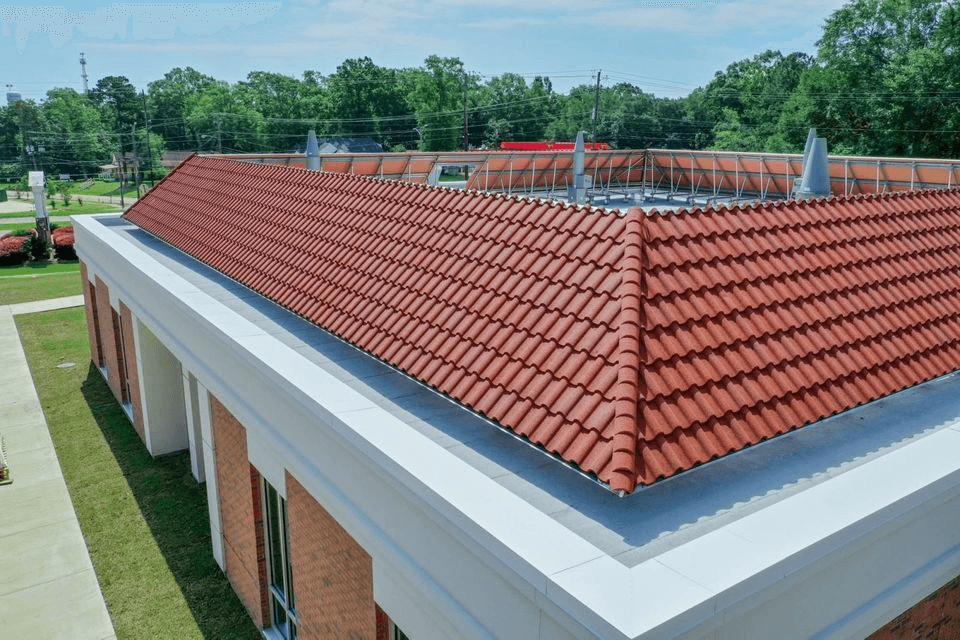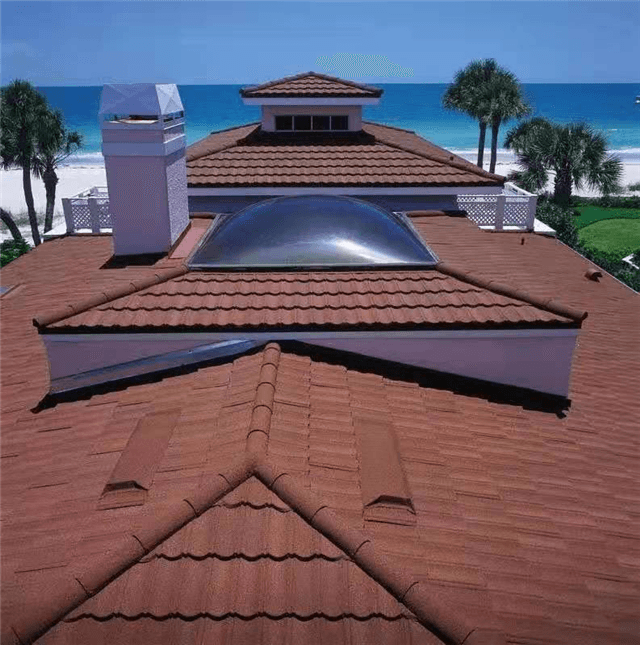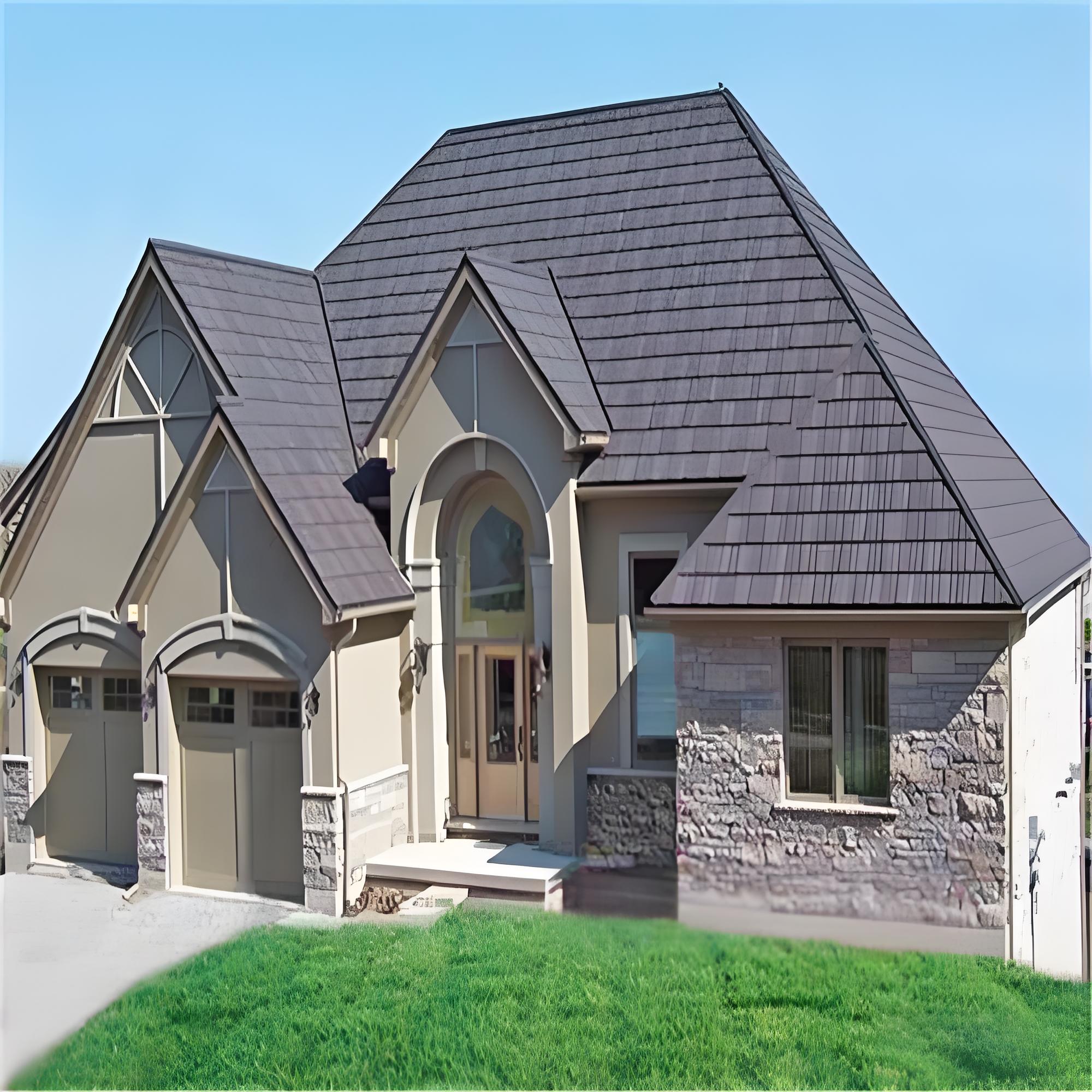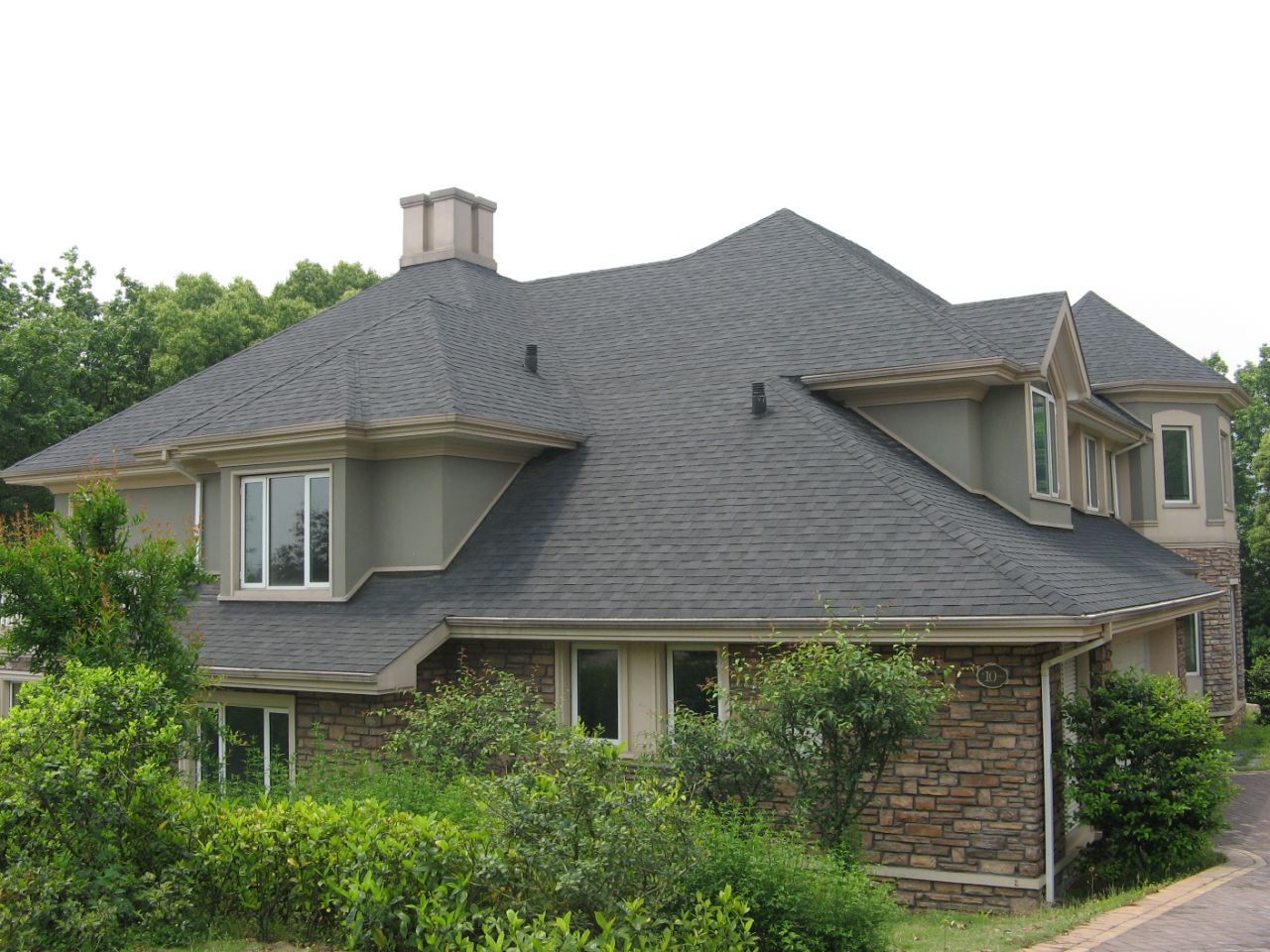

When purchasing roofing materials, price is often one of the first factors buyers consider. However, the cost of stone coated roofing tiles can vary significantly between manufacturers and suppliers. Understanding stone coated roofing tile pricing factors helps importers, distributors, contractors, and developers make informed purchasing decisions while avoiding unexpected costs.
Many buyers assume that all stone coated roofing tiles are similar because they have the same appearance. In reality, differences in raw materials, manufacturing processes, quality control, and export services can lead to substantial price variations. Therefore, comparing quotations without understanding what is included can result in poor purchasing decisions.
This guide explains the major factors that influence the price of stone coated roofing tiles and provides practical tips for balancing cost with long-term value.
1. Steel Quality Has the Greatest Impact on Price
The steel substrate is the foundation of every stone coated roofing tile. Consequently, the quality of the steel directly affects durability, corrosion resistance, and overall product cost.
Galvanized Steel vs. Galvalume Steel
Manufacturers typically use either galvanized steel or Galvalume steel. Galvalume contains an aluminum-zinc alloy coating that offers superior corrosion resistance, making it more suitable for coastal and humid environments.
Although Galvalume steel costs more than standard galvanized steel, it significantly extends the roof’s service life and reduces maintenance expenses.
Steel Thickness
Thicker steel generally improves structural strength and impact resistance. However, it also increases material costs. Buyers should select a thickness that meets local building standards rather than simply choosing the lowest-priced option.
Products such as Bond Tile are manufactured using carefully selected steel substrates to ensure consistent performance in residential and commercial applications.
2. Stone Granule Quality Influences Both Appearance and Cost
Natural stone granules protect the roofing surface while enhancing its appearance. Therefore, their quality plays an important role in determining the final product price.
Color Stability
Premium stone granules maintain their color for many years under continuous UV exposure. Lower-quality materials may fade more quickly, affecting the roof’s appearance.
Granule Adhesion
High-quality granules bond firmly to the coating system, reducing granule loss during transportation and long-term weather exposure.
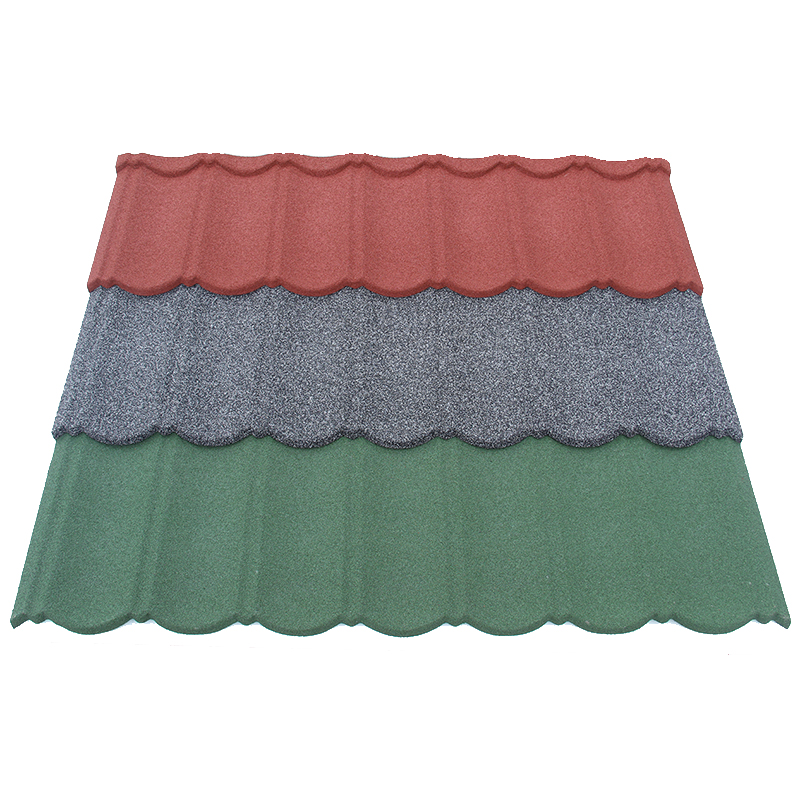
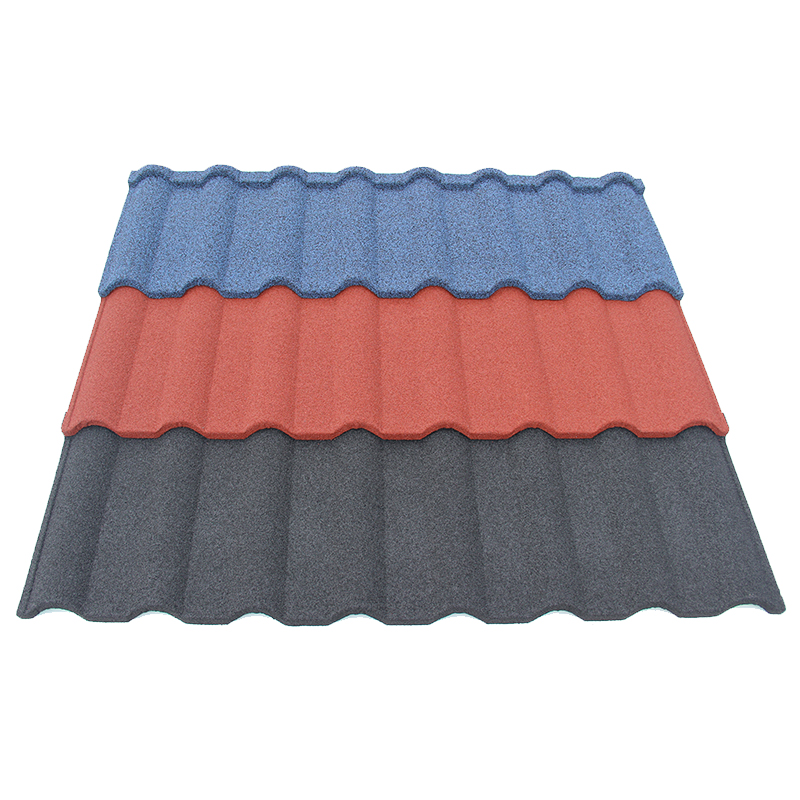
Architectural profiles such as Roman Tile rely on consistent granule coverage to achieve their premium visual finish.
3. Coating Technology Affects Durability
The coating system protects the steel substrate and secures the stone granules. Consequently, advanced coating technology increases production costs while improving long-term performance.
Acrylic Resin Quality
Premium acrylic resin provides stronger adhesion and better weather resistance than lower-grade alternatives.
Multi-Layer Protection
Many high-quality manufacturers apply several protective layers, including anti-corrosion coatings, acrylic resin, natural stone granules, and protective sealers. As a result, the roofing system performs more reliably under harsh environmental conditions.
4. Manufacturing Technology and Quality Control
Factories with automated production lines and comprehensive quality control systems often have slightly higher production costs. However, they also deliver more consistent product quality.
Automation Improves Consistency
Automated forming, coating, and curing equipment reduces production variation and improves dimensional accuracy.
Strict Quality Inspection
Reliable manufacturers inspect raw materials, monitor production, and perform final product testing before shipment. Consequently, buyers receive more consistent roofing products.
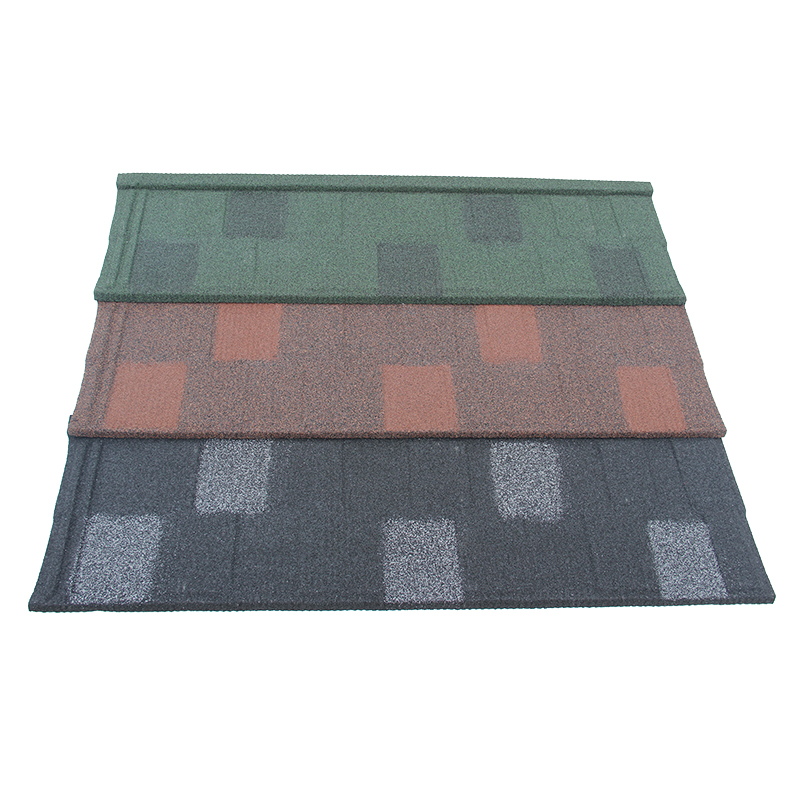
For example, Shingle Tile requires precise forming and coating control to maintain its uniform appearance across large production batches.
5. Tile Profile and Product Design
Different roofing profiles require different tooling, production methods, and manufacturing complexity. Therefore, some profiles naturally cost more than others.
Premium architectural designs often require tighter production tolerances and more sophisticated forming equipment.
For luxury residential developments, Milano Tile offers a refined appearance that justifies its premium positioning in many markets.
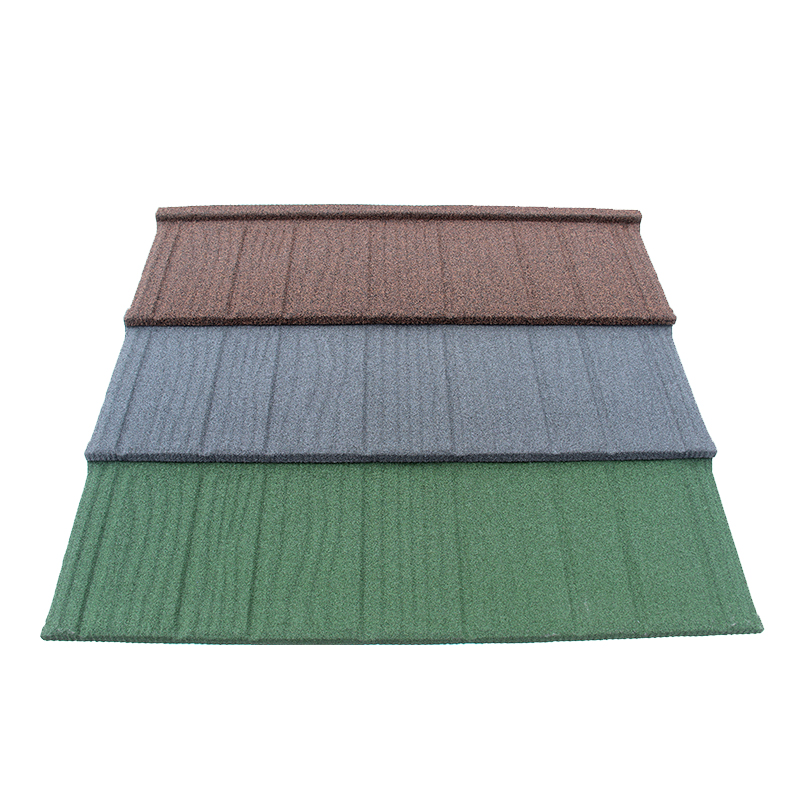
Similarly, Shake Tile features a textured surface that replicates traditional wood roofing, requiring additional manufacturing precision.
6. Order Quantity and OEM Requirements
Order volume has a significant impact on unit pricing. Larger orders generally benefit from lower production costs because manufacturers can optimize raw material purchasing and production efficiency.
Bulk Orders
Importers purchasing full container loads usually receive more competitive pricing than buyers placing small trial orders.
OEM Customization
Custom colors, private-label packaging, logos, and special product specifications may increase production costs. Nevertheless, OEM services help distributors strengthen their brand identity and improve market competitiveness.
7. Packaging and Shipping Costs
Export packaging is another important component of total pricing. Stronger packaging protects roofing products during international transportation but increases material costs.
Export Packaging
- Waterproof plastic wrapping
- Steel or reinforced wooden pallets
- Corner protection
- Custom labels and carton markings
Ocean Freight
Shipping costs depend on container utilization, destination port, seasonal freight rates, and fuel prices. Therefore, buyers should evaluate total landed cost instead of factory price alone.
8. Certifications and Testing Standards
Manufacturers that invest in product testing and international certifications generally have higher operating costs. However, these investments provide buyers with greater confidence in product quality and compliance.
Common quality measures include wind resistance testing, water penetration testing, impact testing, and corrosion resistance evaluation.
9. Supplier Experience and After-Sales Support
Experienced manufacturers often provide technical support, installation guidance, export documentation, and responsive after-sales service. Although these services may not appear directly in the quotation, they add significant value throughout the purchasing process.
Manufacturers such as JCROOF combine advanced manufacturing technology, strict quality management, OEM and ODM capabilities, and global export experience to help distributors source reliable roofing products with confidence.
How to Compare Roofing Quotes Effectively
Instead of selecting the lowest quotation, buyers should compare suppliers using the following criteria:
- Steel type and thickness
- Stone granule quality
- Coating technology
- Quality control procedures
- OEM capabilities
- Packaging standards
- Shipping terms (FOB, CFR, CIF)
- Warranty and technical support
By comparing complete value rather than price alone, importers can make better long-term purchasing decisions.
Frequently Asked Questions
1. Why do stone coated roofing tile prices vary between suppliers?
Differences in steel quality, coating technology, manufacturing standards, quality control, packaging, and OEM services all influence pricing.
2. Is the cheapest roofing tile the best option?
Not always. Lower-priced products may use thinner steel, lower-quality coatings, or weaker quality control, resulting in higher maintenance and replacement costs.
3. Does OEM customization increase the price?
Yes. Customized colors, packaging, branding, and specifications typically increase production costs, although they also strengthen market differentiation.
4. How can I reduce my import costs?
Ordering full container loads, optimizing packaging, and working with experienced manufacturers can reduce overall procurement costs.
5. What should I compare besides price?
Always compare raw materials, product quality, certifications, production capability, export experience, warranty, and after-sales support.
Conclusion
The price of stone coated roofing tiles depends on much more than the cost of raw materials. Steel quality, coating technology, manufacturing standards, quality control, OEM customization, packaging, shipping, and supplier experience all contribute to the final quotation.
Rather than choosing the lowest price, successful importers evaluate total value over the entire lifecycle of the roofing system. By partnering with an experienced manufacturer and comparing quotations carefully, buyers can achieve better product performance, lower maintenance costs, and stronger long-term business results.