

Stone coated roofing vs concrete tile weight is one of the most consequential differences between these two materials, yet it rarely gets enough attention during the specification stage. Weight determines whether an existing structure needs reinforcement before installation begins. It shapes engineering costs on new construction. It affects transport logistics and handling on site. This guide breaks down the real structural implications of choosing between these two materials, and how that choice plays out across common project types.
Why Weight Is the First Question to Answer in This Comparison
A roofing material’s weight per square foot affects every structural element below it. Rafters, trusses, wall framing, and foundations all carry the roof’s dead load across the building’s lifetime. Choosing a heavier material without accounting for this load can trigger expensive structural upgrades, or worse, create long-term safety risk on older buildings not designed for the additional stress.
Dead Load Accumulates Across the Entire Roof Surface
A weight difference of even a few pounds per square foot becomes substantial once multiplied across a full roof surface. A 2,000-square-foot roof carrying an extra three pounds per square foot adds three tons of dead load to the structure. That figure shapes every structural calculation from rafter sizing to foundation design.
Retrofit Projects Face the Sharpest Weight Constraints
New construction can plan structural framing around a chosen material from the start. Retrofit projects work within existing structural limits designed for a specific load, often the lighter original material. This constraint eliminates heavier options before aesthetics or cost even enter the conversation.
Breaking Down the Weight Difference Between These Two Materials
The weight gap between stone coated roofing and concrete tile is significant in absolute terms. Understanding this gap in structural terms, not just pounds per square foot, helps buyers and engineers make informed decisions. The table below compares the two materials across the structural factors that matter most during specification.
| Factor | Concrete Tile | Stone Coated Metal Roofing Tile |
|---|---|---|
| Typical Weight per Square Foot | 9 to 12 pounds per square foot | 1.3 to 1.7 pounds per square foot |
| Structural Reinforcement Requirement | Often required on retrofit projects | Rarely required on standard structures |
| Impact on Rafter and Truss Sizing | Heavier members required for new construction | Standard sizing typically sufficient |
| Transport and Site Handling Cost | Higher, heavier pallets and more lifts required | Lower, lighter pallets reduce handling complexity |
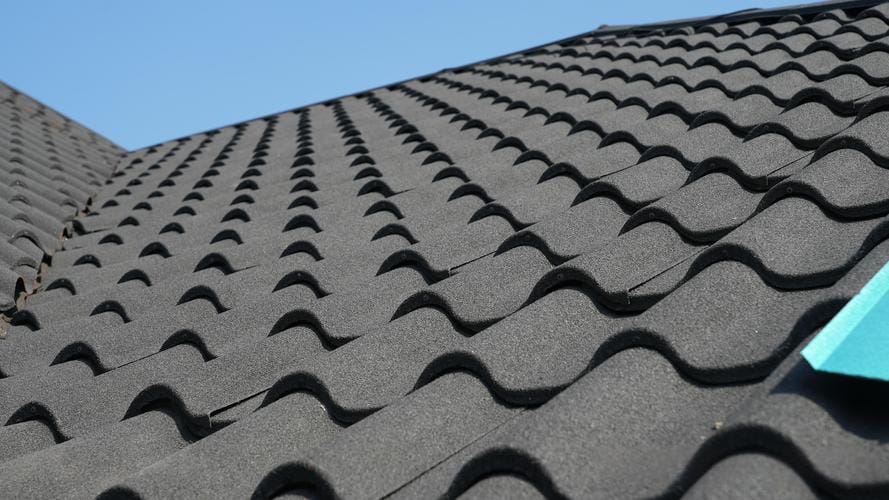
The Weight Gap in Practical Terms
Concrete tile typically weighs between nine and twelve pounds per square foot. Stone coated roofing generally runs between 1.3 and 1.7 pounds per square foot. This difference is not marginal. It means a concrete tile roof can weigh six to eight times more than a stone coated alternative covering the same surface area.
How This Weight Gap Affects Structural Engineering
Engineers sizing rafters and trusses for a concrete tile roof use significantly heavier member specifications than for a stone coated system. This adds material cost to new construction framing budgets. On retrofit projects, existing framing designed for a lighter original material often cannot safely accommodate concrete tile without reinforcement.
Transport and Site Logistics
Heavier materials require more deliveries, heavier lifting equipment, and more careful staging on site. Stone coated roofing vs concrete tile weight differences translate directly into lower transport and handling cost, which compounds across large projects or multiple buildings on a development.
How the Weight Difference Plays Out Across Different Project Types
The structural implications of this weight gap matter differently depending on whether the project involves new construction, retrofit work, or a specific climate or building type. The following examples show how stone coated roofing vs concrete tile weight comparisons translate into real project decisions.
Retrofit Projects on Older Residential Structures
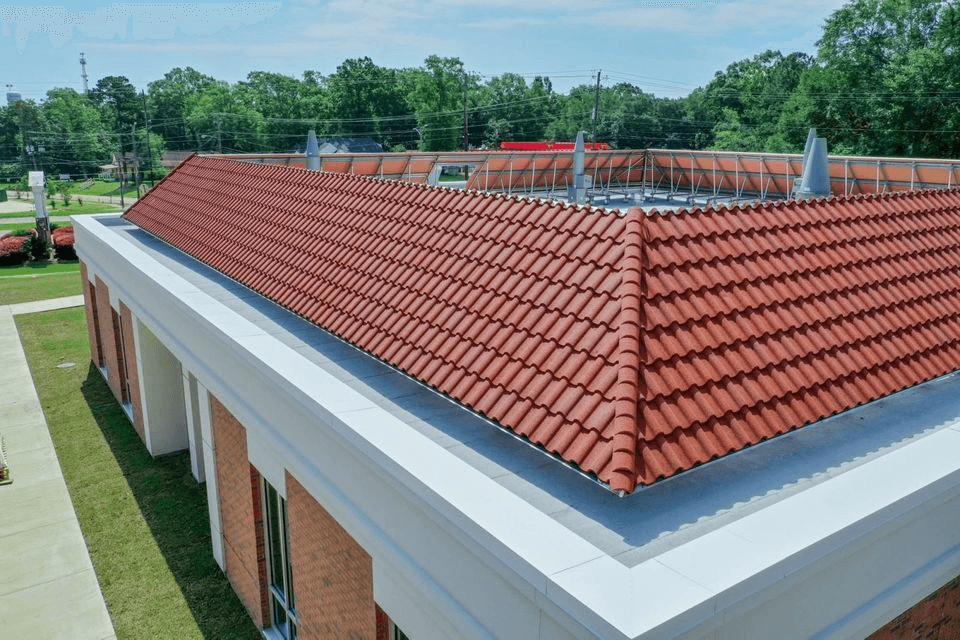
Older homes designed for asphalt shingle or light roofing rarely have framing capable of carrying concrete tile’s dead load without reinforcement. A Bond Tile profile lets these projects upgrade durability without triggering a structural engineering review or costly framing work.
New Construction in Seismic Zones
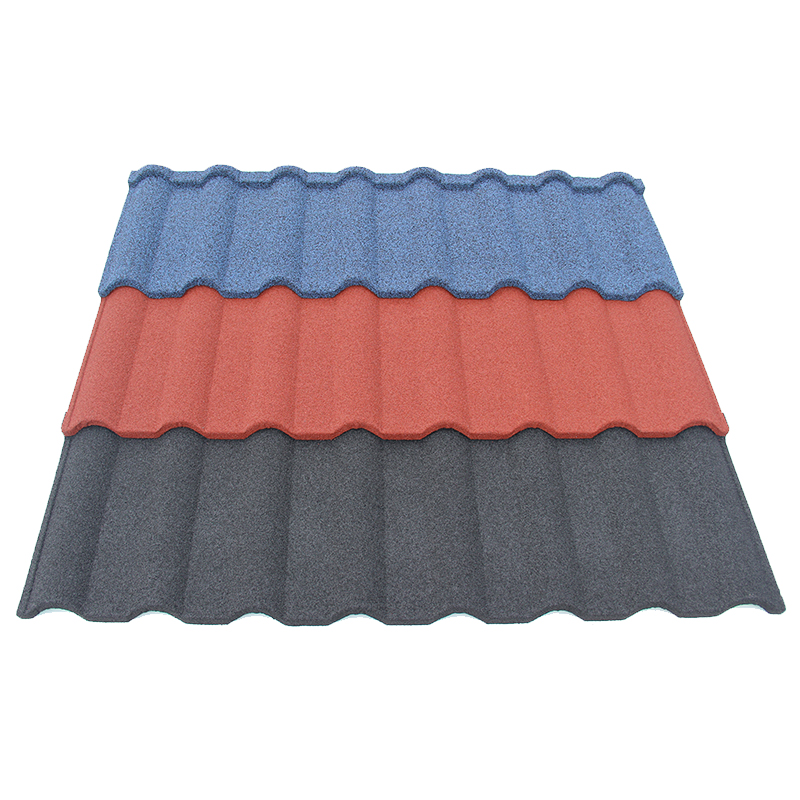
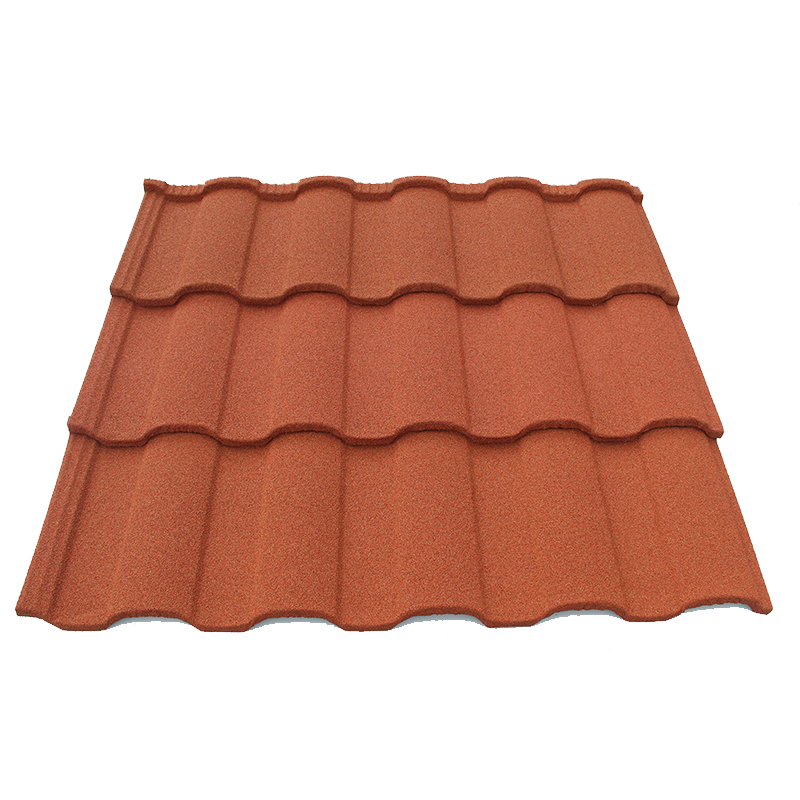
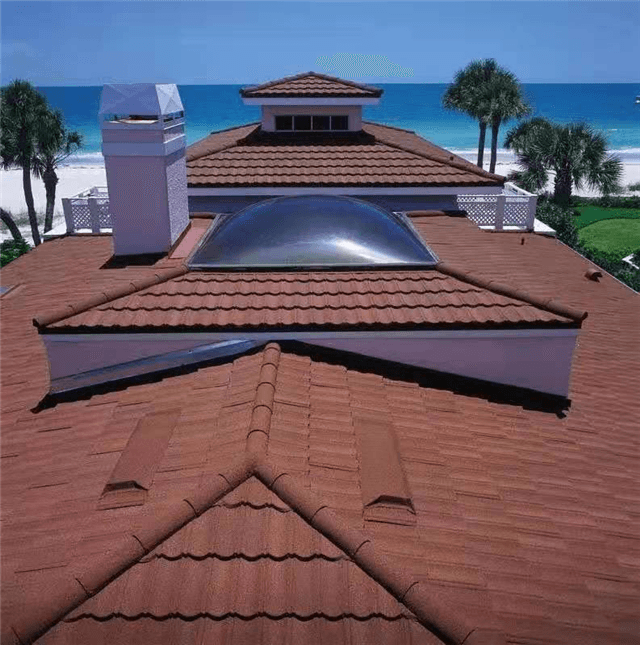
Buildings in seismic zones benefit significantly from lighter roofing. A heavier roof raises a building’s center of gravity, which increases structural stress during seismic events. A Roman Tile profile delivers a traditional tile silhouette at a fraction of concrete tile’s weight, reducing seismic load on the structure below.
Multi-Unit Residential Developments
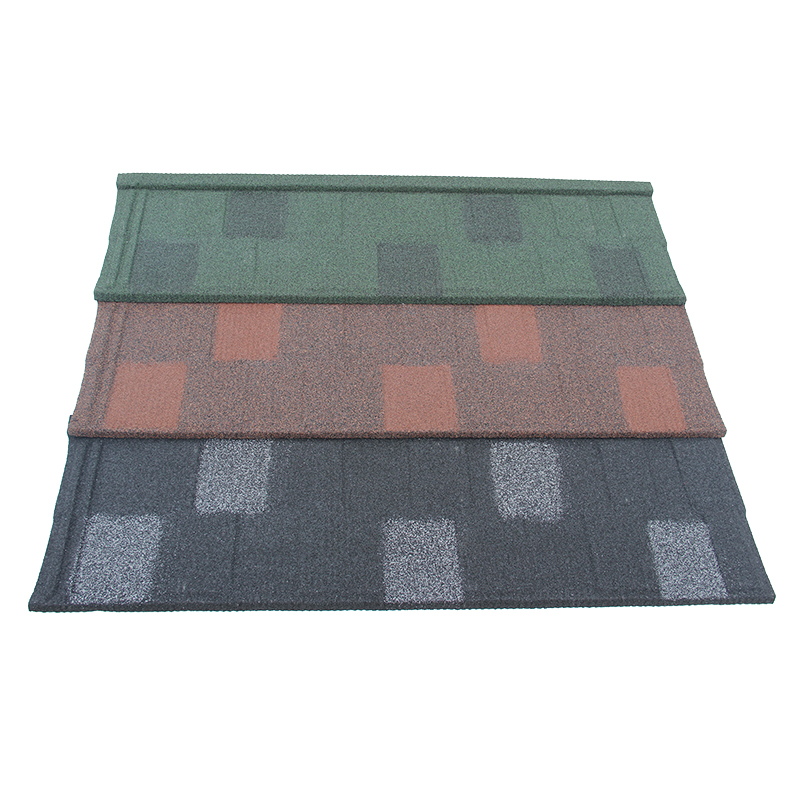
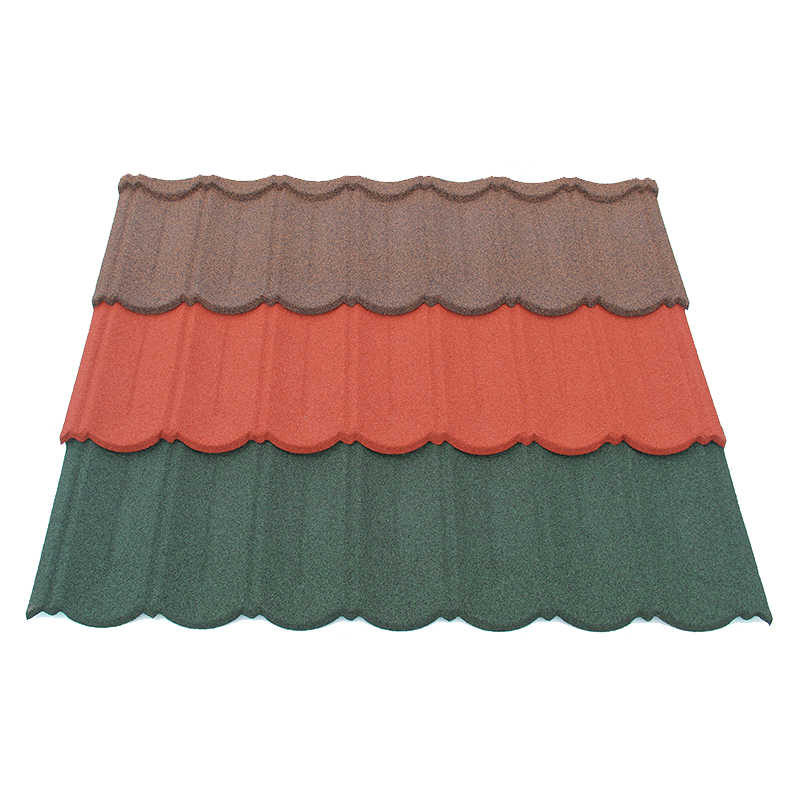
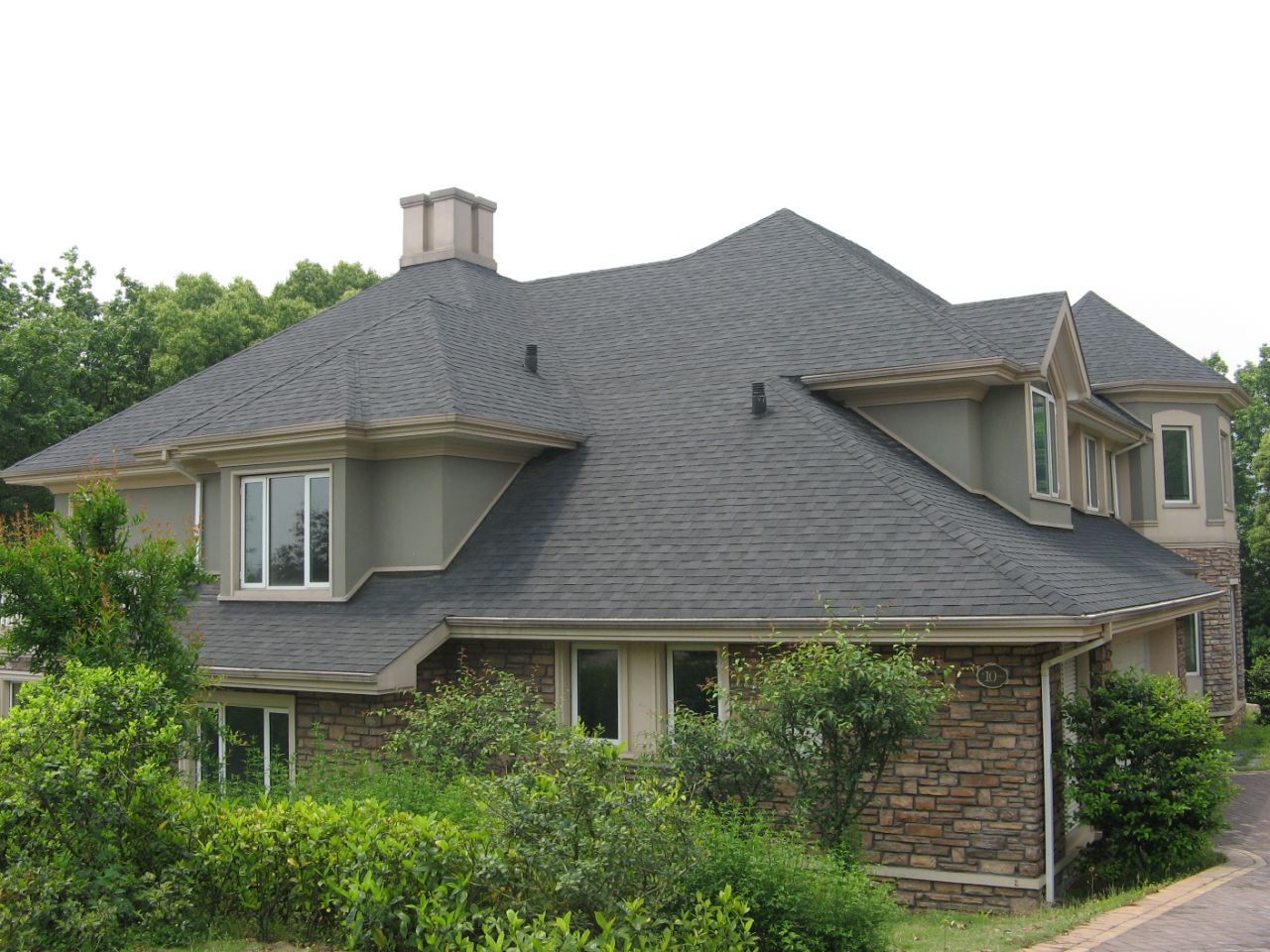
Developers building multiple units simultaneously amplify the structural cost implications of material weight across every building in the project. A Shingle Tile profile reduces per-unit structural costs while still delivering a familiar residential appearance across the development.
Architectural and Design-Focused Projects
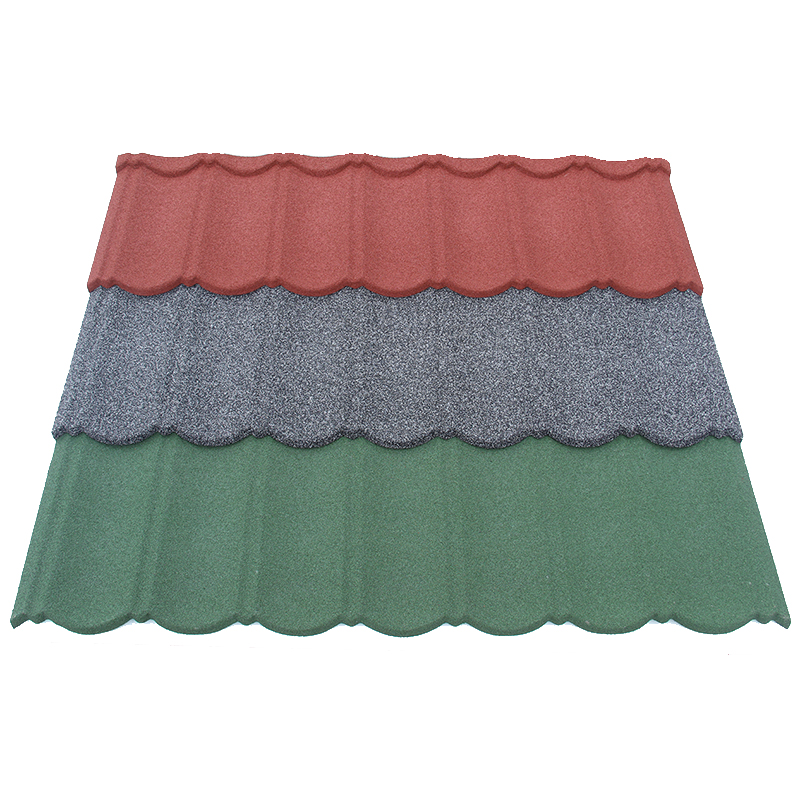
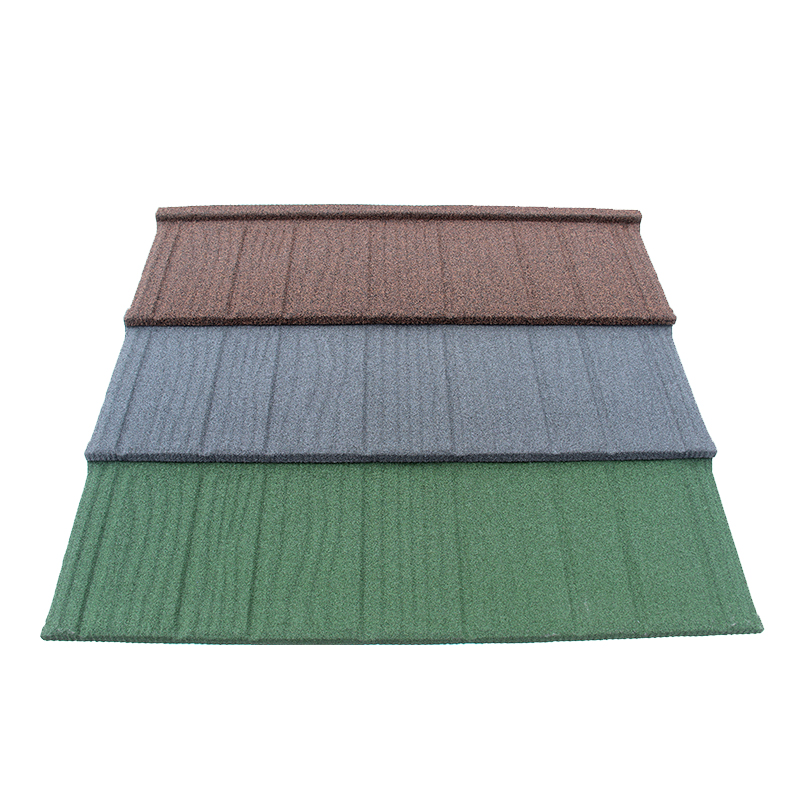
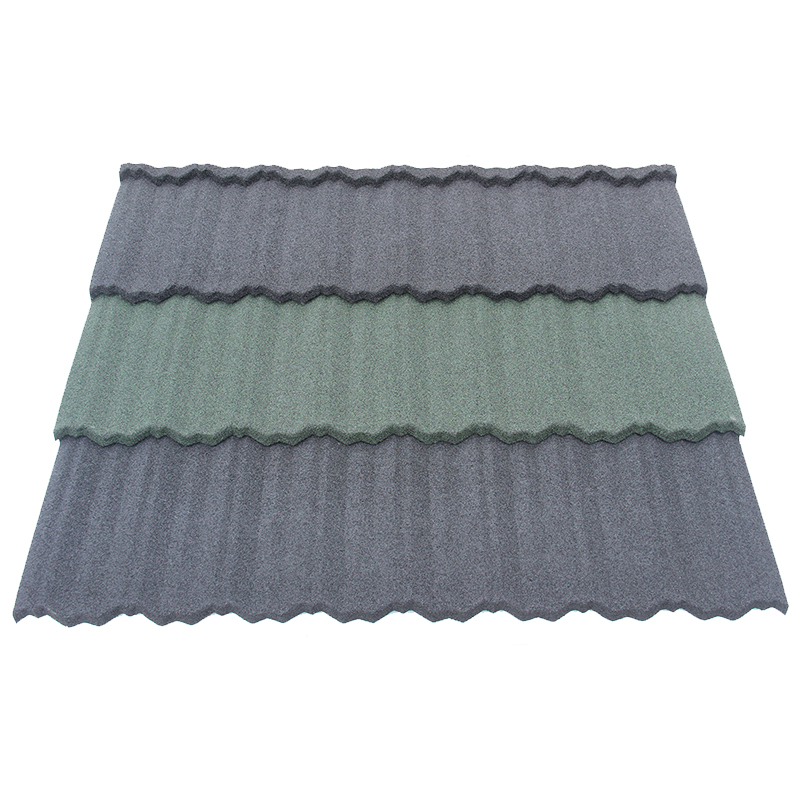
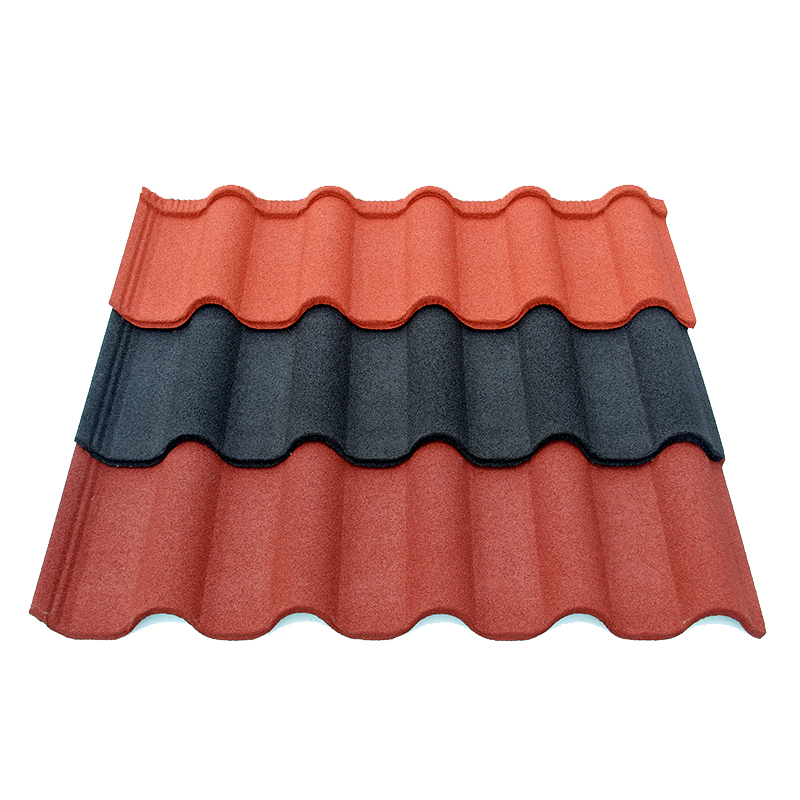
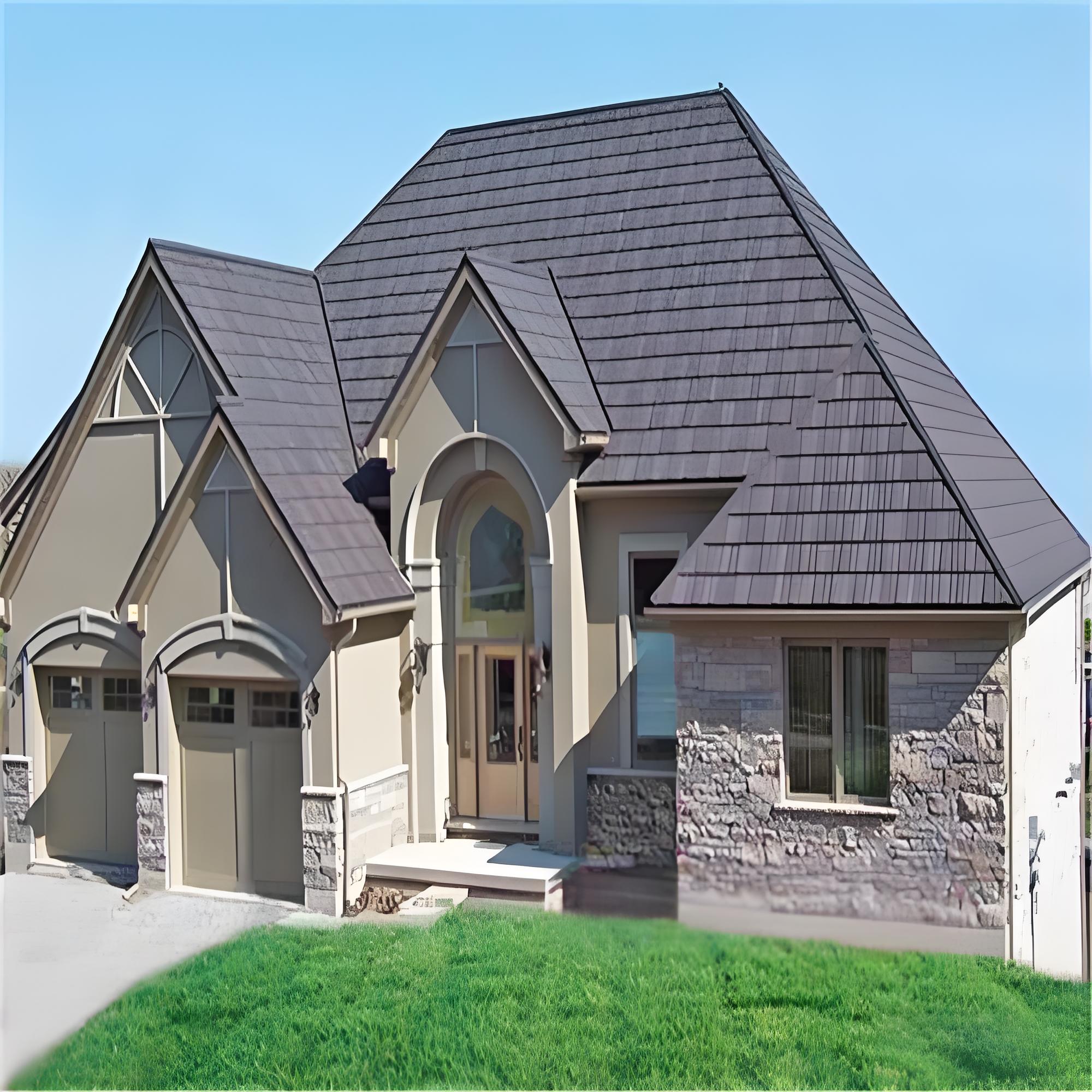
Architects specifying a distinctive tile profile sometimes work with suppliers such as JCROOF to confirm that a Milano Tile profile meets both aesthetic and structural weight targets without the framing upgrades concrete tile would require. Rustic-style projects choosing a Shake Tile profile gain similar structural advantages, since its coated steel base stays well within standard framing load limits.
Common Mistakes When Comparing These Two Materials on Weight
Buyers comparing stone coated roofing vs concrete tile weight often make a few specific mistakes that lead to underestimating the structural and cost implications of their choice.
Comparing Per-Unit Weight Instead of Total Roof Dead Load
A single tile’s weight sounds manageable in isolation. Total roof dead load across a full surface area tells a very different story. Buyers should always convert weight per square foot into total dead load for the specific roof area under consideration.
Assuming Structural Reinforcement Is a Minor Cost
Structural reinforcement on a retrofit project involves more than adding a few extra rafters. It often requires engineering assessment, permits, and significant labor across the entire roof structure. Buyers who discover this mid-project face unexpected budget overruns at the worst possible time.
Ignoring Weight in Seismic and High-Wind Regions
Buyers in seismic or high-wind zones sometimes focus on surface durability without accounting for how roofing weight affects structural behavior during dynamic loading. Lighter roofing reduces structural stress under both earthquake and storm conditions.
- Calculate total roof dead load for your specific surface area before comparing materials
- Get a structural assessment before specifying concrete tile on any retrofit project
- Account for seismic load implications in earthquake-prone regions
- Factor transport and handling cost differences into total project cost comparisons
- Confirm standard framing specifications can support your chosen material without upgrades
Making a Structurally Sound Material Choice
Choosing between stone coated roofing and concrete tile on weight grounds is not just a cost question. It is a structural safety and long-term performance decision. Buyers who evaluate total dead load, structural reinforcement requirements, and seismic or wind implications together make more informed choices than those comparing only surface durability or appearance.
Questions to Ask Before Finalizing a Material Choice
Ask for a structural assessment confirming your framing can carry the chosen material’s dead load without reinforcement. Confirm seismic and wind load implications for your specific region. These answers reveal far more than a side-by-side weight chart alone.
Stone coated roofing vs concrete tile weight comparison reveals a gap far larger than most buyers expect at the outset. Buyers who account for total dead load, structural reinforcement cost, and seismic implications from the start consistently make material choices that hold up structurally and financially across the full project timeline.