
For contractors, developers, and distributors working in coastal or storm-prone regions, one of the most critical questions is can it withstand high winds or hurricanes. When evaluating roofing systems, wind resistance is not just a performance feature—it directly affects building safety, insurance approval, and long-term maintenance costs.
From a B2B perspective, the question can it withstand high winds or hurricanes is closely tied to installation quality, fastening systems, and product design. Stone coated roofing has gained attention in this area due to its interlocking structure and steel base, but understanding how it performs under real conditions is essential before making procurement decisions.
How Stone Coated Roofing Performs Under High Wind Conditions
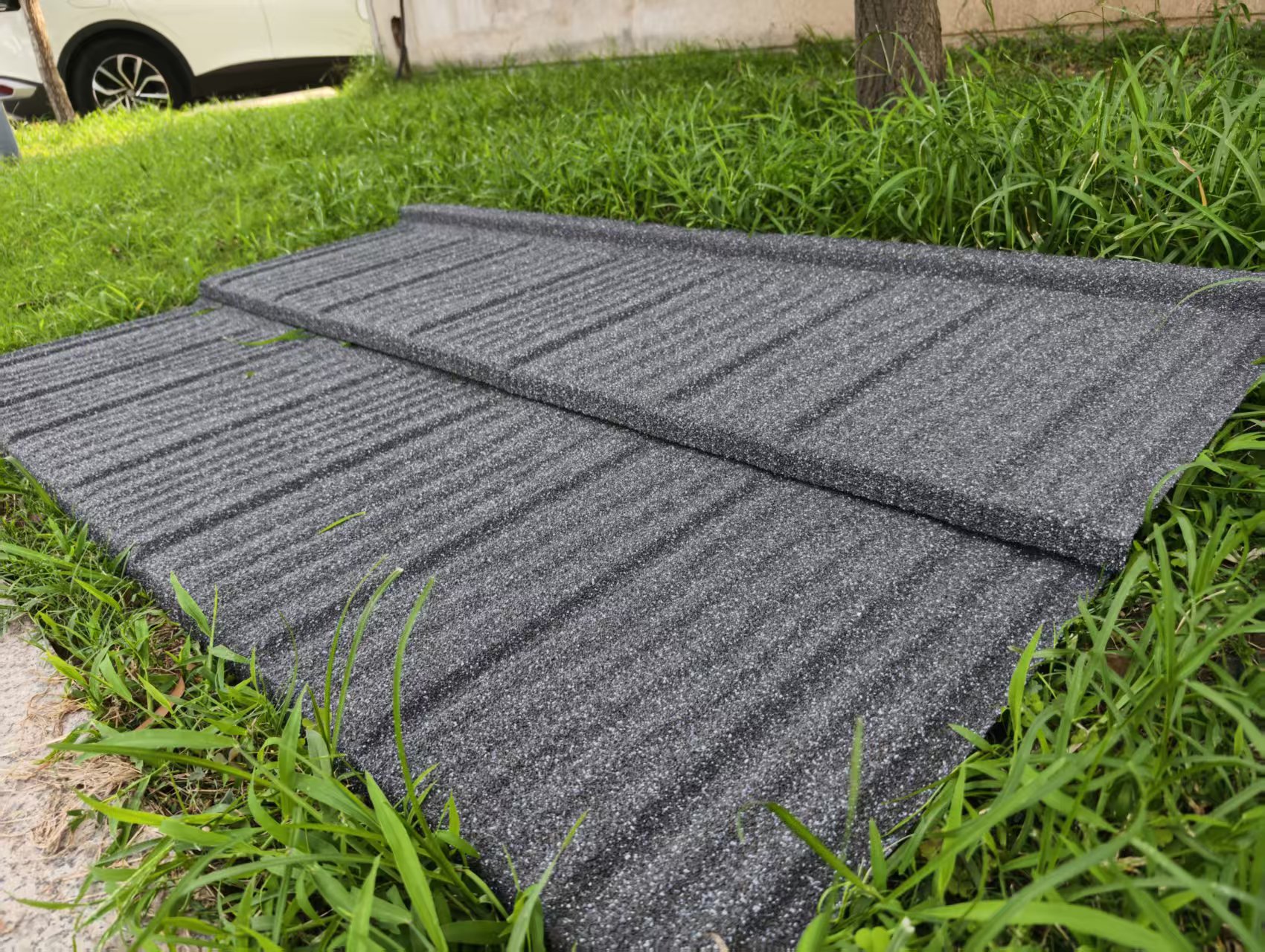
To answer can it withstand high winds or hurricanes, it is important to look at how the system is engineered. Stone coated roofing sheets are typically installed using an interlocking method combined with multiple fastening points, which helps secure each panel tightly to the roof structure.
In properly installed systems, wind resistance ratings can reach up to 120–160 mph (approximately 190–260 km/h), depending on the product design and installation method. This level of performance makes stone coated roofing suitable for many hurricane-prone regions.
However, real-world performance depends on more than just product specifications. The entire system—including battens, fasteners, and roof structure—must be designed to handle extreme wind loads.
Interlocking Installation System
Each panel overlaps and locks with adjacent pieces, reducing the risk of uplift during strong winds.
Multiple Fastening Points
Panels are typically secured with several nails or screws, distributing wind pressure across the roof.
Low Profile Weight Advantage
The combination of lightweight material and secure fastening reduces stress on the structure while maintaining stability.
Key Factors That Determine Wind Resistance
When evaluating can it withstand high winds or hurricanes, buyers should focus on the factors that directly influence wind performance rather than relying solely on product claims. In many cases, failures occur due to installation or system design issues rather than the material itself.
Understanding these factors helps contractors and distributors select the right products for high-risk environments.
Installation Quality
Improper fastening or incorrect overlap can significantly reduce wind resistance.
Roof Structure and Pitch
Steeper roofs and well-designed support structures improve wind performance.
Fastener Type and Placement
Using the correct fasteners and spacing is essential for maintaining panel stability under high wind loads.
Edge and Ridge Detailing
Weak points such as roof edges and ridges must be properly sealed and reinforced.
How Roofing Profiles Influence Wind Performance
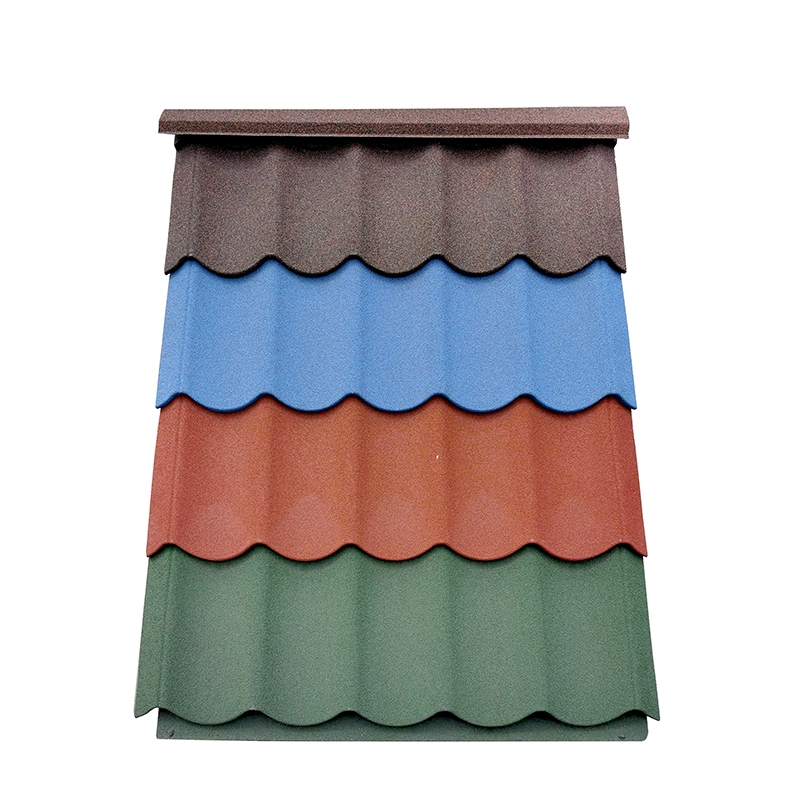
While the base material plays a major role, roofing profile design also affects how the system behaves under high wind conditions. Shape, depth, and interlocking structure all contribute to wind resistance.
In practice, contractors select profiles not only for aesthetics but also for how they perform in specific environmental conditions.
Application-Based Insights
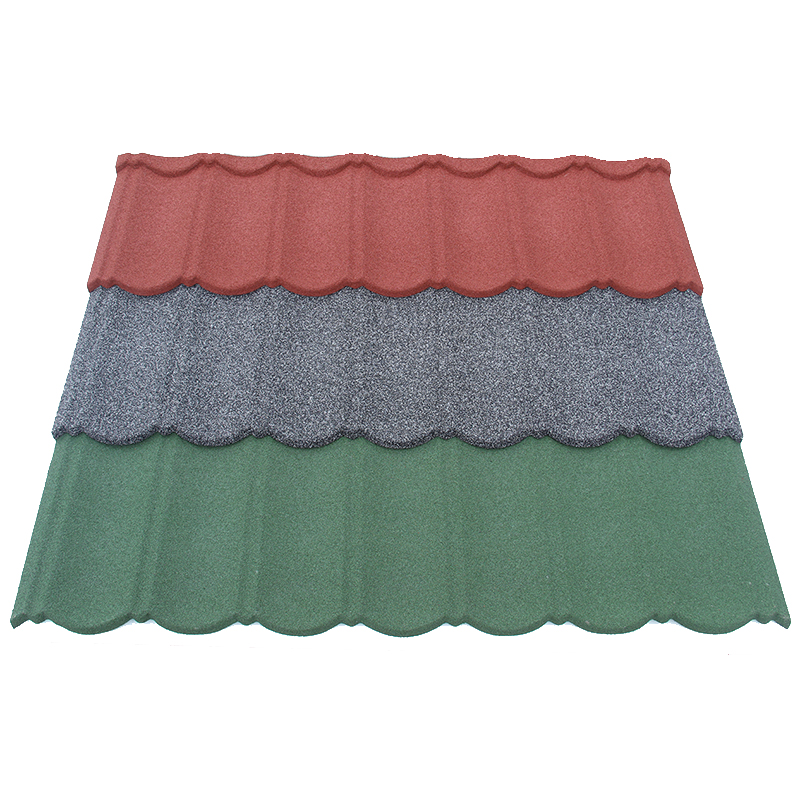
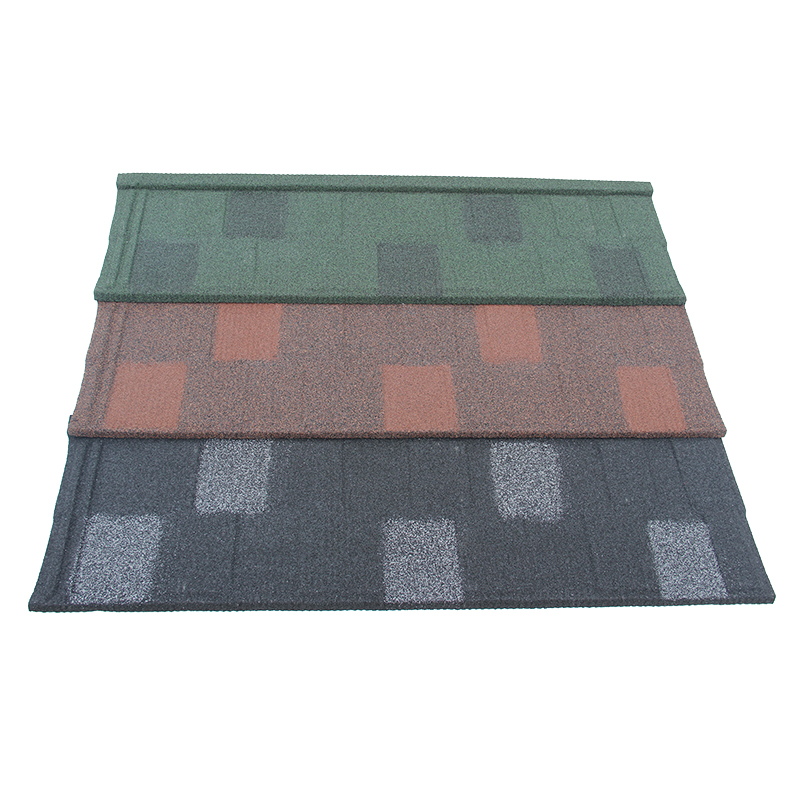
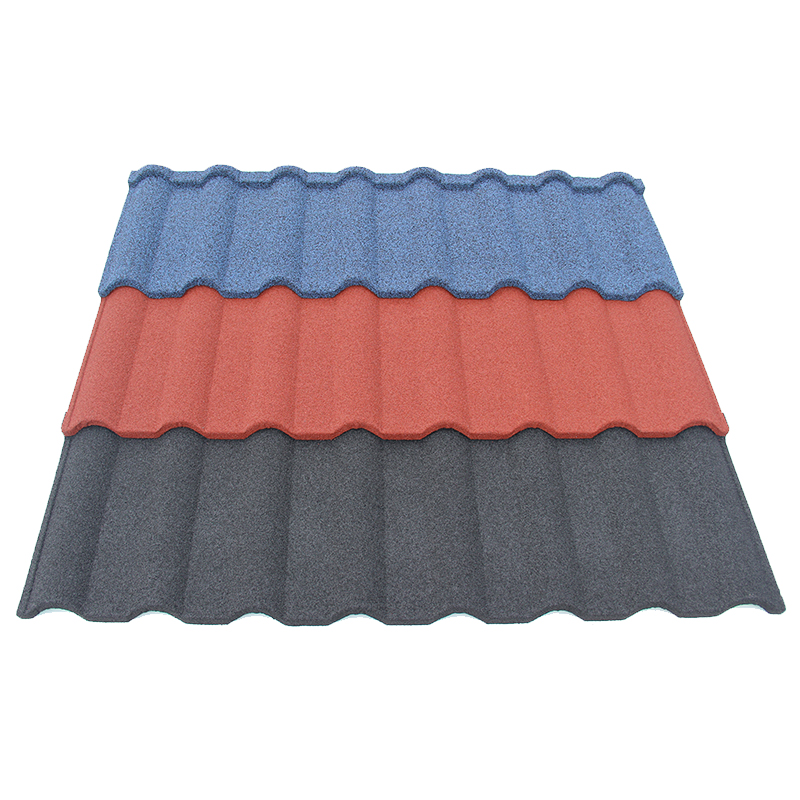
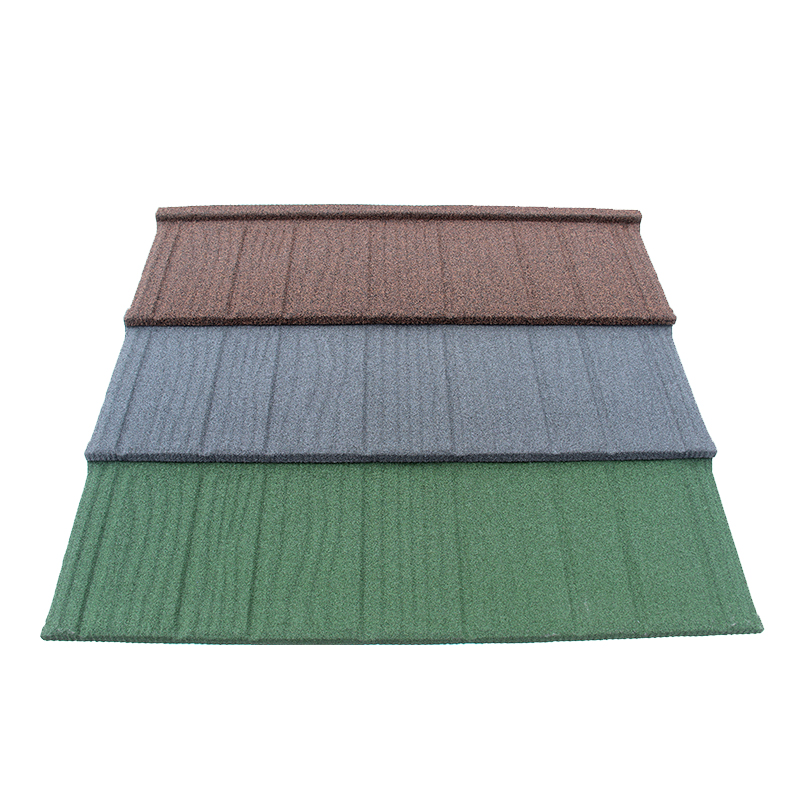
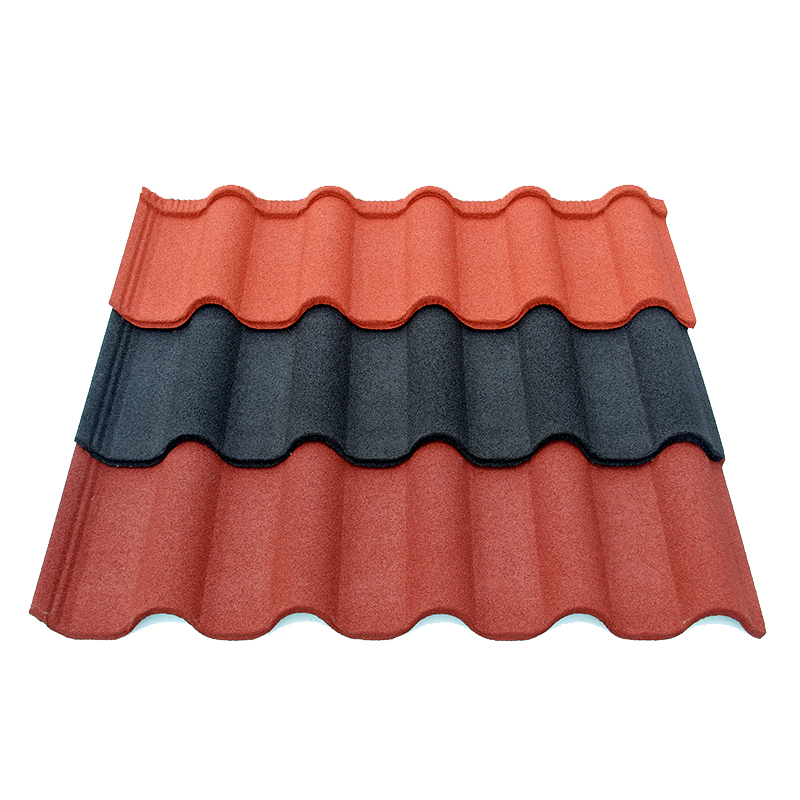
In large residential developments located in windy regions, contractors often use Bond Tile because its balanced profile allows for consistent fastening and reliable interlocking performance.
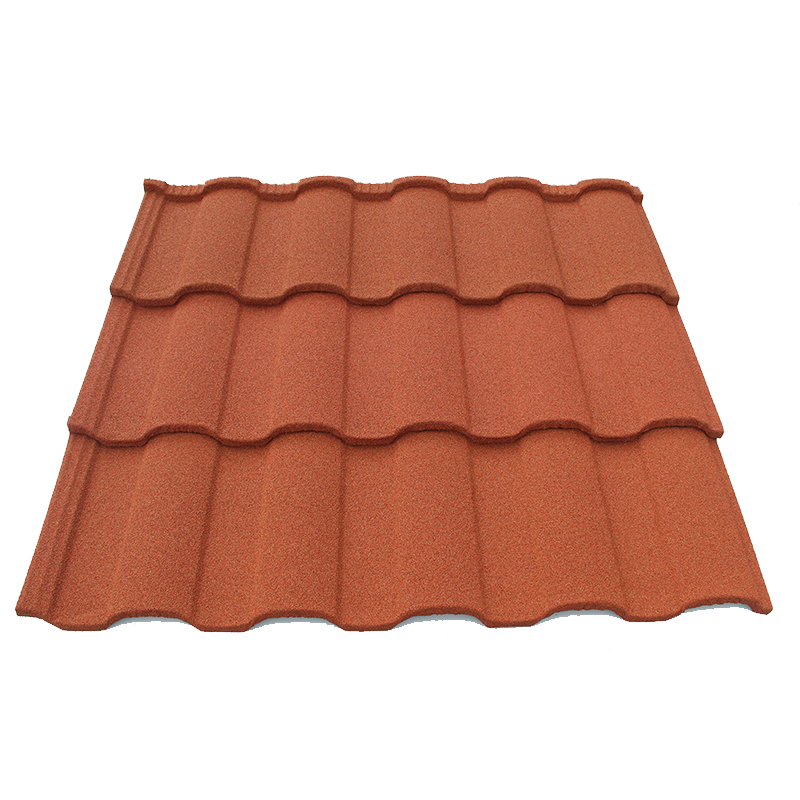
For projects in areas exposed to both heavy rain and strong winds, deeper-profile systems such as Roman Tile are commonly chosen, as they provide additional structural rigidity and improved water drainage.
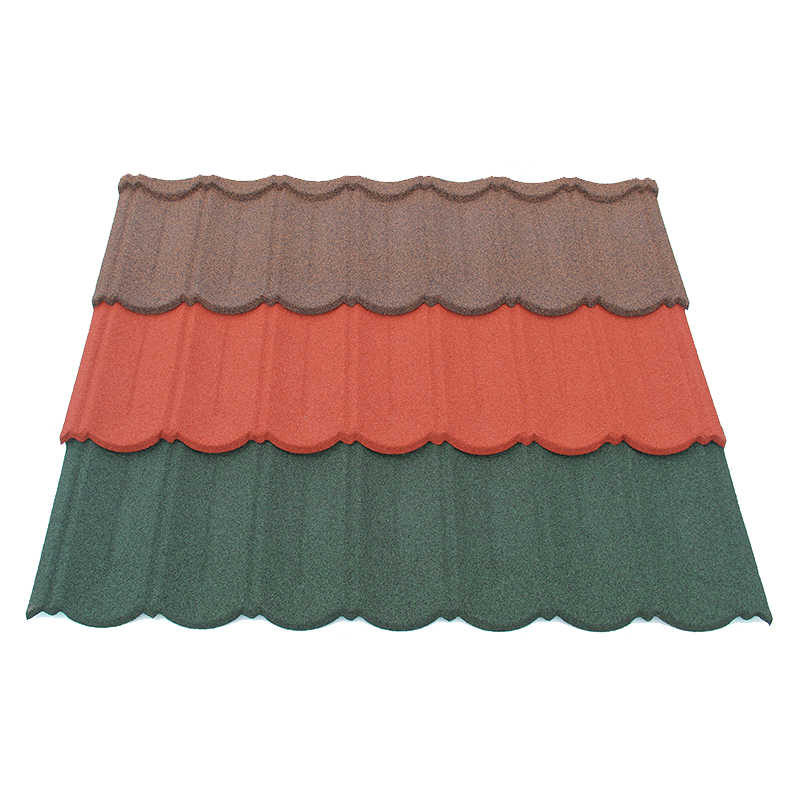
In renovation projects where weight and structural load are key concerns, Shingle Tile is often selected due to its lighter profile, while still maintaining adequate wind resistance when installed correctly.
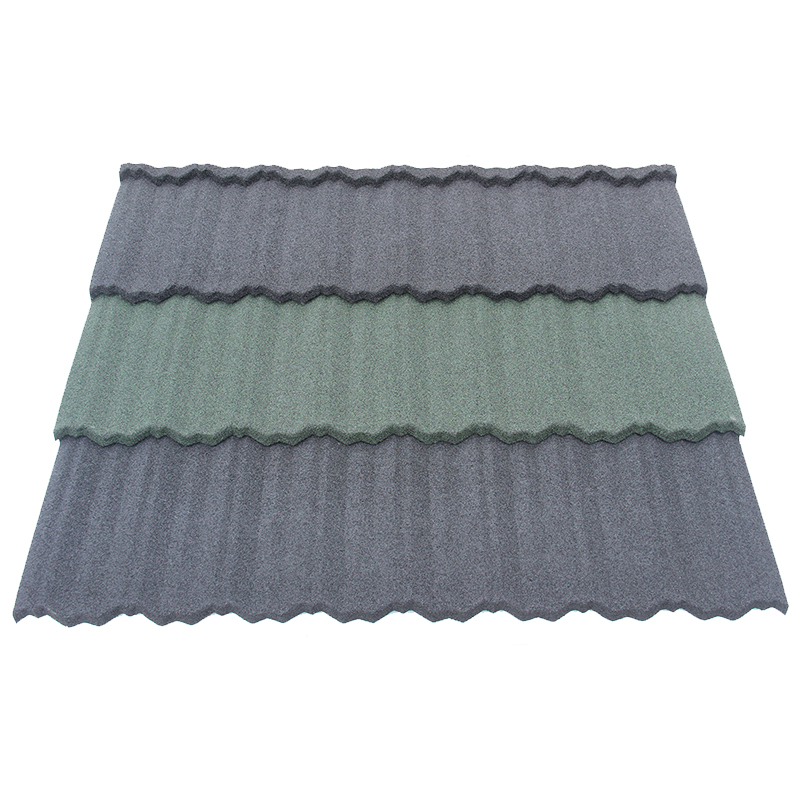
For modern architectural designs, Milano Tile may be used, but installers must pay close attention to fastening density and alignment to ensure optimal wind performance.
Comparison with Other Roofing Materials
To better understand can it withstand high winds or hurricanes, comparing stone coated roofing with other materials provides useful context. This helps buyers evaluate whether it meets project-specific requirements.
| Material | Wind Resistance | Failure Risk | Typical Use |
|---|---|---|---|
| Stone Coated Steel | High (120–160 mph) | Low (if installed correctly) | Residential & coastal projects |
| Asphalt Shingles | Medium (90–130 mph) | Moderate uplift risk | Standard housing |
| Clay Tiles | Medium | Breakage under impact | Traditional structures |
| Corrugated Metal | High | Edge uplift risk | Industrial buildings |
Common Mistakes That Lead to Wind Damage
In many cases, roofing systems fail during storms not because the material is inadequate, but because of avoidable mistakes during selection or installation. Recognizing these risks is essential when answering can it withstand high winds or hurricanes.
For B2B buyers, avoiding these issues is just as important as choosing the right product.
Insufficient Fastening
Using fewer fasteners than recommended can lead to panel uplift.
Poor Edge Detailing
Unsecured edges are the most vulnerable points during high winds.
Incorrect Installation Sequence
Improper overlap or alignment weakens the interlocking system.
Ignoring Local Wind Codes
Failure to meet regional building standards can result in structural damage.
Practical Sourcing Advice for High-Wind Regions
For contractors and distributors working in hurricane-prone areas, evaluating can it withstand high winds or hurricanes should be part of a comprehensive procurement strategy. This includes not only product selection but also system compatibility and installation planning.
Manufacturers such as JCROOF are often referenced in the industry for providing complete roofing systems designed to meet wind resistance requirements. This includes matching accessories, fastening guidelines, and technical support for proper installation.
Recommended Approach
- Select products with verified wind resistance ratings
- Follow manufacturer installation guidelines strictly
- Reinforce edges, ridges, and vulnerable areas
- Train installation teams for high-wind applications
Conclusion: Can It Withstand High Winds or Hurricanes?
So, can it withstand high winds or hurricanes? Yes—when properly installed as part of a complete roofing system, stone coated roofing can provide strong resistance to high winds and storm conditions.
For B2B buyers, the key is to focus on system performance rather than just material properties. With the right product selection, installation practices, and structural design, stone coated roofing offers a reliable solution for projects in high-wind and hurricane-prone regions.