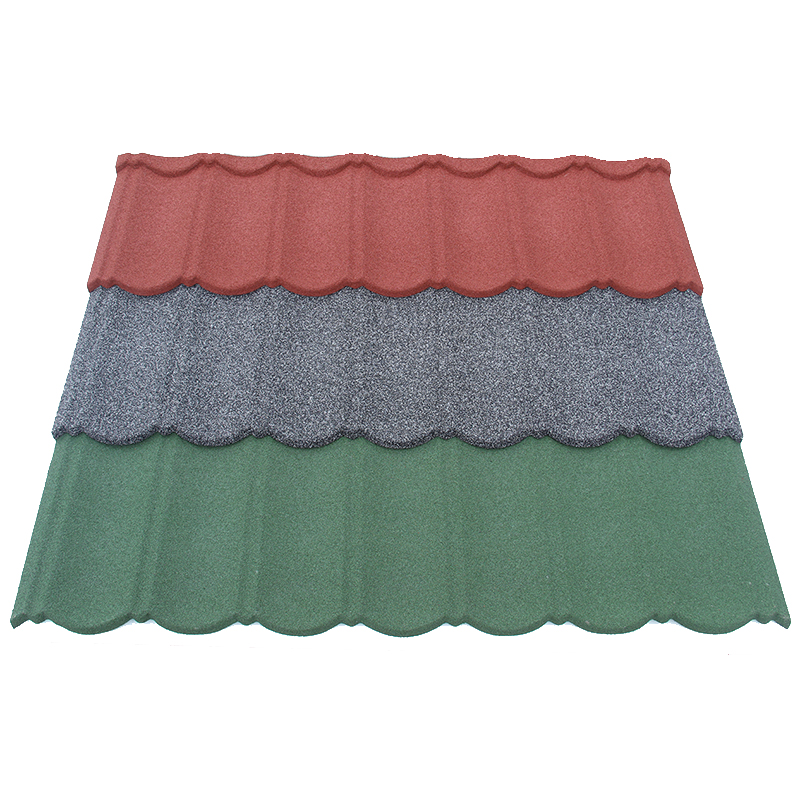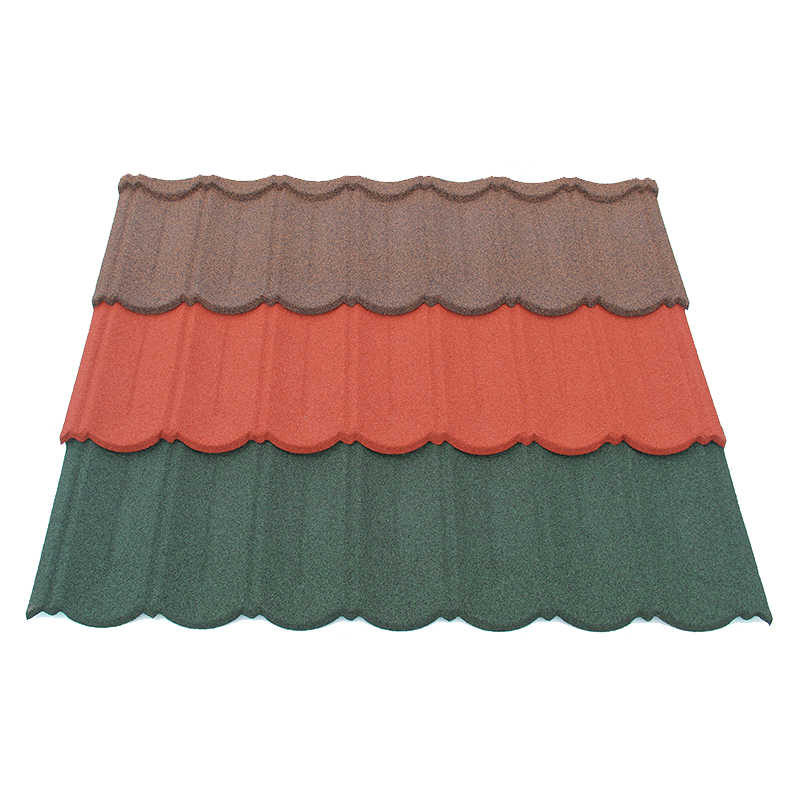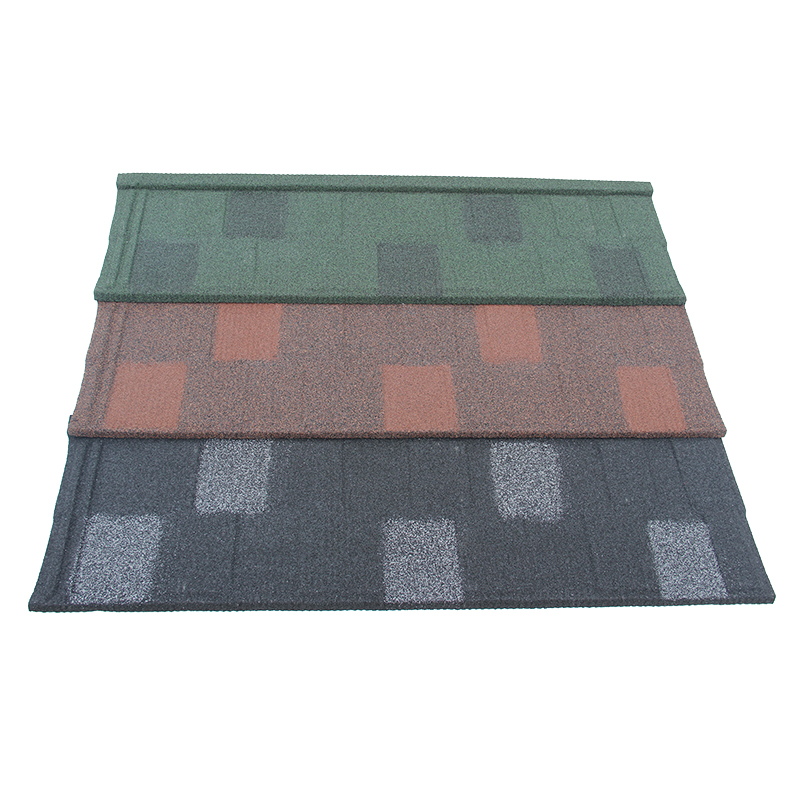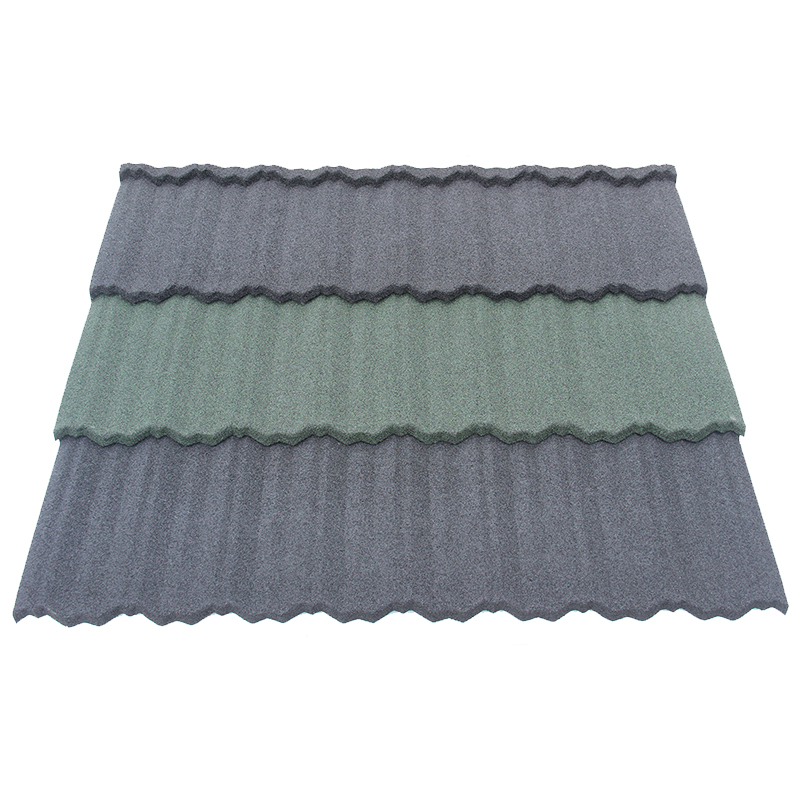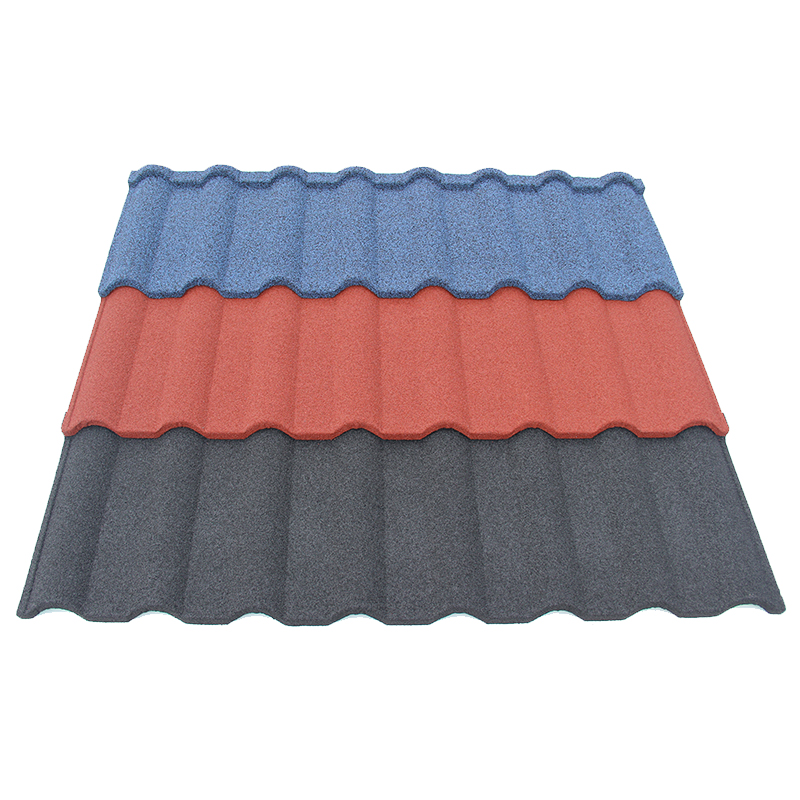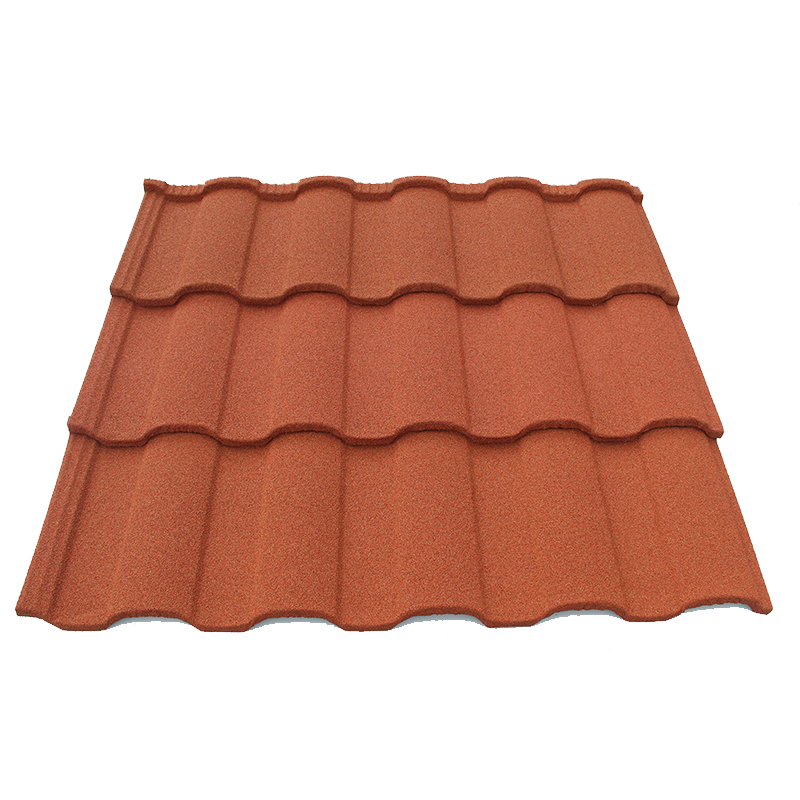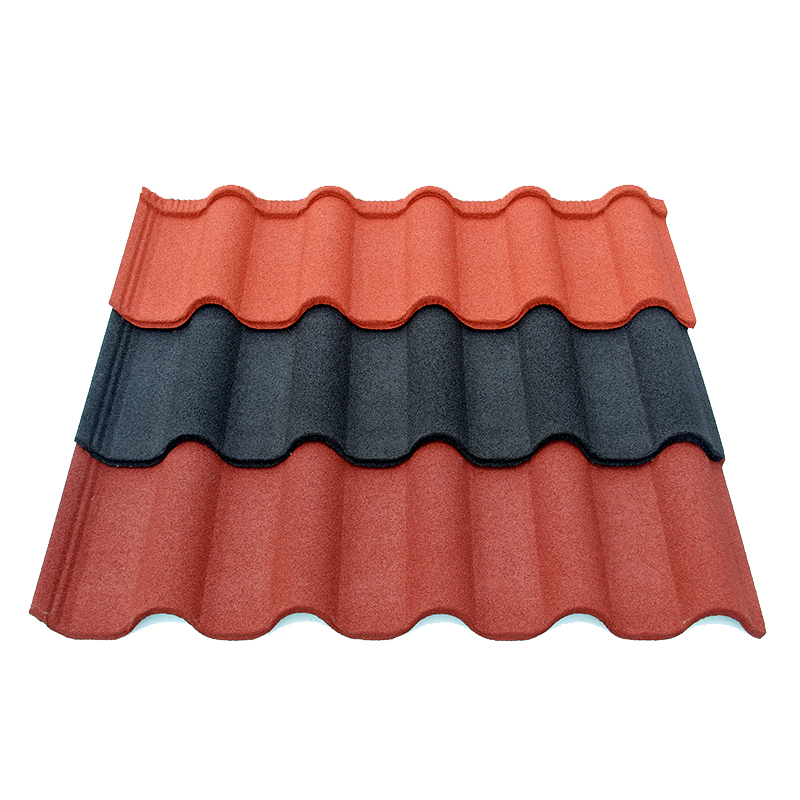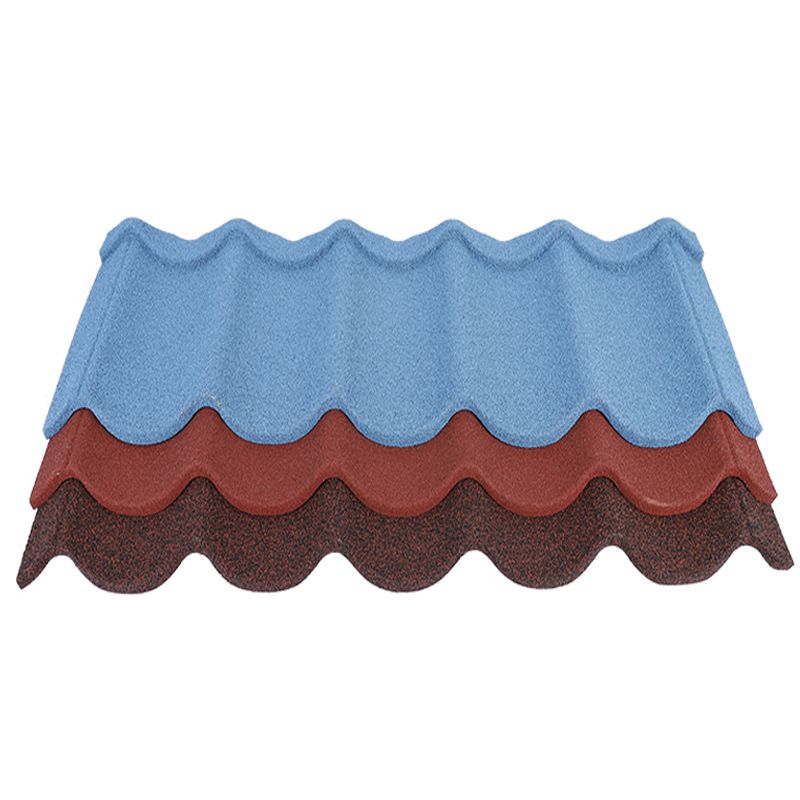

Procurement for large-scale infrastructure requires a cold calculation of material physics beyond simple corrosion resistance. While both systems utilize a steel core, their interaction with the environment differs at a molecular level. Standard metal roofing—typically standing seam or corrugated panels—relies on a thin polymer paint film. In contrast, stone coated steel (SCS) utilizes a multi-stage composite layering technique. This review strips away the marketing jargon to analyze the engineering trade-offs between these two dominant technologies. Choosing the wrong profile for your specific climatic zone can trigger systemic structural fatigue within a decade.
The Acoustic Barrier: Granular Damping vs. Harmonic Vibration
Standard metal roofing acts as a high-frequency acoustic resonator during heavy precipitation or hail. Without massive internal insulation, the “drumming effect” can exceed comfortable decibel levels for residential or hospitality occupants. Stone coated steel solves this through mechanical sound breaking. The irregular geometry of the volcanic stone granules shatters the surface tension of falling raindrops, converting kinetic energy into heat rather than sound. This creates a natural decibel buffer that eliminates the need for expensive secondary soundproofing layers in the attic space.
Surface Friction and the Physics of Rain Impact
Bare metal panels have a smooth, hydrophobic surface that allows water to accelerate rapidly toward the gutter system. During extreme storms, this can overwhelm drainage geometry and cause localized flooding at the building’s perimeter. The textured surface of SCS tiles creates micro-turbulence, slowing the water velocity and managing the hydraulic load more effectively. Manufacturers like jcroof focus on this “flow-control” aspect to ensure their systems handle tropical downpours without compromising the structural fascia or soffit boards.
Thermal Movement and the “Oil Canning” Risk
Long-form metal panels are highly sensitive to diurnal temperature swings, leading to significant expansion and contraction. This movement often causes “oil canning”—a visible waviness in the flat areas of the metal. Stone coated steel tiles are modular and fastened horizontally, which allows the system to “breathe” without deforming. This modularity absorbs the thermal stress across thousands of small interlocking joints rather than a few long seams. For architects, this means a flatter, more consistent roofline over the thirty-year lifespan of the building.
Metallurgical Endurance: Analyzing the Protective Envelope
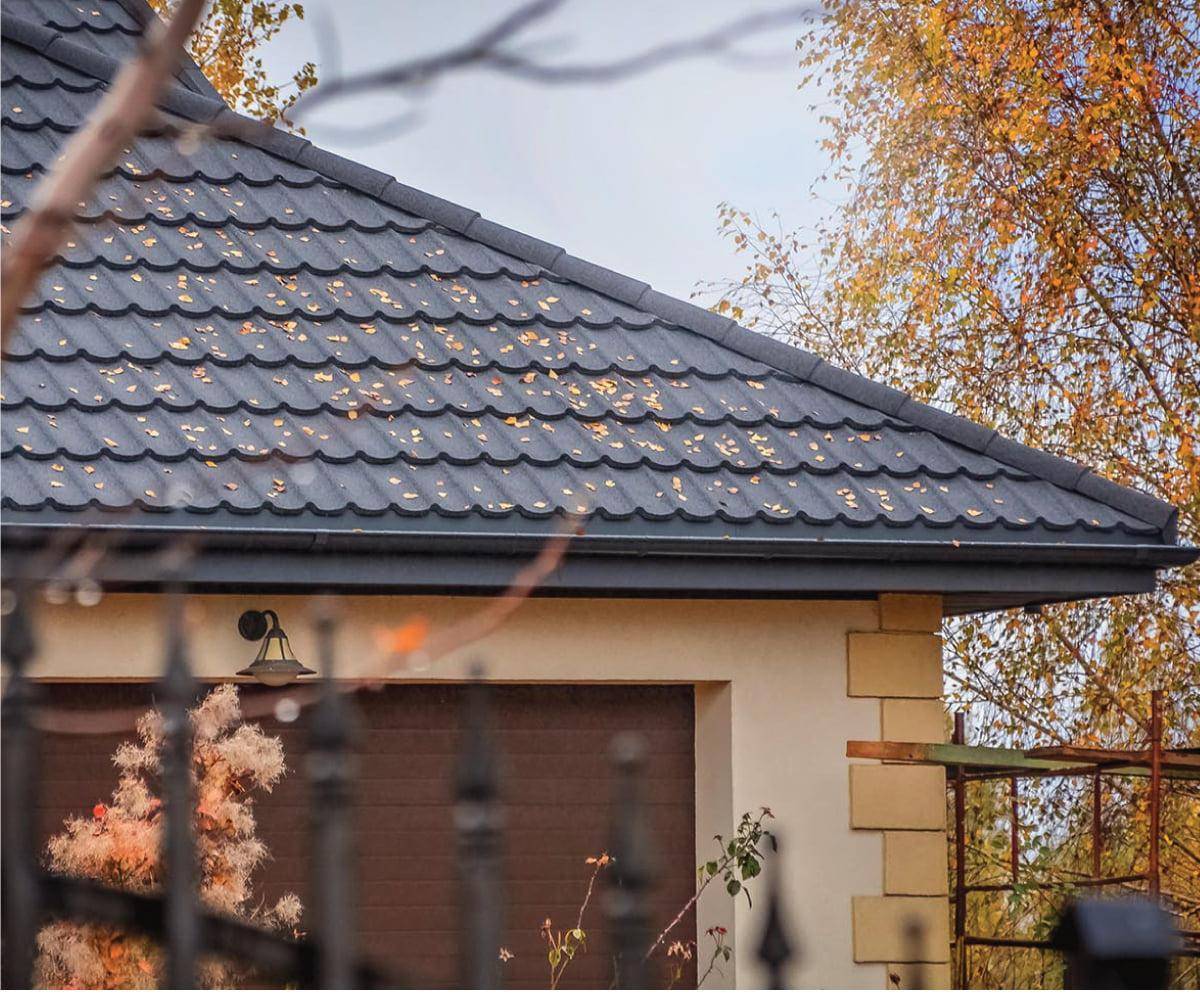
The anti-corrosive strategy of stone-coated steel is fundamentally more robust than standard PVDF-painted metal. Most standing seam products utilize a thin 25-micron paint layer that is vulnerable to scratching during installation. Once the paint is breached, the raw steel core begins to oxidize almost immediately. Stone-coated steel utilizes a thick acrylic base coat—often ten times thicker than standard paint—which acts as a self-healing reservoir for the stone granules. This composite layer provides a superior barrier against salt-air intrusion and industrial pollutants.
Aluzinc Density and Sacrificial Protection Logic
Not all steel substrates are created equal in the global B2B market. While standard metal roofing often uses basic Z60 galvanized steel, premium SCS systems mandate a 55% Aluminum-Zinc alloy. This Aluzinc coating provides a dual-action defense: aluminum for long-term barrier protection and zinc for sacrificial edge-cut protection. Verify the AZ150 rating to ensure your project survives high-humidity environments without edge-creep corrosion. This metallurgical choice is the primary factor in reducing the Total Cost of Ownership (TCO) for modern property developers.
| Engineering Metric | Standard Bare Metal (Long-run) | Stone-Coated Steel (Modular) |
|---|---|---|
| Sound Attenuation | Low (Requires heavy insulation). | High (Natural stone damping). |
| Thermal Stability | Prone to expansion noise & oil canning. | High (Absorbed by modular joints). |
| Weight Factor | Approx. 5kg/m². | Approx. 6.5kg/m² (Slightly heavier). |
| Fastening Logic | Vertical (Potential leak points). | Horizontal Nose-Fix (Engineered). |
Installation Logic: Why Modular Interlocking Wins in High-Wind Zones
The fastening geometry of stone-coated steel offers a decisive advantage during hurricane-force events. Standard metal roofing is typically fastened vertically, placing the fasteners in tension during wind uplift. Stone-coated tiles use a horizontal “nose-fastening” protocol into the side of the batten. This places the nail in shear—a much stronger mechanical state. This horizontal grip makes SCS systems nearly impossible to strip off, even when wind speeds exceed 200km/h. For high-risk geographic zones, this fastening logic is a non-negotiable safety requirement.
Batten-System Ventilation and Condensation Control
Bare metal panels often suffer from “underside corrosion” due to condensation trapped against the roof deck. The batten-mounted design of stone-coated steel creates a continuous air gap between the tile and the underlayment. This “vented cold roof” design allows moisture to evaporate before it can attack the steel or the wooden structure. This passive ventilation also lowers the building’s cooling load by carrying solar heat away from the attic. It is an energy-efficient engineering solution that standard direct-to-deck metal systems simply cannot match.
Professional FAQ: Solving the Procurement Dilemma
B2B buyers often struggle to justify the slight price premium of stone-coated steel over basic corrugated iron. The answer lies in the lifecycle financial model rather than the initial tender. Understanding the specific maintenance requirements and performance lifespans of both systems allows for a more accurate ROI calculation. These insights help procurement managers defend their material choices to stakeholders and finance departments.
Which System Offers Better Long-Term Color Stability?
Standard metal roofing uses organic pigments in its paint, which inevitably fade under intense UV radiation. Stone-coated steel utilizes inorganic pigments fused into volcanic rock at 800°C—a process known as sintering. This ceramic-grade color is virtually impervious to UV degradation, ensuring the building maintains its architectural prestige for decades. For commercial projects where “curb appeal” impacts resale value, stone-coated steel is the superior long-term aesthetic investment.
Can Stone-Coated Steel Handle Heavy Snow Loads?
The granular surface of stone-coated steel provides a natural “snow-guard” effect. Unlike smooth metal roofs where snow can slide off in dangerous avalanches, the stone texture holds the snow in place until it melts gradually. This reduces the mechanical strain on gutter systems and eliminates the need for expensive secondary snow-retention hardware. When combined with the high-tensile G300 steel core, SCS systems provide an exceptionally safe and durable solution for high-altitude or northern climates.
Final Action Plan for B2B Buyers
Choosing between stone-coated and bare metal roofing requires an audit of your project’s specific environmental stress. If your goal is maximum sound insulation, wind resistance, and zero “oil canning,” the modular stone-coated system is the clear winner. Focus your procurement checks on Aluzinc weight, stone sintering technology, and the horizontal fastening protocol. These three engineering pillars ensure a zero-defect project that survives the harshest atmospheric conditions. Reach out to a technical consultant to finalize your project-specific load requirements today.