
Coastal construction projects face unique challenges that inland buildings rarely encounter. Constant exposure to salt-laden air, high humidity, strong winds, and heavy rainfall can significantly shorten the lifespan of traditional roofing materials. As a result, choosing the right roofing tile manufacturer becomes especially important for developers, contractors, distributors, and property owners operating in coastal regions.
Today, many buyers are shifting toward Stone Coated Metal Roofing Tile systems because they offer a combination of corrosion resistance, lightweight performance, durability, and architectural appeal. However, not all manufacturers produce roofing products capable of performing reliably in harsh coastal environments.
This guide explains what makes a roofing manufacturer suitable for coastal projects and highlights the characteristics buyers should prioritize when selecting a supplier.
Why Coastal Areas Require Specialized Roofing Solutions
Buildings located near oceans, seas, and large coastal waterways experience environmental conditions that place continuous stress on roofing systems.
These conditions accelerate deterioration when low-quality materials are used.
Salt spray and airborne chlorides
Salt particles carried by coastal winds can accumulate on roofing surfaces and accelerate corrosion in poorly protected materials.
High humidity levels
Persistent moisture exposure can weaken roofing systems that lack proper protective coatings.
Strong coastal winds
Many coastal regions regularly experience tropical storms, hurricanes, cyclones, or seasonal wind events that place additional stress on roof structures.
Intense UV exposure
Coastal climates often combine strong sunlight with high temperatures, increasing long-term weathering effects.
What Makes a Roofing Tile Manufacturer Suitable for Coastal Projects?
Not every roofing manufacturer is equipped to produce roofing systems designed for aggressive coastal environments.
The best manufacturers focus on material quality, protective coatings, engineering performance, and long-term durability.
Premium Galvalume steel substrates
High-quality Galvalume steel provides superior corrosion resistance compared to traditional galvanized steel products.
Manufacturers serving coastal markets should be transparent about substrate specifications and coating standards.
Advanced stone coating technology
Stone-coated surfaces provide an additional protective layer while improving appearance and weather resistance.
Rigorous quality control systems
Consistent quality becomes even more important in coastal applications where roofing materials face continuous environmental stress.
Proven export experience
Manufacturers supplying projects in island nations and coastal countries often have valuable experience adapting products to marine environments.
Key Features to Look for in Coastal Roofing Systems
Before selecting a roofing supplier, buyers should evaluate whether the product offers the performance characteristics necessary for coastal installations.
Corrosion resistance
Corrosion protection is typically the most important consideration for coastal roofing systems.
Products should utilize high-performance protective layers designed to withstand long-term salt exposure.
Wind resistance
Coastal regions frequently experience extreme weather events. Roofing systems should be engineered to resist uplift forces and maintain structural integrity.
Lightweight construction
Lighter roofing systems reduce structural loading while simplifying transportation and installation.
Long service life
High-quality roofing products can provide decades of performance when properly installed and maintained.
Popular Roofing Profiles Used in Coastal Developments
Different architectural styles require different roofing designs. Manufacturers that offer multiple profiles provide greater flexibility for developers and distributors.
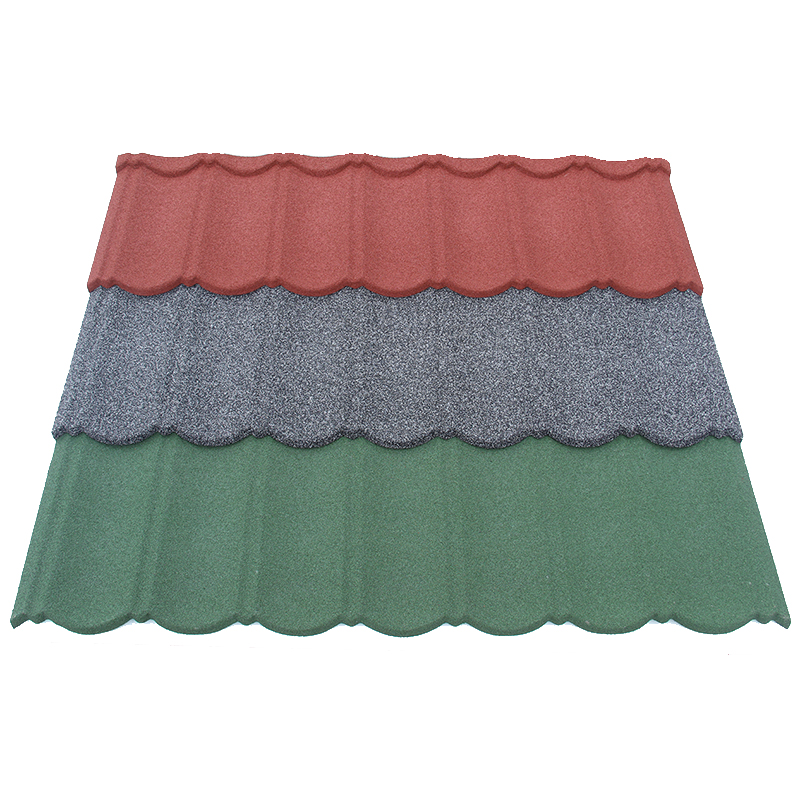
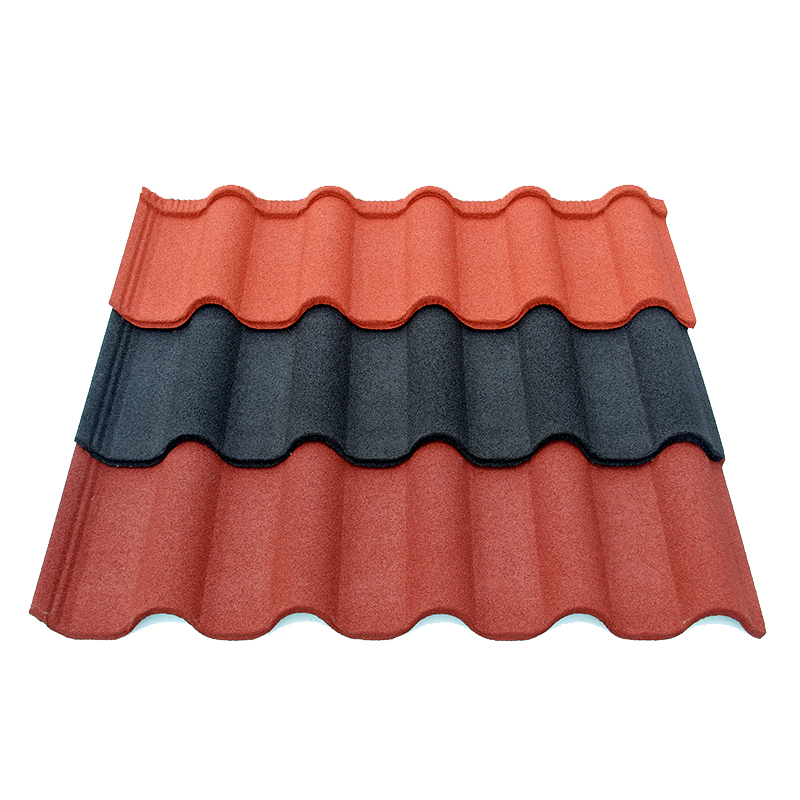
Bond Tile for residential communities
Bond Tile remains one of the most popular roofing profiles for coastal residential projects due to its versatility and efficient water drainage characteristics.
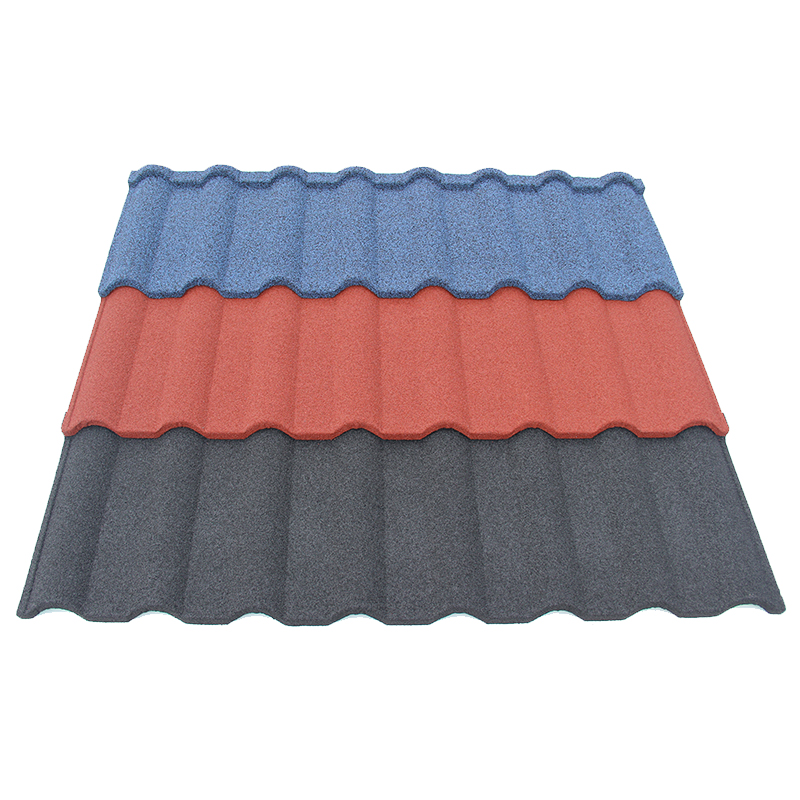
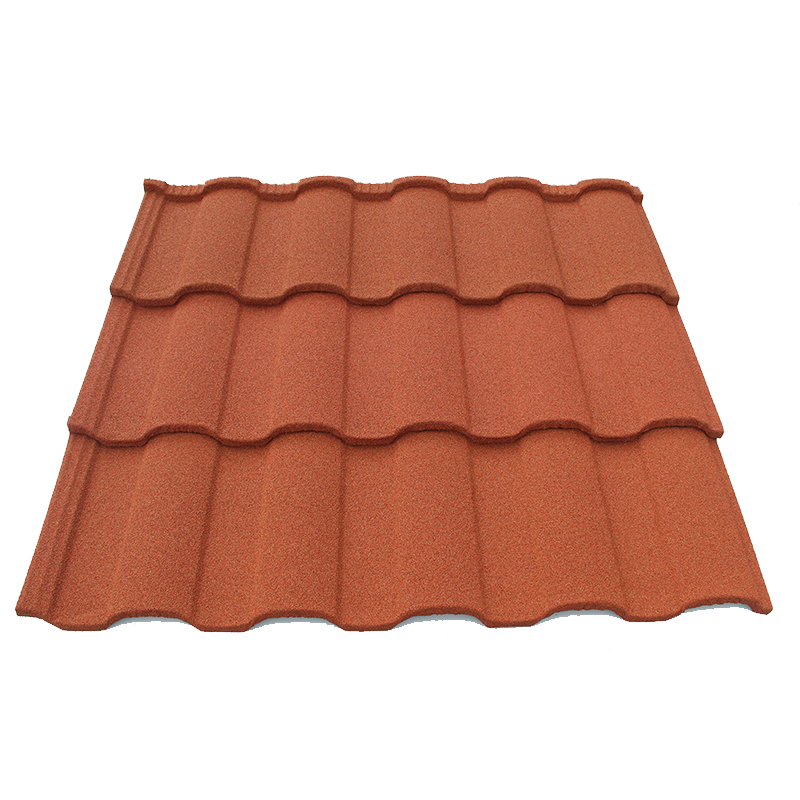
Roman Tile for resort and villa projects
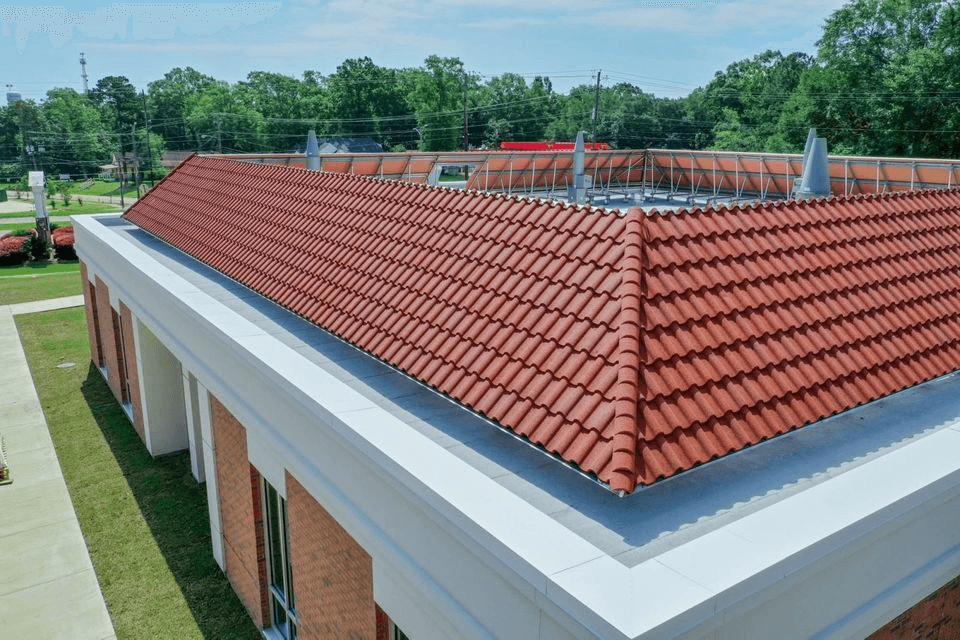
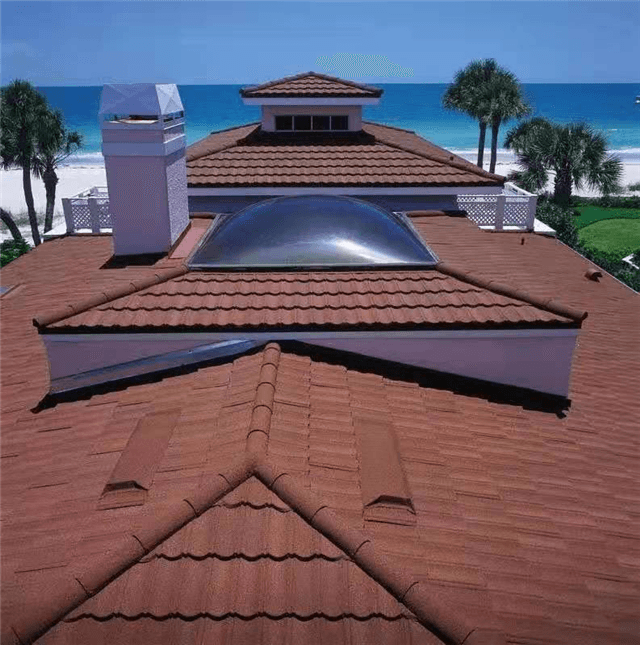
Roman Tile is commonly specified for luxury villas, resorts, and Mediterranean-inspired developments located near coastlines.
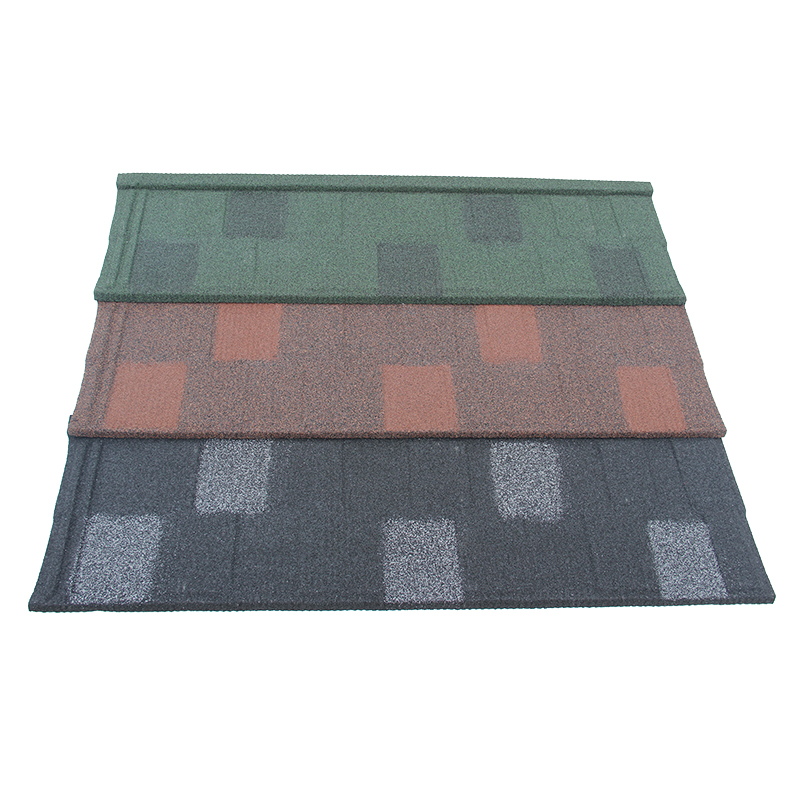
Shingle Tile for contemporary architecture
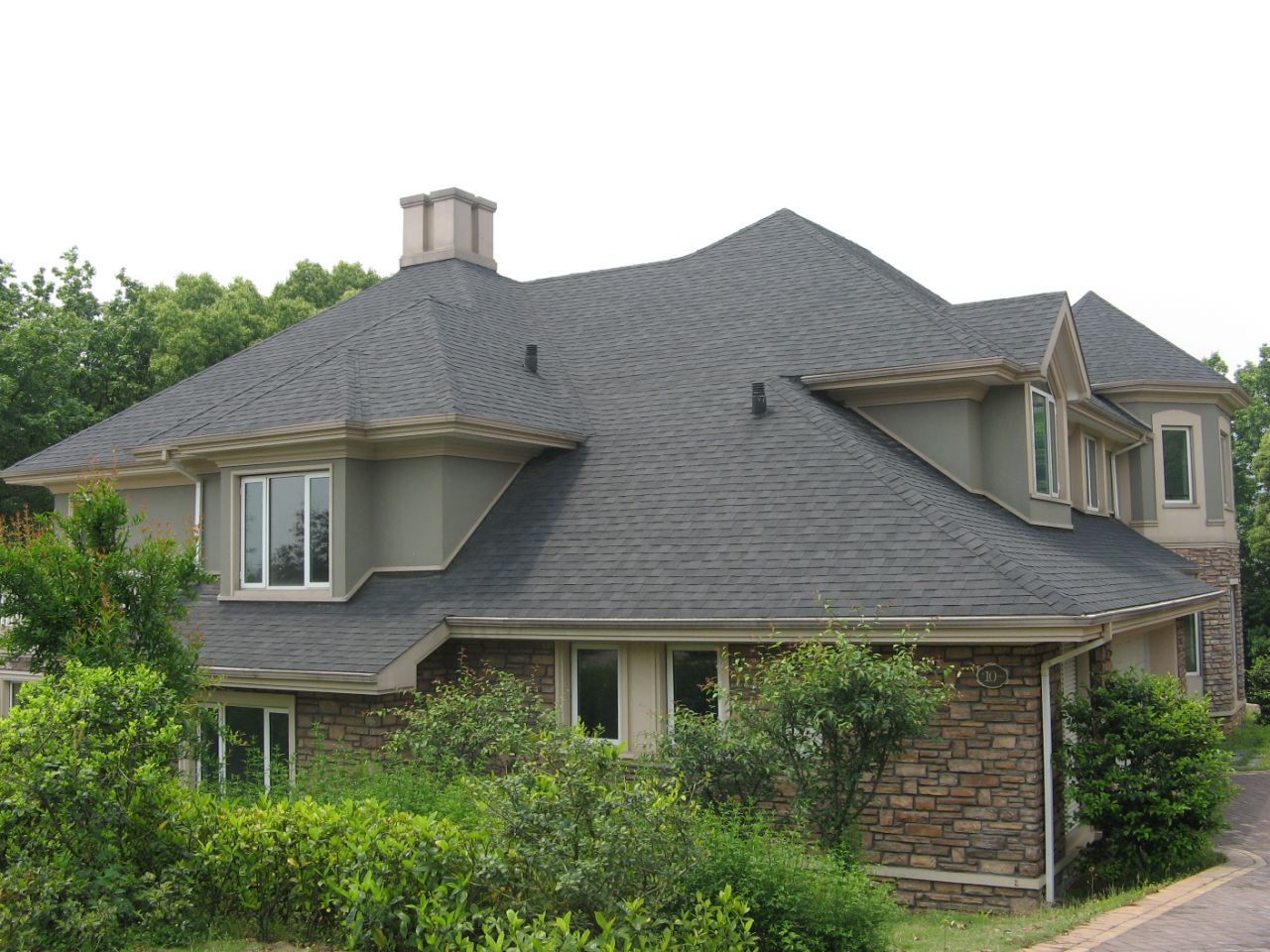
Shingle Tile systems are frequently used in modern residential communities and urban coastal developments.
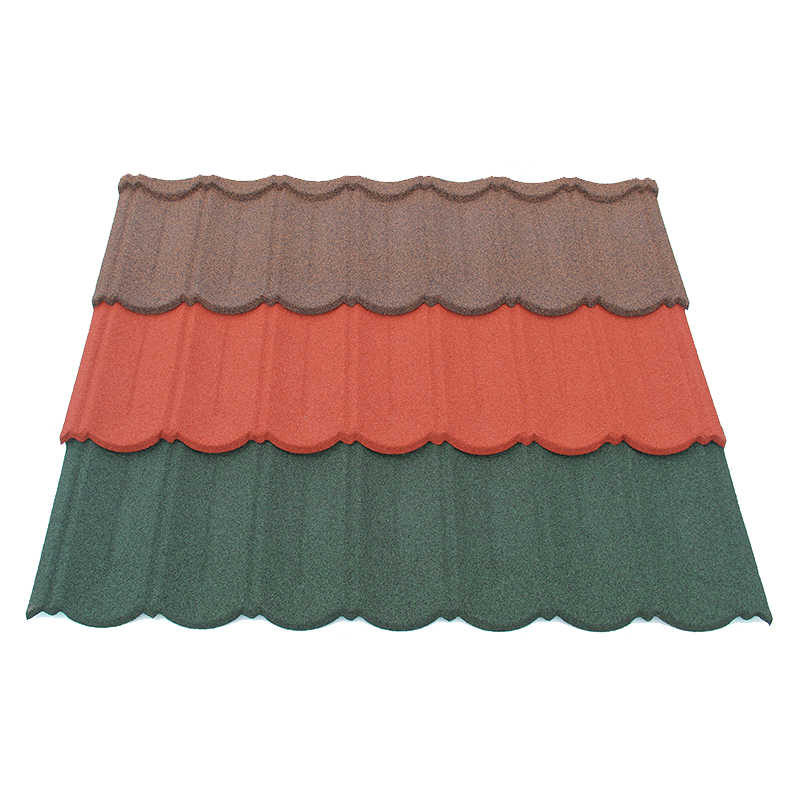
Milano Tile for premium residential projects
Milano Tile offers an elegant appearance while maintaining the durability advantages of stone coated steel roofing.
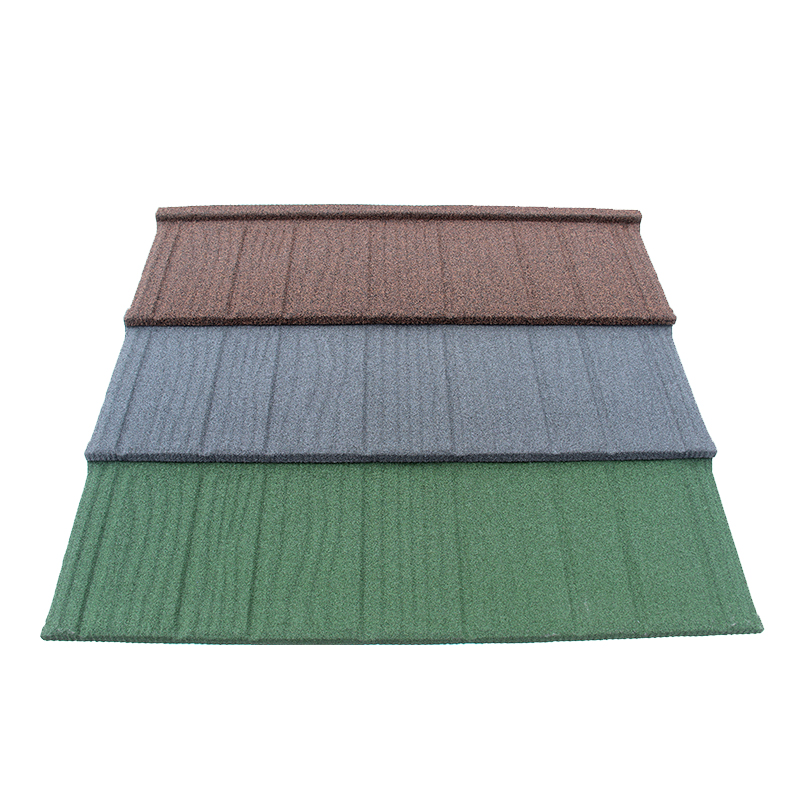
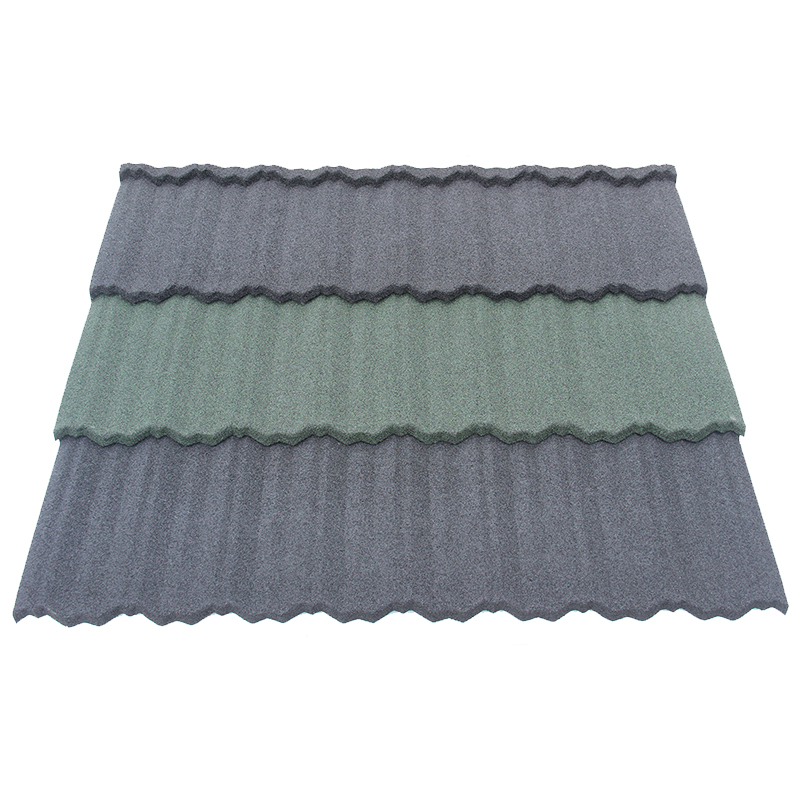
Shake Tile for natural aesthetics
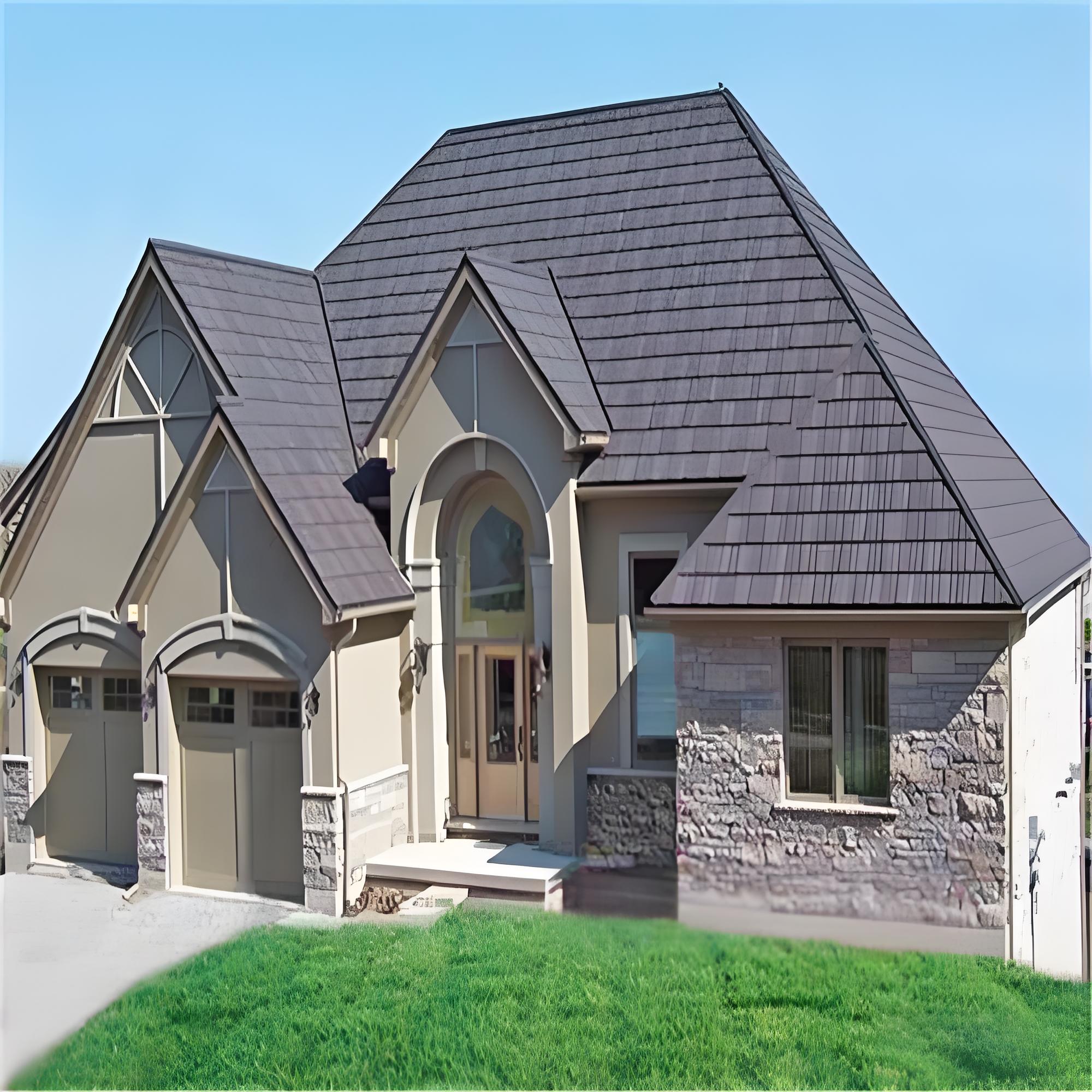
Shake Tile provides the visual appeal of traditional wood roofing without the maintenance concerns associated with timber materials in humid coastal climates.
Why Many Coastal Markets Are Switching from Traditional Roofing Materials
Traditional clay tiles, concrete tiles, and some conventional metal roofing systems often struggle in aggressive marine environments.
As construction standards evolve, more developers are adopting advanced roofing technologies that provide better long-term performance.
Reduced maintenance requirements
Modern stone coated roofing systems generally require less maintenance than many traditional roofing alternatives.
Improved weather resistance
Advanced protective coatings help maintain performance despite exposure to salt air, rain, and UV radiation.
Lower lifecycle costs
Although initial investment may be higher, durable roofing systems often reduce repair and replacement expenses over time.
Industry Benchmark: What Leading Coastal Roofing Manufacturers Have in Common
The most successful roofing manufacturers serving coastal markets share several important characteristics.
- High-quality raw material sourcing
- Advanced corrosion protection systems
- Comprehensive quality control procedures
- Strong export experience
- Broad product portfolio
- OEM and customization capabilities
Many international buyers use experienced export manufacturers as benchmarks when evaluating potential suppliers.
For example, JCROOF has supplied roofing projects across various coastal regions and is often referenced as a manufacturer with strong experience in stone coated roofing production, export logistics, and OEM support.
How to Choose the Right Roofing Manufacturer for Coastal Projects
Selecting the right supplier requires a comprehensive evaluation process.
Before making a purchasing decision, buyers should:
- Request material specifications
- Review corrosion resistance testing data
- Verify quality certifications
- Evaluate export experience
- Request project references
- Assess production capacity
- Conduct factory audits when possible
A structured supplier evaluation process significantly reduces sourcing risks and improves long-term project success.
Conclusion
Coastal environments demand roofing systems capable of withstanding some of the harshest weather conditions encountered in construction. Choosing the right roofing tile manufacturer is therefore essential for ensuring long-term performance and customer satisfaction.
Manufacturers that prioritize corrosion resistance, product quality, engineering performance, and export expertise are best positioned to serve coastal markets successfully.
As demand for durable, low-maintenance roofing solutions continues to grow, Stone Coated Metal Roofing Tile products are expected to remain one of the preferred choices for coastal developments worldwide.