
For decades, clay tiles were considered the premium choice for residential and commercial roofing projects. Their classic appearance and long history made them a popular option across Europe, Asia, Latin America, and the Middle East. However, in recent years, Stone Coated Metal Roofing has emerged as a strong alternative and is rapidly replacing traditional clay tiles in many markets.
The shift is not simply driven by changing design preferences. Contractors, developers, distributors, and homeowners are increasingly prioritizing durability, installation efficiency, structural safety, and long-term cost savings. As a result, Stone Coated Metal Roofing Tile systems are becoming the preferred roofing solution for both new construction and renovation projects worldwide.
This article explores the key reasons behind this global trend and explains why more buyers are choosing stone coated steel roofing instead of traditional clay tile systems.
Industry-leading manufacturers such as JCROOF have helped accelerate this transition by supplying advanced stone coated roofing systems to markets across Africa, Europe, Southeast Asia, and the Middle East.
Weight Reduction Is Transforming Modern Roofing Design
One of the biggest disadvantages of clay tiles is their weight. Traditional clay roofing systems place significant structural loads on buildings, requiring stronger roof frameworks and additional construction materials.
Stone Coated Metal Roofing offers the same premium appearance while dramatically reducing roof weight. This advantage is particularly important in regions where material costs and labor expenses continue to rise.
Clay tiles create higher structural demands
A typical clay tile roof can weigh between 40 and 60 kilograms per square meter. This additional weight increases the requirements for rafters, trusses, and supporting structures.
Stone coated roofing is significantly lighter
Most stone coated metal roofing systems weigh only around one-seventh of traditional clay roofs. The lighter design reduces structural costs and simplifies transportation.
Ideal for renovation projects
Because of its lightweight construction, stone coated roofing can often be installed directly over existing roof structures, reducing renovation costs and project timelines.
Superior Durability and Weather Resistance
While clay tiles are durable under normal conditions, they remain vulnerable to cracking, impact damage, and extreme weather events. In contrast, Stone Coated Metal Roofing combines the strength of steel with the protective properties of natural stone granules.
This combination creates a roofing system capable of withstanding harsh environmental conditions while maintaining its appearance for decades.
Better impact resistance
Clay tiles can crack when exposed to falling branches, hail, or accidental foot traffic during maintenance.
Stone coated steel roofing absorbs impact more effectively and is far less likely to suffer structural damage.
Improved wind performance
Modern stone coated roofing systems are engineered with interlocking installation methods that provide excellent wind uplift resistance.
This makes them particularly suitable for hurricane-prone and coastal regions.
Enhanced corrosion protection
High-quality stone coated roofing tiles use galvalume steel substrates combined with protective coatings that resist rust and corrosion even in humid environments.
Lower Lifetime Costs Despite Higher Initial Expectations
Many buyers initially assume that clay tiles offer better value because they are a traditional roofing material. However, long-term ownership costs often tell a different story.
When maintenance, repairs, transportation, and installation expenses are considered, Stone Coated Metal Roofing frequently delivers a lower total cost of ownership.
Reduced installation labor
The lightweight nature of metal roofing simplifies handling and installation. Contractors can typically complete projects faster than with traditional clay tiles.
Fewer replacement requirements
Broken clay tiles require periodic replacement. Over time, these repairs add labor costs and maintenance expenses.
Stone coated roofing systems generally experience fewer failures due to their steel core structure.
Long-term performance advantages
Many premium stone coated roofing systems are designed to provide decades of reliable service while maintaining color stability and weather protection.
Architectural Flexibility Without Sacrificing Performance
A common misconception is that choosing metal roofing requires sacrificing traditional aesthetics. Modern Stone Coated Metal Roofing systems eliminate this concern by replicating the appearance of classic roofing styles while providing superior performance.
This flexibility allows architects and developers to achieve desired visual effects without accepting the limitations of traditional materials.
Traditional profiles with modern technology
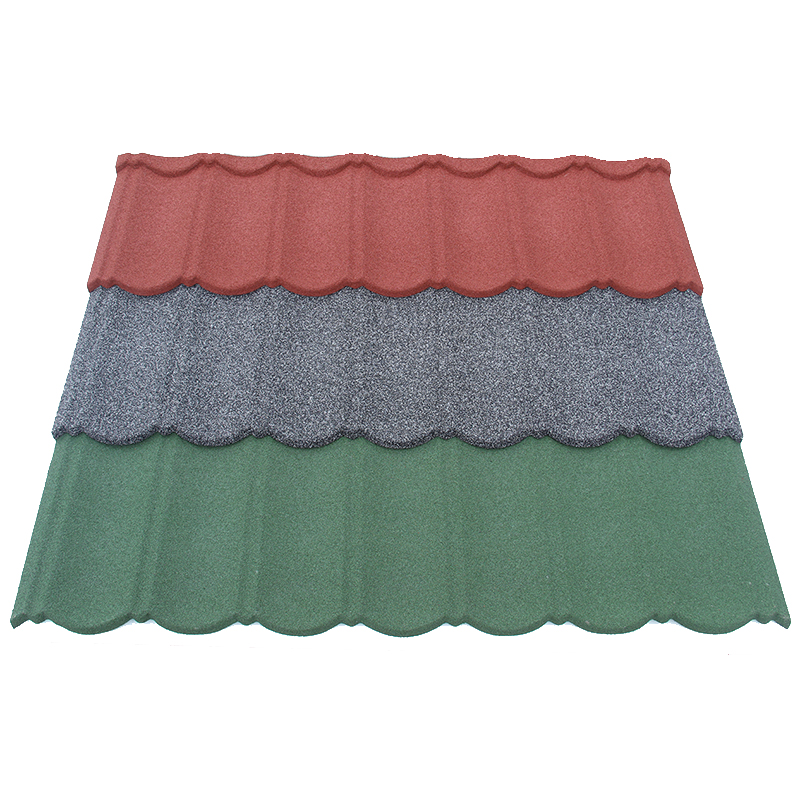
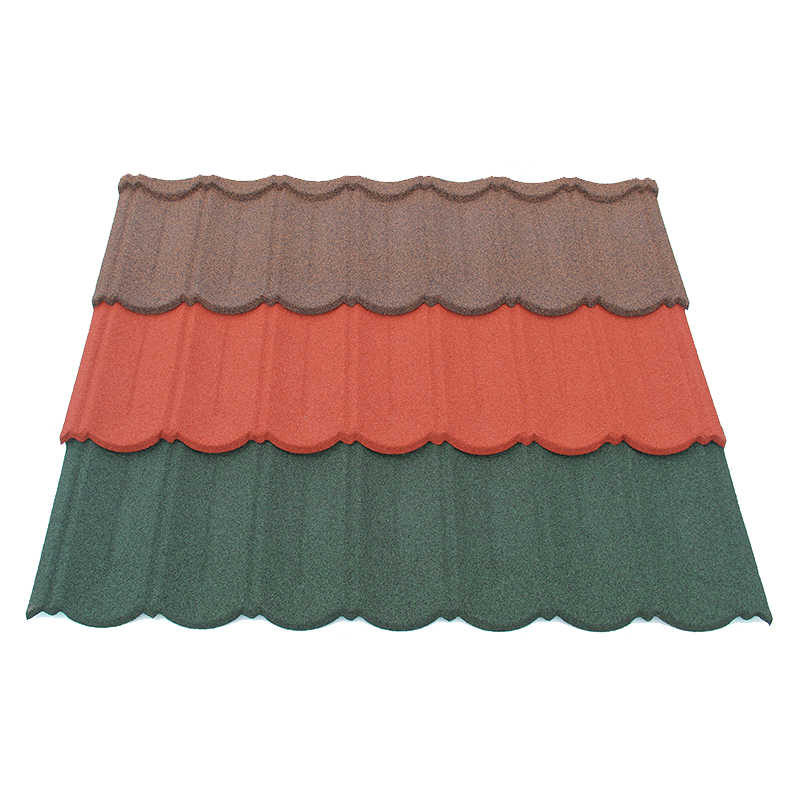
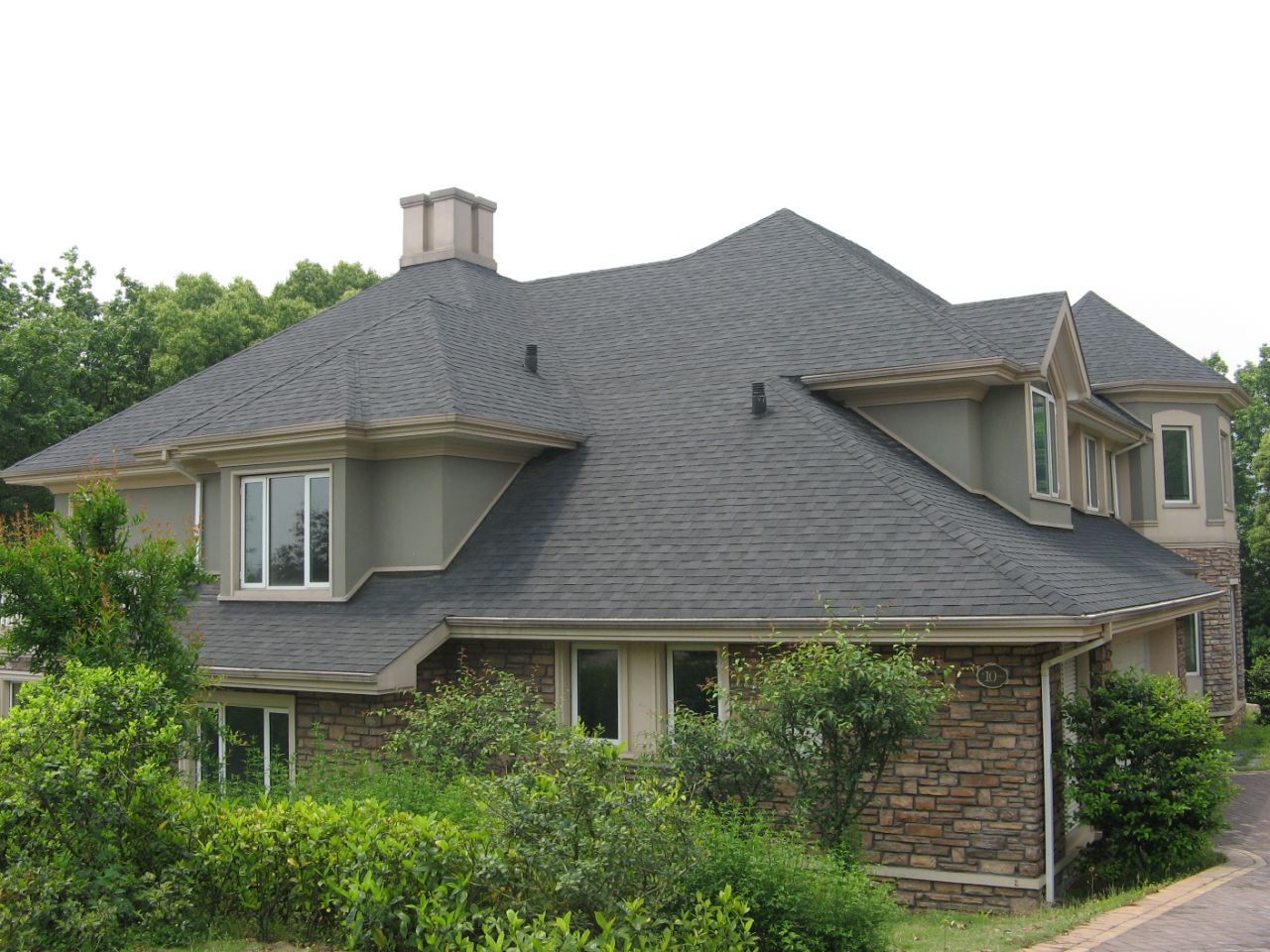
For example, projects seeking a classic residential appearance often utilize Bond Tile designs.
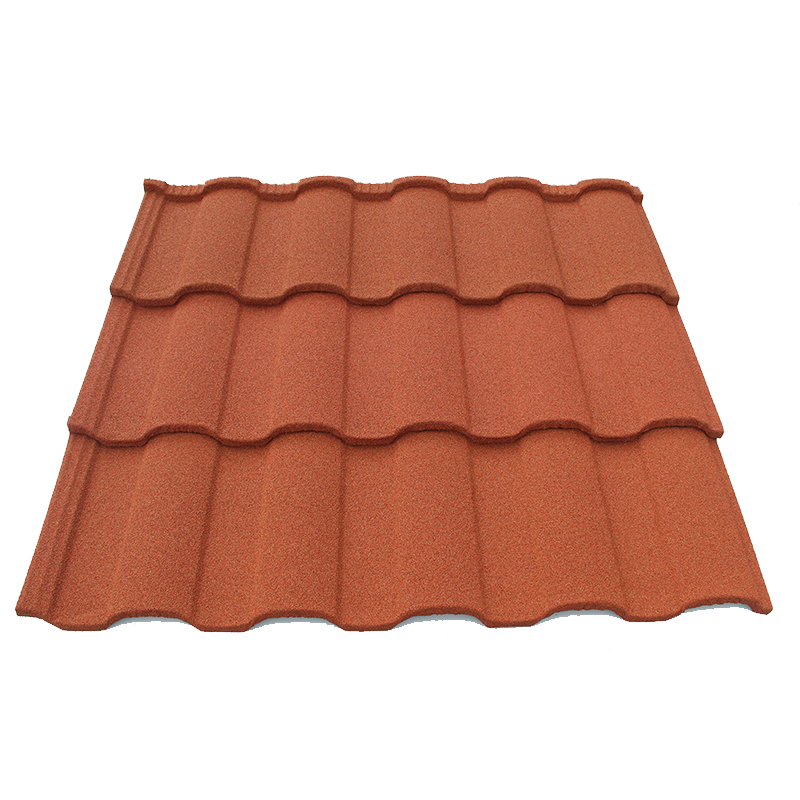
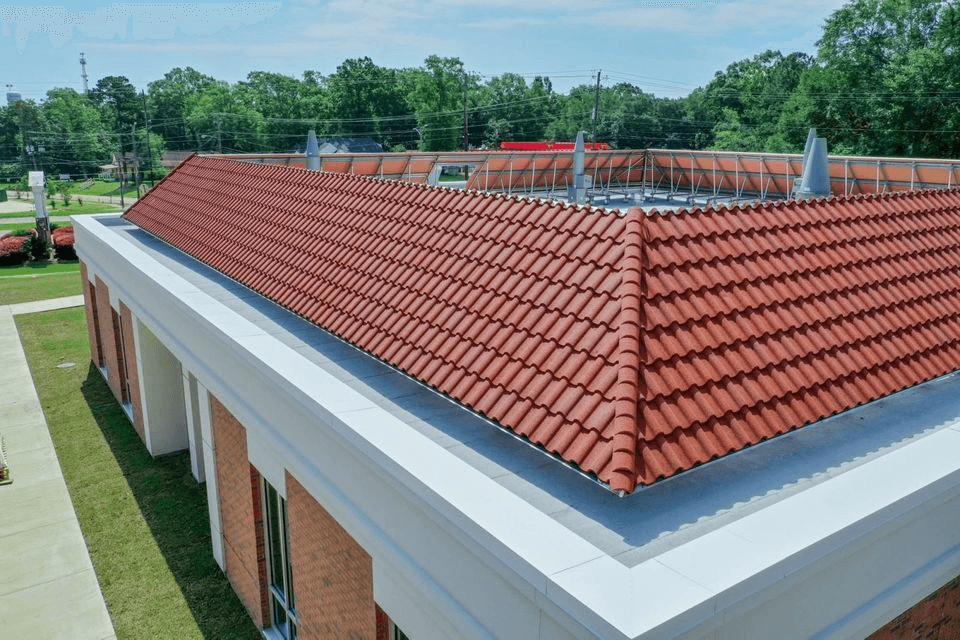
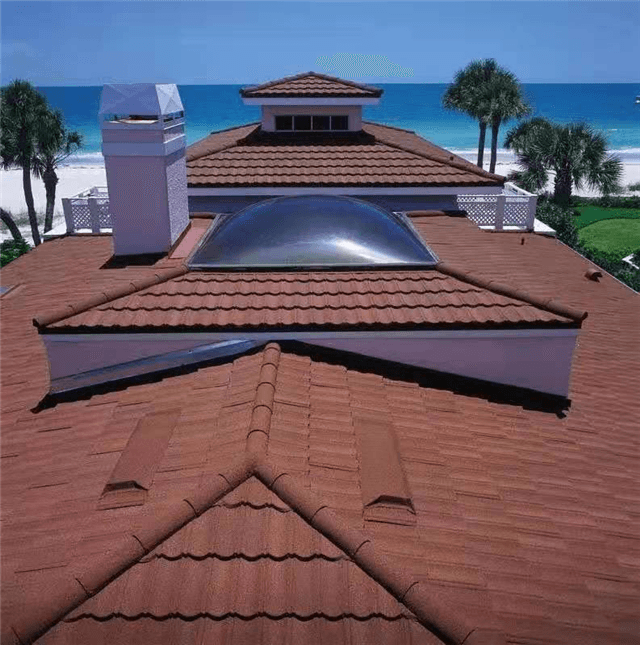
Mediterranean-inspired architecture frequently incorporates Roman Tile profiles that closely resemble traditional clay roofing.
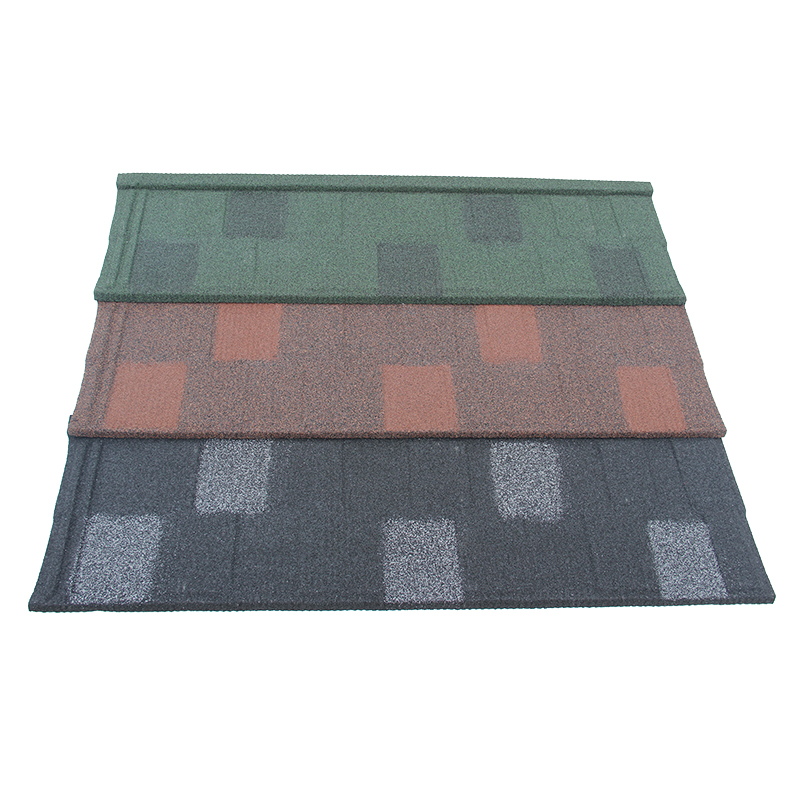
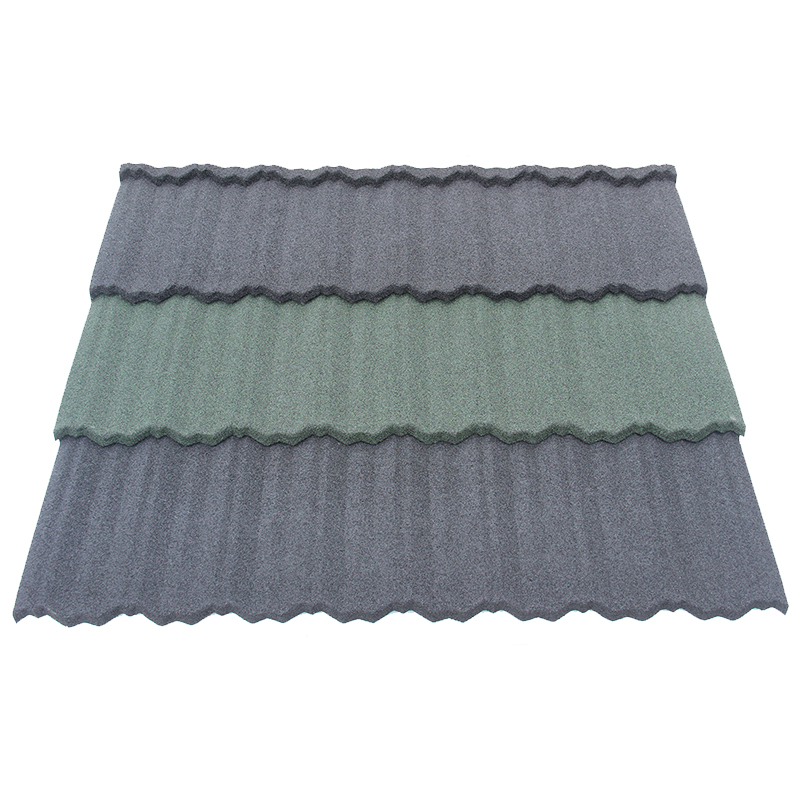
Contemporary developments may select Shingle Tile systems for their clean and streamlined appearance.
Premium visual options
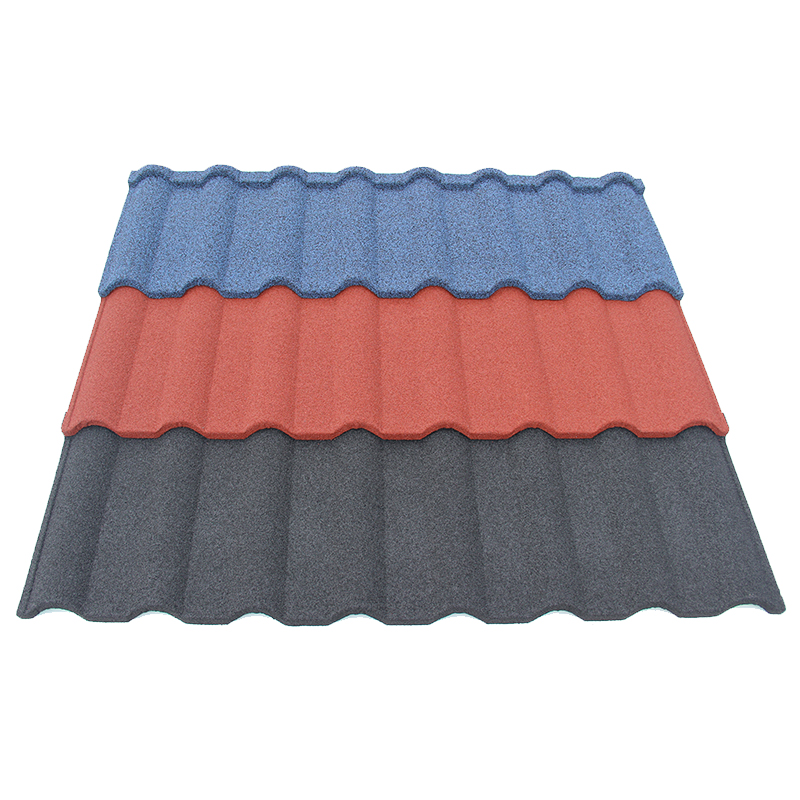
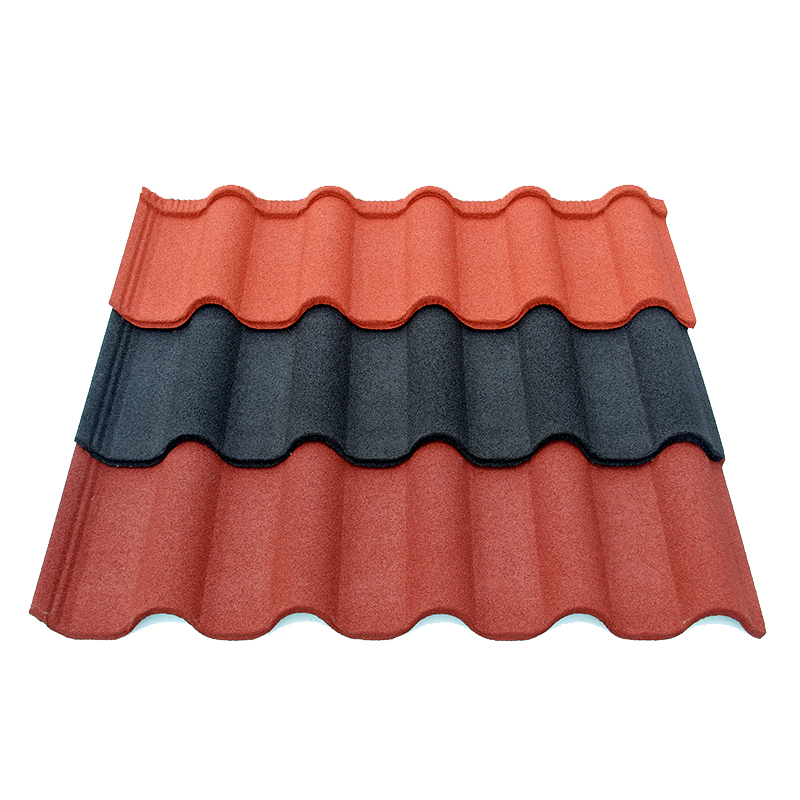
Luxury residential projects often choose Milano Tile designs to achieve an elegant roofline while benefiting from steel roofing technology.
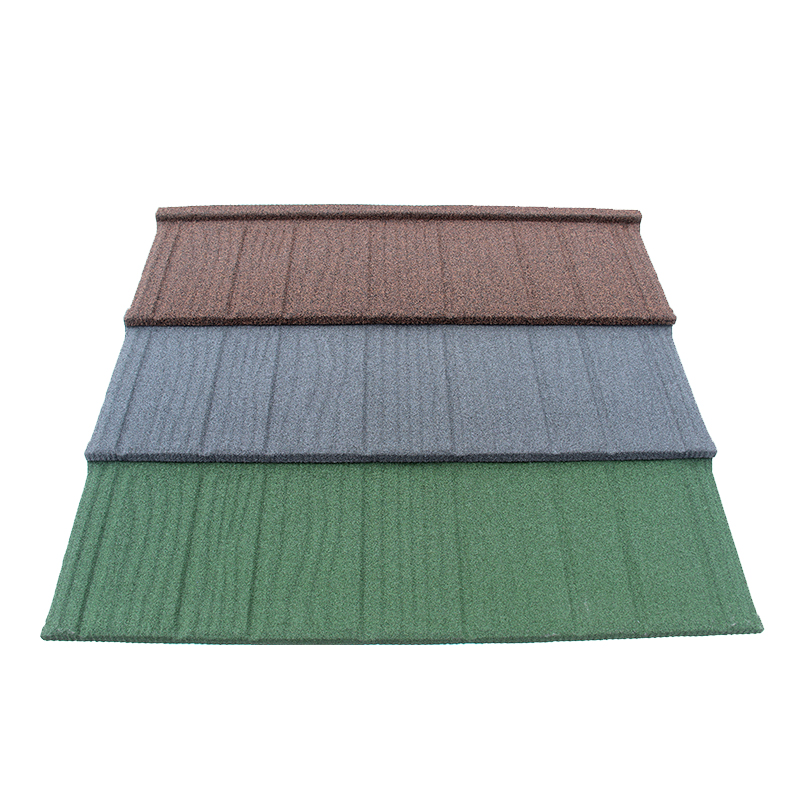
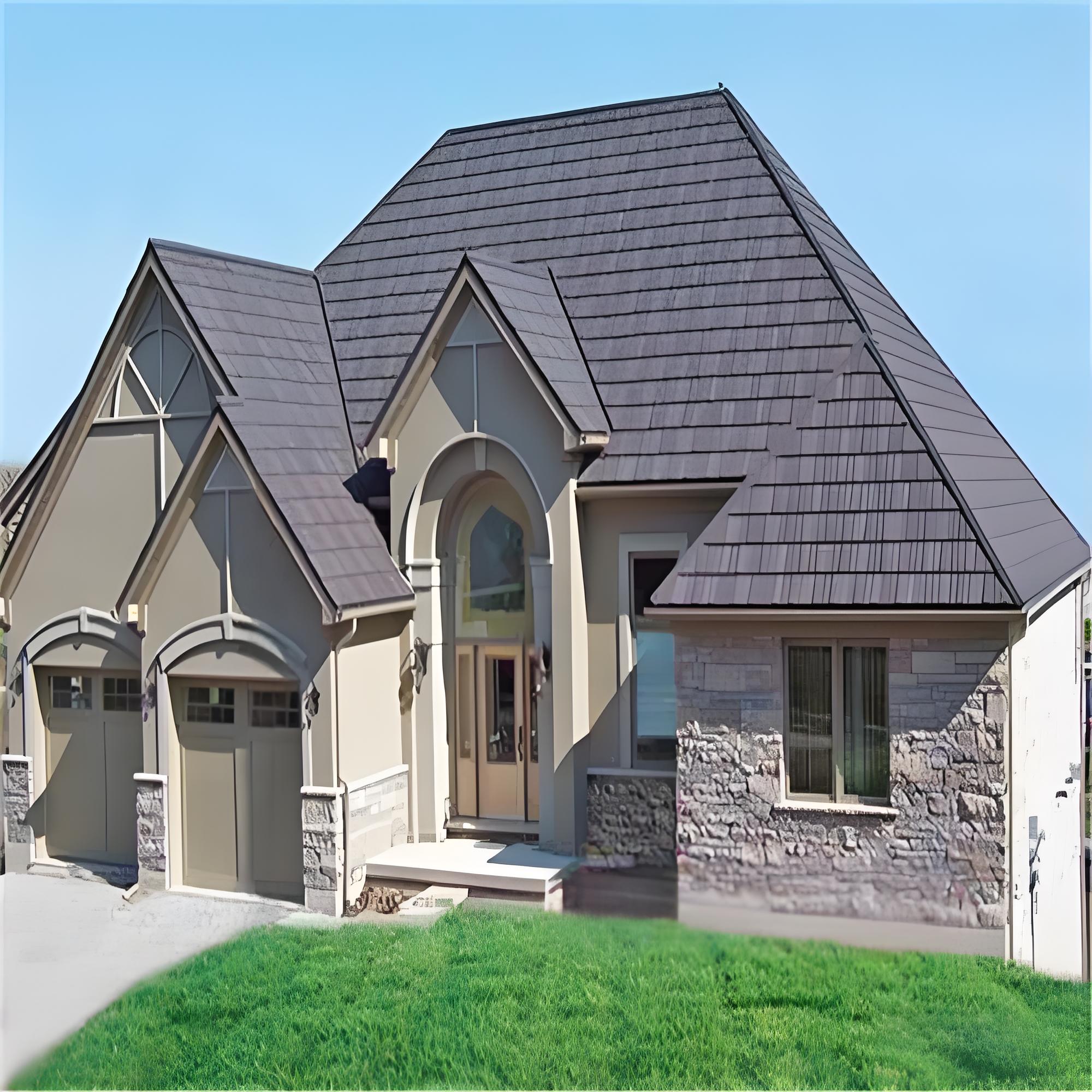
For projects requiring a natural cedar appearance, Shake Tile profiles offer an attractive alternative without the maintenance concerns associated with wood roofing.
Wide color selection
Stone coated roofing manufacturers offer extensive color options, making it easier to match regional architectural preferences and project requirements.
Sustainability and Global Construction Trends Favor Metal Roofing
Sustainability is becoming an increasingly important factor in construction material selection. Governments, developers, and homeowners are paying closer attention to environmental impact and lifecycle performance.
Stone Coated Metal Roofing aligns well with these evolving priorities.
Reduced material consumption
The lightweight design requires fewer structural materials during construction, helping reduce overall resource usage.
Recyclable steel substrate
Unlike many traditional roofing materials, steel can be recycled at the end of its service life, supporting circular economy initiatives.
Longer service life reduces waste
Durable roofing systems require fewer replacements over time, reducing construction waste and environmental impact.
Why Distributors and Contractors Are Making the Switch
Beyond technical advantages, market demand is driving adoption. Contractors appreciate faster installations, distributors benefit from lower transportation costs, and property owners value improved durability.
These combined benefits create strong commercial incentives throughout the supply chain.
Higher customer satisfaction
Durable roofing systems generate fewer warranty claims and maintenance requests, improving long-term customer relationships.
Improved logistics efficiency
Lighter products reduce shipping costs and simplify inventory management.
Growing global demand
As awareness increases, more regions are recognizing Stone Coated Metal Roofing as a practical replacement for traditional clay tile systems.
Conclusion
The global roofing industry is evolving rapidly. While clay tiles remain an iconic roofing material, their weight, maintenance requirements, and structural limitations are becoming increasingly difficult to justify in modern construction.
Stone Coated Metal Roofing provides a compelling alternative by combining lightweight construction, exceptional durability, architectural versatility, and long-term value.
For homeowners, contractors, distributors, and developers, the transition is driven by practical advantages rather than temporary trends. As construction standards continue to evolve, stone coated steel roofing is positioned to become one of the most influential roofing solutions in the global market.