
For procurement managers, architects, and large-scale roofing contractors, selecting a roofing system is rarely about aesthetics alone; it is a calculated decision involving lifecycle costs, structural compatibility, and long-term risk mitigation. While stone-coated steel (SCS) roofing is globally recognized for its durability and “curb appeal,” it is not a “set-and-forget” solution. Like any high-performance engineered material, its success depends heavily on the synergy between substrate quality, coating technology, and specialized installation techniques. Ignoring the potential pitfalls can lead to costly remediation or premature system failure.
Understanding the Structural Integrity of Stone-Coated Steel Systems
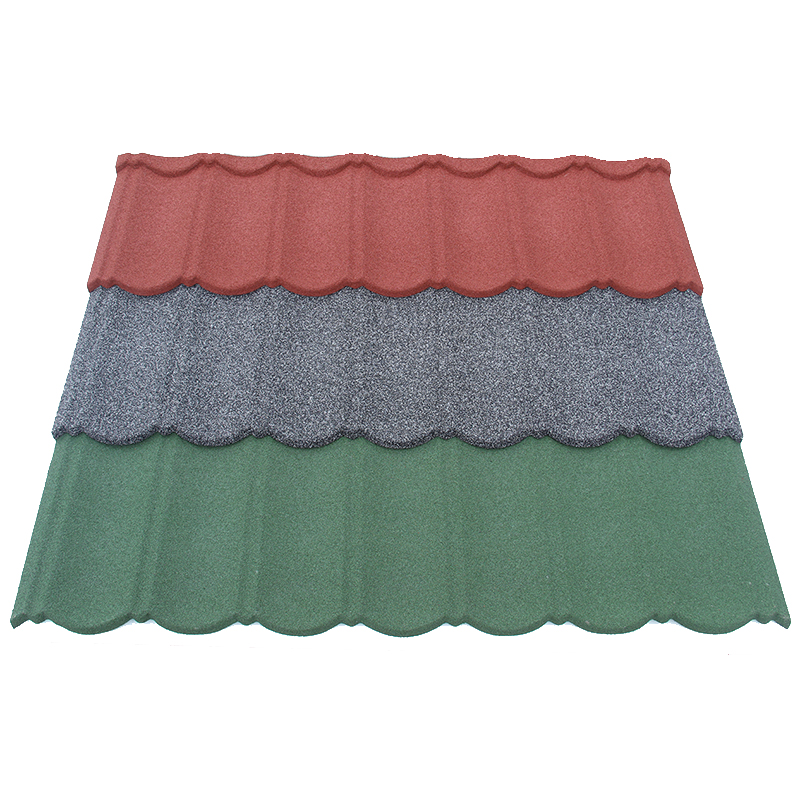
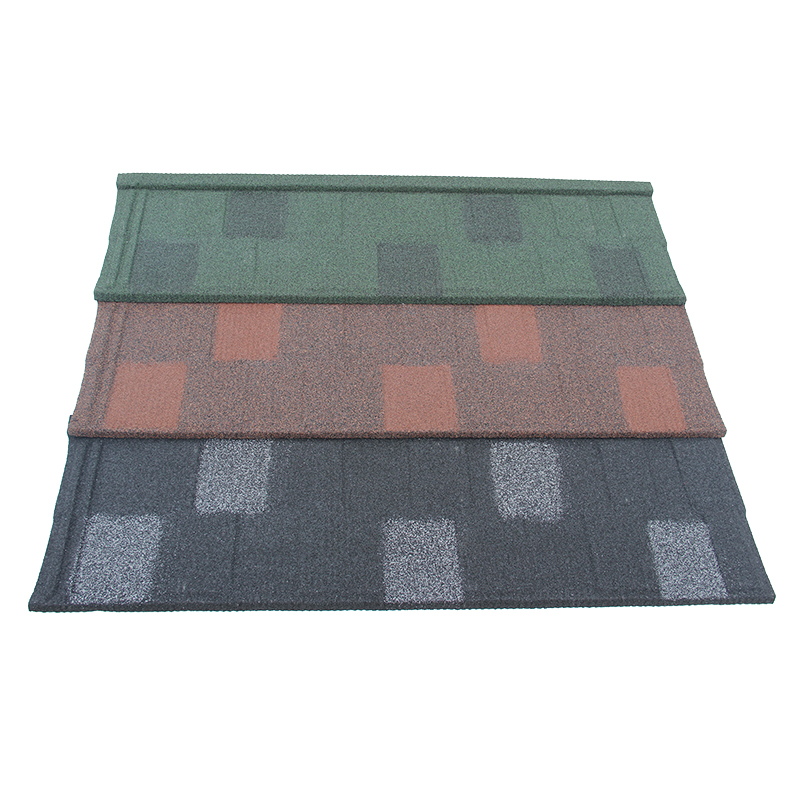
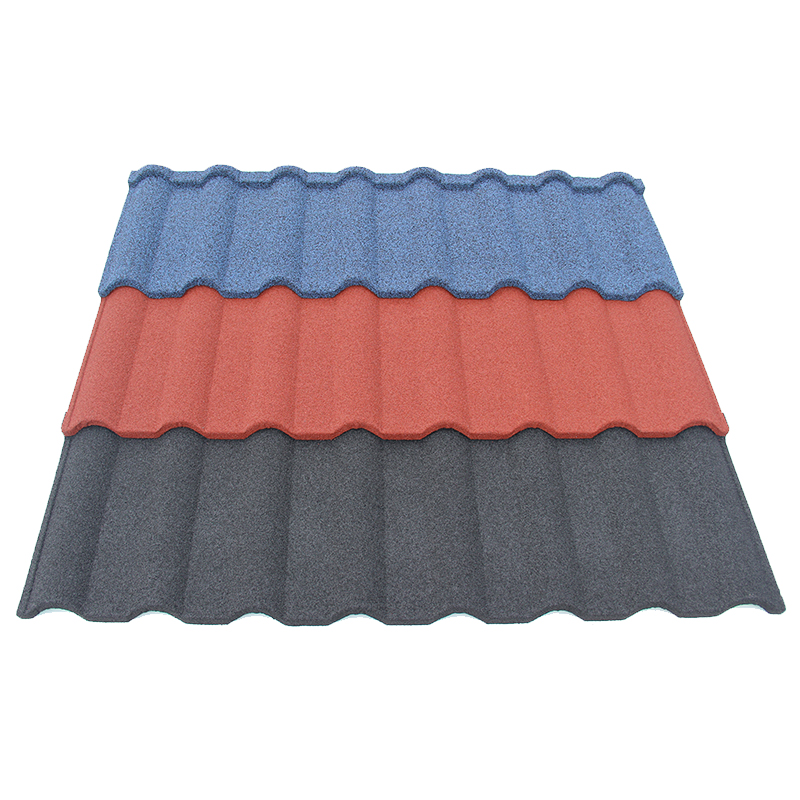
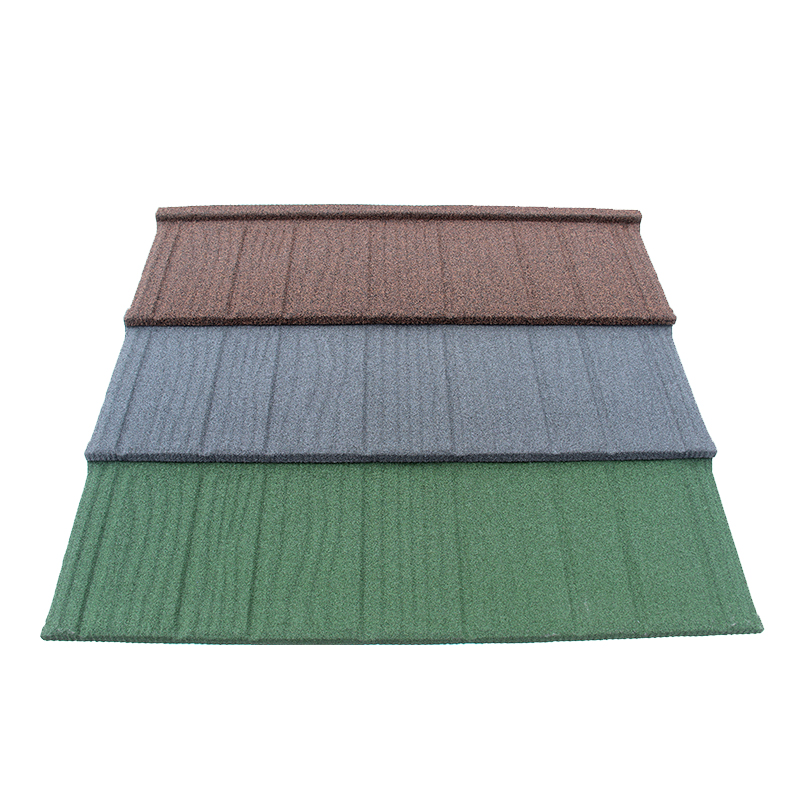
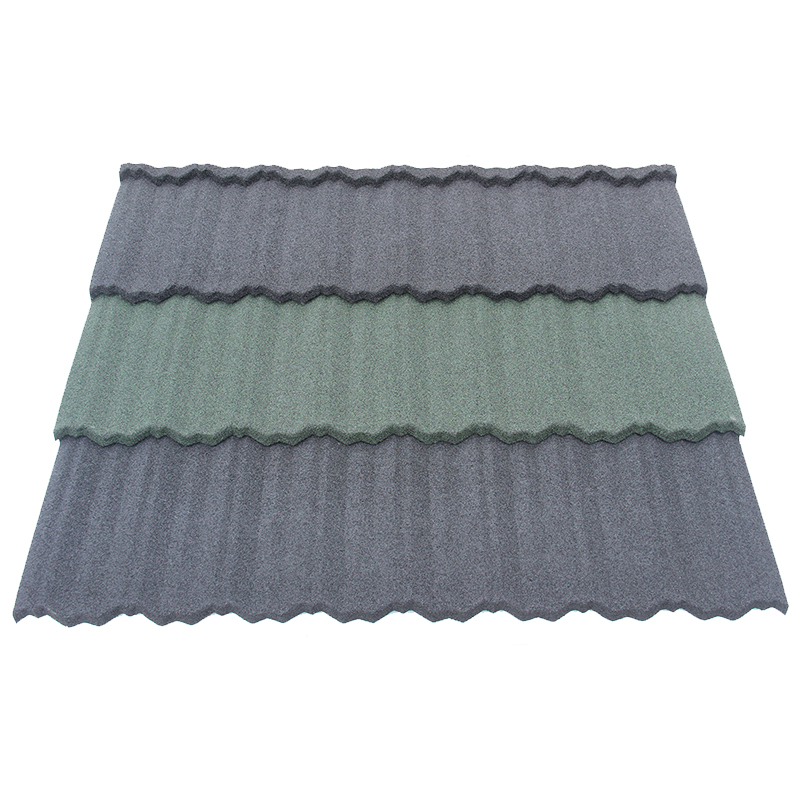
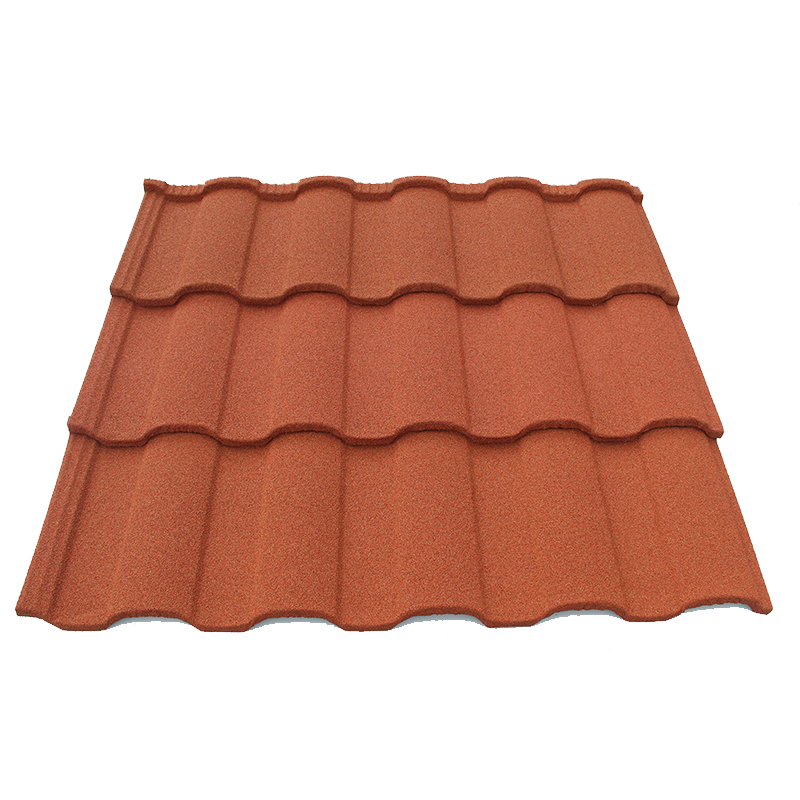
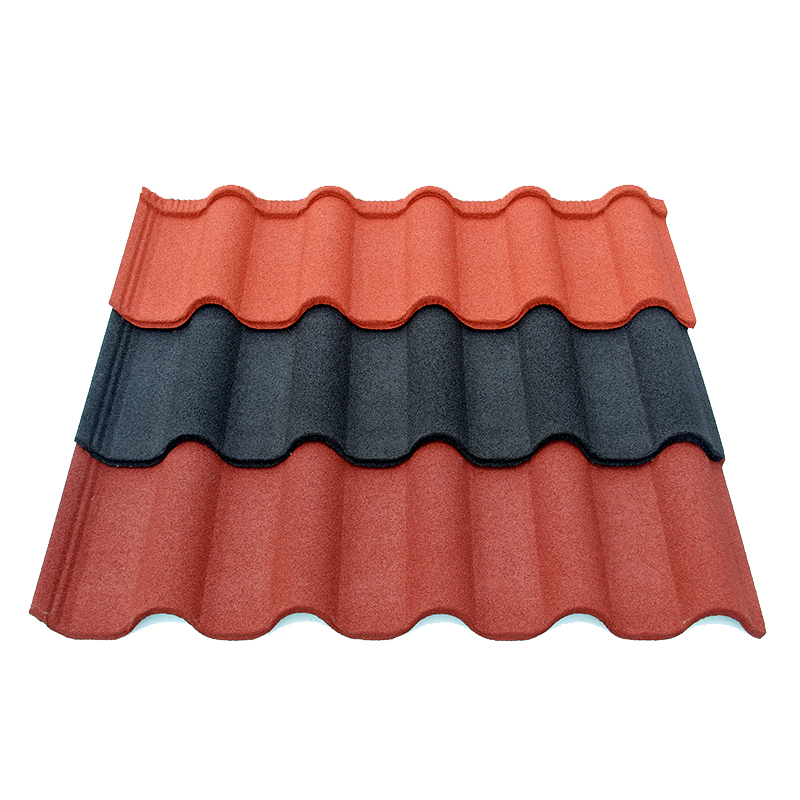
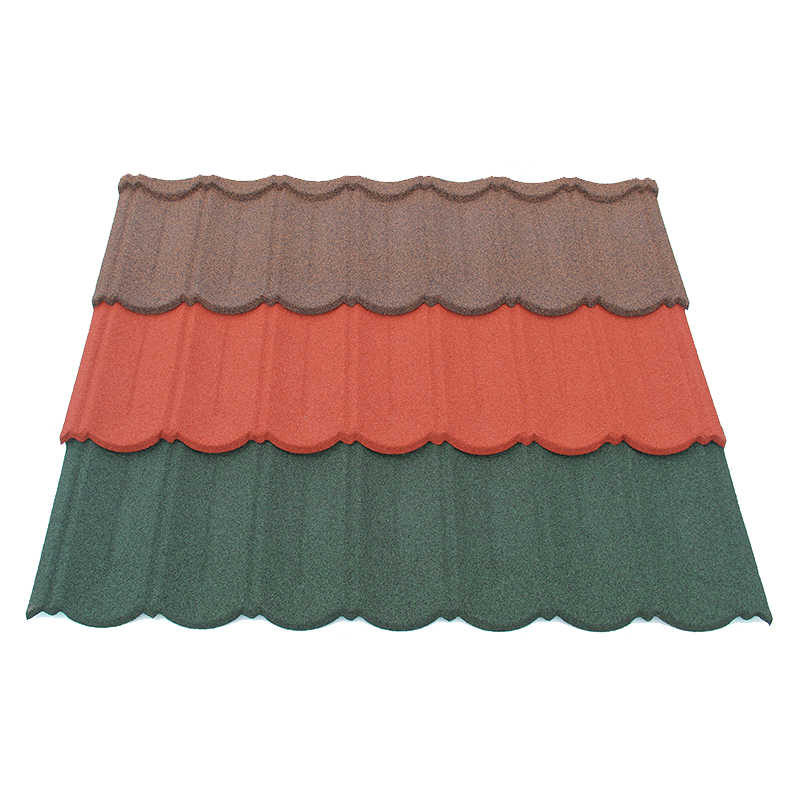
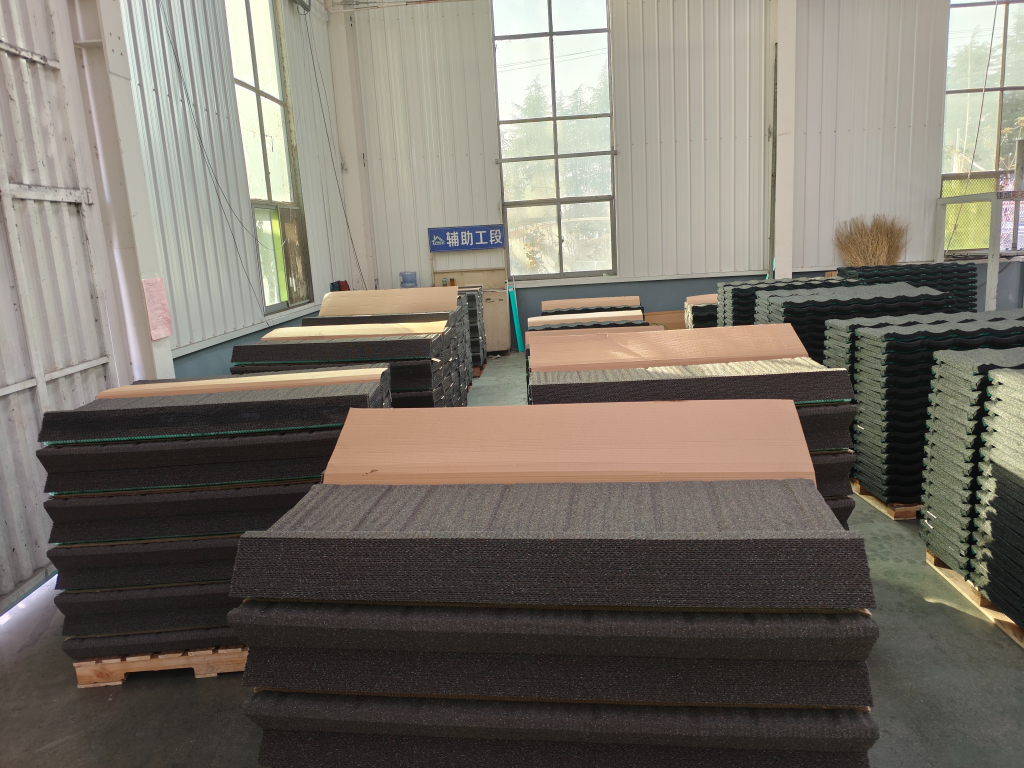
To effectively manage a roofing project, one must understand that a stone-coated steel panel is a multi-layered composite. The core is typically a Galvalume or Aluzinc steel sheet (Al-Zn alloy coated), which provides the primary barrier against oxidation. This is then layered with an acrylic primer, a thick base coat of acrylic resin, natural stone granules, and a final transparent overglaze. Problems usually arise when there is a breakdown in the chemical bond between these layers or when the physical properties of the steel substrate are compromised during the stamping or installation process.
The Role of Aluzinc Ratios in Corrosion Resistance
The most invisible yet critical problem in the industry is the use of substandard steel substrates. In high-humidity or coastal environments, a standard galvanized (pure zinc) coating is often insufficient. High-quality manufacturers, such as jcroof, emphasize the use of high-grade Aluzinc (55% Aluminum, 43.4% Zinc, and 1.6% Silicon). If the aluminum content is lowered to save costs, the sacrificial protection of the zinc is exhausted too quickly, leading to “edge creep” corrosion where the cut edges of the tile begin to rust within just 3 to 5 years.
Acrylic Base Coat Failure and De-granulation
“Shedding” or de-granulation is a common complaint among end-users. While a small amount of loose stone is normal during the first rainfall (installation debris), persistent balding indicates a failure of the acrylic base coat. This often happens if the resin is diluted or if the curing process is rushed. Without the stone granules, the underlying UV-sensitive acrylic and the steel itself are exposed to direct solar radiation, significantly shortening the roof’s lifespan.
Critical Installation Pitfalls and Environmental Challenges
Even the highest-grade stone-coated steel tiles will fail if the installation ignores the physics of metal expansion and moisture shedding. Unlike traditional asphalt shingles, SCS tiles are part of a breathable, batten-mounted system (usually). Problems often stem from contractors who treat metal tiles like ceramic or bitumen products, leading to structural stresses that the material was not designed to handle. Proper airflow and fastening patterns are non-negotiable for a professional-grade finish.
The “Walking” Damage and Physical Deformation
One of the most frequent on-site problems is physical damage caused by foot traffic. Because these tiles are often installed over a batten system, they have a structural void beneath the profile. Inexperienced crews or maintenance workers who step on the “high” points of the profile rather than the reinforced “low” points (where the batten provides support) will cause permanent denting. These dents create “water pockets” where debris and moisture collect, eventually leading to localized coating failure or leaks at the lap joints.
Improper Batten Spacing and “Oil Canning” Visuals
Precision is paramount in the substructure. If the wooden or light-gauge steel battens are not spaced exactly to the tile’s specifications (typically 365mm to 370mm depending on the profile), the tiles will not interlock correctly. This results in visible gaps that compromise wind resistance and create an unsightly “wavy” appearance known in the industry as oil canning. In high-wind regions, these gaps act as air scoops, significantly increasing the risk of panel blow-off during storm events.
Strategic Selection: How to Avoid Procurement Errors
For a B2B buyer, the goal is to balance the initial tender price with the total cost of ownership. Low-cost suppliers often cut corners on the elements that aren’t visible to the naked eye until the product has been on the roof for 24 months. Identifying these red flags during the sampling and submittal phase is the only way to ensure the long-term success of a government or commercial housing project.
| Critical Factor | The “Budget” Version (High Risk) | The Professional Grade (Recommended) |
|---|---|---|
| Steel Base | 0.30mm – 0.35mm thickness; Low Aluzinc coating. | 0.40mm – 0.50mm thickness; 100g/m² – 150g/m² Aluzinc. |
| Stone Granules | Dyed sand (fades within 12-24 months). | Sintered volcanic rock (pigment baked at 800°C+). |
| Adhesive Resin | Standard water-based glue (brittle in cold/soft in heat). | High-grade Acrylic Resin (flexible and UV resistant). |
| Warranty | Vague “Marketing” guarantees without technical backing. | 30-50 year structured warranties covering corrosion/fading. |
Evaluating the Sintering Process for Color Longevity
When reviewing samples, buyers should inquire specifically about the stone colorant. Inexpensive tiles use “surface-dyed” stones which will succumb to UV degradation and acid rain, leaving the roof looking patchy and gray. Professional-grade tiles use ceramic-coated (sintered) stones where the inorganic pigments are fused into the rock at high temperatures. This ensures that the aesthetic value of the building—and therefore the developer’s reputation—remains intact for decades.
Frequently Asked Questions and Risk Mitigation
Addressing common concerns before they become field issues is the hallmark of a veteran supplier. Most “problems” attributed to stone-coated steel are actually symptoms of poor specification or inadequate training of the local labor force. By proactively managing these technical aspects, project managers can leverage the benefits of metal roofing—lightweight, fire resistance, and longevity—while neutralizing the traditional drawbacks.
Is Noise an Issue During Rain?
A common misconception is that stone-coated steel is “loud” like traditional corrugated iron. In reality, the thick layer of stone granules acts as a natural sound dampener, breaking the surface tension of raindrops. When installed over a batten system with an air gap and proper attic insulation, the acoustic performance is comparable to, or better than, heavy concrete tiles. For procurement, this means you can offer a premium “quiet” roof without the weight penalties of clay.
How Does the System Handle Extreme Temperature Fluctuations?
Metal expands and contracts. In regions with high diurnal temperature ranges, “thermal movement” can cause fasteners to back out or create “creaking” noises. To mitigate this, engineers specify horizontal fastening (nailing through the front “nose” of the tile into the side of the batten) rather than vertical fastening. This allows the system to breathe and move slightly without compromising the water-tight seal or structural grip.
Conclusion for the Professional Buyer
Stone-coated steel roofing remains one of the most resilient solutions for modern construction, provided the buyer looks beyond the surface. By focusing on Aluzinc density, stone sintering technology, and strict adherence to batten-system geometry, the “problems” associated with the product can be almost entirely eliminated. For large-scale projects, partnering with a manufacturer that provides detailed technical submittals and installation guidance is the most effective way to ensure a zero-defect delivery.