
Commercial real estate portfolios represent massive financial investments that require rigorous, systematic structural upkeep continuously. Throughout the operational lifecycle of a commercial facility, the exterior building envelope absorbs severe environmental punishment natively. Specifically, massive autumn storms, heavy winter blizzards, and aggressive spring winds deposit incredible volumes of physical debris across the roof deck. Consequently, facility managers must execute precise, highly methodical clearance protocols to protect the underlying corporate asset. However, utilizing ignorant or aggressive cleaning methods destroys advanced architectural cladding instantly. Removing debris safely without scratching your stone coating is an absolute engineering mandate for facility managers globally. This specialized protective layer guarantees the fifty-year structural and aesthetic lifespan of the entire building seamlessly. If maintenance crews compromise this microscopic chemical barrier, the resulting corrosion and water intrusion will destroy lean corporate budgets. Therefore, B2B procurement officers and facility directors must establish strict standard operating procedures meticulously today. This comprehensive engineering guide explores the exact physics, tools, and protocols required for flawless rooftop maintenance. Ultimately, understanding these B2B maintenance mechanics protects your massive capital investment flawlessly and permanently.
1. The Chemistry and Physics of the Protective Coating
To understand why aggressive debris removal is so dangerous, you must first understand the microscopic chemistry of the cladding natively. Advanced metallurgical roofing systems do not utilize cheap, simple petrochemical paints like traditional corrugated iron. Instead, they rely on a highly complex, multi-layered chemical and mineral defense system continuously globally. This advanced barrier protects the underlying structural steel from intense ultraviolet radiation, aggressive saltwater corrosion, and severe biological rot natively. Therefore, maintenance contractors must treat this surface with the same precision applied to high-end automotive finishes. Ignorance of this chemical engineering guarantees catastrophic cosmetic failure and massive structural liabilities for the property owner.
The Role of Pure Acrylic Resin
The outermost layer of a premium commercial panel consists of a 100% pure, UV-stabilized acrylic resin glaze natively. This transparent polymer serves as the ultimate environmental shield, locking the entire architectural system together perfectly. Specifically, it physically binds the colored mineral granules directly to the underlying metallic substrate permanently. Furthermore, this pure acrylic creates a completely non-porous, highly sterile exterior surface across the commercial building envelope globally. Consequently, abrasive physical forces, such as dragging heavy branches, will slice through this delicate resin layer instantly. Once the resin is breached, the panel loses its primary defense against airborne moisture and destructive organic spores entirely.
Sintered Basalt Granules vs. Abrasive Forces
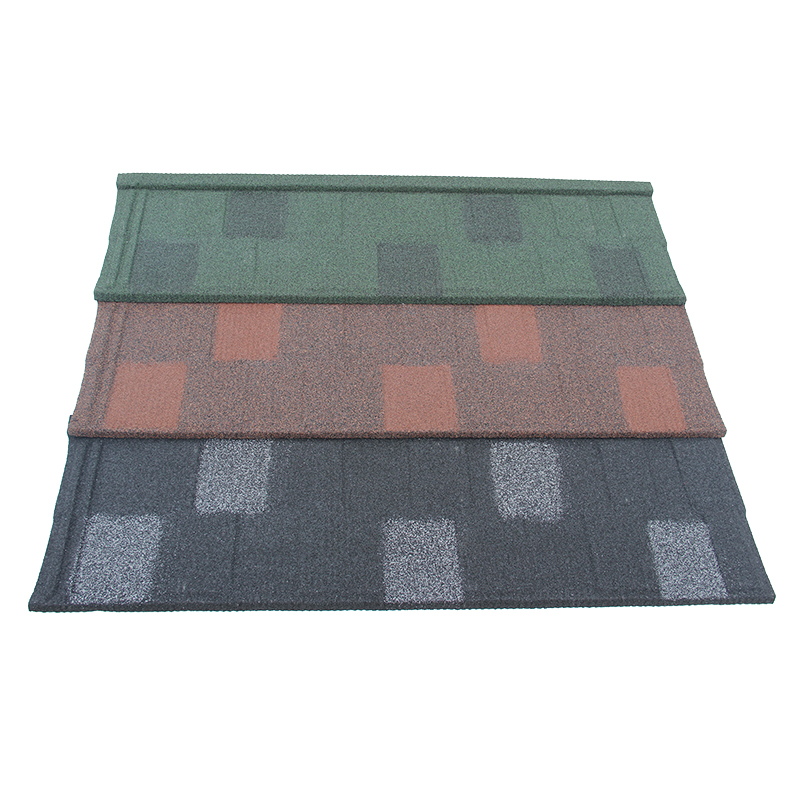
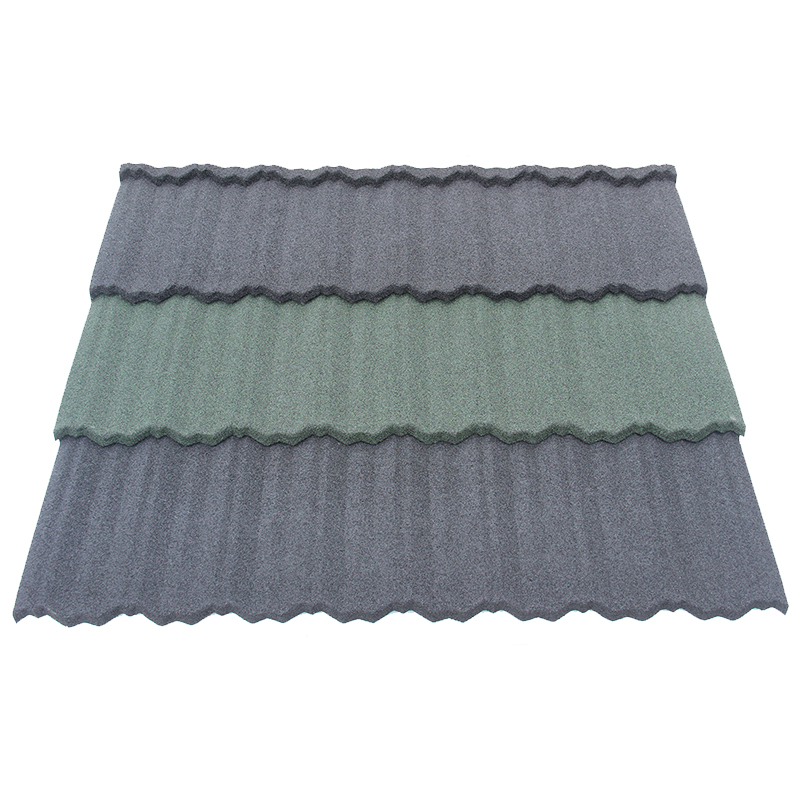
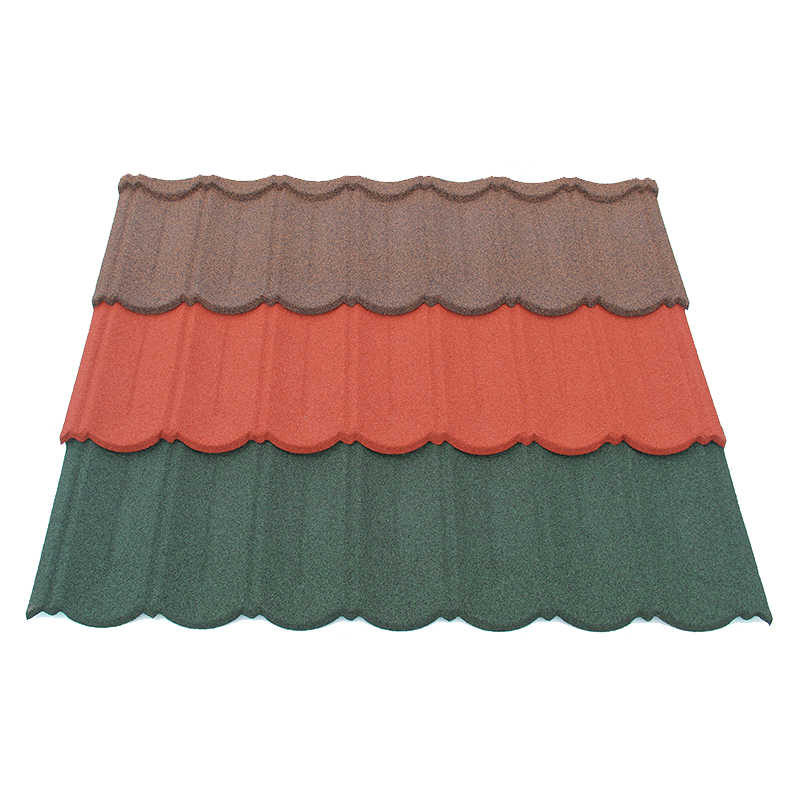
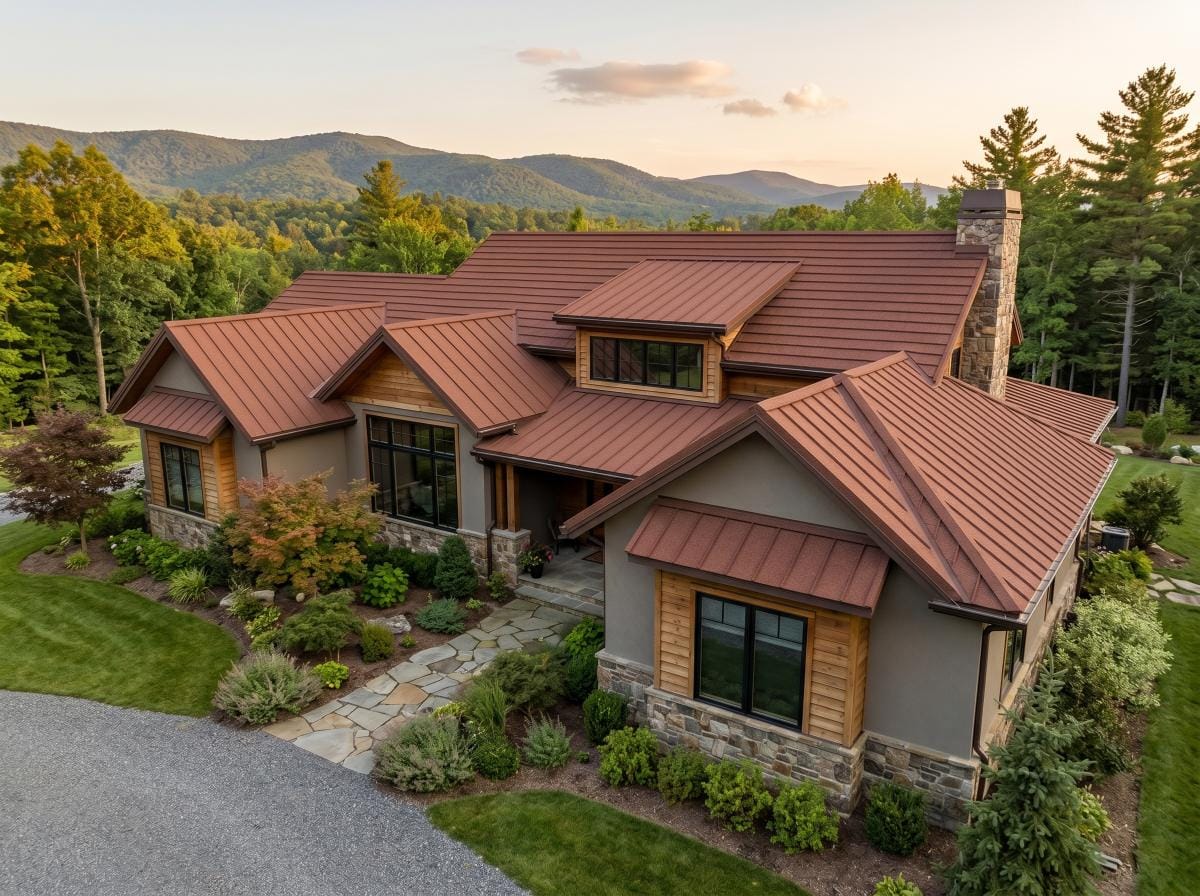
Beneath the clear acrylic glaze lies a thick layer of high-temperature sintered basalt chips globally. Industrial kilns fire inorganic pigments directly into these natural volcanic rocks to guarantee absolute color permanence natively. Luxury eco-lodges frequently specify a heavily textured Shake Tile to mimic natural hand-split timber beautifully and safely. However, this deep organic texture naturally catches falling leaves and small twigs during heavy windstorms. If a maintenance worker aggressively scrapes this textured surface with a hard metal shovel, they will dislodge the sintered basalt completely. Therefore, preserving these protective granules requires utilizing highly specialized, non-abrasive clearance tools exclusively during routine maintenance.
2. Core Protocols for Mechanical Clearance
Executing safe debris removal requires strict operational discipline and a comprehensive understanding of rooftop kinetic physics natively. Facility directors cannot simply dispatch untrained laborers onto a massive commercial roof deck and expect pristine results globally. Without proper mechanical clearance protocols, workers will inadvertently crush the aerodynamic profile and scratch the chemical glazes simultaneously. Therefore, establishing rigid, legally binding maintenance workflows is absolutely critical for long-term B2B asset protection natively. You must control exactly how contractors navigate the roof and specify the exact tools they are permitted to utilize. Intelligent operational management prevents catastrophic structural and aesthetic damage seamlessly.
Safe Navigation over Structural Battens
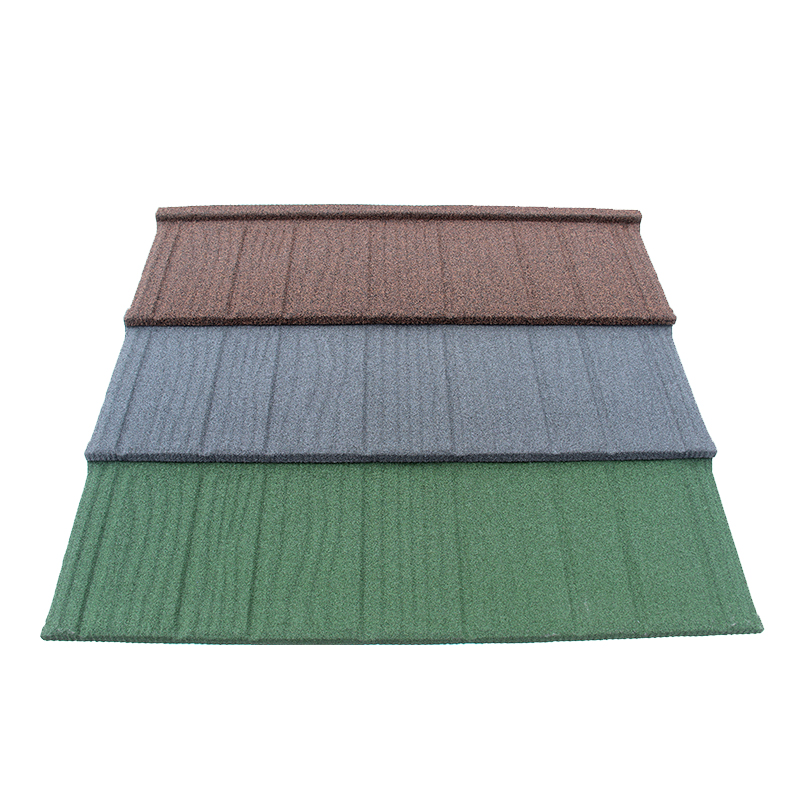
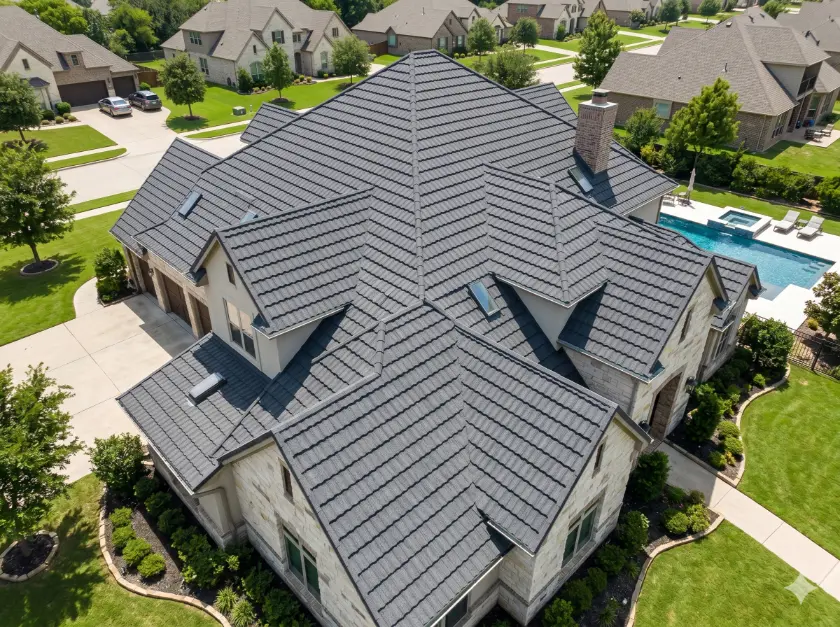
Before any maintenance crew attempts removing debris safely without scratching your stone coating, they must understand rooftop navigation natively. Advanced interlocking panels require raised structural tile battens for proper, highly secure installation globally. Consequently, workers must step precisely on the panel nose directly over the supporting rigid timber batten always. For heavy-duty industrial warehouses, a robust Bond Tile offers extreme kinetic rigidity and structural strength natively. However, even this industrial profile will dent if a worker steps blindly into the unsupported airspace between the underlying battens. Therefore, enforcing safe foot placement prevents accidental structural fracturing while crews maneuver to clear heavy debris.
Banned Equipment and Approved Tools
Facility managers must strictly ban all abrasive and highly pressurized equipment from the commercial building envelope natively. High-pressure power washers, stiff wire brushes, and heavy metal snow shovels are absolutely forbidden globally. These aggressive tools will instantly strip the pure acrylic resin and tear the sintered basalt from the steel core natively. Instead, maintenance crews must utilize soft-bristled commercial push brooms to sweep away accumulated leaves and pine needles gently. Furthermore, workers must wear clean, soft-soled sneakers to prevent their footwear from scuffing the shiny architectural glaze natively. Consequently, these gentle tools ensure the physical clearance removes moisture traps without scratching the beautiful mineral surface entirely.
3. Managing Specific Debris Profiles and Hydrology
Different types of environmental debris create vastly different structural and hydrological threats to the commercial property natively. Facility managers must tailor their clearance strategies to address specific seasonal fallout highly efficiently globally. Massive tree branches present a blunt kinetic threat, while thousands of tiny pine needles create invisible, devastating moisture traps natively. Furthermore, this debris frequently accumulates in the most sensitive geometric areas of the commercial roof deck continually. Therefore, maintenance crews must conduct targeted, highly methodical inspections to ensure flawless hydrological evacuation safely. Addressing these specific debris profiles secures the building envelope against catastrophic interior water intrusion.
Clearing Hydrological Drainage Valleys
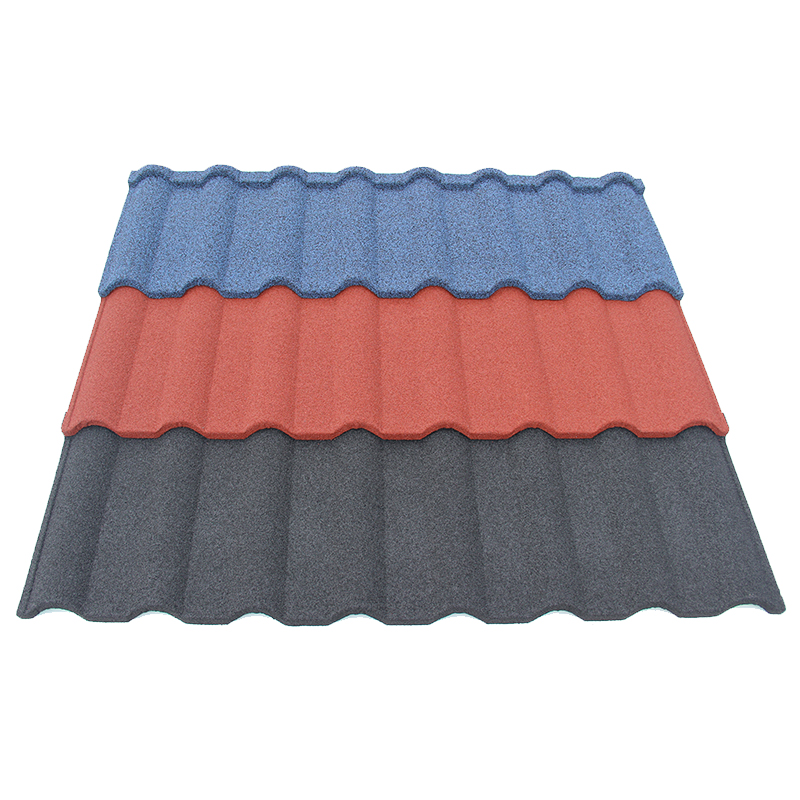
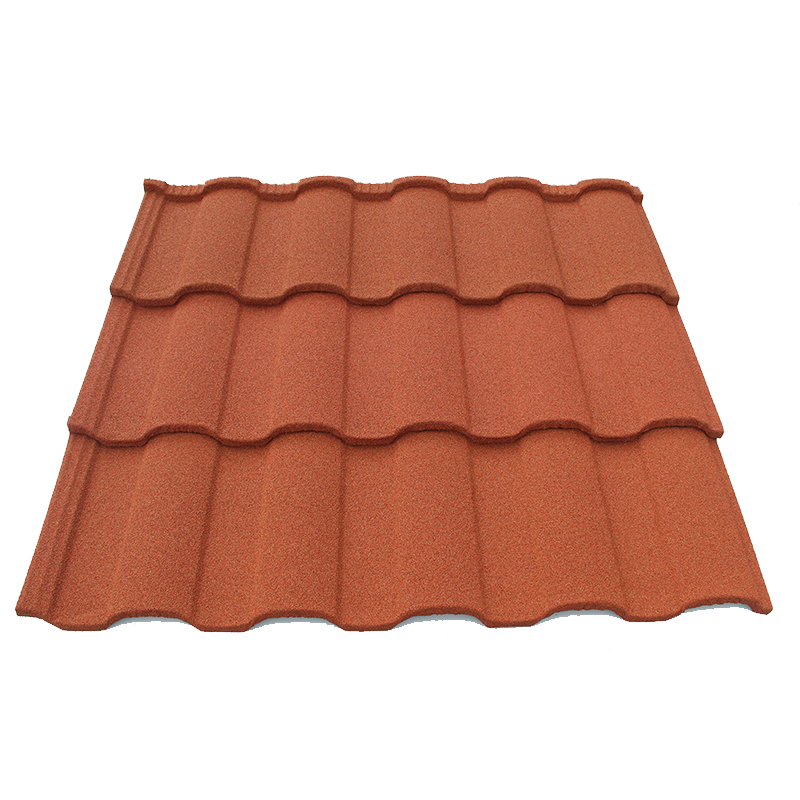
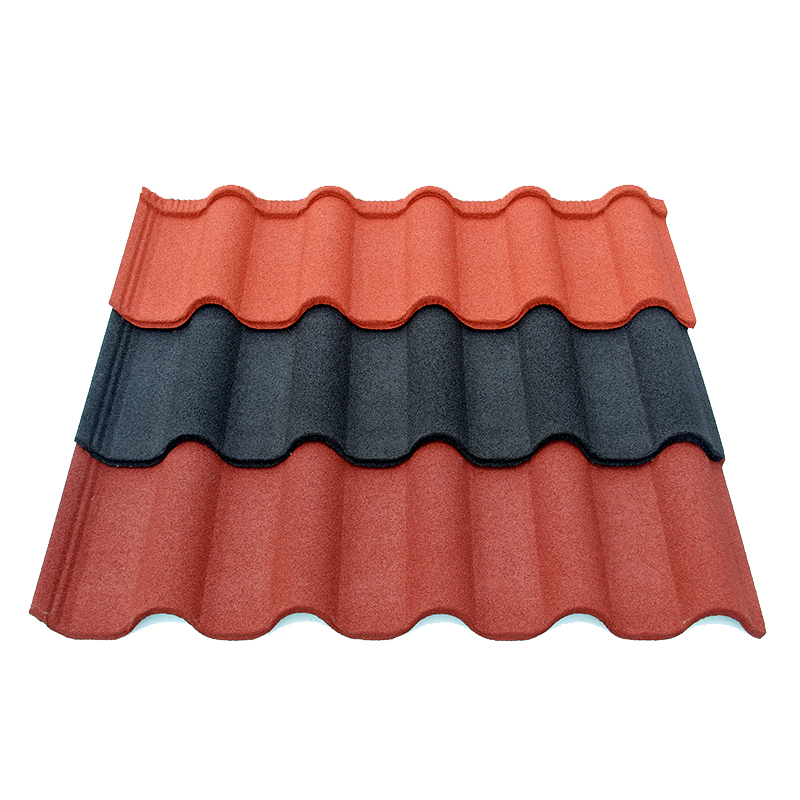
Complex commercial roofs feature intersecting structural planes that create critical architectural drainage valleys natively. These specific valleys channel massive volumes of high-velocity rainwater toward the commercial gutter system constantly globally. A deeply channeled Roman Tile routes massive tropical monsoons downward highly efficiently for coastal resorts natively. Its exaggerated geometric curves evacuate severe volumes of rainwater safely away from the building interior. However, if wet leaves and organic sludge clog these deep valleys, the hydrological efficiency fails entirely. Therefore, maintenance crews must manually clear every single structural valley carefully, physically lifting the debris rather than dragging it.
Removing Heavy Branches and Winter Fallout
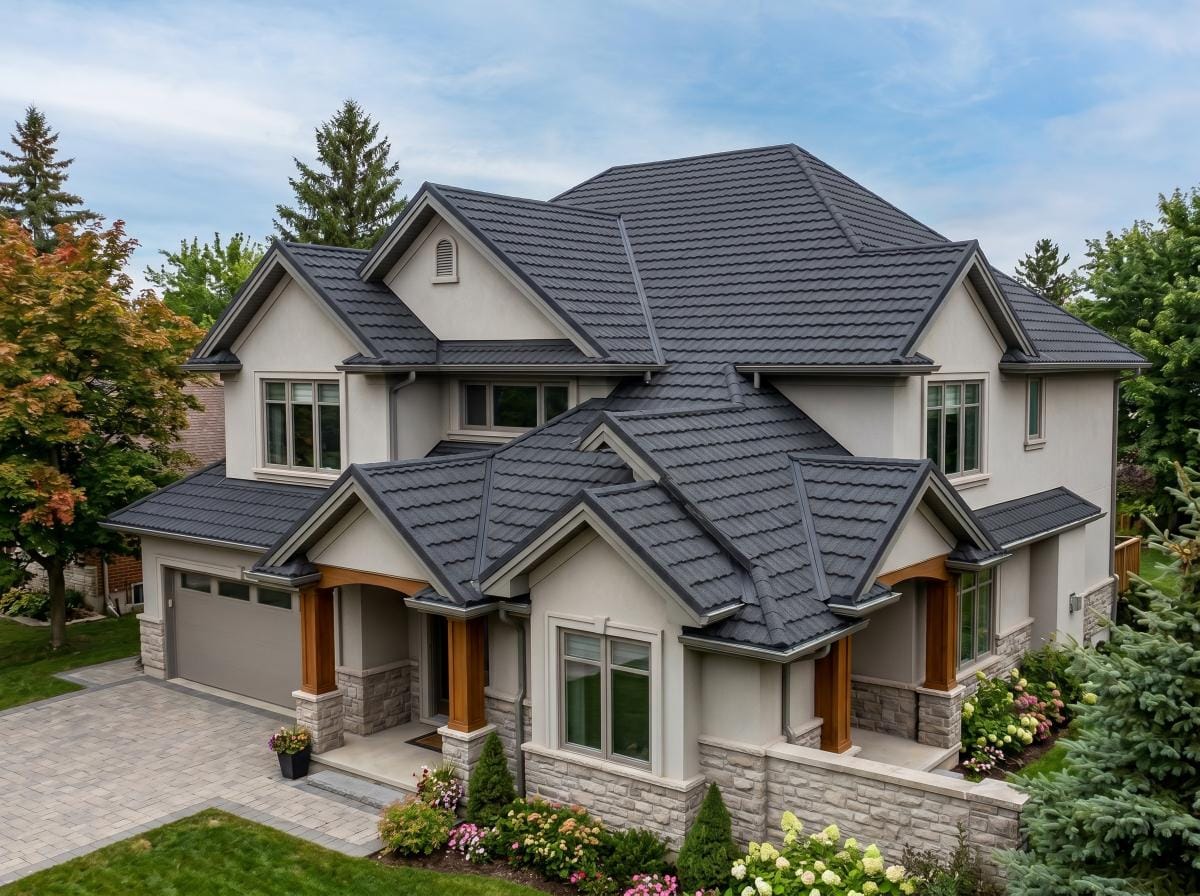
Winter storms frequently snap massive, heavy tree branches, depositing them directly onto the commercial roof deck natively. When removing this massive kinetic debris, contractors must physically lift the timber completely off the panels globally. Dragging heavy, rough bark across the steel panels guarantees deep, catastrophic scratches through the protective chemical coating natively. Furthermore, modern corporate campuses frequently utilize a sleek, minimalist Shingle Tile to achieve flawless flush alignment seamlessly. Micro-debris like seed pods and fine dirt can lodge tightly within these highly precise horizontal interlocking seams natively. Therefore, crews must use soft hand brushes to detail these seams gently, preventing capillary water action without scratching the finish.
4. Chemical Cleaning Post-Clearance
Once the heavy mechanical debris is safely removed, the commercial roof often requires a light aesthetic wash natively. Airborne dust, industrial exhaust pollutants, and dried sap leave a dull, dirty film over the architectural cladding globally. Restoring the brilliant visual prestige of the property is essential for maintaining premium corporate lease rates continuously. However, utilizing the wrong chemical solvents during this final cleaning phase is just as dangerous as using a wire brush natively. Facility managers must specify exact chemical protocols to protect the underlying metallurgical foundation completely. Gentle, intelligent chemistry guarantees the facility remains pristine for decades.
Avoiding Corrosive Industrial Solvents
True commercial-grade panels utilize authentic AZ150 Aluzinc steel natively for their underlying, indestructible metallic core. This advanced aluminum-zinc alloy provides active cathodic protection, sealing exposed cut edges flawlessly and permanently globally. However, highly aggressive industrial degreasers, bleach, and acidic solvents can chemically attack this vital Aluzinc layer natively. If harsh chemicals strip the zinc from the steel, the panel will immediately succumb to aggressive red rust natively. Therefore, maintenance crews must never use unauthorized chemical cleaning agents on the commercial building envelope entirely. Protecting the core metallurgy is the absolute highest priority during routine aesthetic maintenance.
Soft Washing for Aesthetic Restoration
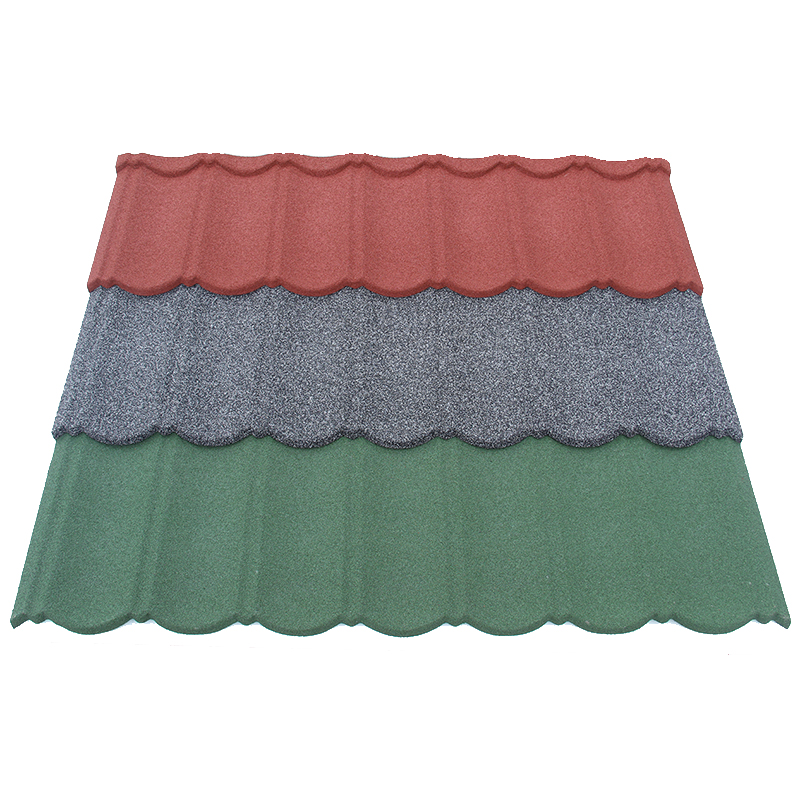
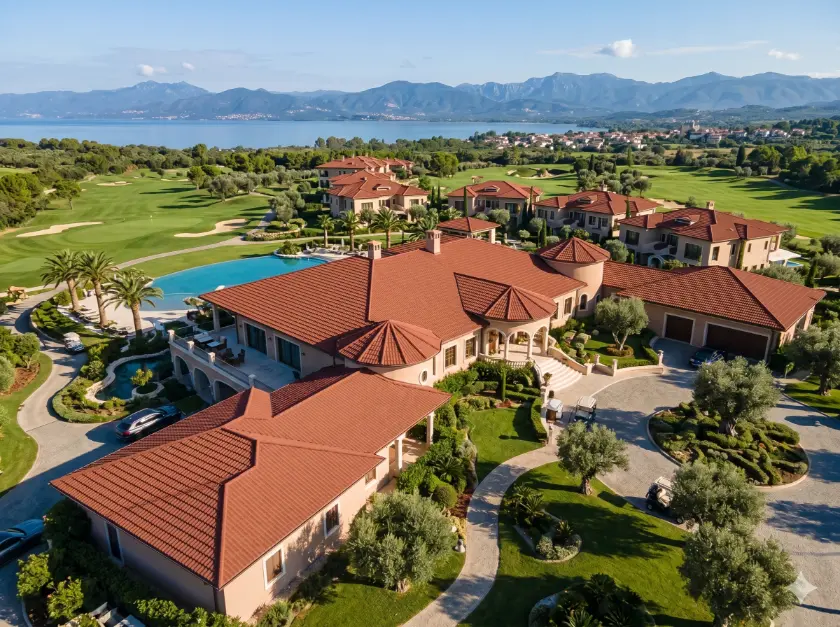
To safely restore the architectural shine, crews must execute a low-pressure soft washing protocol exclusively globally. A sweeping Milano Tile projects massive Mediterranean prestige and historic wealth effortlessly across luxury coastal estates natively. To keep its deep terracotta colors vibrant, crews should mix a mild, pH-neutral commercial soap with clean water natively. Using a standard, low-pressure garden hose and a soft sponge, they can gently wipe away the residual winter grime seamlessly. Consequently, normal seasonal rainfall will easily rinse the mild soap away, leaving a perfectly sterile, brilliant surface natively. Ultimately, soft washing achieves breathtaking aesthetic restoration without risking any microscopic chemical damage.
5. Standardizing Corporate Maintenance Contracts (FAQ)
Ad-hoc, unregulated maintenance schedules guarantee premature structural failure across massive commercial real estate portfolios inevitably. Facility directors cannot rely on reactive, uncoordinated cleaning efforts to protect multi-million dollar corporate assets globally. Consequently, B2B organizations must formalize their debris clearance protocols into strict, legally binding maintenance contracts natively. Standardizing these procedures ensures that every subcontractor handles the architectural cladding with extreme technical precision continuously. Therefore, establishing rigorous corporate guidelines is the final step in securing your massive capital investment natively. Intelligent operational management transforms your commercial roof into a zero-maintenance, highly profitable corporate stronghold.
Drafting Contractor Liability Clauses
Procurement officers must include strict rooftop navigation and soft washing protocols in all maintenance agreements natively. You must force third-party HVAC technicians, window washers, and roof cleaners to sign specific corporate liability waivers globally. If an untrained contractor scratches the panel glaze by dragging a heavy tool or utilizing a power washer, they must pay for the structural replacement immediately. This strict financial accountability prevents massive carelessness and guarantees the contractors respect the advanced metallurgy natively. Furthermore, providing all external vendors with an official maintenance handbook secures your legal position completely.
Partnering with Elite Manufacturing Hubs
Ultimately, routine maintenance is exponentially safer and easier when you procure premium materials initially globally. Large-scale commercial developments demand absolute structural perfection and verified batch consistency constantly natively. Therefore, B2B buyers must partner directly with proven, factory-direct industrial manufacturing facilities natively. Specifically, JCROOF operates precisely in this highly professional, elite B2B manufacturing tier reliably and consistently. With 11 years of dedicated experience and a 10,000-square-meter facility, they deliver heavy-duty panels featuring superior, scratch-resistant acrylic glazes natively. Sourcing from an established industrial expert minimizes your maintenance risks massively, ensuring a permanent 50-year structural lifespan.
| Maintenance Clearance Task | Dangerous Protocol (Causes Scratching) | Safe B2B Engineering Standard |
|---|---|---|
| Heavy Branch Removal | Dragging rough timber across the metal panels, slicing through the acrylic resin glaze natively. | Physically lifting the branch completely off the surface and carrying it to the disposal area safely. |
| Leaf and Pine Needle Clearance | Using stiff metal rakes or hard wire brushes that dislodge the sintered basalt chips instantly. | Utilizing soft-bristled commercial push brooms to gently sweep debris without causing abrasion. |
| Rooftop Navigation | Wearing heavy industrial work boots with deep, aggressive treads that act like abrasive sandpaper. | Mandating clean, flat, soft-soled sneakers and stepping precisely over the structural tile battens. |
| Post-Clearance Aesthetic Washing | Deploying industrial high-pressure power washers that blast the mineral coating off the steel core. | Executing a low-pressure soft wash using a standard garden hose and pH-neutral, mild soap natively. |
| Chemical Stain Remediation | Applying acidic solvents or harsh bleach that violently attack and destroy the AZ150 Aluzinc core. | Relying on the 100% pure acrylic resin’s inherent self-cleaning, non-porous properties to repel stains. |