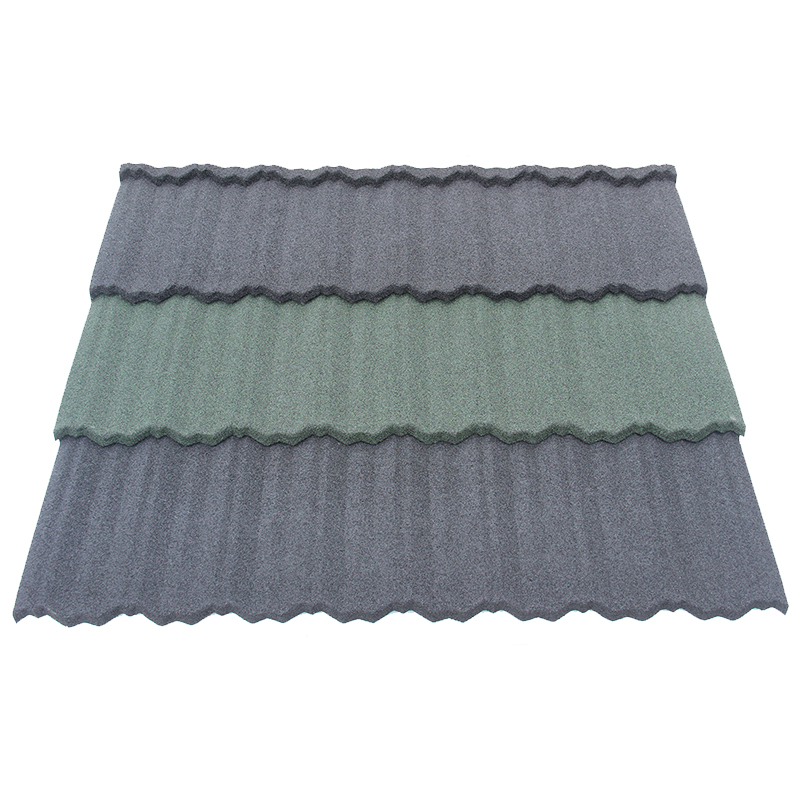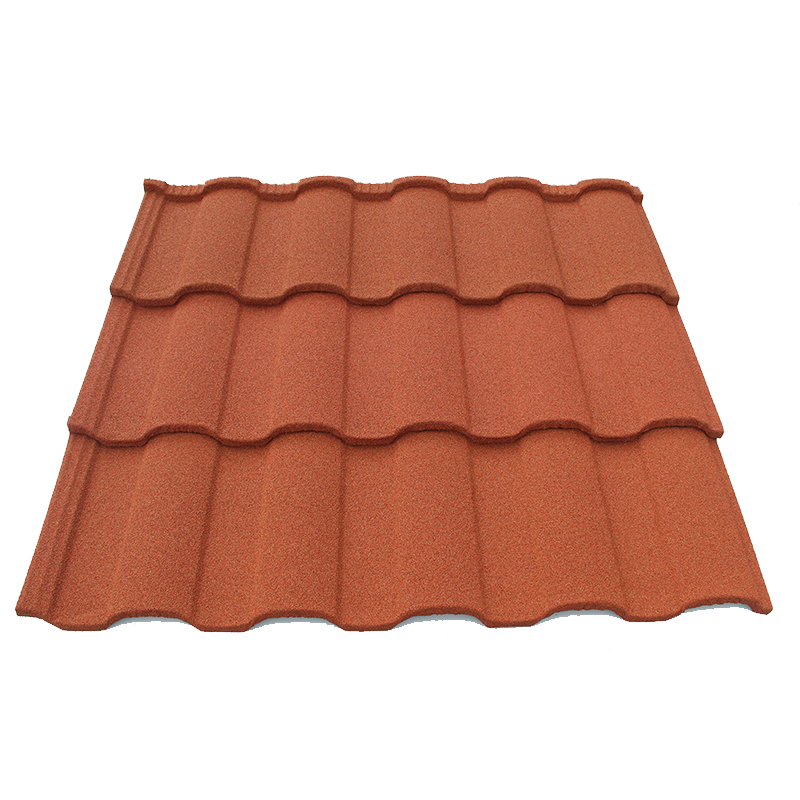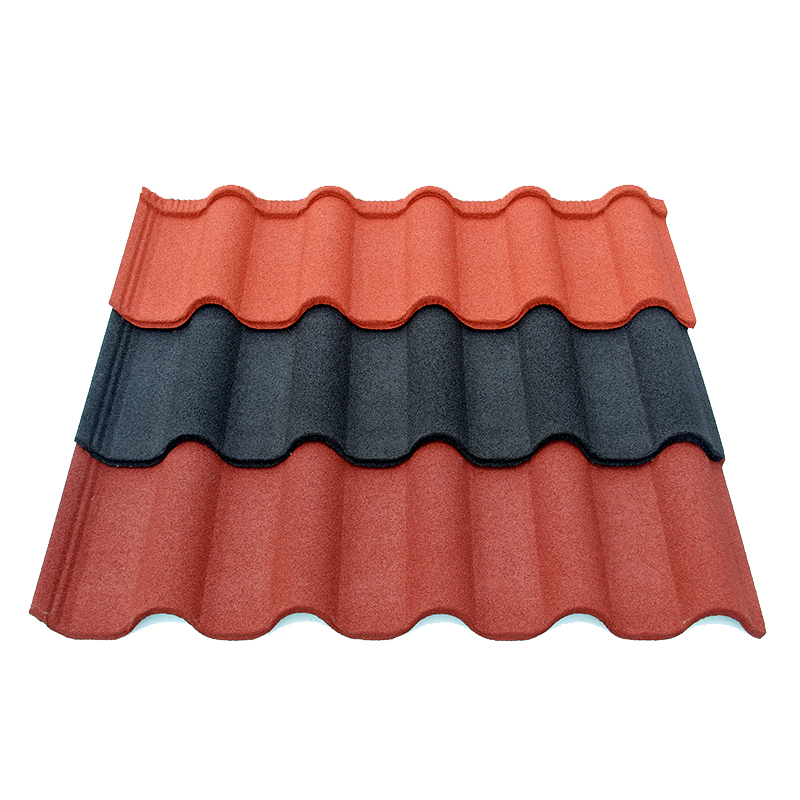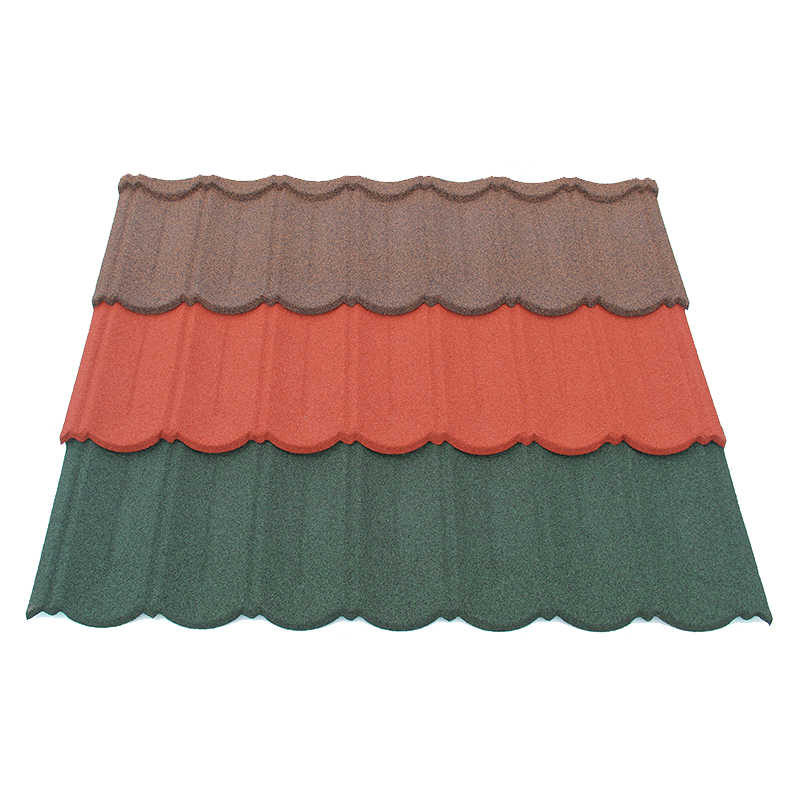

The architectural landscape for 2026 is undergoing a significant transformation driven by a shift toward industrial minimalism and high-performance material science. Specifically, Roofing Trends 2026 are defined by a move away from traditional, brightly colored materials in favor of deep, sophisticated palettes. This evolution is not merely aesthetic; it reflects a deeper commercial need for structures that communicate stability and luxury while offering extreme environmental resistance. Consequently, procurement managers for large-scale developments are increasingly specifying Stone Coated Metal Roofing systems to meet these demanding design standards. Professional manufacturers, such as JCROOF, are currently leading this trend by leveraging 11 years of dedicated industry expertise. By offering a weekly production capacity of 200,000 pieces from their 10,000-square-meter facility in China, they provide the necessary scale for massive global projects. Thus, developers can confidently source advanced cladding that aligns with modern architectural visions. Furthermore, these trends emphasize a fusion of organic textures with indestructible metallurgy to maximize long-term property valuations.
The Dominance of Dark Tones in 2026 Architectural Designs
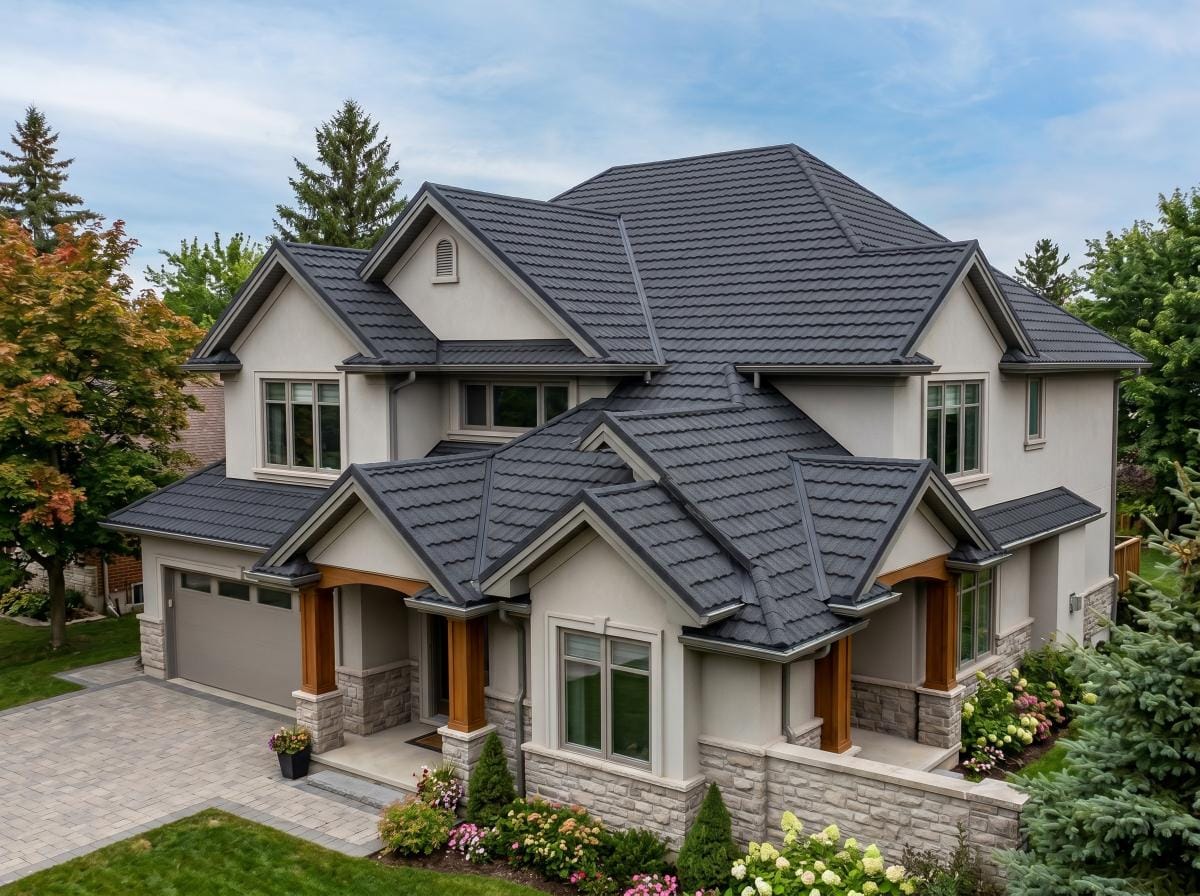
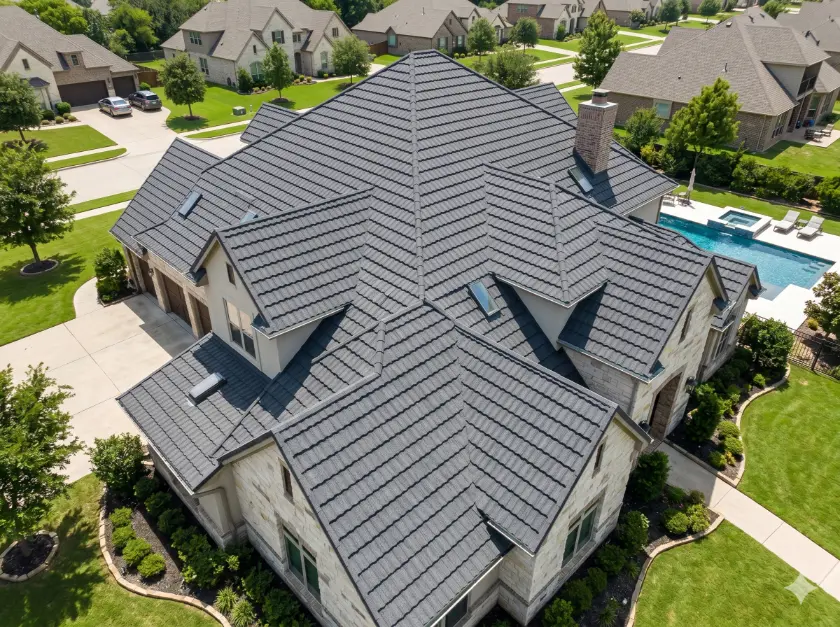
Commercial and high-end residential projects in 2026 have moved toward a “monochromatic luxury” aesthetic that utilizes charcoal, obsidian, and deep slate hues. This shift allows large-scale structures to blend seamlessly into urban environments while projecting an image of serious, institutional strength. Furthermore, dark tones act as a neutral backdrop that highlights complex building geometries and premium exterior finishes. Consequently, architects are moving away from the “busy” multicolored roofs of the past decade in favor of uniform, saturated dark palettes. This design choice is particularly effective for sprawling corporate headquarters and high-density luxury townhomes.
The Psychology of Dark Obsidian and Charcoal Palettes
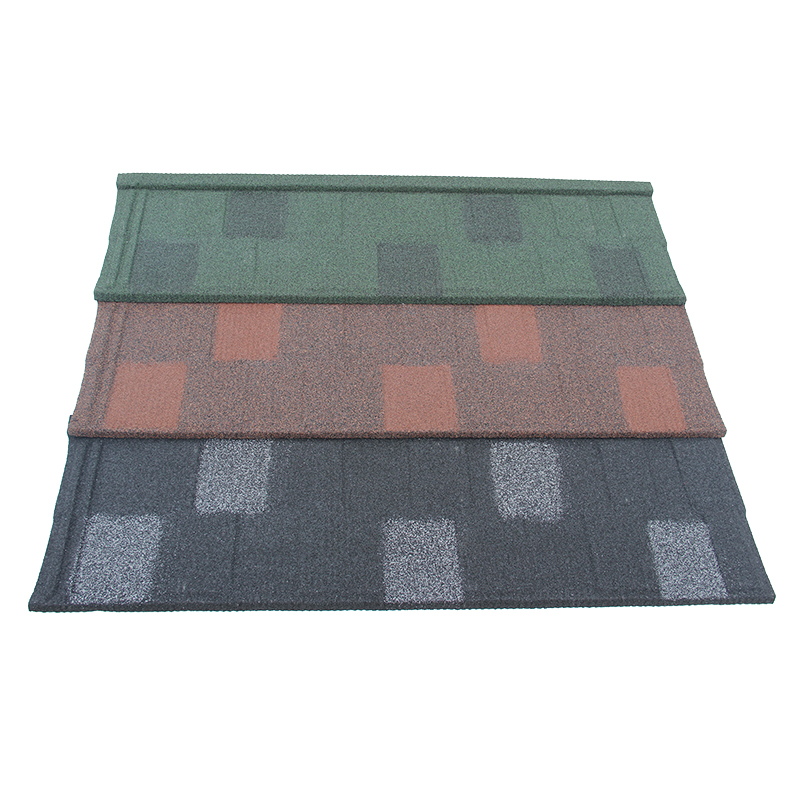
Darker exterior colors provide a sense of permanence and “weight” that lighter colors often fail to achieve. In a competitive real estate market, these tones signal to high-end tenants that a building is constructed with premium, modern materials. Therefore, developers are utilizing these deep grays and blacks to create high-contrast designs with white or metallic facades. Specifically, a sleek Shingle Tile profile in a dark matte finish achieves this minimalist corporate look perfectly. This combination ensures that the roof does not distract from the building’s architectural lines. Instead, it provides a crisp, sharp finish that defines the modern urban skyline. Indeed, this professional aesthetic is now the standard for institutional B2B developments.
Blending Traditional Forms with Modern Hues
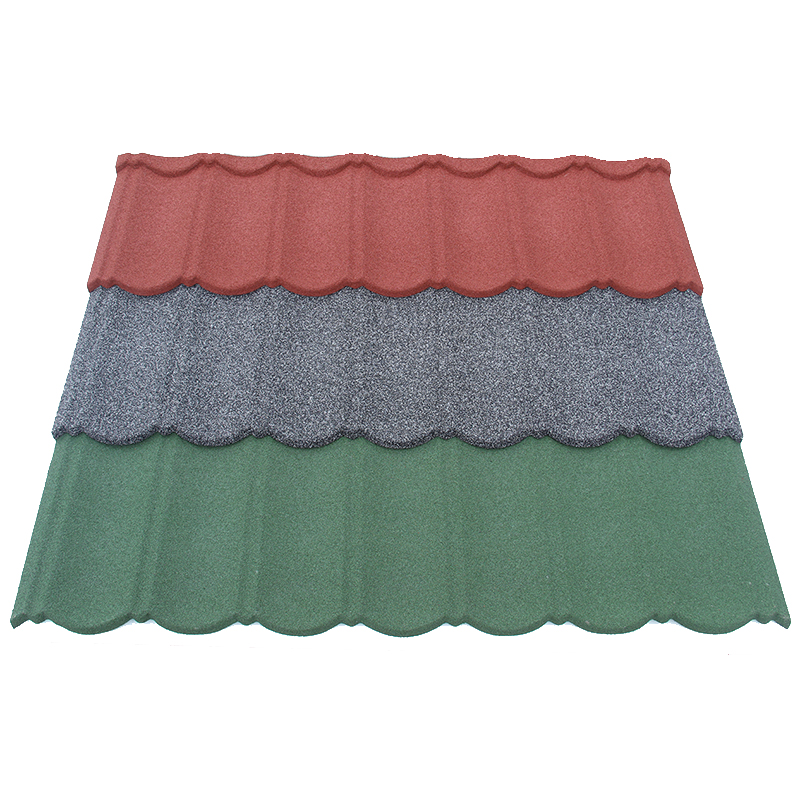
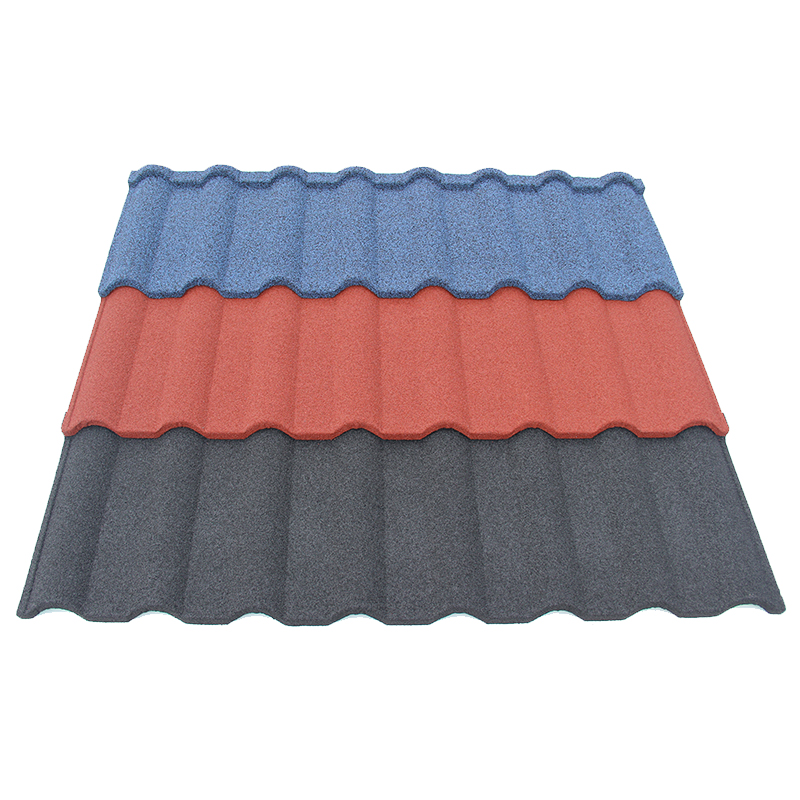
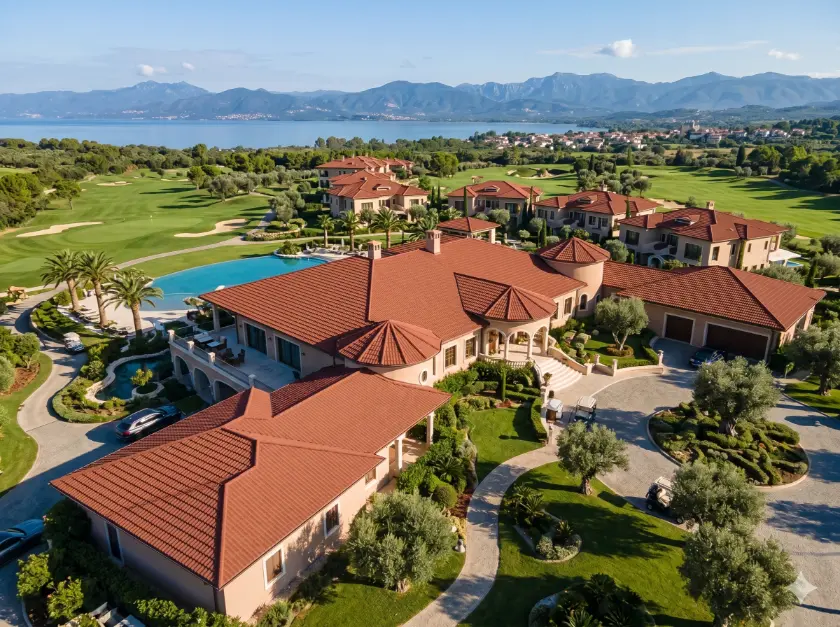
Even traditional architectural styles are being updated for 2026 with modern color strategies. For instance, the sweeping, elevated arches of a Milano Tile are now being produced in deep obsidian rather than traditional terracotta. This allows developers to maintain a prestigious Mediterranean silhouette while updating the color to match contemporary urban trends. Consequently, the building respects historical context but feels relevant to the modern buyer. This versatility is essential for projects in diverse markets, from upscale estates in California to luxury resorts in Tanzania. Thus, color customization allows a single structural profile to fit multiple architectural eras seamlessly. Furthermore, these dark tones hide environmental pollutants better than lighter variants, maintaining curb appeal with less maintenance.
Thermodynamic Advantages of Advanced Textured Surfaces
While dark colors are traditionally associated with heat absorption, 2026 technology has solved this engineering challenge through “Above-Sheathing Ventilation” (ASV). Modern Stone Coated Metal Roofing is installed on a raised batten grid that creates a continuous airspace between the steel and the roof deck. Consequently, this airspace acts as a thermal break that prevents absorbed heat from entering the building’s interior. This allows developers to utilize dark, trendy colors without suffering the massive HVAC operating costs typically associated with dark roofs. As a result, thermodynamic efficiency is now a primary driver of material selection in hot climates.
Texture as a Passive Cooling Mechanism
The physical texture of a roof also impacts its thermal performance by scattering incoming solar radiation. Specifically, the rough basalt stone chips used on premium tiles create “diffuse reflection,” which breaks up the concentration of infrared rays. Therefore, the surface temperature remains more stable than that of smooth, glossy metal panels. A deeply corrugated Roman Tile maximizes this effect by creating significant surface area for heat dissipation. This natural cooling allows for a lower “Heat Island Effect” in dense urban developments. Thus, texture provides a functional benefit that supports global corporate sustainability goals. Furthermore, this cooling effect extends the lifespan of the underlying structural components by reducing thermal expansion stress.
Hydrological Flow and Surface Friction
Texture also plays a critical role in managing high-velocity rainwater evacuation during tropical monsoons. Specifically, the heavy stone granules break up the surface tension of the water, allowing it to flow into the hydraulic channels more predictably. This is vital for maintaining the watertight integrity of large-scale commercial facilities. For example, the distinct single-line groove on a heavy-duty Bond Tile provides both structural rigidity and a clear path for water flow. This ensures that even during violent storms in regions like Zambia or Zimbabwe, the building remains perfectly dry. Consequently, engineers favor these textured finishes for their superior hydrological performance over smooth surfaces. Thus, the “Art of Texture” is deeply rooted in hardcore fluid dynamics.
Material Science: Sintered Basalt and UV Stability in Dark Palettes
The long-term success of dark-toned roofs depends entirely on the stability of the mineral coating. Because dark pigments absorb more energy, they are traditionally prone to rapid fading and “chalking” under intense UV radiation. To prevent this, premium manufacturers utilize an advanced high-temperature sintering process. Specifically, basalt chips are fired at temperatures exceeding 800 degrees Celsius to fuse inorganic pigments directly into the volcanic rock. Consequently, the color becomes a permanent, ceramic-like component of the stone itself. This ensures that Roofing Trends 2026 are supported by materials that will not lose their visual impact for 50 years.
| Material Component | Technical Specification | B2B Project Benefit |
|---|---|---|
| Steel Core | Aluzinc (AZ150) | Exceptional corrosion resistance for coastal projects. |
| Stone Coating | High-temp Sintered Basalt Sand | Permanent color stability in dark 2026 palettes. |
| Adhesive System | Pure Acrylic Resin | Prevents algae growth and ensures stone adhesion. |
| Production Process | Three-coating, Two-baking | Industrial-grade durability and weather sealing. |
The Role of Aluzinc (AZ150) in Modern Cladding
A trendy exterior is worthless if the underlying structural core fails prematurely. Therefore, 2026 procurement standards mandate the use of Aluzinc (AZ150) steel cores. This aluminum-zinc alloy provides a self-healing barrier that is significantly more durable than standard galvanized steel. Specifically, the zinc provides active cathodic protection while the aluminum creates a dense physical barrier against oxidation. As a result, the dark-toned roof remains structurally sound in the most corrosive coastal environments. This is particularly important for B2B buyers managing long-term infrastructure projects. Indeed, the combination of AZ150 metallurgy and sintered stone is the ultimate defense against atmospheric punishment. Consequently, this material stack is the standard for modern international developments.
Acrylic Resin and Biological Growth Prevention
Dark, textured roofs are historically susceptible to biological growth such as algae and moss, which can ruin the aesthetic within years. However, advanced systems solve this by utilizing a 100% pure acrylic resin topcoat. This non-porous chemical shield prevents organic spores from anchoring to the textured stone surface. Furthermore, it creates a self-cleaning effect during normal rainfall, ensuring the dark tones remain vibrant without manual pressure washing. This is a critical factor for facility managers looking to reduce long-term operational expenses (OPEX). Therefore, specifying pure acrylic resin is a mandatory B2B procurement step for 2026. Thus, the “monochromatic luxury” look stays pristine and professional for the duration of the 50-year warranty. Furthermore, this resin protects the stone layer from abrasive damage during installation.
Navigating B2B Procurement for Modern Minimalist Profiles
Large-scale construction in 2026 requires a highly efficient, factory-direct supply chain. Because dark-toned roofs require absolute batch consistency, B2B buyers must avoid third-party brokers who source from multiple small facilities. Instead, partnering with a massive industrial operator ensures that every container delivered to the job site features perfectly matched colors. This is especially vital for sprawling residential subdivisions or massive institutional building complexes. Consequently, auditing a factory’s weekly production capacity is a mandatory step for any international procurement officer.
Achieving the Rustic Look without Fire Risk
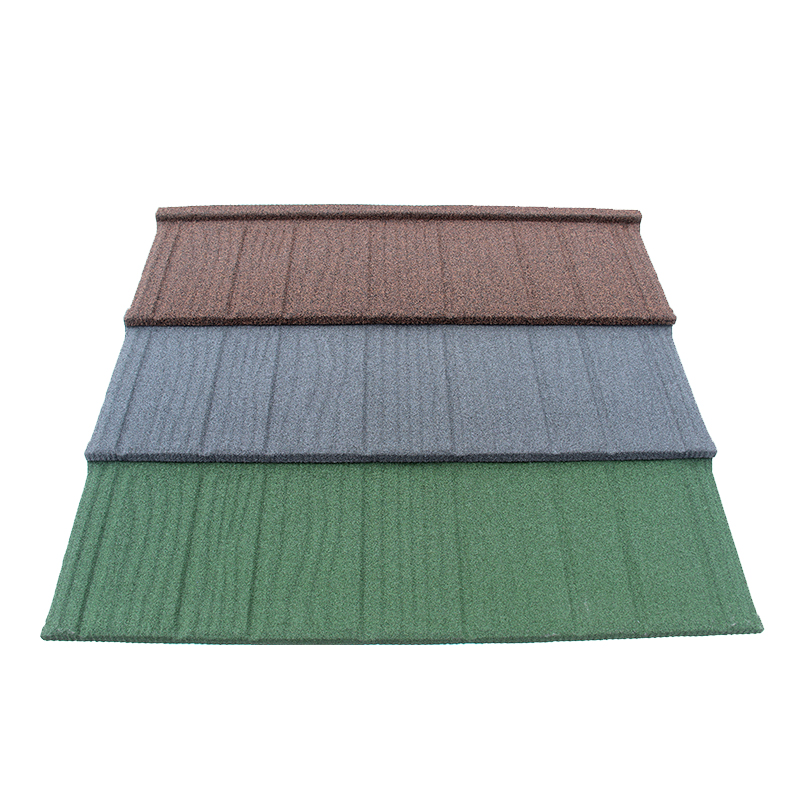
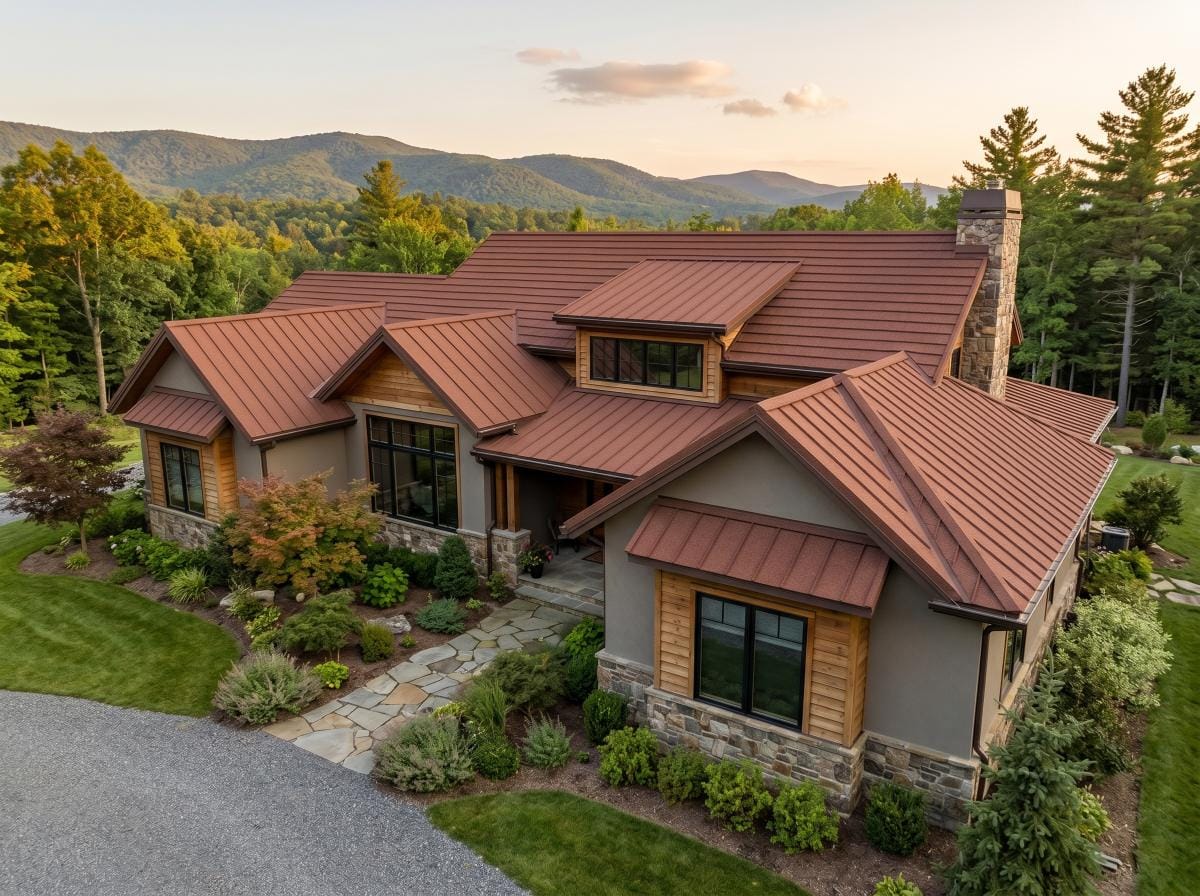
A major trend for 2026 is the “Modern Rustic” aesthetic, which utilizes the look of natural materials with none of the fire liabilities. Specifically, the Shake Tile profile provides the rugged, organic texture of hand-split wood grain while achieving an absolute Class A fire rating. This allows developers to build luxury lodges in heavily forested zones where natural wood is legally prohibited. Consequently, they satisfy both municipal safety codes and high-end aesthetic demands simultaneously. Furthermore, the sintered stone coating provides the exact color depth needed to replicate aged timber authentically. Thus, modern metallurgy allows for “organic” designs in high-risk environments. Indeed, this material substitution is a brilliant strategy for maximizing project approvals in strictly regulated zones.
Customizing for High-End Property Identities
In 2026, real estate identity is frequently tied to unique exterior customizations. Elite manufacturers allow B2B buyers to request custom stone blends and specific profile thicknesses to create a signature look for a development. This allows a corporate campus or a boutique resort to stand out as a recognizable landmark. Specifically, the ability to produce 200,000 pieces per week allows these customizations to be scaled for massive international projects. Therefore, procurement teams can order bespoke dark charcoal blends that are exclusive to their real estate portfolio. This builds immense brand equity for the developer. Consequently, they achieve a unique market position that competitors using “off-the-shelf” materials cannot replicate. Thus, factory-direct relationships are the cornerstone of modern real estate branding.
Maximizing Real Estate ROI through Sustainable Exterior Cladding
Ultimately, Roofing Trends 2026 are defined by the pursuit of the lowest possible Total Cost of Ownership (TCO). While dark, textured metal tiles represent a higher initial capital expenditure than asphalt, their 50-year lifespan transforms the financial mathematics of the building. By eliminating the need for replacement every 15 years, developers preserve their capital and increase the property’s capitalization (Cap) rate. Furthermore, the durability of Aluzinc steel and sintered stone ensures that the building remains an asset rather than a liability on the balance sheet. Consequently, smart B2B buyers view the roof as a high-yield financial investment.
Reducing Insurance Premiums and Maintenance OPEX
Insurance underwriters in 2026 heavily reward buildings constructed with Class 4 impact-resistant and Class A fire-rated materials. Therefore, Stone Coated Metal Roofing systems earn massive premium discounts for commercial property owners. When combined with the zero-maintenance nature of the sintered stone and acrylic resin, the annual operating overhead of the building drops significantly. Specifically, property managers no longer need to budget for annual algae cleaning or shingle repairs after wind events. As a result, the net income of the facility increases immediately. Thus, the “Rise of Dark Tones” is as much about financial intelligence as it is about architectural style. Indeed, these roofs protect the corporate bottom line just as effectively as they protect the structure.
Scalable Supply Chains for Global Developments
The ability to fulfill massive orders rapidly is the final piece of the 2026 success puzzle. Professional factories, including JCROOF, ensure that massive orders are delivered with absolute consistency through automated production lines. With a facility spanning 10,000 square meters, they manage the logistical complexities of international B2B trade flawlessly. This reliability ensures that construction timelines in regions like Zambia, Tanzania, and Zimbabwe are strictly met. Consequently, developers avoid the costly delays associated with material shortages or inconsistent batch quality. Therefore, Roofing Trends 2026 are fully realized through industrial-scale manufacturing. Thus, the fusion of trend-forward design and massive production capacity dictates the future of global real estate. Furthermore, this scalability supports the rapid expansion of international corporate portfolios.