
Selecting the right stone coated metal roofing tile is one of the most important decisions property developers make during a construction project. The roof affects structural design, construction schedules, maintenance costs, energy performance, and the long term value of every building. Whether the project involves residential communities, commercial buildings, resorts, or mixed use developments, choosing the right roofing solution can significantly improve project profitability.
Developers today face increasing pressure to control budgets while delivering buildings that meet higher expectations for quality, durability, and sustainability. At the same time, buyers and investors expect attractive architecture, lower maintenance costs, and reliable building performance. As a result, developers are moving away from traditional heavy roofing materials and adopting modern roofing systems that offer greater efficiency without sacrificing appearance.
This guide explains why stone coated metal roofing tiles have become one of the preferred roofing solutions for developers worldwide, what factors should influence product selection, and how experienced developers evaluate suppliers before making purchasing decisions.
Why Developers Are Choosing Stone Coated Metal Roofing Tiles
Roofing materials influence far more than the appearance of a project. They affect structural engineering, transportation costs, installation efficiency, and future maintenance. For developers managing multiple projects or large housing communities, these factors directly impact project timelines and overall return on investment.
Stone coated metal roofing tiles provide an effective balance between performance, aesthetics, and cost control. Their lightweight construction reduces structural loads, while their durable protective layers provide reliable performance in a wide range of climates. This combination makes them suitable for projects ranging from luxury villas to large scale residential developments.
Lower Structural Load
Compared with clay or concrete roof tiles, stone coated metal roofing tiles are significantly lighter. This allows engineers to reduce the load placed on roof structures, which may lower material consumption for supporting frameworks and simplify transportation.
Faster Construction Progress
Construction schedules are critical for developers. Lightweight roofing products are easier to handle, allowing installation teams to complete roofing work more efficiently. Faster installation helps projects remain on schedule and reduces labor costs.
Long Service Life
High quality stone coated metal roofing tiles are designed to provide decades of reliable protection. Their corrosion resistant steel core and natural stone coating help minimize maintenance while maintaining an attractive appearance throughout the life of the building.
Excellent Architectural Flexibility
Modern developments often include a variety of architectural styles. Stone coated metal roofing tiles are available in multiple profiles and colors, allowing developers to maintain a consistent project identity while meeting different customer preferences.
Key Factors Developers Should Evaluate Before Selecting a Roofing System
Every development project has unique requirements. Climate conditions, building design, local regulations, and project budgets all influence the most suitable roofing solution. Experienced developers evaluate roofing systems from a long term investment perspective rather than focusing only on initial purchase costs.
Carefully comparing technical specifications helps reduce future maintenance expenses and improves customer satisfaction after project completion.
Weather Resistance
The roofing system should perform reliably under the environmental conditions of the project location. Wind resistance, waterproof performance, corrosion protection, and ultraviolet stability should all be considered during material selection.
Life Cycle Cost
The purchase price represents only part of the total investment. Maintenance, repairs, replacement frequency, and labor costs should also be included when comparing different roofing materials.
Installation Efficiency
Simple installation systems reduce construction time and help maintain project schedules. Reliable accessories and clear installation guidelines also contribute to consistent project quality.
Material Certifications
Developers working on commercial or government projects often require roofing materials that comply with recognized quality standards and building regulations. Verified certifications provide additional confidence during procurement.
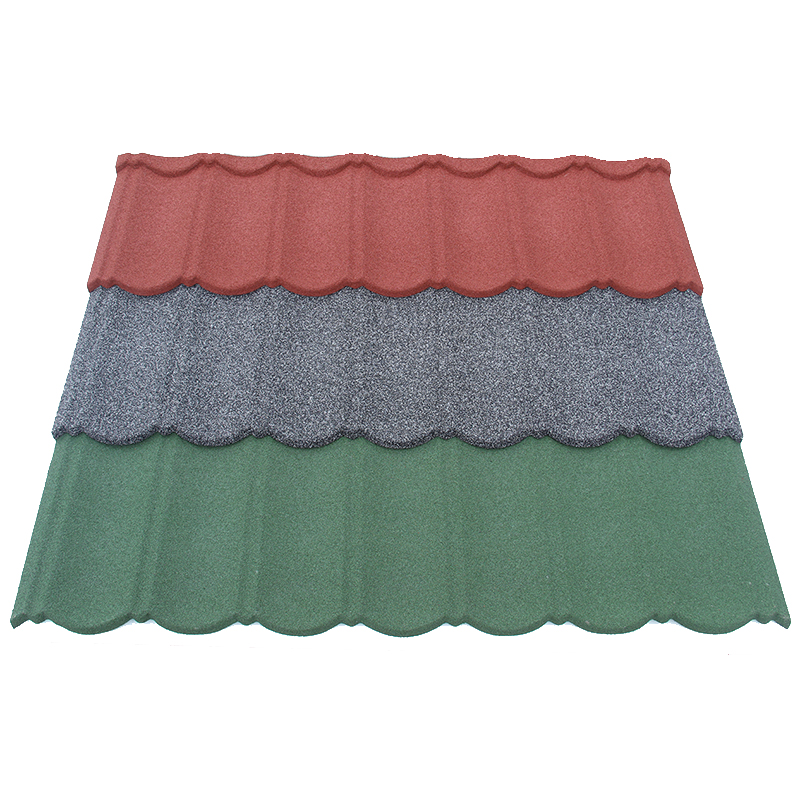
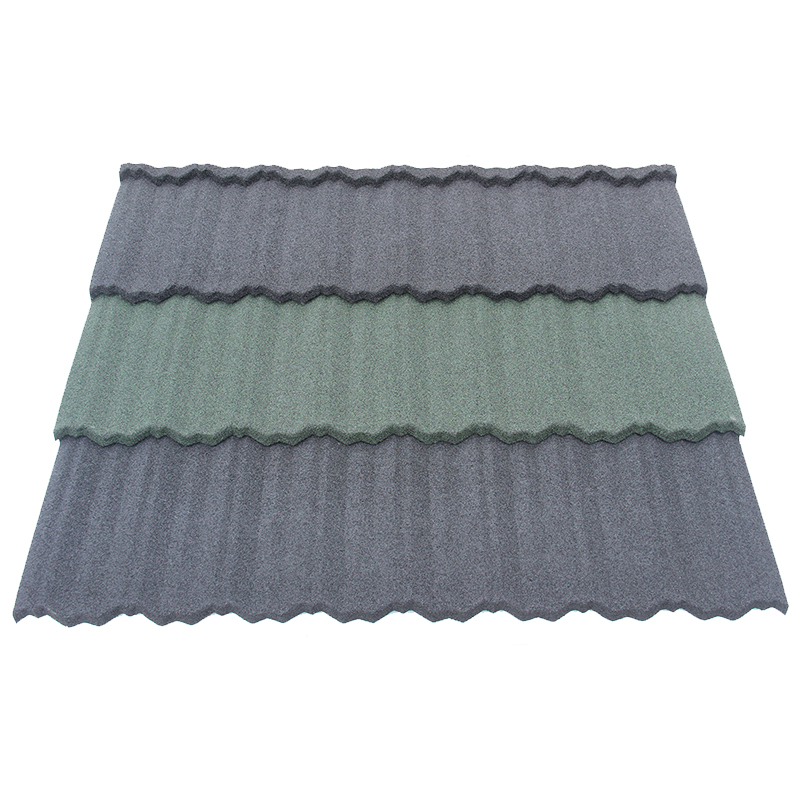
Many residential communities choose Bond Tile because it delivers a timeless appearance while maintaining the structural advantages of lightweight steel roofing.
Best Roofing Solutions for Different Development Projects
Every construction project has its own priorities. A roofing solution that works well for a luxury villa may not be the right choice for an affordable housing community or a commercial complex. Developers should match the roofing system to the project’s design objectives, expected service life, target buyers, and construction budget.
Stone coated metal roofing tiles offer the flexibility needed for a wide variety of developments. Their combination of durability, lightweight construction, and architectural versatility makes them suitable for projects ranging from single family homes to large mixed use communities.
Residential Housing Developments
Residential buyers increasingly look for homes that combine attractive design with low maintenance. Developers can improve the long term appeal of their projects by selecting roofing materials that retain their appearance while requiring minimal upkeep.
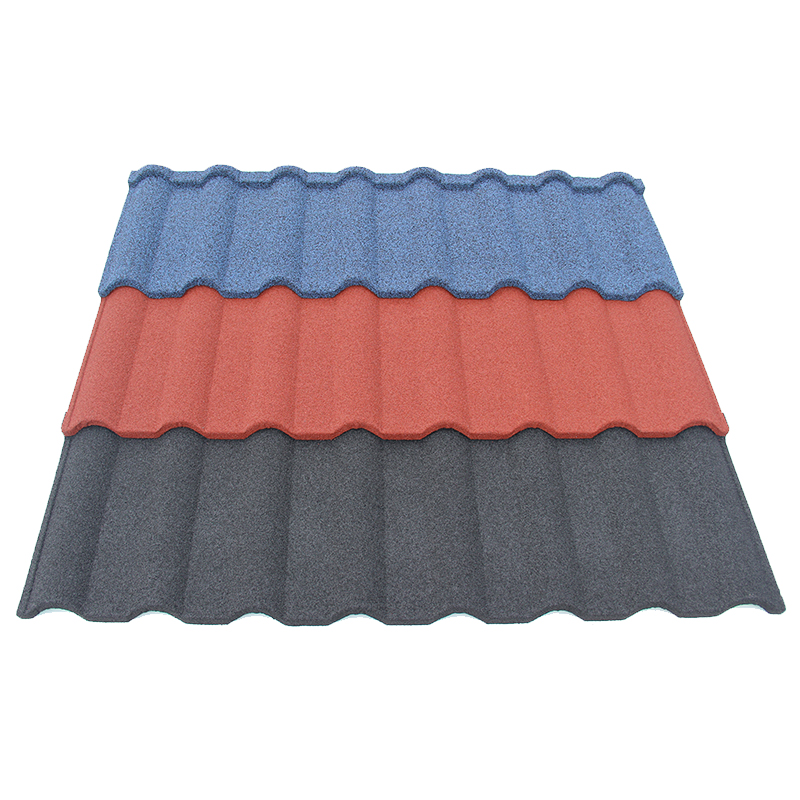
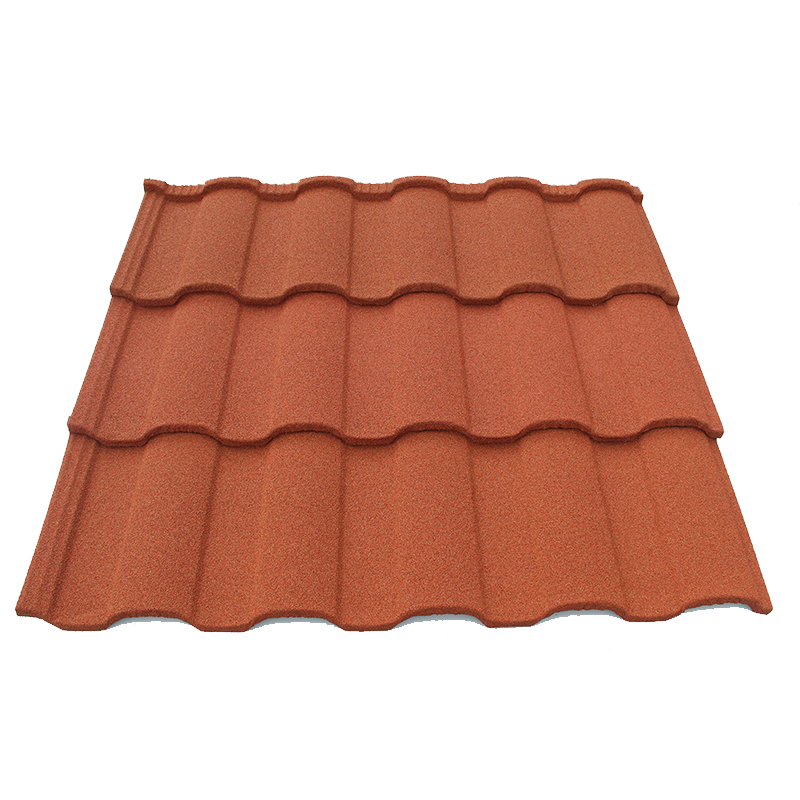
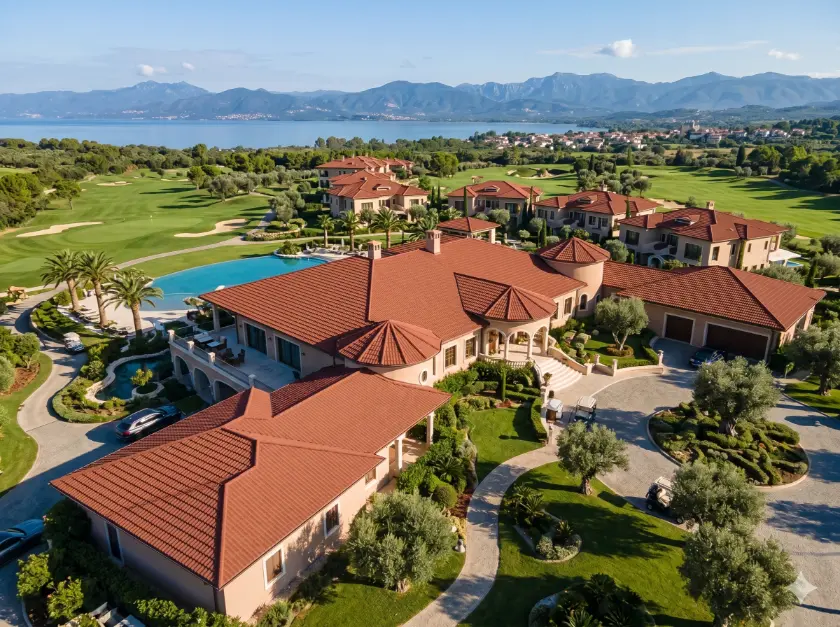
For traditional neighborhoods and premium villa communities, Roman Tile creates an elegant roofline that complements Mediterranean and European inspired architecture.
Commercial Buildings
Office buildings, shopping centers, schools, and hospitality projects often require roofing systems that combine durability with efficient installation. Construction schedules are usually tight, so reducing installation time can help developers meet important project milestones.
A lightweight roofing system also places less stress on the supporting structure, providing additional flexibility during the design stage.
Resort and Tourism Projects
Hotels, resorts, and vacation properties depend heavily on visual appeal. Roofing plays a major role in creating a memorable architectural identity while protecting buildings from demanding weather conditions.
Developers working in coastal or tropical regions often prioritize corrosion resistance, color stability, and long service life when selecting roofing materials.
Large Scale Community Developments
Projects containing hundreds of homes require consistent product quality and dependable supply. Manufacturing stability becomes just as important as product performance because construction delays can significantly increase project costs.
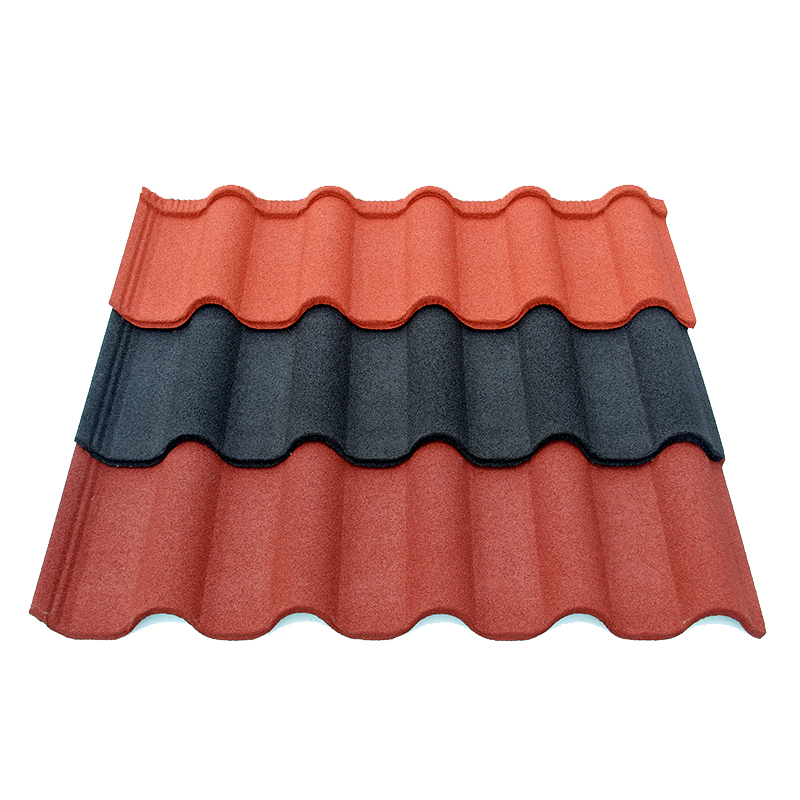
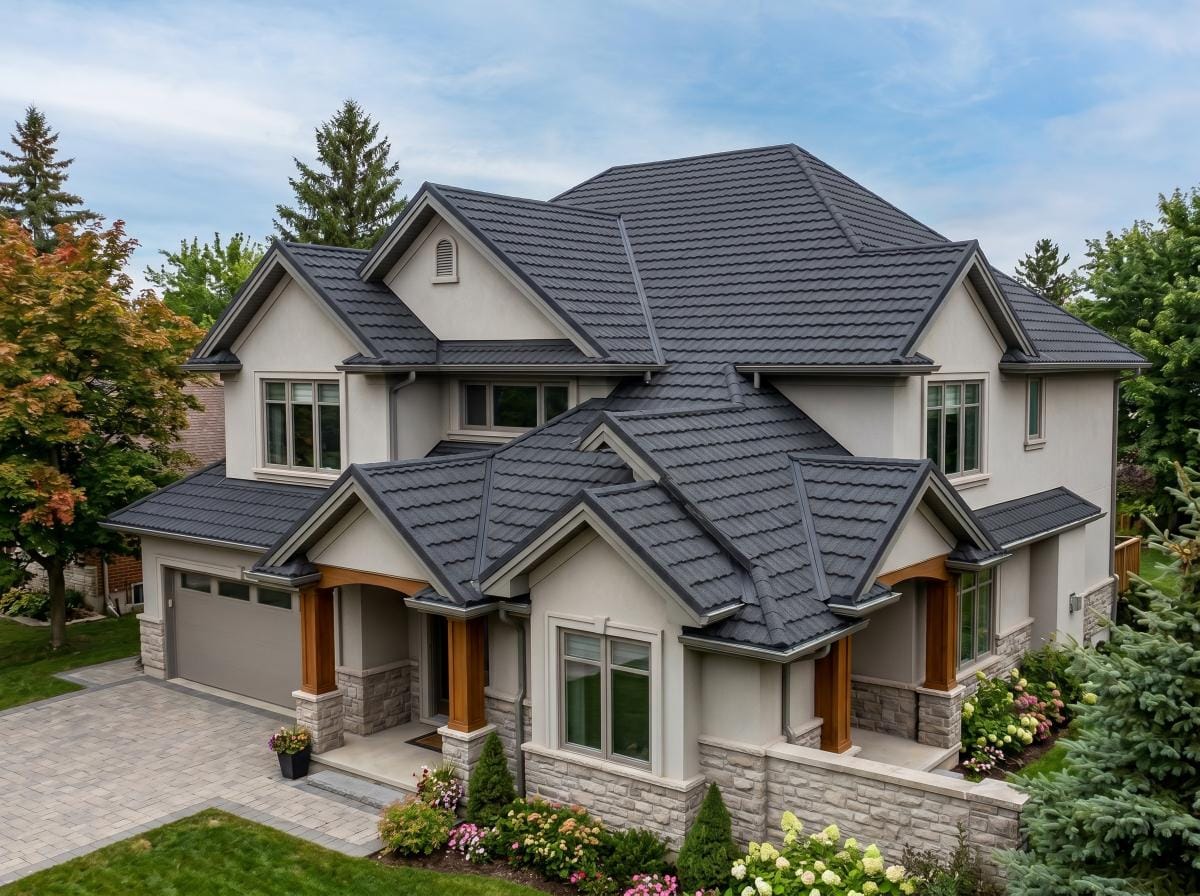
Many developers choose Milano Tile for contemporary residential projects because its clean profile suits modern architectural designs while maintaining excellent installation efficiency.
Market Insights: Why More Developers Are Moving Toward Lightweight Roofing Systems
Global construction trends continue to favor building materials that improve efficiency without compromising quality. Rising labor costs, stricter environmental requirements, and increasing transportation expenses are encouraging developers to reconsider traditional heavy roofing materials.
Lightweight roofing systems address several of these challenges at the same time. They simplify logistics, reduce structural loading, shorten installation time, and lower maintenance requirements throughout the life of the building. These advantages make stone coated metal roofing tiles an increasingly attractive option for developers planning long term investments.
Improved Construction Efficiency
Every day saved during construction contributes to better project profitability. Lightweight roofing products are easier to transport, lift, and install, allowing contractors to complete roofing work more efficiently.
Lower Life Cycle Costs
Developers are paying greater attention to total ownership costs rather than initial purchase prices alone. Durable roofing materials that require fewer repairs help reduce maintenance budgets for both developers and property owners.
Growing Demand for Sustainable Construction
Many governments and private investors now encourage sustainable building practices. Long lasting roofing materials help reduce replacement frequency and construction waste, supporting more environmentally responsible development.
Reliable Supply Chains Matter More Than Ever
Stable manufacturing capacity has become a major consideration for developers managing multiple projects. Manufacturers with modern production facilities and established export experience are generally better positioned to deliver consistent quality and reliable lead times.
For this reason, many international developers build long term partnerships with experienced manufacturers such as JCROOF, which focuses on consistent production quality, dependable delivery schedules, and practical technical support for global construction projects.
Quick Buyer Checklist for Property Developers
Before approving a roofing supplier, developers should evaluate more than product pricing. A structured procurement checklist helps reduce project risk and supports better long term investment decisions.
- ✔ Verify steel substrate thickness and coating specifications.
- ✔ Confirm product certifications required by the destination market.
- ✔ Review factory production capacity and quality control procedures.
- ✔ Request product samples before placing large volume orders.
- ✔ Evaluate packaging methods for international transportation.
- ✔ Confirm accessory compatibility and installation guidance.
- ✔ Review warranty coverage and after sales support.
- ✔ Assess the supplier’s export experience and delivery performance.
Common Mistakes Developers Make When Selecting Roofing Systems
Even experienced developers occasionally underestimate the impact a roofing system has on the overall success of a project. While roofing typically represents a relatively small percentage of total construction costs, it plays a major role in protecting the building, reducing future maintenance, and enhancing property value.
Understanding the most common procurement mistakes helps developers avoid unnecessary costs, construction delays, and warranty issues after project completion.
Focusing Only on Initial Purchase Price
Choosing the lowest quotation rarely delivers the best long term value. Lower priced products may use thinner steel, lower quality protective coatings, or less durable stone granules. These differences may not be immediately visible, but they often become apparent after years of exposure to harsh weather.
Developers should compare the complete product specification, expected service life, warranty coverage, and maintenance costs before making a purchasing decision.
Ignoring Regional Climate Conditions
Roofing materials should always match the environmental conditions where the project is located. Coastal developments require excellent corrosion resistance, while regions exposed to strong winds need roofing systems with reliable fastening performance.
Considering local weather conditions during the design stage helps prevent expensive repairs and improves customer satisfaction after project delivery.
Choosing Suppliers Without Proven Manufacturing Capacity
Large developments often require multiple shipments over several months. A supplier without sufficient production capacity may struggle to maintain delivery schedules, creating delays across the entire construction program.
Developers should verify factory capabilities, production consistency, and export experience before establishing a long term supply relationship.
Overlooking Installation Quality
Even premium roofing materials cannot perform properly if they are installed incorrectly. Developers should ensure contractors receive detailed installation guidance and that roofing accessories are fully compatible with the selected tile profile.
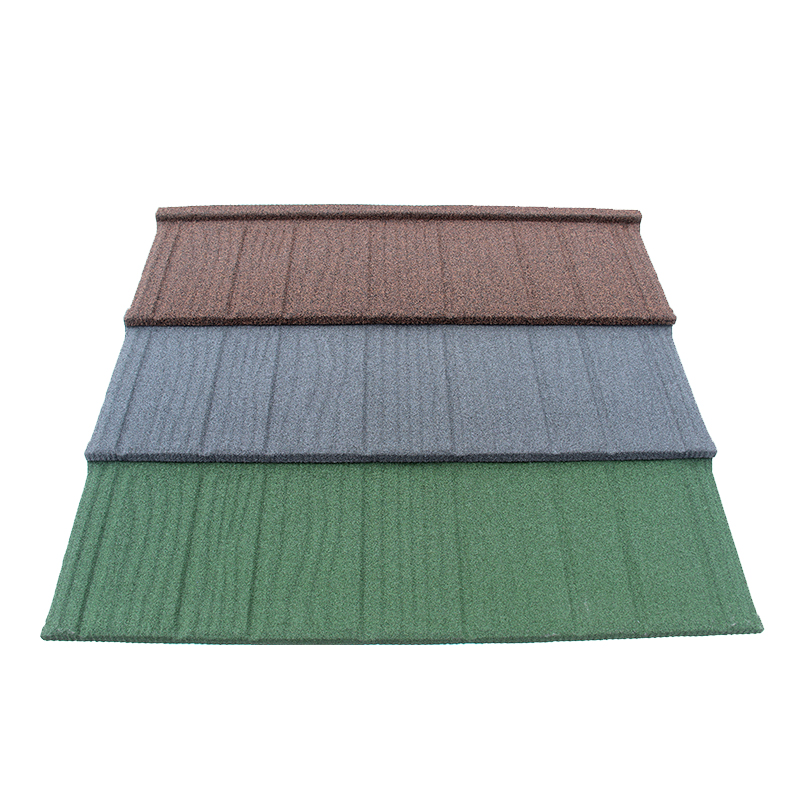
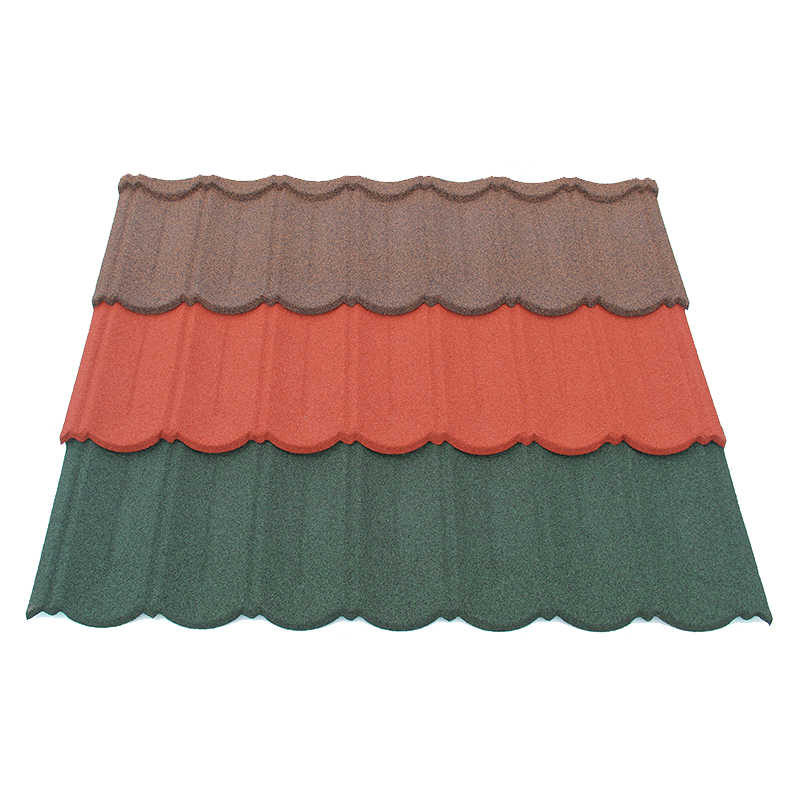
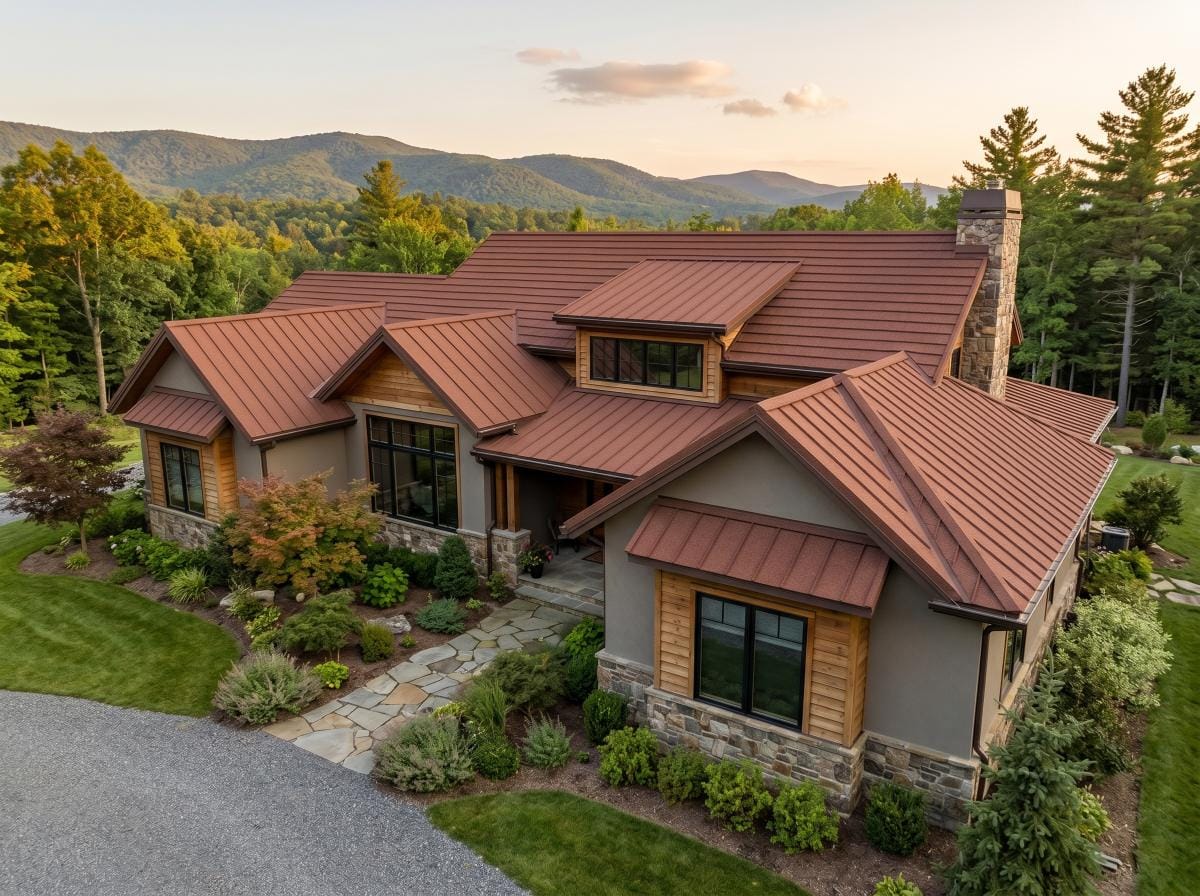
Projects designed to achieve the appearance of natural timber roofing often specify Shake Tile, which delivers a traditional aesthetic while offering the durability of modern steel roofing.
Offering Too Few Design Options
Modern housing developments often serve buyers with different architectural preferences. Providing several roof profiles allows developers to create visual diversity while maintaining a consistent construction standard.
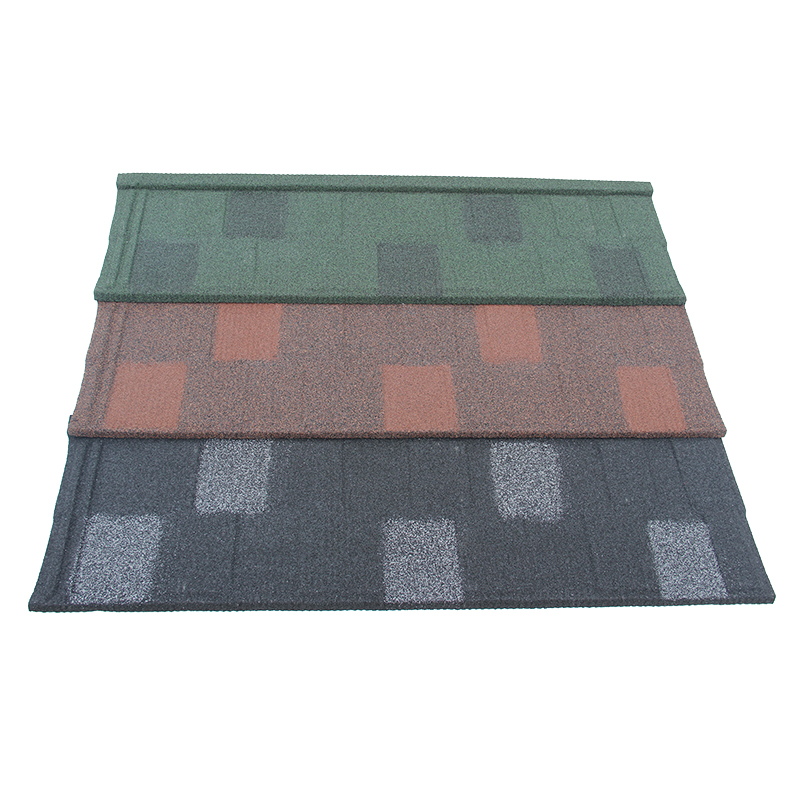
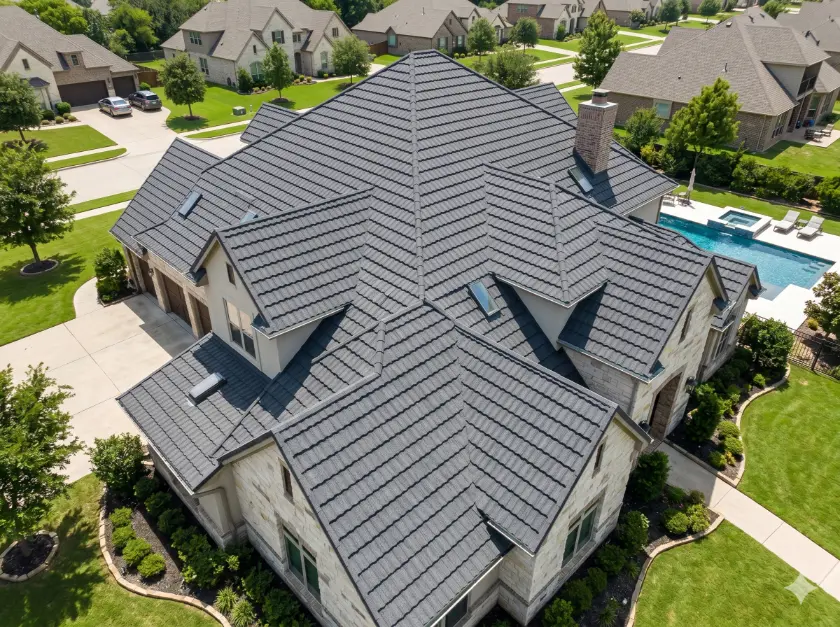
For suburban housing projects and family communities, many builders include Shingle Tile because its familiar appearance appeals to a broad range of homeowners.
Conclusion
The roofing system selected today will influence the performance, appearance, and operating costs of a building for decades. For developers managing residential communities, commercial properties, hospitality projects, or mixed use developments, choosing the right roofing solution is an investment rather than simply another construction expense.
Stone coated metal roofing tiles continue to gain recognition because they combine lightweight construction, excellent weather resistance, attractive architectural design, and long service life. These advantages help developers improve construction efficiency while delivering buildings that retain their value over time.
Successful projects are built on careful planning, dependable suppliers, and materials that perform consistently in real world conditions. By evaluating roofing systems from a life cycle perspective instead of focusing only on purchase price, developers can reduce project risks, control maintenance costs, and create lasting value for investors and property owners alike.
Frequently Asked Questions
Why are stone coated metal roofing tiles suitable for large developments?
They are lightweight, durable, and quick to install. These characteristics help developers reduce structural loads, improve construction efficiency, and lower long term maintenance costs.
What should developers evaluate before choosing a roofing supplier?
Developers should review manufacturing capacity, quality control systems, export experience, product certifications, warranty support, and delivery performance in addition to pricing.
Can stone coated metal roofing tiles be used in coastal areas?
Yes. Products manufactured with high quality aluminum zinc coated steel and premium stone coatings provide excellent resistance to corrosion and harsh coastal environments when installed correctly.
How long can stone coated metal roofing tiles last?
Depending on product quality and environmental conditions, they commonly provide a service life of 40 to 70 years with minimal maintenance.
Are stone coated metal roofing tiles suitable for both residential and commercial projects?
Yes. Their versatility makes them suitable for villas, housing developments, schools, hotels, office buildings, retail centers, and many other construction projects.