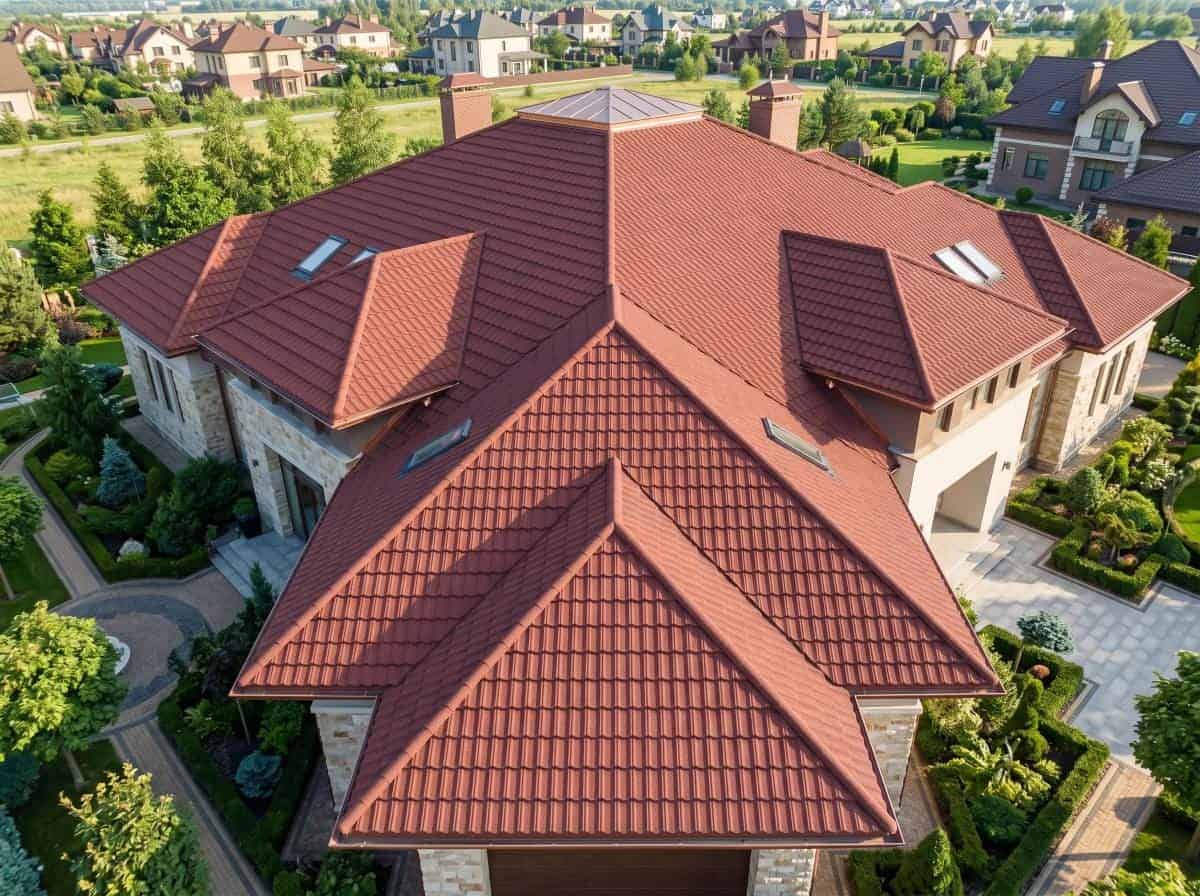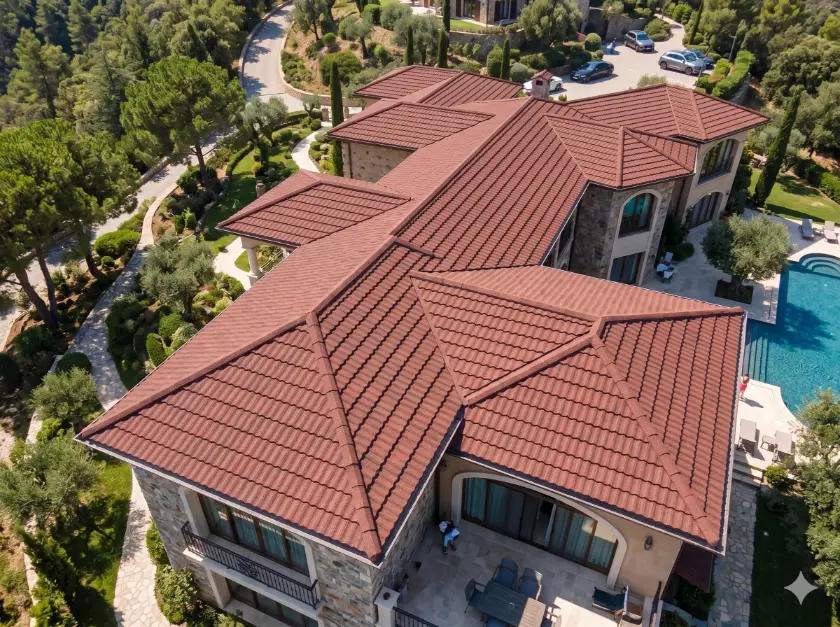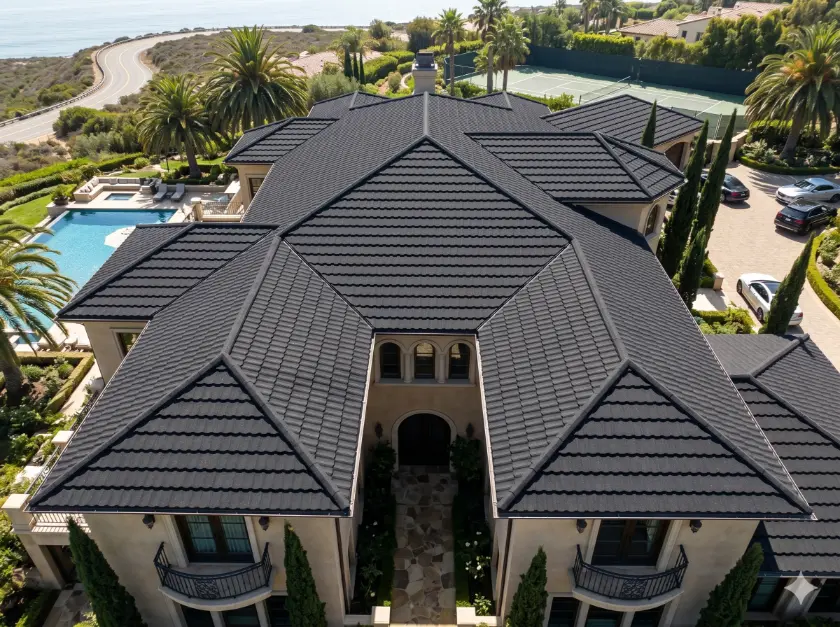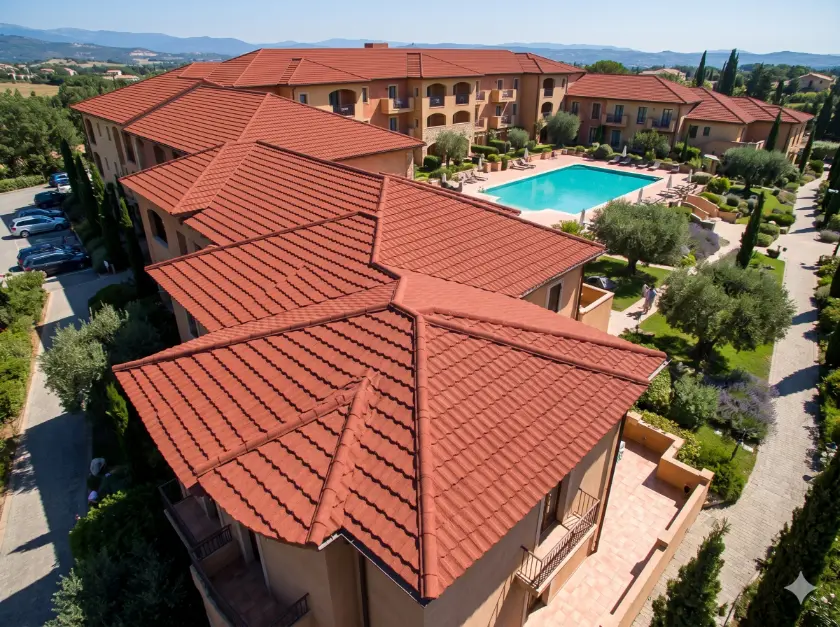

For B2B developers and engineering firms, coastal construction presents a unique set of challenges. The primary adversary is salt spray, which carries microscopic chloride ions that accelerate the oxidation of standard metallic surfaces. In these environments, traditional galvanized roofing can show signs of structural rust in as little as five years. Consequently, procurement officers are shifting toward Stone Coated Steel as a long-term solution. This material utilizes a sophisticated metallurgical barrier that remains inert even in high-salinity air. Understanding the chemical composition of this barrier is the key to ensuring a building’s longevity and minimizing future maintenance liabilities.
The Science of Corrosion Resistance in Marine Climates
The durability of Stone Coated Steel begins with its structural core, which is protected by a specialized aluminum-zinc alloy coating. Unlike standard galvanization that uses only zinc, this alloy typically consists of 55% aluminum. The aluminum creates a physical barrier that prevents oxidation, while the zinc provides sacrificial protection for any exposed edges. Consequently, the steel remains shielded from the corrosive effects of salt and moisture. This dual-layer defense is the primary reason why these sheets are specified for luxury resorts and commercial ports located directly on the shoreline.
The Role of Acrylic Resin as a Chemical Shield
While the metallic alloy provides the first line of defense, the secondary protection comes from the base coat and adhesive layers. Manufacturers like JCROOF apply a high-grade acrylic resin that seals the metallic surface from direct contact with the atmosphere. This resin is chemically formulated to resist the “pitting” effect caused by salt crystals. Specifically, it maintains its integrity under constant exposure to sea mist and high humidity. Therefore, the internal steel remains dry and uncontaminated, preventing the internal “creeping” rust that often destroys inferior roofing products in tropical marine zones.
Sintered Stone as a Natural UV and Salt Barrier
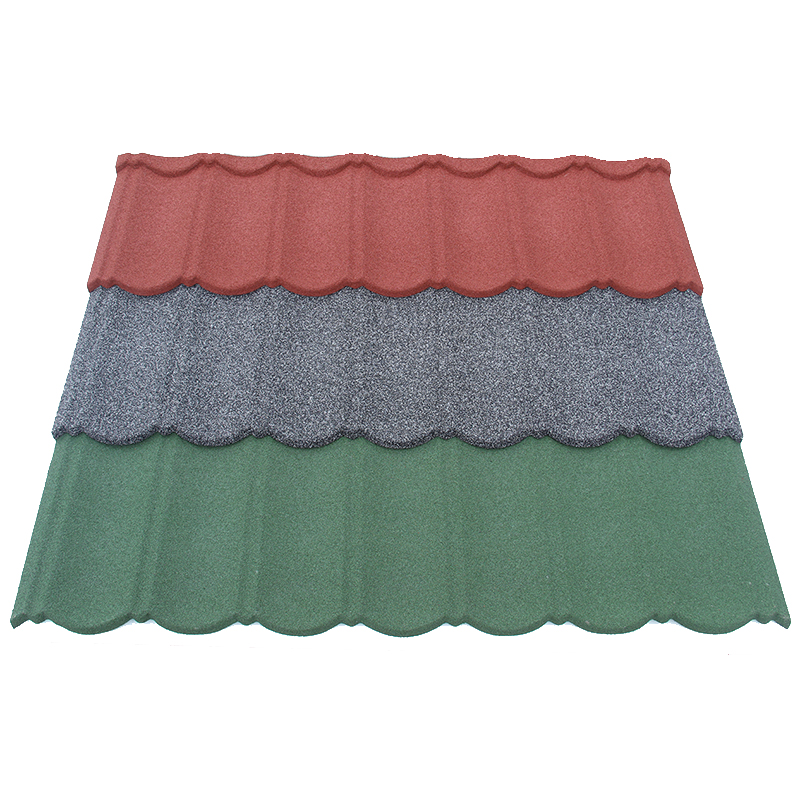
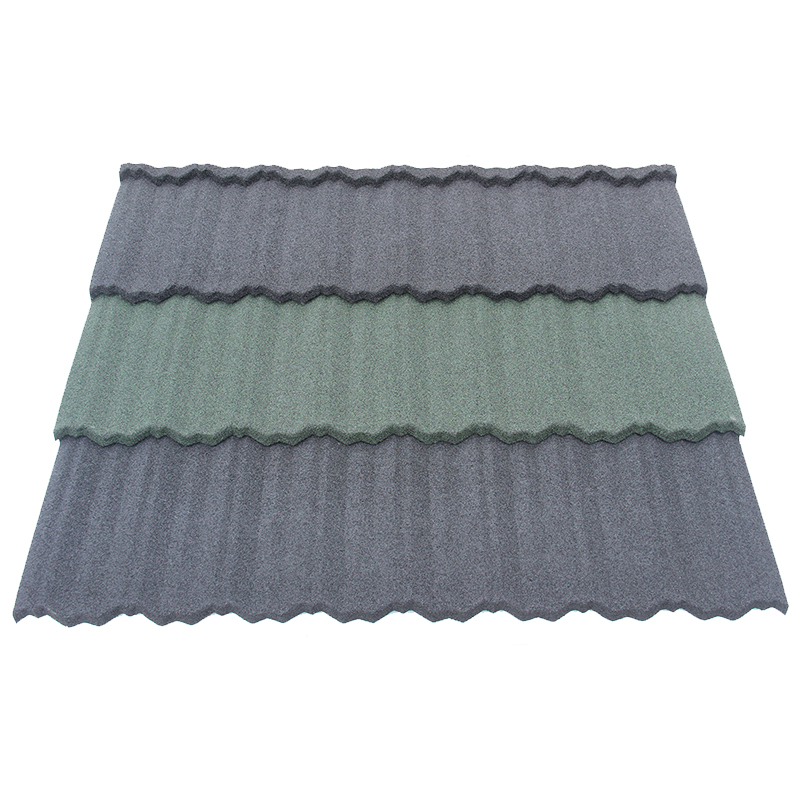
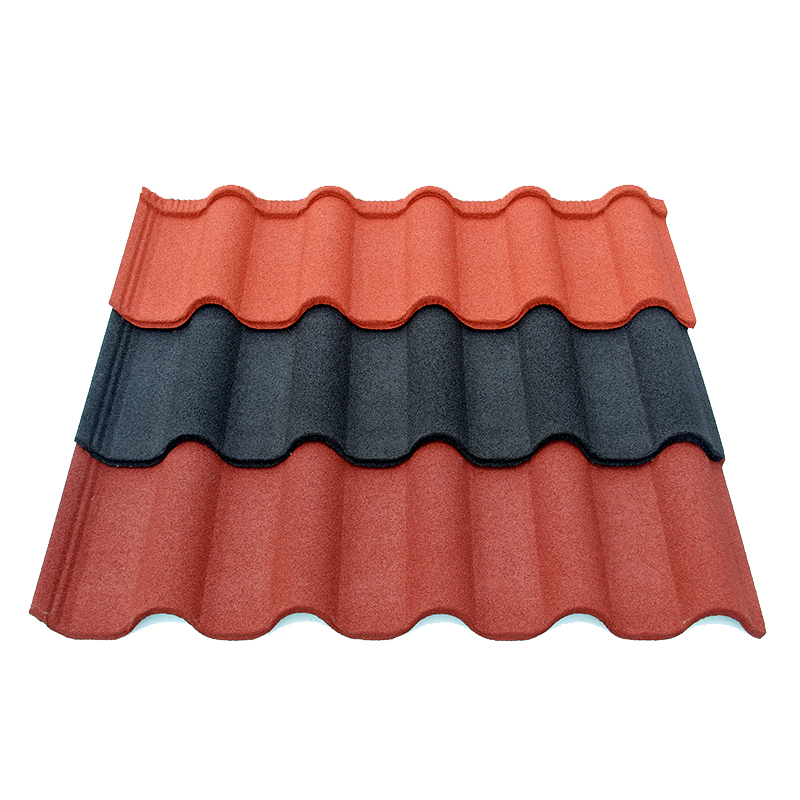
The exterior stone layer serves as more than just an aesthetic finish; it acts as a rugged shield against the abrasive nature of salt-laden winds. Volcanic stone granules are naturally resistant to chemical reactions with salt. Because these granules are sintered at 800°C, they form a dense, non-porous surface. For instance, the Milano Tile profile utilizes this stone density to prevent moisture from lingering on the roof surface. Consequently, the salt cannot concentrate or penetrate the lower layers, ensuring that the roof maintains its structural and visual properties for decades.
Comparing Material Lifecycles in High-Salinity Zones
When conducting a cost-benefit analysis for coastal projects, the “landed cost” of the material is only one part of the equation. Traditional materials like concrete absorb salt water, which eventually reaches the internal rebar and causes structural swelling. Asphalt shingles, meanwhile, become brittle and lose their adhesion in hot, humid marine air. Stone Coated Steel provides a non-porous alternative that requires zero chemical treatment to stay rust-free. This maintenance-free nature is a significant advantage for property managers who want to avoid the high costs of periodic roof cleaning and anti-corrosion spraying.
Long-Term ROI and Maintenance Reduction
- Zero Rust Creep: The Aluzinc coating stops corrosion at the fastener points, a common failure area in coastal roofs.
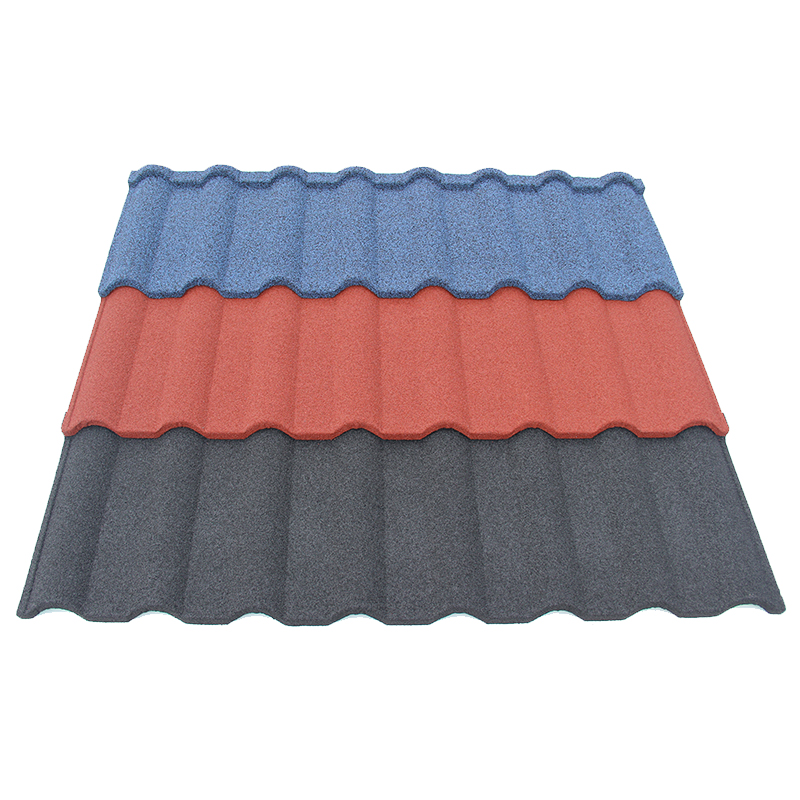
- Structural Integrity: Profiles like the Bond Tile maintain their rigidity without the risk of salt-induced warping.
- Color Stability: Sintered granules do not react with salt, preventing the “fading and peeling” typical of painted metal.
- Resale Value: Buildings with documented rust-proof roofing systems command higher market premiums in coastal real estate.
Technical Performance of Roofing Materials Near the Sea
| Material Type | Salt Spray Resistance | Moisture Absorption | Service Life (Coastal) |
|---|---|---|---|
| Galvanized Iron (GI) | Low (Fast Oxidation) | None | 5 – 10 Years |
| Concrete Tiles | Moderate (Internal Pitting) | High (Porous) | 15 – 20 Years |
| Stone Coated Steel | Exceptional (Aluzinc Barrier) | Zero (Inert) | 50+ Years |
Design Versatility for Modern Coastal Architecture
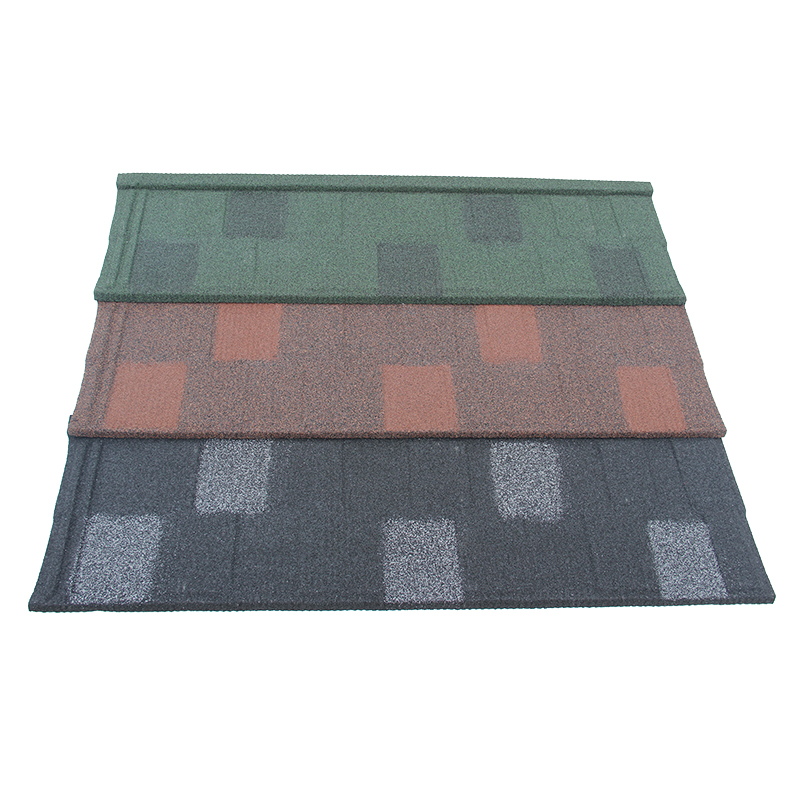
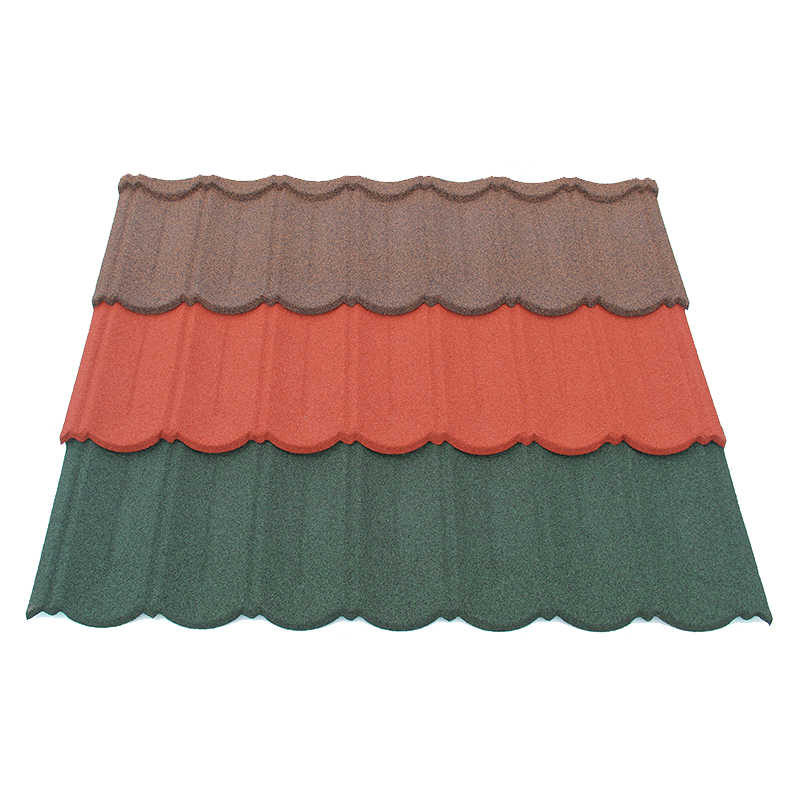
Architects working on coastal villas often face a conflict between the need for high-performance and the desire for traditional aesthetics. Stone Coated Steel resolves this conflict by offering diverse profiles that mimic natural materials. The Shingle Tile, for example, provides a clean, modern look that is perfect for contemporary beach houses. Because these panels are lightweight, they allow for larger open-plan interiors with fewer support columns. This design freedom allows for wider windows and better views, which are the primary selling points of luxury coastal properties.
Adapting to Rugged Environments with Style
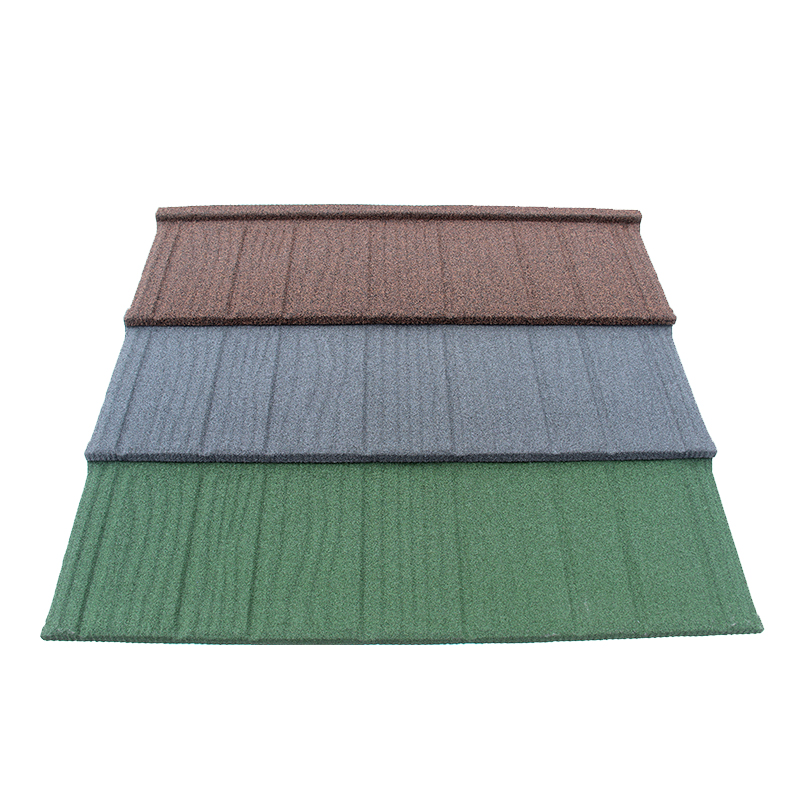
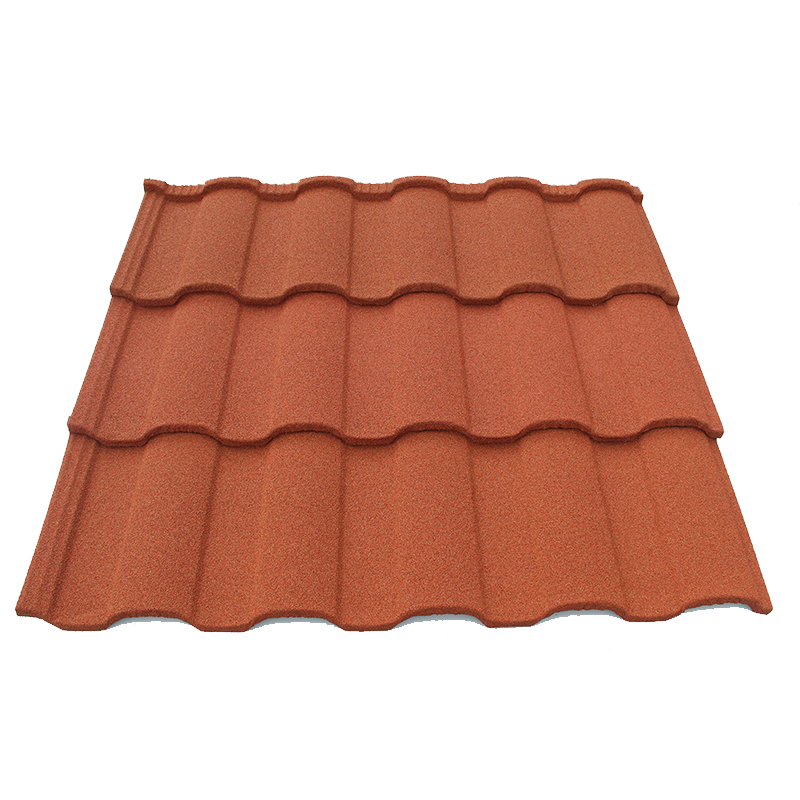
In more rugged or rural coastal areas, the Shake Tile profile is often the preferred choice. It replicates the hand-split look of wood shakes without the risk of rot or saltwater decay. Specifically, the steel panels do not harbor moss or mold, which are common problems for organic roofing materials in humid seaside climates. Furthermore, the Roman Tile offers a deep-profile Mediterranean look that is highly effective for directing heavy rainfall away from the foundation. Consequently, developers can achieve a high-end, culturally relevant appearance without sacrificing the project’s technical resilience.
Procurement Strategies for Marine Engineering Projects
When sourcing Stone Coated Steel for projects within 5km of the ocean, procurement teams must verify the weight of the aluminum-zinc coating. Lower-grade products may use a 40g/m² coating, which is insufficient for marine environments. High-performance projects should specify at least 100g/m² to ensure the maximum sacrificial protection. Furthermore, the choice of fasteners is just as important as the tiles themselves. Using 304 or 316 stainless steel screws is essential to prevent “galvanic corrosion” at the attachment points, ensuring the entire system remains rust-proof.
Technical Verification and Testing Standards
Before finalizing a contract, always request an ASTM B117 salt spray test report. This report documents how the roofing material performs under 1,000+ hours of continuous saline exposure. Specifically, check the reports for JCROOF products to ensure they meet the specific requirements of your geographic region. A professional supplier will also provide detailed guidance on eave and valley flashings, which are the most critical areas for salt accumulation. By investing in a complete, high-specification system, B2B buyers can ensure that their coastal developments remain a lasting testament to quality engineering.