
Commercial real estate facilities require constant upkeep and routine mechanical maintenance. Facility managers must regularly dispatch HVAC technicians, painters, and inspectors to the building envelope. Consequently, a common question arises during the procurement phase. Can you walk on a stone coated metal roof without destroying it? The short answer is yes. However, it requires strict adherence to specific kinetic and physical protocols. Commercial roofs are massive capital investments. Therefore, untrained contractors can cause catastrophic structural damage in mere minutes. A careless footstep can dent the steel core instantly. This compromises the interlocking seams and voids the corporate warranty. B2B procurement officers must understand these physical tolerances completely. You must educate your maintenance teams on proper rooftop navigation. This comprehensive engineering guide explains the exact physics of roof walkability. We detail the crucial do’s and don’ts for facility managers globally. Following these strict guidelines protects your massive real estate asset permanently.
1. The Structural Physics of Roof Walkability
Understanding how a stone coated metal roof supports kinetic weight is crucial. It is fundamentally different from walking on heavy concrete slabs. The system relies on strategic weight distribution and advanced metallurgy. The underlying steel substrate acts as a flexible yet highly resilient shield. However, the architectural shape of the panel dictates its weak points. Engineers design these panels to deflect massive aerodynamic wind loads easily. They are not flat walking surfaces designed for heavy, concentrated downward pressure. Therefore, you must navigate them using precise structural logic.
Tensile Strength and Steel Core Thickness
The survivability of a stone coated metal roof depends on its core. Standard commercial panels utilize a 0.4mm or 0.5mm steel core. A thicker 0.5mm core handles heavy foot traffic significantly better. It resists localized denting under the weight of an adult worker. Procurement teams must specify appropriate steel thickness for high-traffic buildings. If your facility requires constant rooftop HVAC servicing, demand a thicker core. Cheap, ultra-thin metal panels will buckle instantly under an inspector’s boot.
The Critical Role of Structural Tile Battens
Advanced metal panels require a raised grid for proper installation. Installers attach horizontal timber or steel strips across the roof deck. These are known as structural tile battens. The panels are then fastened directly into these rigid battens. This grid provides the exact mechanical anchor points needed for stability. When walking on the roof, the battens bear the actual weight. The empty airspace between the battens offers zero structural support. Stepping into this unsupported airspace causes the metal to flex violently.
Navigating the Architectural Profiles
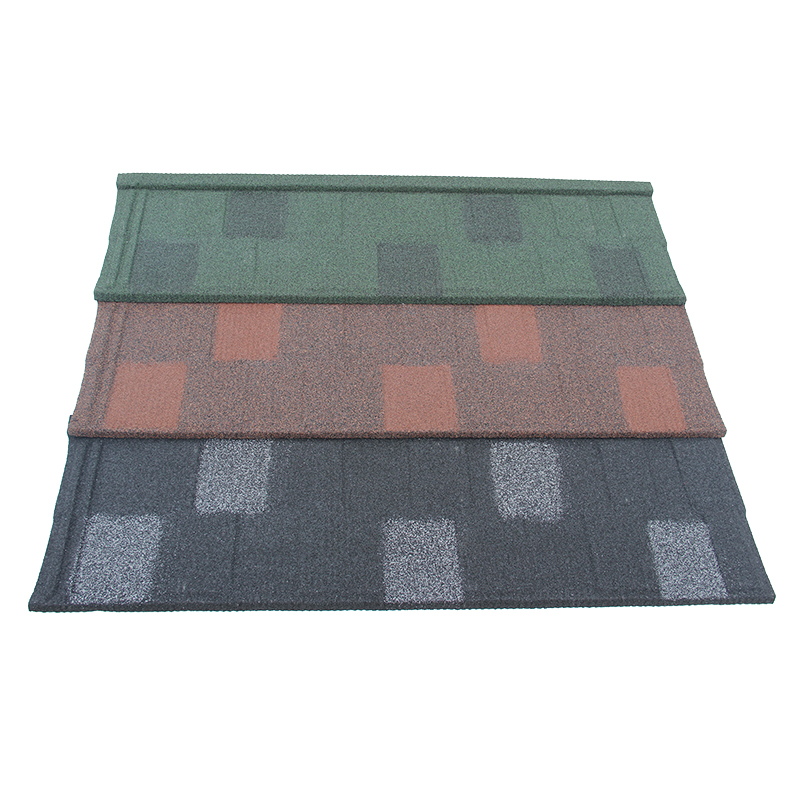
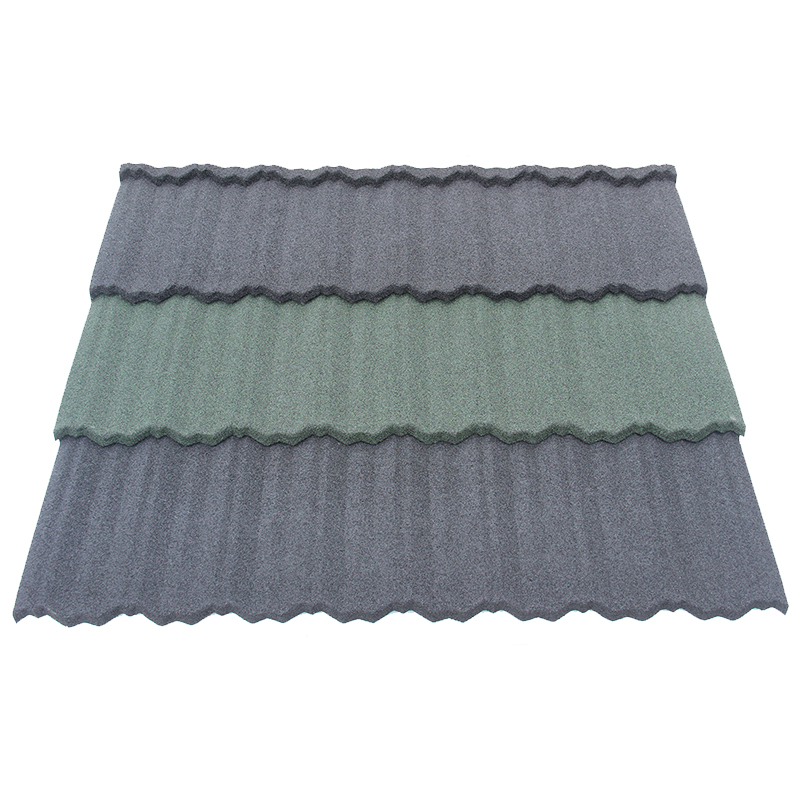
Every specific panel design handles downward kinetic pressure differently. For example, a flat, minimalist Shingle Tile offers a relatively uniform surface. Its low-profile geometry distributes the worker’s weight more evenly across the decking. However, heavily corrugated architectural profiles demand extreme caution. You must understand the specific geometry of your chosen cladding. Walking blindly across different architectural shapes is a recipe for disaster. Facility managers must keep detailed profile maps for their maintenance crews.
2. Essential Do’s for Commercial Roof Maintenance
Walking on a stone coated metal roof requires strict operational discipline continually. Facility managers must train their maintenance crews extensively before granting roof access. Ignorance is the leading cause of cosmetic and structural cladding damage globally. You must implement these essential protocols into your standard operating procedures. Doing so preserves the 50-year structural warranty of your commercial property completely. It also prevents dangerous workplace accidents and costly liability claims.
Do Wear Proper Soft-Soled Footwear
The exterior mineral layer consists of high-temperature sintered basalt chips. These stones are secured by a pure acrylic resin binder. Heavy industrial work boots feature deep, aggressive rubber treads. These hard treads act like sandpaper against the acrylic resin. They will grind the protective stone granules completely off the panel. Therefore, maintenance crews must wear soft-soled shoes exclusively. Clean, flat-bottomed sneakers provide excellent grip without damaging the delicate aesthetic coating.
Do Step Directly Over the Batten Lines
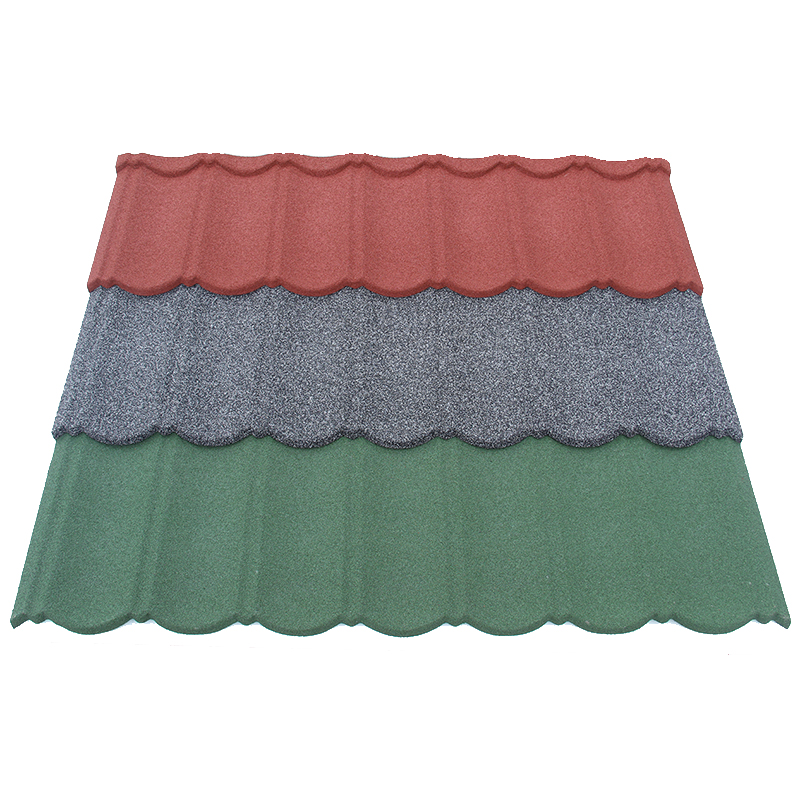
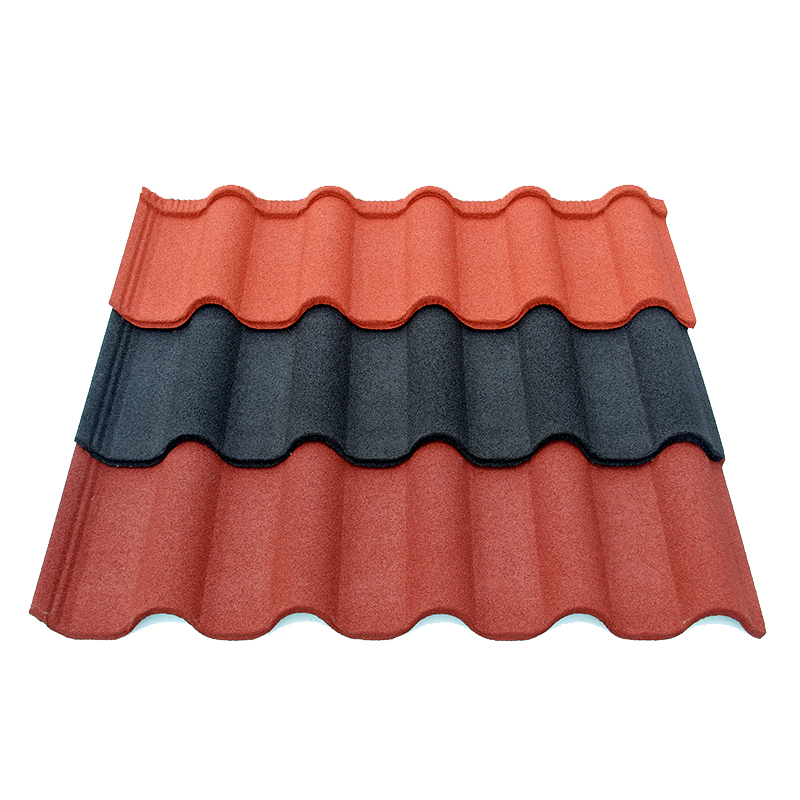
This is the absolute golden rule of metal roof walkability. You must place your feet exactly where the panel meets the batten. This specific area is usually the “nose” or front edge of the panel. The rigid timber batten underneath absorbs your entire kinetic weight safely. This prevents the steel substrate from flexing, bending, or denting entirely. A traditional Bond Tile profile requires workers to step strictly on the lowest front edge. Stepping anywhere else risks crushing the aesthetic curves instantly.
Do Distribute Your Kinetic Weight Evenly
You must move slowly and deliberately across the commercial building envelope. Do not stomp, jump, or run across the metal panels ever. Keep your weight evenly distributed between both feet whenever possible. If you must inspect a difficult angle, crouch down slowly. Do not drop heavy toolboxes or HVAC components onto the panels. Place a thick, soft foam pad under any heavy equipment. This simple precaution prevents sharp corners from piercing the steel core completely.
3. Critical Don’ts to Prevent Catastrophic Damage
Untrained contractors often treat a stone coated metal roof like a sidewalk. This ignorant behavior causes extremely expensive structural damage incredibly quickly. Dented panels compromise the interlocking weather seal immediately. This microscopic gap allows capillary water intrusion during the next major rainstorm. Facility managers must enforce strict penalties for contractors who violate these rules. Avoid these critical mistakes to protect your massive real estate capital investment permanently.
Don’t Step on High Architectural Ridges
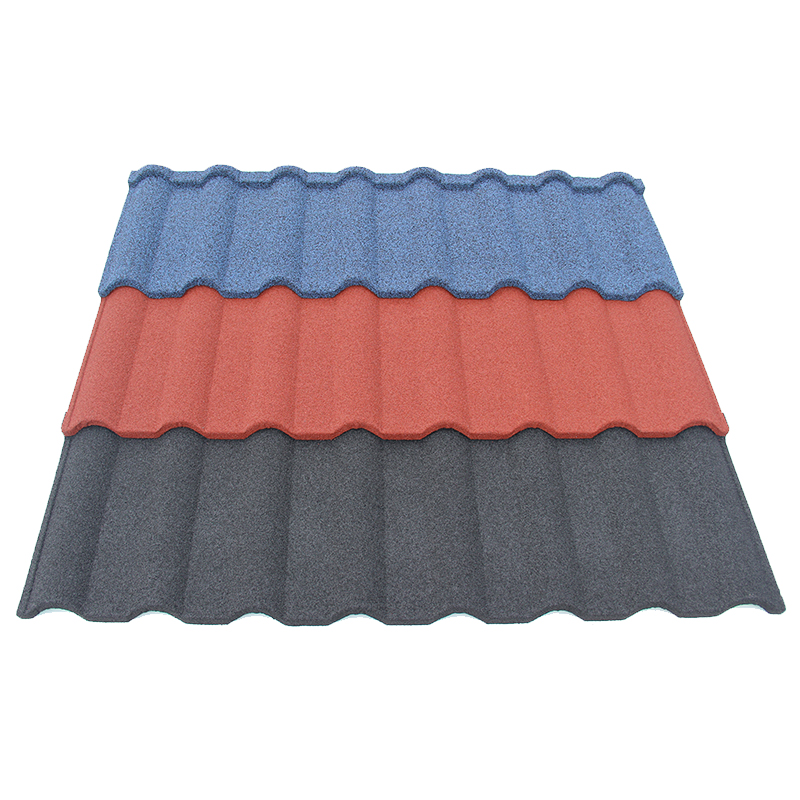
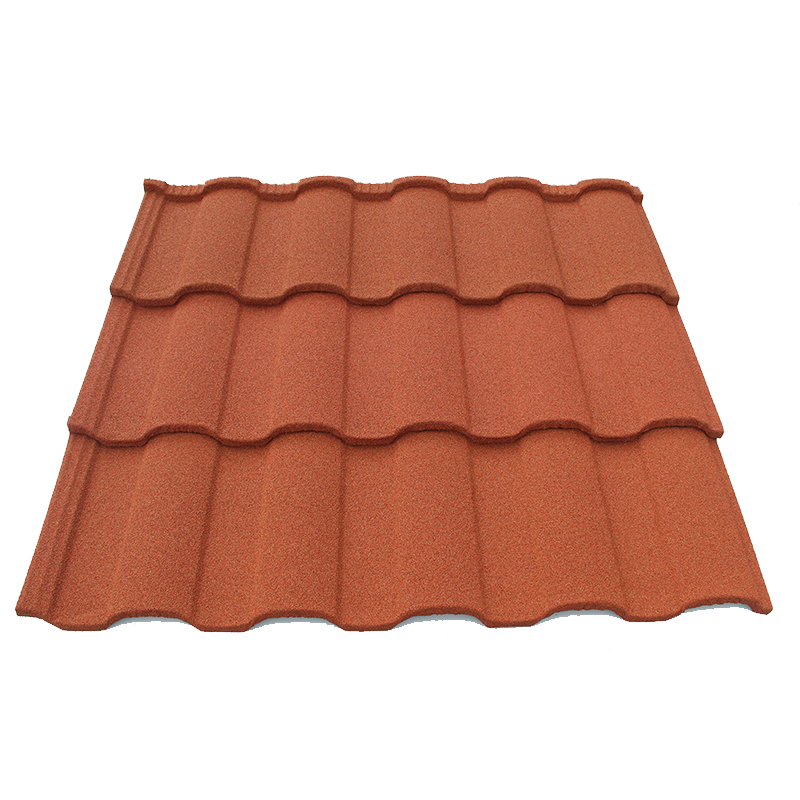
Many luxury resorts specify deeply stamped panels to achieve Mediterranean aesthetics. The sweeping Milano Tile features highly elevated, dramatic semicircular curves. These towering peaks contain empty airspace underneath them natively. If a worker steps directly onto the peak, the metal will crush. This creates a permanent, ugly depression that ruins the architectural beauty completely. You must instruct crews to step strictly in the lower pans. Never walk on the elevated crowns of deep architectural profiles.
Don’t Walk During Extreme Surface Temperatures
The 100% pure acrylic resin binder reacts to extreme temperature fluctuations globally. During the peak heat of a tropical summer day, the resin softens slightly. Walking on a stone coated metal roof during peak heat strips the granules. Your shoes will physically tear the hot, softened resin away. Conversely, freezing winter temperatures make the acrylic coating extremely brittle and slippery. Schedule routine commercial maintenance during mild morning hours exclusively for maximum safety.
Don’t Walk in the High Water Channels
Certain heavy-duty profiles are engineered specifically to evacuate massive tropical monsoons. The deeply grooved Roman Tile features wide, flat pans for maximum water flow. While stepping in the pan is safer than the peak, caution is required. You must still align your foot precisely over the horizontal batten line underneath. If you step in the center of the pan between battens, it flexes. Continuous flexing causes micro-fractures in the protective Aluzinc coating over time.
Don’t Scrape Heavy Debris Across the Surface
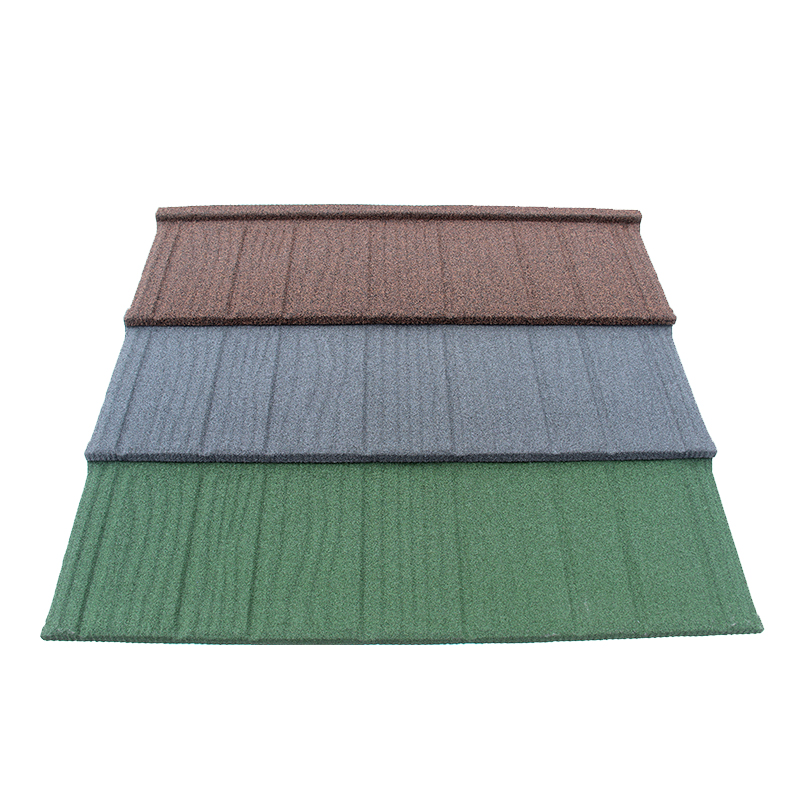
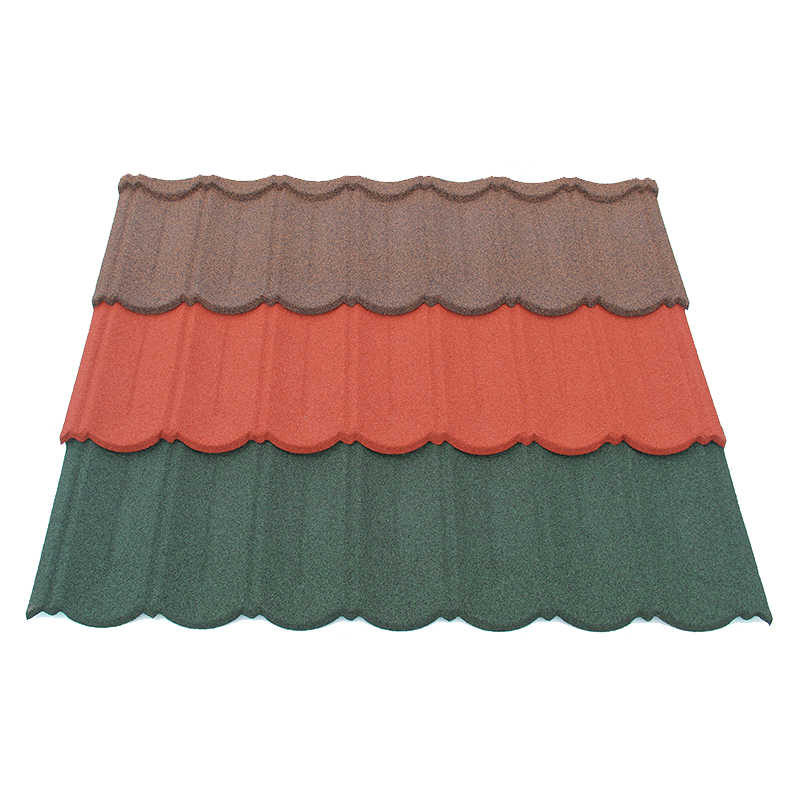
Maintenance crews often need to remove fallen branches or construction debris. Never drag heavy objects across a stone coated metal roof under any circumstances. A rugged Shake Tile mimics natural wood grain using deep textural stamping. Dragging sharp objects across this texture gouges the steel core violently. It rips through the acrylic resin, the stone chips, and the Aluzinc layer. This exposes raw steel to the atmosphere, guaranteeing rapid red rust formation.
4. Supplier Specifications and Walkability Tolerances
Not all architectural materials handle heavy foot traffic equally. The underlying manufacturing quality directly dictates the kinetic resistance of the panel. B2B procurement officers must audit their international supply chain rigorously today. Buying cheap, unregulated materials guarantees a fragile, unserviceable commercial roof globally. You must buy from elite factories to ensure structural integrity and walkability. Intelligent procurement is the first step in successful facility maintenance.
Auditing Core Metallurgy and Steel Quality
A stone coated metal roof must utilize premium AZ150 Aluzinc steel natively. This specific alloy provides massive strength and superior ductility under pressure. Cheap galvanized steel from unregulated brokers is often brittle and weak. When a worker steps on cheap steel, it creases permanently instead of flexing. Procurement teams must demand independent laboratory test reports verifying the steel thickness. Only premium metallurgy can support routine corporate maintenance schedules safely.
Partnering with Elite Industrial Manufacturers
Large-scale commercial developments demand absolute structural perfection and verified batch consistency. Therefore, B2B buyers must partner directly with proven, factory-direct industrial facilities globally. Specifically, JCROOF represents the benchmark in this elite B2B export tier. They operate from a massive 10,000-square-meter dedicated production facility seamlessly. They leverage 11 years of dedicated manufacturing experience to perfect their steel stamping. Maintaining a weekly capacity of 140,000 pieces guarantees rapid global maritime fulfillment. Trusting a proven expert ensures your panels feature exact engineering tolerances.
Establishing Strict Contractor Guidelines
Procurement teams must include walkability protocols in all commercial maintenance contracts explicitly. You must force third-party HVAC technicians and painters to sign liability waivers. If they dent the stone coated metal roof, they must pay for replacements. Provide all contractors with an official walkability diagram for your specific panel profile. Educating your vendors is the ultimate defense against accidental structural damage. Proactive facility management preserves the massive long-term ROI of the property.
| Rooftop Navigation Rule | The Correct Protocol (Do’s) | The Dangerous Action (Don’ts) |
|---|---|---|
| Footwear Selection | Wear clean, soft-soled sneakers or specialized roofing shoes strictly. | Do not wear heavy industrial work boots with deep, aggressive treads. |
| Foot Placement | Step precisely over the horizontal structural tile battens (panel nose). | Never step in the unsupported airspace between the underlying battens. |
| Architectural Profiles | Walk carefully in the lowest pans of deeply corrugated tile profiles. | Never step on the elevated crowns or sweeping aesthetic ridges. |
| Weather Conditions | Schedule maintenance during mild morning hours for optimal resin stability. | Avoid walking during intense midday heat or freezing winter temperatures. |
| Equipment Handling | Place heavy HVAC tools onto thick, soft foam padding to distribute weight. | Do not drop heavy metal toolboxes or drag sharp debris across the panels. |