
Commercial real estate development is a highly complex financial balancing act. B2B buyers face immense financial pressure daily. Minimizing initial Capital Expenditure (CAPEX) is critical for project viability. However, maximizing long-term property valuation is equally important. Choosing between internal DIY labor and professional installation is a major decision. When sourcing Stone coated steel roofing, installation costs vary wildly. B2B buyers often consider using internal maintenance crews to save money. Alternatively, they hire cheap, unspecialized general contractors. This decision dictates the structural lifespan of your facility completely. While cheap labor looks attractive on a spreadsheet, hidden costs compound rapidly. Improper execution destroys the underlying metallurgy and aerodynamic stability. Procurement officers must analyze the Total Cost of Ownership (TCO) rigorously. This comprehensive engineering guide explores the real mathematical differences. Understanding these variables protects your massive capital investments permanently.
1. The Financial Calculus of Labor and Material Waste
Calculating the true cost of installation requires looking beyond initial hourly rates. B2B buyers often consider using internal maintenance crews to save capital. However, installing complex architectural cladding is a highly specialized trade globally. Unskilled labor invariably leads to massive material waste and critical structural errors. You must factor these hidden expenses into your total project budget. A cheap installation often becomes a massive financial liability rapidly. Ultimately, specialized trade skills prevent expensive logistical nightmares on the job site.
Mitigating Expensive Material Waste Rates
Professional installers calculate “net versus gross” coverage with extreme accuracy. They optimize every single cut to minimize scrap metal. Experienced crews reuse off-cuts for dormers or narrow roof valleys. Conversely, inexperienced DIY crews suffer massive waste factors easily. They often waste 15% to 20% of the material due to incorrect cuts. Consider a robust industrial profile like the Bond Tile. It secures massive agricultural facilities perfectly. However, if unskilled crews miscalculate the complex valley angles, they ruin panels. This excess waste translates into thousands of dollars in wasted freight globally. Hiring professionals ensures your ordered quantity matches the installed quantity perfectly.
Specialized Tooling and Equipment CAPEX
Stone coated steel roofing requires specific industrial tools for proper installation. Buying or renting these tools negates the savings gained by avoiding professionals. Metal panels cannot be cut with standard high-speed circular saws. The heat from abrasive friction destroys the Aluzinc protective layer instantly. Professional crews utilize specialized cold-cutting guillotines exclusively. They also use manual metal benders for precise roof-to-wall flashing. A DIY installer attempting to use standard pliers will crack the stone coating. This leads to premature corrosion and a visually repulsive corporate finish.
2. Engineering Tolerances and Aerodynamic Stability
A commercial roof operates as a dynamic aerodynamic system continuously. It is not merely a static collection of overlapping metal sheets. The installation process dictates how the building envelope handles extreme kinetic forces. Substandard installation destroys the aerodynamic stability of the entire facility instantly. Professional installers understand the hardcore physics required for extreme weather survival. They guarantee your property withstands severe hurricane uplift and heavy snow loads. Precise engineering execution is mandatory for massive commercial real estate portfolios.
The Mandatory Structural Batten Grid
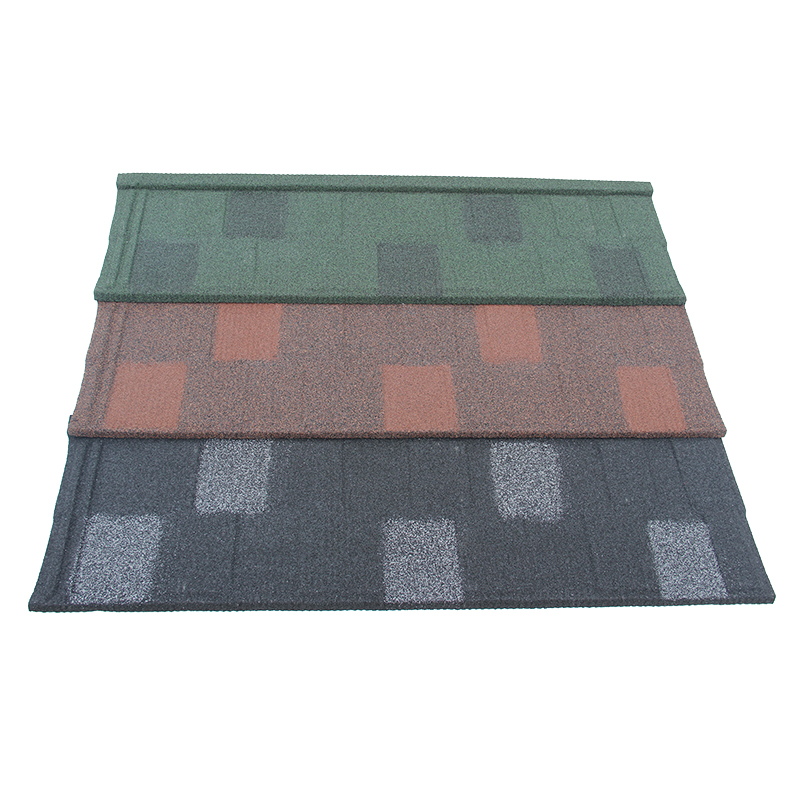
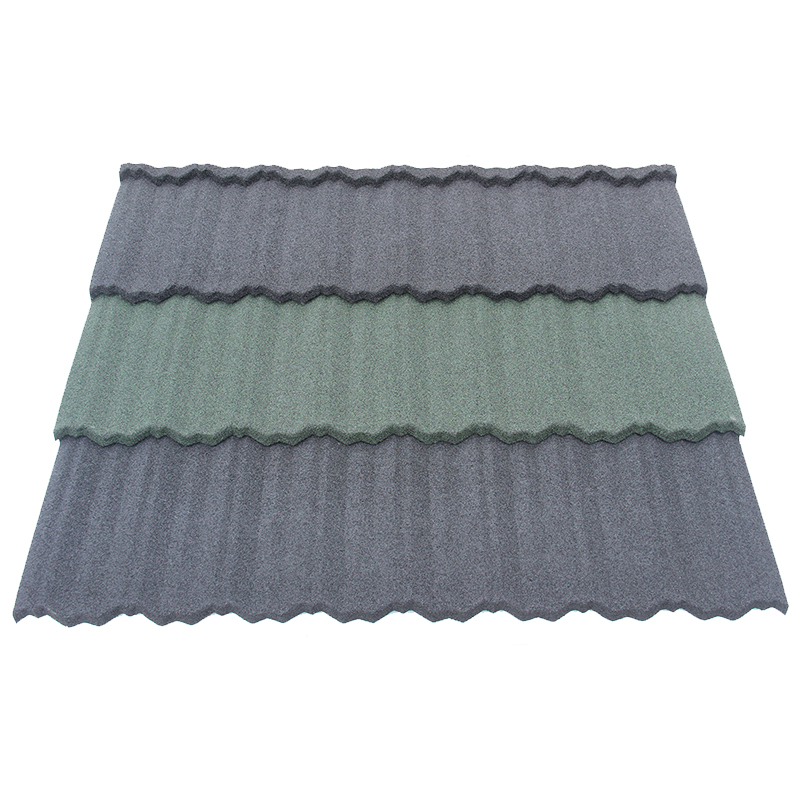
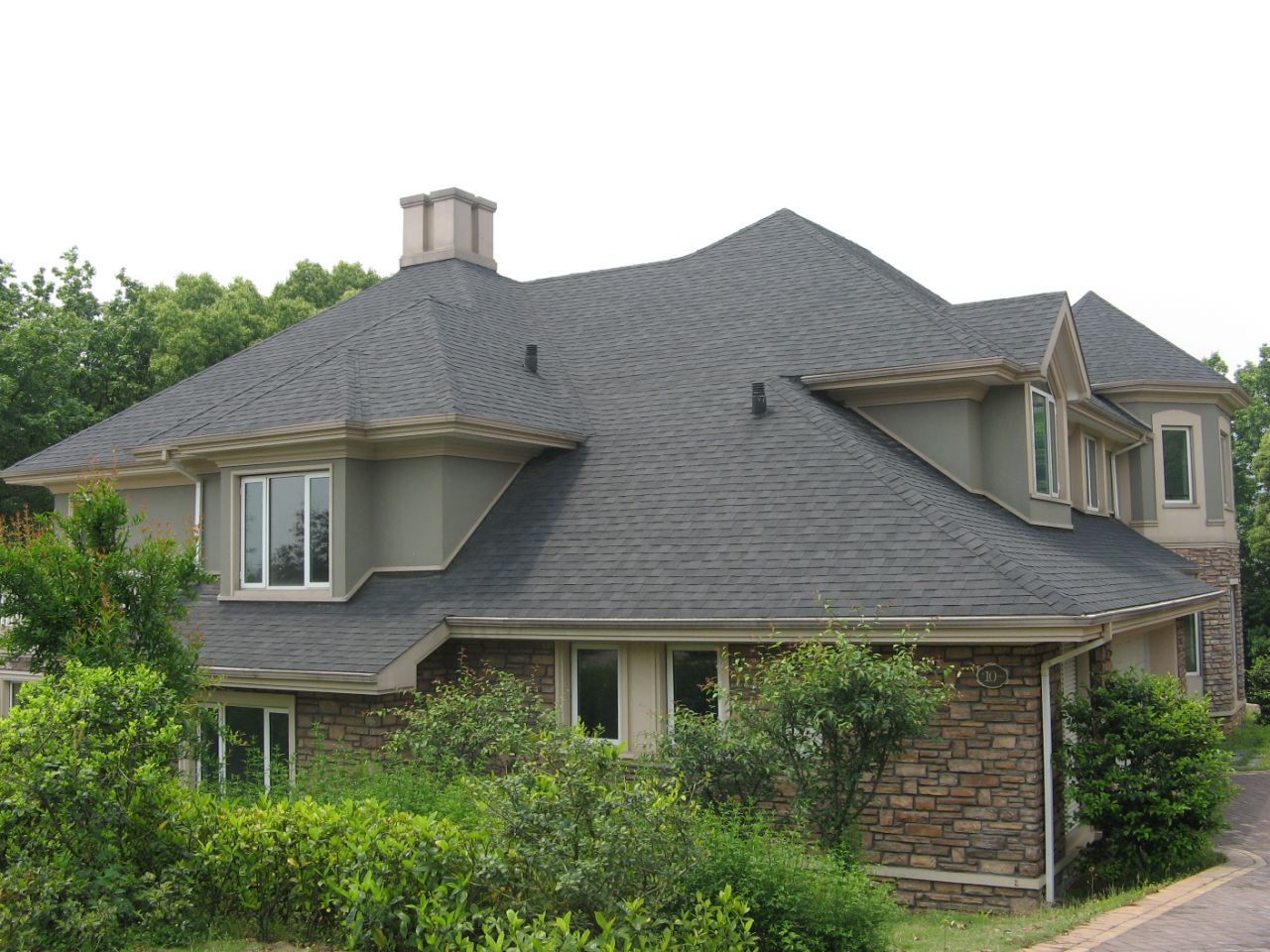
Advanced metal panels require a sophisticated structural grid for installation. This underlying framework is known as the tile batten system. Battens provide exact mechanical anchor points for the concealed fastening system. If a DIY crew installs these battens with slight variances, disaster strikes. The panels will not interlock correctly, creating dangerous microscopic gaps. For sleek corporate campuses utilizing a flat, minimalist Shingle Tile, precision matters. Flush geometric alignment secured directly to battens is absolutely mandatory. Professionals use laser levels to ensure this grid is mathematically perfect everywhere.
Deep Profile Stamping and Geometric Integrity
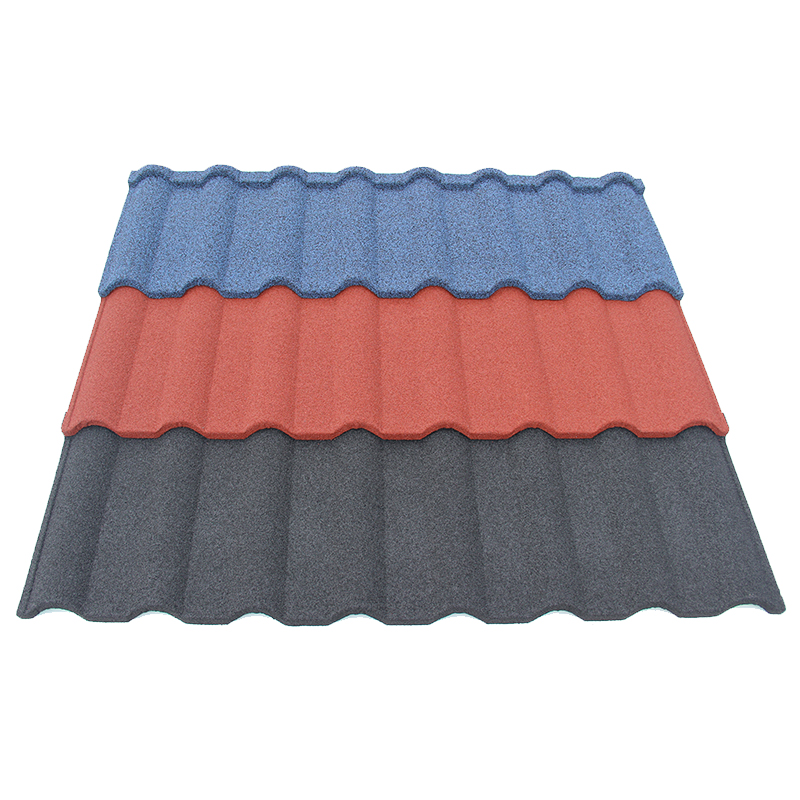
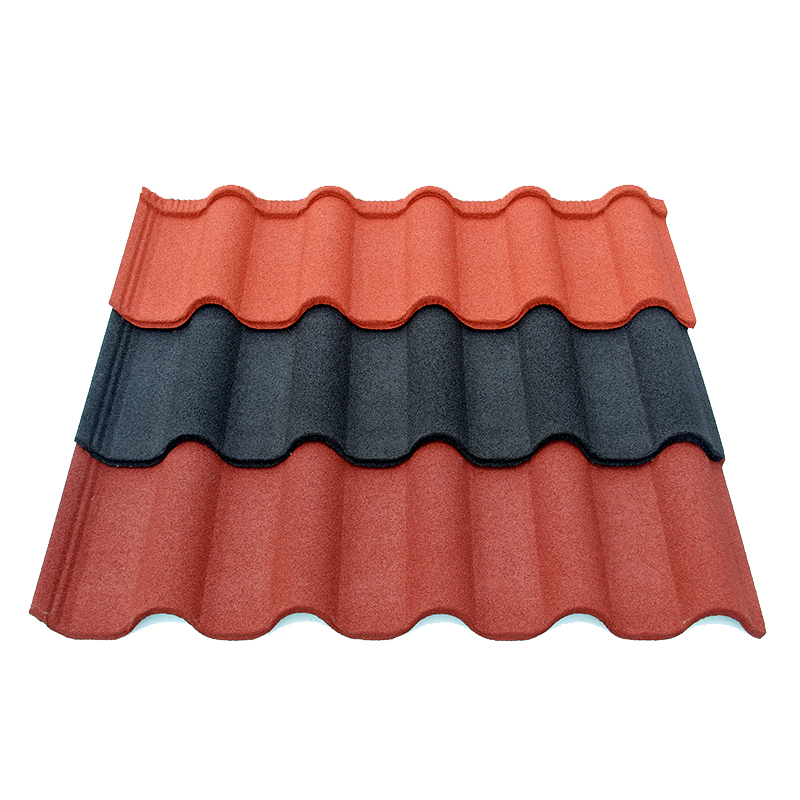
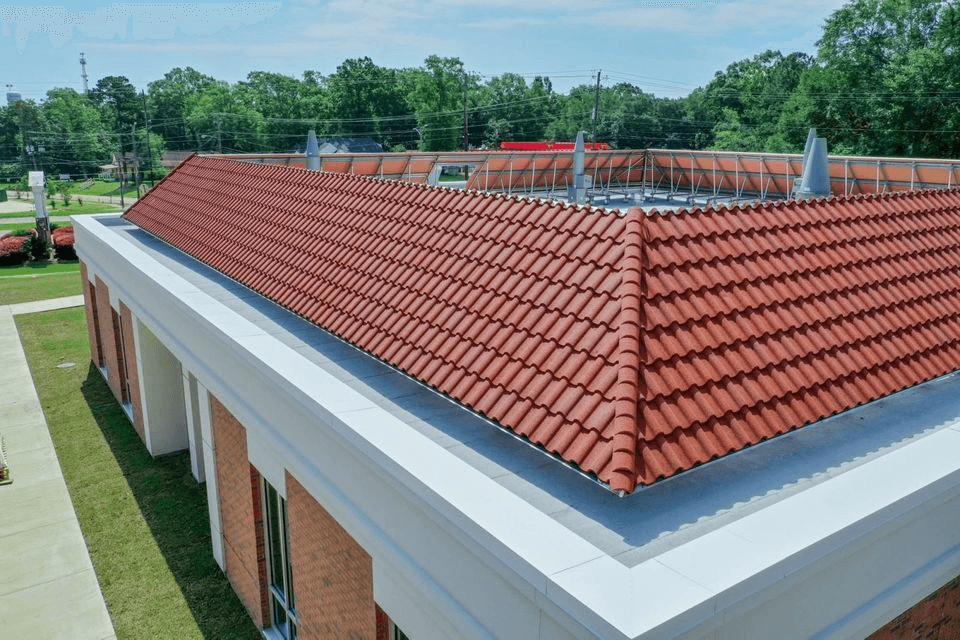
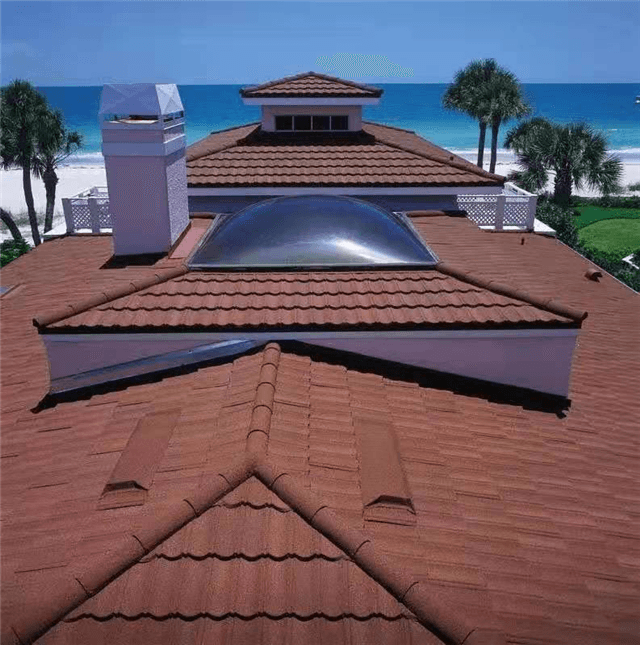
Professional installation ensures the roof acts as a singular, waterproof shield. Panels are fastened horizontally through the front edge securely. This specific technique resists extreme wind suction effectively. DIY installers often mistakenly use vertical fasteners driven directly into the deck. Thermal expansion causes these cheap screws to back out and rust rapidly. Classic Mediterranean designs require precise handling. The sweeping Milano Tile requires careful foot placement to avoid crushing peaks. Untrained crews will walk blindly across these deep profiles, causing massive denting. Dented panels compromise kinetic strength and ruin the architectural aesthetic completely.
3. Long-Term Liability and Warranty Invalidation
Fifty-year structural warranties represent massive financial value for commercial real estate portfolios. However, these legal guarantees require strict compliance with factory installation protocols constantly. DIY installation frequently voids these valuable corporate warranties immediately. Manufacturers will deny claims if they discover improper fastening or incorrect batten spacing. Therefore, professional installation acts as a necessary corporate insurance policy. It protects your massive capital investment from unforeseen material failures over decades. You must secure these warranties to maintain high property valuations.
Securing the Manufacturer Warranty
A legally backed warranty provides a vital safety net against environmental damage. By attempting a DIY project, you are self-insuring a massive corporate asset. Specifically, JCROOF operates as an elite factory-direct exporter globally. They provide comprehensive technical documentation for large-scale B2B commercial projects. While they empower clients with data, they always recommend professional oversight strongly. This ensures the 50-year warranty remains ironclad and legally binding. Certified labor protects the AZ150 Aluzinc core for its fully rated lifespan.
Biological Defense and Aesthetic Preservation
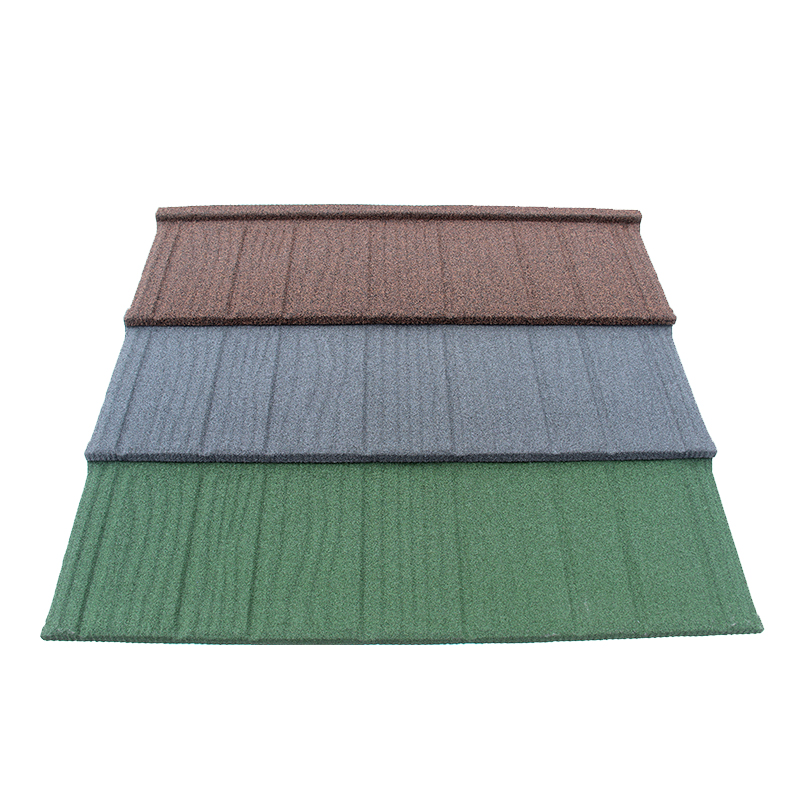
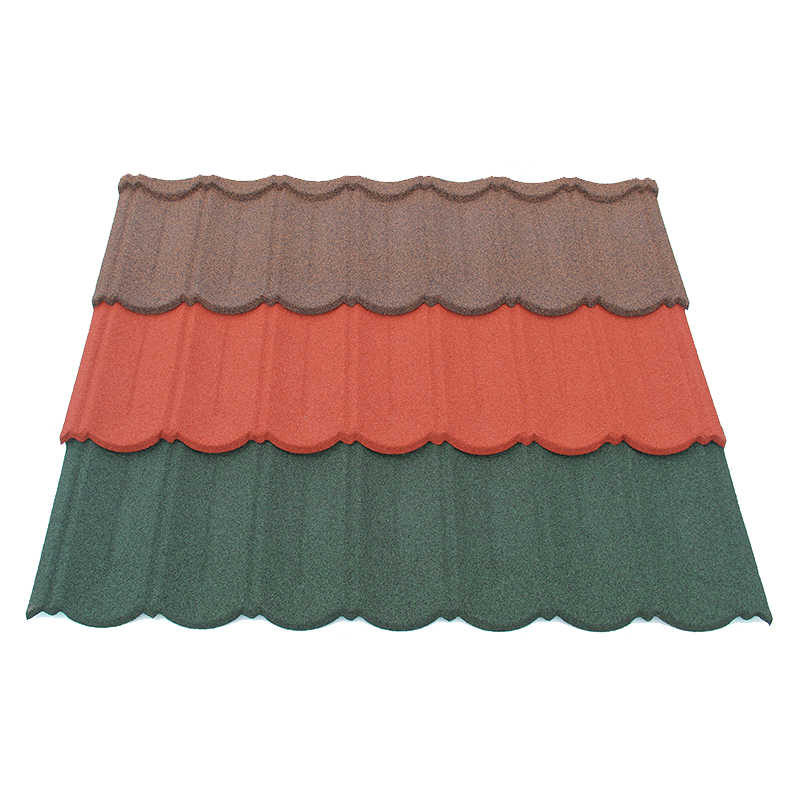
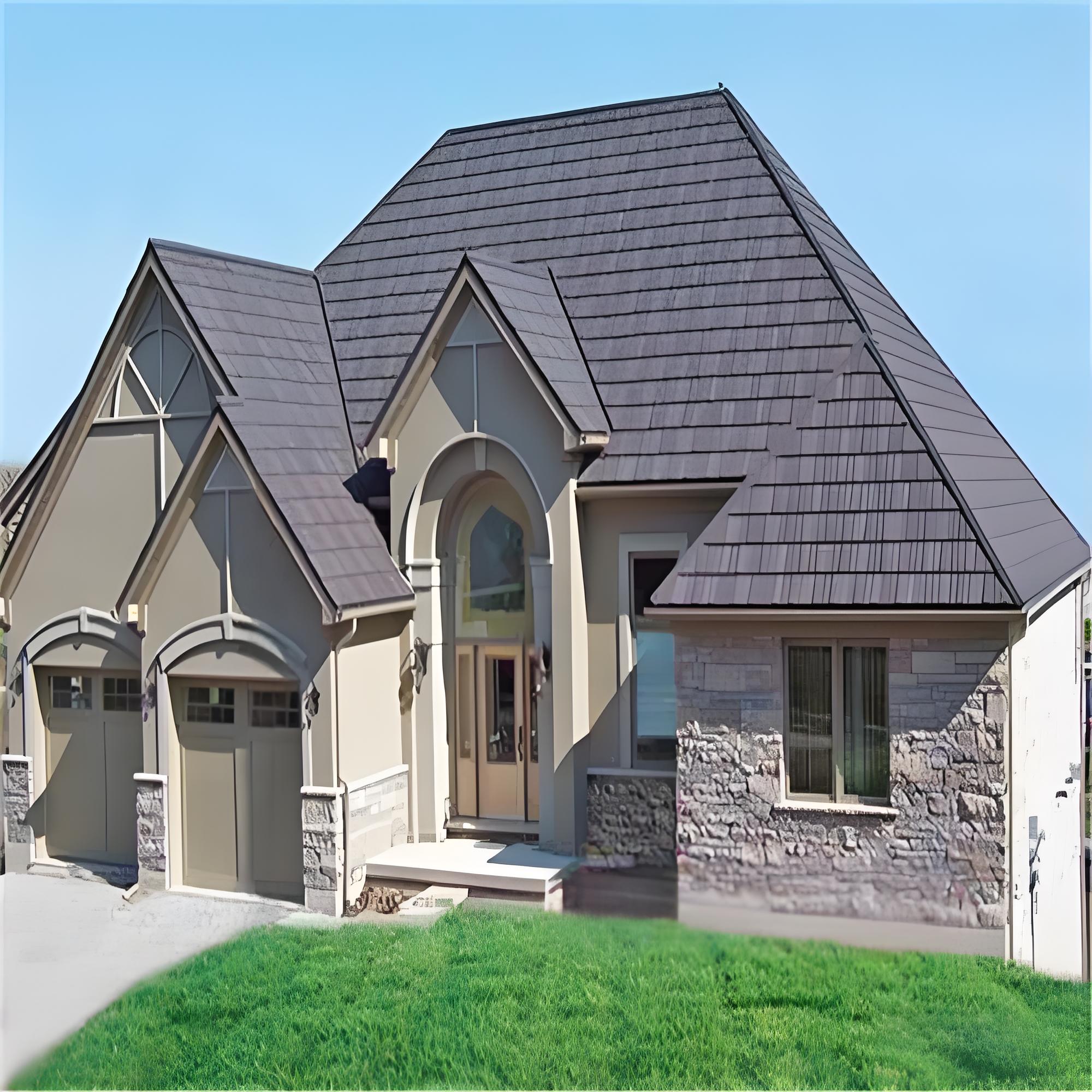
In the luxury hospitality sector, curb appeal dictates nightly lease rates. A poorly installed roof looks completely amateurish and highly unprofessional. Visible seams and scratched stone surfaces destroy the property value instantly. For alpine retreats, developers often specify a heavily textured Shake Tile. This beautiful profile mimics natural hand-split wood perfectly. If a DIY crew handles these panels roughly, they strip the acrylic resin. Airborne algae will anchor into the damaged stone surface rapidly. Professionals handle the material perfectly, ensuring the rustic look stays clean permanently.
4. Hydrological Management and Unseen Water Damage
Efficient hydrological management is the primary function of any commercial building envelope. The roof must evacuate massive volumes of high-velocity rainwater rapidly. DIY installations frequently suffer from terrible geometric alignment and loose horizontal seams. These poor tolerances invite devastating capillary action and unseen moisture pooling globally. This invisible water intrusion rots underlying structural timber silently and quickly. Precision engineering guarantees perfect flush alignment and absolute corporate waterproofing. Ignoring hydrology leads to catastrophic interior flooding and massive asset depreciation.
Preventing Devastating Capillary Action
When inexperienced crews install metal panels, they often force mismatched edges together. This violent manipulation creates microscopic gaps across the horizontal seam network. During wind-driven rainstorms, water pushes upward through these gaps easily. This phenomenon is known as capillary action. It destroys the commercial structure from within completely silently. Precision installation blocks capillary leaks absolutely and completely every single time. Professional crews understand how to lock the panels together without breaking the seals.
Evacuating Torrential Tropical Monsoons
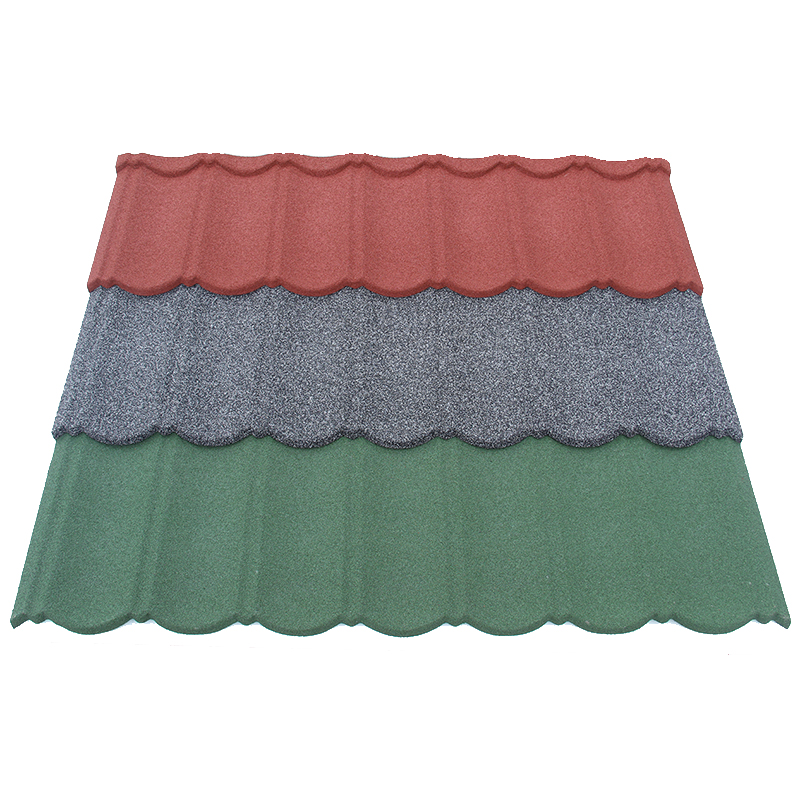
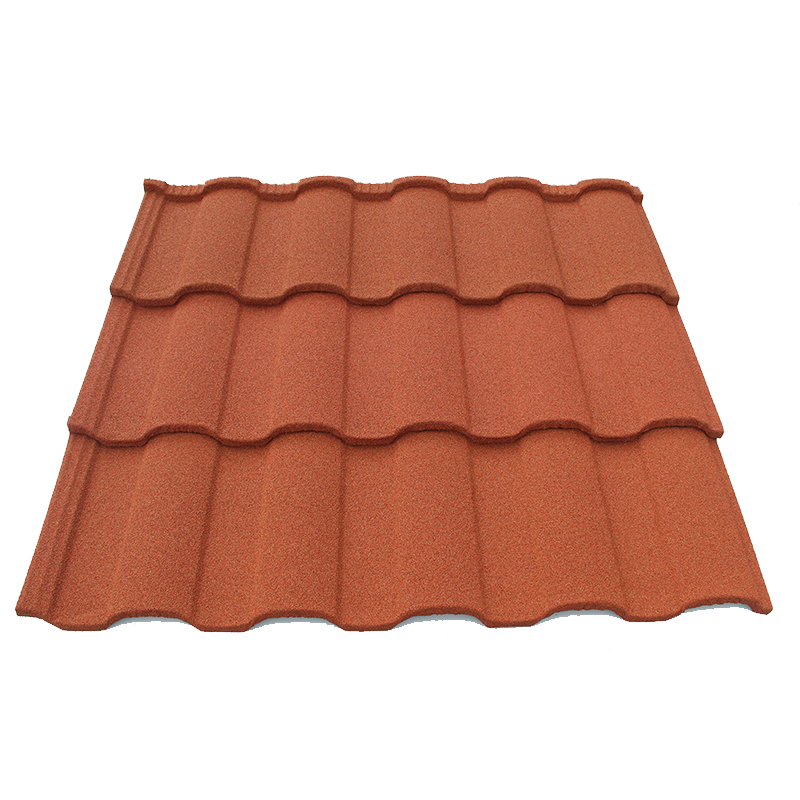
Tropical commercial developments face sudden, incredibly violent downpours frequently. The architectural profile must route massive water volumes downward highly efficiently. A deeply channeled profile handles this specific hydraulic requirement exceptionally well. For example, a Roman Tile evacuates massive water volumes rapidly. Its deep valleys prevent water from backing up under the horizontal overlaps. However, DIY crews often install complex valley flashing incorrectly. Improper valley flashing guarantees severe leaks during the first major tropical storm. Professionals fabricate custom flashing onsite to ensure absolute watertight integrity.
5. Final Cost Analysis and B2B Procurement Strategy
Protecting a commercial real estate portfolio requires a comprehensive procurement strategy. B2B buyers must stop chasing the cheapest upfront installation price today. You must demand permanent, high-performance architectural execution instead. Hiring elite installation crews secures your massive long-term Return on Investment (ROI). We have compiled a rigorous comparison of installation methodologies below carefully. Understanding these factors prevents catastrophic procurement failures and massive budget overruns. Intelligent financial planning transforms your roof into an indestructible corporate stronghold.
True Total Cost of Ownership (TCO)
The real cost difference is found in the building’s operational lifecycle. A professional Stone coated steel roofing installation is a permanent asset. It requires zero reactive maintenance over twenty years. Conversely, a DIY roof is a recurring source of extreme anxiety. Small leaks and loose panels appear after every minor storm event. For institutional investors, peace of mind is worth more than initial savings. Professional certification eliminates reactive maintenance from your annual operating budgets entirely. Consequently, the Net Operating Income (NOI) of the commercial property increases significantly.
Frequently Asked Procurement Questions (FAQ)
Procurement officers often ask why they cannot use existing general contractors. While general contractors excel at timber framing, metal roofing is specialized. Most general contractors treat stone coated steel like cheap asphalt shingles. This leads to major errors in batten spacing and fastener selection. Furthermore, they frequently walk on the panels incorrectly, causing massive denting. What are the top hidden DIY costs? Material waste runs 10% higher with inexperienced crews globally. Additionally, fixing a leak on a finished metal roof is incredibly expensive. Re-work labor always costs more than original professional quotes.
| Comparison Factor | DIY / Internal Maintenance Crew | Professional Specialized Crew |
|---|---|---|
| Upfront Labor Cost | Lowest. Uses existing staff or cheap general laborers. | Higher. Requires specialized trade fees and certifications. |
| Material Waste Factor | High (15-20%). Caused by measuring and cutting errors. | Low (3-5%). Optimized through experienced layout math. |
| Warranty Validity | High Risk. Often voided entirely due to improper installation. | Secure. Certified labor protects 50-year manufacturer backing. |
| Specialized Tooling | Missing. Requires expensive rental of guillotines and benders. | Included. Possesses all industrial-grade cold-cutting equipment. |
| Long-term ROI (20 Years) | Low. High expenses for reactive leaks, rot, and repairs. | Maximum. Zero maintenance and optimized energy efficiency. |