
Commercial real estate development increasingly demands bespoke architectural solutions to secure premium market valuations globally. Consequently, B2B procurement officers must navigate highly complex aesthetic and structural requirements continuously across diverse portfolios. When standard building materials fail to meet specific architectural visions or rigorous historical zoning laws, developers must innovate. Exploring Custom stone coated roofing profiles provides the ultimate engineering answer for these unique commercial challenges natively. Moving beyond standard shapes allows architects to execute visionary designs without sacrificing indestructible industrial metallurgy entirely. This advanced manufacturing capability transforms ambitious corporate blueprints into permanent, watertight realities safely and highly efficiently. Understanding the precise engineering mechanics behind custom hydraulic stamping empowers B2B buyers completely in the global market. Ultimately, you can specify bespoke architectural cladding highly profitably, efficiently, and securely by mastering this procurement strategy. This comprehensive engineering guide details exactly how custom metallurgy elevates massive commercial real estate assets permanently.
1. The Engineering Need for Custom Architectural Geometry
Standard architectural cladding satisfies the vast majority of commercial construction projects efficiently and predictably globally. However, ultra-luxury developments and highly complex corporate headquarters often feature unprecedented, avant-garde roof geometries natively. Consequently, forcing standard panels onto these highly irregular structures creates massive structural vulnerabilities and immense material waste. Therefore, developers require custom profiles engineered specifically for their exact structural footprint and kinetic requirements seamlessly. Moving beyond standard shapes ensures flawless geometric alignment, absolute watertight integrity, and breathtaking visual prestige globally. This bespoke engineering approach protects massive capital investments from premature structural failure and cosmetic degradation entirely.
Managing Complex Roof Geometries and Waste
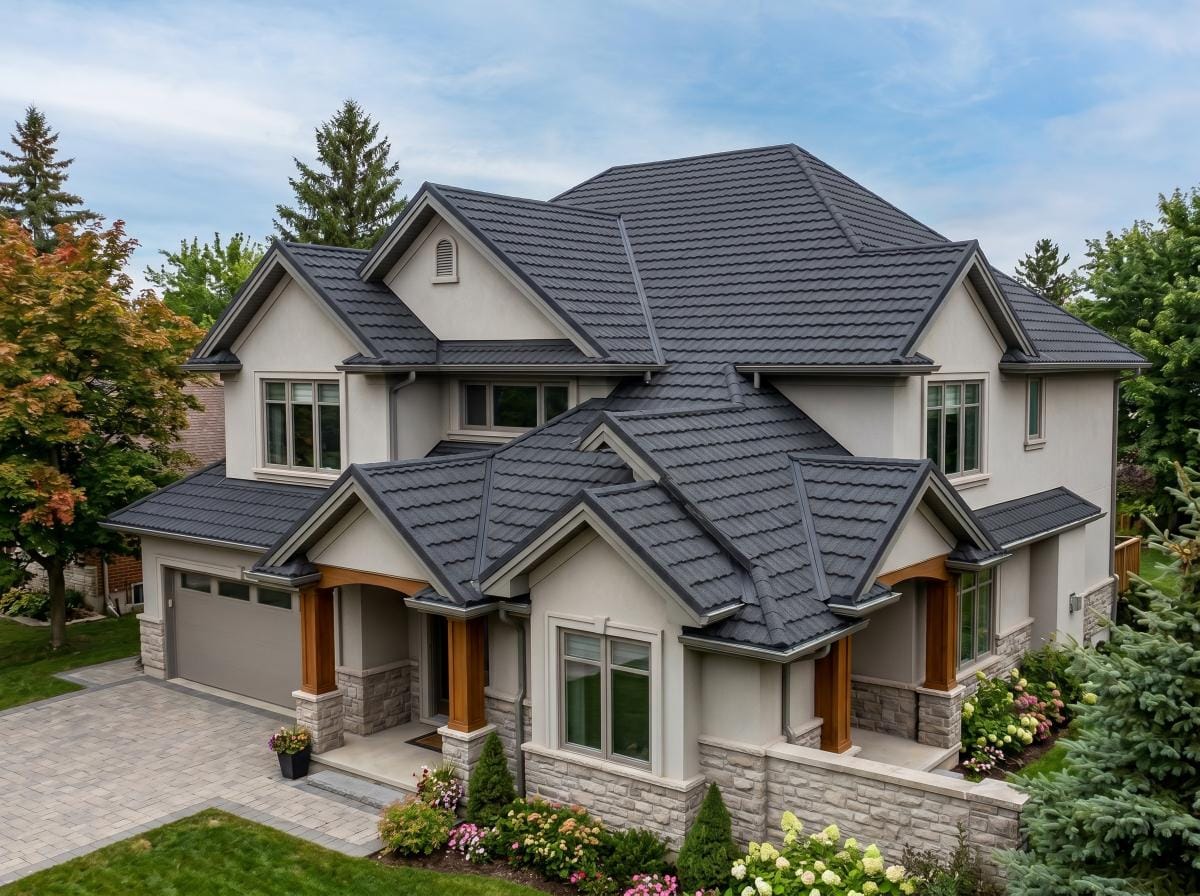
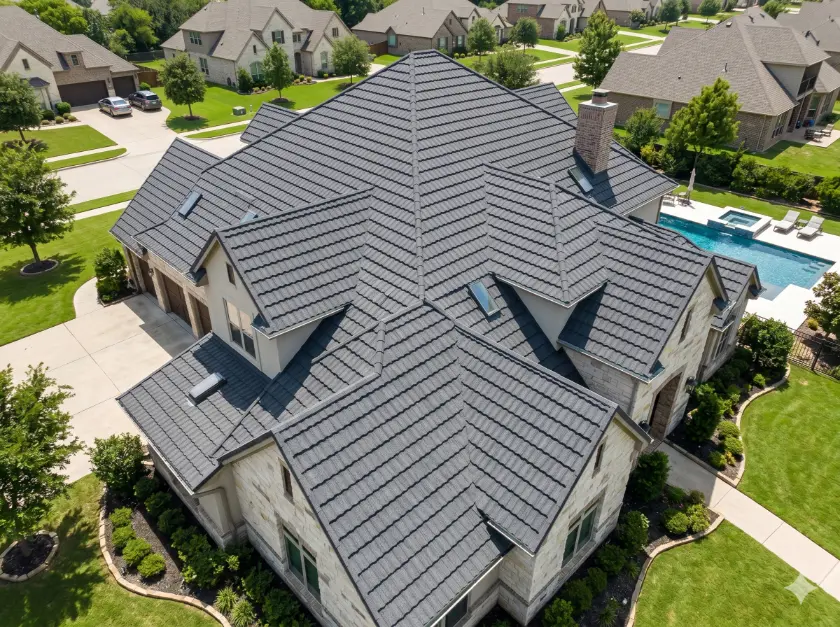
Highly irregular commercial roofs feature numerous intersecting planes, towering conical turrets, and extremely steep pitches natively. When contractors attempt to cut standard panels to fit these extreme angles, they generate massive scrap metal. Furthermore, these forced diagonal cuts often compromise the interlocking weather seal, inviting catastrophic capillary water intrusion. Custom stone coated roofing profiles mitigate this severe financial and structural risk entirely through precise factory engineering. Manufacturers design the bespoke panels to match the specific architectural angles perfectly before shipping. Consequently, this eliminates massive onsite material waste, protecting the lean corporate construction budget seamlessly.
Historical Preservation and Strict Zoning Compliance
Many lucrative commercial properties are located within strictly protected historical districts or exclusive municipalities globally. These specific zones frequently mandate the use of highly unique, legacy architectural shapes to maintain neighborhood prestige. Utilizing heavy traditional slate or antique terracotta is often structurally impossible due to fragile, aging timber rafters. Therefore, custom metallurgical stamping provides the perfect engineering compromise for B2B real estate developers continuously. Engineers can perfectly replicate the exact dimensions of a protected 19th-century tile using lightweight industrial steel natively. Ultimately, this allows developers to satisfy strict municipal zoning boards while securing a permanent fifty-year asset.
2. Advanced Hydraulic Stamping and Metallurgy
Creating custom architectural shapes requires massive industrial capabilities and profound metallurgical expertise natively within the factory. Manufacturers cannot simply bend cheap steel into new configurations without compromising its kinetic integrity completely. The deep drawing process subjects the steel core to extreme hydraulic pressure, stretching the metal significantly globally. Therefore, creating bespoke shapes safely requires utilizing premium alloys that possess incredible ductility and native strength. Procurement officers must audit the underlying metallurgy rigorously before authorizing any custom manufacturing runs internationally. Understanding these physical limits prevents catastrophic structural failures down the line for corporate investors.
The AZ150 Aluzinc Foundation Requirement
Custom stamping requires steel that can stretch into complex geometries without fracturing or weakening structurally. Therefore, you must demand authentic AZ150 Aluzinc steel strictly during custom global wholesale procurement natively. This specific aluminum-zinc alloy provides the necessary ductility for deep hydraulic pressing while maintaining extreme strength. Furthermore, it provides massive native resistance against aggressive red rust across the newly formed bespoke panel. The zinc chemically sacrifices itself to seal any micro-abrasions created during the intense custom stamping process. Consequently, this advanced metallurgy guarantees the bespoke profile survives harsh atmospheric environments flawlessly for fifty decades.
Maintaining Absolute Kinetic Rigidity
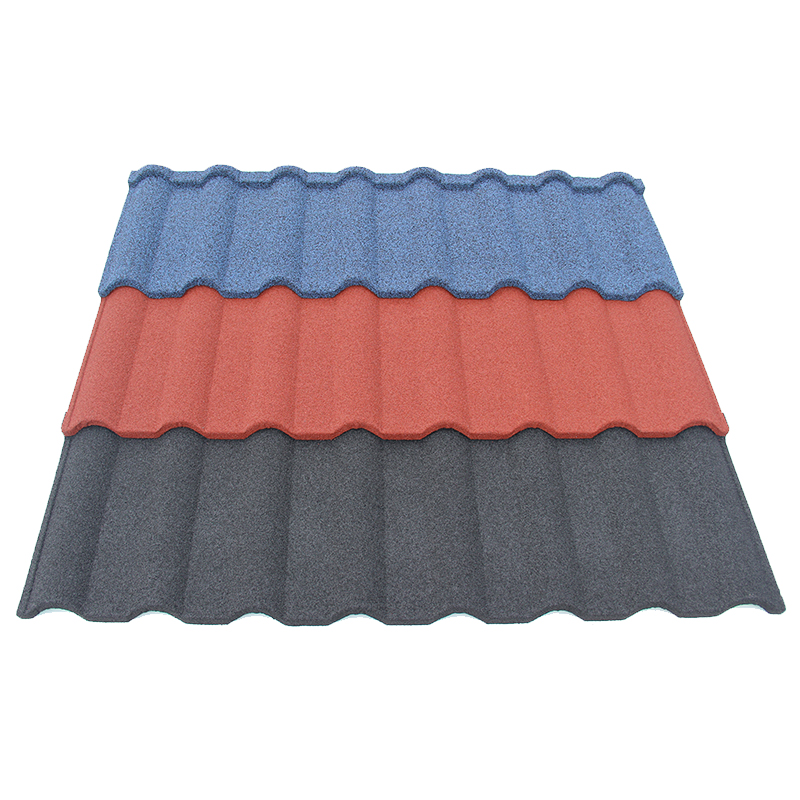
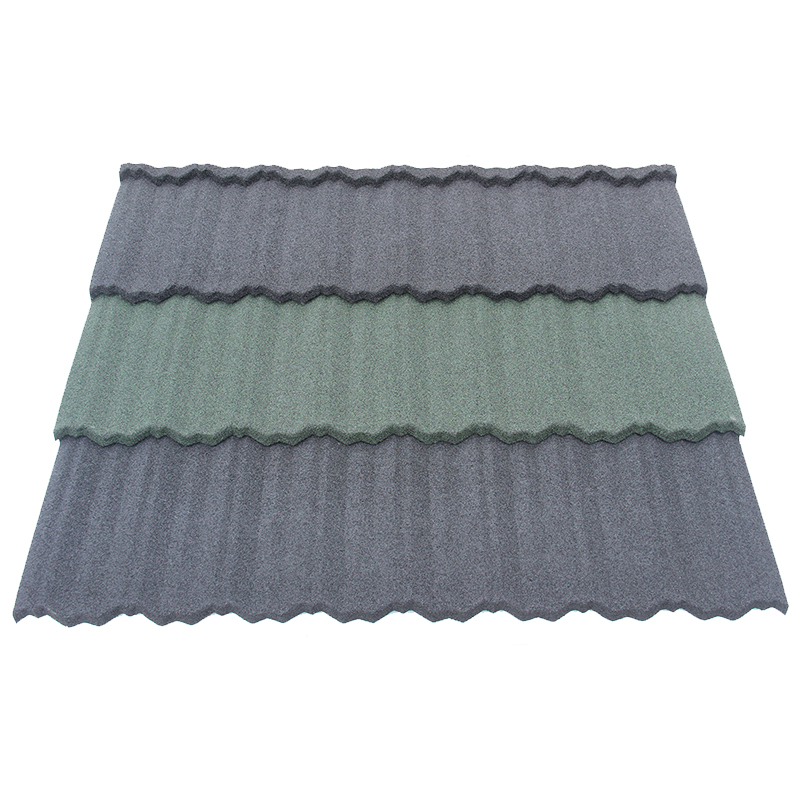
Whenever you alter the geometric shape of a steel panel, you inherently alter its kinetic load-bearing capacity. Standard industrial profiles are engineered over years to maximize physical strength against severe atmospheric impacts natively. For example, while a standard Bond Tile provides incredible kinetic rigidity for heavy-duty warehouses natively, a custom shape must match this performance. Engineers must calculate the new custom valleys and ridges carefully to ensure they do not buckle. If the bespoke shape is poorly designed, it will dent instantly under routine rooftop maintenance traffic. Therefore, custom procurement requires partnering with factories that utilize advanced computer-aided stress testing natively.
3. Practical Applications of Specialized Shapes
Bespoke manufacturing allows developers to solve highly specific environmental and aesthetic challenges seamlessly across global portfolios. Different geographical regions impose vastly different atmospheric punishments on commercial building envelopes continuously and predictably. Therefore, customizing the shape allows engineers to optimize aerodynamic stability and hydrological evacuation perfectly for the region. Furthermore, it allows architects to replicate extremely rare building materials safely using modern indestructible steel. Let us examine how customized engineering principles expand upon the successes of traditional architectural profiles natively. Intelligent customization protects both the corporate construction budget and the specific architectural brand perfectly.
Optimizing High-Volume Tropical Drainage
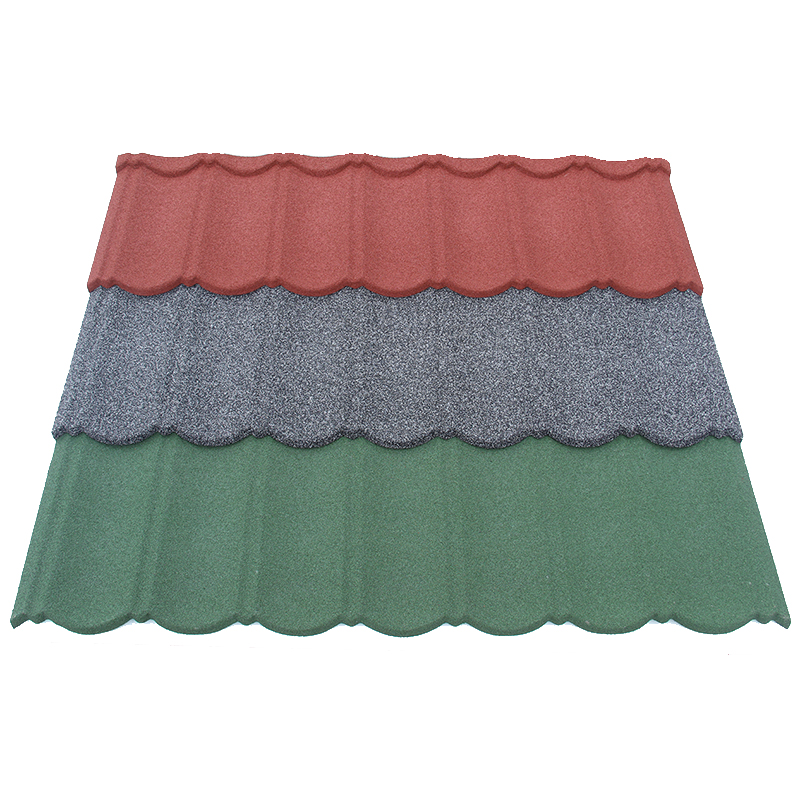
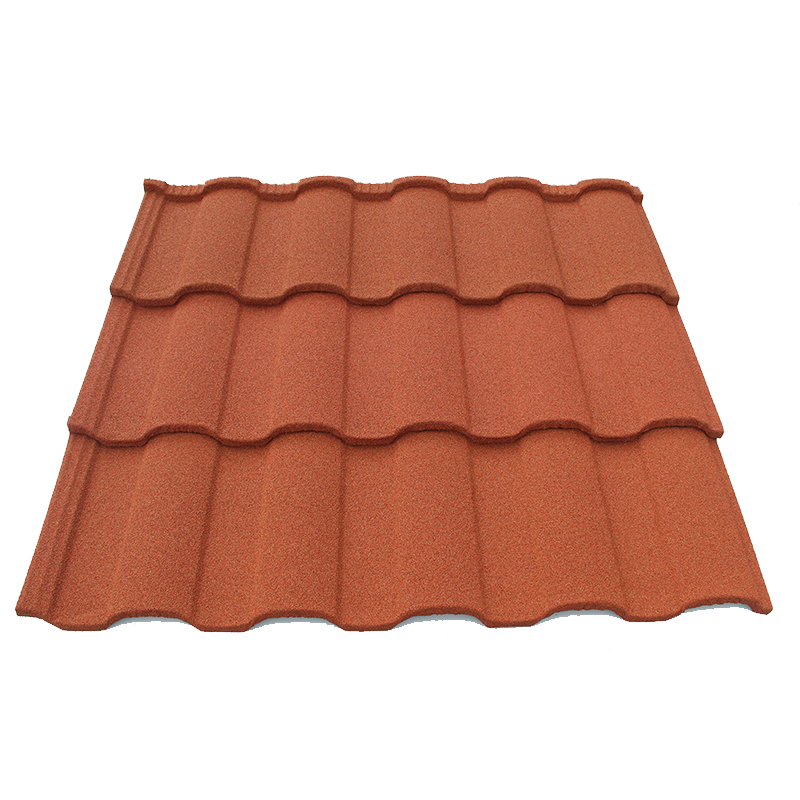
Coastal commercial properties face sudden, highly violent downpours frequently during the severe tropical rainy season. While a standard deeply channeled Roman Tile handles massive water volumes exceptionally well, custom projects may require even wider valleys. For massive, low-pitch commercial resorts, engineers can commission bespoke panels with exaggerated drainage channels natively. These custom, ultra-wide valleys evacuate unprecedented volumes of water rapidly during severe Category 5 monsoons globally. Furthermore, the overlapping steel seams prevent any vertical water penetration entirely, keeping the luxury resort watertight.
Sleek Modernism in Urban Tech Hubs
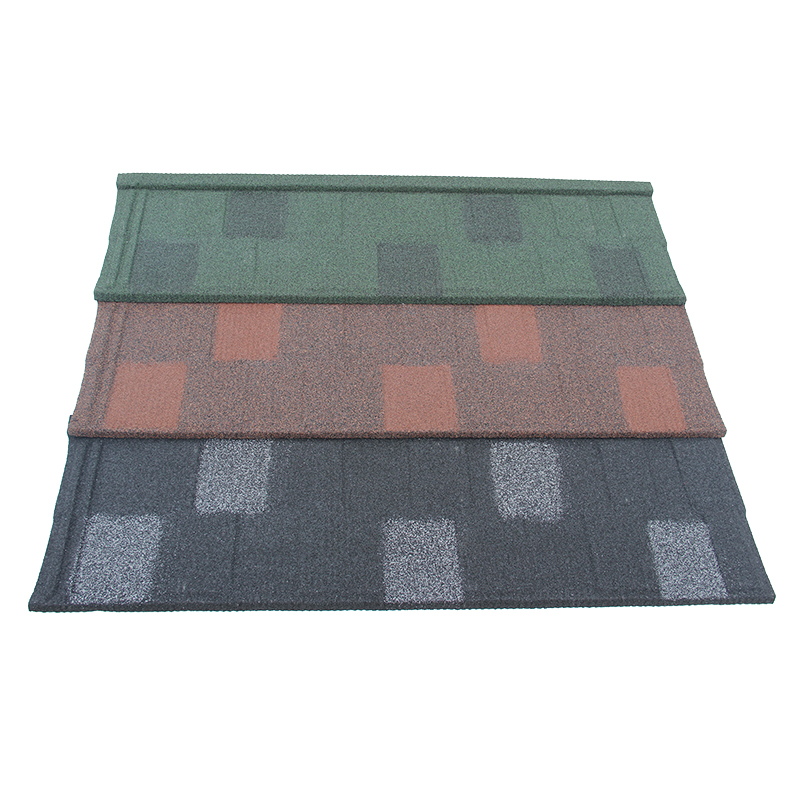
Modern corporate architecture relies heavily on sharp, clean, and highly geometric structural lines continually globally. A standard flat Shingle Tile delivers flawless flush alignment for minimalist corporate aesthetics perfectly. However, avant-garde tech headquarters may demand completely seamless, oversized flat panels to achieve a specific futuristic vision. Custom manufacturing can press elongated, hyper-flat profiles that minimize visible horizontal seams significantly across the deck. Because these bespoke profiles are extremely flat, they require thicker steel cores to prevent cosmetic “oil-canning” natively. Ultimately, custom engineering delivers breathtaking modernism securely and highly cost-effectively.
Elevating Mediterranean Luxury Estates
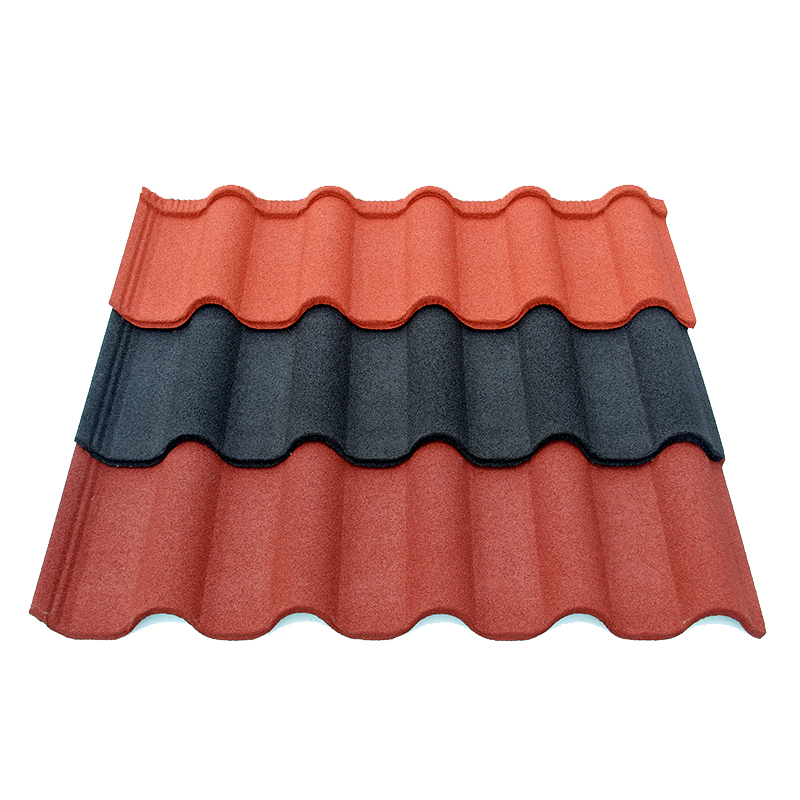
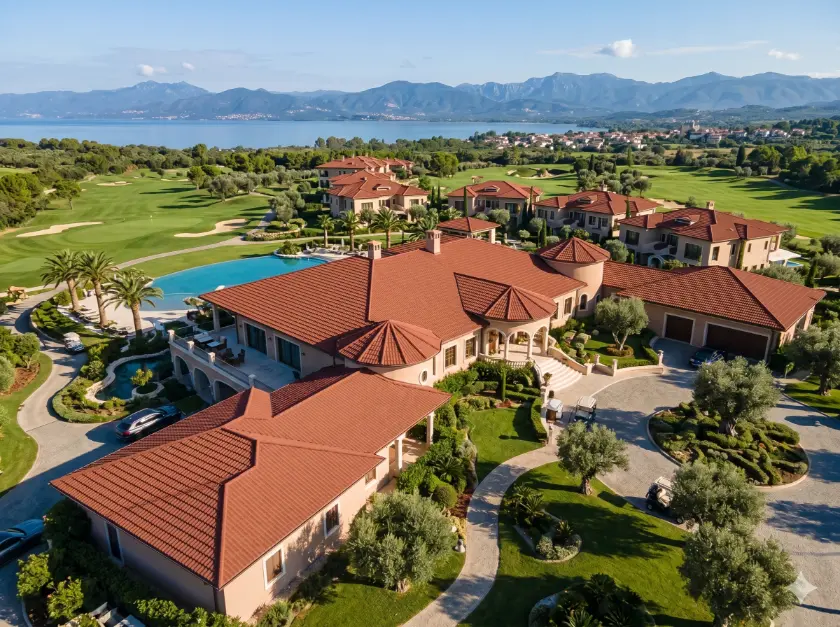
Suburban luxury developments require specific historical aesthetics to justify premium international corporate lease rates globally. A sweeping Milano Tile projects massive Mediterranean prestige and historic wealth effortlessly across luxury coastal estates. However, certain exclusive developments require highly specific barrel-vault dimensions to match legacy Italian architecture perfectly. Custom stamping allows procurement officers to adjust the exact height and width of the sweeping curves natively. Consequently, developers secure massive, highly accurate Mediterranean prestige without overloading the fragile residential timber framing globally.
Organic Textures for Remote Eco-Resorts
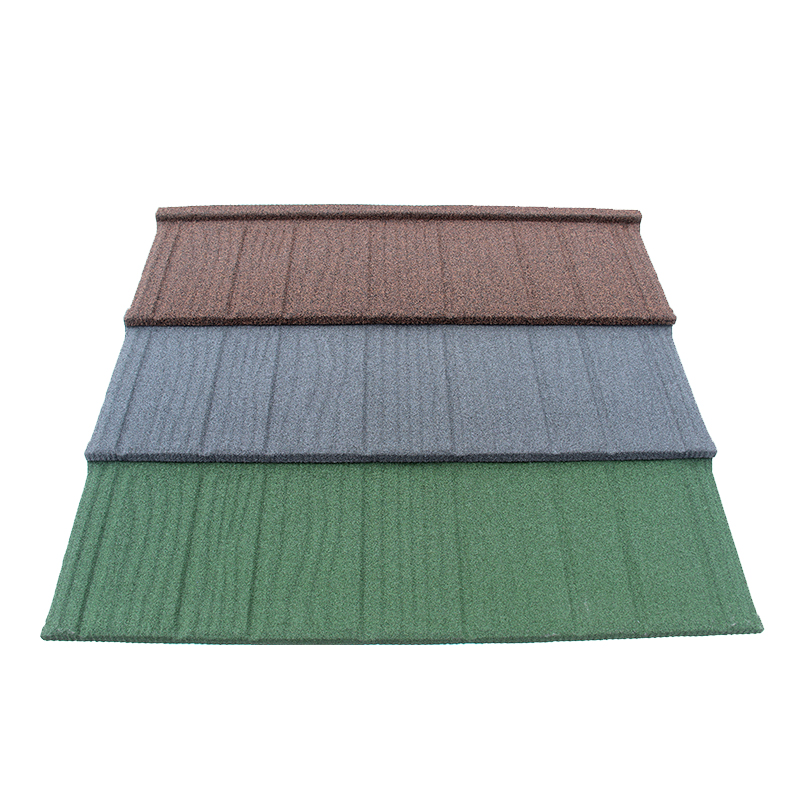
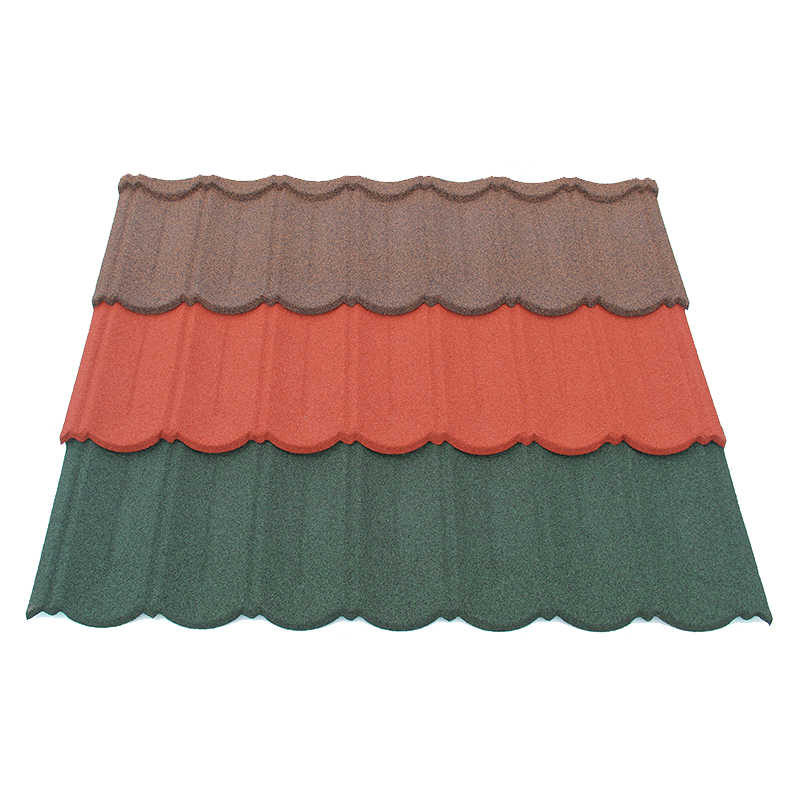
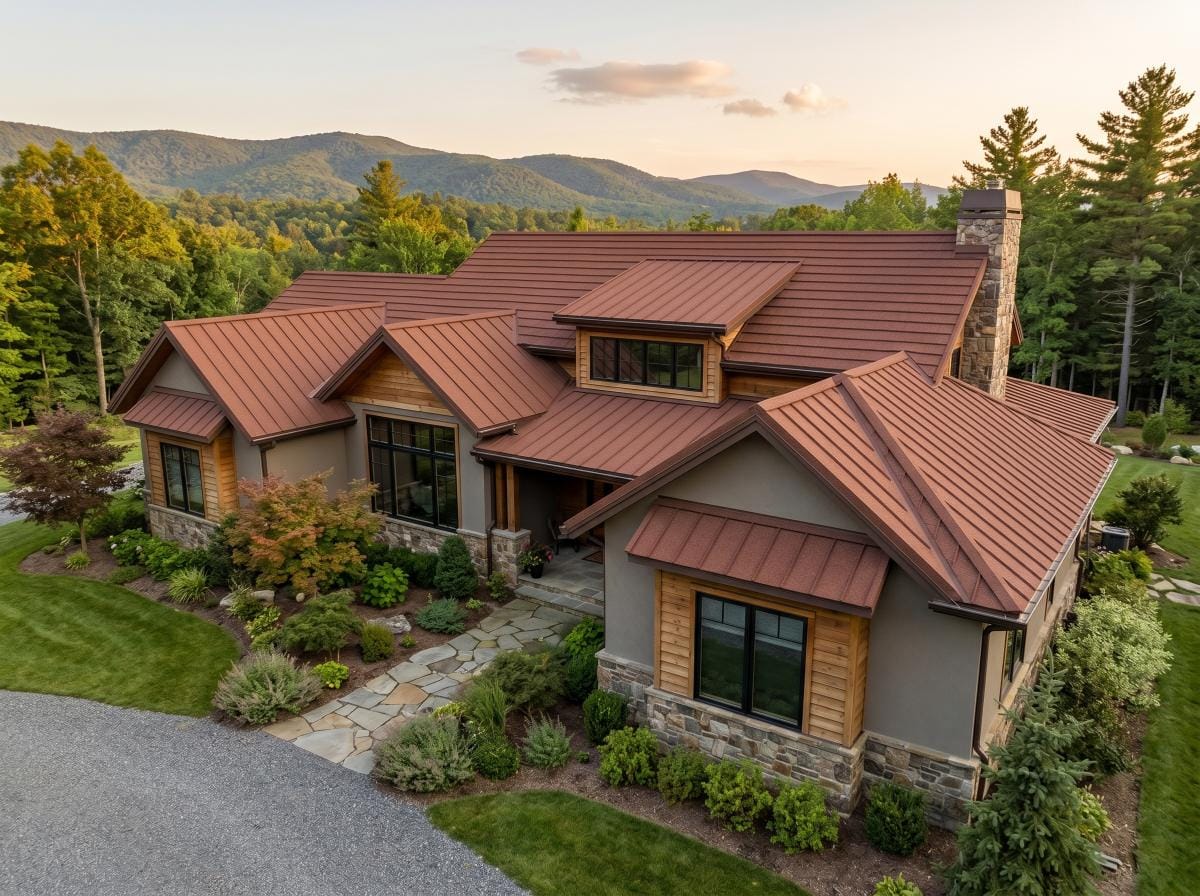
Luxury eco-lodges frequently demand rustic, organic appearances to attract premium international tourism continuously in remote locations. A standard heavily textured Shake Tile mimics natural hand-split timber safely and highly efficiently natively. However, to achieve true organic randomization, developers can commission multiple custom stamping molds with distinct texture variations. Installers intermix these custom panels on the roof, completely eliminating any repeating mechanical patterns visually. Therefore, developers secure breathtaking, highly authentic organic beauty while maintaining absolute Class A fire resistance natively.
4. Securing B2B Supply Chains for Custom Manufacturing
Commissioning custom architectural materials introduces significant logistical and financial complexities into the global supply chain globally. B2B buyers cannot rely on standard inventory buffers when dealing with bespoke, made-to-order metallurgical profiles natively. Consequently, the procurement process requires highly rigorous factory auditing and strict contractual delivery timelines continuously. Partnering with inexperienced or unverified suppliers for custom molds guarantees massive construction delays and structural failures entirely. Therefore, intelligent supply chain management is absolutely critical for the success of bespoke commercial projects. Expert procurement transforms a risky custom order into a highly predictable, profitable corporate asset safely.
Navigating Tooling Capital Expenditure (CAPEX)
Custom manufacturing requires the creation of highly specialized, massive steel stamping molds for the hydraulic presses. These custom molds represent a significant initial Capital Expenditure (CAPEX) for the B2B procurement team natively. Consequently, developers must calculate the overall project volume to ensure the tooling costs are financially viable. For massive commercial subdivisions or sprawling corporate campuses, the tooling cost is easily absorbed perfectly. However, for a single, small facility, the bespoke mold CAPEX may destroy the lean construction budget entirely. Therefore, precise financial modeling is an absolute mandate before ordering Custom stone coated roofing profiles.
Vetting Factory-Direct Capabilities
Custom fabrication demands absolute structural perfection, advanced engineering software, and verified batch consistency constantly. Therefore, B2B buyers must partner directly with proven, factory-direct industrial facilities that possess in-house mold engineering globally. Specifically, JCROOF operates precisely in this elite, highly professional B2B custom manufacturing tier reliably. They maintain massive hydraulic automated lines and possess the technical expertise to engineer complex custom shapes natively. Trusting an established industrial expert eliminates massive quality control risks and guarantees your bespoke profile performs flawlessly.
5. Common Procurement Questions for Custom Profiles (FAQ)
Procurement teams often encounter internal skepticism and complex financial hurdles when proposing custom architectural materials natively. General contractors and corporate investors demand exact answers regarding tooling costs, lead times, and structural warranties globally. Consequently, B2B buyers must understand the precise financial and engineering realities of custom manufacturing natively. Educating your corporate procurement team ensures smooth project approval and flawless customized execution continuously. Avoiding common bespoke procurement pitfalls accelerates your commercial real estate development massively globally. Let us address these specific logistical and financial challenges definitively to protect your assets.
How do bespoke profiles affect the structural warranty?
Corporate investors rely heavily on the fifty-year legally binding structural warranty to protect their capital investments natively. Therefore, a common concern is whether altering the geometric shape voids the manufacturer’s performance guarantee entirely. If engineered correctly by a certified industrial factory, the custom profile retains its full 50-year warranty flawlessly. The manufacturer conducts rigorous computer stress testing on the custom mold to verify its kinetic resilience natively. Consequently, the pure acrylic glaze and AZ150 Aluzinc core continue to provide absolute weather defense seamlessly. Procurement officers must explicitly demand this warranty validation in writing before signing the final purchase order.
What are the typical lead times for custom orders?
Standard architectural panels are manufactured continuously, allowing for rapid global maritime fulfillment from factory inventory natively. Conversely, bespoke profiles require extensive engineering, mold fabrication, and dedicated testing runs before mass production begins globally. Therefore, procurement officers must add significant lead time buffers into their commercial construction schedules continuously. Typically, engineering and fabricating a new industrial mold adds four to six weeks to the standard timeline. Consequently, B2B buyers must initiate the custom procurement process months in advance to prevent catastrophic job site delays. Intelligent logistical forecasting is absolutely mandatory for bespoke architectural success.
| Procurement Metric | Standard Roofing Profiles | Custom Bespoke Profiles |
|---|---|---|
| Initial Tooling CAPEX | Zero. Utilizes existing, highly optimized factory hydraulic molds natively. | High. Requires massive engineering and fabrication of dedicated steel molds. |
| Global Manufacturing Lead Time | Extremely rapid. Supported by massive weekly automated production capacity natively. | Extended. Requires 4-6 weeks of advanced engineering before mass production begins. |
| Architectural Zoning Compliance | Excellent for standard commercial, industrial, and residential subdivisions globally. | Absolute. Perfectly replicates protected historical shapes for strict municipal approval. |
| On-Site Material Waste Factor | Standard (5-10%). Requires diagonal cutting for complex architectural valleys. | Minimal. Profiles are engineered specifically to match the unique structural footprint. |
| Minimum Order Quantity (MOQ) | Highly flexible. Suitable for both massive commercial and mid-sized projects seamlessly. | Strictly High. Custom tooling costs demand massive commercial volume to remain viable. |