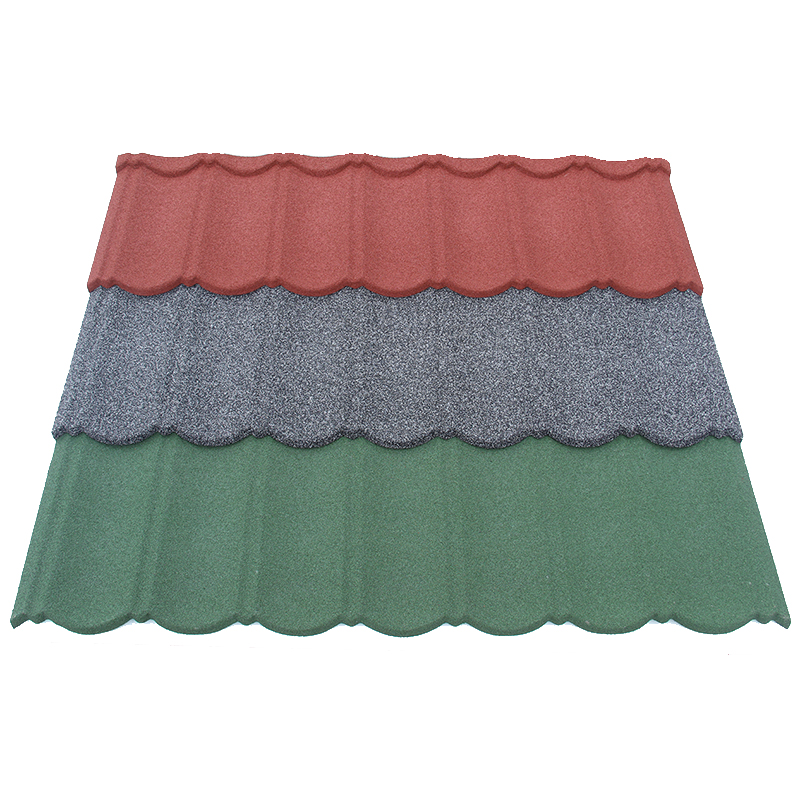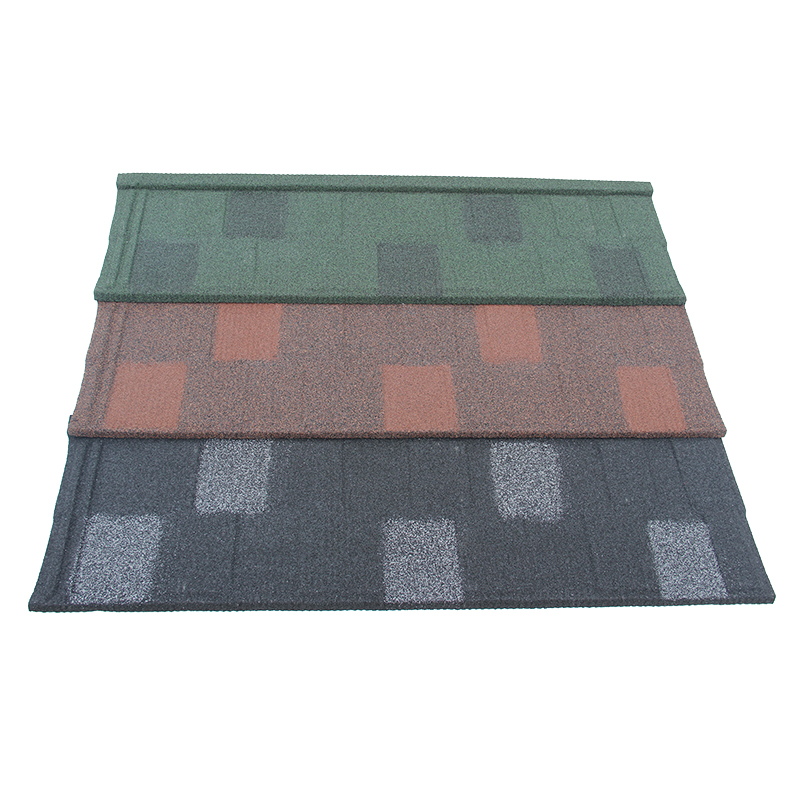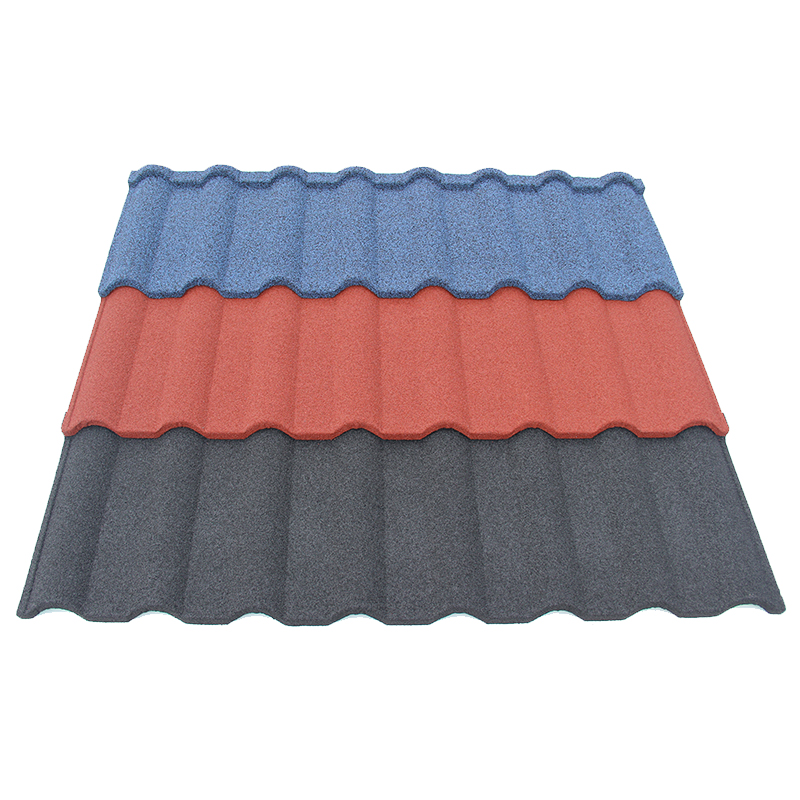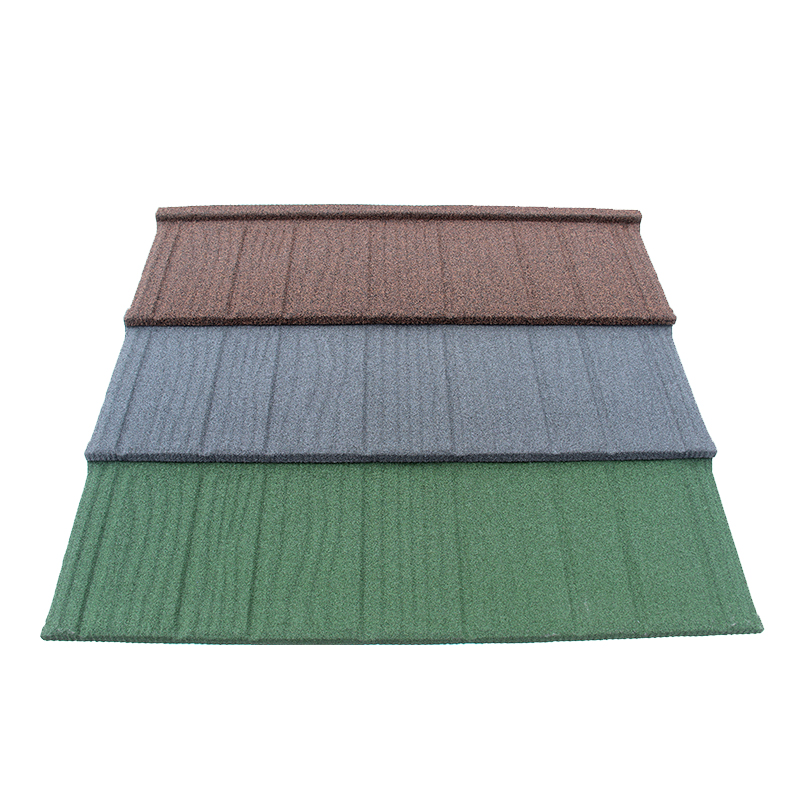

Procurement teams often treat stone coated metal roofing reviews as simple aesthetic endorsements. This is a strategic error in high-value construction. A genuine technical review must dissect the micro-capillary action, polymer cross-linking, and substrate fatigue under cyclical thermal stress. Most commercial failures stem from “paper specs” that ignore the reality of site-level atmospheric degradation. This analysis moves past the marketing fluff to evaluate the mechanical synergy of these composite systems. We provide a cold, data-driven audit of how these tiles actually perform over a forty-year horizon. Understanding these failure modes is the only way to safeguard your capital investment.
Substrate Integrity: Why the “Steel Core” Review Is Often Faked
The skeletal strength of any modular roof depends entirely on the hidden metallic envelope. Many budget suppliers provide samples with high-grade Aluzinc but deliver bulk orders with thin-gauge galvanized steel. A review that ignores the “Gsm” (grams per square meter) of the alloy coating is functionally useless. In coastal or industrial zones, the difference between AZ100 and AZ150 is the difference between a lifetime asset and a rusted liability. You must verify the metallurgical birth certificate of every batch before it hits the roof deck.
Aluzinc Ratios and the “Edge-Creep” Reality Check
Standard zinc coatings fail because they lack the “self-healing” boundary provided by aluminum. Professional-grade reviews prioritize a 55% Aluminum-Zinc blend, which creates an inorganic shield at the cut edges. Manufacturers like jcroof set the industry benchmark by utilizing heavy-duty AZ150 substrates to neutralize the threat of oxidation creep. Always demand a spectrometer audit during your site inspection to confirm the actual alloy density. This technical verification prevents the financial nightmare of a bleeding roofline on a brand-new residential development.
Stamping Trauma: Identifying Invisible Micro-Fractures
The hydraulic pressure required to create deep profiles like “Classic” or “Roman” can traumatize low-ductility steel. Microscopic fractures often appear during the stamping phase, bypassing the protective alloy shield. These cracks stay invisible to the naked eye until the first three freeze-thaw cycles expand them. Specify G300 structural steel to ensure the metal maintains its molecular integrity under the press. A review of the manufacturer’s press-speed and cooling protocols is more valuable than any color catalog.
The Physics of Adhesion: Solving the “Balding” Phenomenon
De-granulation, or stone shedding, is the primary grievance in most negative user reviews. While minor loss is expected during installation, persistent balding indicates a systemic failure of the acrylic base coat. Cheap adhesives often contain excessive water-fillers and insufficient UV stabilizers, leading to rapid interface debonding. You must audit the polymer’s cross-linking density to ensure a permanent mechanical lock. A failed adhesive transforms a premium building into a maintenance-heavy eyesore within thirty-six months.
High-Solid Acrylics vs. Diluted Water-Based Glues
Low-end suppliers utilize generic industrial glues that soften in the afternoon heat and crack in the midnight cold. These diurnal temperature swings eventually snap the bond between the stone and the steel. High-performance engineering requires a 100% pure acrylic resin with a high solid content. This viscous layer “bites” into the volcanic granules and creates a monolithic, weather-proof matrix. Review the “Peel Strength” and “QUV Weathering” data before finalizing your supplier contract. A superior resin acts as a flexible shield that accommodates the thermal expansion of the metal substrate.
Sintered Volcanic Rock: The Only Cure for UV Pigment Decay
Architectural color stability is a critical KPI for long-term property valuation. Many “budget” reviews ignore the fact that the stones are simply surface-dyed sand. These pigments wash away or fade under intense ultraviolet radiation, leaving a patchy gray finish. Professional standards demand sintered stone granules baked at temperatures exceeding 800°C. This ceramic-fusing process makes the pigment a permanent part of the rock’s crystalline structure. Sintered stone remains impervious to acid rain, bird droppings, and the harshest tropical sun for decades.
Field Realities: Why Installation Errors Kill Good Reviews
Perfect materials cannot compensate for a framing crew that ignores the basic physics of metal roofing. Most “defects” reported in customer reviews are actually the result of structural grid misalignment. Metal roofing requires a precise, ventilated batten system to manage moisture and thermal movement. If your contractors treat these panels like asphalt shingles, the system will inevitably leak and rattle. You must enforce a strict technical protocol from the first batten to the final ridge cap. Site-level precision is the only way to achieve the theoretical lifespan of the product.
Batten Grid Geometry and the Interlocking Failure Mode
The horizontal spacing of the battens must stay within a strict two-millimeter tolerance. Any deviation prevents the “nose” of the tile from nesting into the course below, creating a gap for wind uplift. These gaps act as air-scoops that allow driving rain to penetrate the attic space during storms. Use a dedicated metal spacing jig to verify every single row of the structural grid. A tight, uniform interlock creates a unified shield against hurricane-force winds. This systematic approach also drastically reduces the labor hours required for complex hip and valley details.
The “Shear Strength” Rule of Horizontal Nose-Fixing
Top-down nailing through the face of the tile is a catastrophic failure in roofing logic. This creates a direct water entry point and relies on the nail’s tension to hold the roof down. The engineering standard involves horizontal “nose-fastening” into the side of the structural batten. This placement protects the fastener head and utilizes the metal’s shear strength against wind suction. It also allows the entire roof system to “breathe” during the extreme heat of the day. Always use high-grip ring-shank nails to prevent the fasteners from backing out over several seasons.
Procurement Intelligence: Calculating Total Cost of Ownership
A low unit price usually masks a high “TCO” for the developer or homeowner. Frequent repairs, algae cleaning, and premature replacement will quickly erase any initial savings on the material contract. Strategic procurement focuses on the “Technical Yield” of the system over a thirty-year horizon. You must audit the supplier’s raw material supply chain and their internal QC lab. Use the following decision matrix to evaluate the engineering merits of your competing bids.
| Performance Metric | Standard “Market” Grade | Heavy-Duty Engineering Grade |
|---|---|---|
| Core Alloy | AZ40 – AZ90 (Low density). | AZ150 (Marine Grade Aluzinc). |
| Stone Pigment | Cold-dyed sand particles. | 800°C Sintered Volcanic Rock. |
| Steel Gauge | 0.30mm – 0.35mm. | 0.45mm – 0.50mm (Structural). |
| Fixing Logic | Vertical nailing (High risk). | Horizontal nose-fix (Engineered). |
Environmental Adaptation: Matching Physics to Project Site
Never buy a “one-size-fits-all” roofing solution for a global construction portfolio. A project in the Middle East requires high-reflectance stone to mitigate the urban heat island effect. Conversely, a project in a coastal region needs specialized anti-corrosive overglazes to resist salt-air humidity. Discuss the specific diurnal temperature swings of your project coordinates with the manufacturer’s technical team. They should recommend a specific acrylic formulation that maintains flexibility in your local climate. This customized approach eliminates the risk of resin cracking or oil-canning effects.
Professional FAQ: Solving the Top 3 Review Complaints
Successful project delivery requires managing the technical expectations of the end-user. Many negative “reviews” are simply misunderstandings of how composite metal systems function. By providing data-driven answers, you establish your firm as a technical authority on the job site. This reduces the number of unnecessary warranty claims and site-visit disputes. Use these technical insights to educate your stakeholders and improve your project’s bottom line. Knowledge is the ultimate tool for preventing field errors.
Are Metal Roofs “Loud” During Heavy Rainfall?
Stone-coated steel is a multi-layer composite, not a simple sheet of tin. The thick layer of volcanic stone acts as a natural acoustic dampener for falling raindrops. The batten-mounted design also creates an air buffer that prevents sound vibration from reaching the building’s interior. In most acoustic tests, these roofs are as quiet as heavy concrete or clay tiles. You can install these systems in luxury hospitality projects without worrying about noise complaints. This makes them an ideal choice for the high-end residential and hotel sectors.
How to Handle Foot Traffic Without Deforming the Metal
Denting occurs when maintenance workers step on the hollow parts of the tile profile. Crews must be trained to place their feet only where the tile is supported by the structural batten. Using soft-soled footwear is a non-negotiable requirement for site safety and surface quality preservation. If a tile is accidentally deformed, it must be replaced immediately to ensure the interlocking joint stays watertight. Providing a dedicated “walk-path” map during maintenance prevents long-term structural damage. This small operational detail preserves the roof’s aesthetic for several decades.
Final Strategic Summary
Eliminating stone-coated metal roofing problems requires a shift from “price-buying” to “spec-buying.” Focus your energy on verifying Aluzinc density, stone sintering quality, and batten-grid precision. These three pillars support a roofing system that will outlast the building’s first mortgage. Partner with manufacturers who provide transparent mill certificates and site-level technical support. High-quality roofing isn’t an expense; it’s a long-term hedge against inflation and climate volatility. Contact your technical representative today to finalize your next project’s load and weather requirements.