

In roofing material selection, fire safety is often one of the first concerns raised by contractors, developers, and distributors. A common question in this process is: is stone coated roofing fire resistant? From a practical standpoint, the answer is yes—but the level of fire resistance depends on how the material is manufactured, installed, and integrated into the overall roofing system.
Understanding is stone coated roofing fire resistant requires looking beyond simple claims. Fire performance is not only about the roofing sheet itself, but also about system design, underlayment, and installation quality. For B2B buyers, this directly impacts compliance, project approval, and long-term liability.
How Fire Resistance Works in Stone Coated Roofing Systems
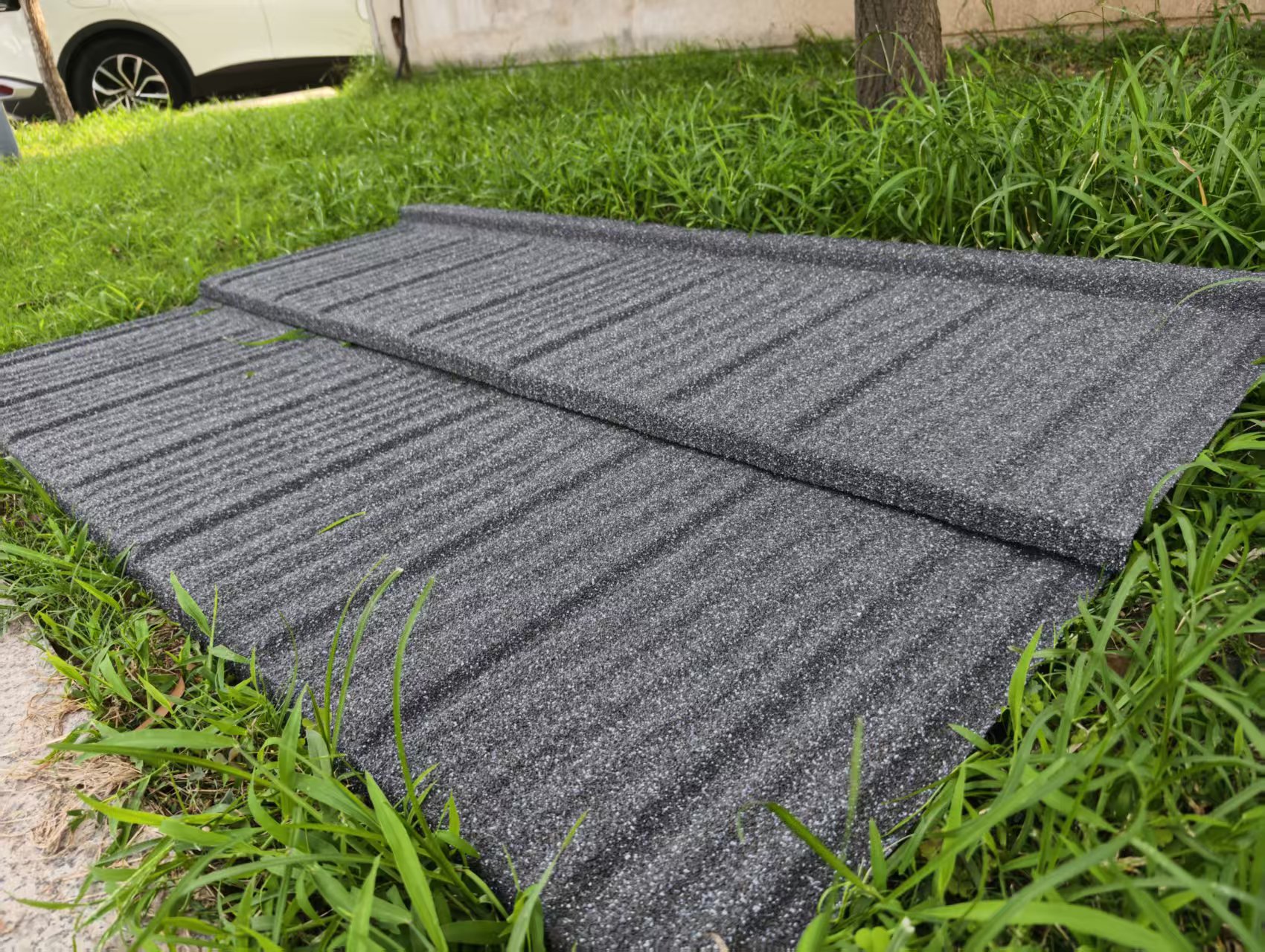
To properly answer is stone coated roofing fire resistant, it is important to understand the material structure. Stone coated roofing sheets are built on a steel substrate, which is inherently non-combustible. On top of that, layers of protective coating and natural stone granules provide additional resistance to heat and flame exposure.
In most certified systems, stone coated roofing can achieve a Class A fire rating, which is the highest classification in many international standards. This means the material can resist severe fire exposure, limit flame spread, and reduce the risk of ignition.
However, it is critical to note that fire resistance is evaluated as a system. The roofing panel, underlayment, and installation method must work together to achieve the expected performance.
Non-Combustible Core Material
The steel base does not burn or contribute to fire spread, making it a strong foundation for fire-resistant roofing.
Protective Stone Granule Layer
The outer stone coating helps shield the steel from direct flame and reduces heat transfer.
System Certification Requirements
Fire ratings depend on the complete roofing assembly, not just the visible surface.
Real-World Fire Performance: What Contractors Should Expect
From a field perspective, is stone coated roofing fire resistant is best answered by how the system performs under real conditions. In wildfire-prone regions or industrial environments, roofing materials must resist not only direct flames but also airborne embers and prolonged heat exposure.
Stone coated roofing systems generally perform well in these scenarios, particularly when properly installed with compatible accessories and sealing methods.
Resistance to Flame Spread
The combination of steel and stone granules helps prevent flames from spreading across the roof surface.
Protection Against Embers
The interlocking installation method reduces gaps where embers could enter, improving overall fire resistance.
Thermal Stability
The material maintains structural integrity under high temperatures, unlike some combustible alternatives.
How Roofing Design and Profile Affect Fire Resistance
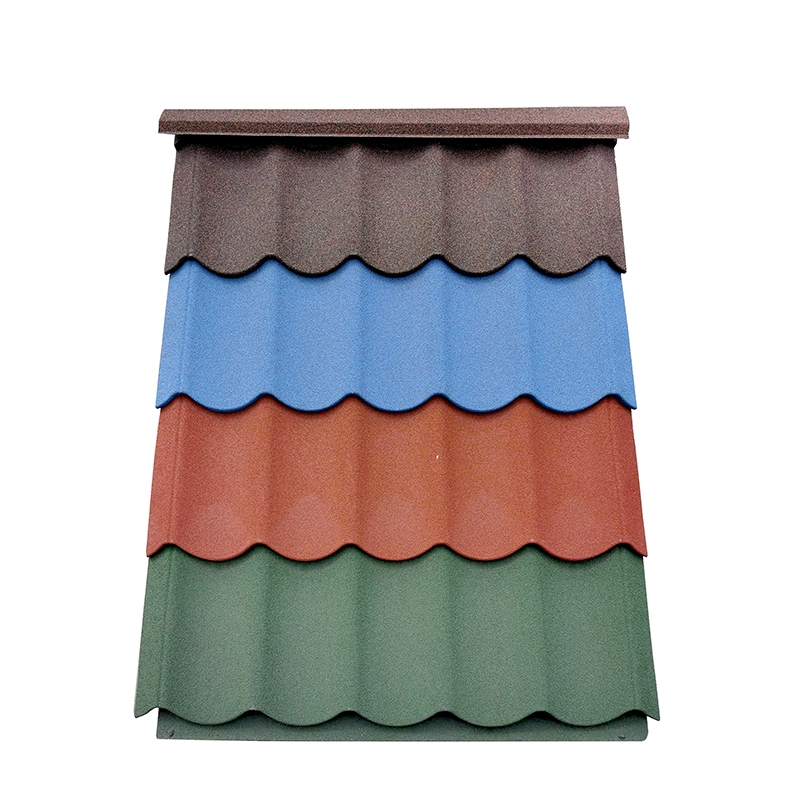
Although material composition is the primary factor, roofing design and profile selection can influence how effectively the system resists fire. Airflow, overlap structure, and installation precision all contribute to overall performance.
In practical applications, contractors do not choose profiles based solely on appearance—they consider how each option behaves under environmental stress, including fire risk.
Application-Based Observations
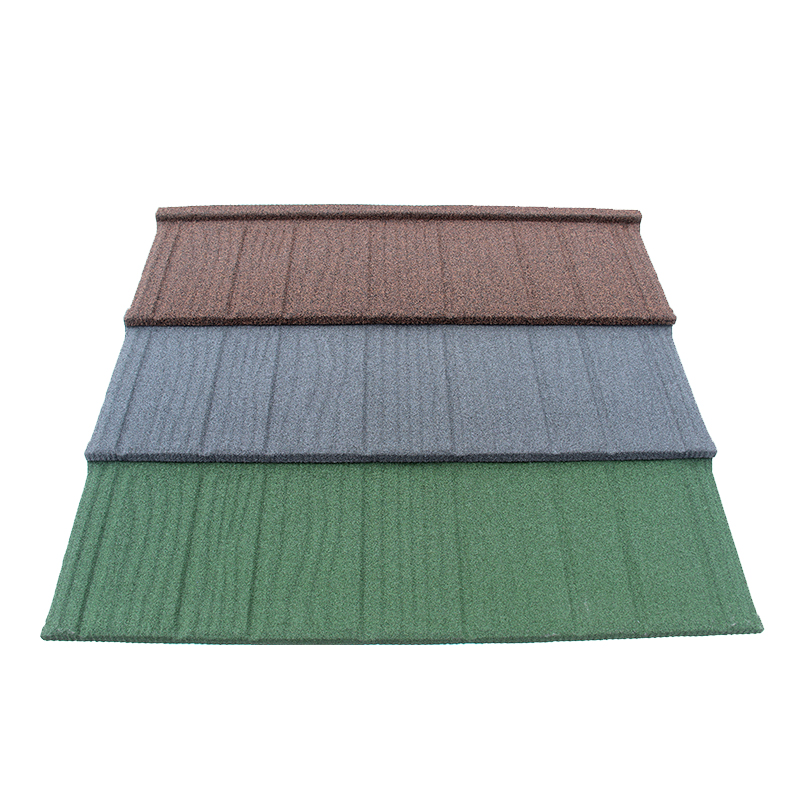
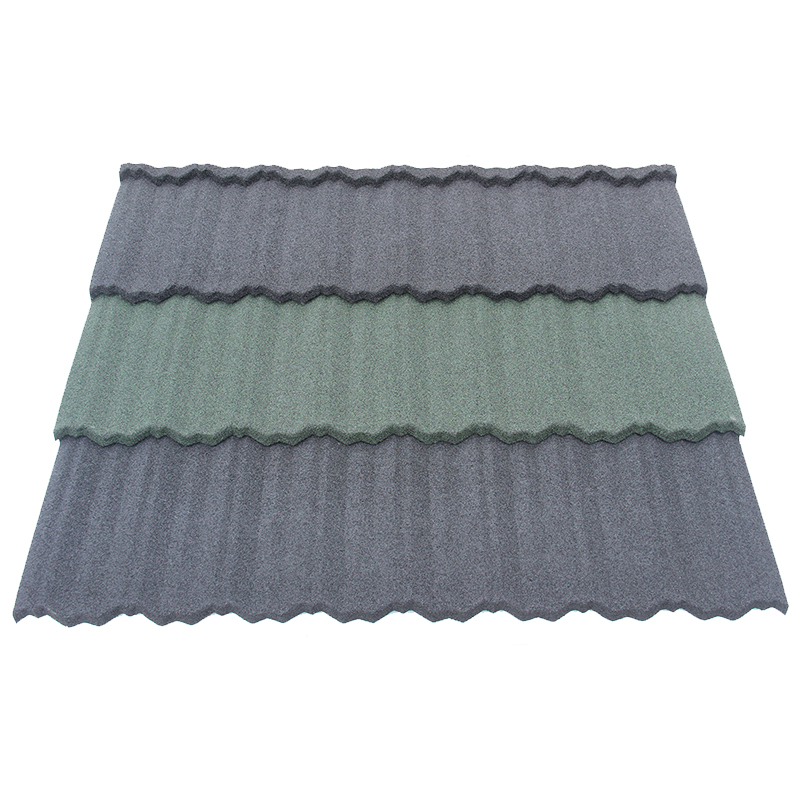
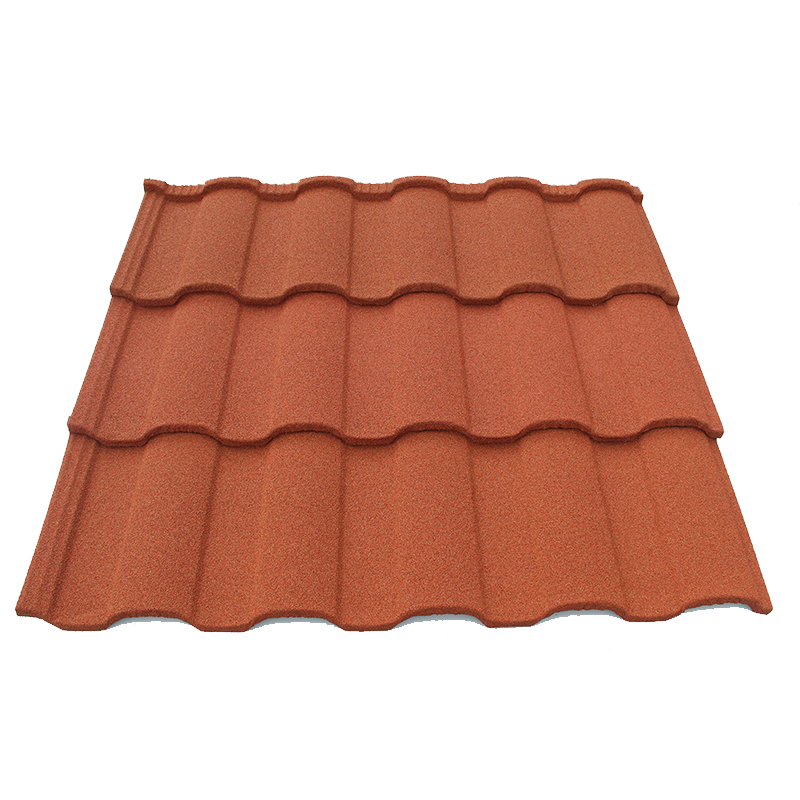
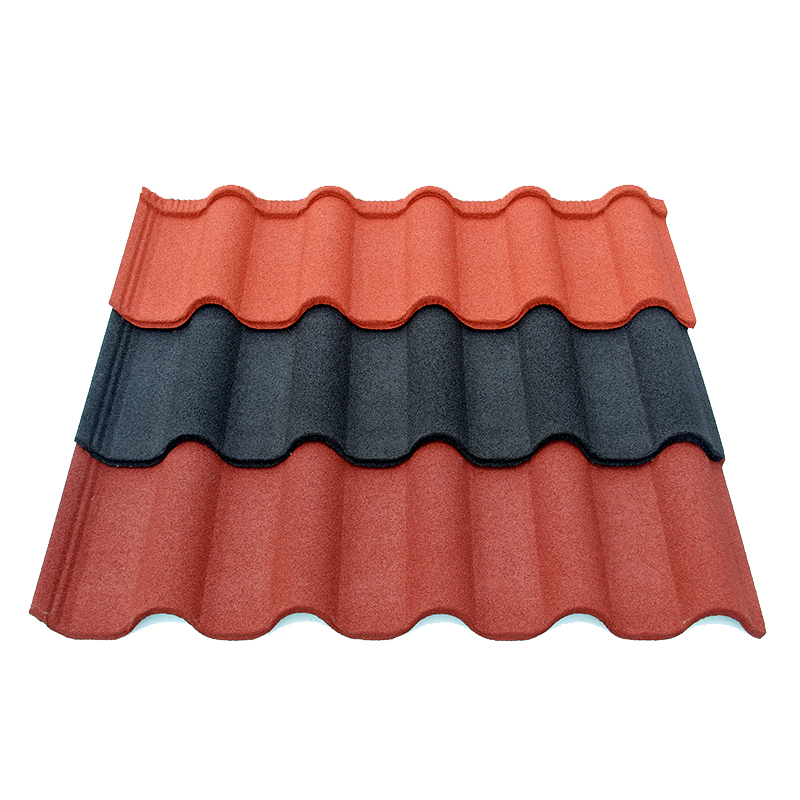
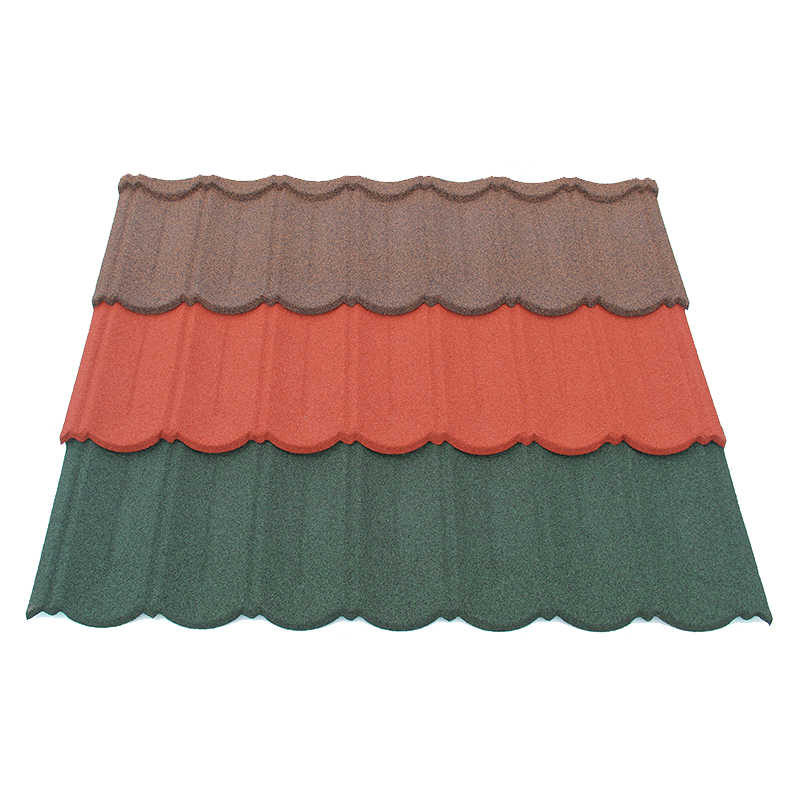
In large residential developments, contractors often use Bond Tile because its interlocking structure helps minimize exposed gaps, reducing the chance of ember penetration.
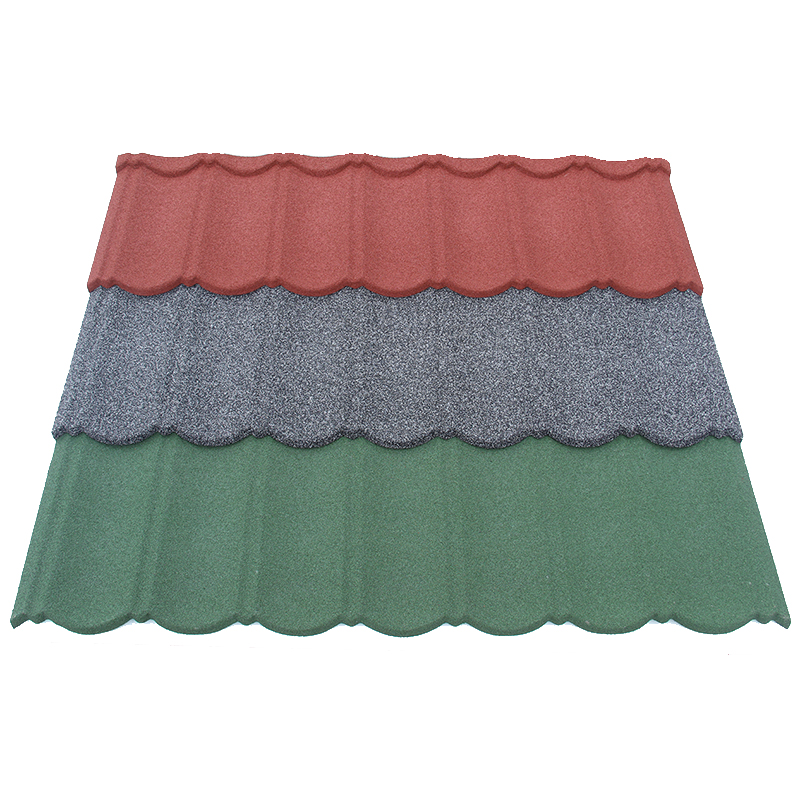
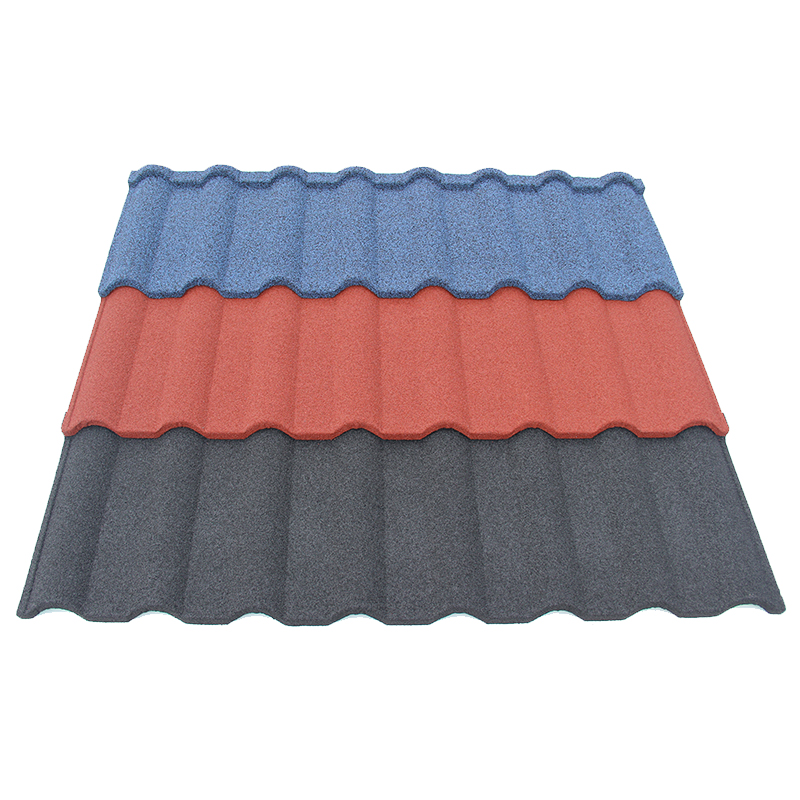
For projects in areas with both heavy rainfall and fire concerns, deeper-profile systems such as Roman Tile are commonly selected, as they provide effective drainage while maintaining stable installation.
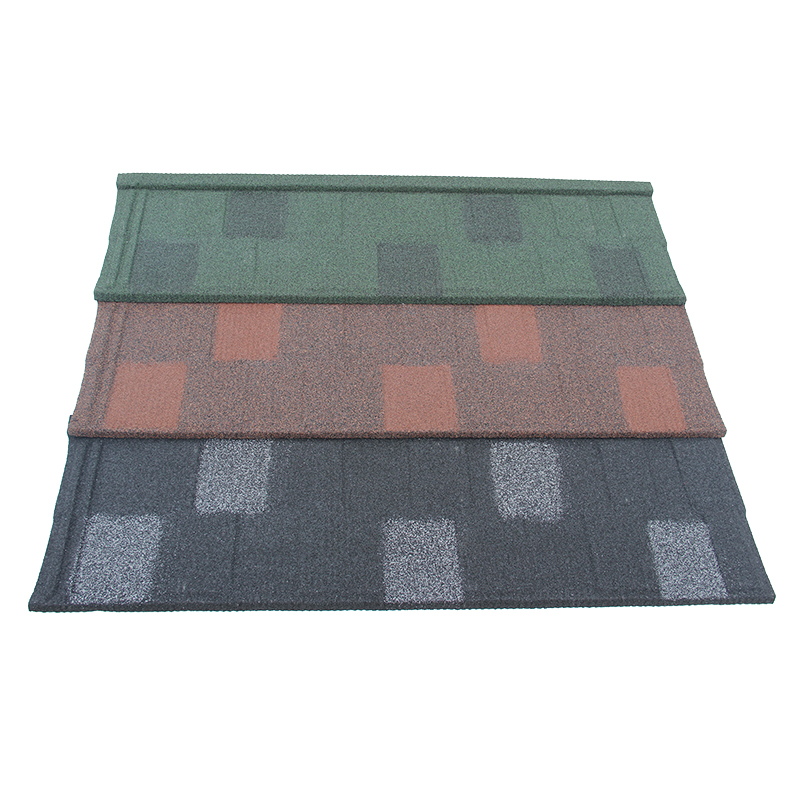
In renovation or lightweight construction projects, Shingle Tile is often chosen for its balanced performance and ease of installation, while still maintaining acceptable fire resistance when installed correctly.
For modern architectural designs, Milano Tile may be used, but careful attention to sealing and installation detail is required to maintain fire performance standards.
Comparison with Other Roofing Materials
To better understand is stone coated roofing fire resistant, comparing it with other common materials provides useful context. This helps buyers evaluate whether it meets project-specific safety requirements.
| Material | Fire Rating | Combustibility | Key Limitation |
|---|---|---|---|
| Stone Coated Steel | Class A | Non-combustible | Depends on system installation |
| Asphalt Shingles | Class A/B | Partially combustible | Can degrade under heat |
| Wood Shingles | Low | Combustible | High fire risk |
| Clay Tiles | High | Non-combustible | Heavy structural load |
Common Misunderstandings About Fire Resistance
Many buyers and project planners misunderstand what fire resistance actually means in roofing systems. These misconceptions can lead to incorrect product selection or unrealistic expectations.
Clarifying these points is essential for making informed decisions in both procurement and project design.
“Fire Resistant Means Fireproof”
No roofing system is completely fireproof. Fire-resistant materials are designed to slow down fire spread and reduce ignition risk.
“All Metal Roofs Perform Equally”
Fire performance depends on coatings, installation quality, and system design—not just the base metal.
“Roofing Alone Ensures Fire Safety”
Fire resistance is influenced by the entire building system, including insulation and structural components.
Practical Sourcing Advice for B2B Buyers
For contractors and distributors, evaluating is stone coated roofing fire resistant should be part of a broader risk management strategy. Instead of relying solely on product claims, buyers should verify certifications, test standards, and supplier consistency.
In the industry, manufacturers such as JCROOF are often referenced for providing complete roofing systems that meet fire safety requirements, including compatible accessories and installation guidelines. This system-based approach helps ensure that the expected fire performance is achieved in real projects.
Recommended Procurement Approach
- Verify Class A fire rating certification
- Ensure compatibility of underlayment and accessories
- Work with experienced installation teams
- Align product selection with local building codes
Conclusion: Is Stone Coated Roofing Fire Resistant?
So, is stone coated roofing fire resistant? Yes—when properly manufactured and installed as part of a complete roofing system, it offers strong fire resistance and meets high safety standards.
For B2B buyers, the key is to evaluate fire performance as part of the entire roofing solution rather than focusing on a single material feature. With the right sourcing and installation approach, stone coated roofing provides a reliable option for projects where fire safety is a priority.