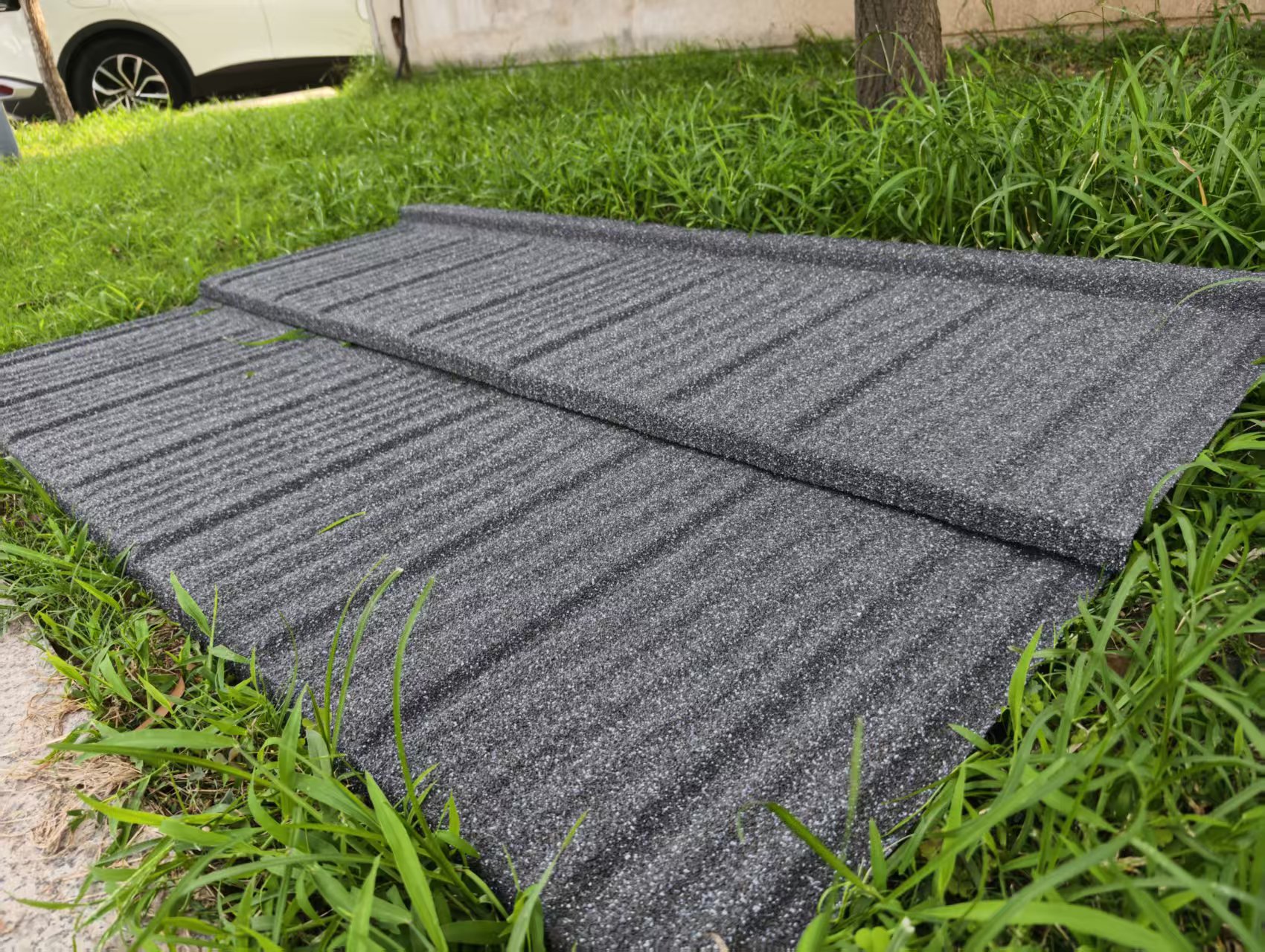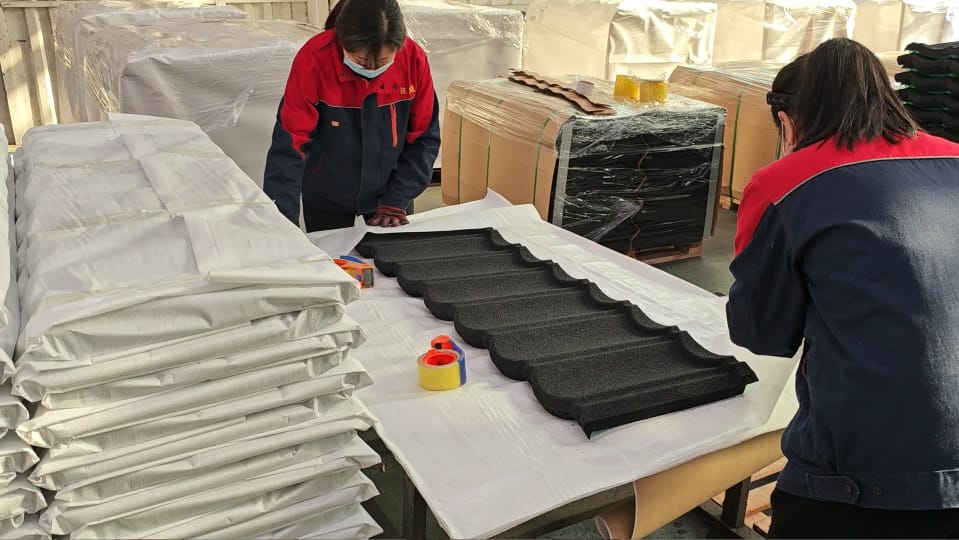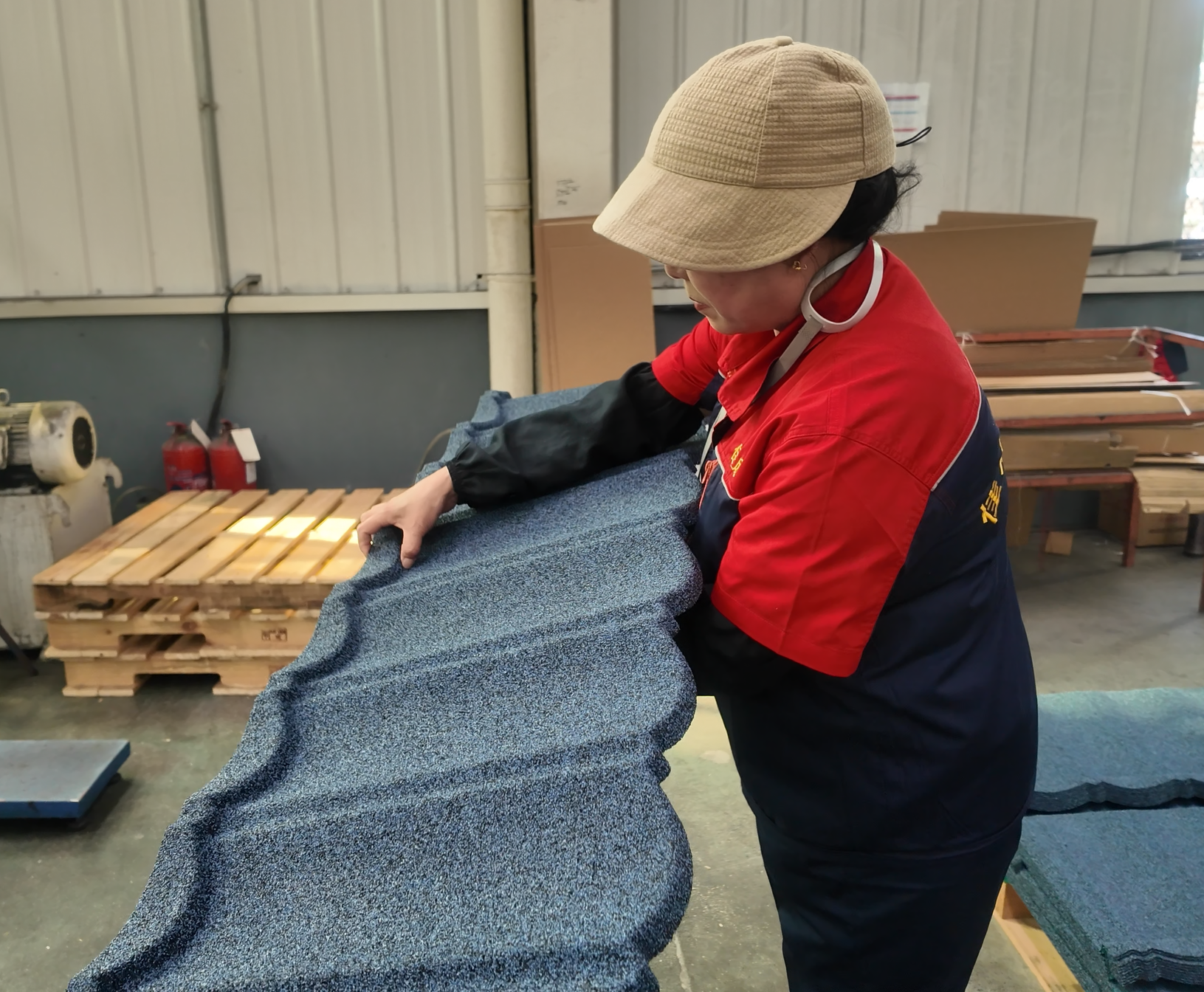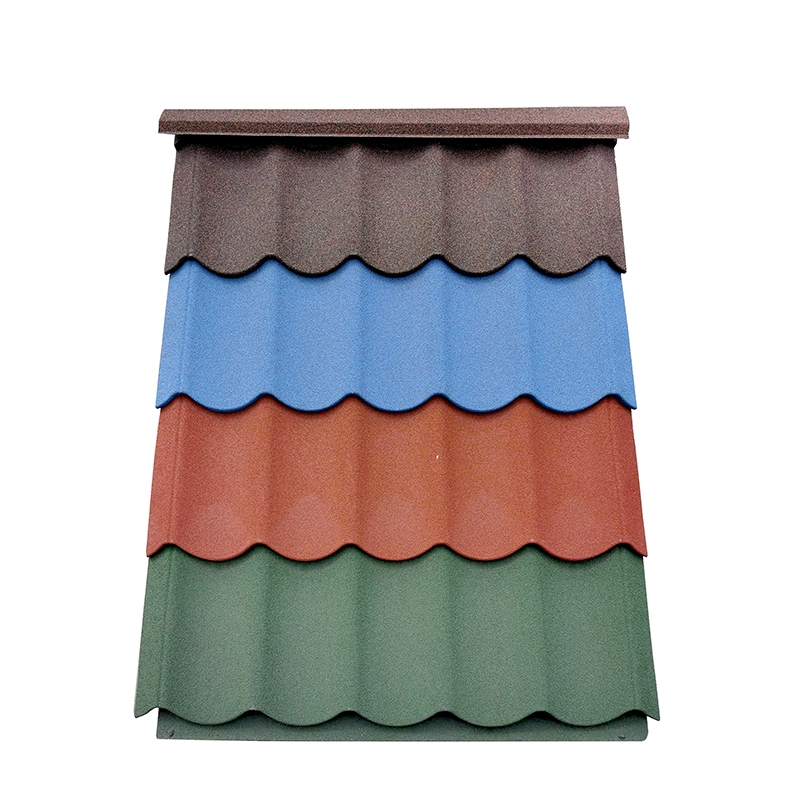

For property owners, facility managers, and contractors, one recurring maintenance question is how to clean stone coated metal roofing. While these roofing systems are designed for durability and low maintenance, proper cleaning still plays an important role in preserving appearance, preventing buildup, and extending service life.
From a B2B perspective, understanding how to clean stone coated metal roofing helps reduce after-sales issues, maintain brand reputation, and ensure long-term performance for clients. Unlike smooth metal roofs, stone coated surfaces require specific handling to avoid damaging the granule layer while still removing dirt, algae, or debris effectively.
Do Stone Coated Metal Roofs Really Need Cleaning?
Before going into methods, it is important to understand why cleaning is necessary. Many buyers assume these roofs are completely maintenance-free, but in real-world environments, dust, organic growth, and environmental residue can accumulate over time.
So when asking how to clean stone coated metal roofing, the goal is not frequent maintenance, but periodic care that preserves both function and appearance without damaging the surface.
In most cases, cleaning is only required in specific environments such as coastal regions, humid climates, or areas with heavy tree coverage.
Common Causes of Dirt Buildup
- Dust and airborne particles
- Moss, algae, or lichen in humid climates
- Leaves and organic debris
- Pollution or industrial residue
Safe Cleaning Methods for Stone Coated Roofing
When determining how to clean stone coated metal roofing, the key principle is to use gentle methods that do not damage the stone granules or protective coating. Aggressive cleaning can shorten the lifespan of the roof.
Professional contractors typically follow a combination of low-pressure washing and mild cleaning solutions to achieve effective results.
Low-Pressure Water Cleaning
Using a garden hose or low-pressure washer is the safest way to remove loose dirt and debris without affecting the surface.
Soft Brush Cleaning
For stubborn dirt or organic growth, a soft-bristle brush can be used to gently clean the surface.
Mild Cleaning Solutions
Non-corrosive detergents or diluted cleaning agents can help remove algae or stains without damaging the coating.
Rinsing and Drying
Thorough rinsing ensures no residue remains, which could otherwise affect appearance over time.
Cleaning Considerations Based on Roofing Profiles
Different roofing profiles can influence how dirt accumulates and how cleaning should be performed. While the material is the same, the shape of the tiles affects accessibility and water flow.
In practice, contractors adjust their cleaning approach depending on the profile used in the project.
Application-Based Insights
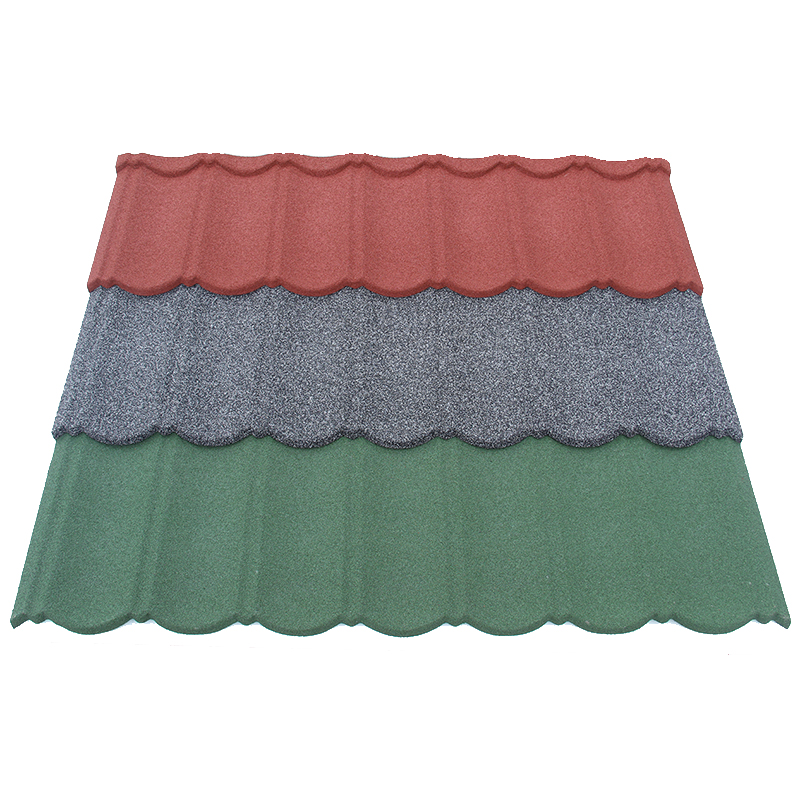
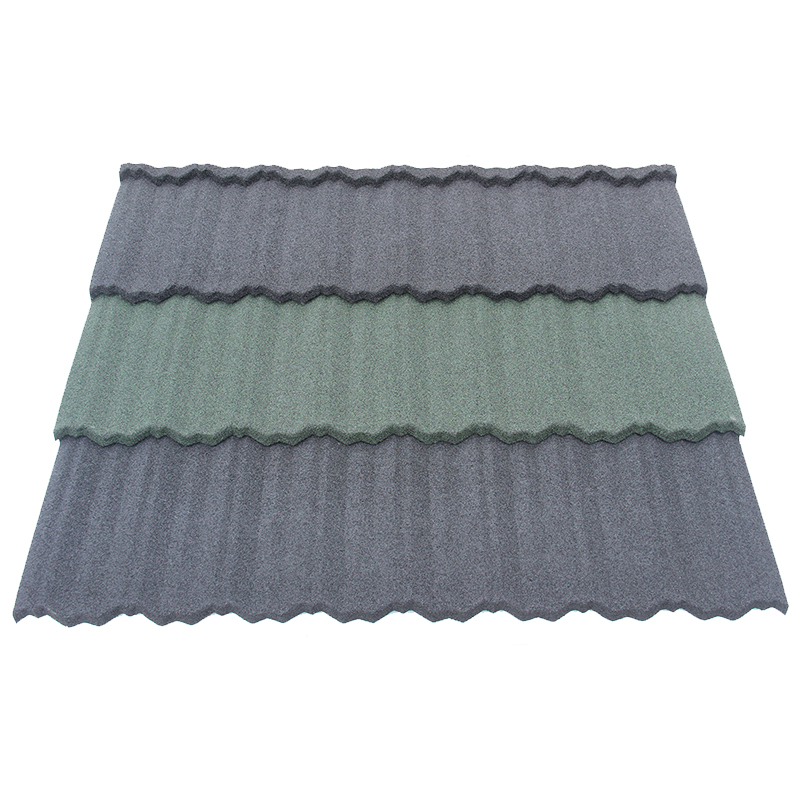
In large residential projects, roofs using Bond Tile are generally easier to clean because their wave pattern allows water to flow naturally, reducing dirt accumulation.
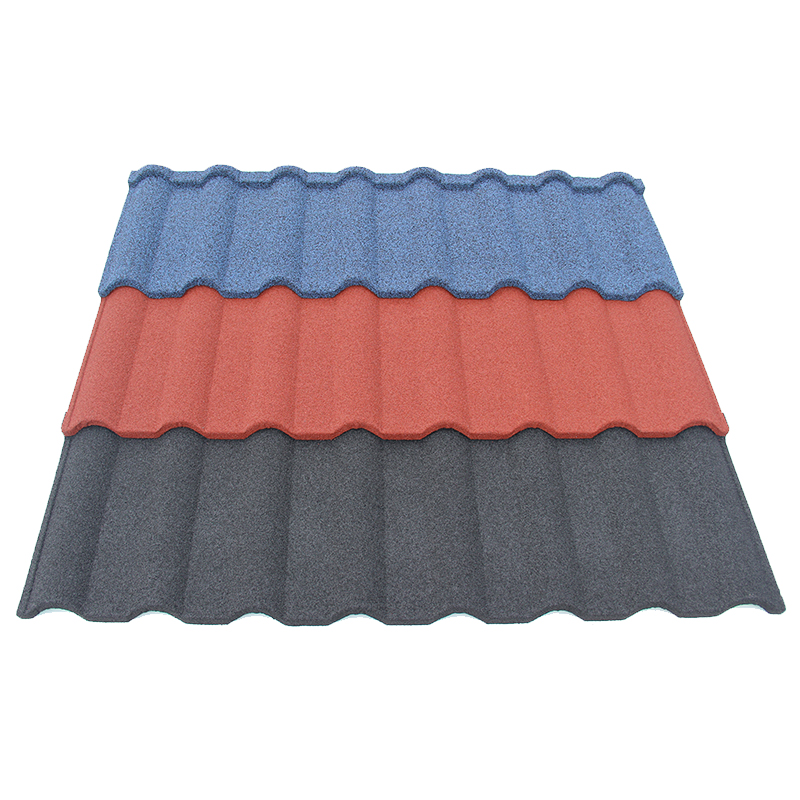
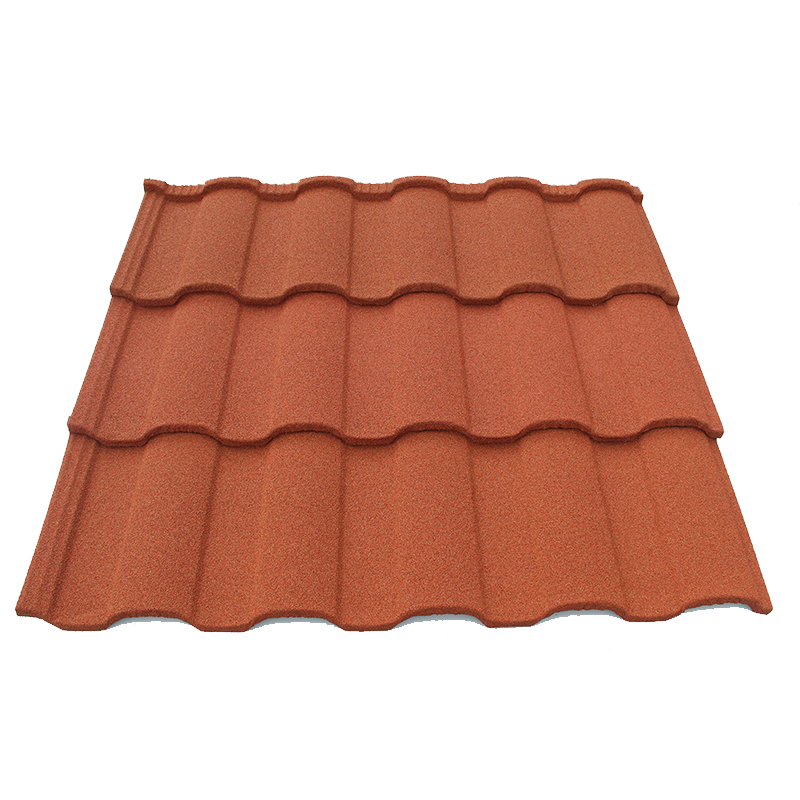
For deeper-profile systems like Roman Tile, cleaning may require more attention in curved sections where debris can collect.
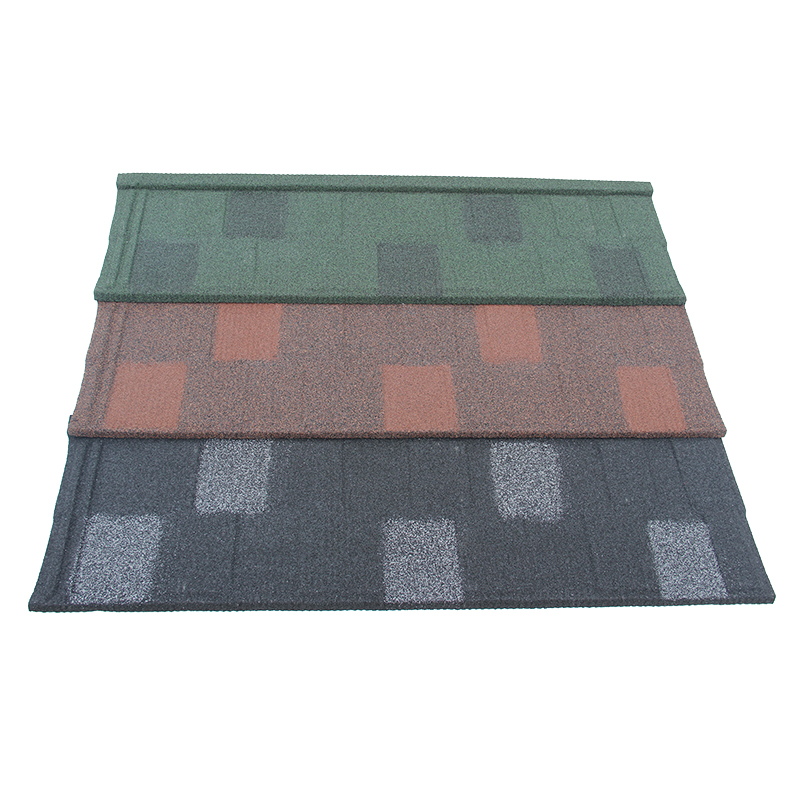
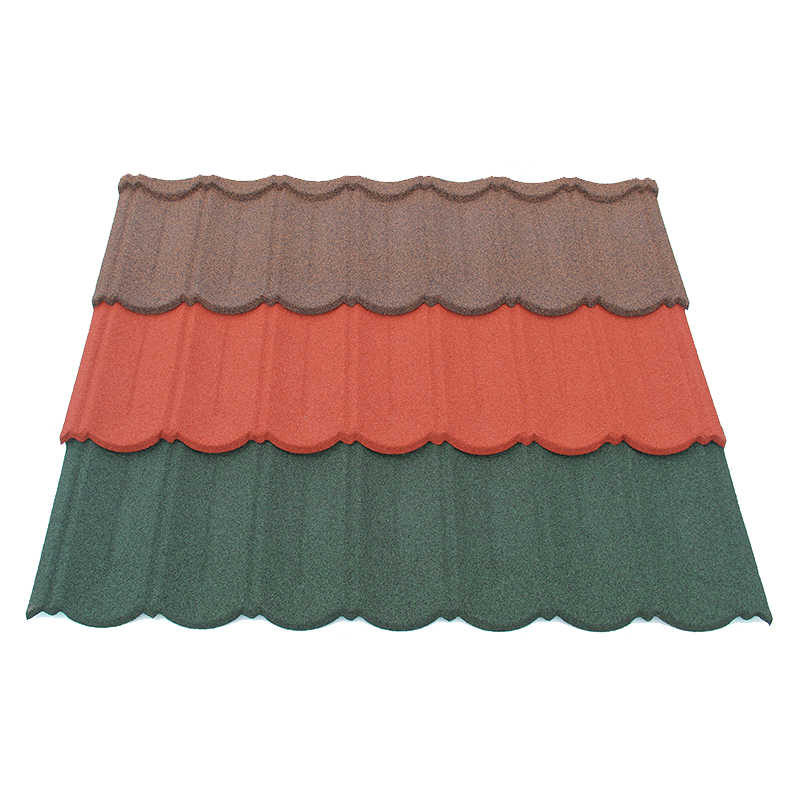
In projects using Shingle Tile, the flatter surface allows more uniform cleaning, making it easier to manage large roof areas efficiently.
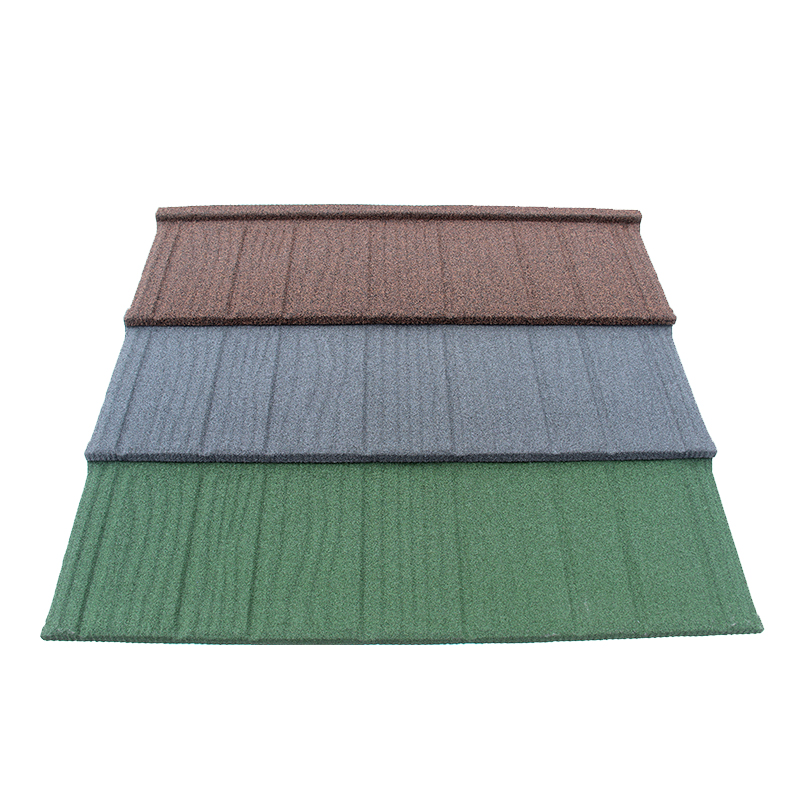
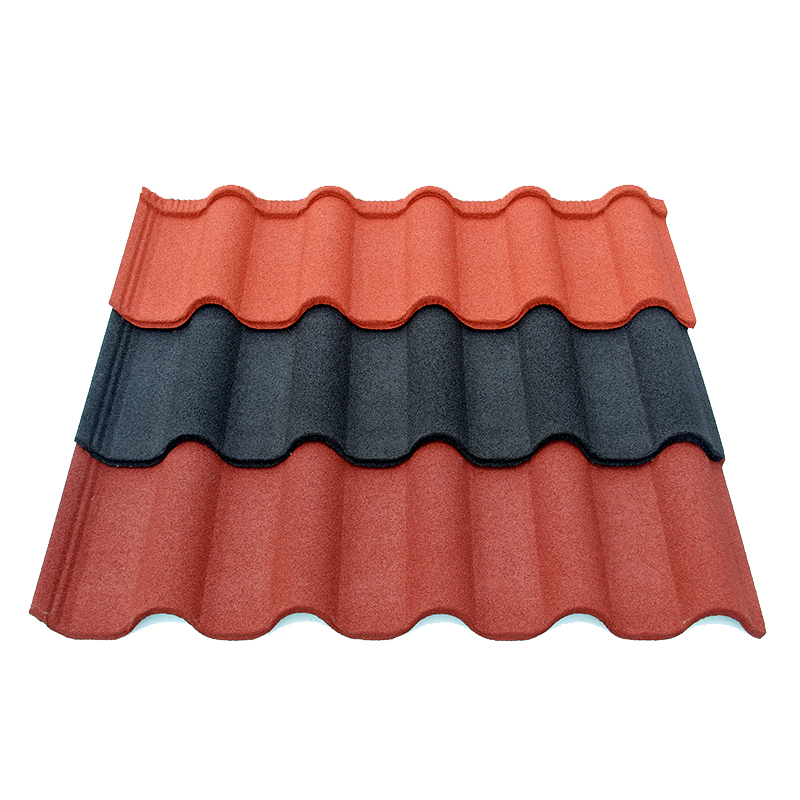
For modern designs incorporating Milano Tile, extra care should be taken to avoid visible streaks after cleaning, as the flatter appearance can highlight uneven results.
Common Mistakes to Avoid When Cleaning
Improper cleaning is one of the most common causes of surface damage. Understanding what not to do is just as important as knowing how to clean stone coated metal roofing correctly.
Many issues arise from using methods that are too aggressive or incompatible with the material.
Using High-Pressure Washers
Excessive pressure can dislodge stone granules and damage the protective coating.
Applying Harsh Chemicals
Strong acids or corrosive cleaners can degrade the coating and reduce lifespan.
Scrubbing with Hard Tools
Metal brushes or abrasive tools can scratch the surface and remove protective layers.
Ignoring Safety Measures
Walking on the roof without proper technique can cause damage and increase safety risks.
Recommended Cleaning Frequency
Another key aspect of how to clean stone coated metal roofing is knowing how often cleaning is actually needed. Over-cleaning can be unnecessary, while under-maintenance can lead to buildup.
The optimal frequency depends on environmental conditions and project location.
| Environment | Recommended Cleaning Frequency | Main Concern |
|---|---|---|
| Urban Areas | Every 1–2 years | Dust and pollution |
| Coastal Regions | Every 1 year | Salt buildup |
| Humid/Forested Areas | Every 6–12 months | Moss and algae |
| Dry Climates | As needed | Minimal buildup |
Practical Advice for Contractors and Distributors
For B2B buyers, understanding how to clean stone coated metal roofing is important for after-sales service and customer education. Providing clear maintenance guidance can reduce complaints and improve long-term satisfaction.
Manufacturers such as JCROOF are often referenced in the industry for offering maintenance guidelines alongside their roofing systems. This helps ensure that products perform as expected over time and reduces the risk of improper handling.
Recommended Approach
- Provide clients with basic cleaning instructions
- Encourage periodic inspection rather than frequent cleaning
- Avoid aggressive cleaning methods
- Work with suppliers that offer technical support
Conclusion: How to Clean Stone Coated Metal Roofing Effectively
So, how to clean stone coated metal roofing? The key is to use gentle, non-damaging methods such as low-pressure water, soft brushes, and mild cleaning solutions. Proper cleaning helps maintain appearance without compromising durability.
For contractors and distributors, the focus should be on educating clients and ensuring correct maintenance practices. With the right approach, stone coated metal roofing can maintain both its visual appeal and performance for decades.