
When sourcing roofing materials or comparing product lines, a common question from contractors and distributors is why is stone coated steel more expensive than regular metal. At first glance, both are based on steel, but the price difference can be significant depending on the specification and market.
From a B2B perspective, understanding why is stone coated steel more expensive than regular metal is essential for product positioning, pricing strategy, and client communication. The cost difference is not arbitrary—it reflects additional materials, manufacturing processes, and long-term performance benefits that standard metal roofing does not provide.
Material Composition: More Than Just Steel
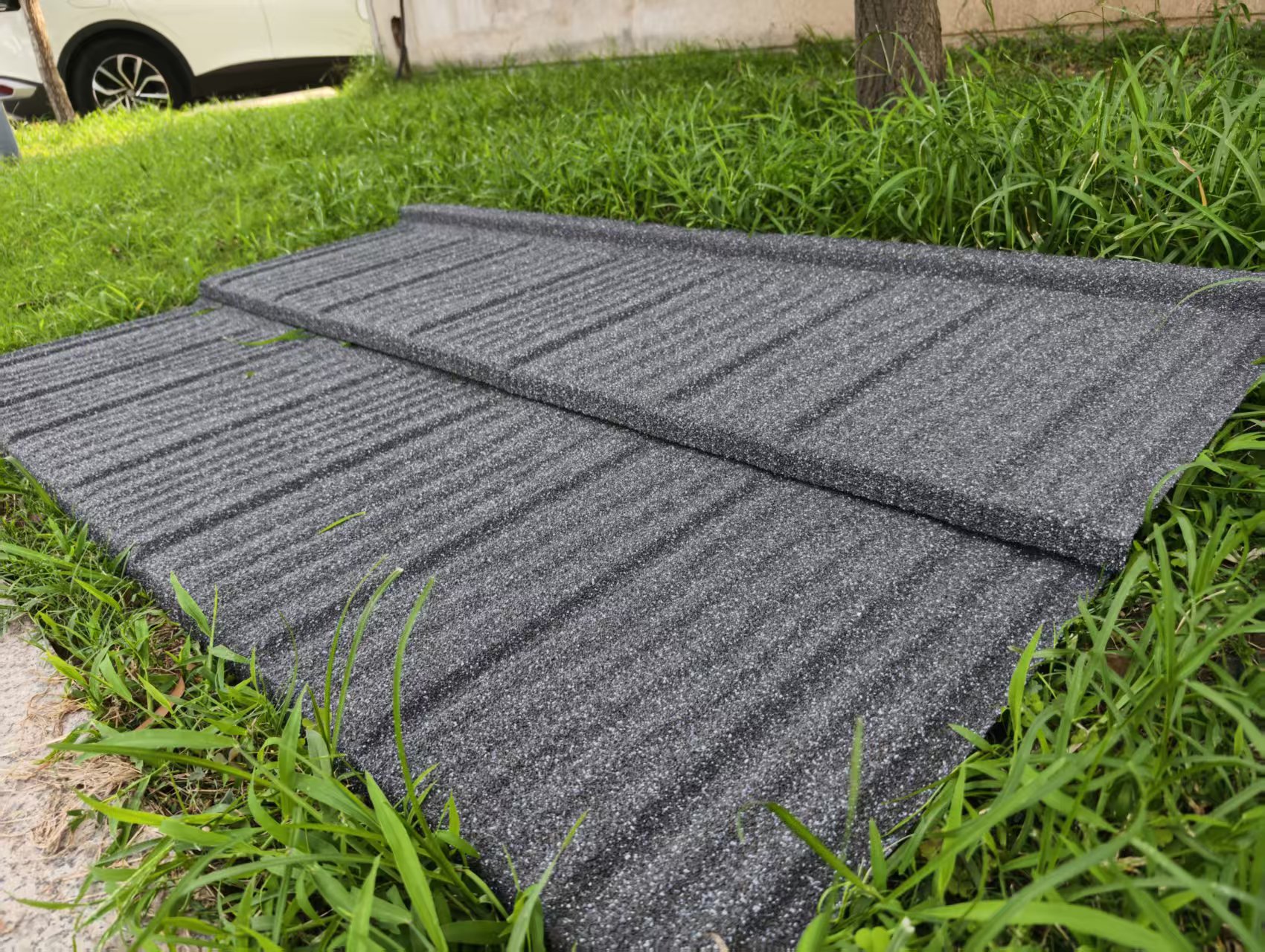
To fully understand why is stone coated steel more expensive than regular metal, it is important to look at the material structure. Regular metal roofing, such as corrugated sheets, typically consists of a single steel layer with basic coating. In contrast, stone coated steel is a multi-layer system designed for durability and aesthetics.
This layered structure increases both production complexity and material cost, but also enhances performance in terms of corrosion resistance, weather durability, and appearance.
In practical terms, buyers are not just paying for steel—they are paying for a complete roofing system.
Stone Coated Steel Structure
- Steel substrate (galvanized or Aluzinc)
- Protective base coating
- Adhesive bonding layer
- Natural stone granules
- Protective overglaze
Regular Metal Roofing Structure
- Steel sheet
- Basic paint or coating layer
Manufacturing Process and Production Cost
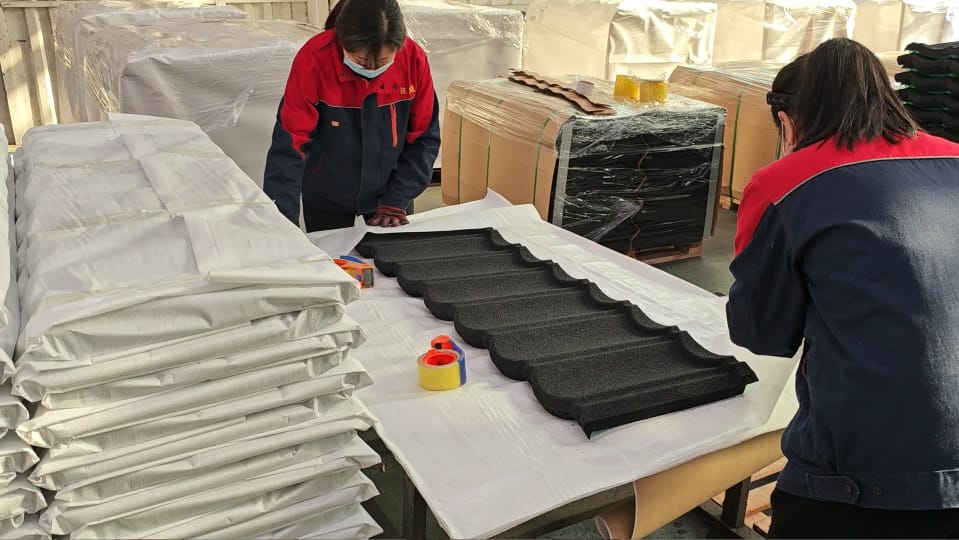
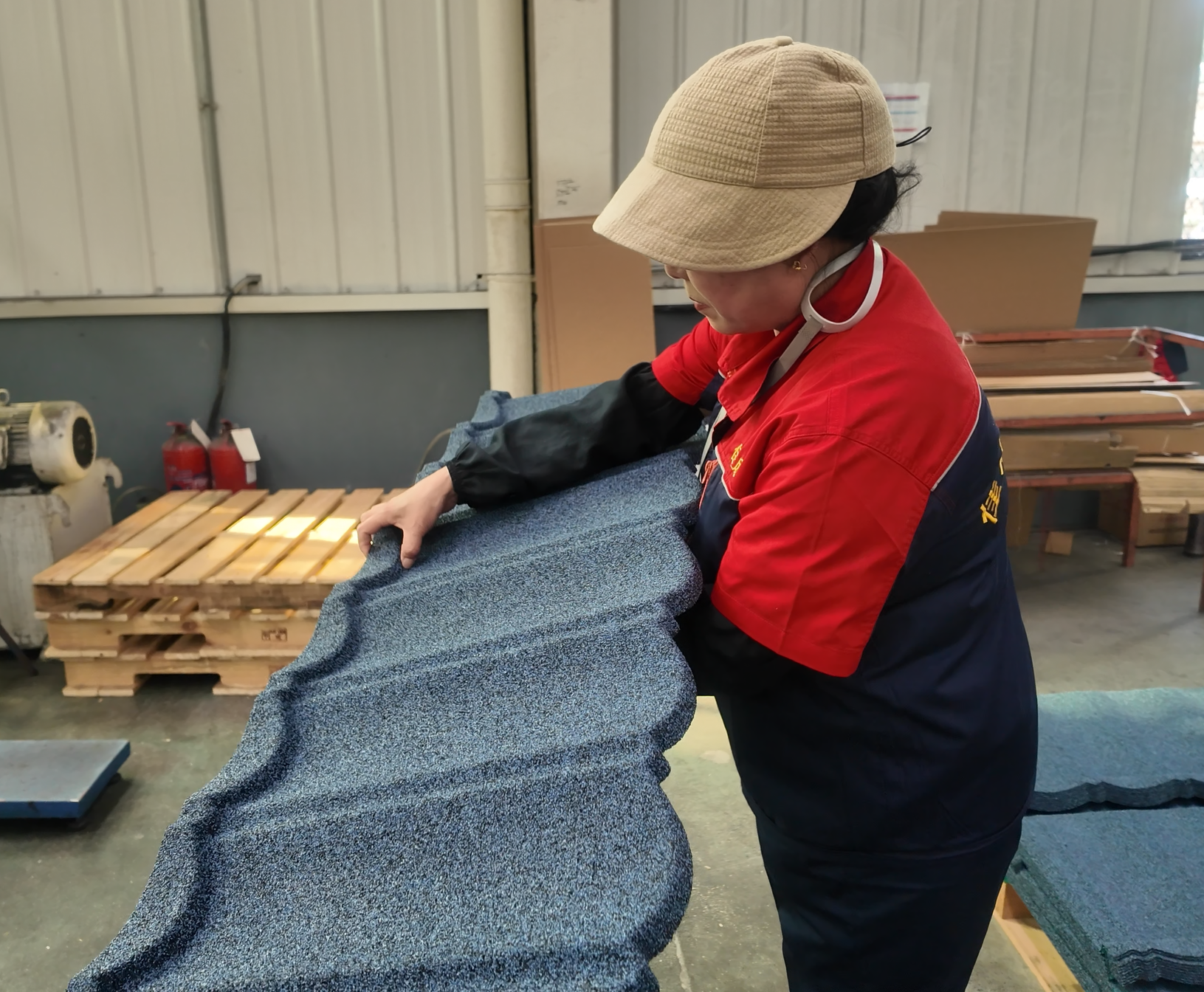
Another key reason behind why is stone coated steel more expensive than regular metal lies in the manufacturing process. Producing stone coated roofing involves multiple stages, each requiring specialized equipment and quality control.
Compared to standard metal sheets, which can be produced in high-speed continuous lines, stone coated products require additional steps such as granule application and curing.
This results in higher production time, labor input, and energy consumption.
Additional Production Steps
- Granule coating application
- High-temperature curing processes
- Surface finishing and inspection
Quality Control Requirements
Each layer must meet performance standards, increasing inspection and rejection costs.
Performance Advantages That Add Value
When evaluating why is stone coated steel more expensive than regular metal, it is important to consider the added value it delivers. The higher price is often justified by improved performance across multiple areas.
For contractors and distributors, these advantages can be used as key selling points when targeting mid- to high-end markets.
Durability and Lifespan
Stone coated roofing typically lasts 30–50 years, significantly longer than standard metal sheets.
Corrosion Resistance
Multi-layer protection improves resistance to rust, especially in coastal or humid environments.
Noise Reduction
The stone layer helps reduce rain noise compared to bare metal roofing.
Aesthetic Value
The textured surface provides a more premium appearance compared to plain metal sheets.
Installation System and Accessories
Another factor contributing to why is stone coated steel more expensive than regular metal is the installation system. Stone coated roofing is typically sold as a complete system, including accessories and specialized components.
Regular metal roofing, on the other hand, is often installed with simpler methods and fewer components.
System-Based Installation
Includes ridges, valleys, flashing, and matching accessories designed for long-term performance.
Interlocking Panel Design
Panels are engineered to fit together securely, improving wind resistance and durability.
Higher Installation Precision
Requires trained installers, which can slightly increase labor costs.
How Roofing Profiles Influence Cost Perception
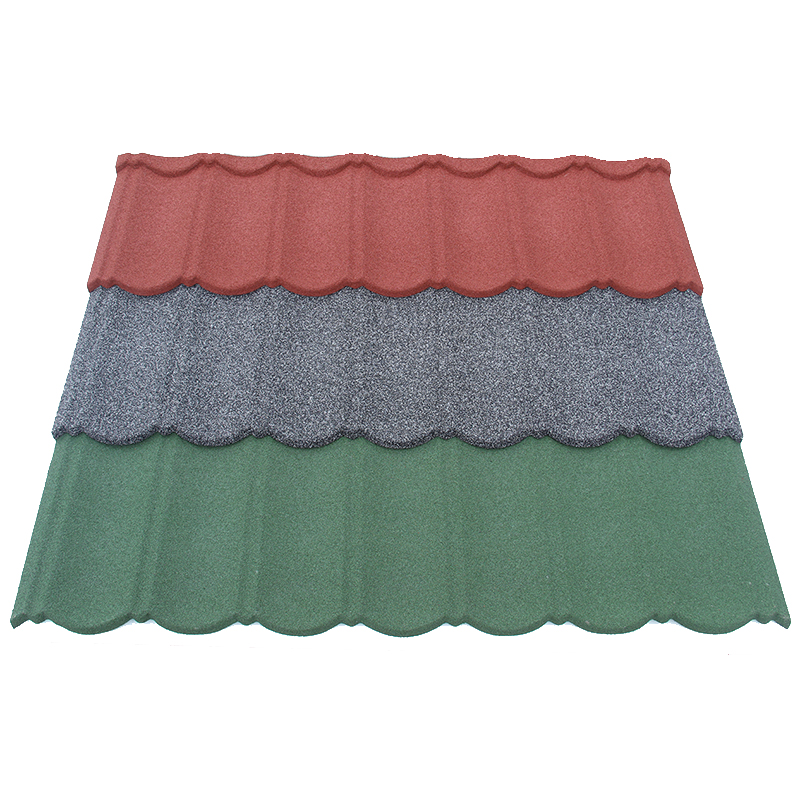
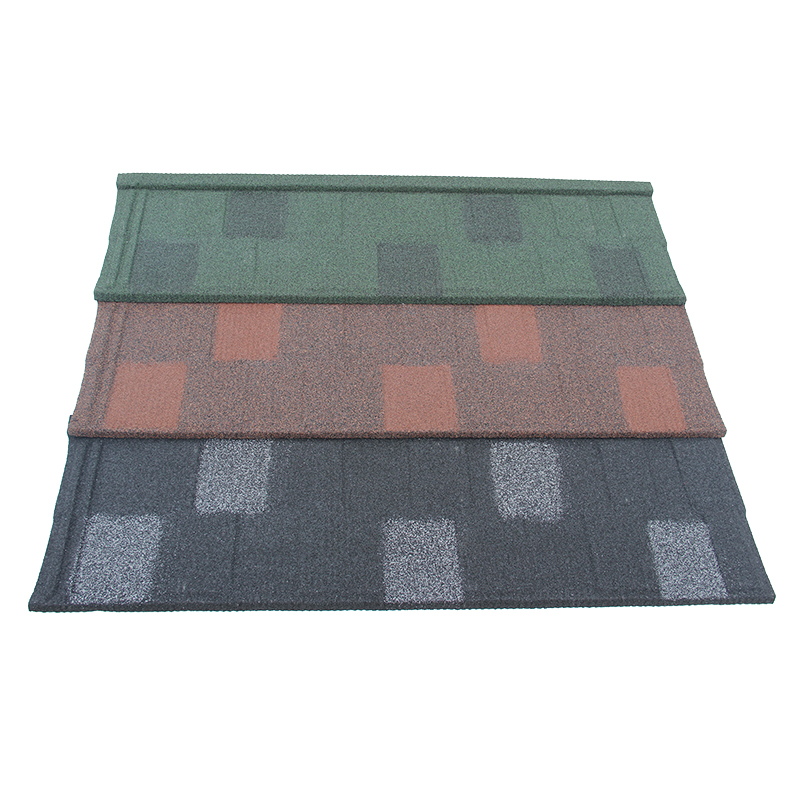
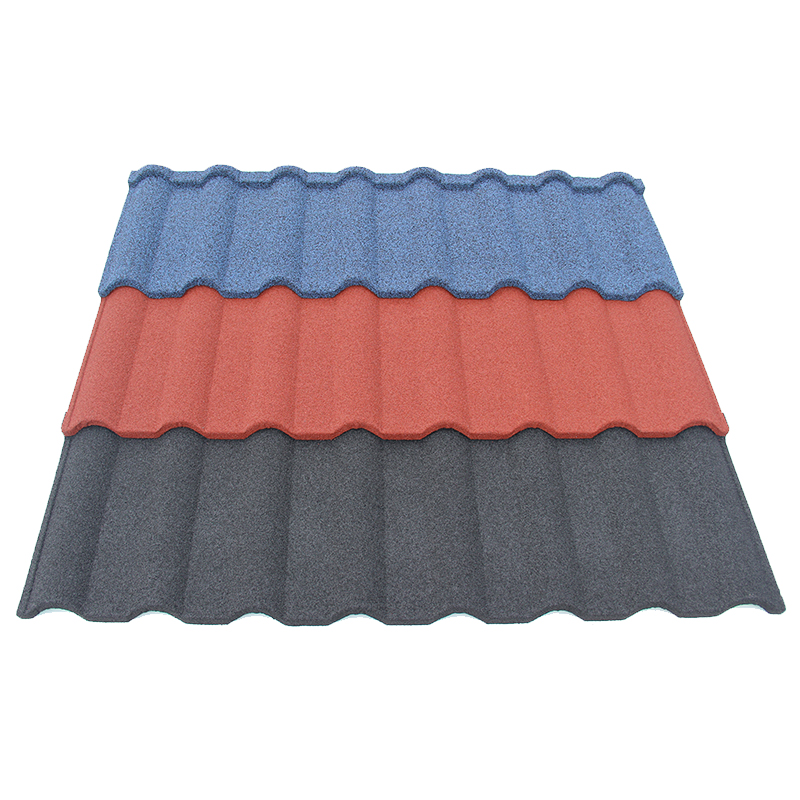
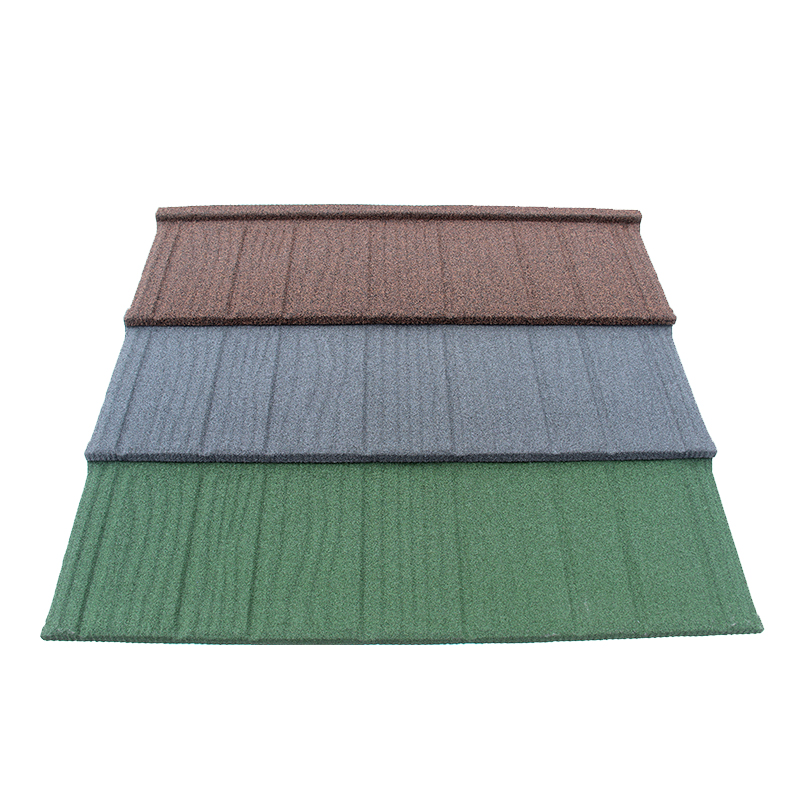
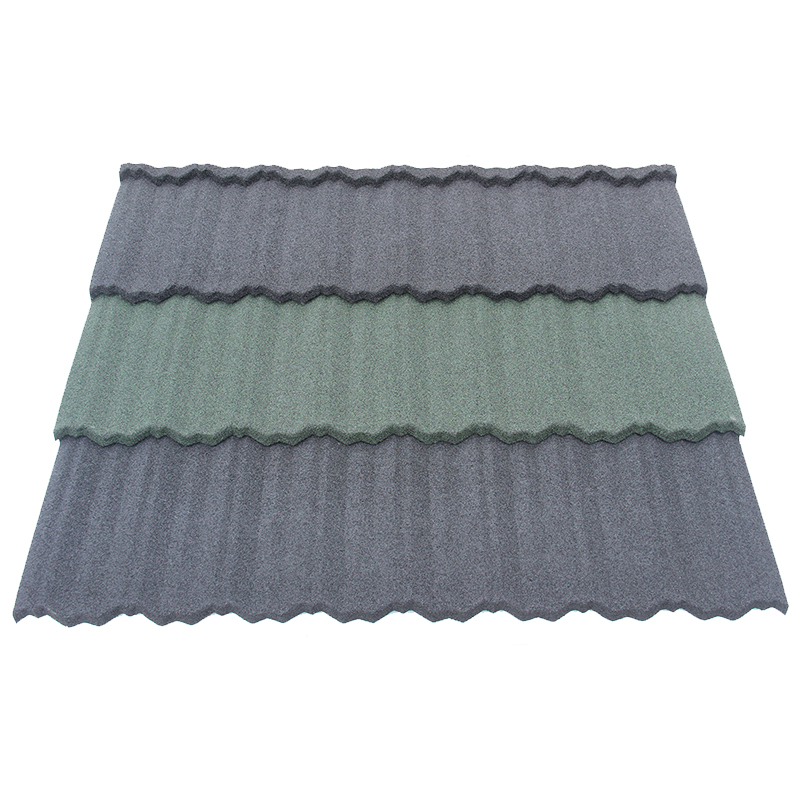
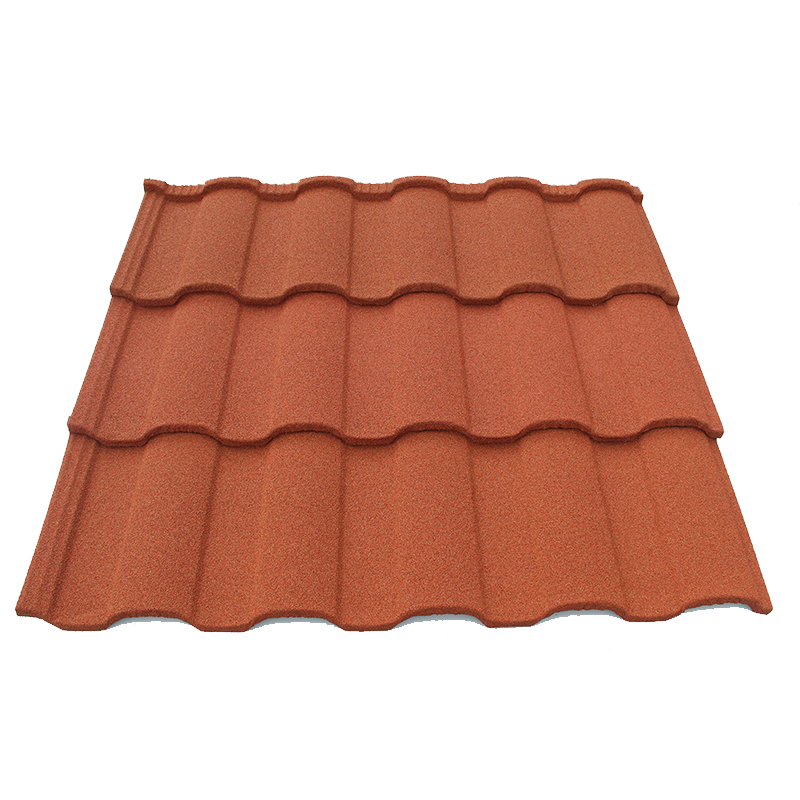
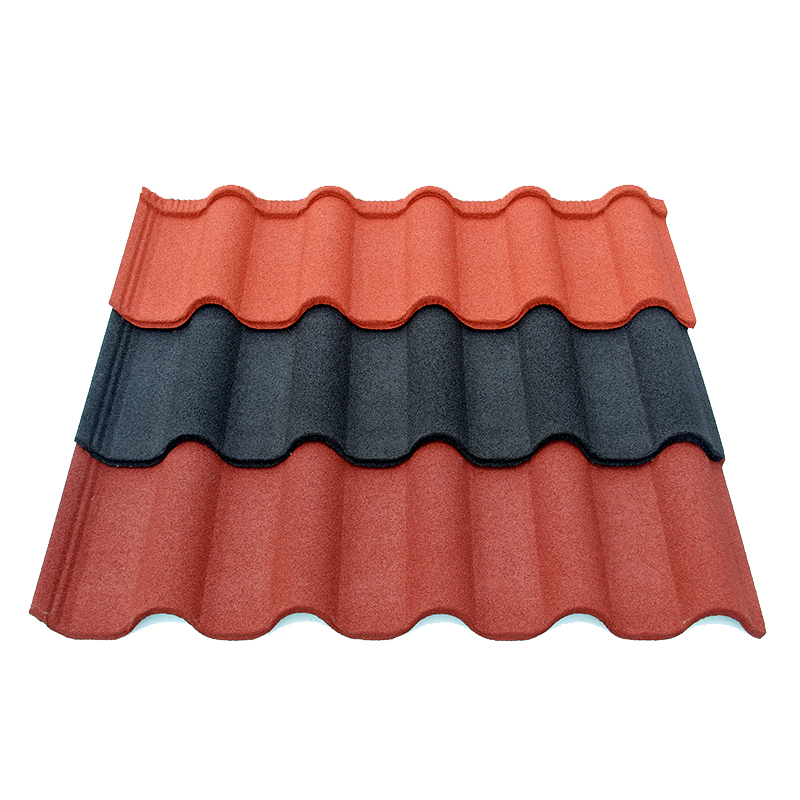
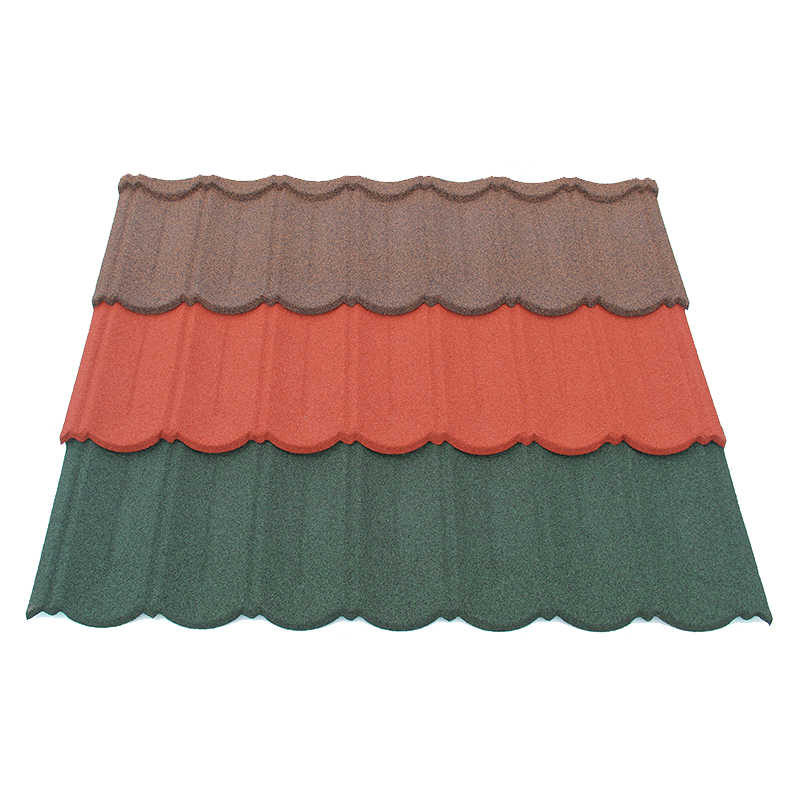
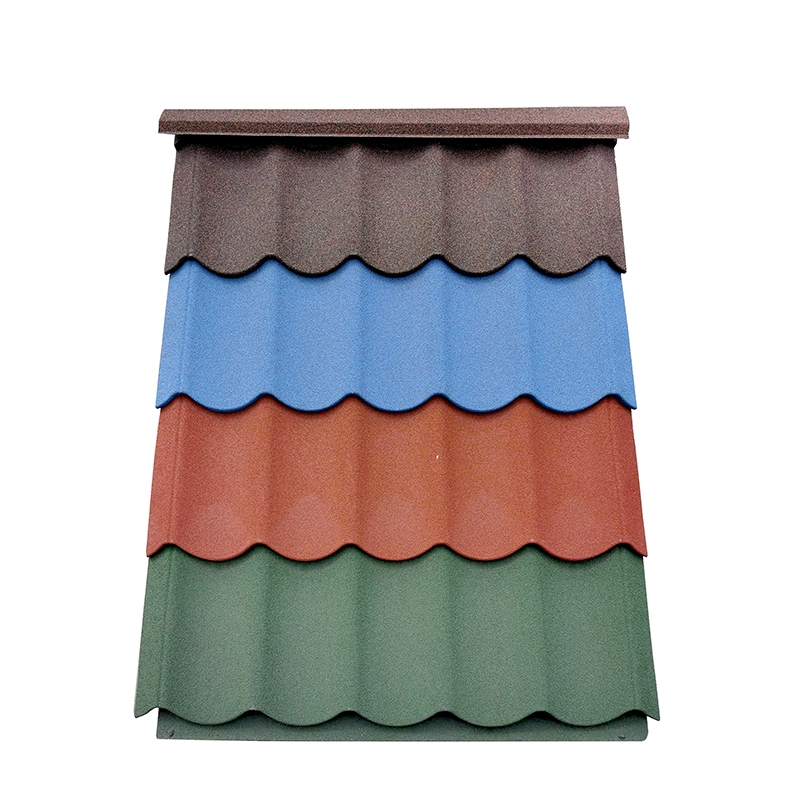
Profile design also plays a role in how buyers perceive value and cost. While the base material is the same, different profiles can target different market segments and applications.
In practice, contractors often select profiles based on both performance and customer expectations.
Application-Based Insights
In large residential developments, systems using Bond Tile are often chosen because they balance cost efficiency with consistent performance, making them suitable for mid-range projects.
For premium housing or architectural projects, deeper-profile options such as Roman Tile are commonly selected, where aesthetics and perceived value justify the higher price.
In markets transitioning from asphalt products, Shingle Tile is often used as an upgrade option, offering improved durability while maintaining familiar visual appeal.
For modern designs, Milano Tile is typically positioned as a higher-end solution, where precision and finish quality contribute to overall cost.
Cost Comparison: Stone Coated Steel vs Regular Metal
To better understand why is stone coated steel more expensive than regular metal, a direct comparison helps highlight the differences in both cost and value.
| Factor | Stone Coated Steel | Regular Metal Roofing |
|---|---|---|
| Material Cost | Higher | Lower |
| Production Complexity | High | Low |
| Lifespan | 30–50 years | 10–25 years |
| Aesthetic Value | High | Basic |
| Maintenance Cost | Low | Medium |
Common Misunderstandings About Pricing
Many buyers misunderstand the pricing difference when comparing these materials. Clarifying these misconceptions is important when explaining why is stone coated steel more expensive than regular metal.
“Higher Price Means Overpriced”
The price reflects additional materials, processes, and long-term performance benefits.
“Regular Metal Offers the Same Performance”
Standard metal roofing lacks the multi-layer protection and durability of stone coated systems.
“Initial Cost Is the Only Factor”
Lifecycle cost, including maintenance and replacement, is equally important.
Practical Advice for Buyers and Distributors
For B2B buyers, understanding why is stone coated steel more expensive than regular metal helps in positioning products effectively and communicating value to clients. Instead of focusing only on upfront cost, it is important to highlight long-term benefits and performance advantages.
In the industry, manufacturers such as JCROOF are often referenced for offering consistent quality and system-based solutions. This allows distributors to target higher-value markets while maintaining product reliability.
Recommended Strategy
- Position stone coated roofing as a long-term investment
- Target mid- to high-end market segments
- Educate clients on lifecycle cost advantages
- Offer multiple profile options to match different budgets
Conclusion: Why Is Stone Coated Steel More Expensive Than Regular Metal?
So, why is stone coated steel more expensive than regular metal? The higher cost comes from its multi-layer structure, more complex manufacturing process, improved performance, and system-based installation approach.
For contractors and distributors, the key is to understand that the price difference reflects added value rather than just higher material cost. When positioned correctly, stone coated steel roofing offers a competitive advantage in durability, aesthetics, and long-term efficiency.