

When comparing roofing systems for residential or commercial projects, one of the most common discussions is stone coated metal roof vs asphalt shingles. For contractors, distributors, and procurement teams, this comparison goes beyond appearance—it directly affects cost structure, installation strategy, durability, and long-term value.
From a B2B perspective, understanding stone coated metal roof vs asphalt shingles is essential when advising clients or positioning products in different markets. While both materials are widely used, they serve very different purposes depending on project requirements, climate conditions, and budget constraints.
Material Structure and Core Differences
To properly evaluate stone coated metal roof vs asphalt shingles, it is important to start with their material composition. These two systems are fundamentally different in how they are built and how they perform over time.
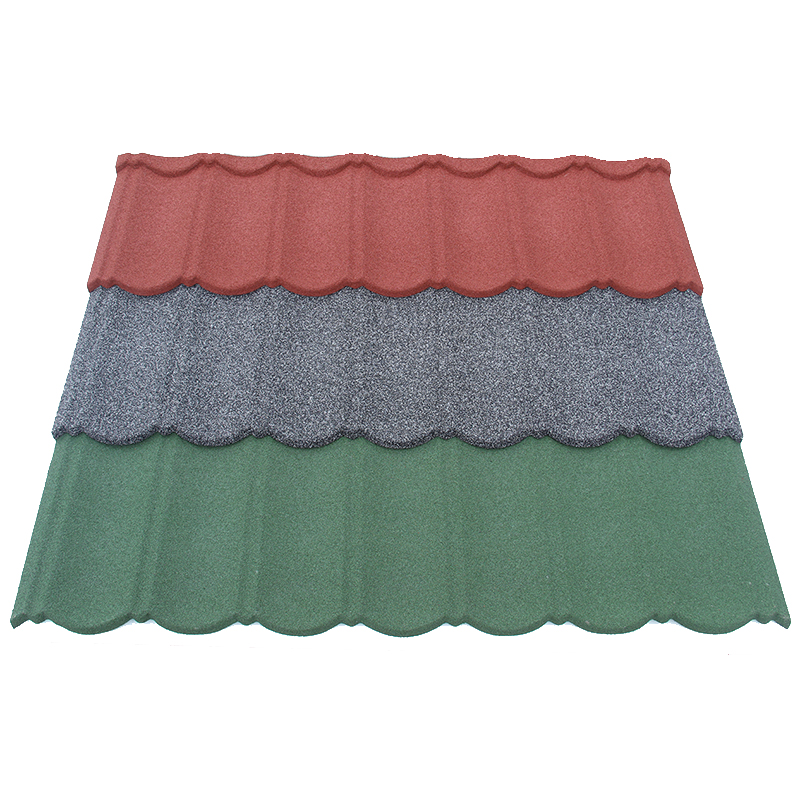
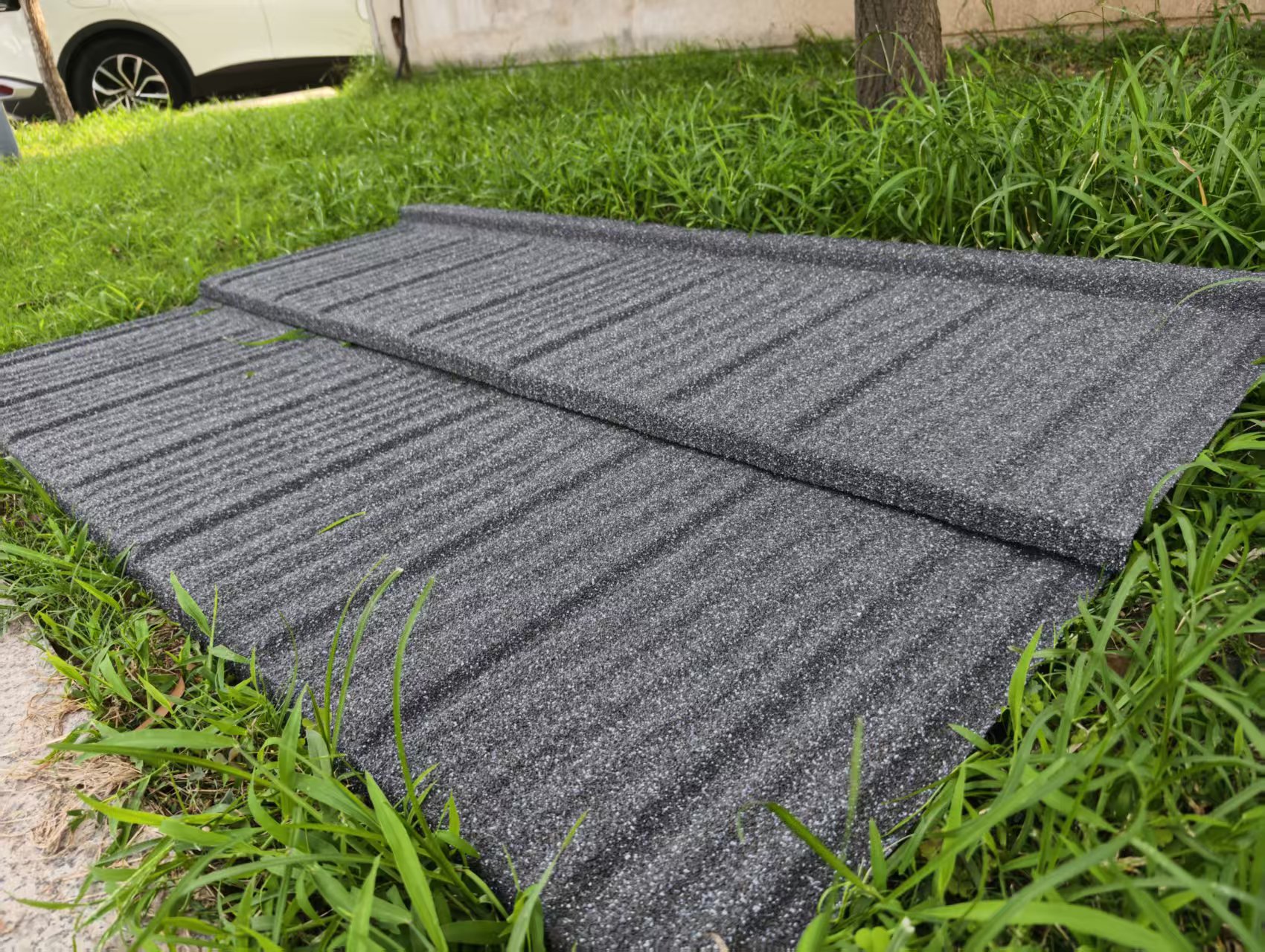
Stone coated roofing is based on a steel substrate with protective coatings and stone granules, while asphalt shingles are made from a fiberglass or organic base coated with asphalt and mineral granules.
This difference in structure directly influences durability, weight, and environmental resistance.
Stone Coated Metal Roofing
- Steel base with anti-corrosion coating
- Natural stone granule surface
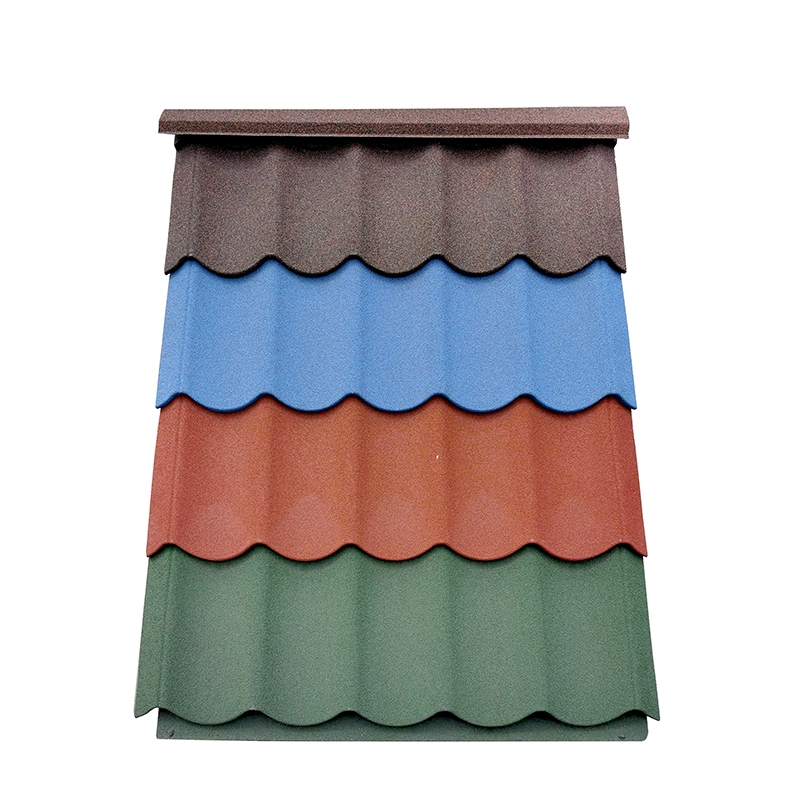
- Interlocking panel system
Asphalt Shingles
- Fiberglass or organic base
- Asphalt waterproof layer
- Layered installation system
Durability and Lifespan Comparison
One of the most important aspects of stone coated metal roof vs asphalt shingles is lifespan. For long-term projects, durability directly impacts return on investment and maintenance costs.
Stone coated metal roofing is designed for long-term performance, while asphalt shingles are typically considered a shorter-term solution.
| Material | Typical Lifespan | Maintenance Level | Replacement Frequency |
|---|---|---|---|
| Stone Coated Metal | 30–50 years | Low | Long-term |
| Asphalt Shingles | 15–25 years | Medium | More frequent |
For contractors managing large developments, fewer replacements mean lower lifecycle costs and less disruption for end users.
Cost Considerations: Upfront vs Long-Term Value
Cost is often the deciding factor when evaluating stone coated metal roof vs asphalt shingles. Asphalt shingles typically have a lower initial cost, making them attractive for budget-sensitive projects.
However, stone coated roofing offers better long-term value due to its durability and reduced maintenance requirements.
Asphalt Shingles
Lower upfront cost but higher long-term maintenance and replacement expenses.
Stone Coated Metal Roofing
Higher initial investment but lower lifecycle cost due to extended lifespan.
For distributors, this difference allows for positioning products in both entry-level and premium market segments.
Performance in Different Environmental Conditions
Another key factor in stone coated metal roof vs asphalt shingles is how each material performs under various environmental conditions. Climate plays a major role in determining which system is more suitable.
In many regions, durability under extreme conditions is more important than initial cost.
Wind Resistance
Stone coated roofing typically performs better in high-wind areas due to its interlocking system.
Fire Resistance
Steel-based roofing is non-combustible, offering better fire protection compared to asphalt.
UV and Heat Exposure
Stone coated systems maintain performance under strong sunlight, while asphalt can degrade over time.
Moisture Resistance
Both systems perform well when properly installed, but asphalt shingles may be more prone to long-term wear in humid environments.
Installation Complexity and Labor Requirements
Installation is another important aspect of stone coated metal roof vs asphalt shingles, especially for contractors managing labor efficiency and project timelines.
Asphalt shingles are generally easier and faster to install, while stone coated roofing requires more structured installation but offers greater long-term reliability.
Asphalt Shingles
- Simple installation process
- Lower labor skill requirement
- Faster project completion
Stone Coated Metal Roofing
- System-based installation
- Requires trained installers
- Higher installation precision
How Roofing Profiles Influence Selection
Beyond material type, profile design also plays a role in project selection. Contractors often choose specific profiles based on both functional and market preferences.
In real-world applications, profile choice is closely tied to project type and regional demand.
Application-Based Insights
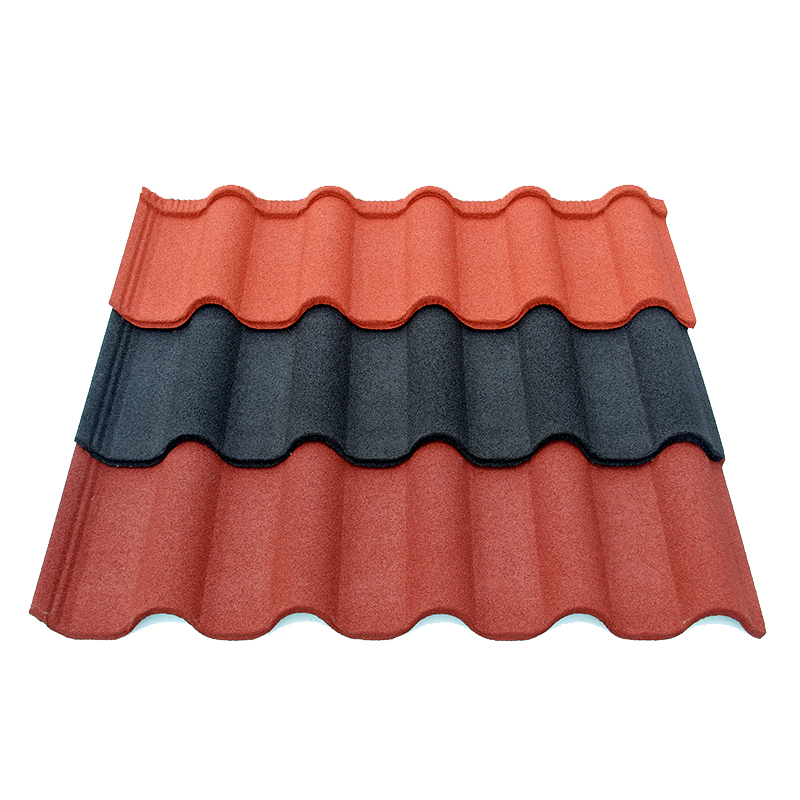
In large housing projects, systems using Bond Tile are commonly selected because they offer efficient coverage and consistent installation performance.
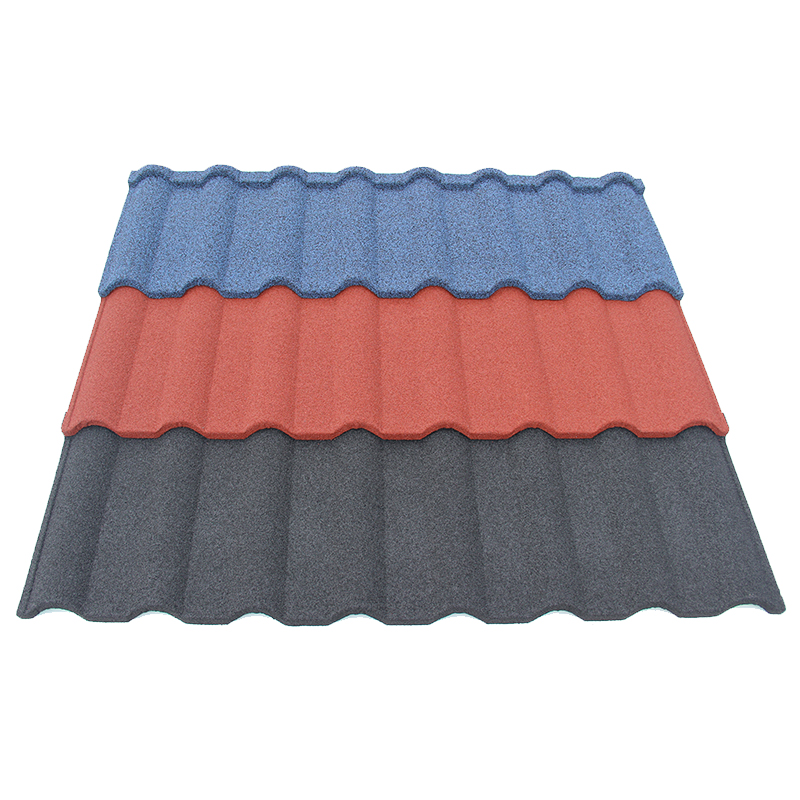
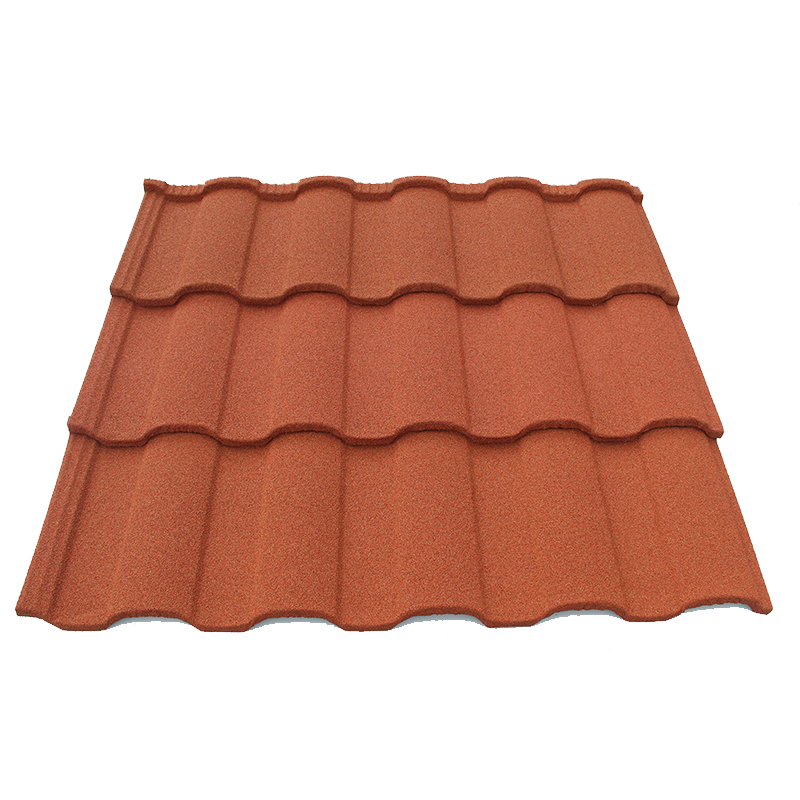
For projects targeting premium aesthetics, deeper-profile options such as Roman Tile are often chosen to create a more traditional appearance while maintaining durability.
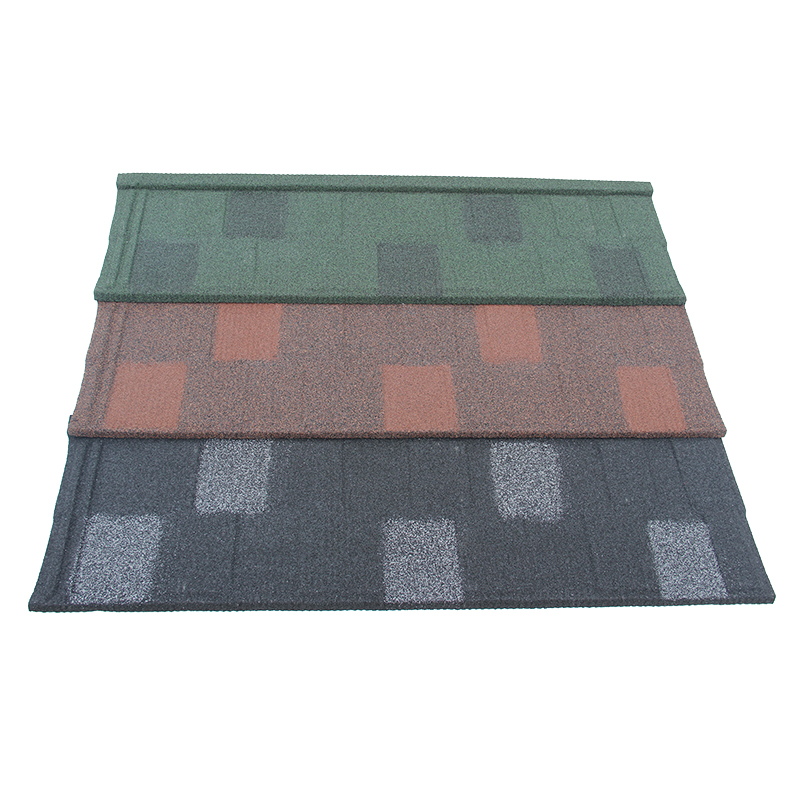
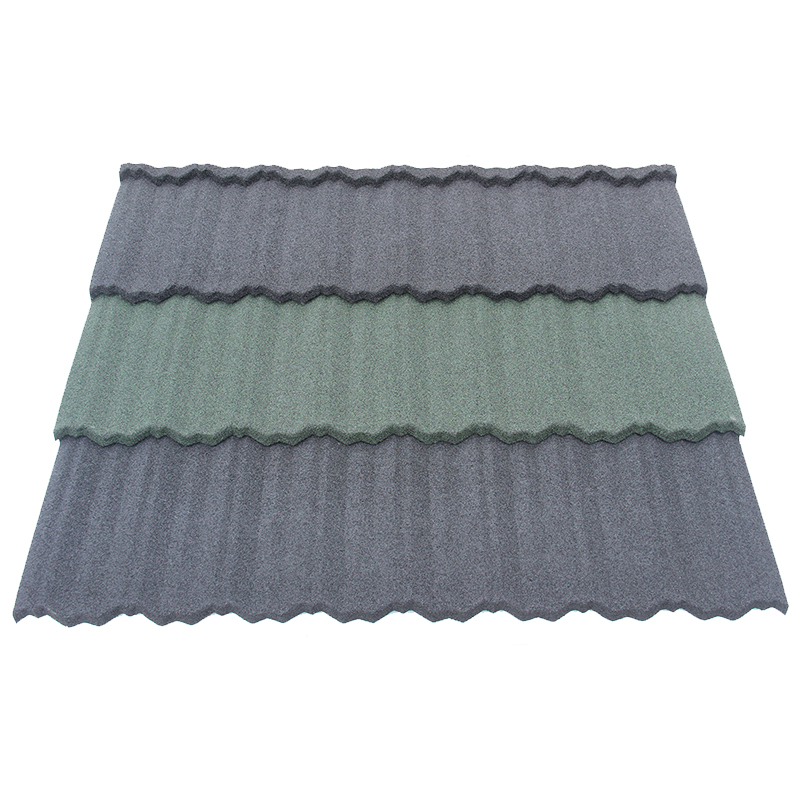
In markets where asphalt shingles are widely used, transitioning to Shingle Tile can be an effective strategy, as it provides a similar look with improved performance.
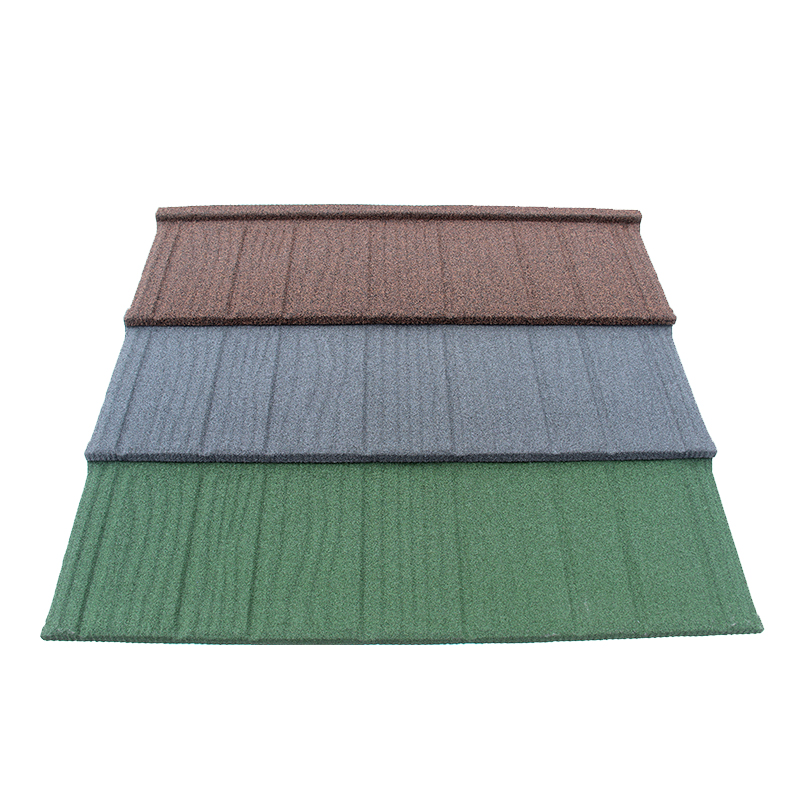
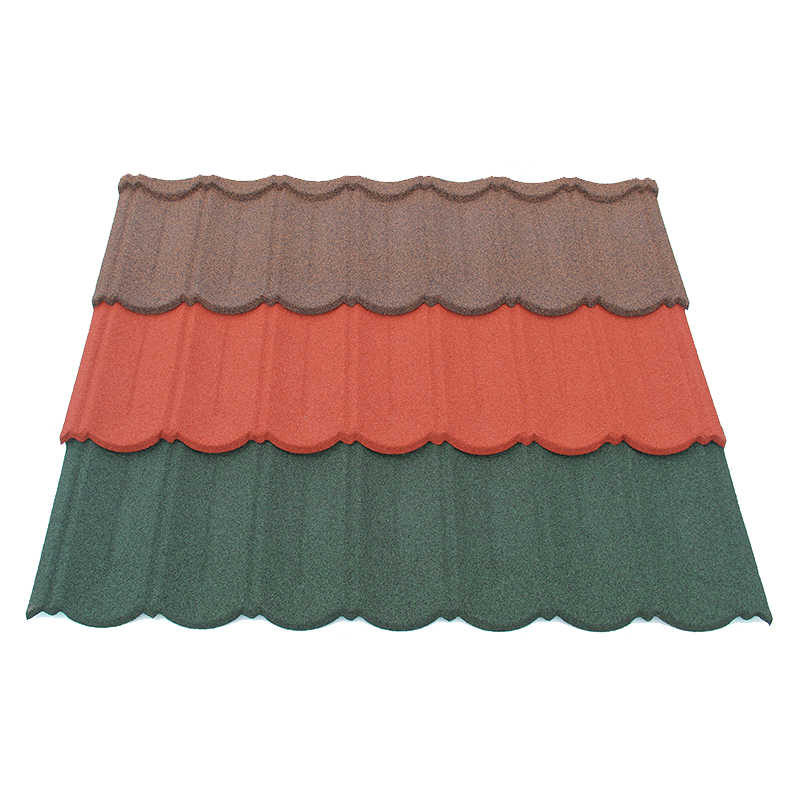
For modern architectural styles, Milano Tile is often used to achieve a clean, flat appearance while maintaining the benefits of a metal roofing system.
Common Misunderstandings in Product Selection
When comparing stone coated metal roof vs asphalt shingles, several misconceptions can influence decision-making. Addressing these helps buyers make more informed choices.
“Lower Cost Means Better Value”
Initial cost does not reflect long-term performance or replacement frequency.
“All Roofing Materials Perform the Same”
Different materials behave differently under environmental stress.
“Installation Simplicity Equals Better Choice”
Simpler installation does not always mean better long-term results.
Practical Advice for Buyers and Distributors
For B2B buyers, evaluating stone coated metal roof vs asphalt shingles should be based on project type, budget, and long-term expectations. Both materials have their place in the market, but choosing the right one depends on aligning product features with project goals.
Manufacturers such as JCROOF are often referenced in the industry for offering a range of stone coated roofing profiles that allow distributors to target different market segments. This flexibility is valuable when competing with traditional asphalt products.
Recommended Strategy
- Use asphalt shingles for short-term or budget projects
- Choose stone coated roofing for long-term durability
- Match product type to climate conditions
- Educate clients on lifecycle cost differences
Conclusion: Stone Coated Metal Roof vs Asphalt Shingles
So, when comparing stone coated metal roof vs asphalt shingles, the decision ultimately comes down to project priorities. Asphalt shingles offer lower upfront costs and ease of installation, while stone coated metal roofing provides superior durability, safety, and long-term value.
For contractors and distributors, understanding these differences allows for better product positioning and more effective client recommendations. Choosing the right roofing system ensures both performance and customer satisfaction over time.