

When selecting a roofing profile for residential or commercial projects, one of the most common comparisons is Milano vs Roman vs Bond tile. For contractors, developers, and distributors, this is not just about appearance—it directly impacts installation efficiency, structural performance, and market positioning.
From a B2B perspective, understanding Milano vs Roman vs Bond tile helps align product selection with project requirements, climate conditions, and customer expectations. While all three belong to the stone coated roofing category, their differences in shape, structure, and application make each one suitable for specific scenarios.
Overview of Milano, Roman, and Bond Tile Profiles
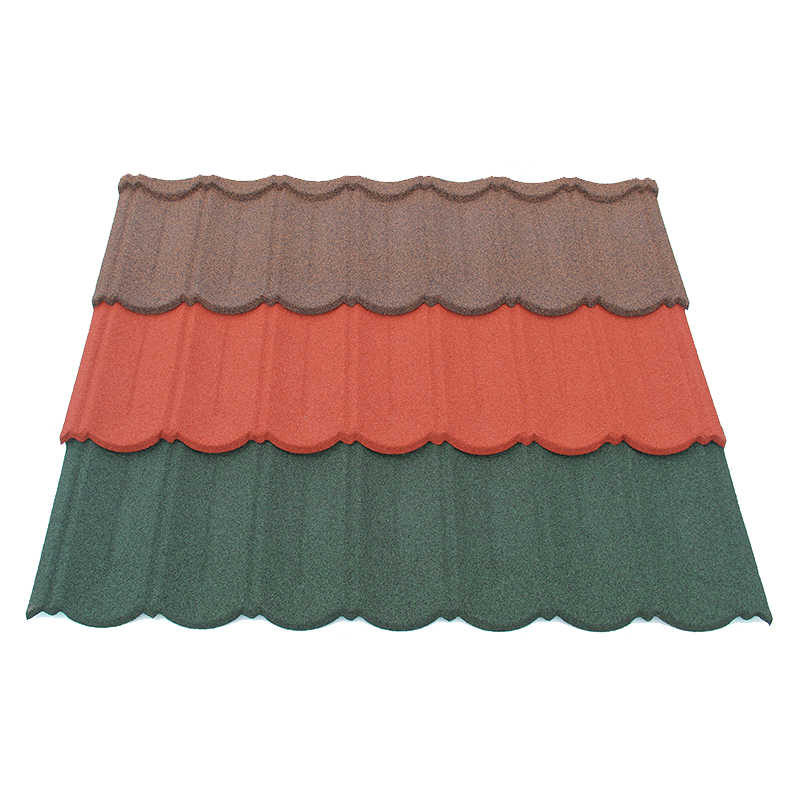
To properly evaluate Milano vs Roman vs Bond tile, it is important to understand their basic design concepts. Each profile is inspired by different architectural styles and engineered to deliver a balance between aesthetics and performance.
Although they share the same base material—stone coated steel—their geometry influences water drainage, wind resistance, and installation complexity.
For buyers, this means the choice is less about material and more about application and market positioning.
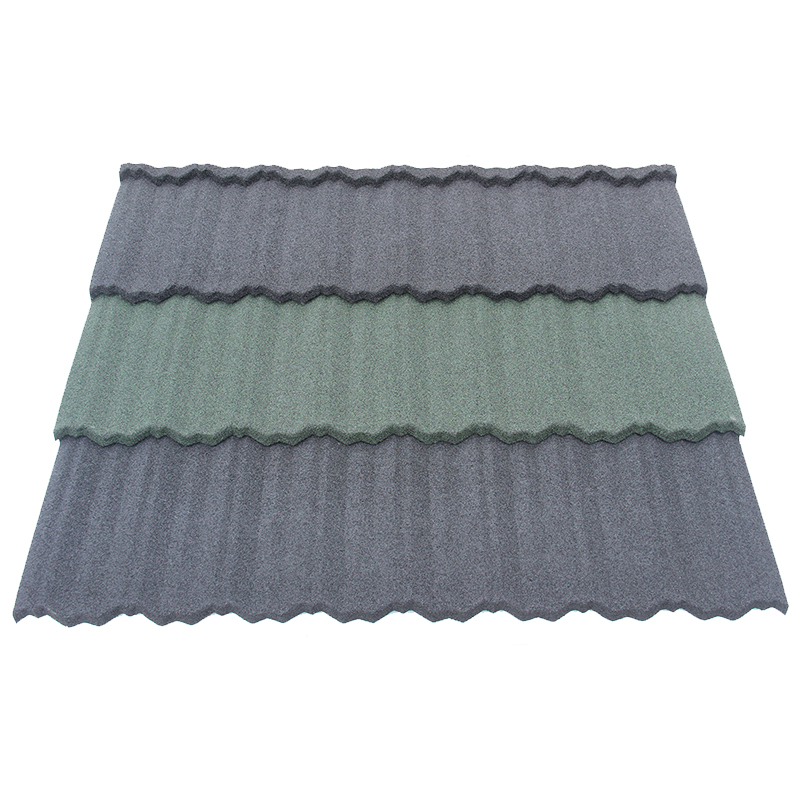
Milano Tile
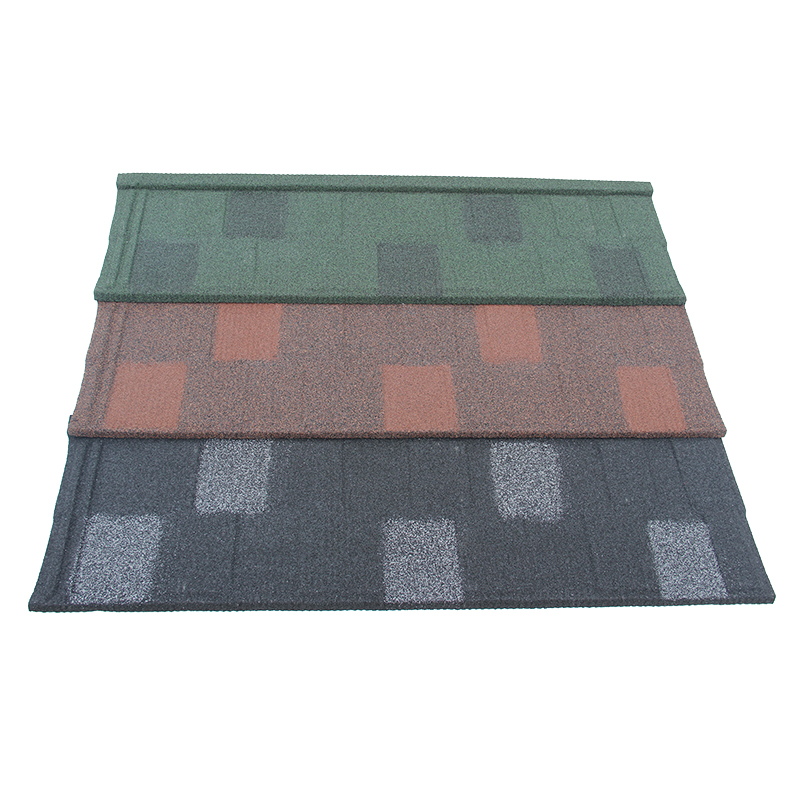
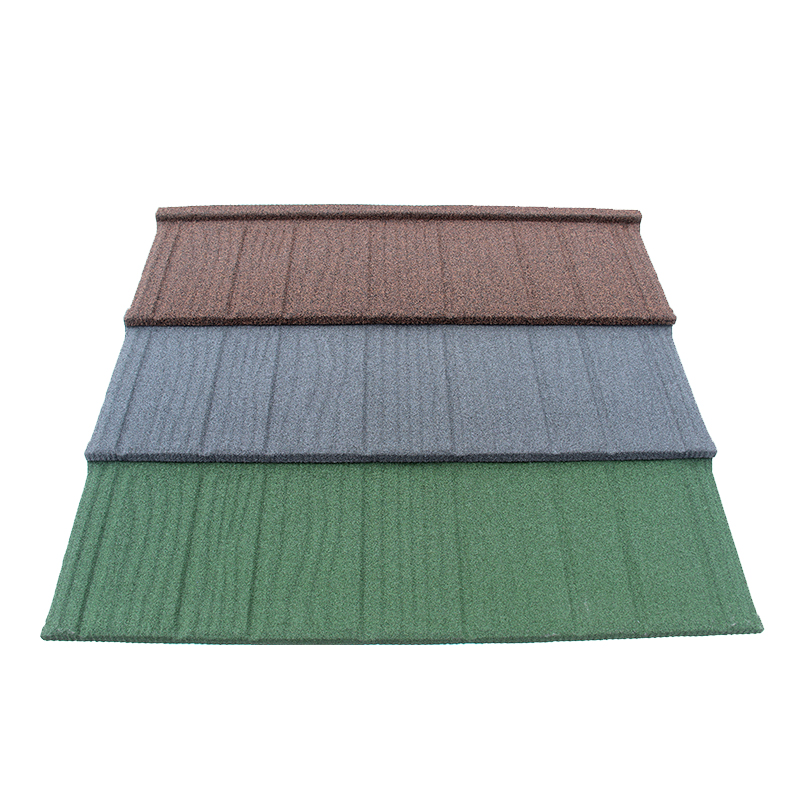
Milano tile features a flatter, more modern profile with subtle lines. It is often used in contemporary architectural designs where a clean and minimal appearance is required.
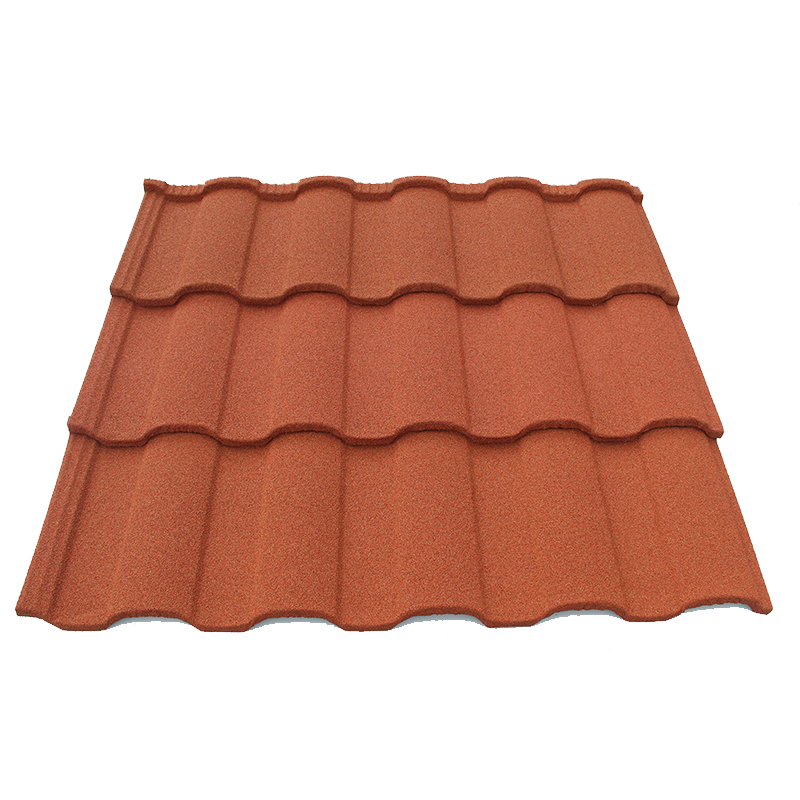
Roman Tile
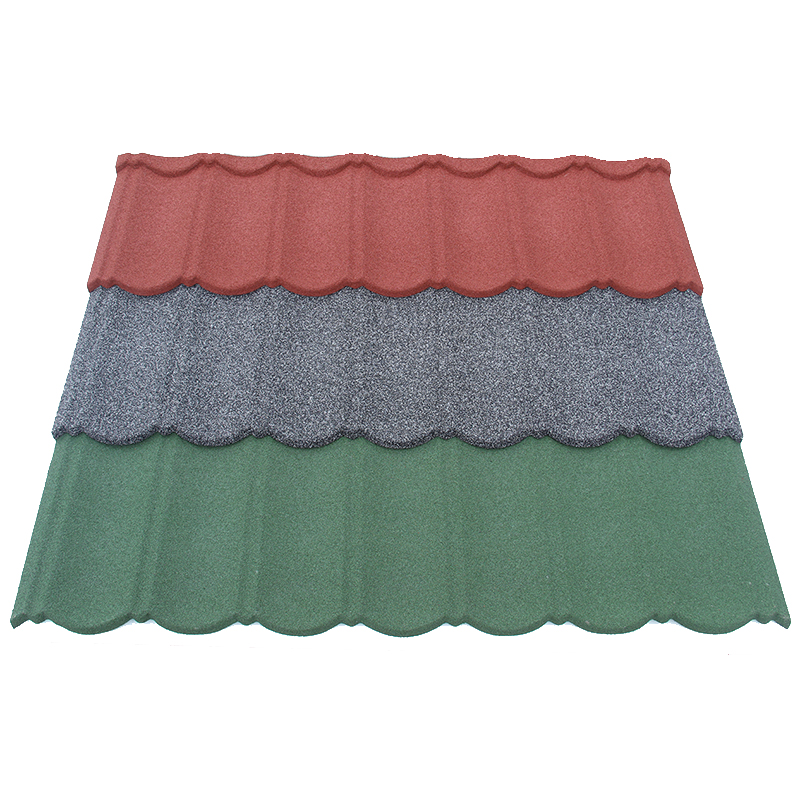
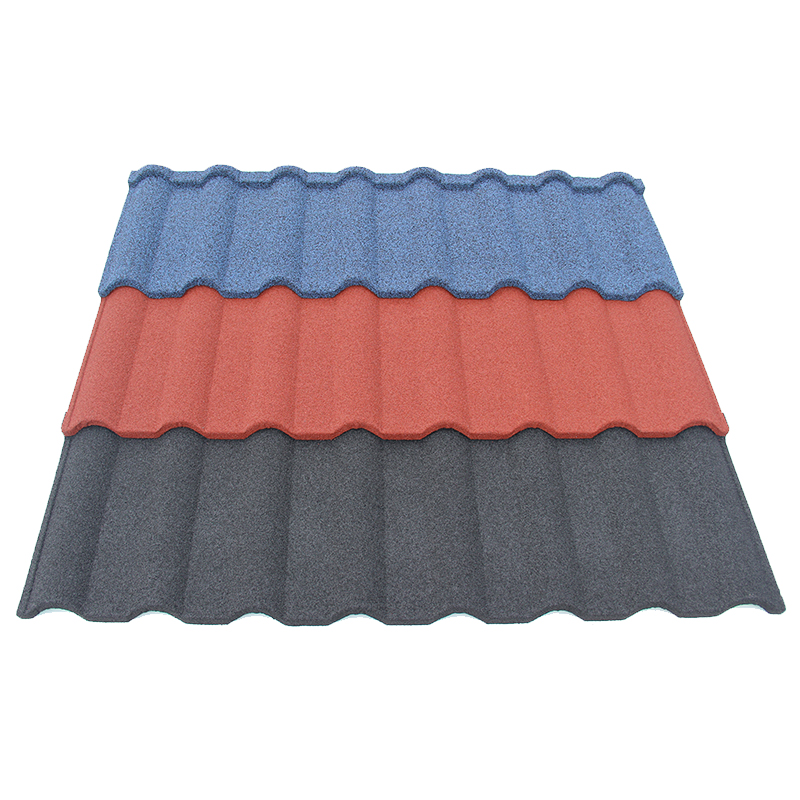
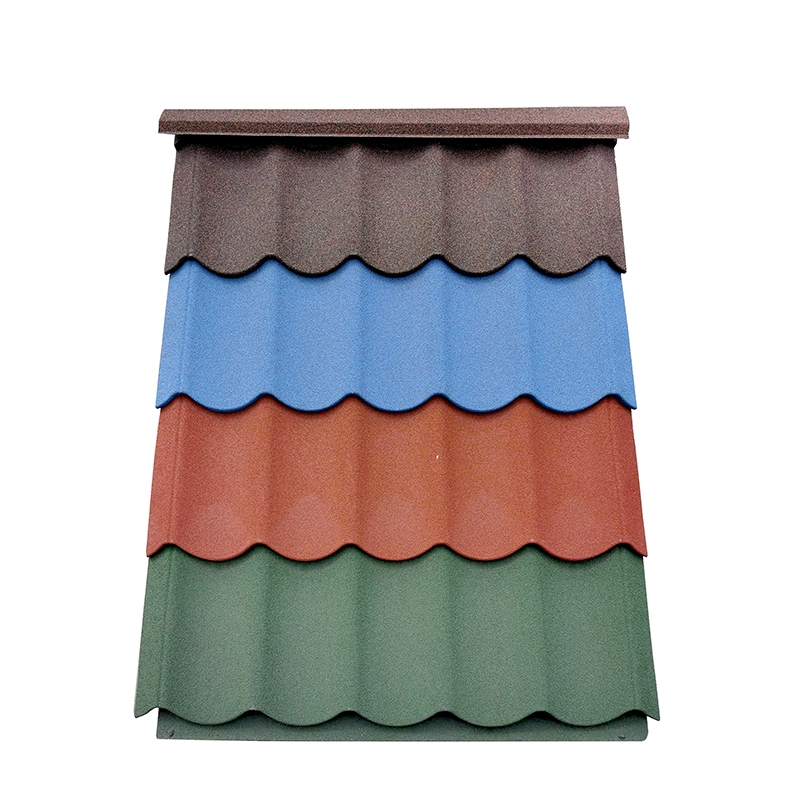
Roman tile is characterized by its deep, curved waves, creating a traditional and premium look. It is commonly used in high-end residential or Mediterranean-style projects.
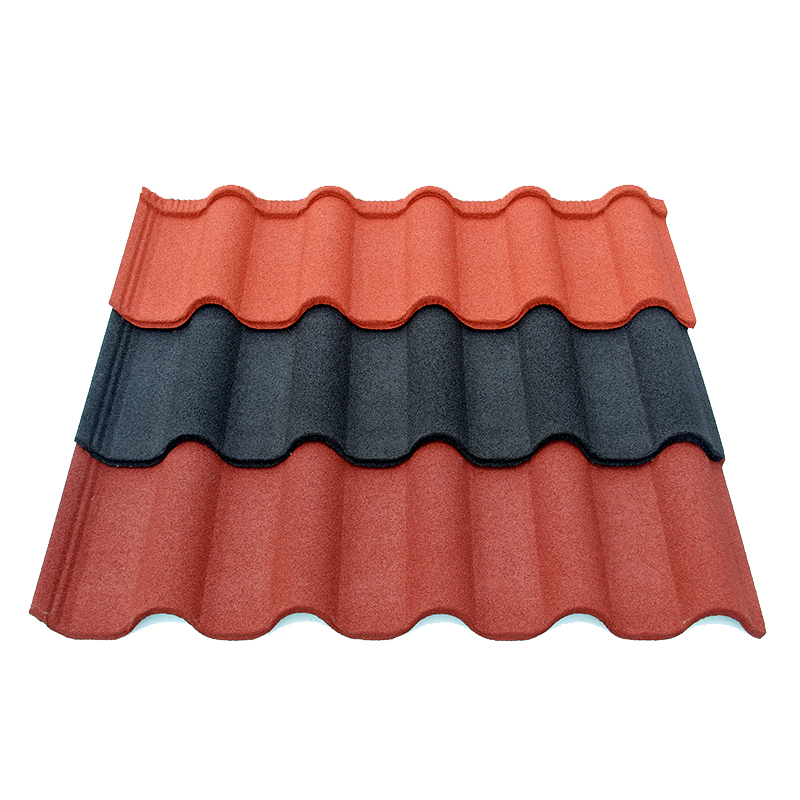
Bond Tile
Bond tile offers a balanced, wave-like pattern that combines traditional aesthetics with practical installation advantages. It is one of the most widely used profiles in mass housing projects.
Key Structural Differences and Performance Impact
When comparing Milano vs Roman vs Bond tile, the structural design of each profile directly affects performance in real-world conditions. Factors such as water flow, wind resistance, and load distribution vary depending on the shape.
Understanding these differences allows contractors to make more informed decisions based on project location and requirements.
Water Drainage
- Roman tile: Excellent drainage due to deep curves
- Bond tile: Balanced drainage performance
- Milano tile: Adequate drainage, requires precise installation
Wind Resistance
- Bond tile: Strong performance due to stable structure
- Roman tile: Good performance with proper fastening
- Milano tile: Depends more on installation precision
Structural Stability
Deeper profiles like Roman tile provide additional rigidity, while flatter profiles like Milano rely more on fastening systems for stability.
Installation Complexity and Labor Considerations
Installation is a key factor in the Milano vs Roman vs Bond tile comparison, especially for contractors managing labor efficiency and project timelines. While all three use similar systems, their profiles influence installation difficulty.
Choosing the right profile can help reduce installation errors and improve overall efficiency.
Bond Tile: Most Installation-Friendly
Its balanced shape allows for easier alignment and faster installation, making it ideal for large-scale projects.
Roman Tile: Moderate Complexity
Requires more attention to alignment due to deeper curves, especially around ridges and edges.
Milano Tile: Precision Required
Flatter design demands higher accuracy to achieve a clean and consistent finish.
Aesthetic Positioning and Market Application
From a market perspective, Milano vs Roman vs Bond tile also reflects different customer segments. Each profile appeals to specific architectural styles and buyer preferences.
For distributors, offering multiple profiles helps cover a wider range of market demands.
Milano Tile Applications
- Modern residential buildings
- Urban developments
- Projects requiring clean, minimal aesthetics
Roman Tile Applications
- Luxury villas and high-end housing
- Mediterranean or classical architecture
- Projects emphasizing visual impact
Bond Tile Applications
- Mass housing developments
- Standard residential projects
- Cost-performance focused markets
Cost Differences and Value Perception
Another important aspect of Milano vs Roman vs Bond tile is cost positioning. While the base material is similar, differences in design and market positioning can influence pricing.
Understanding these differences helps buyers align product selection with budget and target market.
| Profile | Typical Cost Level | Market Position | Value Focus |
|---|---|---|---|
| Milano Tile | Medium to High | Modern/Premium | Aesthetics and design |
| Roman Tile | High | Premium | Visual impact and durability |
| Bond Tile | Medium | Mass Market | Balance of cost and performance |
Common Mistakes When Choosing Between Profiles
In many projects, incorrect profile selection can lead to mismatched expectations or performance issues. Understanding these common mistakes is essential when comparing Milano vs Roman vs Bond tile.
Choosing Based Only on Appearance
Ignoring performance factors such as wind or drainage can lead to long-term issues.
Not Considering Installation Capability
More complex profiles may require higher-skilled labor.
Mismatch with Market Demand
Selecting a premium profile for a cost-sensitive market can reduce competitiveness.
Practical Selection Advice for Buyers and Distributors
For B2B buyers, evaluating Milano vs Roman vs Bond tile should be based on a combination of project requirements, labor capability, and target market positioning. Each profile has its strengths, and the right choice depends on how these factors align.
In the industry, manufacturers such as JCROOF are often referenced for offering a full range of profiles, allowing distributors to tailor their product portfolio to different market segments without changing material systems.
Recommended Strategy
- Use Bond tile for large-scale, cost-sensitive projects
- Select Roman tile for premium or high-visibility developments
- Choose Milano tile for modern architectural designs
- Match profile complexity with installer skill level
Conclusion: Milano vs Roman vs Bond Tile
So, when comparing Milano vs Roman vs Bond tile, the differences come down to structure, installation, and market positioning rather than material. Each profile serves a distinct purpose, and selecting the right one depends on project goals and customer expectations.
For contractors and distributors, understanding these differences allows for better product positioning and more effective decision-making. Choosing the right profile ensures both performance and market success.