

When specifying roofing systems, one critical but often underestimated question is what type of underlayment is best for stone coated metal roofing. While the visible roofing tile gets most of the attention, underlayment plays a decisive role in waterproofing, thermal stability, and long-term performance.
From a B2B perspective, answering what type of underlayment is best for stone coated metal roofing is essential for reducing warranty risks, improving installation reliability, and ensuring compliance with project specifications—especially in demanding climates.
Why Underlayment Matters in Stone Coated Roofing Systems
To properly evaluate what type of underlayment is best for stone coated metal roofing, it is important to understand its function within the roofing system. Underlayment acts as a secondary barrier against water infiltration, particularly in cases of wind-driven rain or ice dams.
Although stone coated steel tiles are highly durable and water-resistant, they are not designed to be completely watertight on their own. The underlayment ensures that any water that penetrates the outer layer does not reach the roof deck.
For contractors, selecting the right underlayment is as important as choosing the roofing material itself.
Core Functions of Underlayment
- Secondary waterproofing layer
- Protection against condensation
- Thermal buffering between roof and deck
- Improved overall system durability
Main Types of Underlayment for Stone Coated Metal Roofing
When considering what type of underlayment is best for stone coated metal roofing, there are three main categories commonly used in the industry. Each type has different performance characteristics and suitability depending on the project.
Understanding these options allows buyers to match material selection with climate, budget, and building requirements.
Synthetic Underlayment
Synthetic underlayment is widely regarded as the best option for most stone coated roofing applications. It is made from polypropylene or polyethylene and offers high strength and water resistance.
- Lightweight and easy to install
- High tear resistance
- Excellent moisture protection
- Long lifespan
Self-Adhered (Peel-and-Stick) Underlayment
This type provides enhanced waterproofing and is often used in critical areas such as valleys, eaves, and low-slope sections.
- Superior sealing capability
- Ideal for cold climates and ice-prone regions
- Higher cost compared to other options
Asphalt-Saturated Felt
Traditional felt underlayment is still used in some markets but is generally considered a lower-performance option compared to modern alternatives.
- Lower upfront cost
- Less durable over time
- More susceptible to tearing and moisture damage
How to Choose the Best Underlayment Based on Project Conditions
Answering what type of underlayment is best for stone coated metal roofing depends largely on environmental conditions and project requirements. There is no one-size-fits-all solution, but certain guidelines can help simplify the decision.
For contractors, matching underlayment type to climate and building use is critical for long-term performance.
Cold and Snow-Prone Regions
- Use self-adhered underlayment in eaves and valleys
- Combine with synthetic underlayment for full coverage
Hot and High-UV Areas
- Choose UV-resistant synthetic underlayment
- Avoid materials prone to heat degradation
High-Rainfall or Coastal Areas
- Prioritize waterproofing performance
- Use reinforced synthetic or hybrid systems
Interaction Between Underlayment and Roofing Profiles
When evaluating what type of underlayment is best for stone coated metal roofing, the roofing profile also plays a role in how the system performs. While underlayment functions independently, profile design influences water flow and load distribution.
In practice, contractors consider both elements together to ensure optimal results.
Application-Based Insights
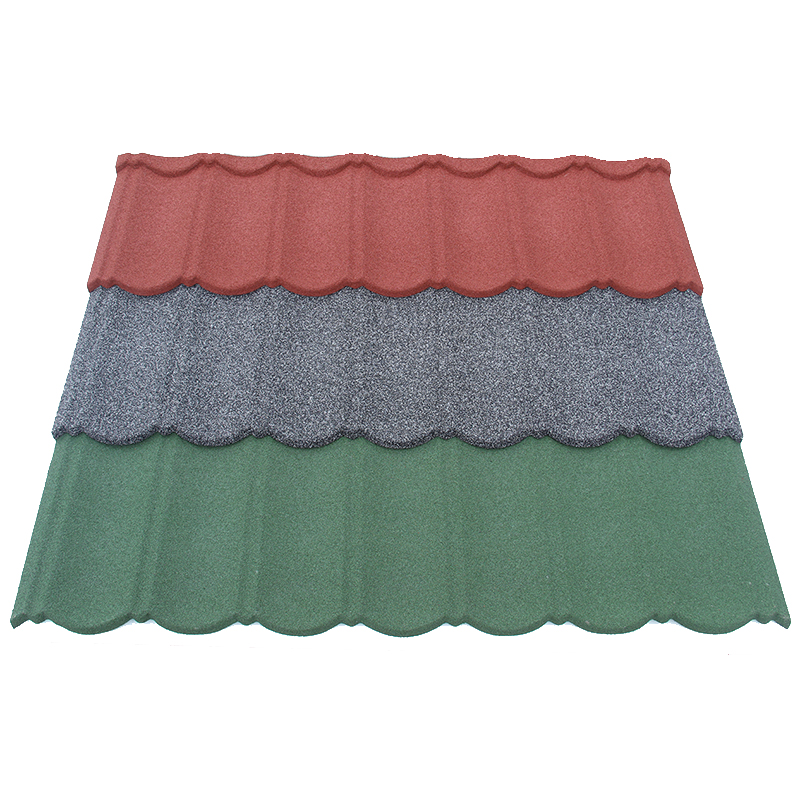
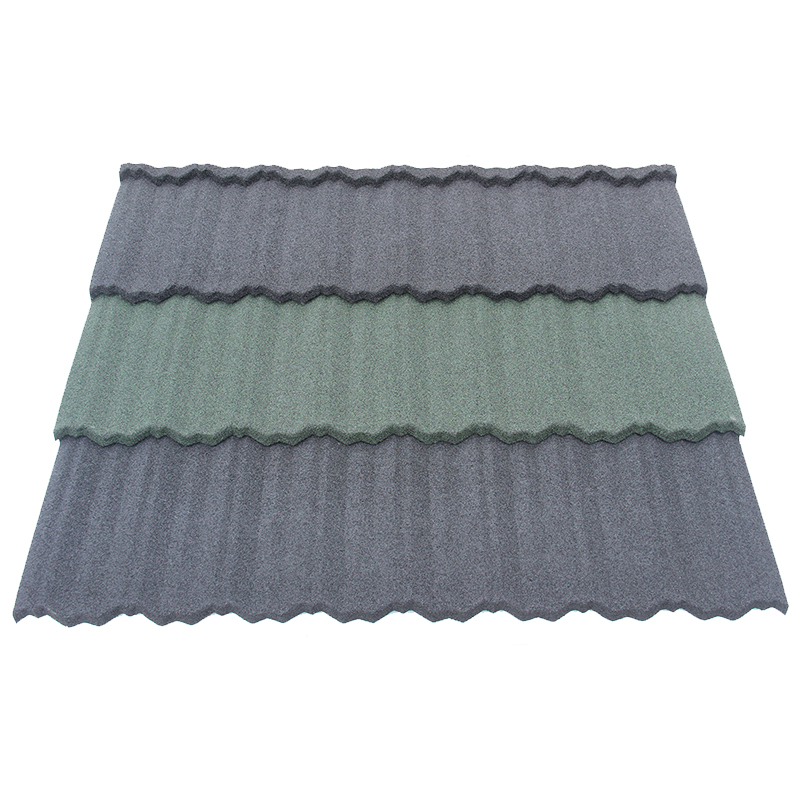
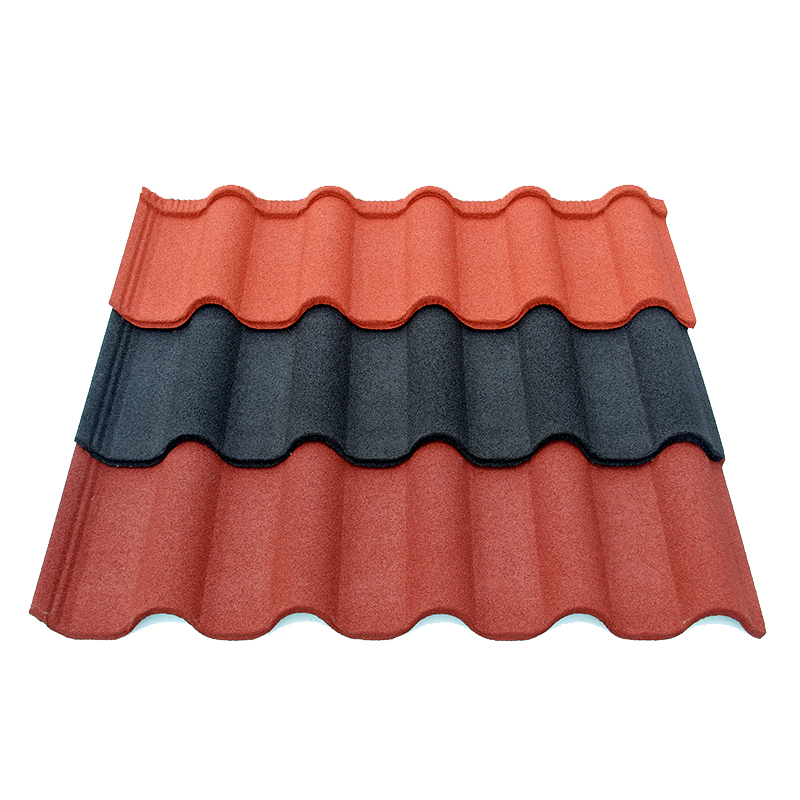
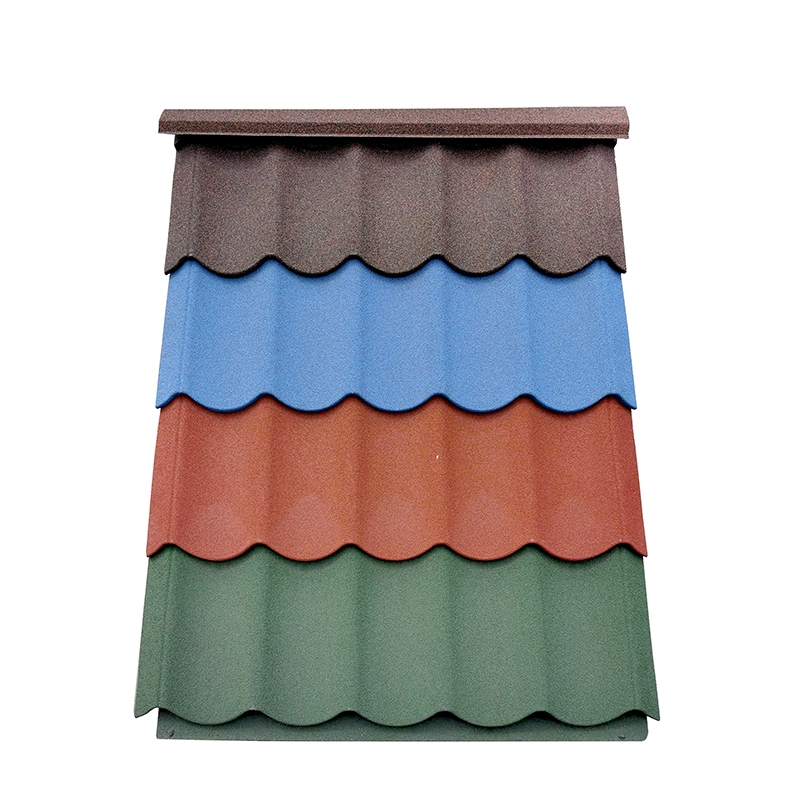
In large residential developments using Bond Tile, synthetic underlayment is often sufficient due to consistent water runoff and balanced design.
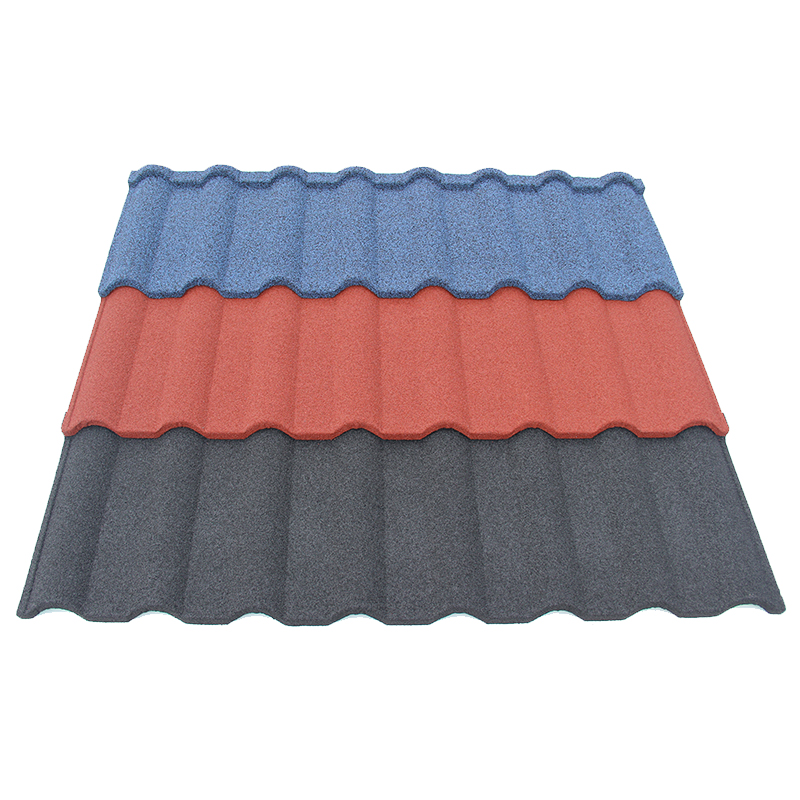
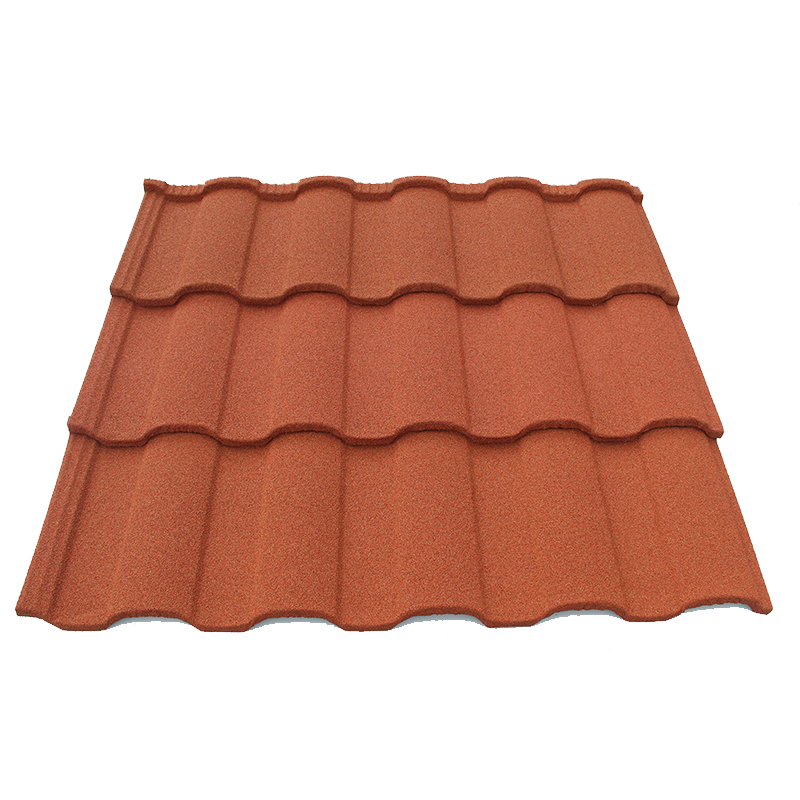
For deeper-profile systems like Roman Tile, additional attention is given to valley protection, where self-adhered underlayment is commonly applied.
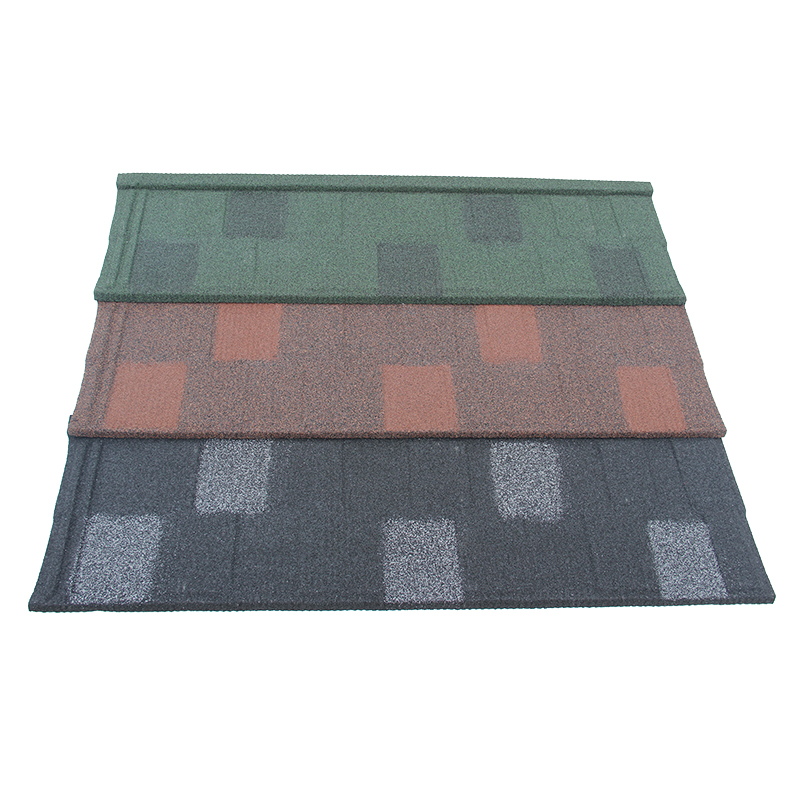
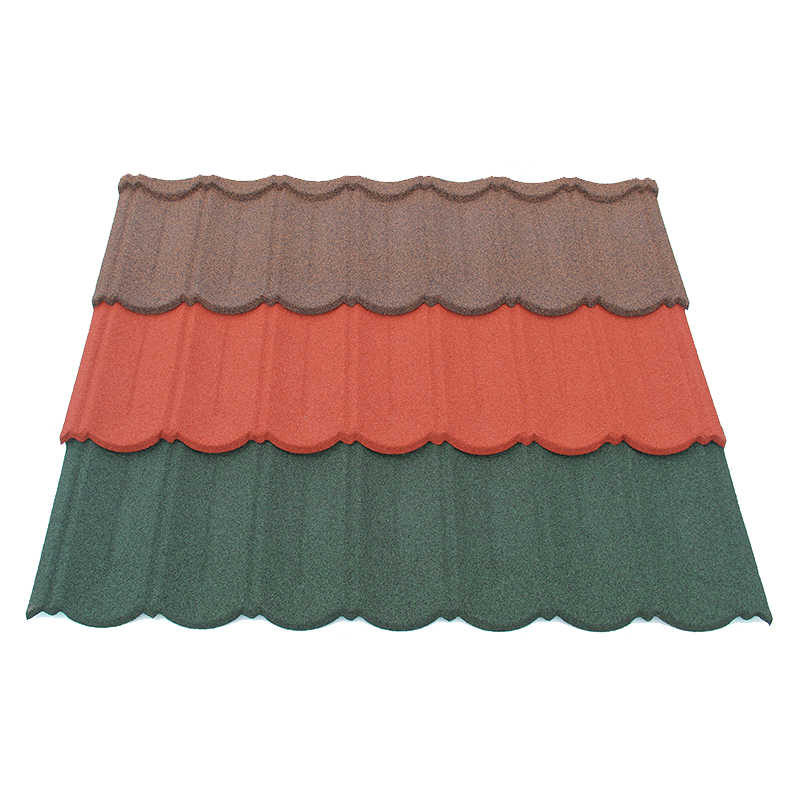
In retrofit projects using Shingle Tile, lightweight synthetic underlayment is preferred to maintain structural efficiency while ensuring waterproofing.
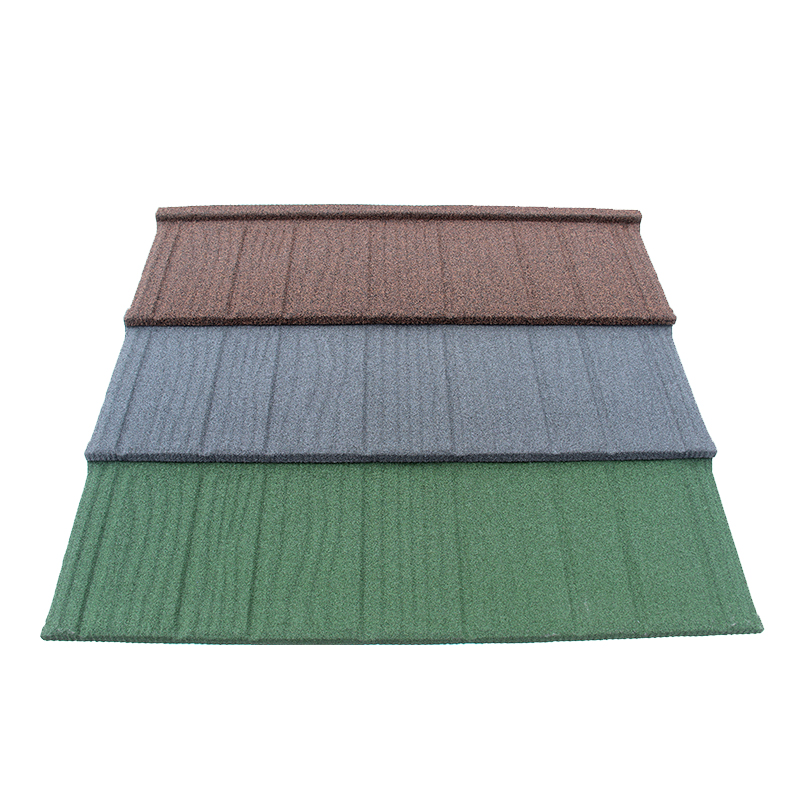
For modern designs with Milano Tile, precision installation is critical, making high-quality synthetic underlayment a reliable base layer.
Performance Comparison of Underlayment Types
To better understand what type of underlayment is best for stone coated metal roofing, a direct comparison highlights the strengths and limitations of each option.
| Type | Durability | Water Resistance | Cost Level | Best Use |
|---|---|---|---|---|
| Synthetic | High | High | Medium | General applications |
| Self-Adhered | Very High | Very High | High | Critical areas / cold climates |
| Felt | Low–Medium | Medium | Low | Budget projects |
Common Mistakes in Underlayment Selection
Many roofing issues are not caused by the outer material but by incorrect underlayment choices. Avoiding these mistakes is key when deciding what type of underlayment is best for stone coated metal roofing.
Choosing Based Only on Price
Lower-cost options may lead to higher maintenance or failure risks.
Ignoring Climate Conditions
Underlayment must match environmental demands.
Using a Single Type Everywhere
Different roof areas may require different materials.
Poor Installation Practices
Even high-quality underlayment fails if not installed correctly.
Practical Advice for Contractors and Buyers
For B2B buyers, selecting what type of underlayment is best for stone coated metal roofing should be part of a system-level decision. The goal is to ensure compatibility between roofing material, structure, and environmental conditions.
In the industry, manufacturers such as JCROOF are often referenced for providing system recommendations that include underlayment selection, helping contractors achieve consistent installation quality across different projects.
Recommended Strategy
- Use synthetic underlayment as the standard base layer
- Add self-adhered underlayment in high-risk areas
- Avoid relying solely on traditional felt
- Ensure proper installation and overlap techniques
Conclusion: What Type of Underlayment Is Best for Stone Coated Metal Roofing?
So, what type of underlayment is best for stone coated metal roofing? In most cases, synthetic underlayment provides the best balance of durability, performance, and cost. For enhanced protection, especially in critical areas or harsh climates, self-adhered underlayment should be used as a supplement.
For contractors and distributors, the key is to treat underlayment as an integral part of the roofing system. The right choice ensures long-term performance, reduces risk, and adds value to the overall project.