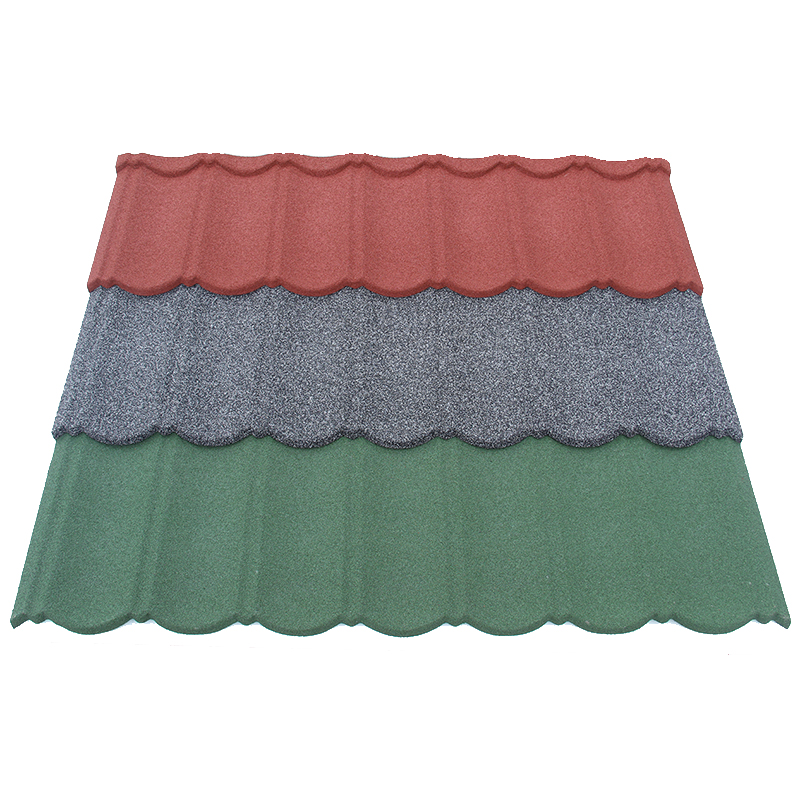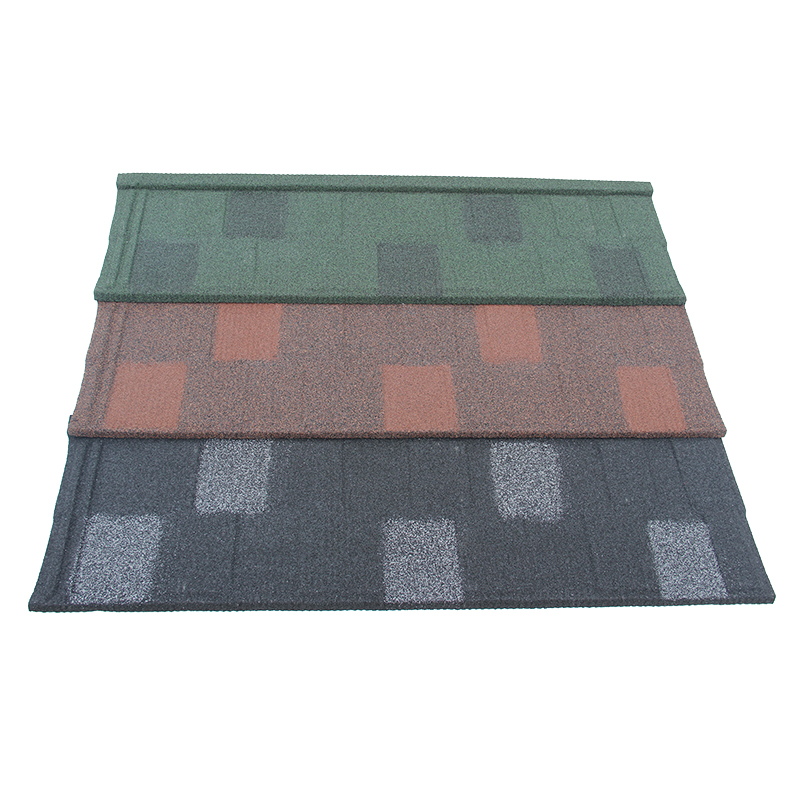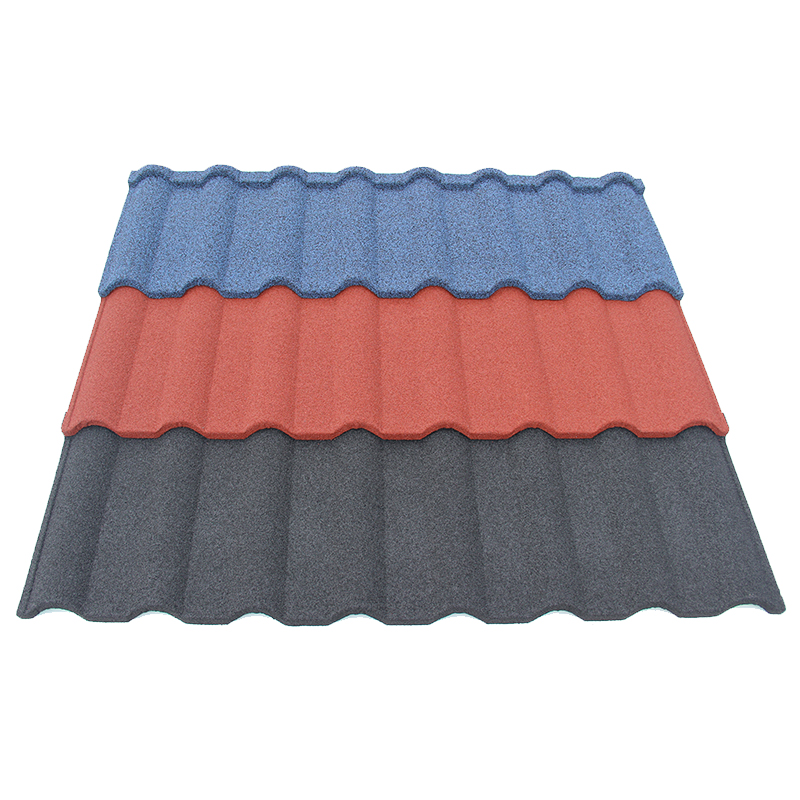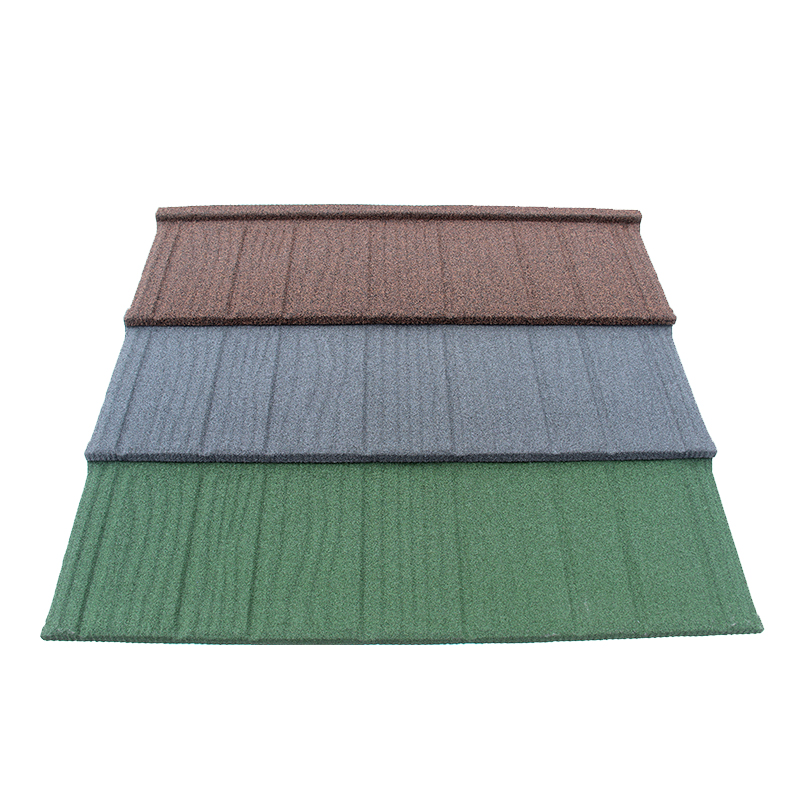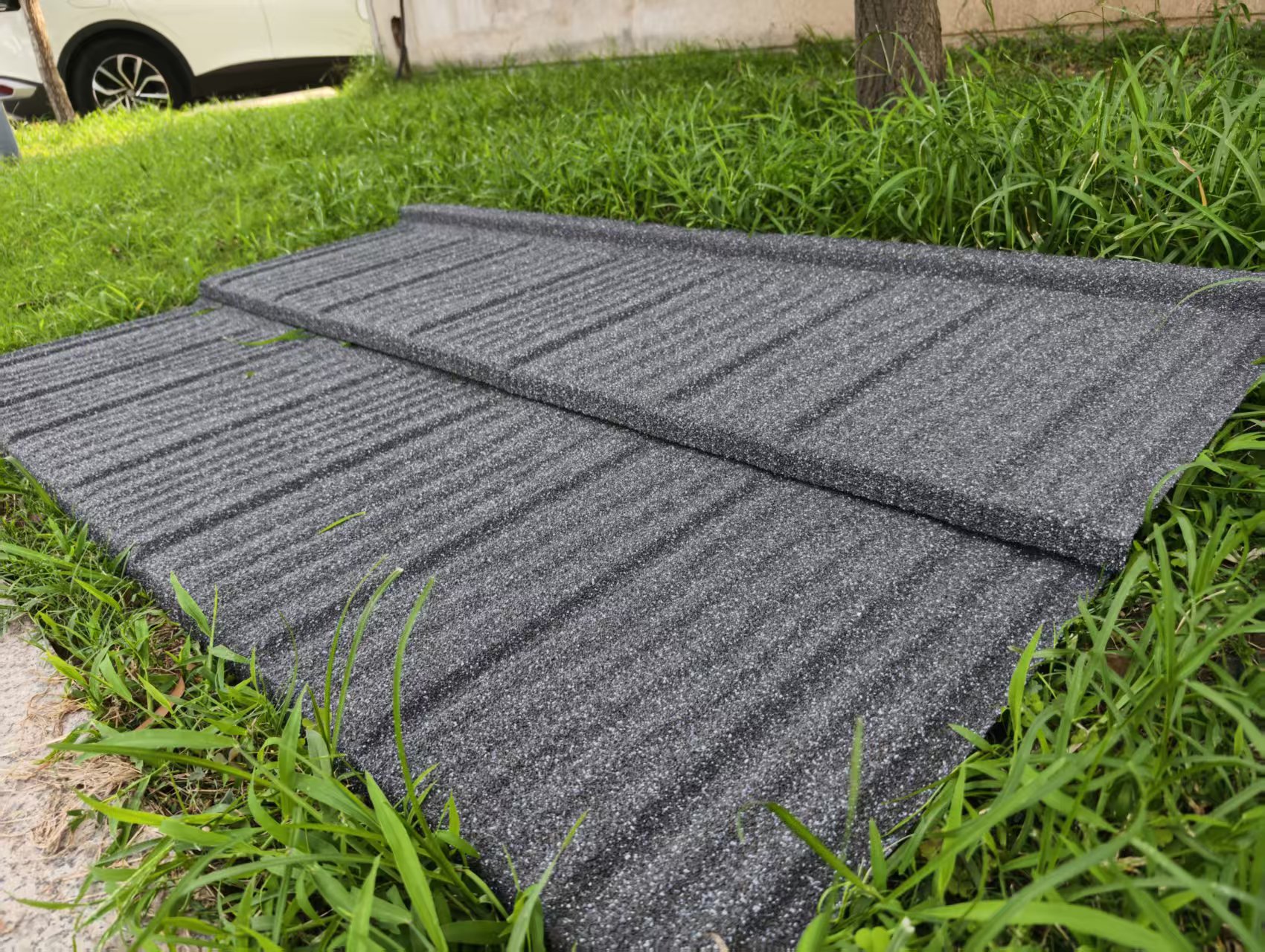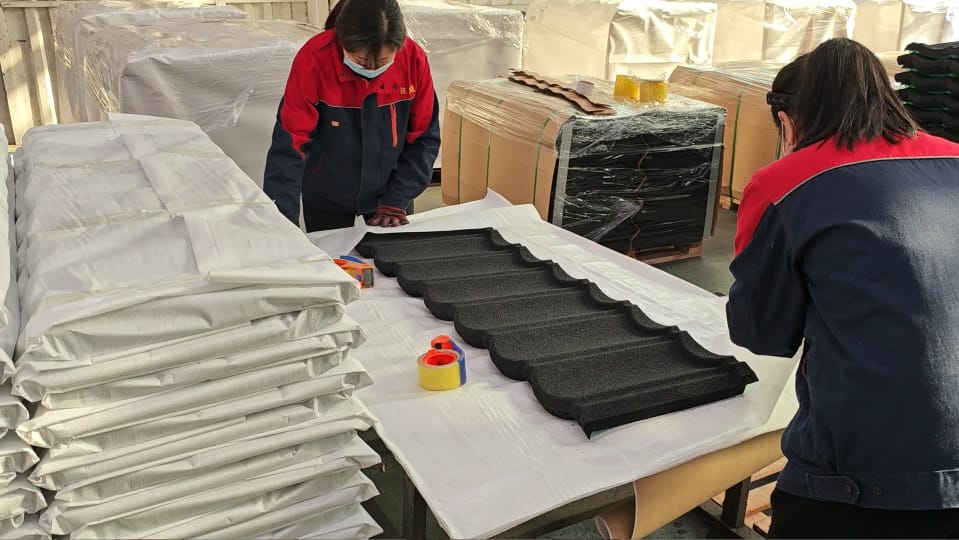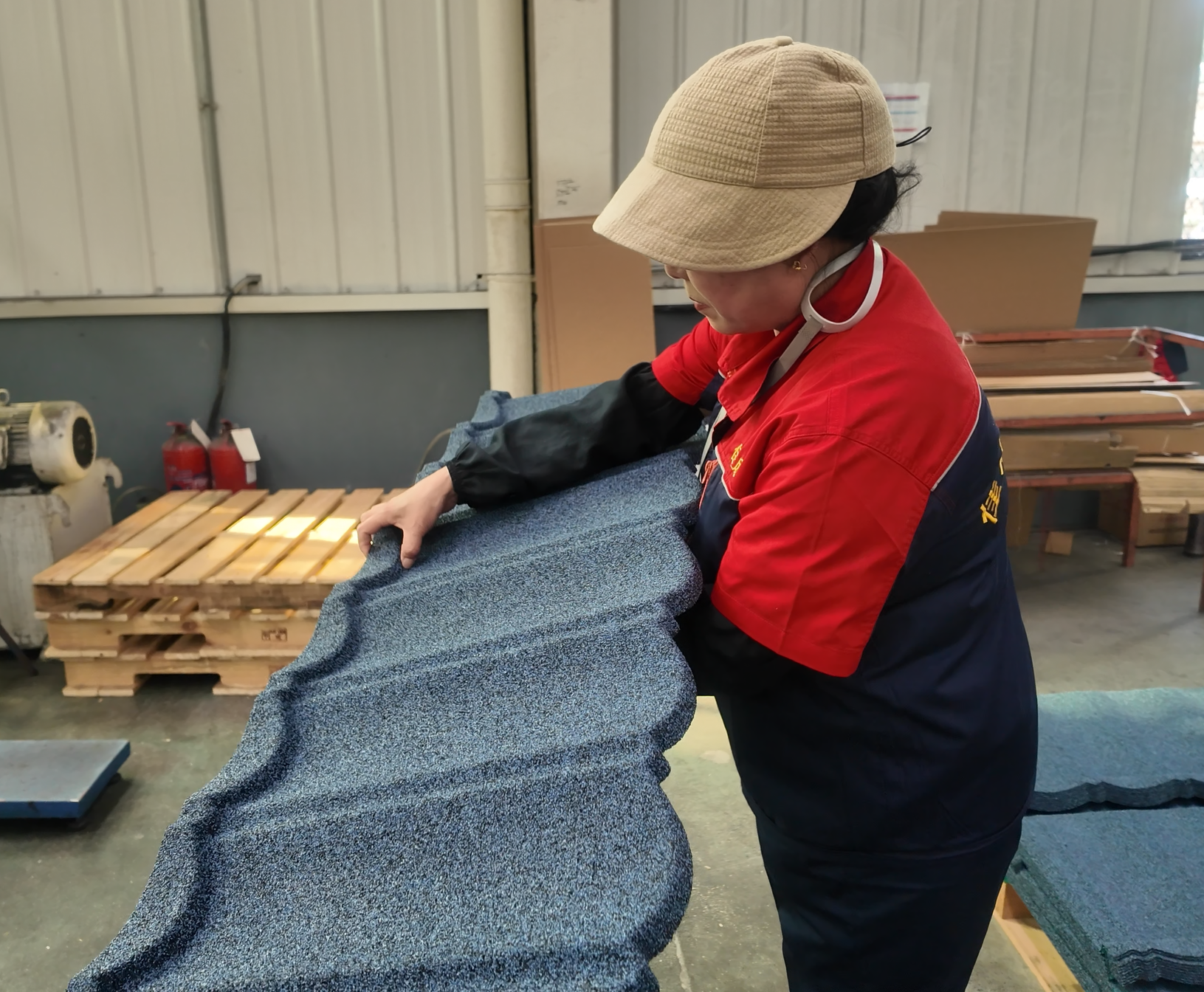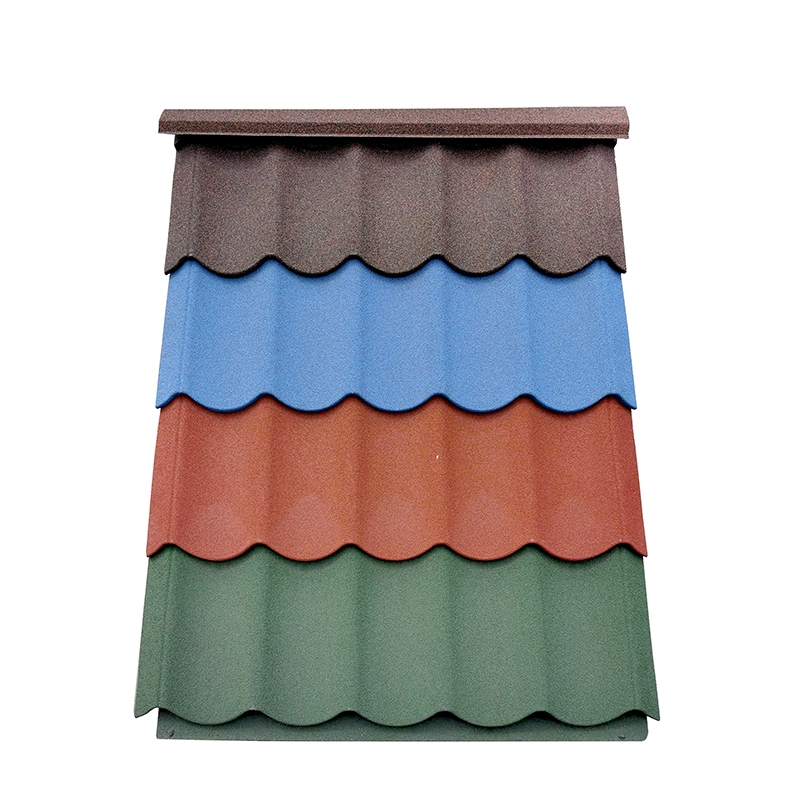

For international procurement managers and engineering contractors, the technical certification of building materials is a non-negotiable prerequisite. Specifically, asking Is JCROOF stone coated roofing compatible with European building standards requires a forensic look at the material’s chemical and physical responses to harsh environments. European building codes (such as EN 14782) demand rigorous testing for mechanical resistance, external fire performance, and anti-corrosive durability. This comprehensive audit explores the engineering benchmarks and laboratory protocols needed to ensure a zero-defect building envelope that meets the most stringent regulatory requirements in Europe and beyond.
Metallurgical Scrutiny: The AZ150 Aluzinc Core vs. EN 10346
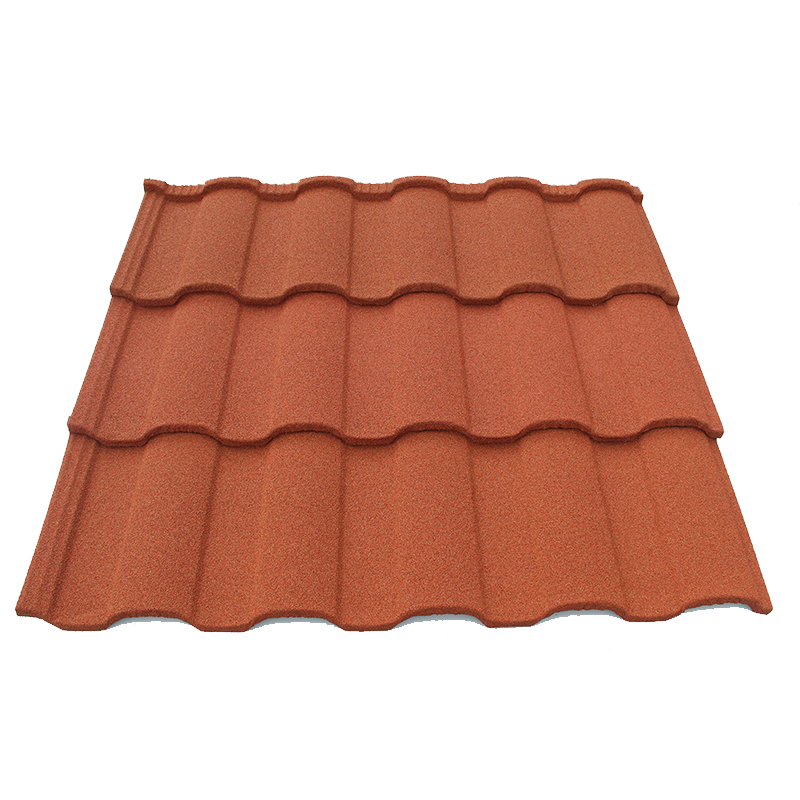
The foundation of structural longevity in European maritime and industrial zones is defined by the density of the anti-corrosive envelope. When determining Is JCROOF stone coated roofing compatible with European building standards, we must benchmark the steel core against EN 10346 specifications. For instance, JCROOF engineering standards mandate an AZ150 Aluzinc core, which provides a superior self-healing boundary. This metallurgical shielding ensures that a roman tile maintains its deep architectural profile and structural diaphragm strength even in aggressive salt-air environments. Consequently, the material exceeds the baseline anti-oxidation requirements, ensuring a fifty-year structural lifecycle without the risk of localized red rust creep.
Polymer Adhesion and the bond tile Hydrophobic Logic
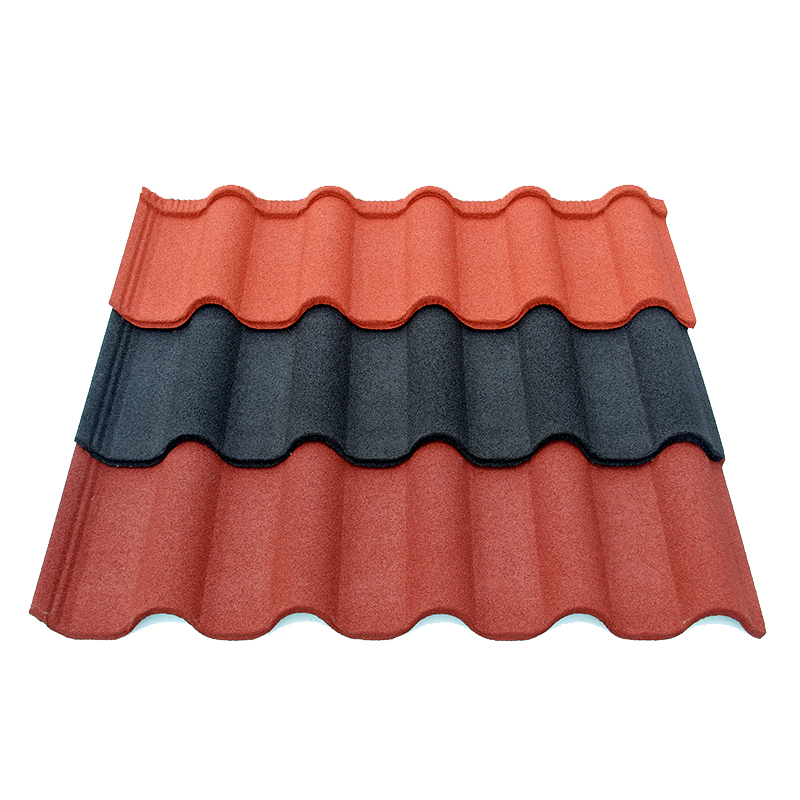
In addition to the metallic core, the chemical stability of the polymer layers must comply with European VOC (Volatile Organic Compound) and durability benchmarks. Specifically, the high-viscosity acrylic resins used must maintain their cross-linking density across extreme diurnal temperature swings. For a Mediterranean-style bond tile, this adhesive matrix creates a permanent mechanical lock on the volcanic granules. Furthermore, JCROOF laboratory data confirms that the resins are free from heavy metal pollutants, aligning with modern EU environmental directives. As a result, the roofing system not only protects the building but also ensures the safety of rainwater harvesting systems in sustainable housing developments.
Thermal Engineering: Passive Ventilation and Energy ROI
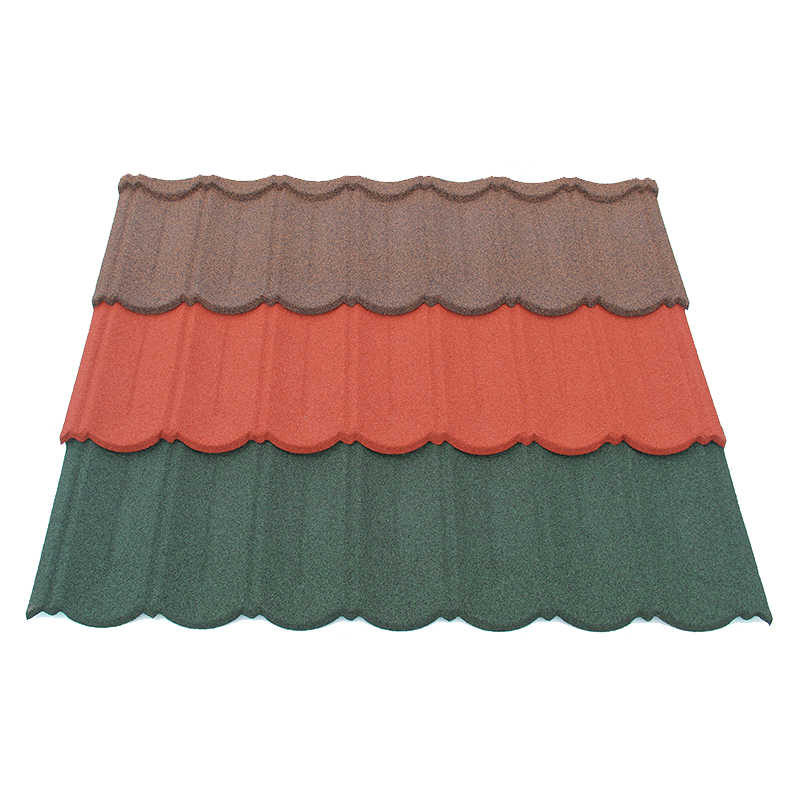
European energy performance directives (EPBD) increasingly prioritize materials that contribute to a building’s thermal efficiency. Therefore, understanding Is JCROOF stone coated roofing compatible with European building standards involves analyzing the “vented cold roof” design. The batten-mounted installation grid creates a continuous air gap beneath the tiles, functioning as a passive thermal barrier. For a high-profile milano tile, this gap allows solar heat to dissipate through convection before it penetrates the roof deck. Consequently, this design significantly lowers HVAC operational costs, providing a monthly energy dividend that helps developers meet the stringent energy-efficiency ratings required for new construction in the European Union.
Acoustic Damping and the shingle tile Storm Resilience
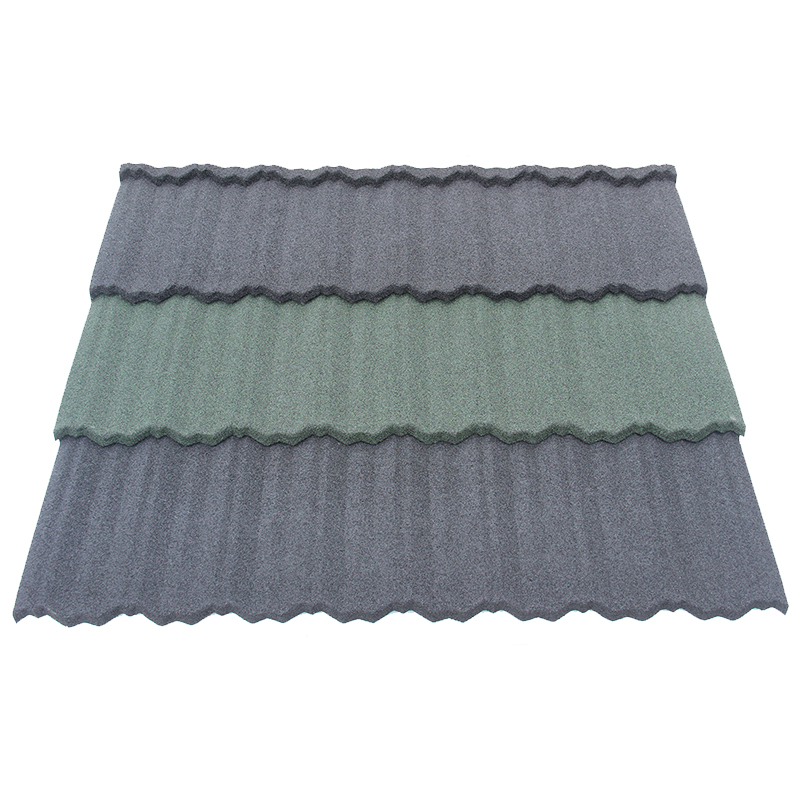
Acoustic comfort is another critical KPI for European institutional and residential buildings. When wholesalers evaluate Is JCROOF stone coated roofing compatible with European building standards, they must investigate the noise-reduction properties of the sintered stone surface. Specifically, the thick layer of 800°C sintered granules on a shingle tile acts as a mechanical sound dampener, effectively shattering raindrops upon impact. This eliminates the “drumming effect” associated with traditional flat metal sheets. Moreover, when combined with a horizontal nose-fastening protocol, the system survives wind speeds exceeding 200km/h. Thus, the building envelope remains watertight and quiet during the extreme weather events common in the Alpine or North Sea regions.
Supply Chain Arbitrage: The Cost of Compliance vs. Quality
Strategic buyers must understand that the “lowest price” rarely aligns with the highest safety certifications. To answer Is JCROOF stone coated roofing compatible with European building standards correctly, procurement managers must shift to a lifecycle-cost (LCC) model. While standard retail-grade metal roofing may bypass laboratory audits, JCROOF provides the technical submittals and factory-level structural reports needed for government tenders. By specifying AZ150 Aluzinc and G300 structural ductility, distributors can market a “premium-tier” solution. Consequently, this reduces the owner’s long-term maintenance liabilities and enhances the property’s Net Present Value (NPV) in the competitive European real estate market.
Comparative Matrix: European Code Compliance vs. Material Grade
Use the following technical matrix to justify the investment in engineering-grade building materials. This benchmark compares the structural performance of modular metal tiles against the regulatory requirements found in standard European construction tenders.
| Performance Metric | Standard EU Requirement (EN 14782) | JCROOF Engineering Grade |
|---|---|---|
| Corrosion Class | C3 – C4 (Industrial/Maritime). | C5-M (Marine Heavy Duty AZ150). |
| Fire Resistance | Class Broof (t1) / Non-combustible. | Steel-core (Class A Equivalent). |
| Mechanical Load | Batten-dependent (Snow/Wind). | G300 Structural (High Ductility). |
| Color Stability | UV Resistance Class (Ruv3). | 800°C Sintered (Ruv4 Stability). |
| Service Life | 30 Years. | 50+ Years. |
Professional FAQ: Solving Sourcing and Certification Challenges
Success in international project delivery depends on translating complex technical specs into field performance. Many contractors fail when they ignore the importance of the batten system during a European-grade installation. By providing on-site technical audits and factory-level inspection reports, you establish your firm as a technical authority. Furthermore, ensuring that the fasteners comply with anti-corrosive standards is a non-negotiable step for maritime projects. These insights help procurement managers defend high-quality building material choices and ensure a profitable, durable outcome for the property owner during the bidding phase.
Can JCROOF Tiles Help Achieve Green Building Certifications?
Fortunately, the answer is yes. Because the system is 100% recyclable and significantly improves thermal efficiency, it contributes valuable points toward LEED and BREEAM certifications. When architects ask Is JCROOF stone coated roofing compatible with European building standards for sustainable design, they are often impressed by the material’s low embodied carbon over its fifty-year lifespan. Specifically, the passive cooling effect and long-term durability reduce the need for frequent replacements. Thus, the building’s overall environmental impact is minimized, making JCROOF a favorite for eco-resorts and modern green infrastructure across Europe.
Final Procurement Action Plan
Maximizing the ROI for projects in highly regulated zones requires a shift to technical “spec-buying.” Whether your project is in France, Germany, or the UK, you must focus on Aluzinc GSM (AZ150), G300 structural ductility, and the 800°C sintering benchmarks. These engineering pillars ensure that JCROOF remains a predictable asset rather than a regulatory liability. Partnering with professional manufacturers provides the laboratory data needed to win large-scale government tenders. Contact our technical team today for a project-specific structural audit and a European compliance submittal guide to guarantee site-level success for decades.