
In today’s roofing market, buyers are faced with a wide range of options, from standing seam panels to various metal shingles. A common question that comes up—especially from design-focused clients—is: why would anyone want a stone coated product? Other metal shingles look much better.
From a contractor and B2B buyer perspective, this question highlights a real decision point. While aesthetics are important, stone coated roofing (also known as stone coated steel roofing or stone coated metal roofing) is not designed to compete purely on visual sharpness—it is engineered as a balance of durability, adaptability, and long-term performance. In many projects, the decision is less about “which looks better” and more about which performs better over time in real-world conditions.
Understanding the Design Philosophy Behind Stone Coated Roofing
To answer why would anyone want a stone coated product, it’s important to understand that stone coated roofing was developed to replicate traditional roofing materials like clay tile, slate, or wood shake—while improving durability and reducing weight.
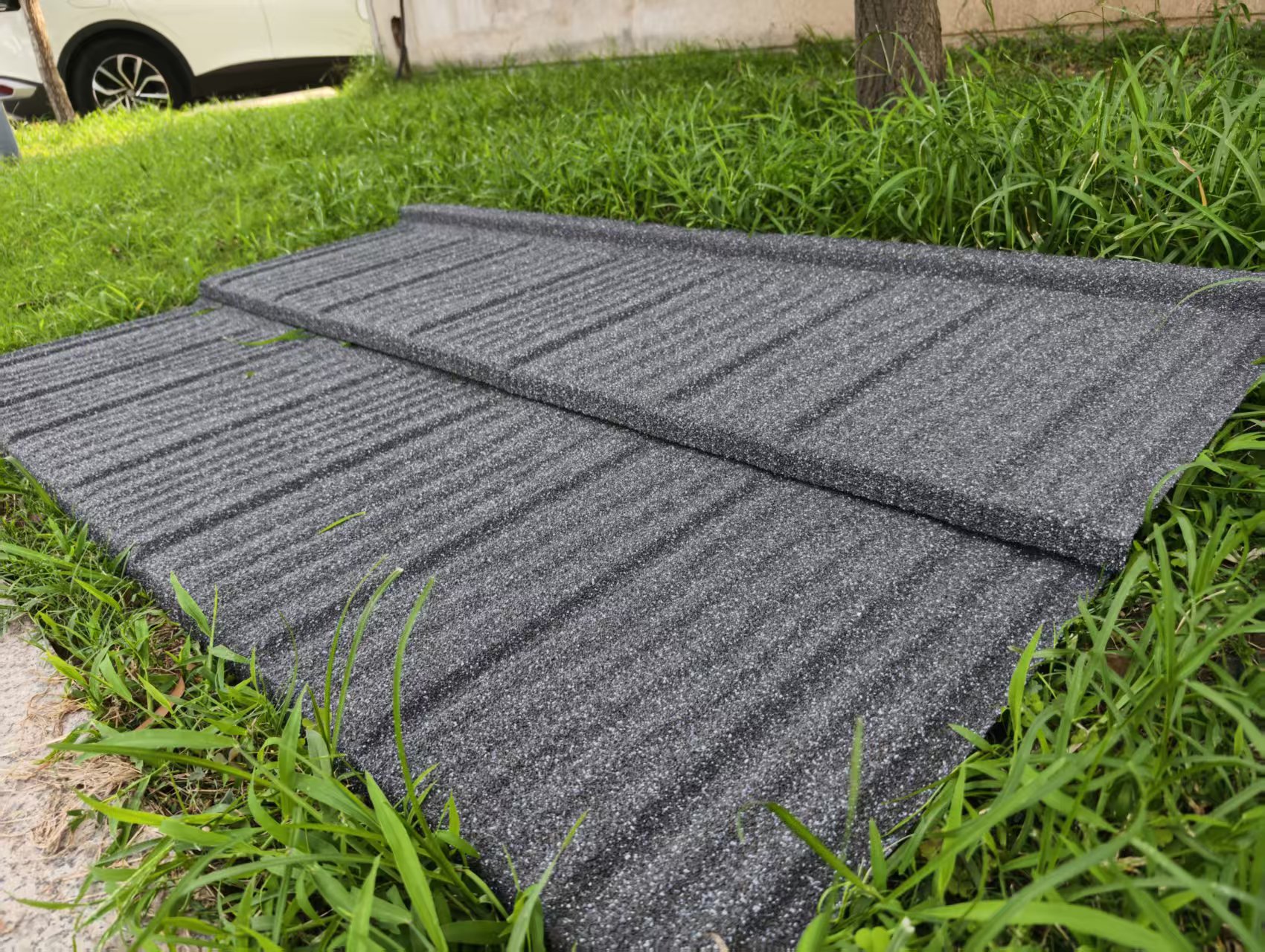
Unlike smooth metal shingles, which emphasize clean lines and reflective finishes, stone coated steel roofing focuses on texture, depth, and natural appearance.
This difference in design philosophy explains why some people perceive other metal shingles as “better looking”—they are simply designed for a different architectural style.
Two Different Aesthetic Directions
- Stone coated roofing: textured, natural, traditional look
- Standard metal shingles: smooth, modern, sharp finish
Where Stone Coated Roofing Actually Excels
When evaluating why would anyone want a stone coated product, the answer becomes clearer when looking beyond appearance. Stone coated metal roofing is widely used in regions with harsh weather, complex roof structures, or strict aesthetic requirements.
Its advantages are often more practical than visual at first glance.
1. Better Visual Aging Over Time
One of the key reasons contractors recommend stone coated roofing is how it looks after 5–10 years—not just on day one.
Smooth metal shingles may initially appear cleaner and more modern, but they tend to show scratches, dents, and dirt more easily. In contrast, textured stone coated surfaces hide these imperfections.
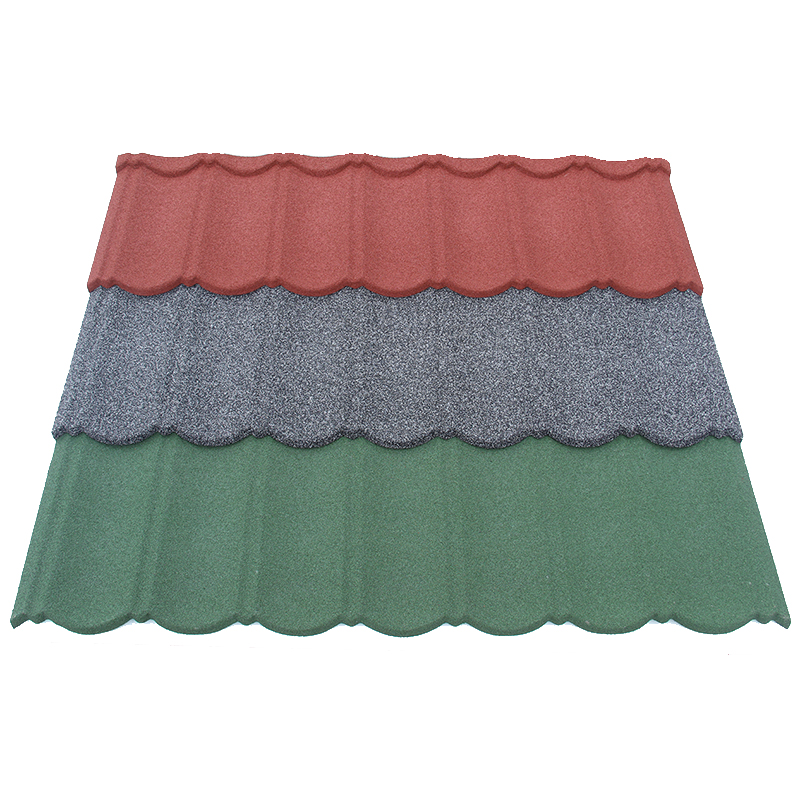
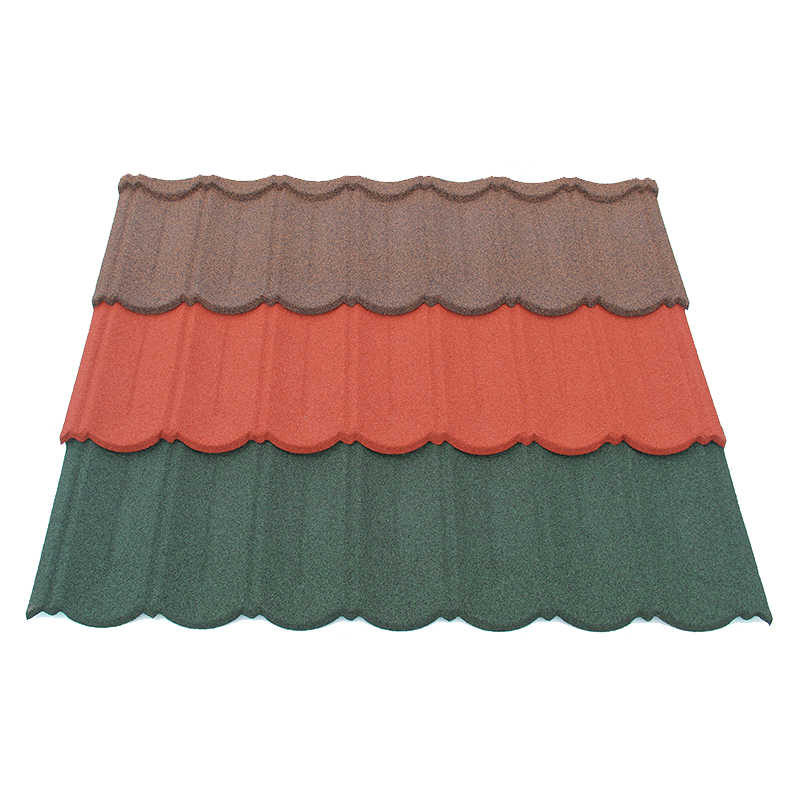
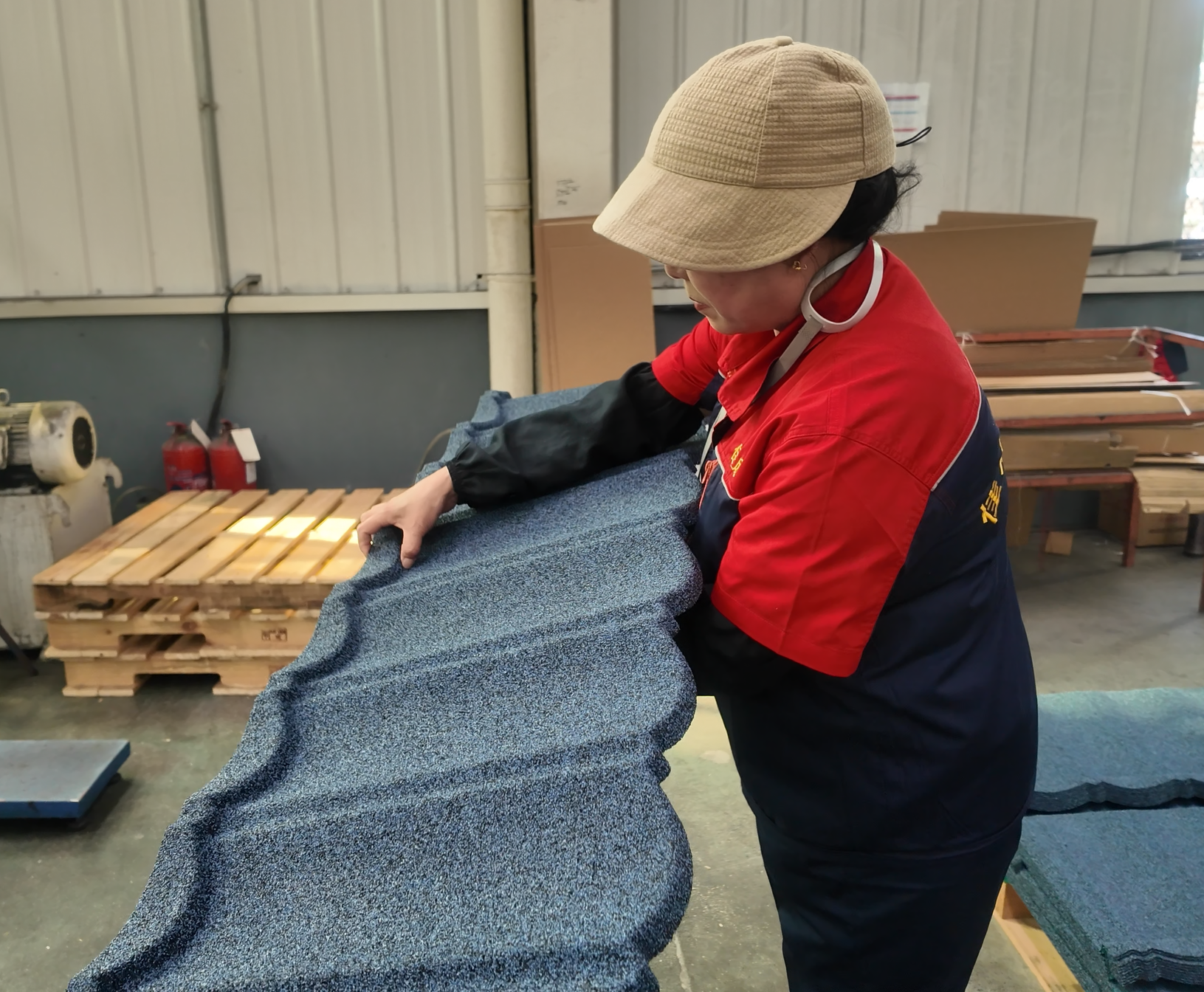
For example, projects using Bond Tile in blended colors maintain a consistent appearance over time because the granule texture masks dust and minor wear.
2. Superior Adaptability to Different Architectural Styles
Stone coated roofing can replicate multiple traditional styles, making it more versatile in design-sensitive markets.
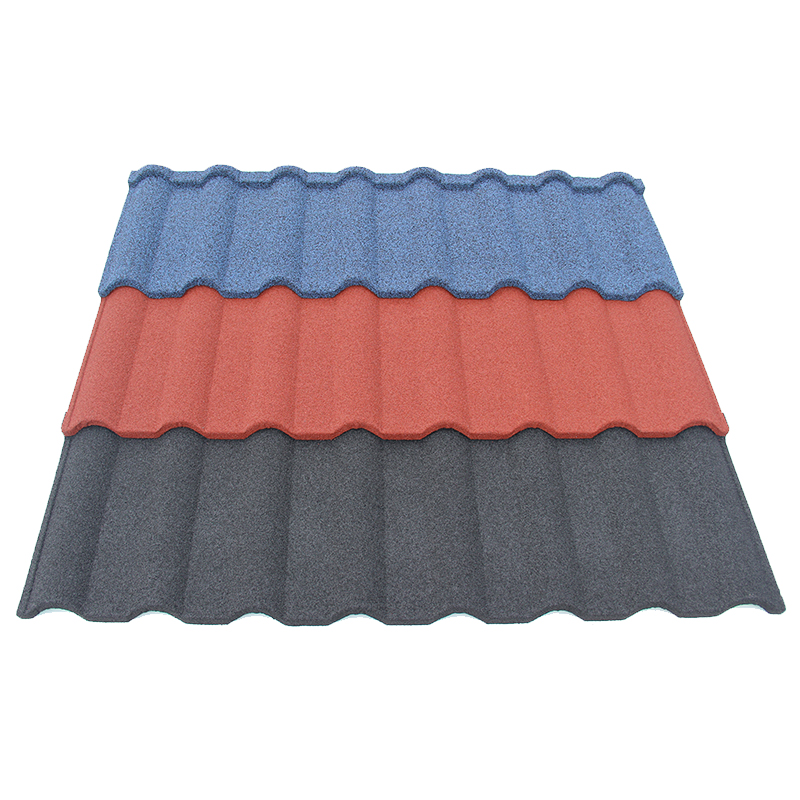
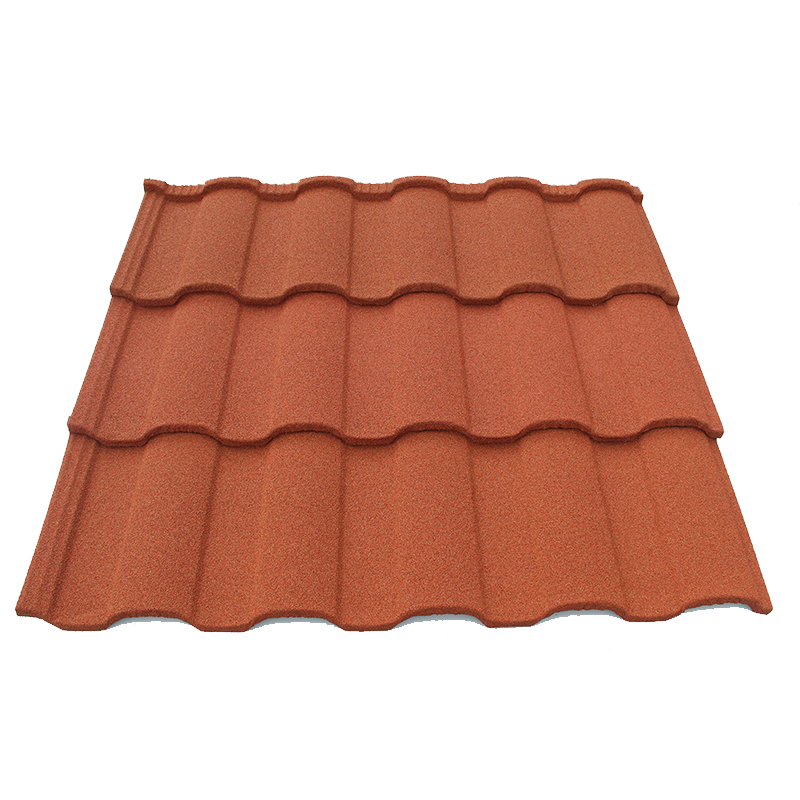
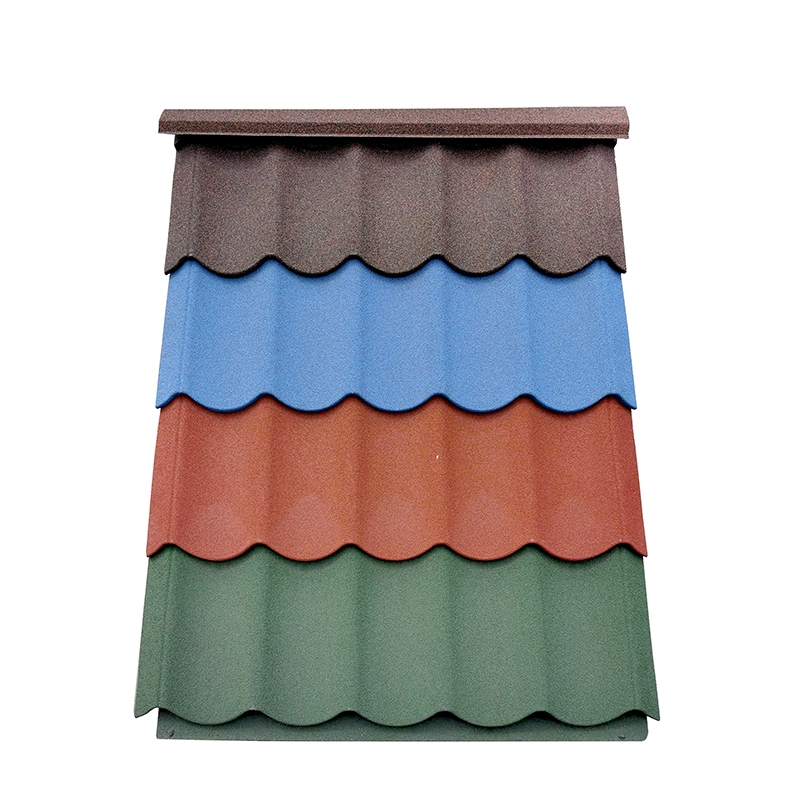
In Mediterranean-style developments, Roman Tile profiles are often preferred because they match traditional clay tile aesthetics while offering improved durability.
3. Better Performance in Harsh Environments
The stone granule layer adds an extra level of protection against UV exposure, weathering, and mechanical impact.
This makes stone coated steel roofing particularly suitable for regions with strong sunlight, heavy rain, or fluctuating temperatures.
4. Noise Reduction Compared to Smooth Metal
The textured surface helps reduce noise from rain or hail, which can be a concern with smooth metal panels.
Why Some Buyers Prefer Other Metal Shingles
To fairly address why would anyone want a stone coated product, it’s important to acknowledge why some buyers prefer other metal shingles. In certain projects, those preferences are valid.
Smooth metal systems are often chosen for their modern aesthetic and simplicity.
Common Reasons
- Cleaner, more contemporary appearance
- Higher reflectivity (sleek finish)
- Faster installation in large, simple roofs
However, these advantages are often most relevant in industrial or minimalist architectural designs—not all applications.
Appearance vs. Long-Term Performance
The core of the debate—why would anyone want a stone coated product—comes down to short-term appearance versus long-term performance. What looks “better” initially may not maintain that appearance over time.
Stone coated roofing is designed to age more gracefully, even if it appears less sharp on day one.
| Factor | Stone Coated Roofing | Other Metal Shingles |
|---|---|---|
| Initial Appearance | Textured, natural | Smooth, modern |
| Appearance Over Time | Stable, hides wear | Shows scratches and dirt |
| Durability Perception | Consistent | May decline visually |
| Architectural Flexibility | High | Moderate |
How Profile Choice Influences Perception
Another factor in why would anyone want a stone coated product is the specific profile selected. Different profiles can significantly change how the roof looks and performs visually.
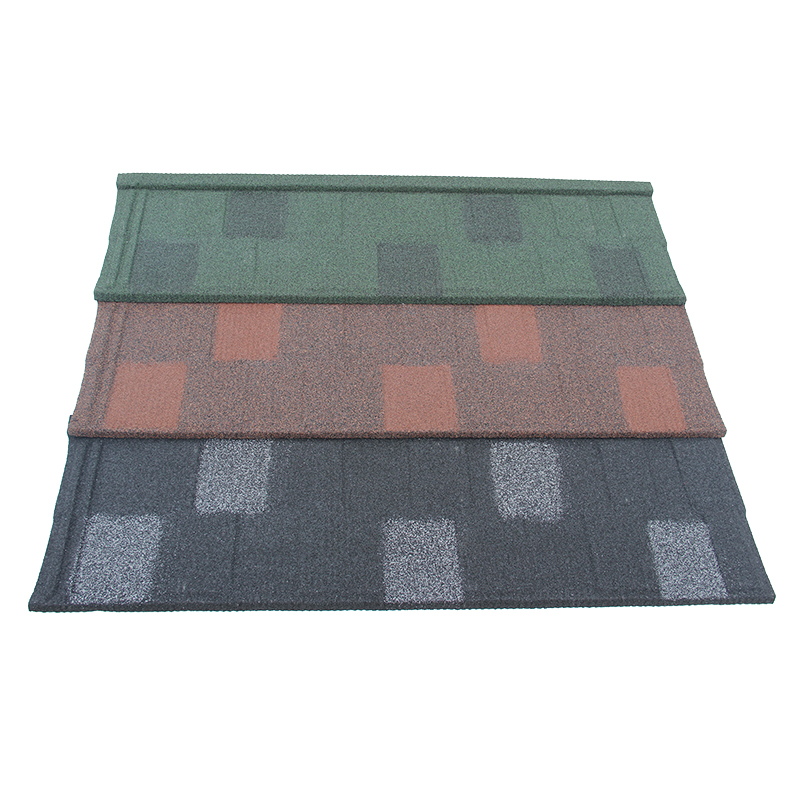
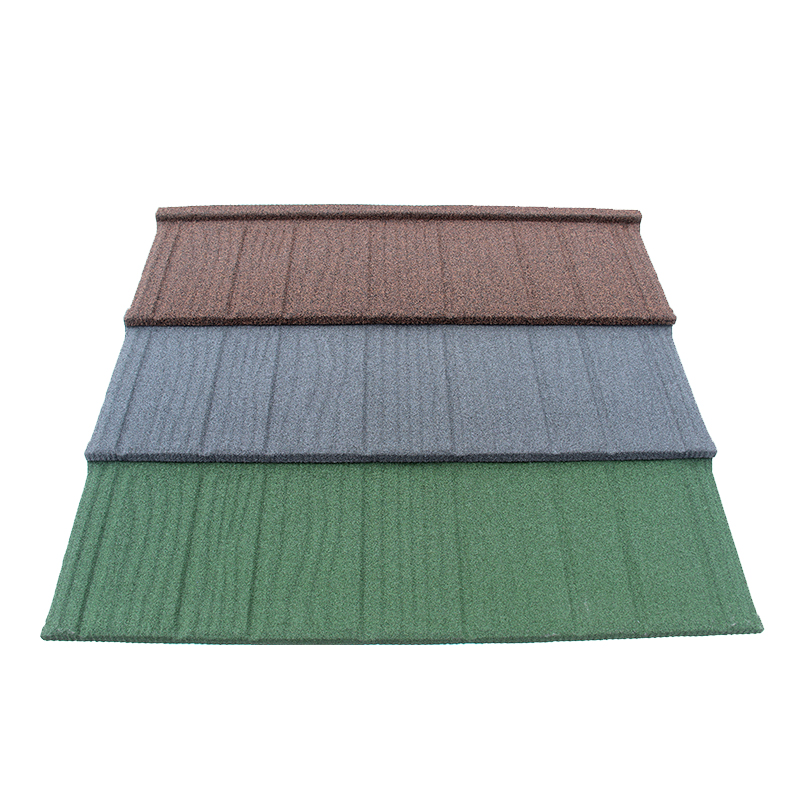
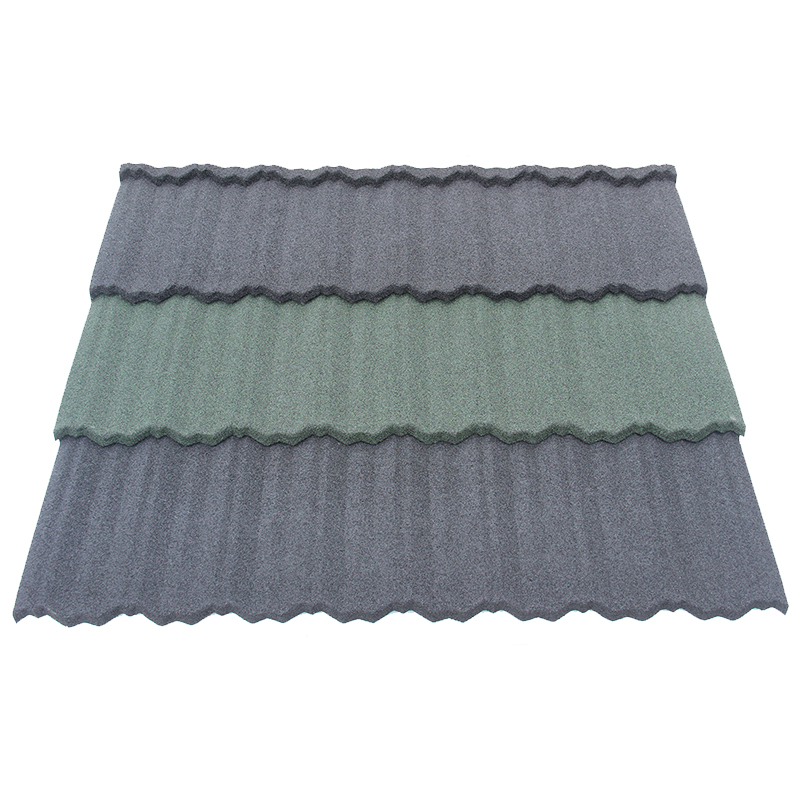
In flatter designs like Shingle Tile, the appearance becomes more uniform and subtle, which appeals to buyers who want a balance between traditional and modern styles.
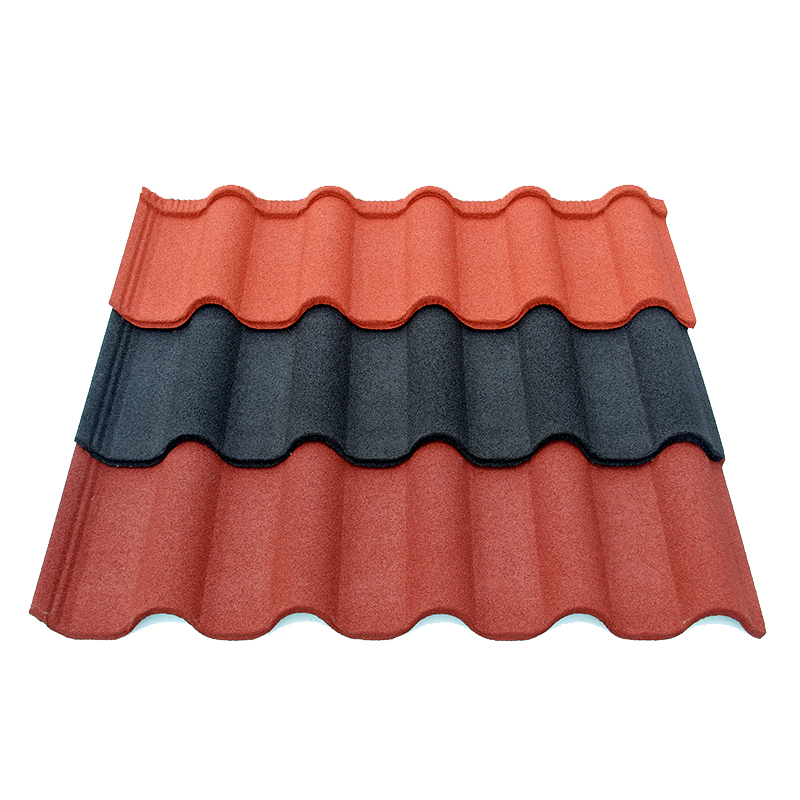
Meanwhile, premium profiles such as Milano Tile are often used in high-end residential projects where both design and long-term appearance are critical.
The Role of Market and Project Type
In many cases, the answer to why would anyone want a stone coated product depends on the market and project type. Different regions and applications prioritize different factors.
For example:
- Residential housing: favors natural, traditional aesthetics
- Luxury projects: prioritizes long-term visual consistency
- Coastal or harsh climates: values durability over appearance
In these scenarios, stone coated roofing often becomes the preferred choice despite initial aesthetic preferences.
Common Misconceptions About Stone Coated Roofing
There are several misconceptions behind the question why would anyone want a stone coated product, which can influence perception.
“It Looks Rough or Outdated”
In reality, it is designed to replicate traditional materials with improved performance.
“Other Metal Roofs Are Always Better Looking”
This depends entirely on architectural style and personal preference.
“It’s Only About Durability”
While durability is a key advantage, design flexibility is equally important.
Practical Advice for Buyers and Contractors
For B2B buyers, contractors, and distributors, the question why would anyone want a stone coated product should be reframed as: what does the project actually require?
Choosing between stone coated roofing and other metal shingles should be based on application, environment, and long-term expectations—not just initial appearance.
In the industry, manufacturers such as JCROOF are often considered for projects where consistent performance and adaptable design options are required across different markets.
Recommended Strategy
- Match roofing type to architectural style
- Consider long-term appearance, not just first impression
- Evaluate environmental conditions
- Balance aesthetics with durability and maintenance
Conclusion: Why Would Anyone Want a Stone Coated Product?
So, why would anyone want a stone coated product? Because it offers a balanced solution—combining durability, adaptability, and long-term visual stability. While other metal shingles may appear more modern or refined initially, stone coated roofing is designed to perform consistently and maintain its appearance over time.
For professional buyers and contractors, the key takeaway is simple: “better looking” depends on context. In many real-world projects, stone coated steel roofing delivers greater overall value when evaluated across the full lifecycle of the roof.