
In commercial roofing procurement, few concerns appear as frequently as noise performance during rainfall, especially when decision-makers evaluate metal-based systems such as stone coated metal roofing tile. Contractors, importers, and project consultants often carry an assumption that metal roofs are inherently loud, which directly influences material selection even before technical evaluation begins. This perception, however, is rarely aligned with real project outcomes when the system is properly specified and installed.
The question is not simply whether stone coated steel roofs are noisy, but under what conditions they become noisy—and more importantly, how professional roofing systems eliminate that risk entirely. In modern construction practice, noise performance is no longer determined by the metal sheet alone, but by the full system design: substrate, stone coating layer, battens, insulation, and roof assembly method. Understanding this system-level behavior is critical for any B2B buyer making procurement decisions at scale.
From warehouse projects to residential villa developments, stone coated roofing has become a mainstream choice precisely because it balances durability with comfort performance. Yet misunderstandings about acoustic behavior still lead some buyers to hesitate, especially when comparing alternatives purely on surface-level assumptions rather than engineering reality.
Why Rain Noise Becomes a Concern in Metal Roofing Procurement
In procurement discussions, rain noise is often raised as a risk factor before structural or cost considerations. This is largely driven by outdated experiences with exposed corrugated metal sheets used in low-cost industrial buildings. Those systems lack insulation layers and sound-dampening design, which creates direct impact noise when rain strikes the surface.
However, modern stone coated metal roofing tile systems are fundamentally different. They are composite roofing systems designed with multiple damping layers that significantly reduce vibration transfer. The issue is not whether metal can be loud, but whether the roofing system allows vibration energy to reach the interior structure.
In real procurement scenarios, misunderstanding this distinction often leads to over-specification or unnecessary material upgrades, increasing project cost without improving performance. Experienced contractors evaluate acoustic behavior as a system outcome, not a material trait.
Perception vs Engineering Reality
- Old metal roofs = exposed sheet + no insulation = high noise
- Stone coated systems = layered structure = vibration absorption
- Noise depends more on installation than on steel itself
Project-Level Risk Misinterpretation
Many first-time buyers assume that switching from concrete or asphalt roofing to metal-based systems automatically increases noise. In reality, properly installed stone coated roofing often performs better acoustically than traditional tile systems under heavy rainfall due to energy dispersion across layered surfaces.
What Actually Determines Rain Noise in Stone Coated Metal Roofing Systems
The acoustic performance of a roofing system is governed by how impact energy from rainfall is absorbed, dispersed, and isolated before it reaches the indoor environment. In stone coated metal roofing tile systems, this process involves multiple layers working together rather than a single material response.
The stone granule surface breaks direct raindrop impact, while the coated steel sheet underneath distributes residual vibration. Beneath that, battens and underlayment layers act as critical dampers. This is why two roofs using identical steel sheets can perform completely differently in rain noise tests.
From a procurement standpoint, evaluating only the outer tile profile is insufficient. System configuration determines real-world performance more than product naming or aesthetic design.
Layered Acoustic Control Mechanism
A properly engineered roofing system controls noise through three stages:
- Impact disruption at stone granule surface
- Vibration diffusion across steel substrate
- Absorption at insulation and batten layers
Profile Influence Is Secondary
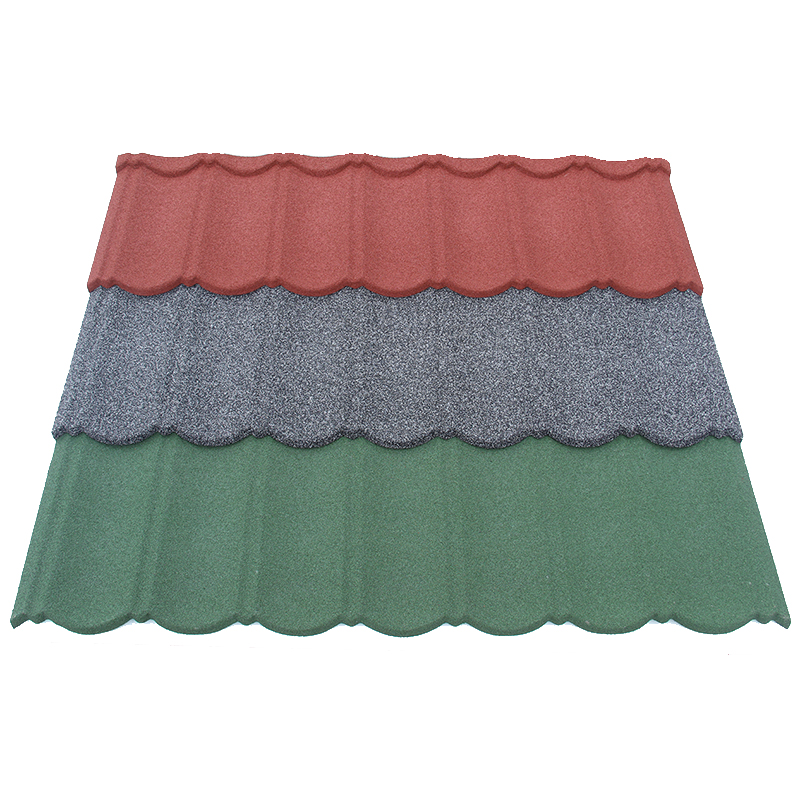
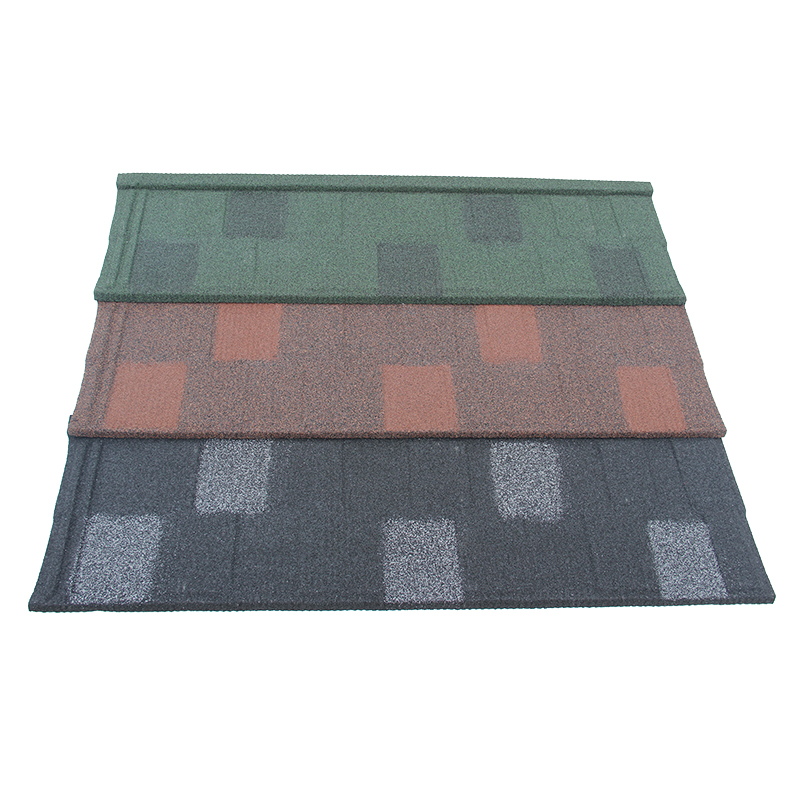
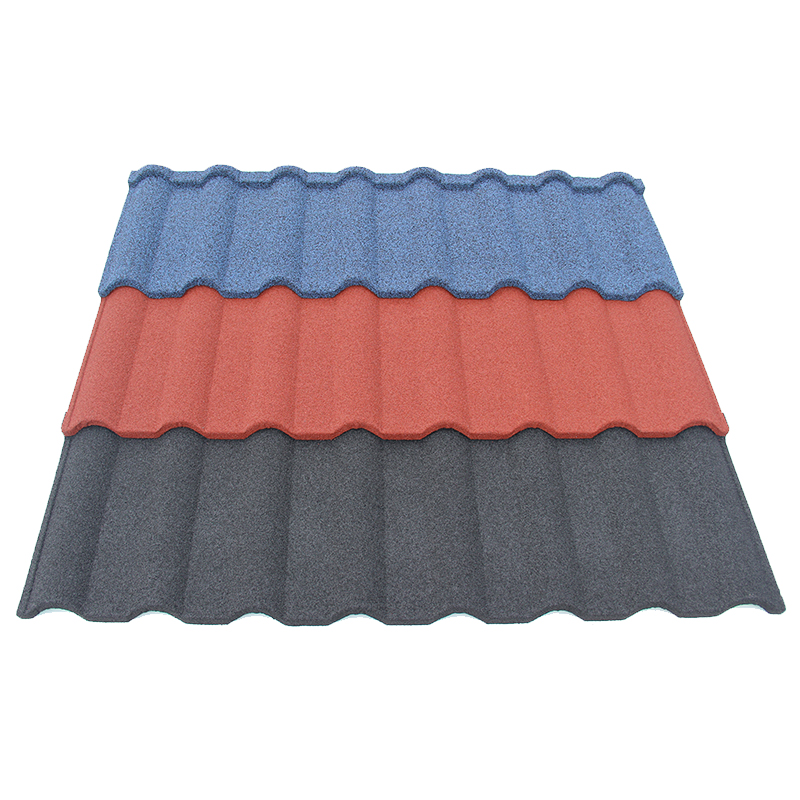
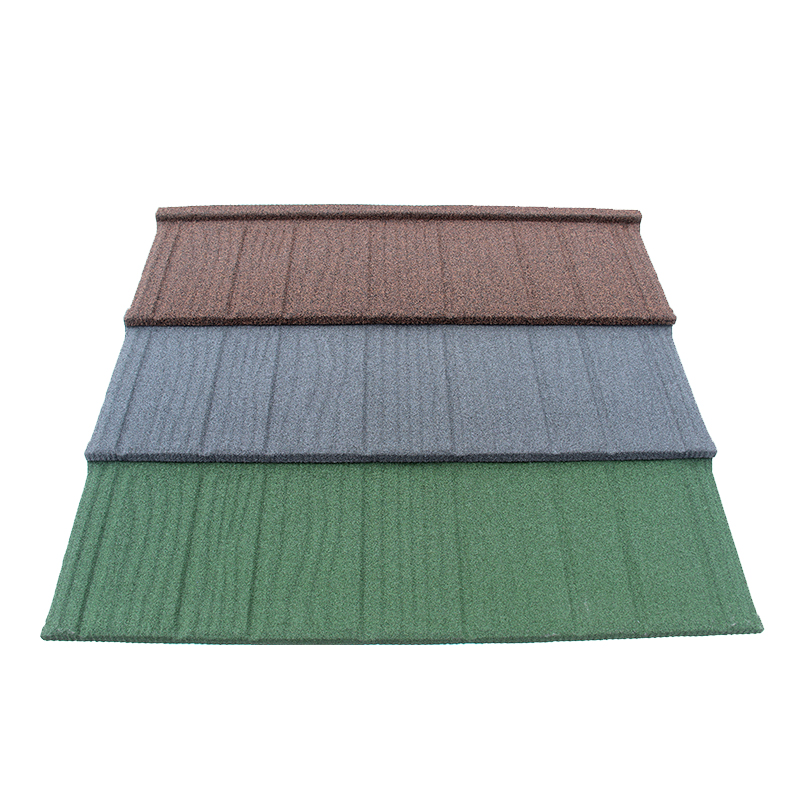
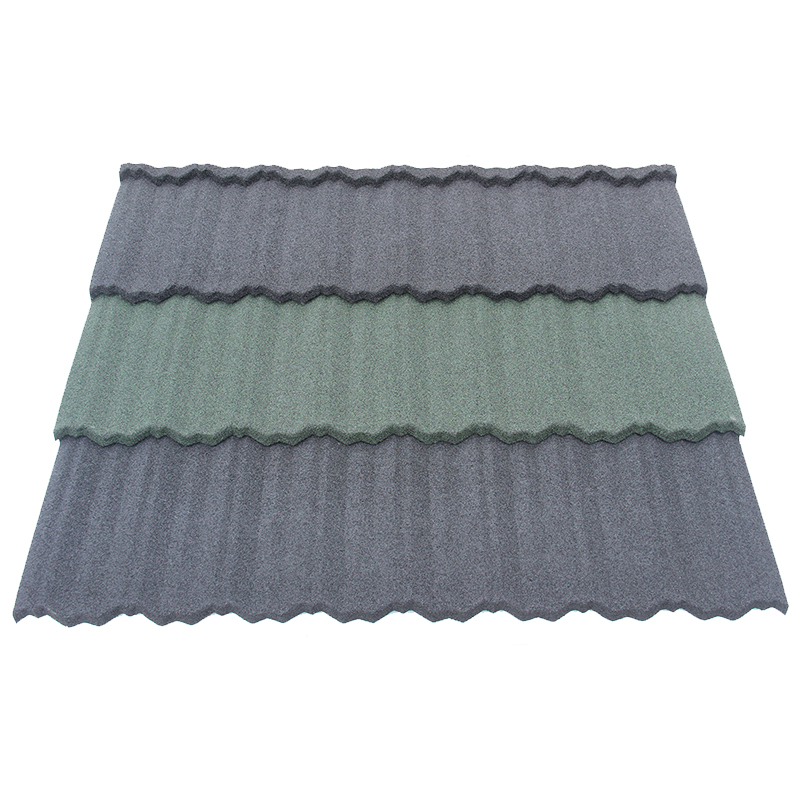
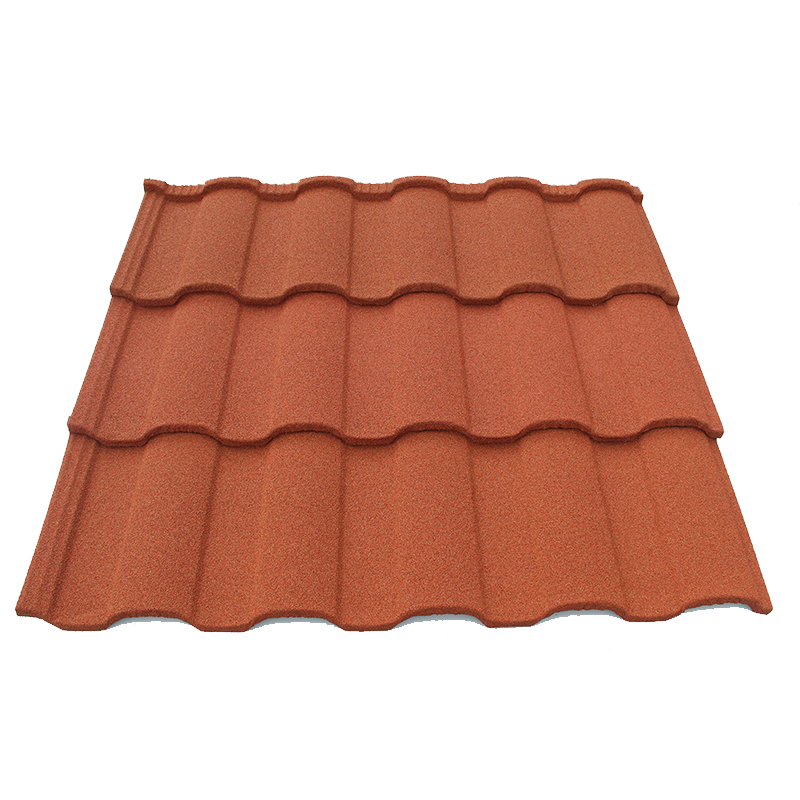
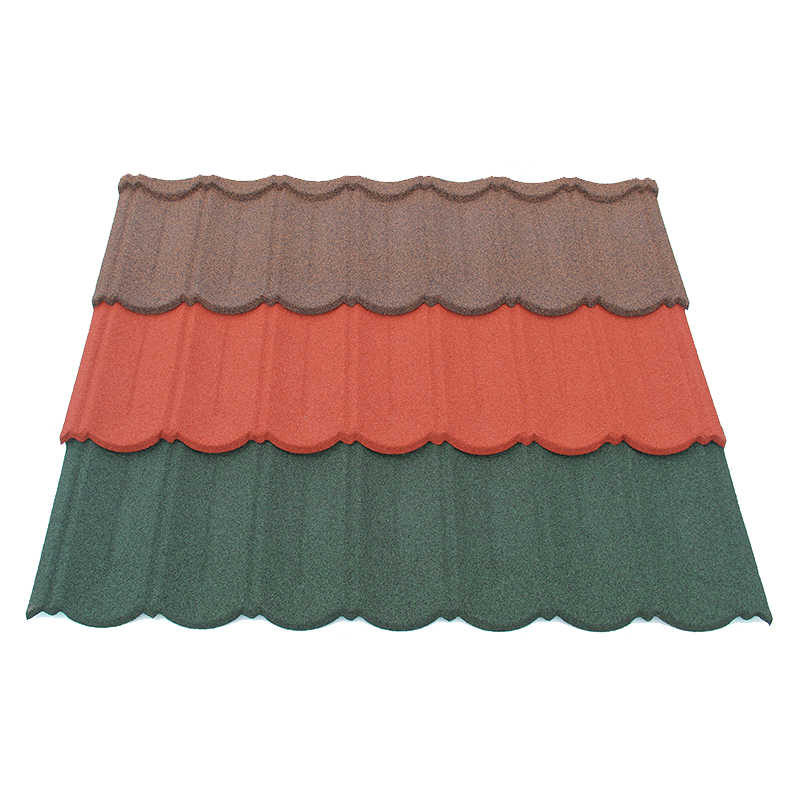
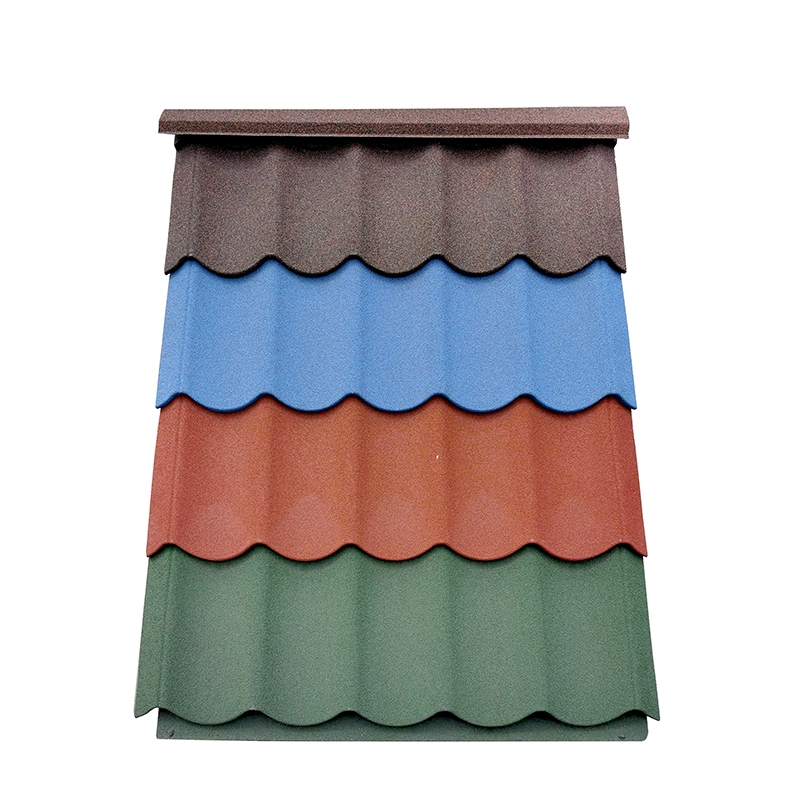
Different profiles such as Shingle Tile or Milano Tile do not directly determine noise levels. Their impact is indirect, mainly through how they affect airflow gaps and installation geometry rather than acoustic insulation itself.
Material Structure and Acoustic Behavior in Real Roofing Systems
To understand rain noise properly, it is necessary to examine the structural composition of stone coated roofing systems. Unlike single-layer metal sheets, these systems are engineered assemblies designed for environmental resistance and acoustic stability.
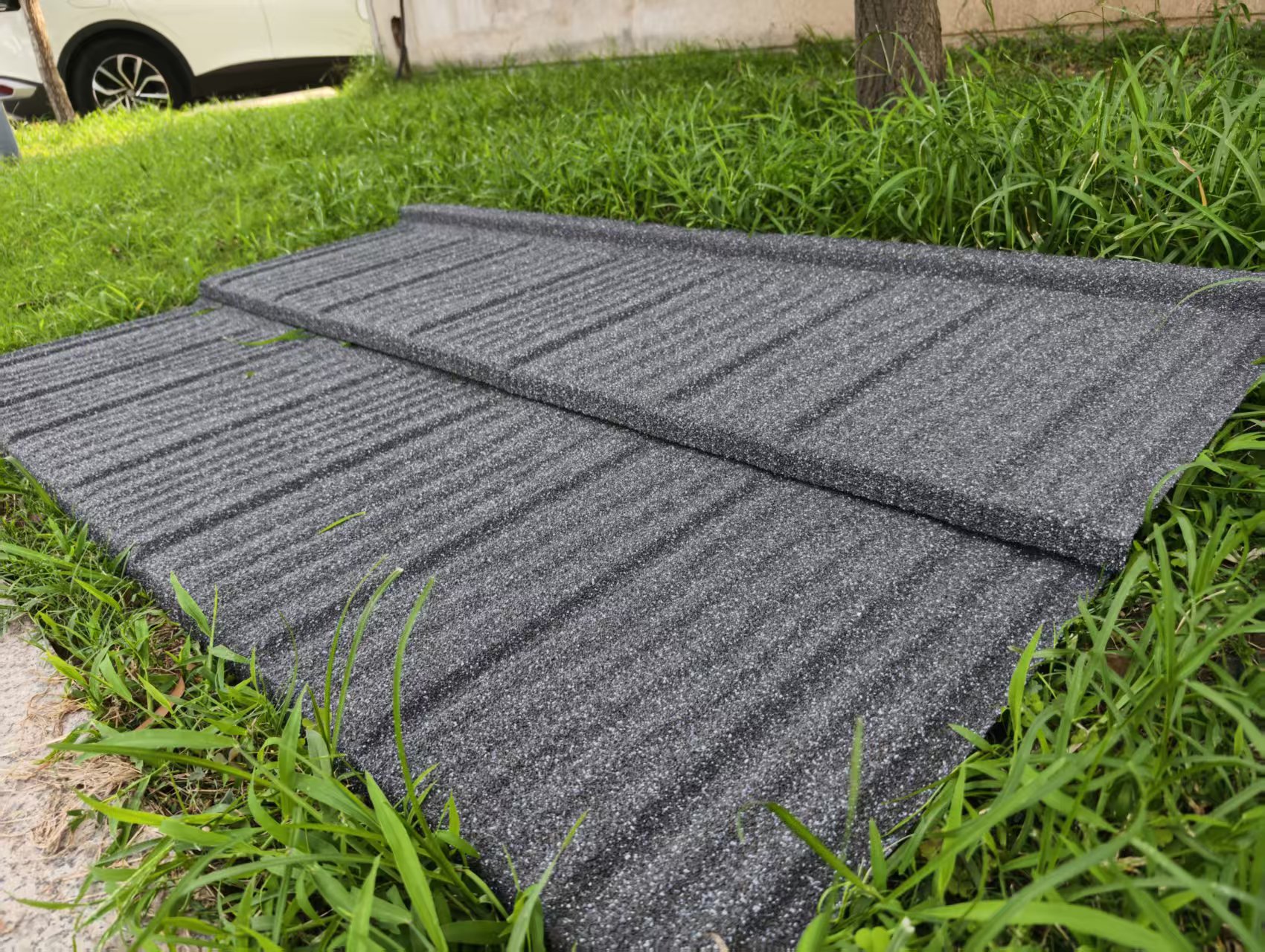
A typical system includes a steel substrate, protective coating layer, adhesive bonding, and stone granule surface. Each layer contributes differently to vibration control. The stone coating plays a surprisingly important role by fragmenting raindrop impact before it reaches the steel core.
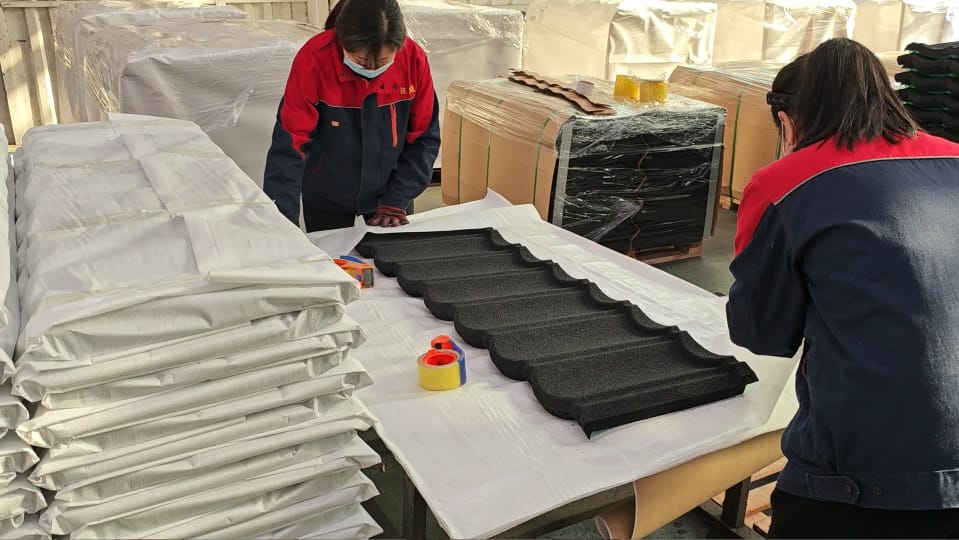
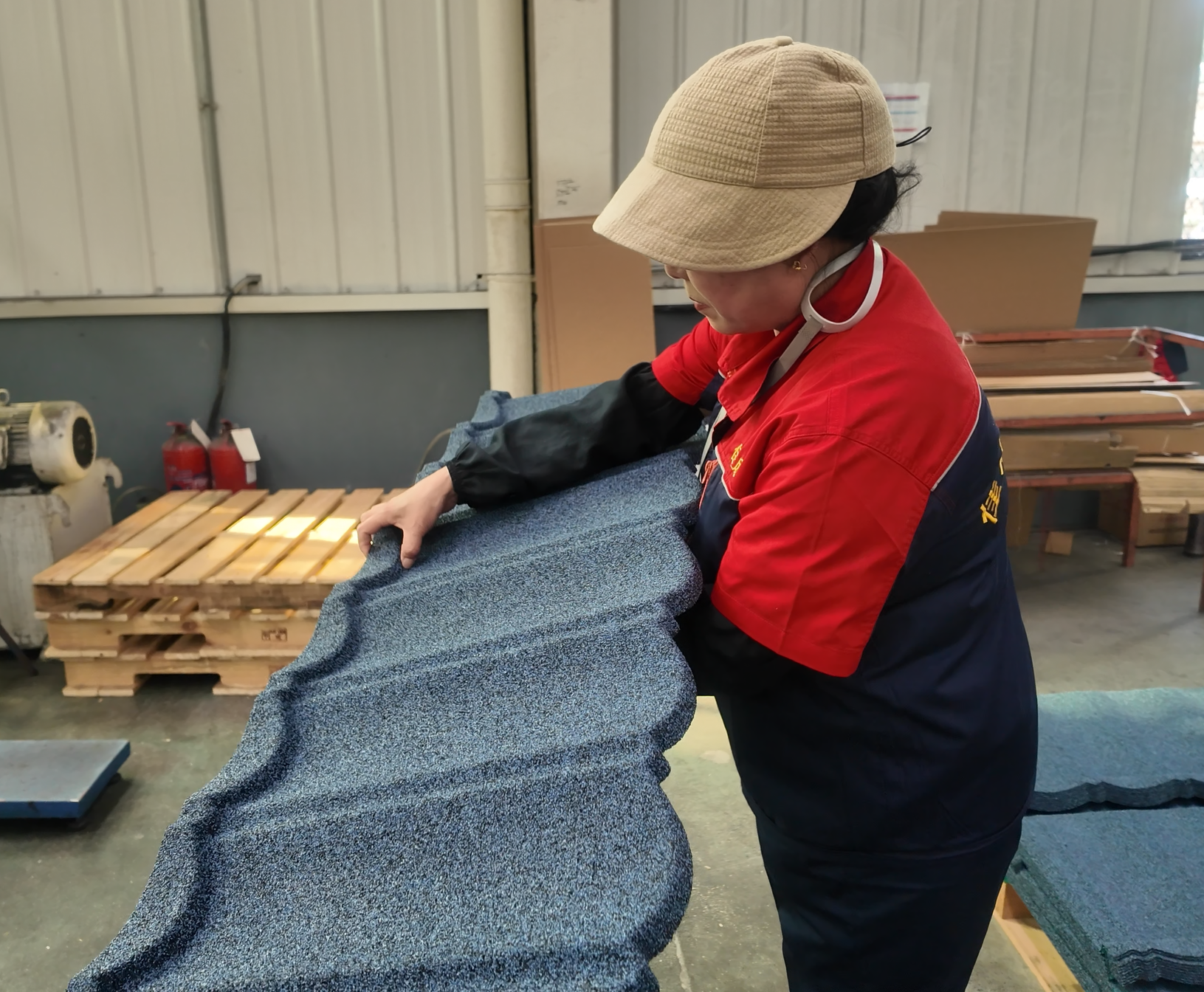
In high-quality production environments, manufacturers like JCROOF integrate strict substrate control and coating consistency to ensure uniform acoustic behavior across batches, which is critical for large-scale export projects.
Substrate and Coating Interaction
| Component | Function | Impact on Noise |
|---|---|---|
| Steel substrate | Structural strength | Medium vibration conductor |
| Aluzinc layer | Corrosion resistance | Indirect acoustic stability |
| Stone granules | Surface impact dispersion | High noise reduction effect |
| Underlayment | Insulation layer | Primary sound absorber |
Profile Application in Real Projects
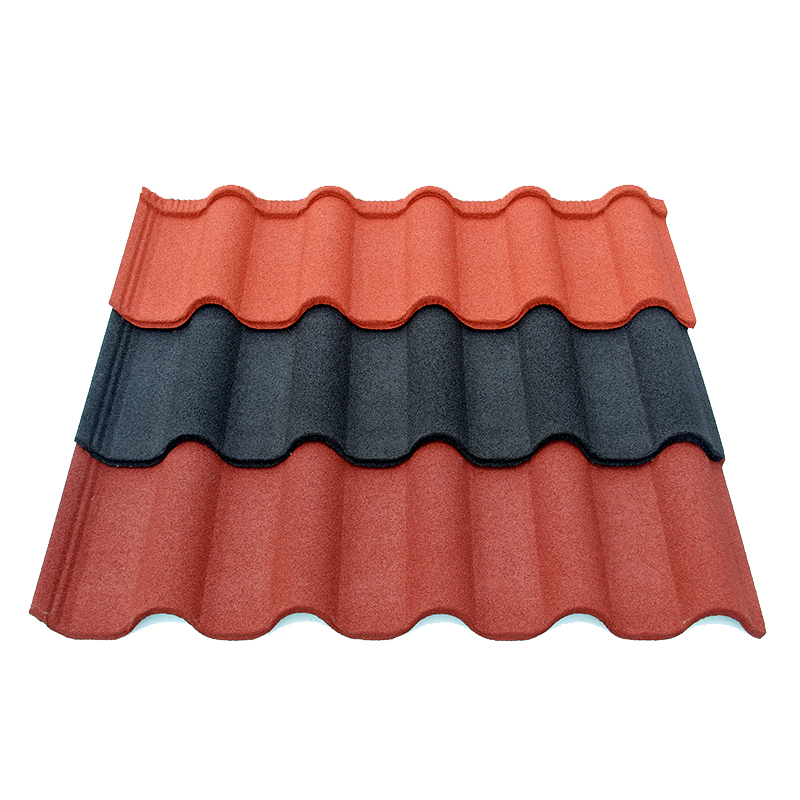
For example, Shake Tile is often used in villa-style developments where architectural texture is prioritized alongside comfort performance. In contrast, Roman Tile systems are frequently selected for large residential projects where consistency and installation efficiency matter more than visual complexity.
Real Project Experience: When Noise Becomes a Problem (and When It Doesn’t)
In field applications, rain noise complaints are almost never caused by the stone coated metal roofing tile itself. Instead, they originate from installation shortcuts, missing insulation layers, or improper batten spacing. This is a critical distinction often overlooked during procurement decisions.
In multiple export projects involving commercial housing and light industrial buildings, noise issues were traced back to cost-cutting on underlayment materials rather than roofing sheet quality. Once corrected, the same roofing system performed within expected acoustic comfort ranges.
This is also why different tile profiles such as Bond Tile or Milano Tile may perform differently in practice, not because of their shape alone, but because they are often paired with different installation standards depending on market segment.
Common Root Causes of Noise Complaints
- Missing or low-density insulation layer
- Direct steel-to-wood contact without damping
- Improper fastening creating vibration bridges
- Thin underlayment in cost-reduced projects
Installation Quality vs Material Quality
In most engineering assessments, installation quality contributes more to acoustic performance than the roofing material itself. Even premium stone coated systems will underperform if installed without proper separation layers between steel and structural decking.
How to Ensure Quiet Performance in Stone Coated Roofing Systems
From a procurement and engineering perspective, controlling rain noise is not a material selection problem—it is a system design requirement. Buyers who understand this are able to specify performance outcomes rather than simply purchasing products.
A properly designed stone coated roofing system should include validated insulation layers, certified substrate material, and controlled installation standards. When these factors are aligned, rain noise becomes negligible even under heavy storm conditions.
In large-scale export supply chains, experienced manufacturers ensure these standards are maintained consistently to reduce post-installation disputes and warranty claims.
Procurement Checklist for Acoustic Performance
- Confirm steel substrate type (Aluzinc preferred)
- Verify underlayment thickness and density
- Check batten spacing and fastening method
- Request system-level rather than single-sheet specifications
For buyers sourcing internationally, aligning with stable manufacturing partners reduces variability risk. Systems supplied under integrated quality control—such as those produced by JCROOF—tend to deliver more predictable acoustic performance across different project environments.