
In many roofing projects, maintenance teams or installers inevitably need to step onto the roof surface. However, under high-temperature conditions, walking on a stone-coated steel roof introduces risks that are often underestimated—especially in hot climates where surface temperatures can exceed safe working limits.
For contractors, distributors, and project managers, this is not just a safety concern. Improper handling in high heat can lead to surface damage, reduced product lifespan, and even warranty disputes. Understanding how these roofing systems behave under heat stress is critical for both installation and after-sales maintenance planning.
This guide explains what actually happens when someone walks on a heated roof surface, why problems occur, and how to prevent costly damage in real-world projects.
How High Temperatures Affect Roof Surface Behavior
Under direct sunlight, metal-based roofing systems can reach surface temperatures between 60°C and 80°C (140°F–176°F), depending on color, ventilation, and environmental conditions. At these temperatures, the roofing system does not fail structurally, but its surface characteristics change in ways that affect durability and handling.
The steel substrate remains stable, but the coating layers and bonding systems become more flexible. This temporary softening increases sensitivity to pressure and friction during foot traffic.
For B2B applications, this means that installation timing and maintenance procedures must account for thermal conditions, not just structural design.
What changes under heat
- Surface coating becomes more flexible and less resistant to abrasion
- Stone granule adhesion is temporarily more vulnerable to friction
- Thermal expansion slightly alters panel alignment
Practical implication
Walking on the roof during peak heat hours increases the risk of surface wear, even if the material itself remains structurally intact.
What Actually Happens When You Walk on the Roof in High Heat
Contrary to common assumptions, walking on a stone-coated roof in high heat does not usually cause immediate dents or structural damage. Instead, the effects are more subtle and often cumulative, becoming visible only after repeated exposure or improper handling.
These effects are primarily related to surface integrity rather than load-bearing capacity.
Most common outcomes
- Granule displacement or localized surface wear
- Scuff marks or slight discoloration
- Reduced coating lifespan in high-traffic areas
Profile sensitivity
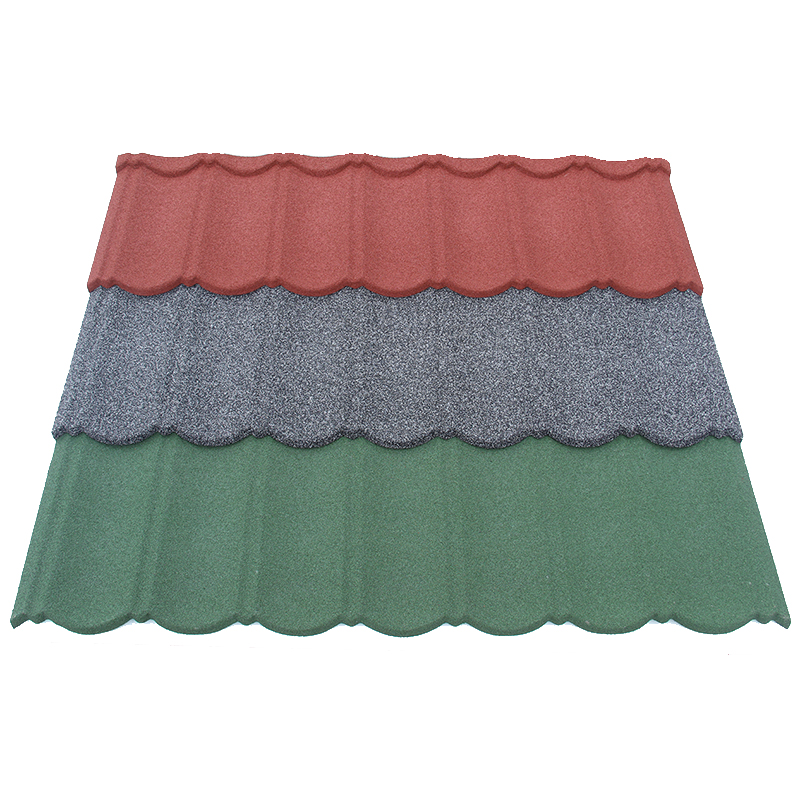
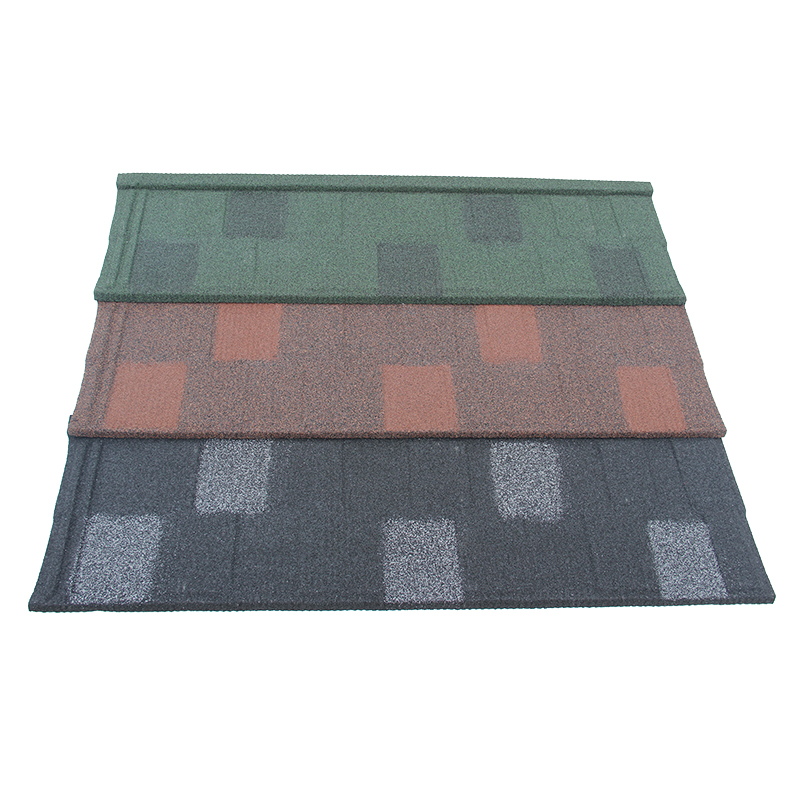
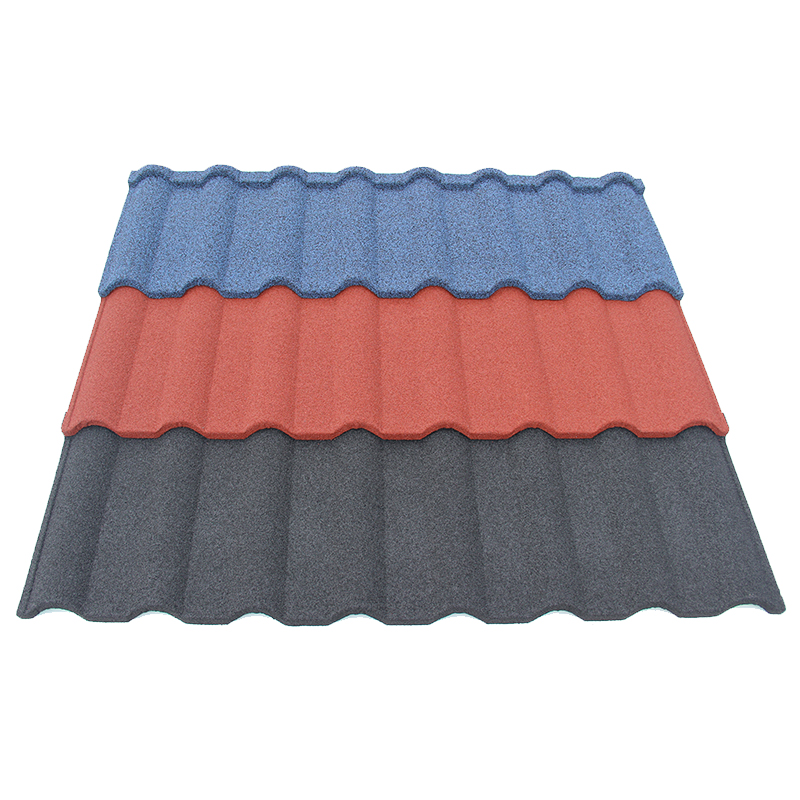
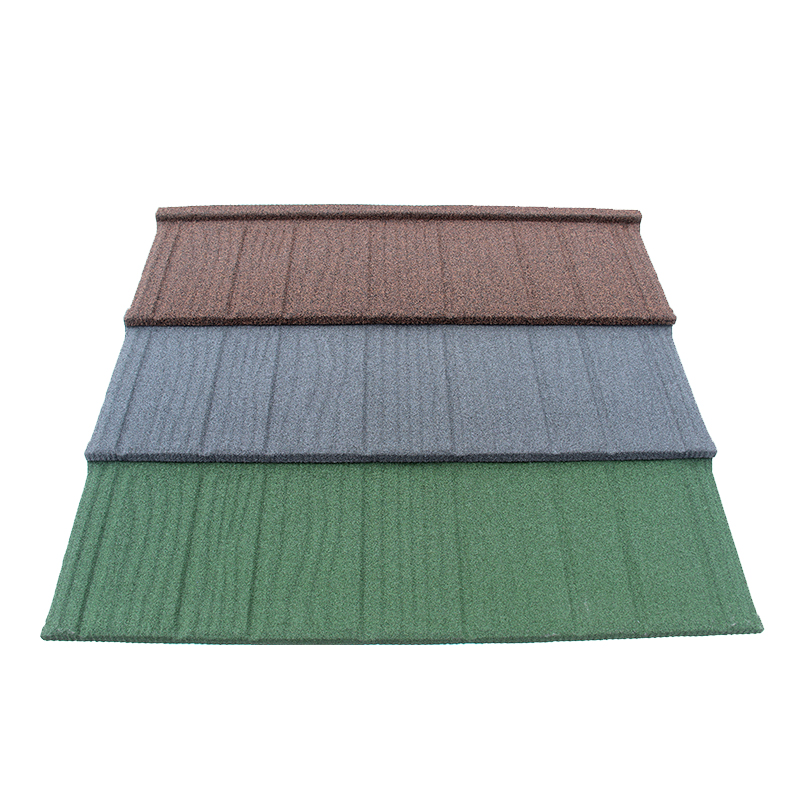
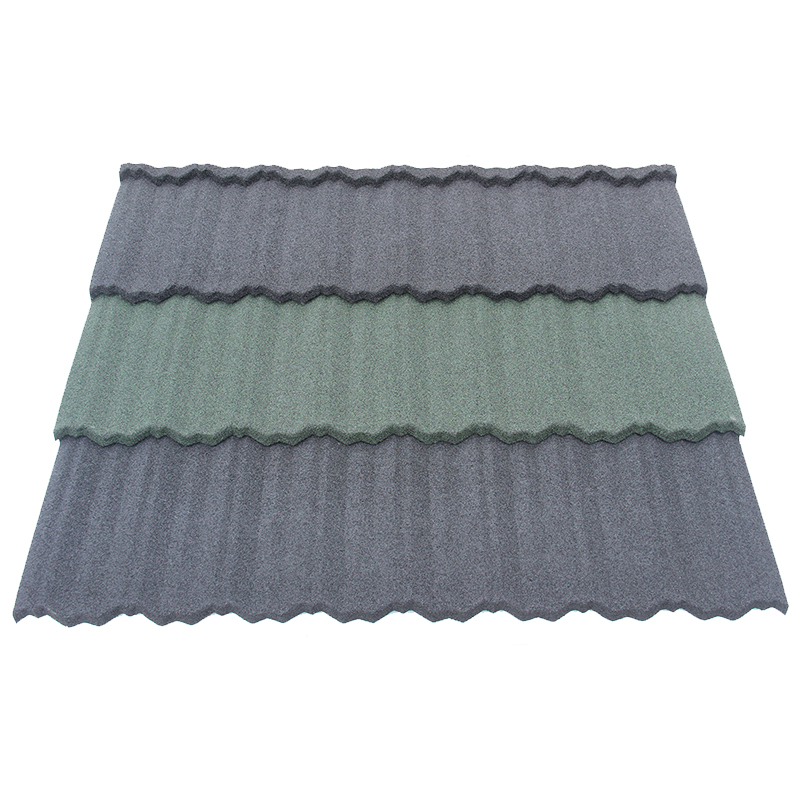
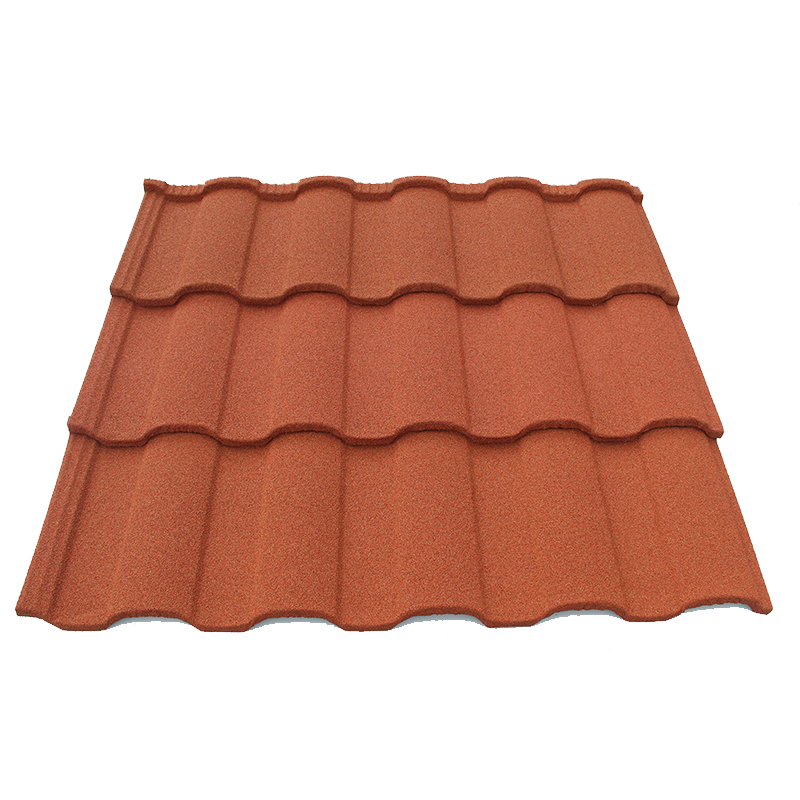
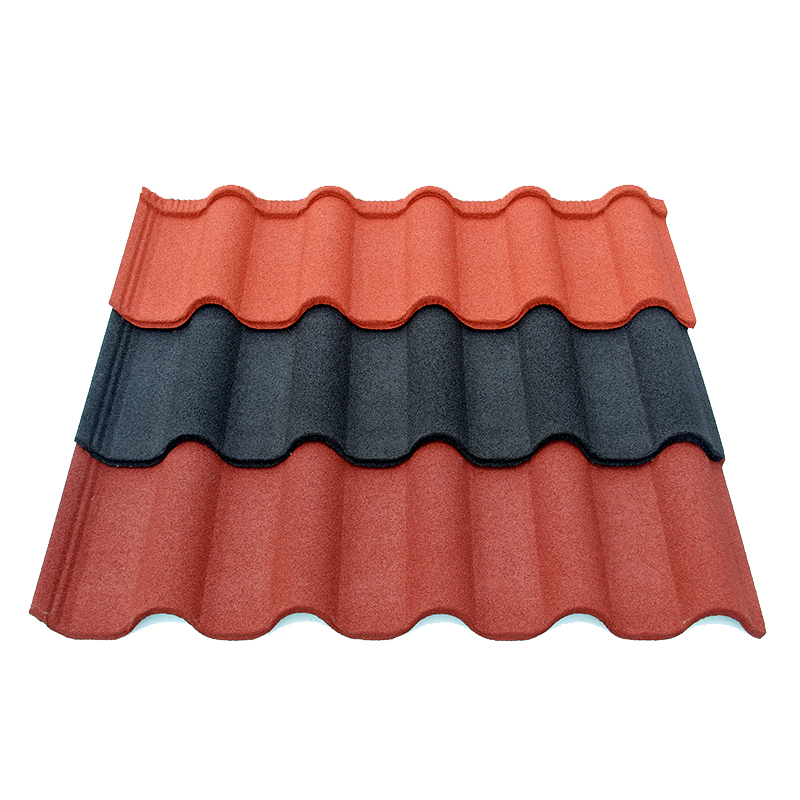
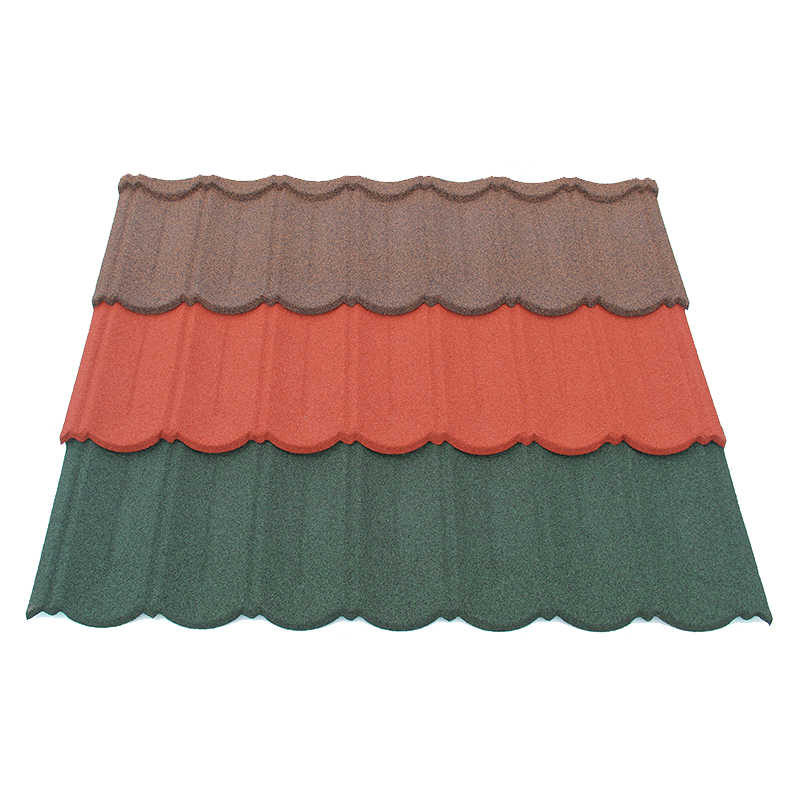
Flatter designs such as Bond Tile and Shingle Tile tend to distribute weight more evenly, while deeper-profile systems like Roman Tile or Shake Tile concentrate pressure on specific contact points, increasing the risk of localized wear. Decorative profiles like Milano Tile may also show surface marks more easily due to their finish characteristics.
Why Damage Happens: The Real Cause Is Not Weight
A common misconception is that damage occurs because the roof cannot support human weight. In reality, these systems are engineered to handle typical maintenance loads. The issue in high heat conditions is not weight, but the combination of pressure, friction, and softened surface layers.
When a person walks on a heated surface, the friction between footwear and the granule layer increases, which can dislodge or wear down protective particles.
This is especially relevant in large-scale projects where multiple workers access the roof during installation or inspection phases.
Key contributing factors
- Softened coating layer under high temperature
- Increased friction from rubber-soled footwear
- Repeated foot traffic in the same areas
Manufacturing factor
High-quality production systems, such as those used by JCROOF, improve granule adhesion strength, which helps reduce—but not eliminate—the impact of high-temperature foot traffic.
Best Practices for Safe Walking and Damage Prevention
Preventing damage is significantly easier than repairing it. In professional roofing operations, access to the roof surface is carefully controlled based on environmental conditions and installation stage.
For contractors and maintenance teams, following structured guidelines can minimize both safety risks and long-term surface damage.
Recommended practices
- Avoid walking on the roof during peak heat hours (typically midday)
- Schedule installation or inspection in early morning or late afternoon
- Use soft-soled, non-abrasive footwear
- Step on lower support areas rather than unsupported spans
Operational insight
In large commercial projects, restricting roof access during high-temperature periods is a standard practice to maintain surface integrity and reduce warranty risks.
Long-Term Impact on Performance and Warranty
Occasional foot traffic in high heat is unlikely to cause immediate failure, but repeated exposure can lead to cumulative surface degradation. Over time, this may affect the visual appearance and protective function of the roofing system.
From a warranty perspective, damage caused by improper handling or installation practices is typically not covered. This makes it important for project managers to implement clear guidelines for roof access and maintenance procedures.
In B2B supply scenarios, consistent installation standards are just as important as product quality in determining long-term performance outcomes.
Potential long-term effects
- Accelerated fading in high-traffic zones
- Localized reduction in protective coating performance
- Increased maintenance requirements over time
Conclusion: Heat Changes the Rules of Roof Handling
Walking on a stone-coated steel roof in high heat does not typically cause structural damage, but it does increase the risk of surface wear and long-term performance issues. The key factor is not load capacity, but how temperature affects coating behavior and friction.
For contractors and distributors, the takeaway is clear: control when and how the roof is accessed. Proper scheduling, handling practices, and awareness of thermal conditions can significantly reduce damage risk.
When combined with consistent manufacturing quality from suppliers like JCROOF, these practices help ensure that roofing systems maintain both performance and appearance throughout their service life.