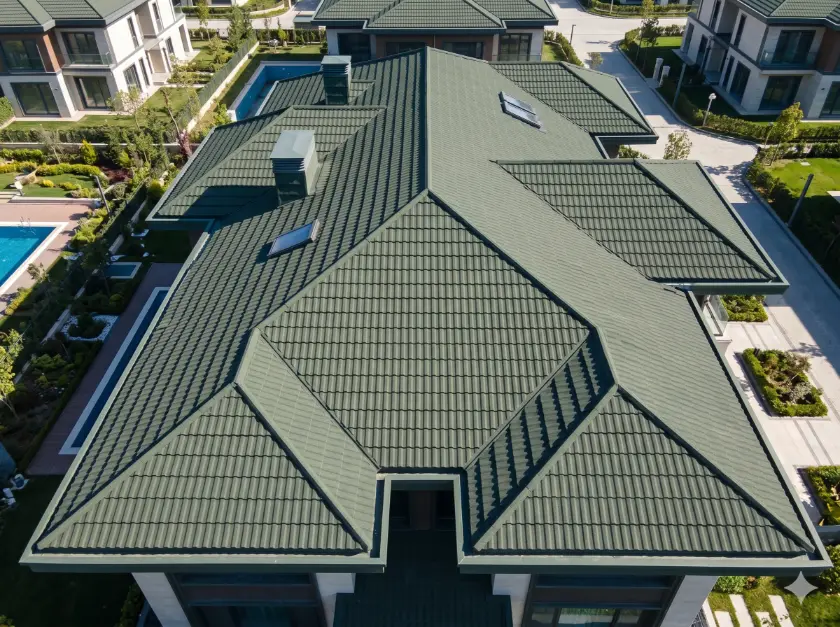


For contractors, distributors, and facility managers, leak issues in stone coated metal roofing tile systems are rarely caused by the material itself. In most real-world cases, leakage is the result of installation defects, weak detailing, or aging components within the roofing system.
The challenge is not just fixing the leak—but finding the exact source. Water intrusion often travels beneath the surface before becoming visible inside the building, which can mislead even experienced installers. Misdiagnosis leads to repeated repairs, increased labor cost, and ongoing customer complaints.
This guide focuses on practical, field-tested methods to accurately locate and fix leaks, helping B2B buyers and contractors reduce long-term maintenance risk and avoid unnecessary replacement.
Why Leak Detection Is More Complex Than It Appears
In stone coated metal roofing tile systems, water does not always enter directly above the visible leak point. Due to overlaps, underlayment layers, and roof slope, water can travel several meters before dripping into the interior space.
This makes visual inspection alone unreliable. Effective leak detection requires a systematic approach that considers both surface conditions and underlying system structure.
Understanding how water moves through the roofing system is the first step toward accurate diagnosis.
Common Misjudgments
- Assuming leak location equals entry point
- Ignoring underlayment and flashing layers
- Overlooking small fastening or sealing defects
Where Leaks Typically Originate
- Roof valleys and intersections
- Around chimneys, vents, and skylights
- Fastener points and tile overlaps
Step-by-Step Leak Detection Process Used by Professionals
Professional contractors follow a structured inspection process to identify leak sources accurately. This reduces guesswork and prevents unnecessary removal of roofing sections.
The goal is to trace the water path from the interior symptom back to the actual entry point on the roof surface.
This method is especially important in large roofing systems where random inspection is inefficient.
Step 1: Interior Inspection
- Identify water stains, mold, or damp insulation
- Trace the highest visible point of moisture
- Mark the suspected leak zone on the roof plan
Step 2: Exterior Visual Inspection
- Check for misaligned tiles or gaps
- Inspect flashing around penetrations
- Look for damaged or missing components
Step 3: Controlled Water Testing
- Simulate rainfall using a hose in sections
- Test one area at a time to isolate leak source
- Observe interior response during testing
Step 4: Component-Level Inspection
- Lift tiles carefully to inspect underlayment
- Check fastener integrity and sealing
- Examine hidden joints and overlap zones
Common Leak Causes and Targeted Repair Solutions
Once the source is identified, the next step is applying the correct repair method. In stone coated systems, quick surface fixes are rarely effective unless the root cause is addressed.
Different failure points require different repair strategies. Understanding these distinctions is critical for long-term results.
Below are the most common leak scenarios and how to fix them effectively.
Leak at Overlaps or Tile Joints
Cause
- Improper overlap alignment during installation
- Debris blocking proper sealing
Solution
- Remove and reinstall affected tiles
- Ensure correct overlap depth and alignment
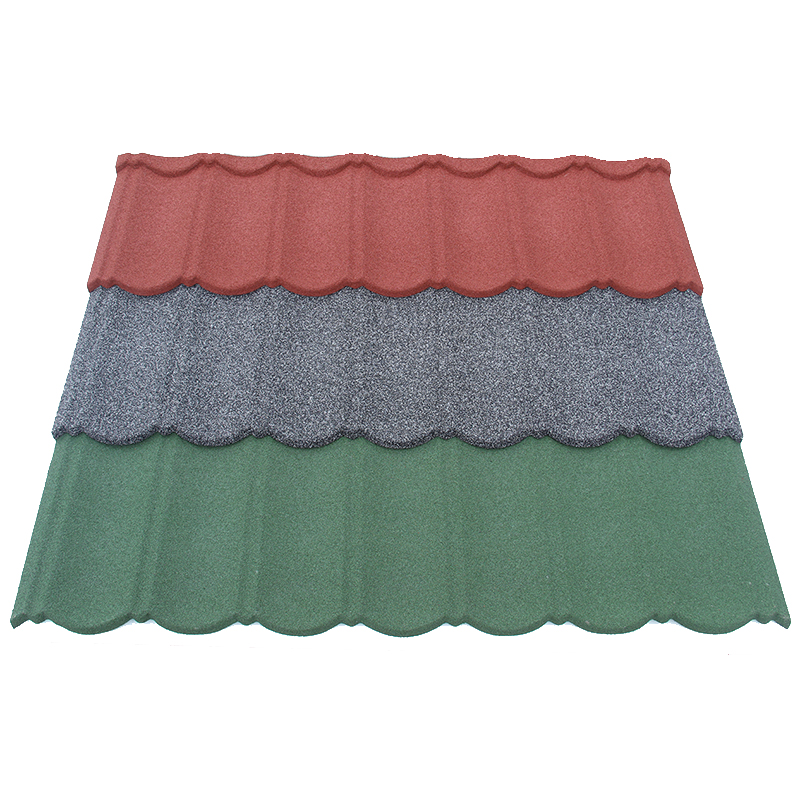
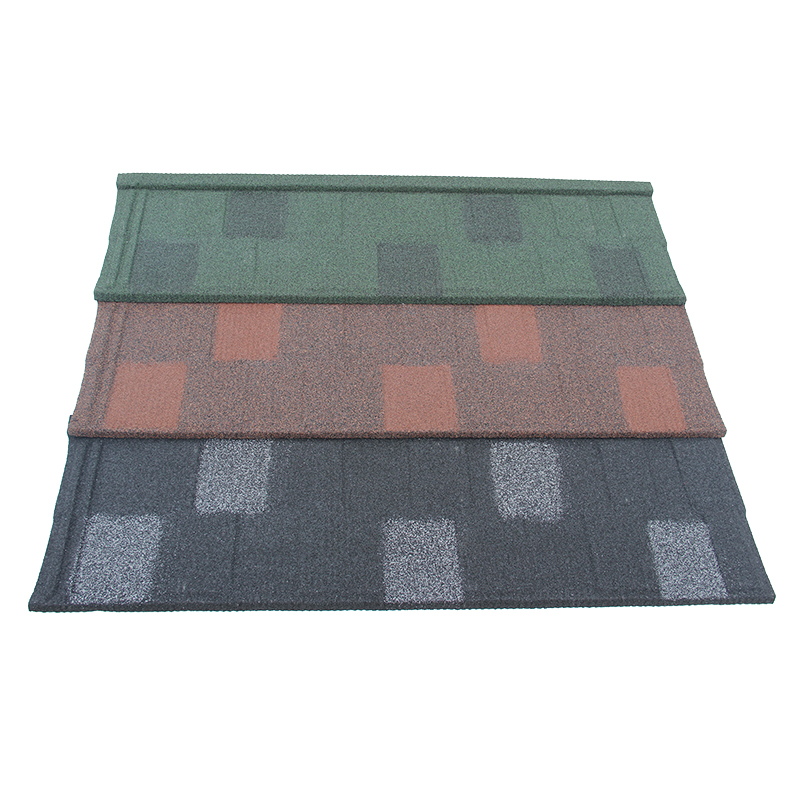
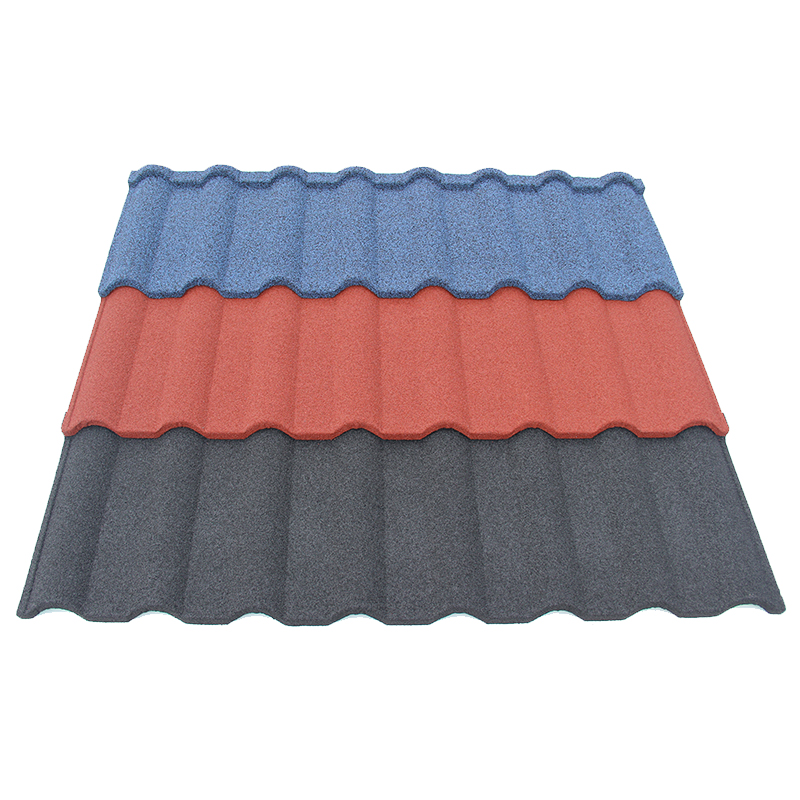
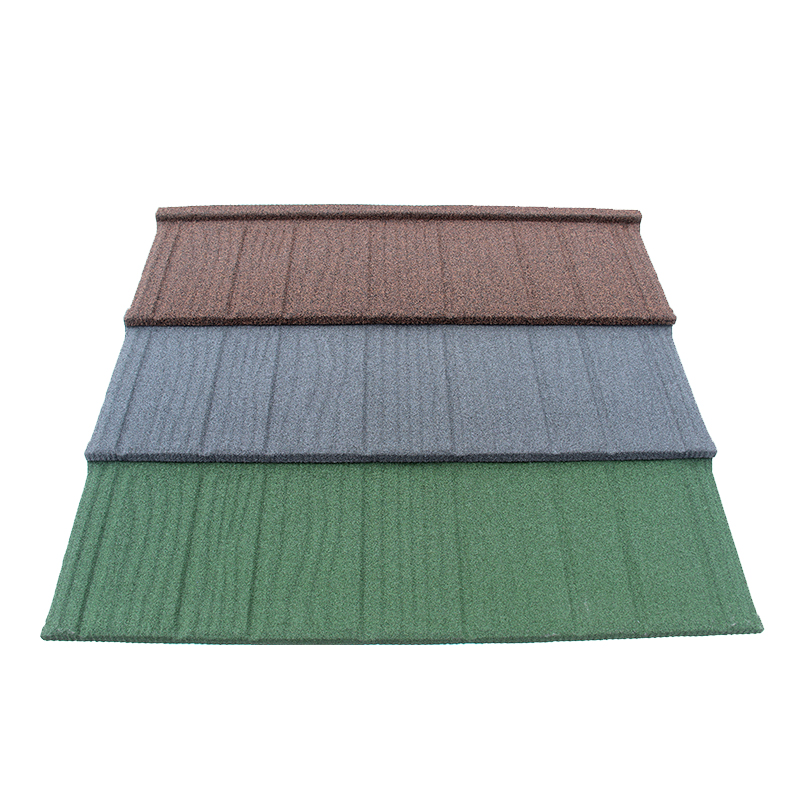
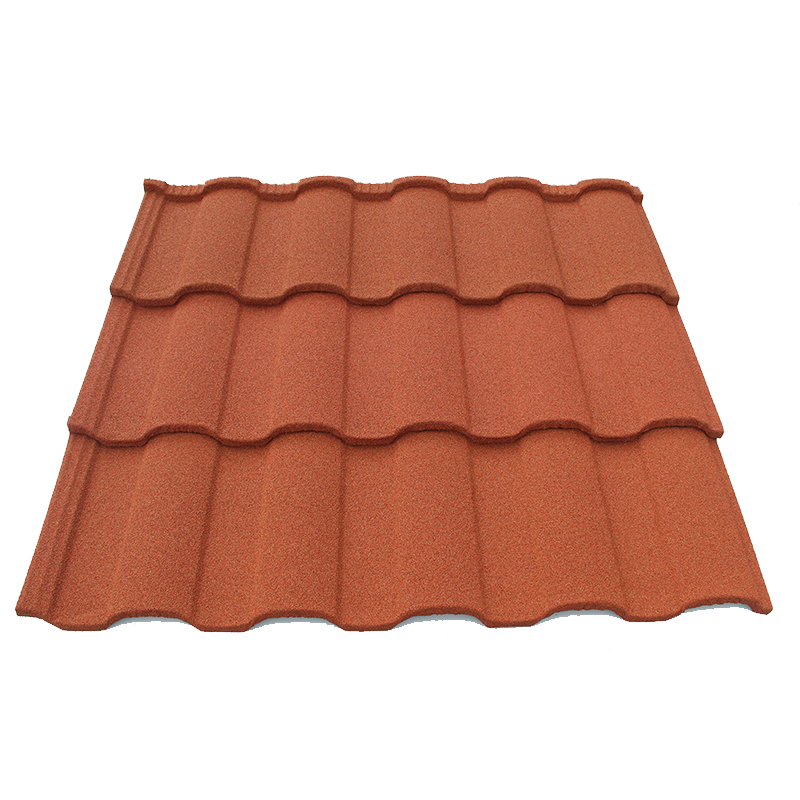
Profiles such as Roman Tile and Shingle Tile require precise interlocking, making correct installation critical for waterproofing performance.
Leak Around Flashing Areas
Cause
- Deteriorated or improperly installed flashing
- Sealant failure over time
Solution
- Replace or reseal flashing components
- Use compatible waterproof materials
Leak at Fastener Points
Cause
- Loose or over-tightened screws
- Damaged sealing washers
Solution
- Replace fasteners with correct specification
- Ensure proper tightening torque
Leak from Underlayment Failure
Cause
- Aging or damaged waterproof membrane
- Improper installation during initial construction
Solution
- Remove affected tile sections
- Replace underlayment and reinstall roofing system
How Tile Profiles and Manufacturing Quality Influence Leak Risk
While leaks are primarily installation-related, product design and manufacturing quality still play an important role in overall system performance. Well-designed profiles and consistent production reduce the likelihood of installation errors and improve sealing performance.
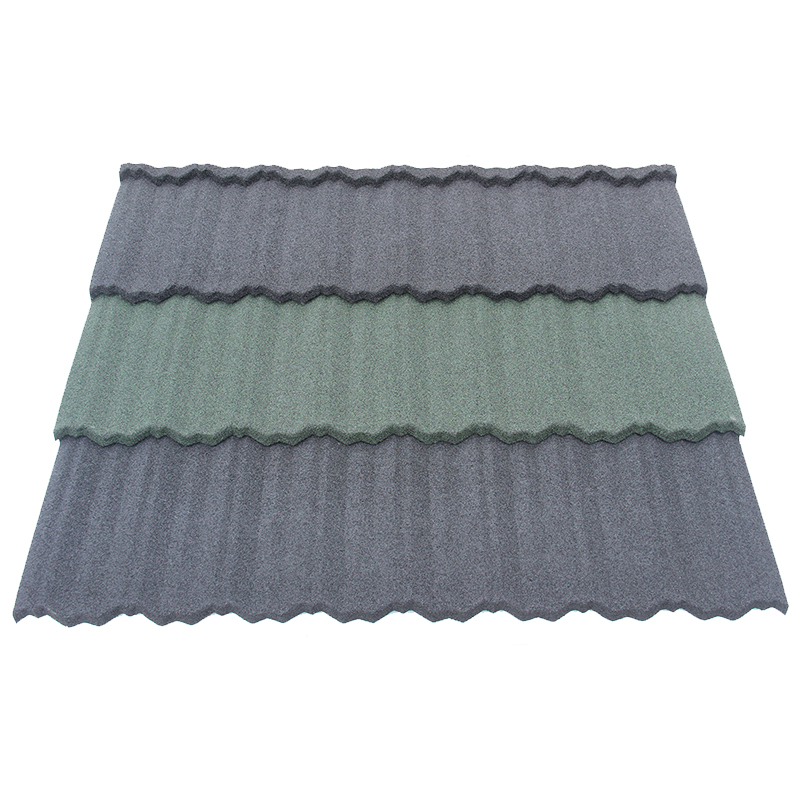
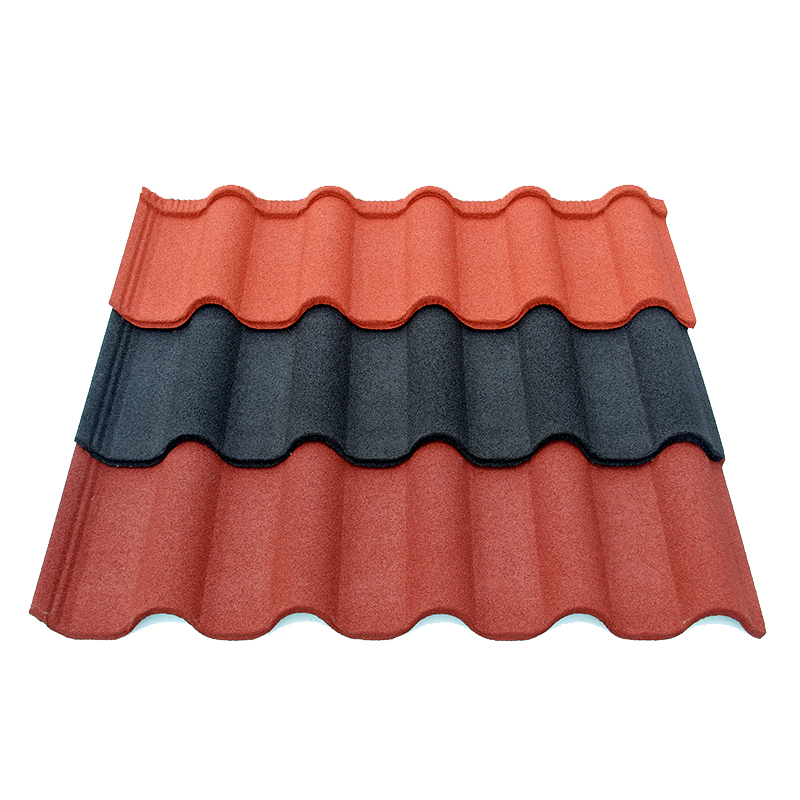
For example, Bond Tile is widely used in export projects due to its predictable layout and easier installation alignment, while Milano Tile is often selected for architectural projects where precision installation is required.
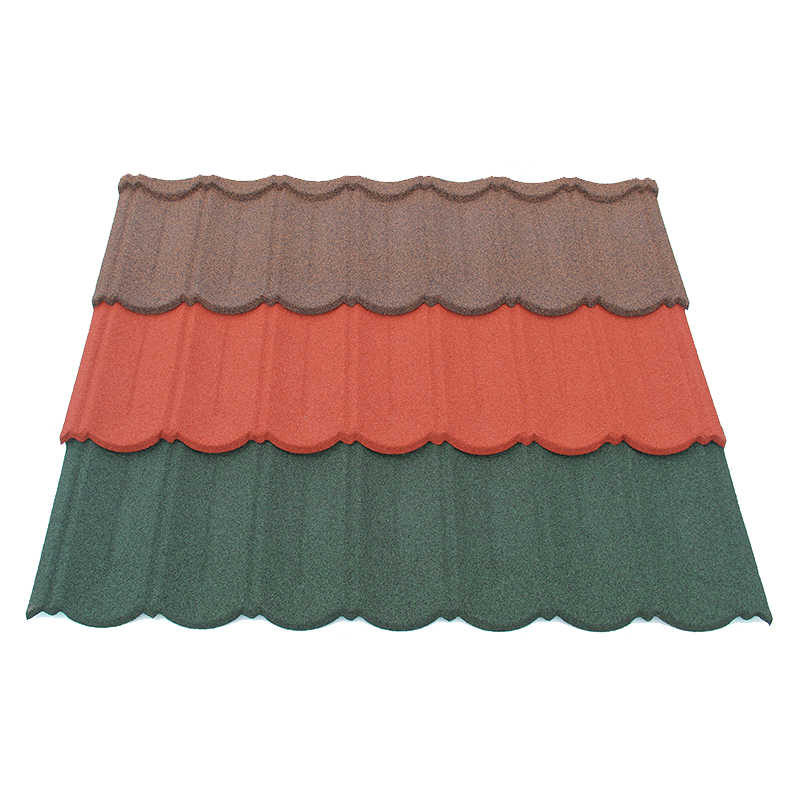
Similarly, Shake Tile designs provide deeper texture, which can improve water runoff behavior when installed correctly.
Manufacturing Factors That Reduce Leak Risk
- Consistent tile dimensions and forming accuracy
- Stable coating and surface adhesion
- Reliable accessory compatibility
Manufacturers such as JCROOF focus on production consistency and system compatibility, which helps contractors achieve more reliable installation outcomes across large projects.
Preventive Strategies to Avoid Future Leaks
The most cost-effective way to deal with leaks is to prevent them from happening in the first place. In B2B projects, this means combining proper product selection with strict installation standards and ongoing inspection.
Leak prevention is not a single action—it is a system-level approach covering design, material, and execution.
Best Practices for Prevention
- Use qualified installers trained in system-specific methods
- Standardize installation procedures across projects
- Inspect critical areas such as valleys and penetrations regularly
- Work with reliable manufacturers and consistent product batches
Operational Insight
Most recurring leak issues in large projects are traced back to inconsistent installation teams rather than product defects. Standardization is key to long-term performance.
Conclusion: Accurate Diagnosis Is More Important Than Fast Repair
In stone coated metal roofing tile systems, leak repair is not about applying quick fixes—it is about identifying the true source and correcting the underlying issue. Misdiagnosis leads to repeated failures and increased maintenance cost.
By following a structured detection process, applying targeted repair methods, and working with consistent manufacturing systems such as JCROOF, contractors and buyers can significantly reduce long-term leakage risks.
For B2B projects, the real objective is not just to fix leaks, but to ensure the entire roofing system performs reliably over its intended lifespan.