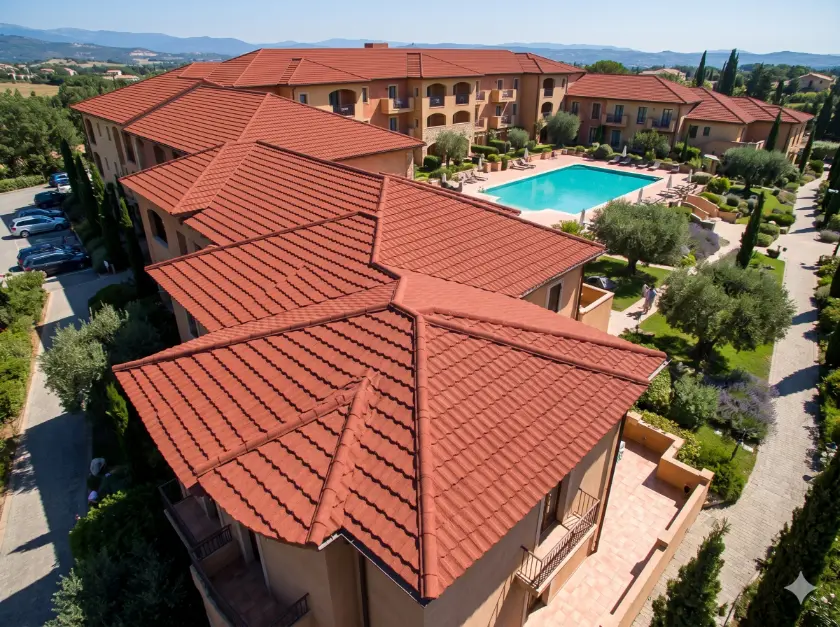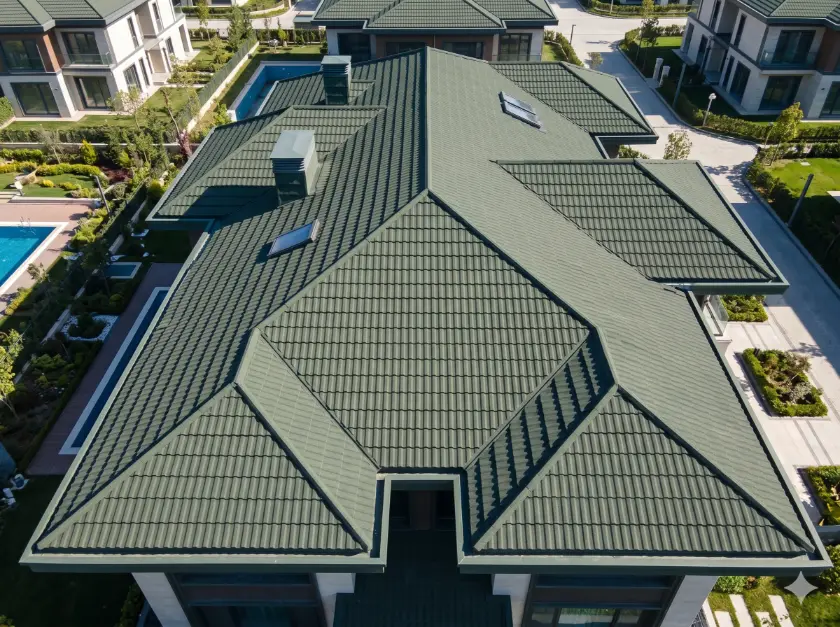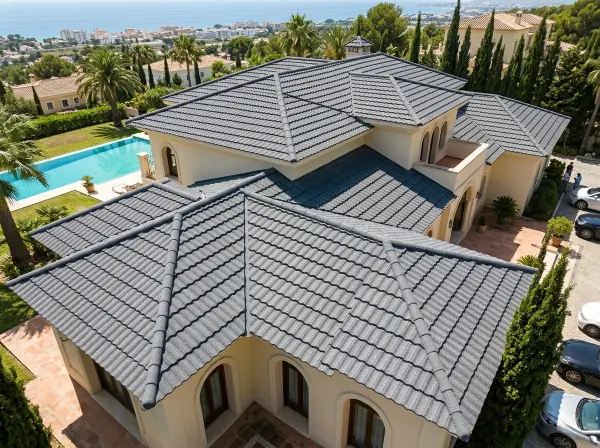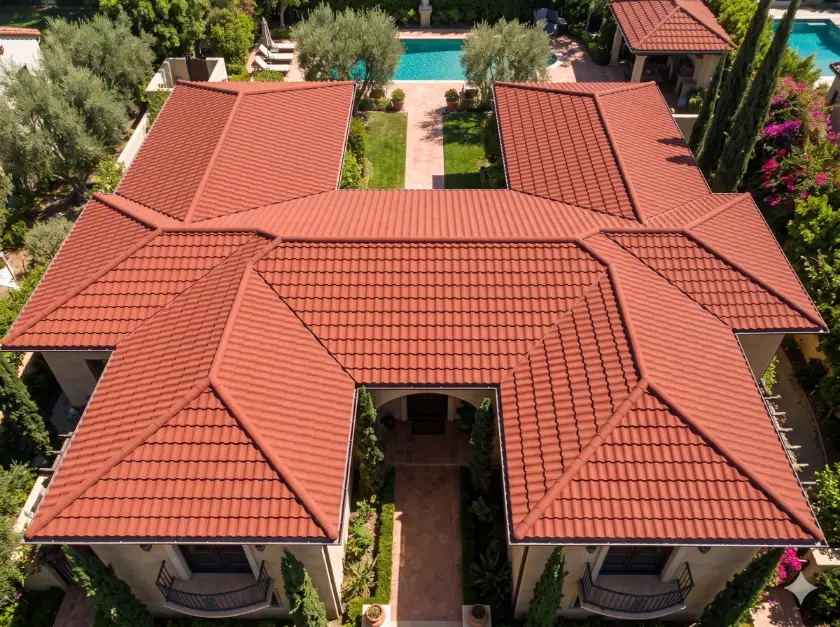

For contractors, distributors, and facility managers, color fading on a stone-coated roof is not uncommon after years of UV exposure—especially in high-radiation or industrial environments. The key question is not just whether repainting is possible, but whether it is technically advisable and cost-effective compared to other solutions.
In many real-world cases, repainting a stone coated metal roofing system is feasible, but only under specific conditions. Improper repainting can lead to peeling, poor adhesion, or even accelerated surface degradation. This is why experienced roofing professionals treat repainting as a controlled repair process rather than a simple cosmetic upgrade.
This guide explains when repainting works, when it doesn’t, and how to do it correctly to maintain long-term performance and warranty integrity.
When Repainting Is a Viable Option (and When It Is Not)
Before considering repainting, it is critical to assess the condition of the roof surface. Not all fading indicates failure. In many cases, color change is only superficial and does not affect structural performance.
Repainting is typically suitable when the base coating and stone granule layer remain intact. However, if the surface shows widespread granule loss or adhesion failure, repainting becomes a temporary fix rather than a durable solution.
Situations Where Repainting Works
- Uniform color fading caused by UV exposure
- Minor surface wear without granule detachment
- Projects where aesthetic restoration is the main goal
Situations Where Repainting Should Be Avoided
- Severe granule loss exposing bare metal
- Rust formation at multiple locations
- Coating delamination or structural damage
Field insight
In large commercial projects, repainting is often used as a mid-life maintenance strategy rather than a permanent fix, especially when the roofing system is still structurally sound.
Why Repainting Stone Coated Surfaces Is Technically Challenging
Unlike smooth metal panels, stone-coated roofing has a textured surface designed to enhance durability and UV resistance. This textured layer makes paint adhesion more complex and requires specialized coatings.
Standard roof paints are not designed to bond effectively with stone granules. Without proper surface preparation and compatible coating systems, repainting can fail within a short period.
Main technical challenges
- Uneven surface texture reduces paint adhesion
- Residual dust and granules interfere with coating bonding
- Incompatible paint types lead to peeling or cracking
Material consideration
High-quality systems produced by manufacturers like JCROOF use durable coating layers that resist fading longer, which can delay or even eliminate the need for repainting in many projects.
Step-by-Step Process to Repaint Correctly
If repainting is determined to be appropriate, following a controlled process is essential. Skipping preparation steps is the most common reason for coating failure after repainting.
Professional contractors treat repainting as a surface restoration process rather than a simple painting job.
Step 1: Surface Cleaning
- Remove dust, dirt, and loose granules using low-pressure washing
- Avoid aggressive cleaning methods that damage the surface
Step 2: Inspection and Minor Repairs
- Check for rust spots, loose tiles, or damaged sections
- Apply anti-corrosion treatment where necessary
Step 3: Primer Application
- Use a primer specifically designed for textured or stone-coated surfaces
- Ensure full coverage for consistent adhesion
Step 4: Topcoat Application
- Apply acrylic or elastomeric roofing paint compatible with metal roofing
- Use spray or roller methods for even distribution
Application note
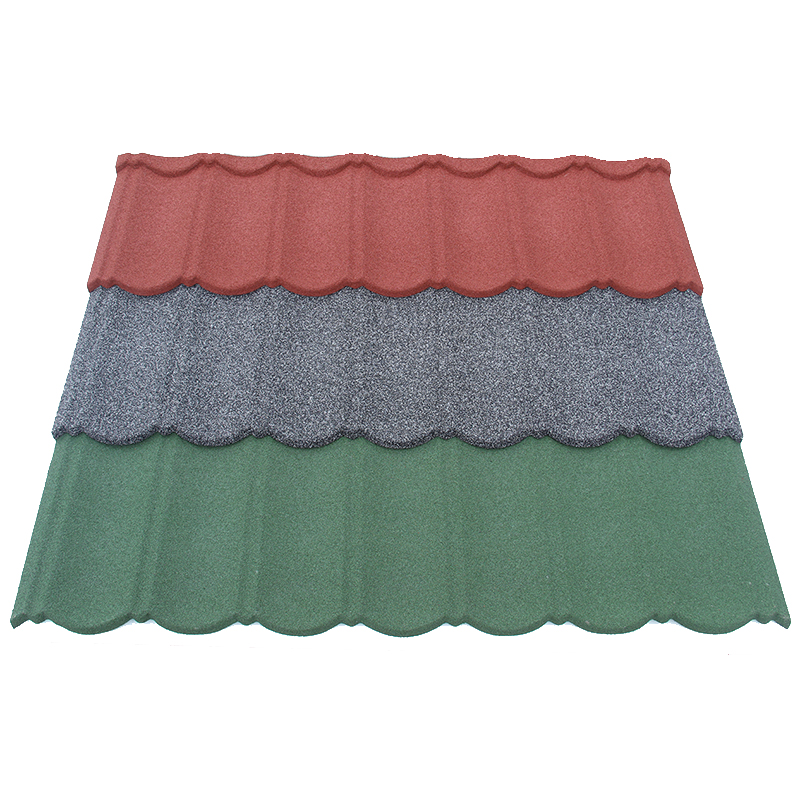
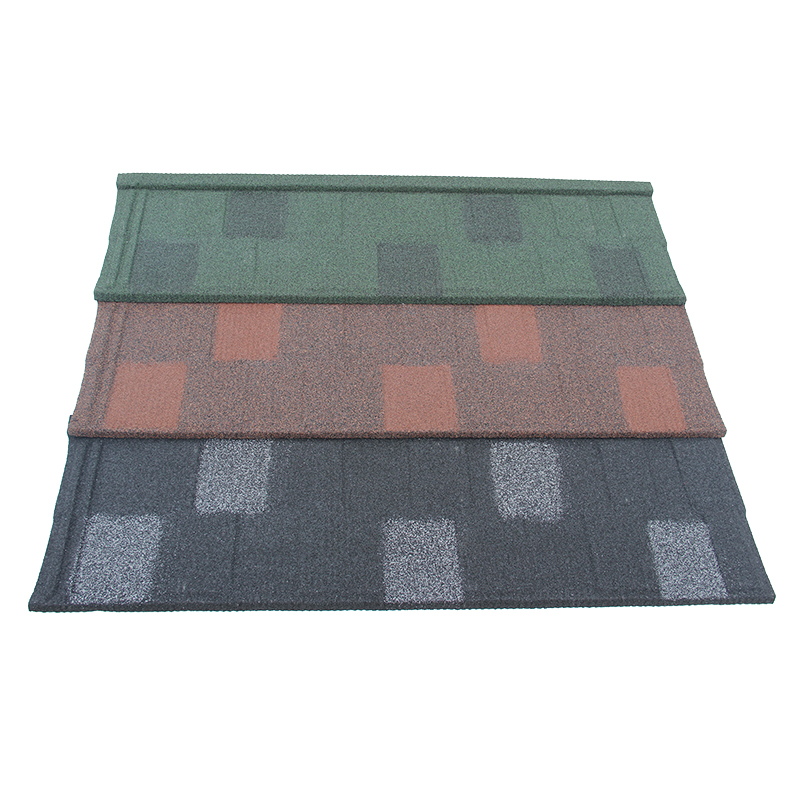
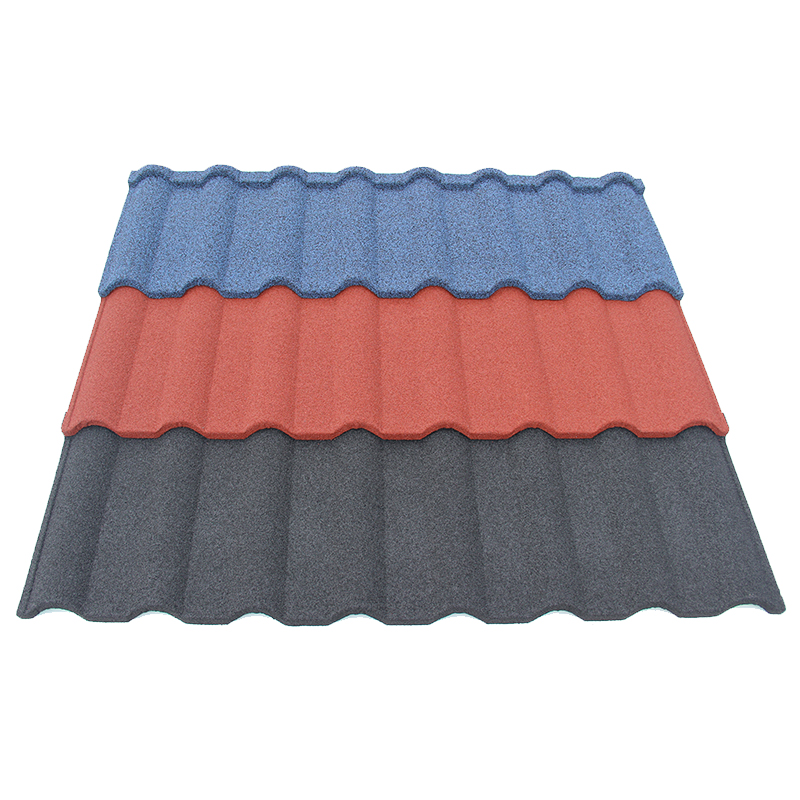
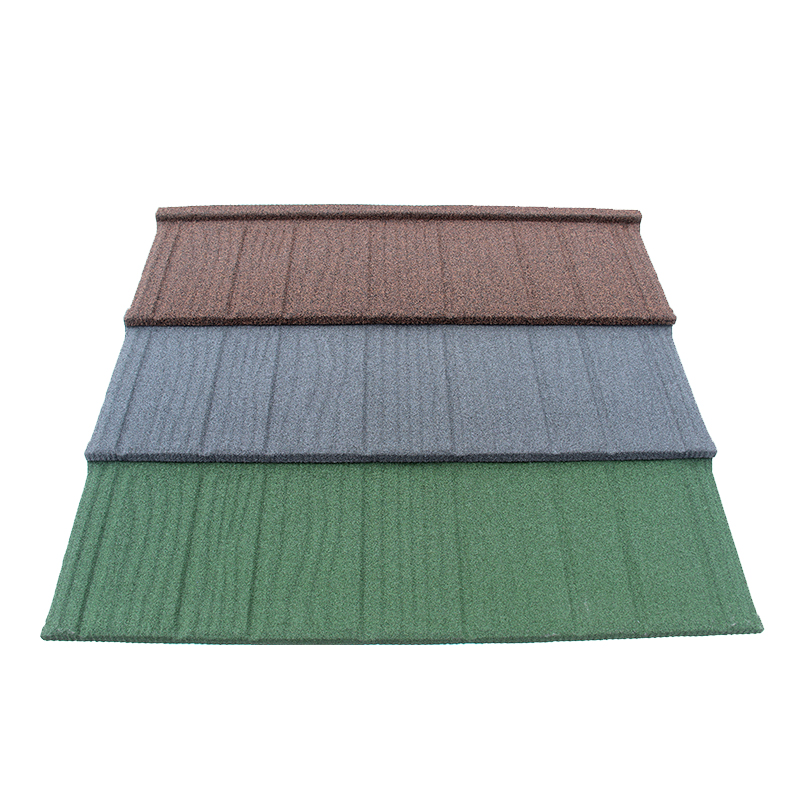
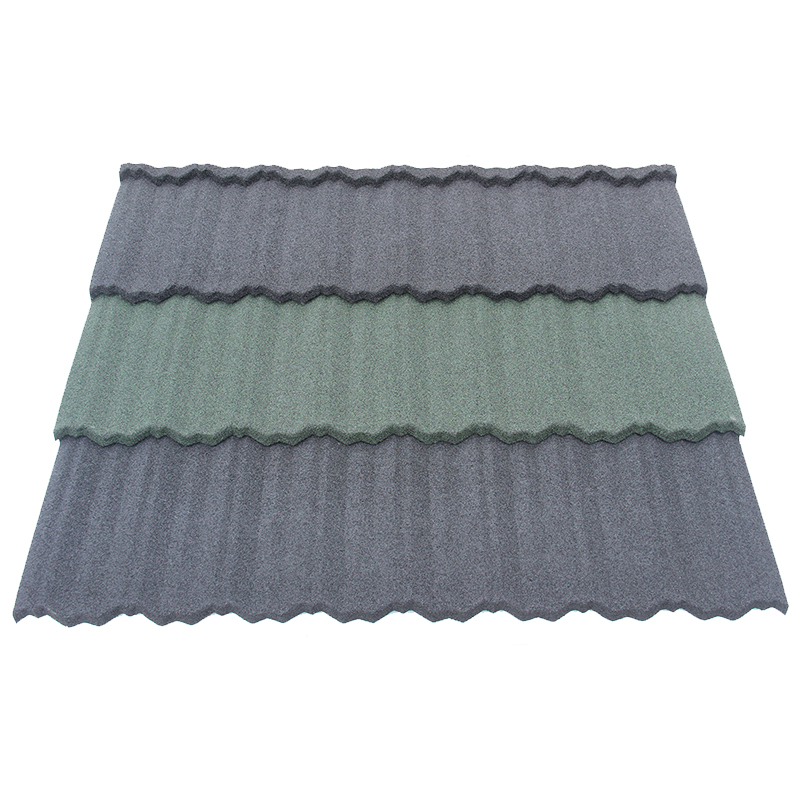
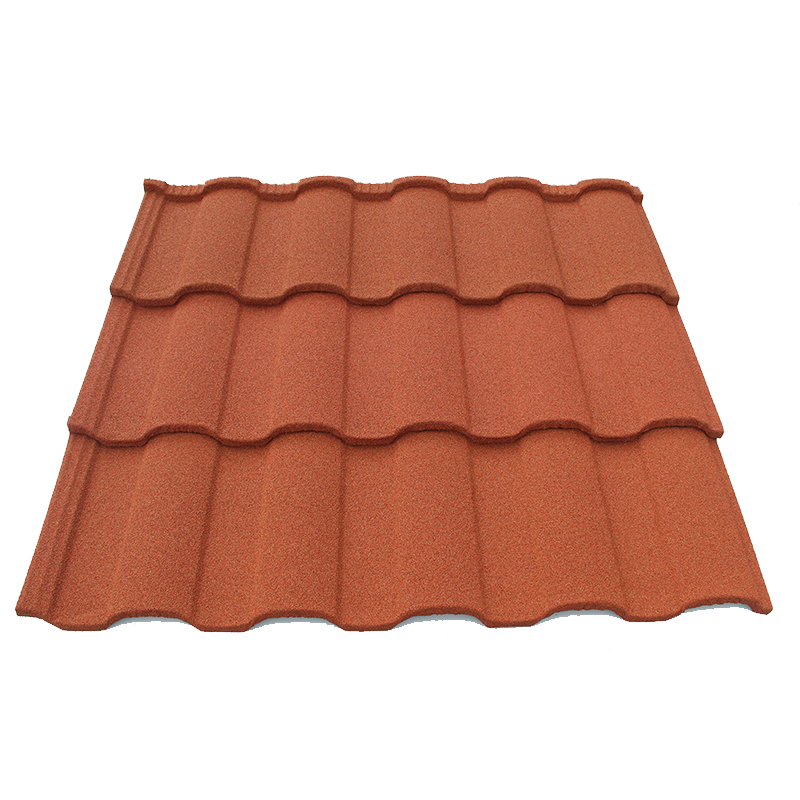
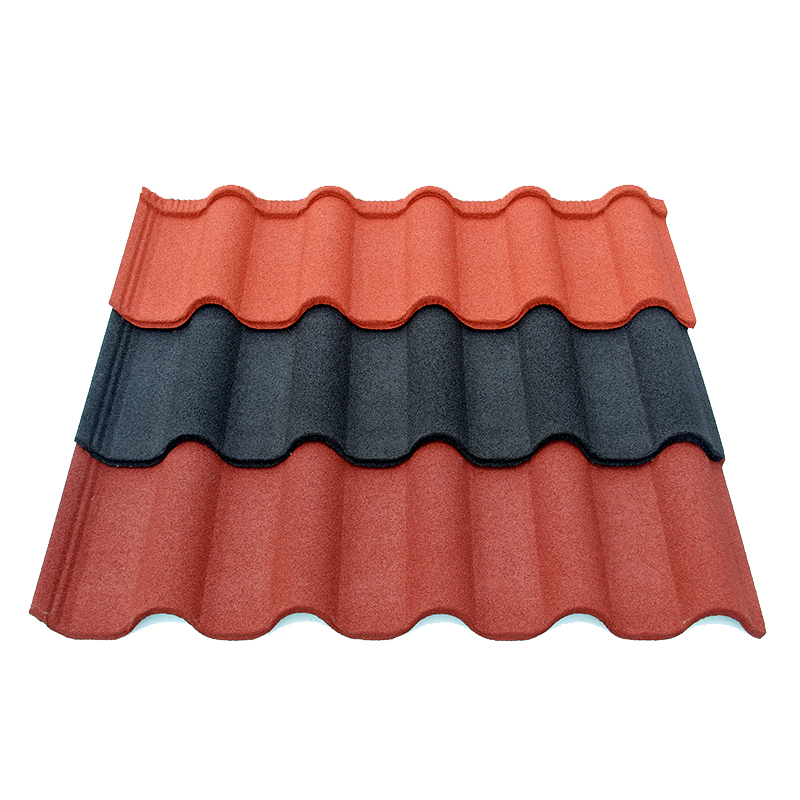
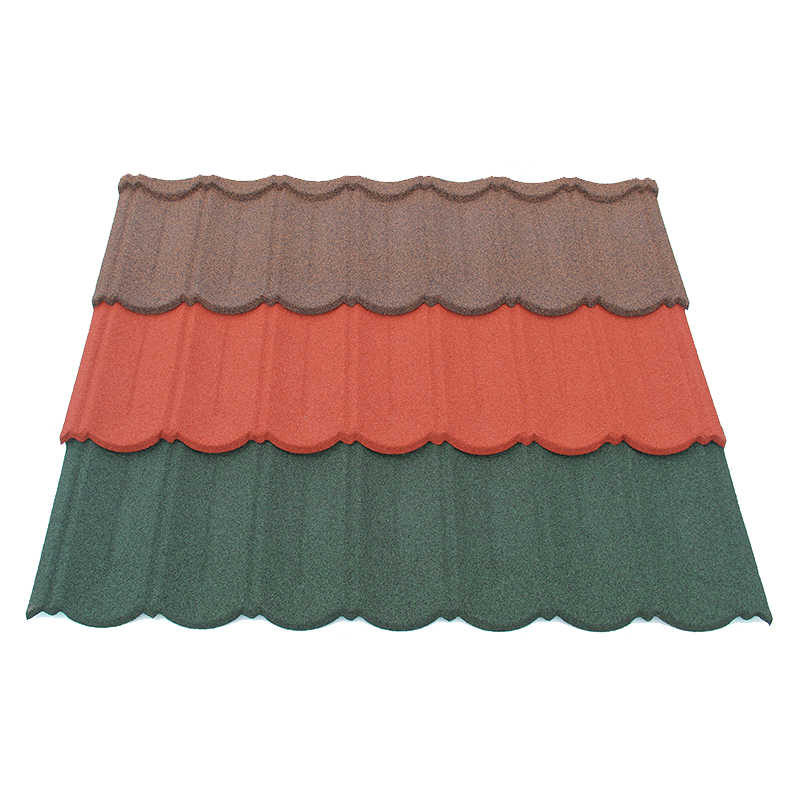
Profiles such as Bond Tile and Shingle Tile are generally easier to repaint due to their more uniform surface layout, while deeper textures like Shake Tile or Roman Tile require more careful coating application to ensure even coverage. Decorative profiles like Milano Tile may also need multiple coating passes for consistent finish.
Cost vs Replacement: What Makes More Sense for B2B Projects
From a procurement perspective, repainting should always be compared with partial or full replacement. While repainting has a lower upfront cost, it may not deliver the same lifespan extension as replacing worn sections.
The decision depends on project scale, roof condition, and expected service life after repair.
Repainting vs Replacement Comparison
| Factor | Repainting | Replacement |
|---|---|---|
| Initial cost | Low | High |
| Service life extension | 5–10 years | 20+ years |
| Structural improvement | None | Full restoration |
| Visual result | Improved | Like new |
Decision logic
For large commercial or distribution projects, repainting is often used as a short-term solution to extend service life, while replacement is chosen when long-term performance and warranty reliability are critical.
Conclusion: Repainting Works—But Only Under the Right Conditions
Repainting a stone-coated steel roof is possible, but it is not always the best solution. The success of repainting depends on surface condition, correct material selection, and proper application methods.
For B2B buyers and contractors, the key is to evaluate whether repainting aligns with project goals. If the roof is structurally sound, repainting can be a cost-effective way to restore appearance. If not, replacement or partial system upgrade will deliver better long-term value.
Ultimately, working with consistent manufacturing systems and proven suppliers such as JCROOF helps reduce the likelihood of early fading and minimizes the need for corrective actions in the first place.