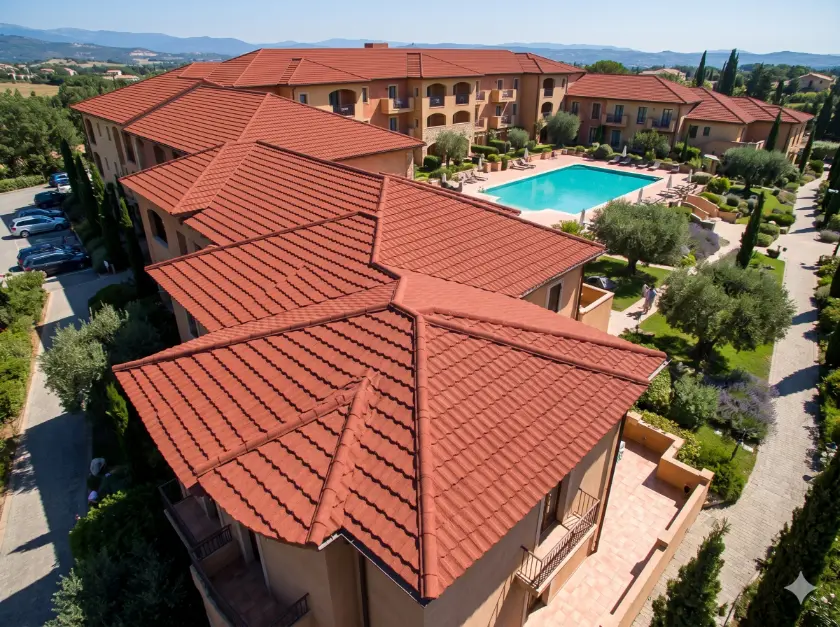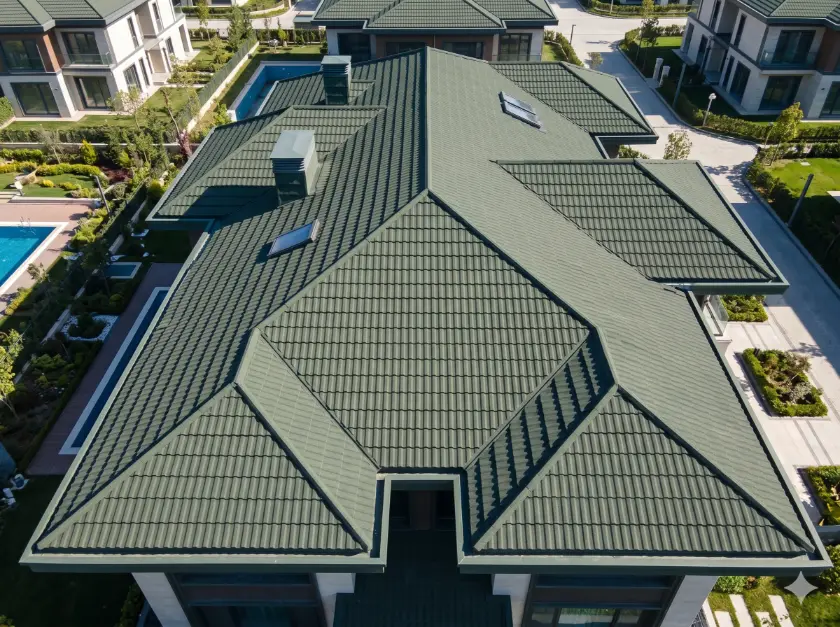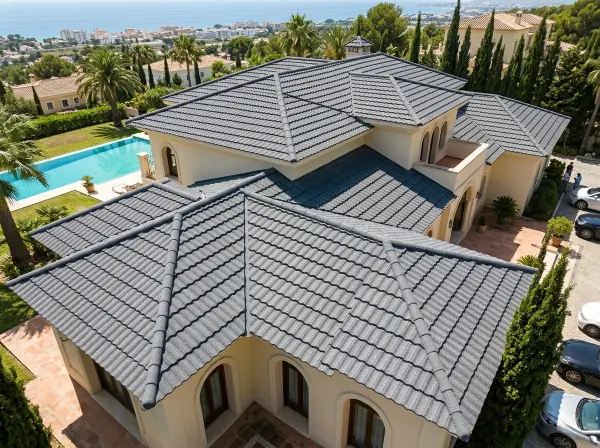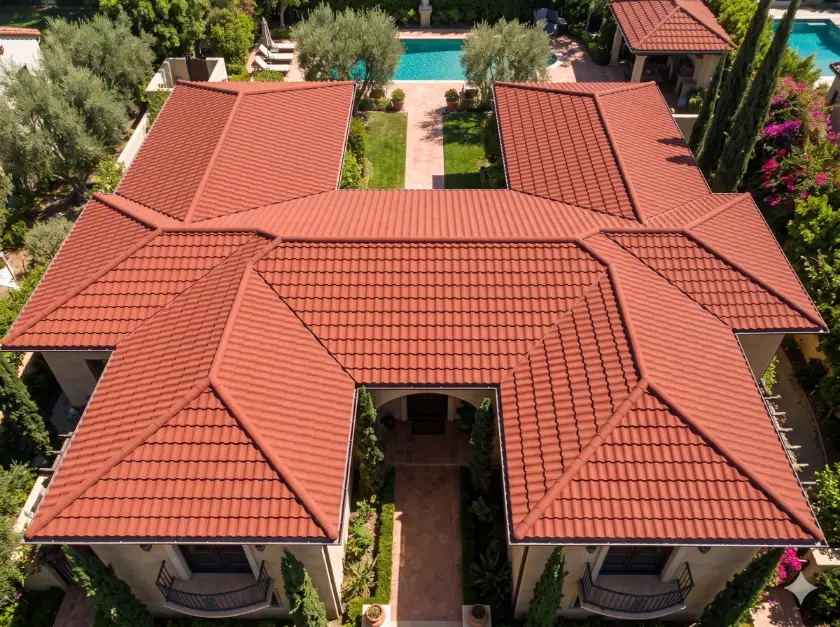

In real roofing maintenance scenarios, surface contamination is unavoidable—especially in projects located near trees, industrial zones, or coastal environments. For contractors and facility managers working with stone coated metal roofing tile systems, tree sap and bird droppings are among the most common and most misunderstood cleaning challenges.
These contaminants are not just cosmetic issues. If left untreated, they can harden, stain the surface, or gradually affect coating performance. However, improper cleaning methods often cause more damage than the contamination itself, particularly on textured stone-coated surfaces.
This guide focuses on practical, field-tested cleaning methods that remove contaminants effectively while preserving the integrity of the roofing system.
Why Tree Sap and Bird Droppings Are More Problematic Than Regular Dirt
Unlike dust or loose debris, tree sap and bird droppings chemically interact with the roof surface. Sap hardens over time and bonds to the granule layer, while bird droppings contain acidic compounds that can gradually degrade protective coatings if not removed.
Because stone-coated systems rely on a textured granule surface, contaminants can become trapped within the surface structure, making removal more difficult than on smooth metal roofs.
Understanding the nature of these contaminants is essential before attempting any cleaning process.
Key characteristics of these contaminants
- Tree sap becomes sticky, then hardens under sunlight
- Bird droppings contain acids that can stain surfaces
- Both can adhere strongly to textured coatings
Practical implication
Delaying cleaning increases removal difficulty and raises the risk of permanent staining or surface wear.
Safe Cleaning Methods That Protect the Roof Surface
Cleaning stone-coated roofing requires a controlled approach. Aggressive methods such as high-pressure washing or abrasive scrubbing can dislodge granules and reduce the protective function of the coating.
The goal is to soften and lift contaminants rather than forcefully remove them.
This approach is widely used in professional maintenance operations to preserve long-term performance.
Step-by-step cleaning process
Step 1: Pre-softening the contaminant
- Apply lukewarm water to the affected area
- Allow it to soak for several minutes
- For sap, use a mild, non-corrosive cleaning solution
Step 2: Gentle removal
- Use a soft cloth, sponge, or low-pressure brush
- Avoid metal tools or hard scraping
- Work gradually to lift the contaminant
Step 3: Rinsing and inspection
- Rinse with clean water to remove residue
- Inspect for remaining stains or surface damage
Application note
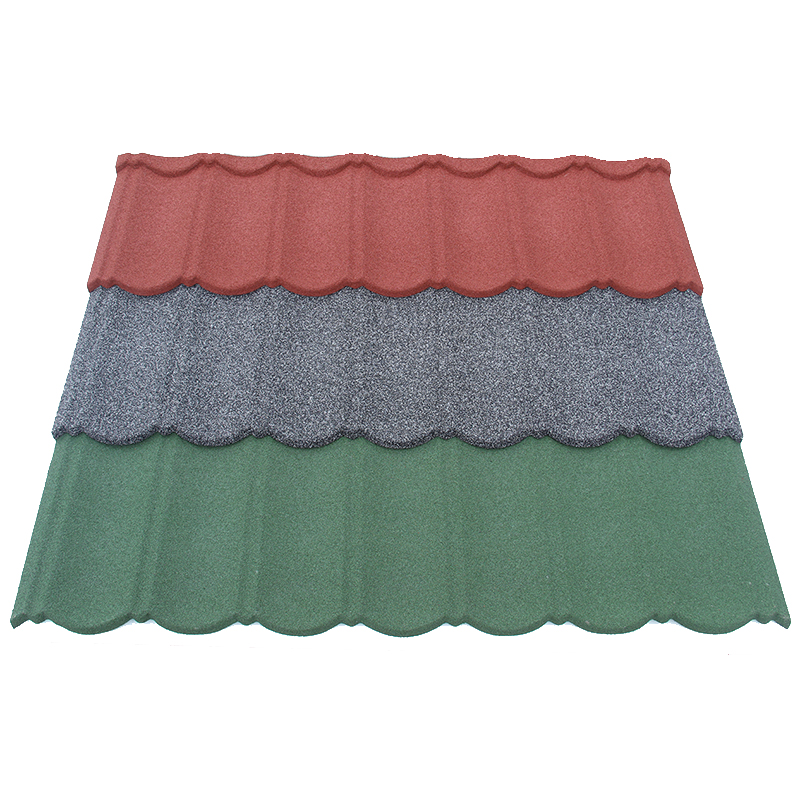
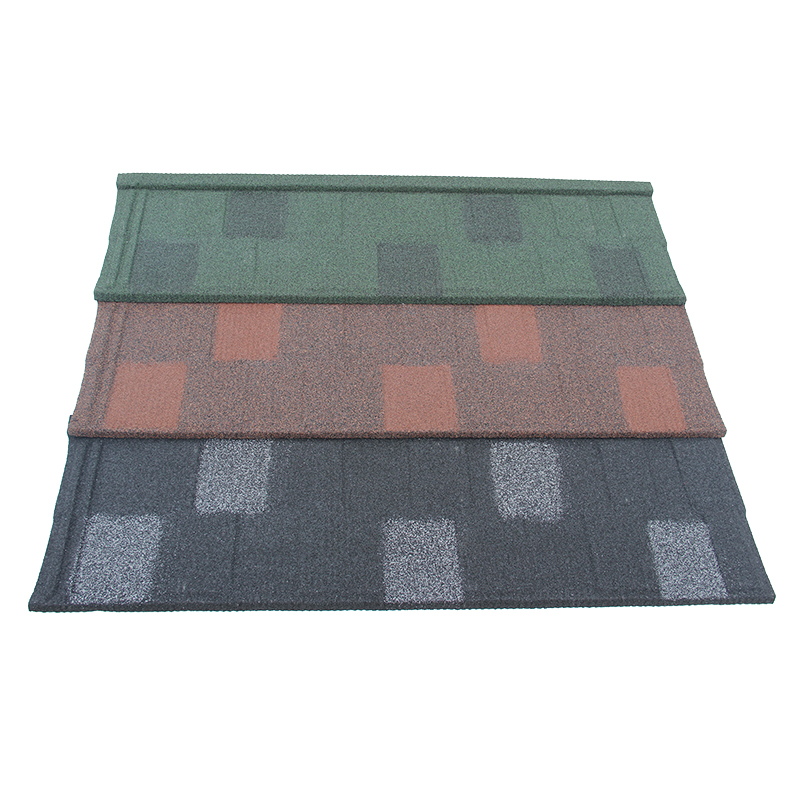
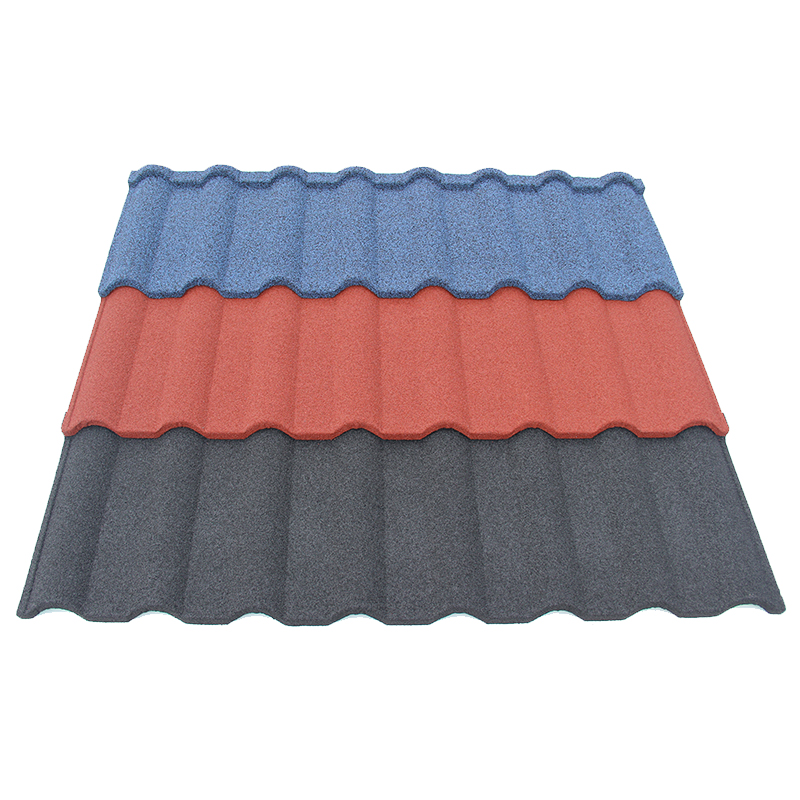
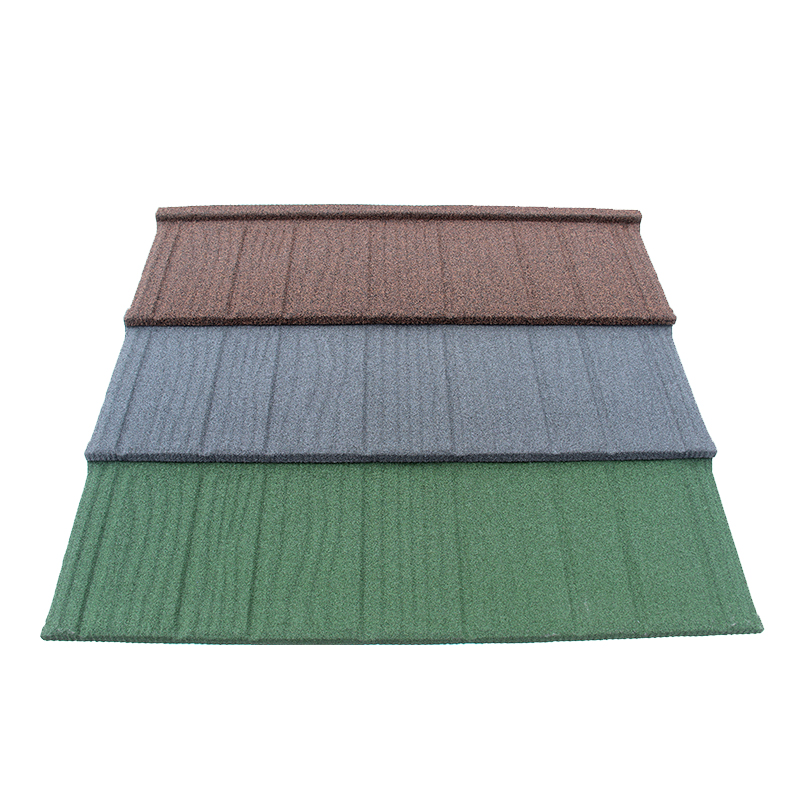
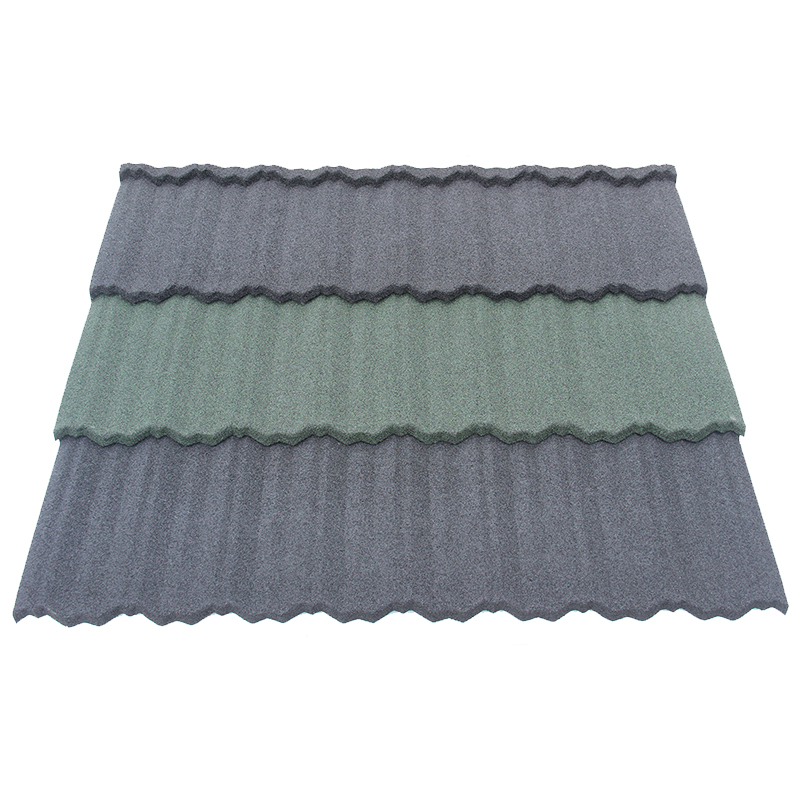
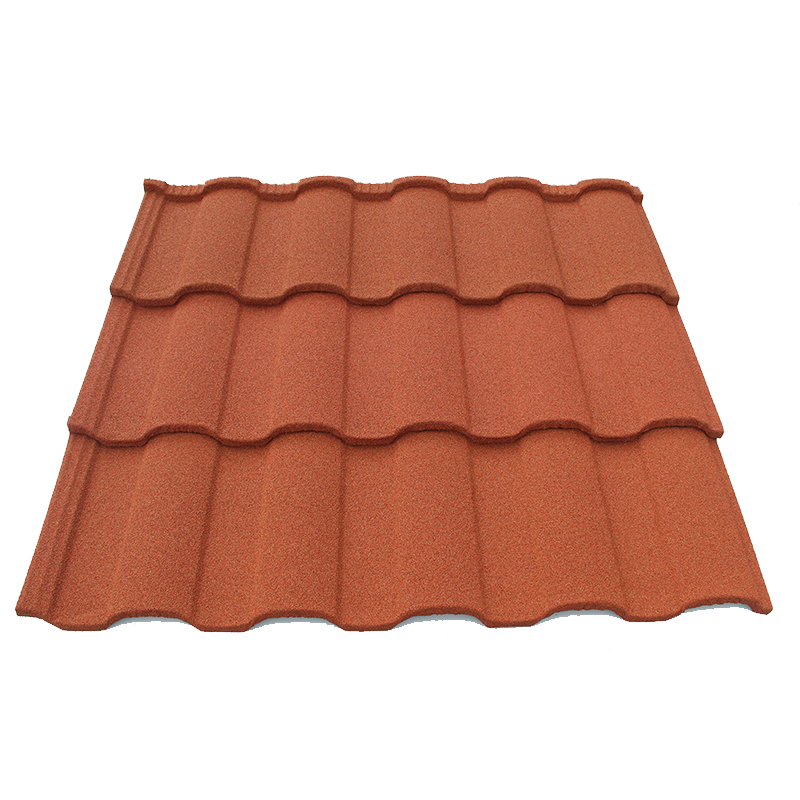
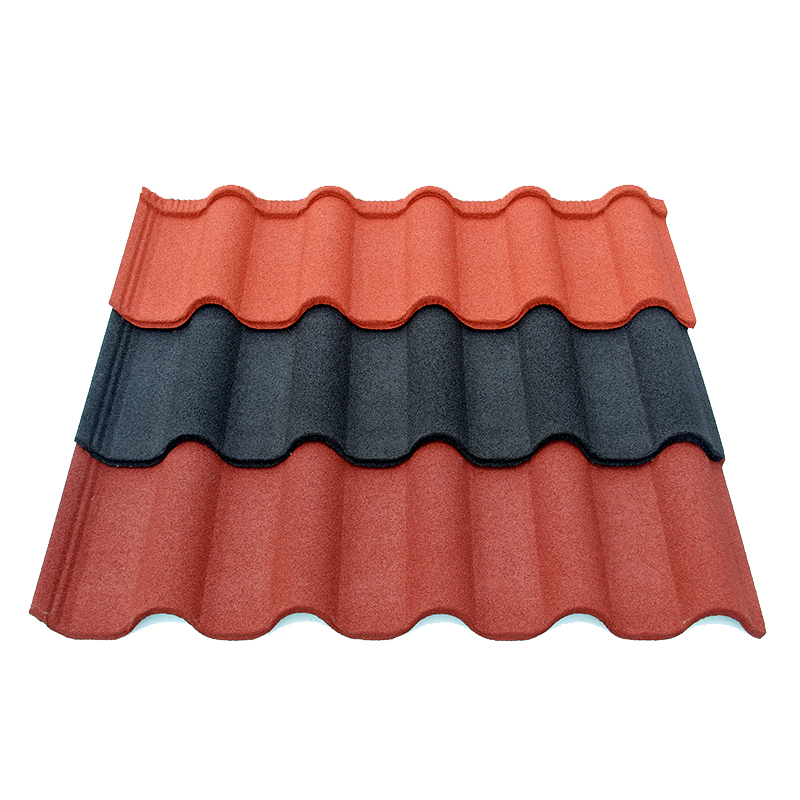
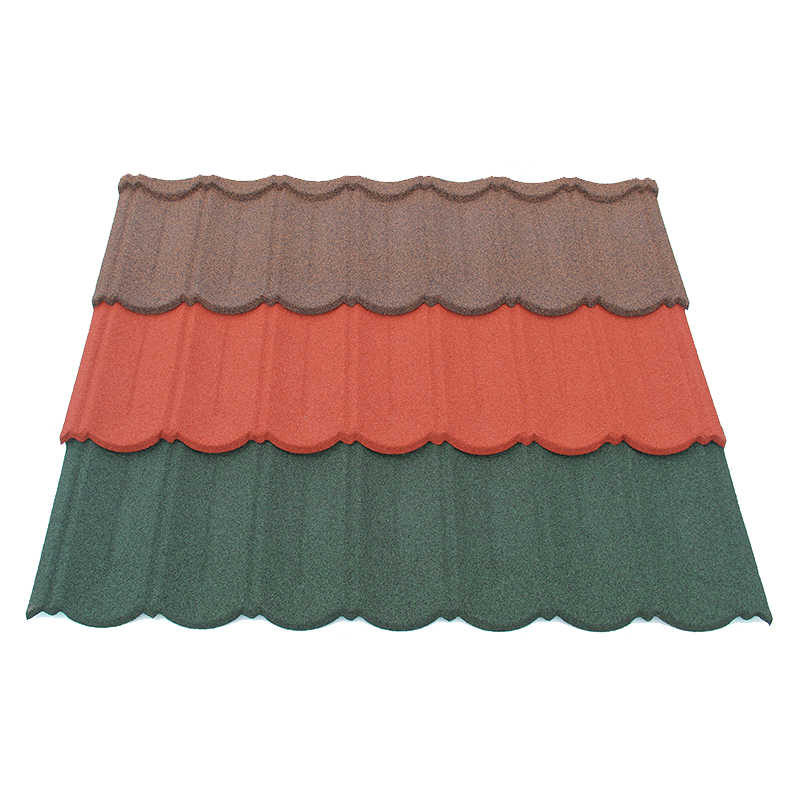
Flatter profiles such as Bond Tile and Shingle Tile are generally easier to clean due to more uniform surfaces, while deeper textures like Roman Tile and Shake Tile may require more careful, repeated cleaning. Decorative finishes like Milano Tile can also highlight residue if not cleaned evenly.
What to Avoid: Common Cleaning Mistakes That Cause Damage
In many maintenance cases, damage occurs not from the contaminant itself but from incorrect cleaning methods. This is especially true for stone-coated systems where surface integrity is critical for long-term performance.
Avoiding these mistakes is just as important as applying the correct cleaning technique.
High-risk cleaning methods
- High-pressure washing directly on the surface
- Using strong chemical solvents or acidic cleaners
- Scraping with metal tools or sharp objects
Why these methods fail
They can dislodge stone granules, weaken the coating layer, and create uneven surface wear, which may lead to premature aging or warranty issues.
Preventive Maintenance Strategies for Long-Term Cleanliness
While cleaning is necessary, prevention is more efficient and cost-effective in large-scale projects. Reducing exposure to contaminants helps maintain appearance and minimize maintenance frequency.
For B2B buyers and facility managers, preventive planning should be part of the overall roofing strategy.
Effective prevention methods
- Trim overhanging tree branches to reduce sap exposure
- Install bird deterrents in high-activity areas
- Schedule periodic inspections and light cleaning
Operational insight
In commercial projects, regular low-intensity maintenance is more effective than infrequent deep cleaning, both in cost and surface preservation.
How Manufacturing Quality Influences Cleaning and Maintenance
Not all stone-coated roofing systems respond the same way to contamination. Surface quality, granule adhesion, and coating consistency all affect how easily contaminants can be removed.
Higher-quality production systems provide more stable surfaces that resist staining and make cleaning easier over time.
Manufacturers such as JCROOF focus on consistent coating and granule bonding, which helps reduce contamination buildup and improves long-term maintenance performance.
Key quality factors
- Strong granule adhesion reduces particle loss during cleaning
- Uniform coating improves resistance to staining
- Stable surface texture prevents deep contaminant embedding
Conclusion: Clean Gently, Act Early, and Avoid Surface Damage
Removing tree sap and bird droppings from stone coated metal roofing tile systems requires a careful balance between effectiveness and surface protection. The most important principles are early action, gentle cleaning methods, and avoiding aggressive tools or chemicals.
For contractors and facility managers, proper maintenance practices not only preserve the appearance of the roof but also extend its functional lifespan and reduce long-term costs.
Combined with consistent manufacturing quality from suppliers like JCROOF, these practices ensure that roofing systems maintain both durability and visual performance across different environments.