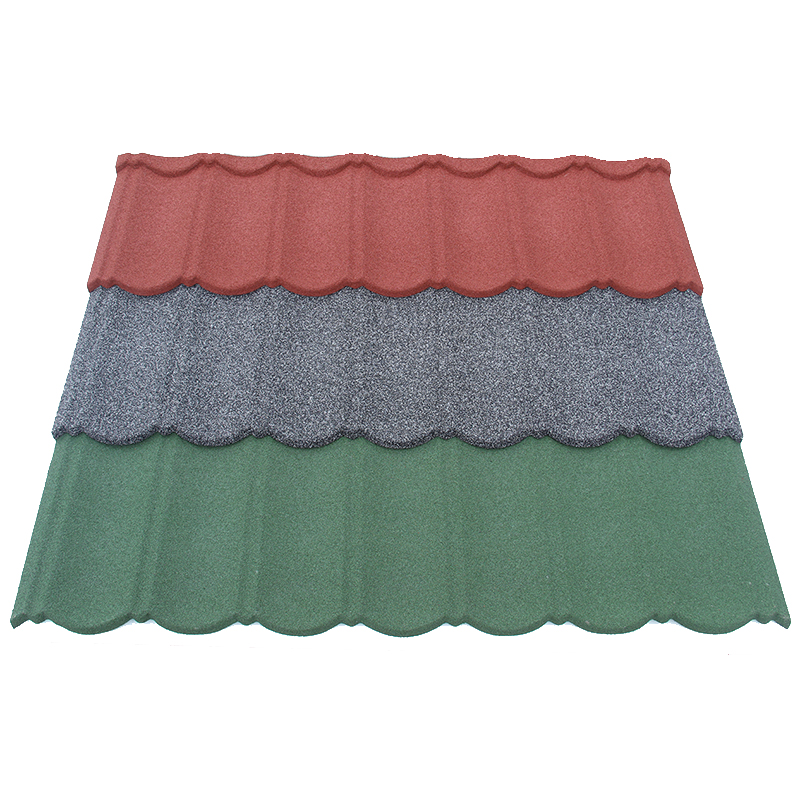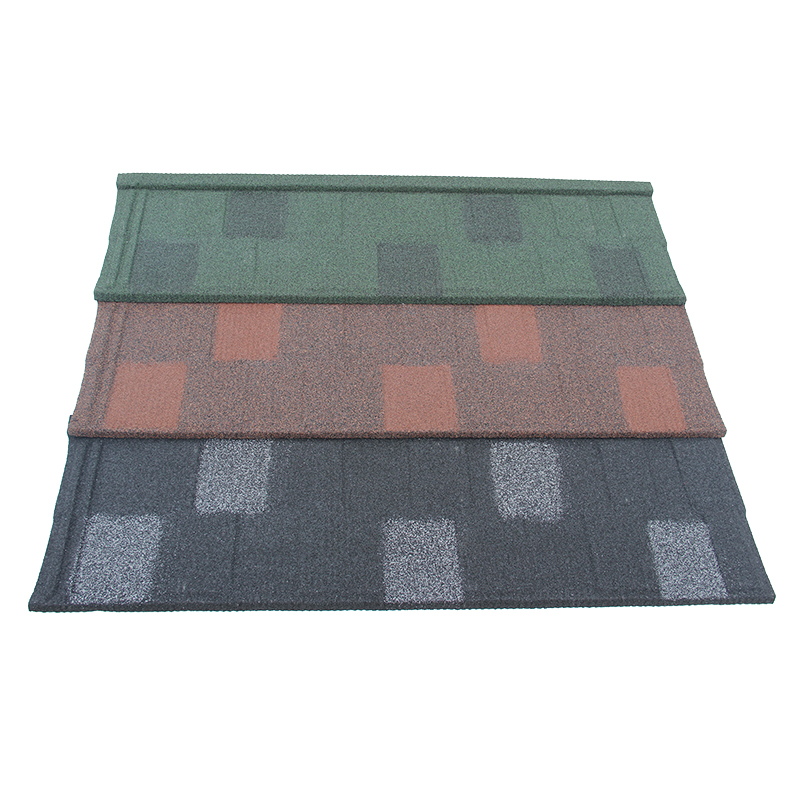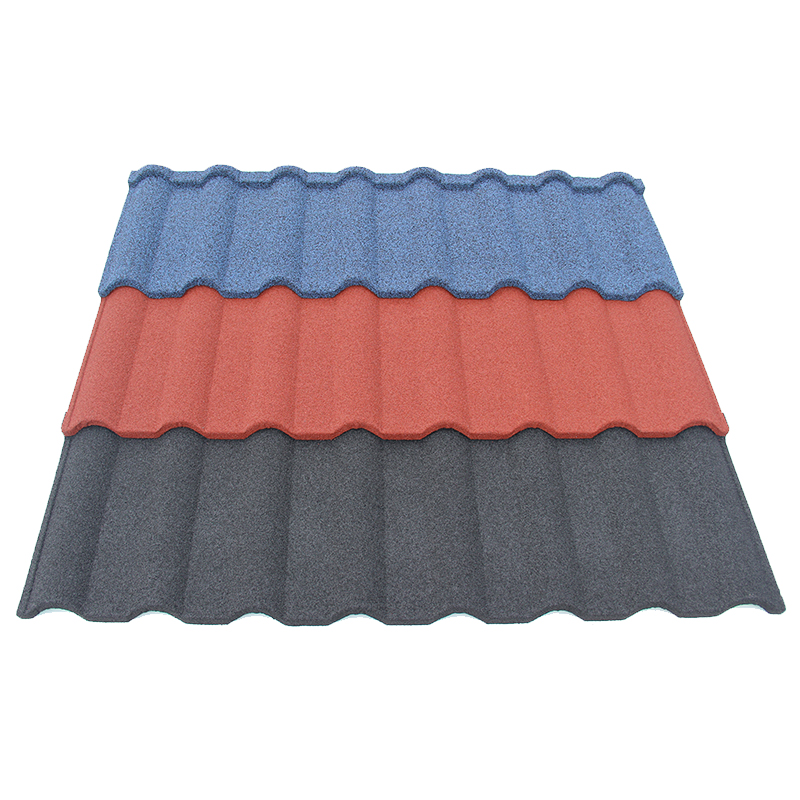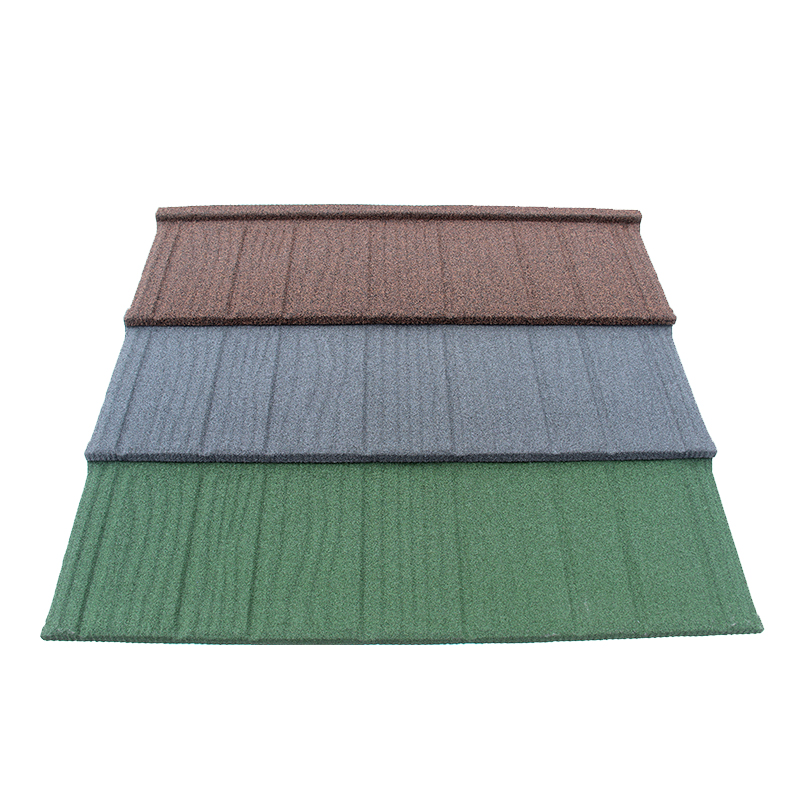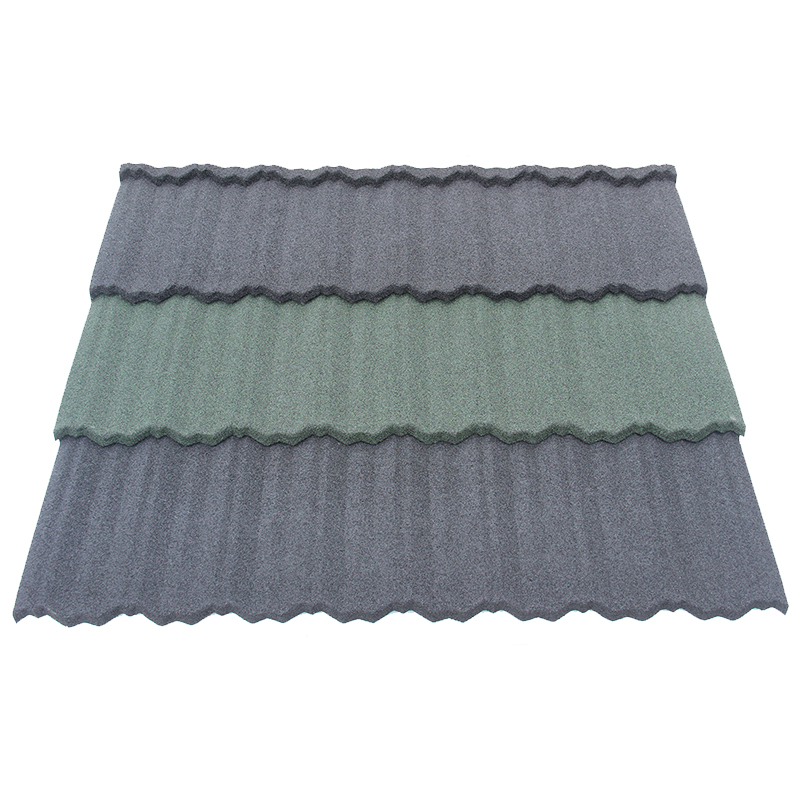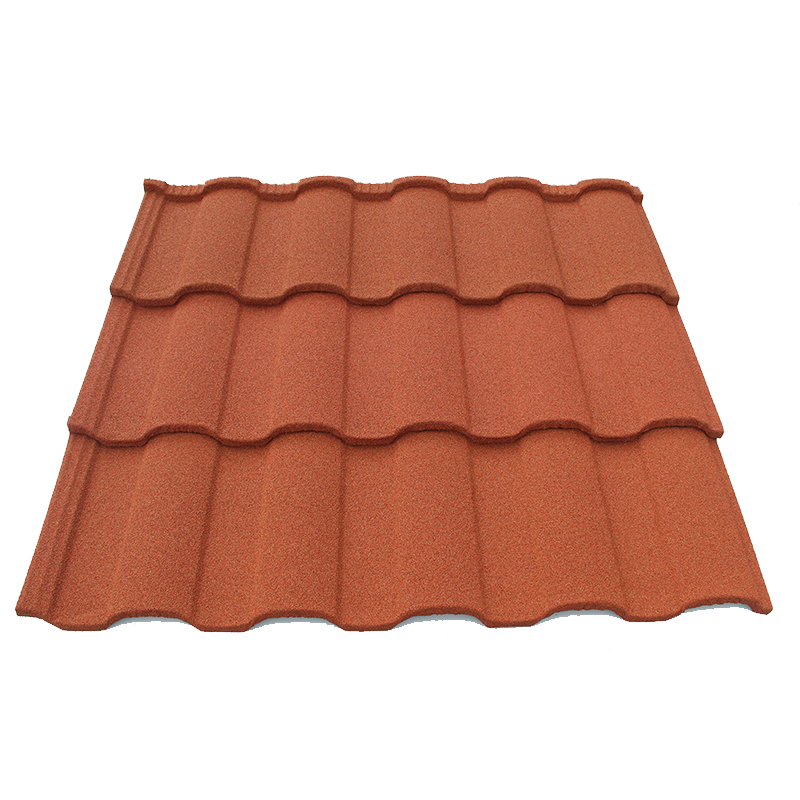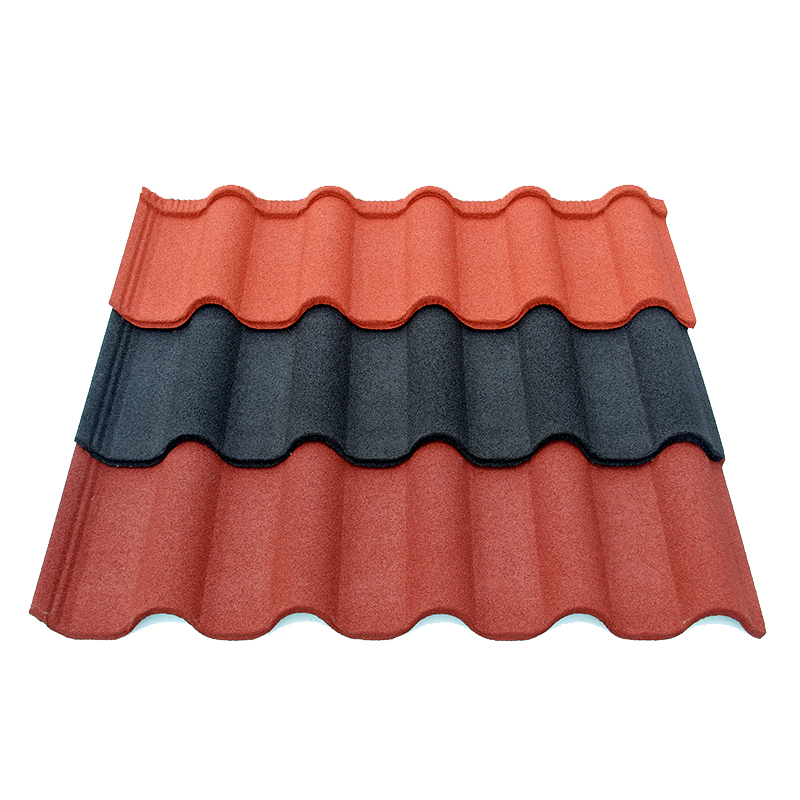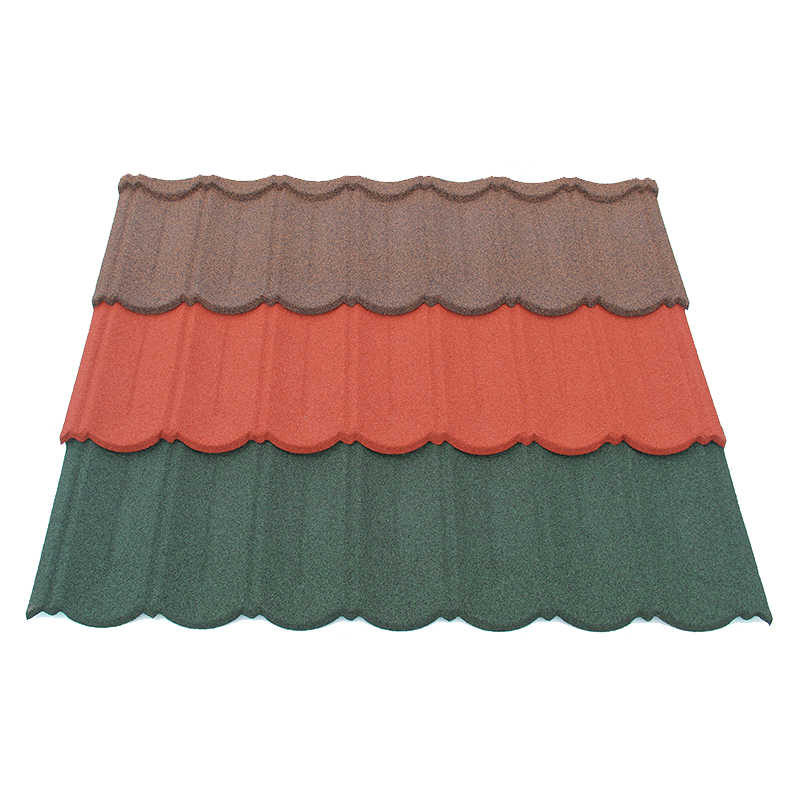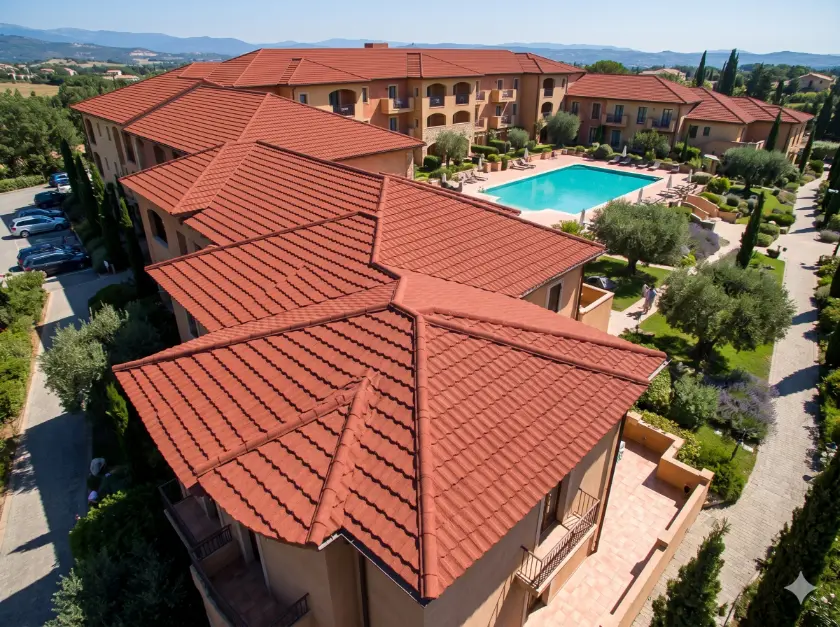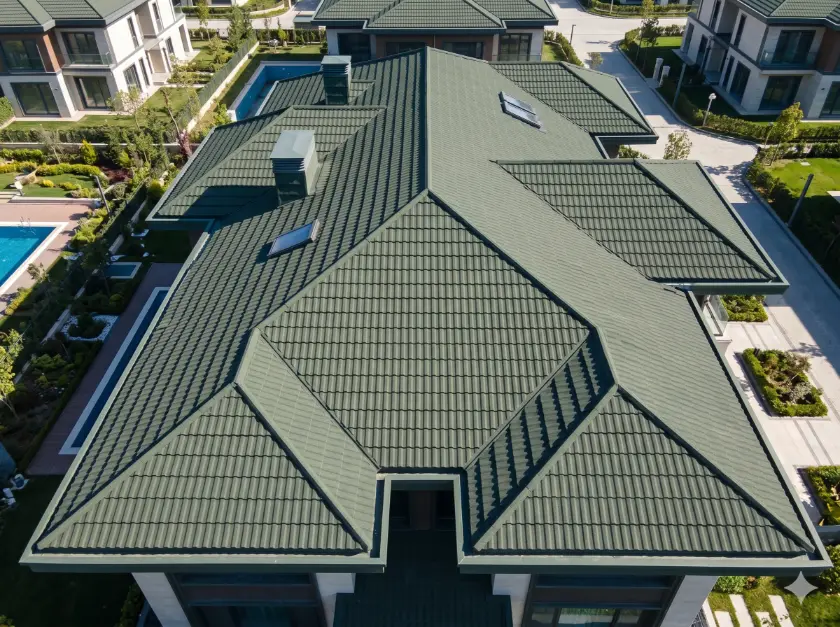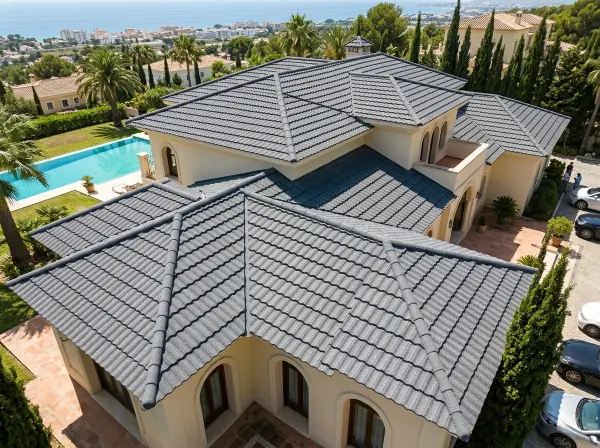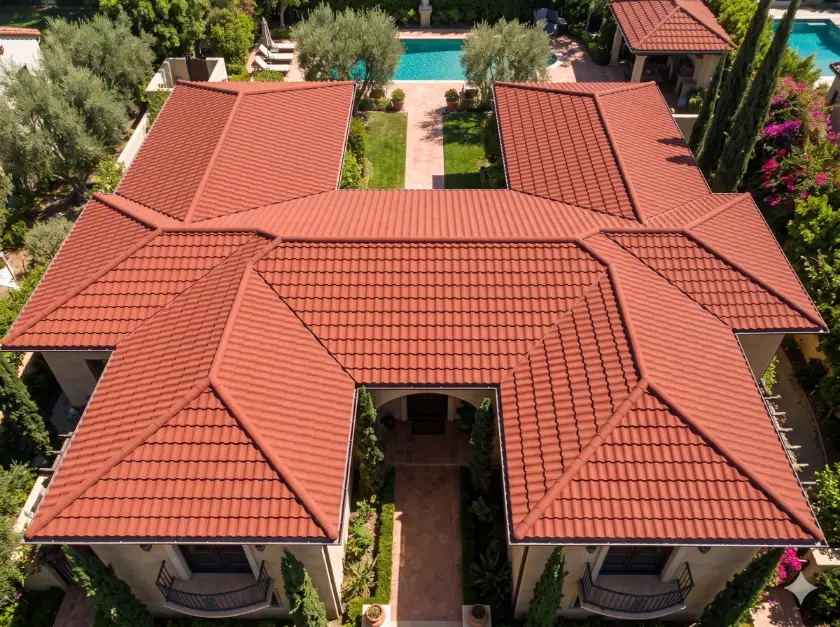

When selecting roofing for large-scale developments, project managers often focus on surface durability. However, the true impact of a roofing system begins at the foundation of the building. Traditional concrete tiles have dominated the market for decades due to their perceived strength. Consequently, many engineers overlook the massive structural strain these heavy materials place on the entire building skeleton. Modern Zinc-Alloy Coated Roofing Sheets offer a revolutionary alternative. They provide the same aesthetic appeal as masonry but with a fraction of the physical burden. This analysis explores why switching to metal systems is a strategic decision for structural longevity.
Reduced Structural Load and Foundation Integrity
The primary advantage of metal roofing lies in its incredible strength-to-weight ratio. Concrete tiles can weigh up to 50 kilograms per square meter, which creates immense downward pressure. Consequently, the foundation must be significantly reinforced to prevent settling or cracking over time. Zinc-Alloy Coated Roofing Sheets weigh approximately one-eighth of that amount. Therefore, the building foundation experiences much less stress. This weight reduction allows engineers to optimize the structural design, potentially saving thousands in concrete and rebar costs during the initial construction phase.
Seismic Safety and Dead Load Management
In regions prone to earthquakes, the weight of the roof is a critical safety factor. A heavy concrete roof increases the “top-heavy” nature of a building during seismic activity. Consequently, the structure is more likely to suffer from lateral sway and potential collapse. Metal systems, such as the Bond Tile, provide a lightweight diaphragm that moves with the building rather than against it. This reduced dead load significantly improves the seismic performance of the foundation. Furthermore, it ensures that the building remains stable during the ground shifts often associated with tectonic movements.
Long-term Soil Settling and Subsidence
Even in stable environments, soil settling is an inevitable part of a building’s lifecycle. Heavy roofs accelerate this process, leading to uneven subsidence and cracked walls. Because metal roofing sheets are so light, they minimize the compression force on the soil beneath the footings. Therefore, the foundation maintains its level position for a much longer duration. For instance, luxury residential projects utilizing the Milano Tile benefit from this stability, as it preserves the interior finishes from the cracks caused by structural shifting.
Installation Efficiency and Reduced On-site Labor
Labor costs represent a major portion of any B2B construction budget. Installing heavy concrete tiles is a slow, manual process that requires significant manpower and heavy lifting equipment. Zinc-Alloy Coated Roofing Sheets simplify the entire logistics chain. Because the sheets are large and lightweight, workers can move them quickly without specialized machinery. Consequently, the roofing phase of a project can be completed up to 40% faster than a traditional tile installation. This efficiency allows developers to meet tight deadlines and move to the interior finishing stages sooner.
Simplified Rafter and Truss Requirements
Because metal roofing is lightweight, the underlying support structure does not need to be over-engineered. Concrete tiles require thick, closely spaced wooden or steel trusses to prevent sagging. In contrast, metal profiles like the Roman Tile can be installed on much lighter support systems. Consequently, procurement officers can reduce the total volume of timber or structural steel required for the roof frame. This creates a ripple effect of savings across the entire material list. Moreover, it reduces the complexity of the carpentry work on-site.
Handling, Breakage, and Waste Reduction
Concrete tiles are notoriously fragile during transport and handling. It is common to see a 5% to 10% breakage rate on large construction sites, which leads to wasted capital. Metal roofing sheets are virtually unbreakable during the logistics process. Therefore, you only pay for the material that actually ends up on the building. Specifically, JCROOF ensures that their sheets are packaged to survive long-distance shipping to remote project sites. This reliability eliminates the need for “buffer” stock and reduces the environmental impact of construction waste.
Extreme Weather Resilience and Fastener Security
Modern engineering demands that a roof survives more than just rain; it must withstand hurricanes and fire. Concrete tiles often rely on their own weight for stability, which can be a disadvantage during extreme wind uplift. Zinc-Alloy Coated Roofing Sheets use a sophisticated interlocking fastening system. Each sheet is secured to the structure at multiple points. Therefore, the roof acts as a single, impenetrable shield. This security is vital for commercial buildings in coastal regions where wind speeds can be unpredictable and violent.
Aerodynamic Stability in High Winds
The profile of the roof determines how wind flows over the building. High-profile tiles can create turbulence, which increases the lift force on the roof deck. The Shingle Tile profile is specifically designed with a low aerodynamic drag. Consequently, wind passes over the roof smoothly, reducing the strain on the fasteners and the foundation. This design is a favorite among engineers building in cyclone-prone zones. Specifically, it prevents the “peeling” effect that often destroys traditional tile roofs during major storms.
Fire Resistance and Safety Standards
Fire safety is a non-negotiable requirement for modern B2B procurement. While concrete is non-combustible, the heavy weight can cause a roof to collapse prematurely during an interior fire. Metal roofing sheets provide a Class A fire rating while remaining lightweight. Consequently, they offer superior protection for the occupants without the risk of structural collapse. For instance, the Shake Tile offers a natural wood appearance with the safety of steel. Therefore, developers can meet strict fire codes in wooded or rural areas while maintaining a rustic architectural style.
Superior Corrosion Resistance and Lifecycle ROI
The total cost of a roof is measured over decades, not just the initial purchase. Traditional concrete tiles are porous; they absorb water, which can lead to mold, moss growth, and structural degradation. Zinc-Alloy Coated Roofing Sheets are completely non-porous. The aluminum-zinc coating provides an airtight barrier that prevents moisture from reaching the steel core. Consequently, the material does not rot, crack, or support the growth of organic matter. This ensures that the roof remains functional and visually appealing for over 50 years.
UV Protection and Color Longevity
Sun exposure is the primary enemy of roofing aesthetics. Concrete tiles are often painted on the surface, which leads to significant fading within 5 to 10 years. In contrast, stone-coated sheets use high-temperature sintered granules. Because the color is baked into the stone, it does not “chalk” or wash away. Therefore, the building maintains its market value and professional appearance without the need for repainting. This long-term color stability is a major selling point for commercial properties and rental units.
Maintenance-Free Engineering
A maintenance-free roof is a major asset for any property manager. Concrete roofs often require periodic cleaning and the replacement of individual broken tiles. Because metal sheets are interlocked and screwed down, they do not slip or break under normal conditions. Consequently, the annual maintenance budget for the roof is effectively zero. Therefore, the ROI for stone-coated metal systems increases every year the building is in operation. This financial benefit is a key reason why institutional investors are shifting toward metal roofing for their real estate portfolios.
Strategic Sourcing: Avoiding Common Procurement Errors
When sourcing Zinc-Alloy Coated Roofing Sheets, you must prioritize technical specifications over the lowest bid. Many low-end suppliers reduce the thickness of the protective alloy to save costs. Consequently, these inferior sheets may show signs of edge rust within a decade. Furthermore, ensure that the supplier provides a comprehensive system of accessories. A roof is a complex assembly that requires matching ridge caps, valleys, and flashings to function correctly. Using generic accessories with specialized profiles often leads to installation failure and leaks.
Technical Support and Documentation
A professional supplier should act as a technical partner for your project. Always request independent test reports for salt spray resistance and wind uplift. Specifically, verify that the products comply with international standards like ISO9001 and CE. These certifications provide the legal and technical assurance required for large-scale engineering contracts. Furthermore, look for suppliers who offer installation training or on-site technical support. This ensures that the product is installed correctly, preserving the structural integrity of the building and the validity of the manufacturer’s warranty.