
For architects, developers, and B2B buyers, the choice between traditional clay tiles and modern stone coated metal roofing tile systems goes beyond aesthetics. Factors such as structural load, long-term durability, and design flexibility are critical in large-scale projects. Understanding the differences in material properties, installation requirements, and maintenance implications is essential for making cost-effective, high-performance roofing decisions.
This article explores the key aspects of weight, durability, and style when comparing stone coated steel with traditional clay tiles, providing practical insights for procurement and design professionals.
Weight Considerations and Structural Implications
One of the most immediate differences between stone coated metal and clay tiles is weight. Traditional clay tiles are heavy, often requiring reinforced roof structures and additional engineering considerations. By contrast, stone coated steel panels are lightweight, significantly reducing the dead load on trusses and structural supports.
Reducing structural weight can lead to savings in materials, labor, and engineering costs. For multi-story or retrofit projects, lightweight roofing minimizes stress on existing structures and simplifies handling during installation.
Weight comparison
- Clay tiles: 45–60 kg per square meter
- Stone coated steel tiles: 8–12 kg per square meter
- Structural impact: lighter materials reduce reinforcement needs
Profile impact
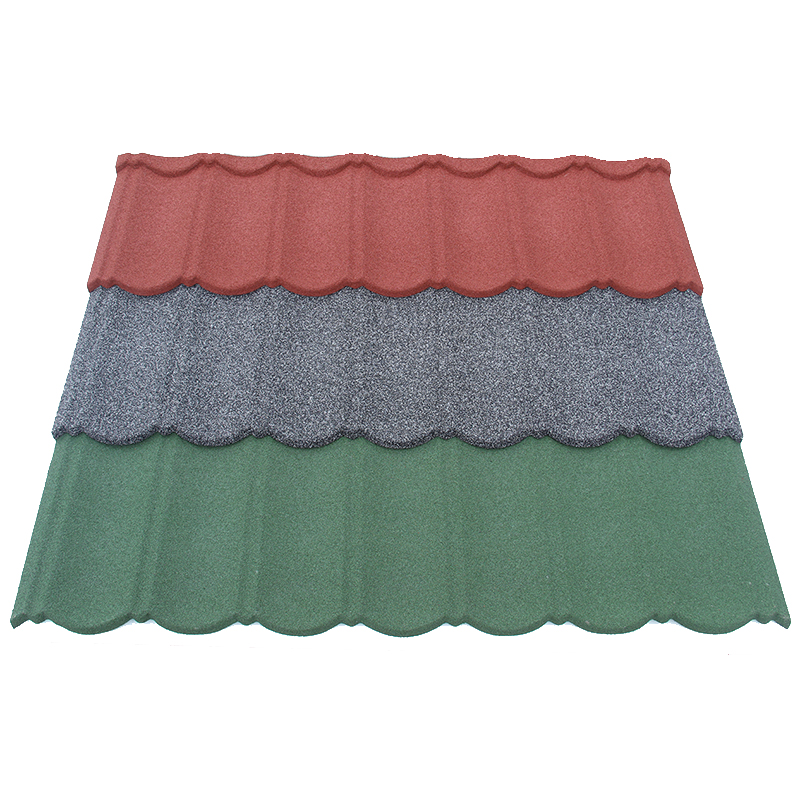
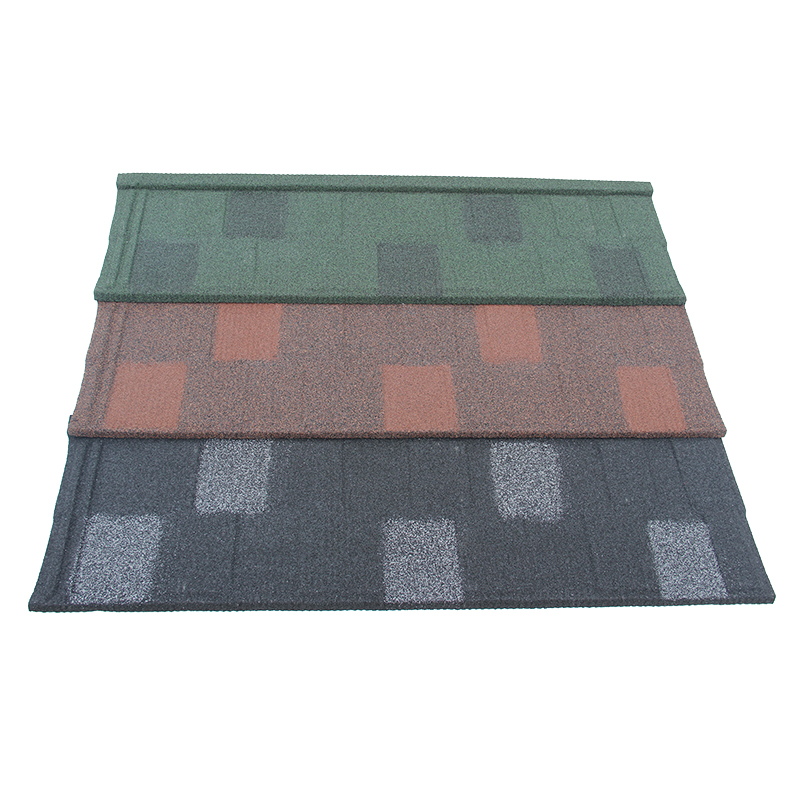
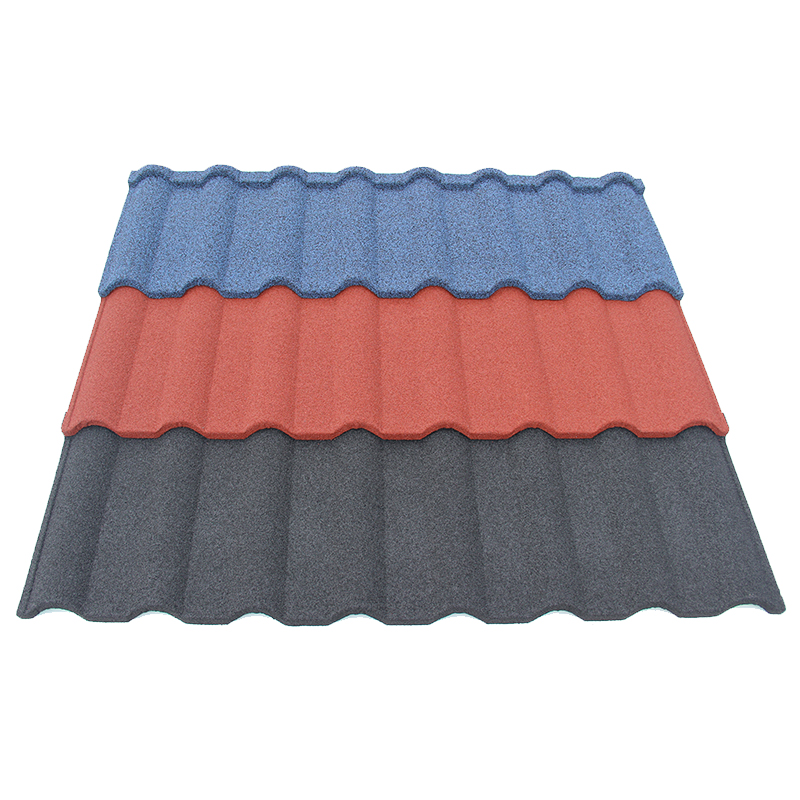
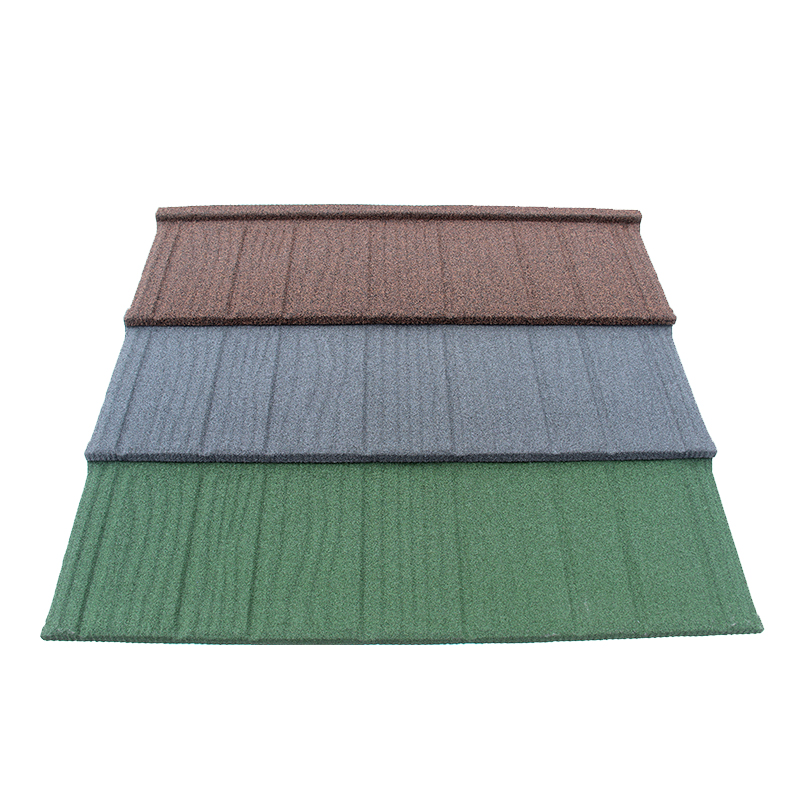
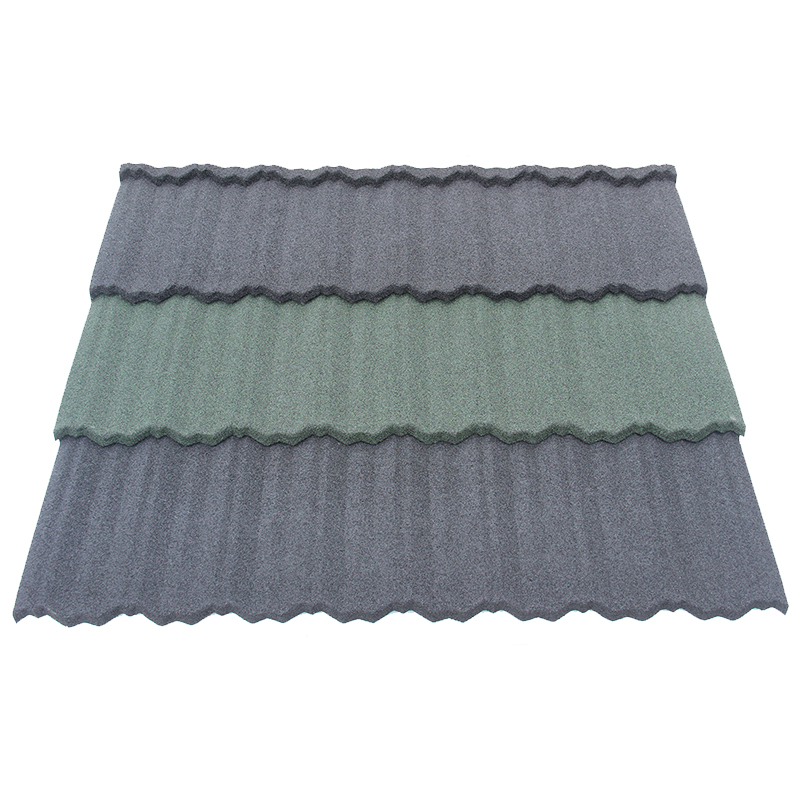
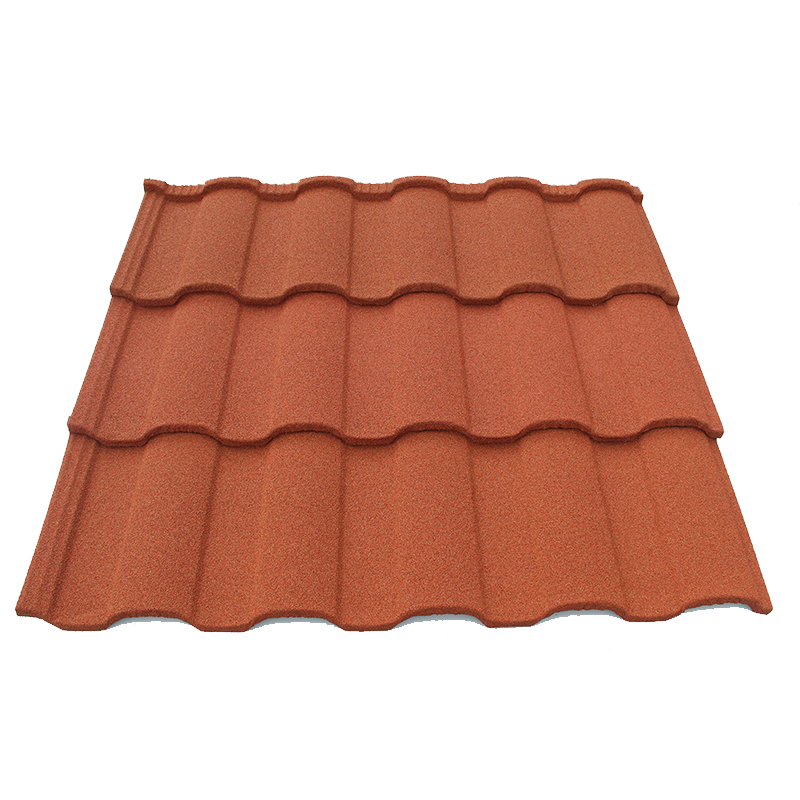
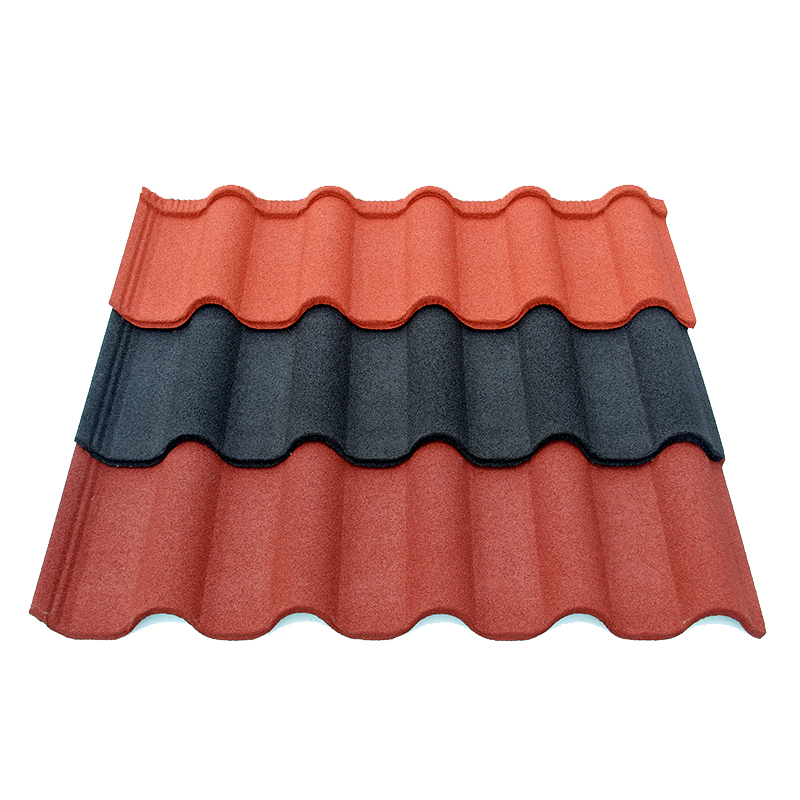
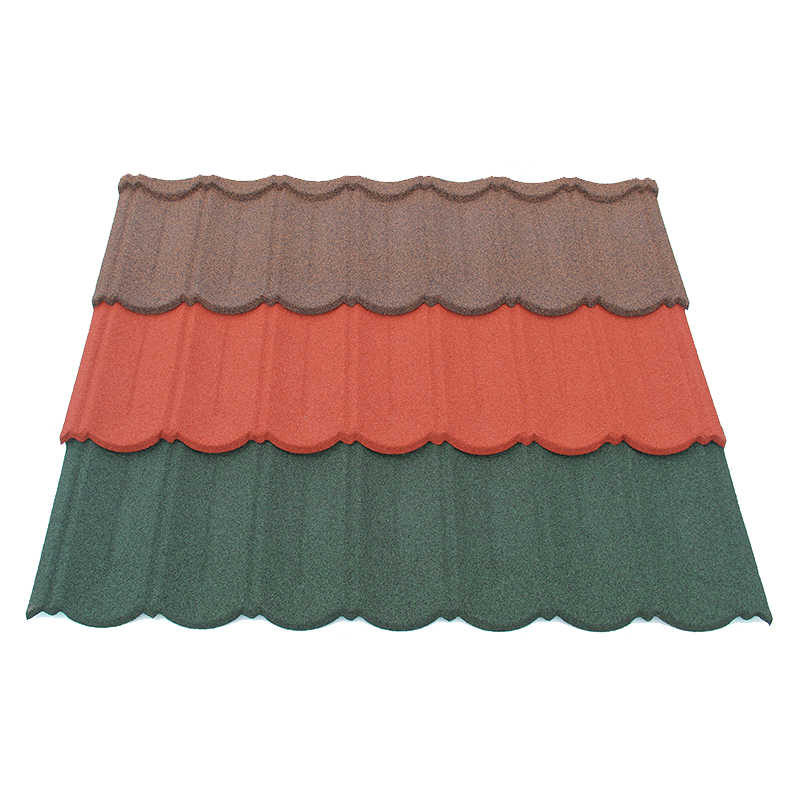
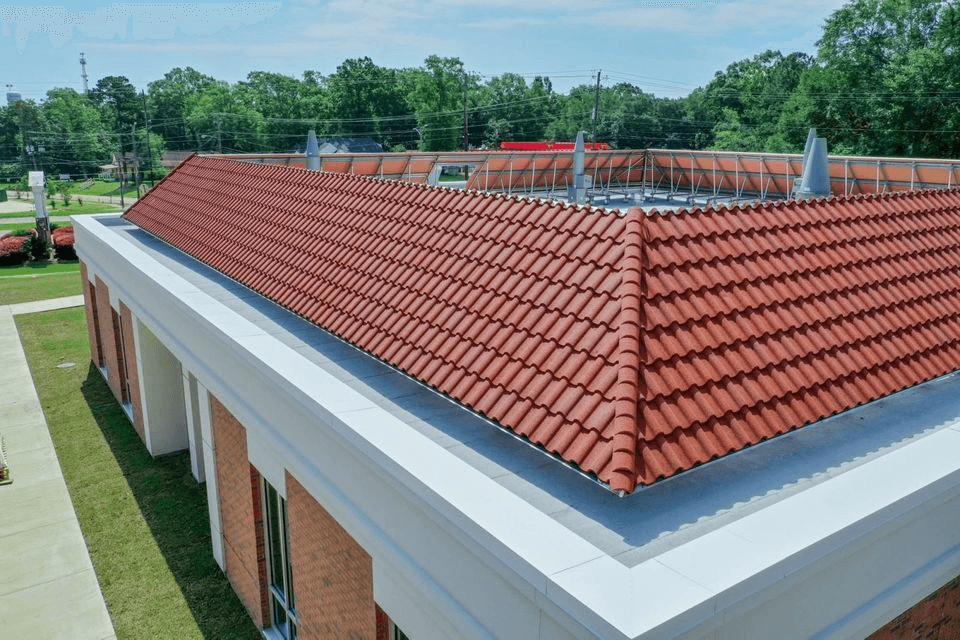
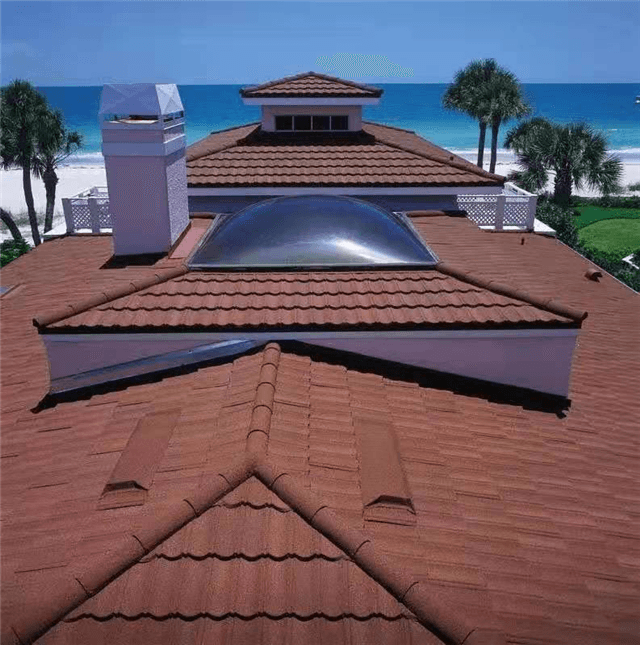
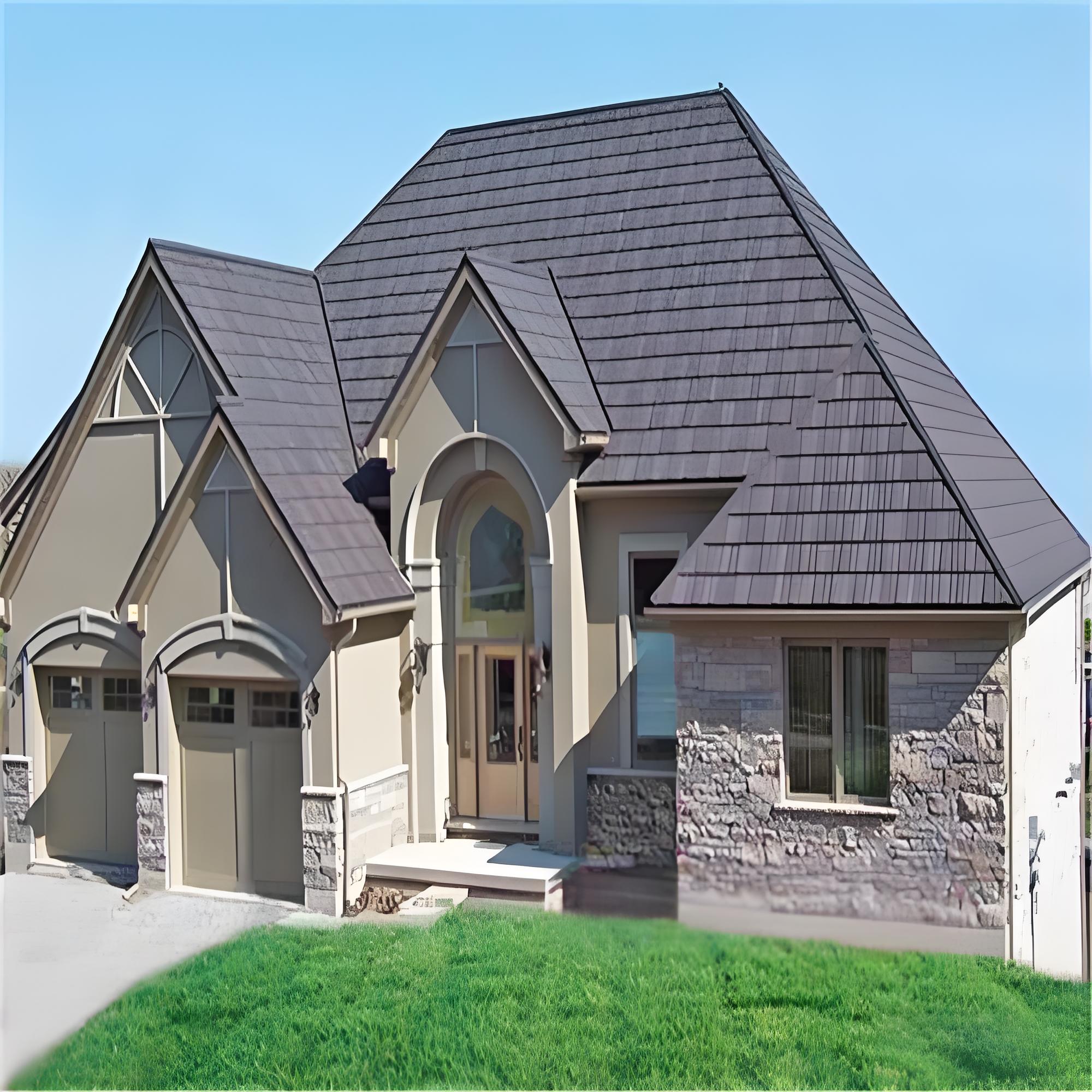
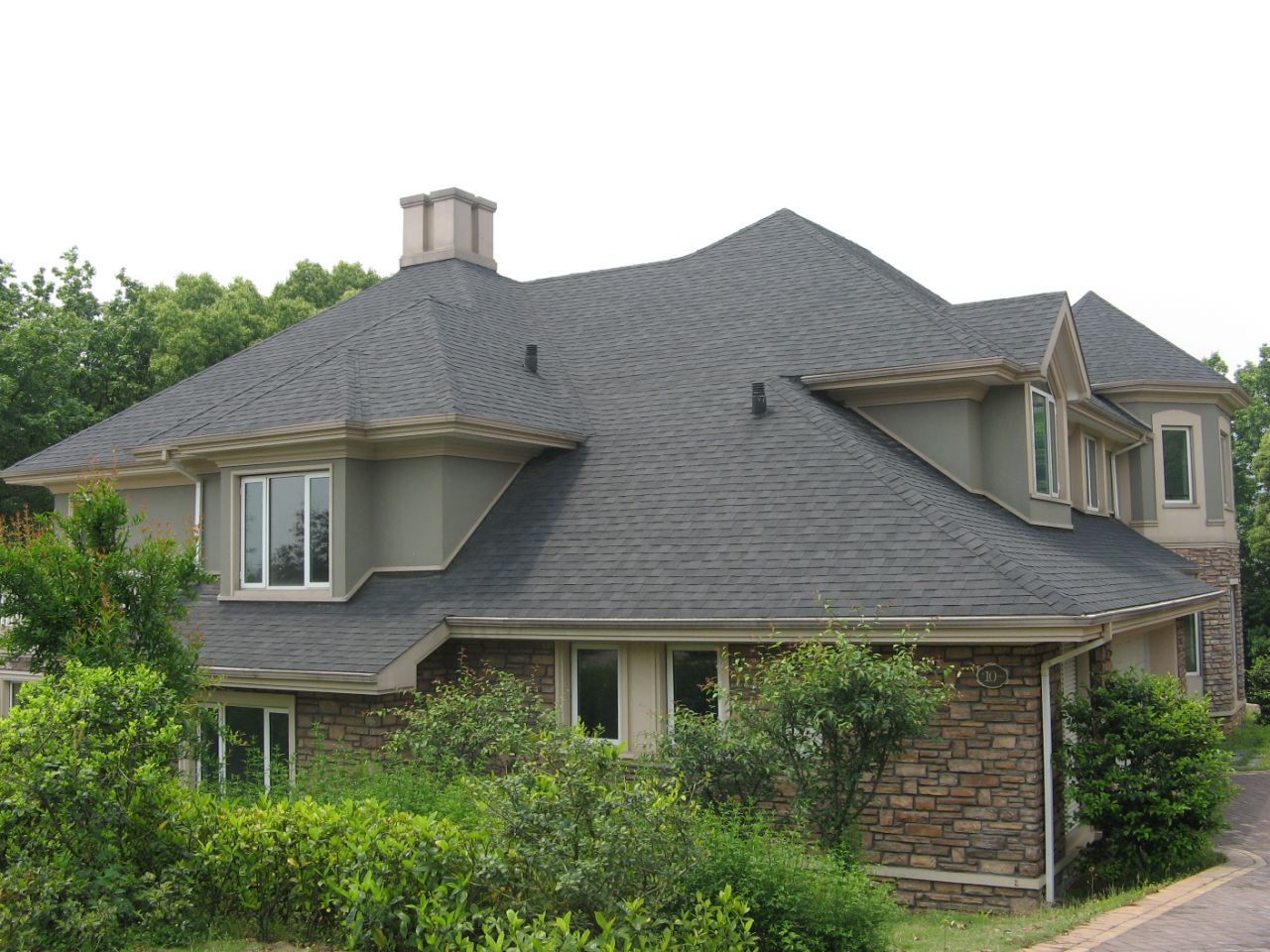
Profiles such as Bond Tile and Shingle Tile offer optimized load distribution, while decorative options like Roman Tile and Milano Tile balance aesthetic appeal with lightweight performance. Shake Tile delivers textured visual interest without significantly increasing panel weight.
Durability and Long-Term Performance
Durability is another defining factor in roofing decisions. Clay tiles are known for their longevity but can be brittle, making them vulnerable to impact and requiring careful handling. Stone coated steel roofing combines a strong steel substrate with protective coatings and stone granules, offering superior resistance to impact, weathering, and thermal expansion.
This means lower repair frequency, fewer replacements, and more predictable lifecycle costs—critical for commercial projects and large residential developments.
Performance features
- Impact resistance from granule-coated steel
- High wind tolerance reduces storm damage risk
- UV-resistant coatings prevent fading over decades
Maintenance advantage
Routine inspections and light cleaning are sufficient for stone coated steel, while clay tiles may require replacement of cracked or broken pieces, particularly in areas with extreme weather events.
Design Flexibility and Architectural Style
Both clay and stone coated roofing can create visually striking results, but stone coated metal provides greater flexibility. Its profiles and color options allow architects to achieve traditional, contemporary, or hybrid aesthetics while maintaining structural and environmental advantages.
This versatility enables projects to meet both functional and branding objectives without compromise.
Style considerations
- Clay tiles: classic aesthetic, heavy and brittle
- Stone coated steel: wide range of profiles and colors, customizable textures
- Architectural adaptability: supports complex roof geometries
Profile selection
Integrating profiles like Bond Tile, Shingle Tile, Roman Tile, Shake Tile, and Milano Tile across a project allows architects to balance visual impact, durability, and installation efficiency.
Cost, Installation, and Total Ownership
While stone coated metal may have a higher upfront cost compared to clay tiles, the lightweight nature, reduced maintenance, and longer lifespan often result in lower total cost of ownership. Installation is faster and safer, reducing labor costs and minimizing project delays.
For procurement teams, evaluating the lifecycle cost rather than just initial price is critical to optimizing ROI and ensuring predictable budget planning.
Ownership cost comparison
| Factor | Clay Tiles | Stone Coated Steel |
|---|---|---|
| Material weight | High | Low |
| Maintenance frequency | Medium–High | Low |
| Replacement cycles (50 years) | 1–2 times | 0–1 time |
| Total 50-year cost | Higher | Lower |
Conclusion: Balancing Weight, Durability, and Style
For architects and B2B buyers, stone coated steel roofing tile systems provide a compelling alternative to traditional clay tiles. Their lightweight structure, superior durability, flexible design options, and lower total cost of ownership make them ideal for modern construction projects.
Using a combination of profiles—Bond Tile, Shingle Tile, Roman Tile, Shake Tile, and Milano Tile—ensures both functional performance and aesthetic diversity. Partnering with reputable manufacturers like JCROOF further guarantees material quality and predictable long-term results.