

For B2B buyers, contractors, and distributors, understanding the real cost of a stone coated metal roofing tile system goes far beyond a simple price per square meter. In actual procurement scenarios, pricing is layered—covering factory cost, logistics, installation, and long-term performance value. Misinterpreting these layers is one of the most common reasons projects go over budget or fail to meet lifecycle expectations.
At a surface level, many suppliers may quote a single number, but experienced buyers know that cost must be broken down into material pricing, installed cost, and total lifecycle value. Each layer reflects a different part of the supply chain and carries its own risks and decision factors.
To make a rational purchasing decision, especially at scale, it is essential to separate these cost components and understand what drives them.
Material Cost Per Square Meter: Factory-Level Pricing Explained
At the factory or export level, material cost is the most relevant figure for importers and distributors. This is typically quoted as FOB pricing and reflects the production cost of the roofing tiles before shipping and installation.
Based on recent global market data, bulk procurement pricing for stone coated systems typically falls within a relatively stable range depending on specifications such as steel thickness, coating type, and stone granule quality.
For large-volume B2B orders, this is the baseline number used for margin calculation and supply chain planning.
Typical Factory Price Range
- USD 8.5 – 14.5 per m² for bulk orders
- Lower range: thinner steel, basic coating systems
- Higher range: Aluzinc substrate, premium stone granules, UV-resistant coatings
What Drives Material Cost Differences
- Steel thickness (0.35mm vs 0.5mm+)
- Coating type (galvanized vs Aluzinc)
- Stone chip quality and adhesion system
- Order volume and container loading efficiency
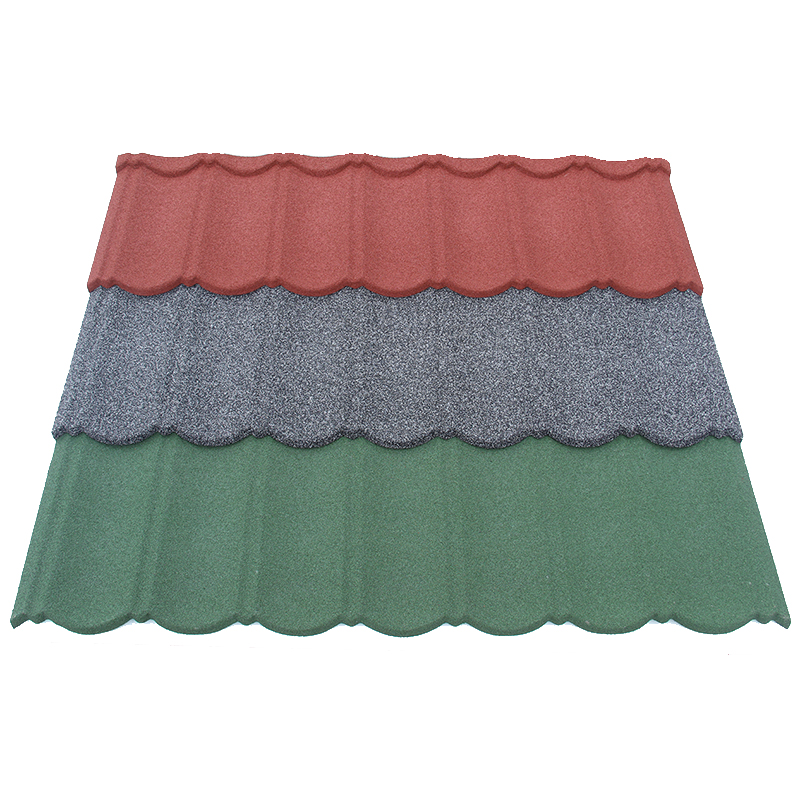
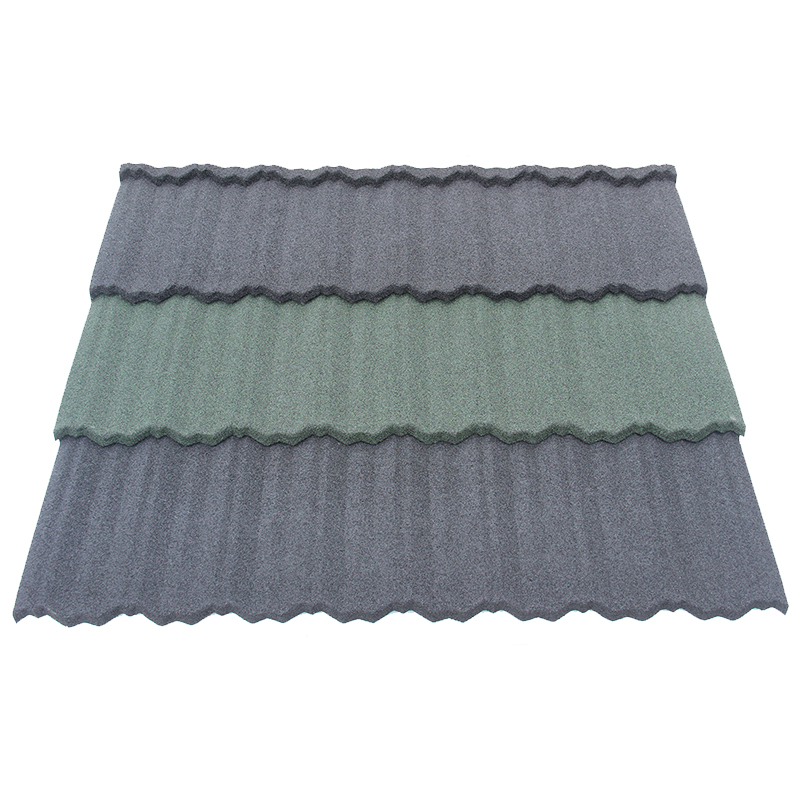
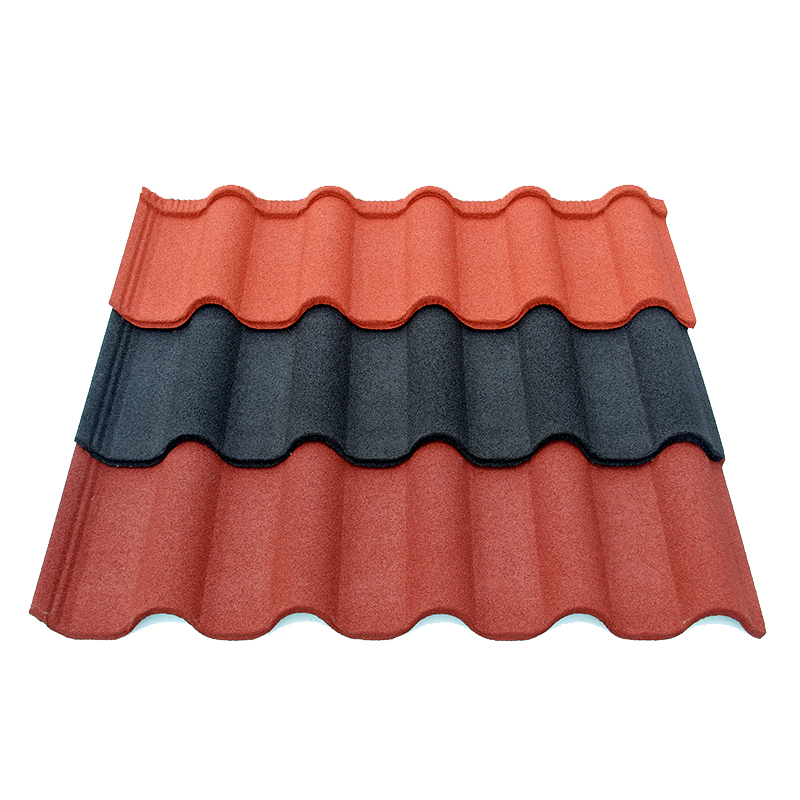
In real projects, profiles such as Bond Tile are often selected in cost-sensitive markets due to their standardized production efficiency, while Milano Tile may carry slightly higher pricing due to design complexity and premium positioning.
Installed Cost Per Square Meter: The Real Project Budget
While material cost is critical for sourcing, installed cost is what ultimately defines the total project budget. This includes labor, underlayment, accessories, and installation complexity.
Globally, installed pricing varies significantly depending on labor markets and project conditions, but industry benchmarks provide a useful reference range.
For developers and contractors, this is the number that determines feasibility and ROI for construction projects.
Global Installed Cost Range
- USD 15 – 30 per m² (typical international range)
- Equivalent to roughly $10–$18 per sq ft in some markets
Key Cost Components
| Cost Element | Typical Share | Notes |
|---|---|---|
| Roofing tiles | 40–50% | Depends on material specification |
| Labor | 30–40% | Varies by region and roof complexity |
| Underlayment | 8–12% | Critical for waterproofing and insulation |
| Accessories | 5–10% | Includes ridge caps, flashing, trims |
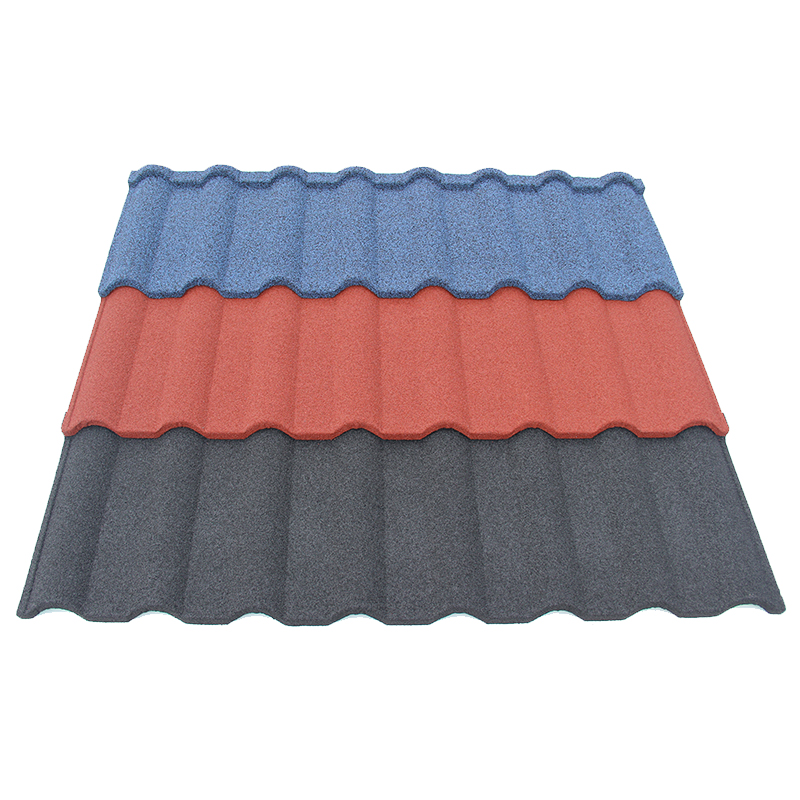
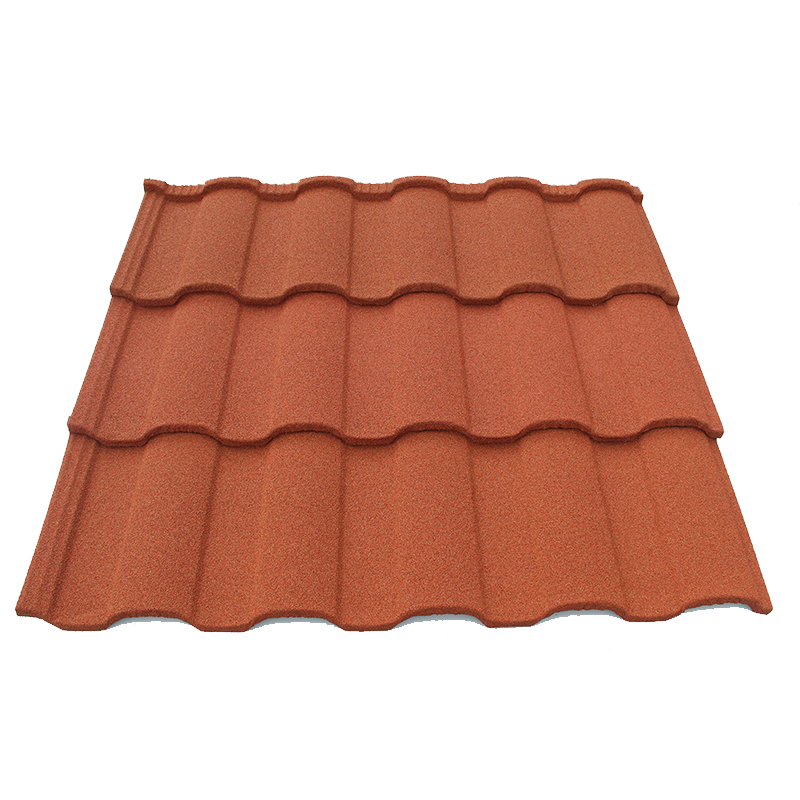
Profiles like Roman Tile are often used in large residential developments where installation efficiency helps control labor cost, while Shingle Tile is commonly selected for modular or fast-installation systems.
Hidden Costs That Most Buyers Overlook
One of the biggest mistakes in roofing procurement is focusing only on the visible price per square meter. In reality, several hidden cost layers can significantly affect the final project budget.
These costs are especially important for international buyers sourcing from overseas manufacturers, where logistics and compliance factors become part of the total cost structure.
Ignoring these factors often leads to inaccurate budgeting and unexpected expenses during project execution.
Common Hidden Cost Factors
- Ocean freight, insurance, and port handling fees
- Import duties and local taxes
- Roof complexity (valleys, slopes, multi-level structures)
- Removal of existing roofing system
Installation Complexity Impact
Steeper roofs or complex architectural designs can increase installation costs by 10–30% or more due to additional labor and safety requirements
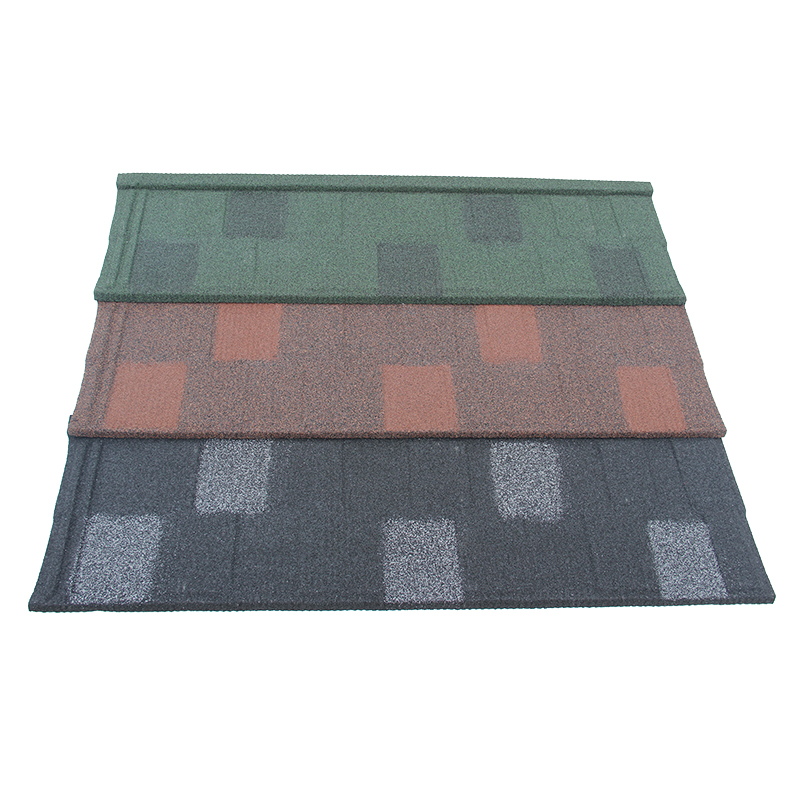
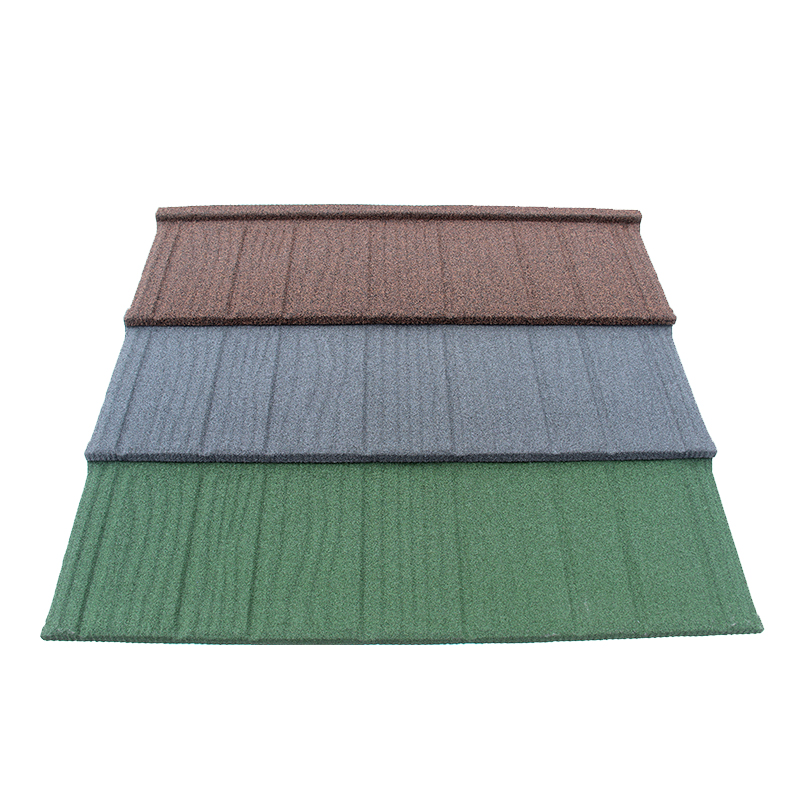
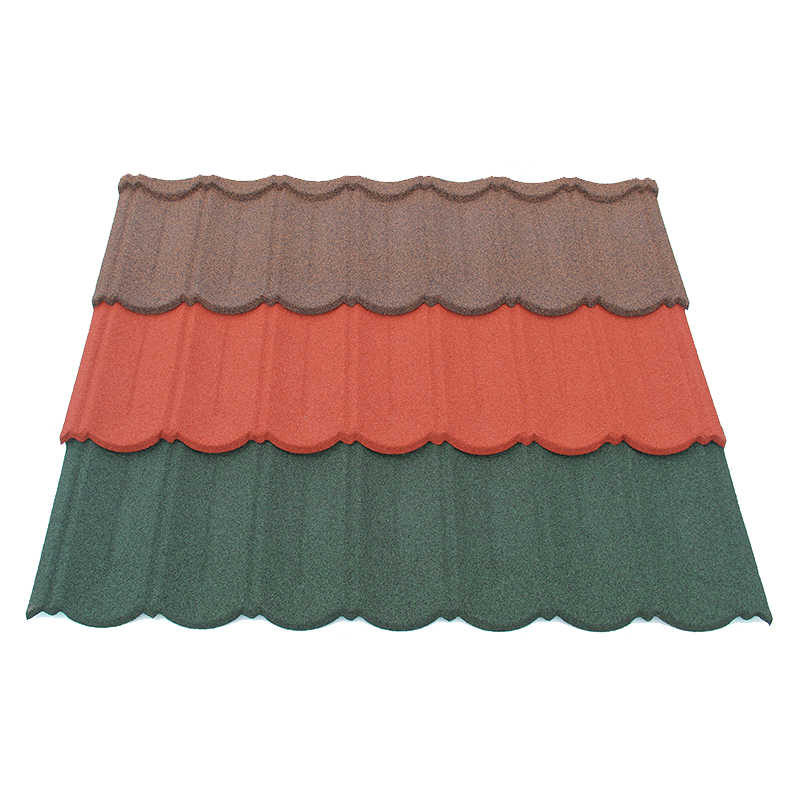
In high-end villa projects using Shake Tile, additional structural detailing and aesthetic alignment can also increase labor time and overall cost.
How to Evaluate Cost vs Long-Term Value
For professional buyers, the most important question is not “What is the cheapest price per square meter?” but “What is the cost over the lifespan of the roof?” This is where stone coated systems differentiate themselves from traditional roofing materials.
Although initial costs are higher than asphalt or basic metal sheets, the extended lifespan and reduced maintenance requirements significantly improve long-term ROI. Many systems are designed to last 40–70 years with minimal upkeep
Manufacturers with stable production systems, such as JCROOF, focus on consistency in substrate quality and coating performance, which directly impacts lifecycle cost and reduces the risk of premature failure.
Lifecycle Cost Consideration
- Lower maintenance compared to traditional roofing
- Reduced replacement frequency
- Better resistance to extreme weather conditions
- Higher long-term asset value
Procurement Decision Logic
In large-scale projects, choosing a slightly higher-cost system with verified durability often results in lower total cost over time, especially when factoring in labor, repairs, and warranty risks.
Conclusion: What Should You Budget?
In practical terms, B2B buyers should approach pricing for stone coated metal roofing tile systems using a layered framework:
- Material cost: $8.5 – $14.5 per m²
- Installed cost: $15 – $30 per m²
- Total project cost: depends on logistics, installation complexity, and specification level
The key is not to focus on a single number, but to evaluate the full system cost in relation to performance, durability, and supply chain reliability. Buyers who adopt this approach are better positioned to control risk and maximize long-term value.