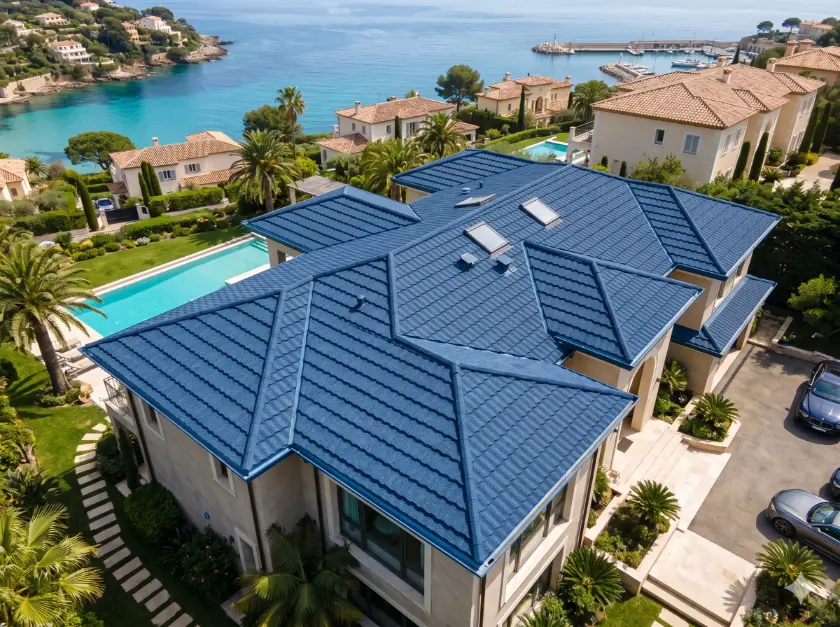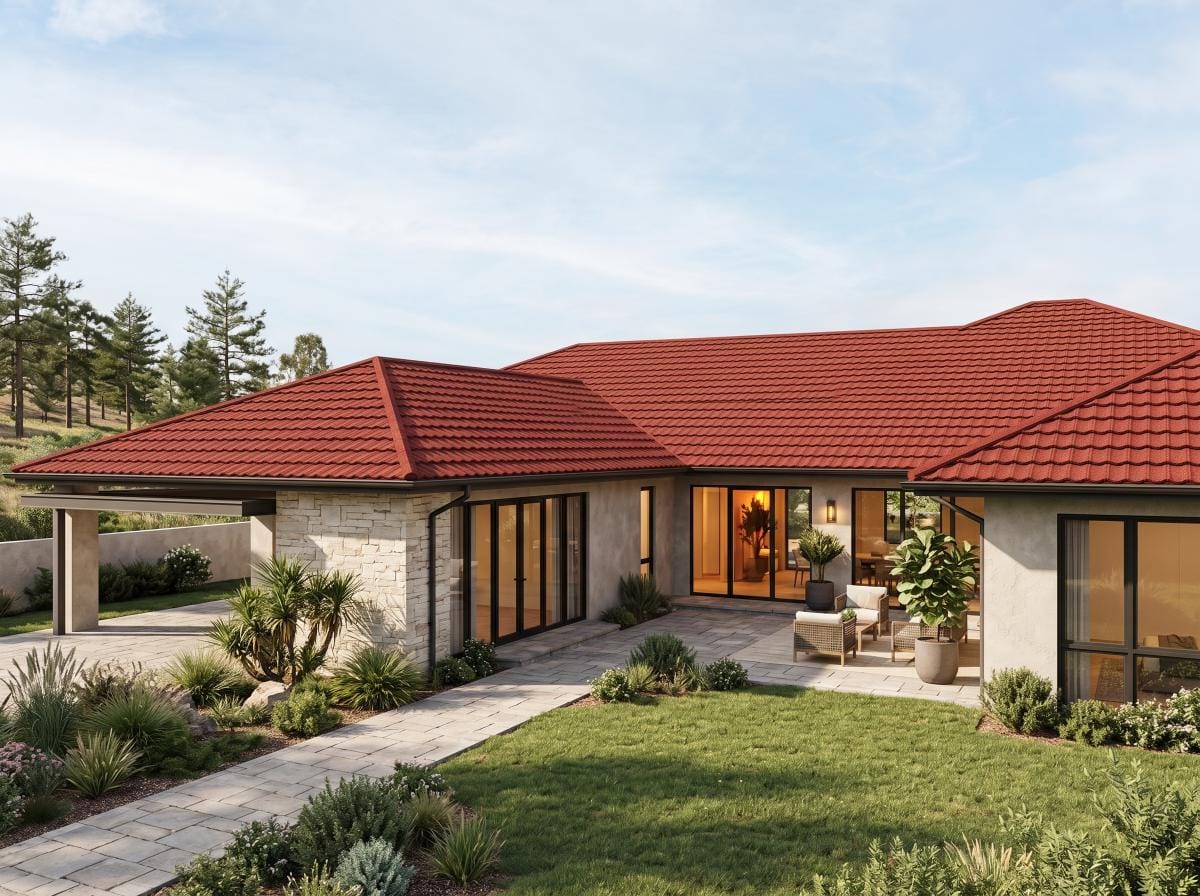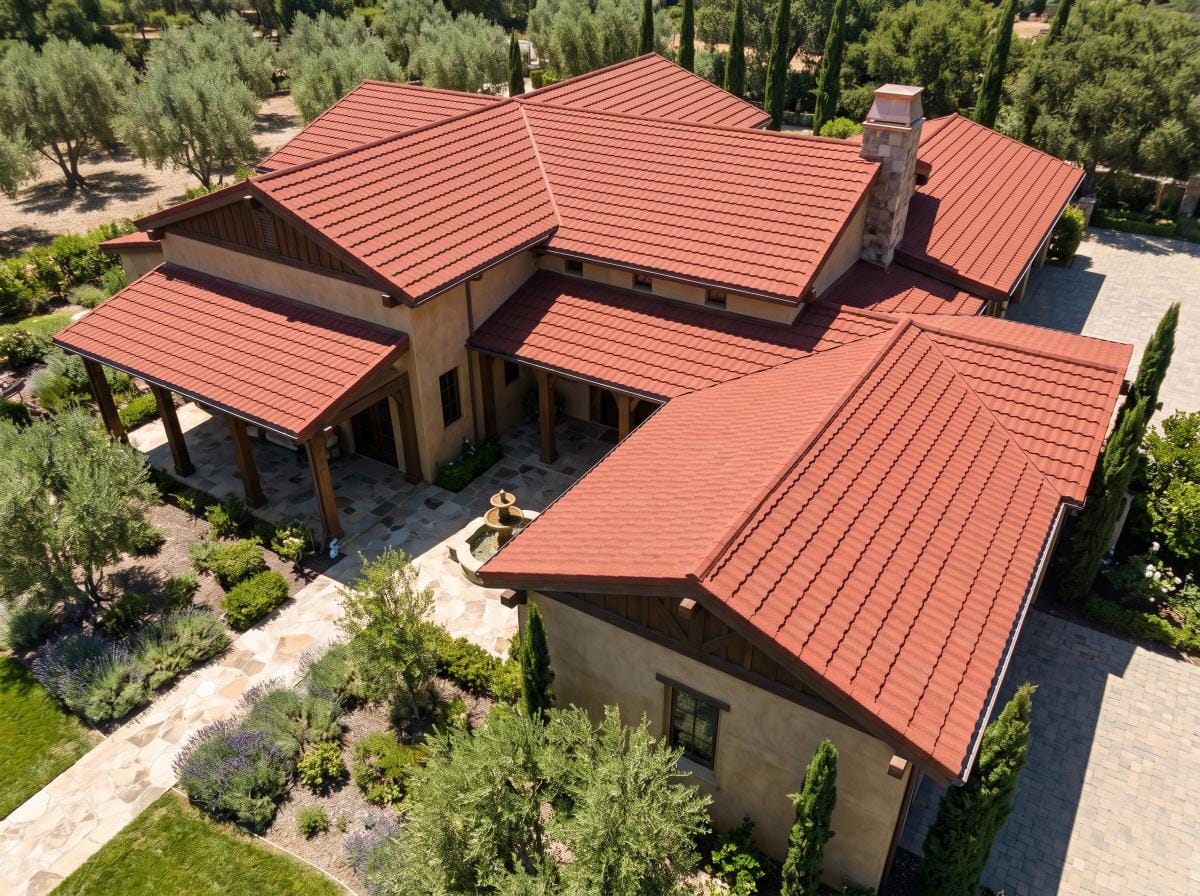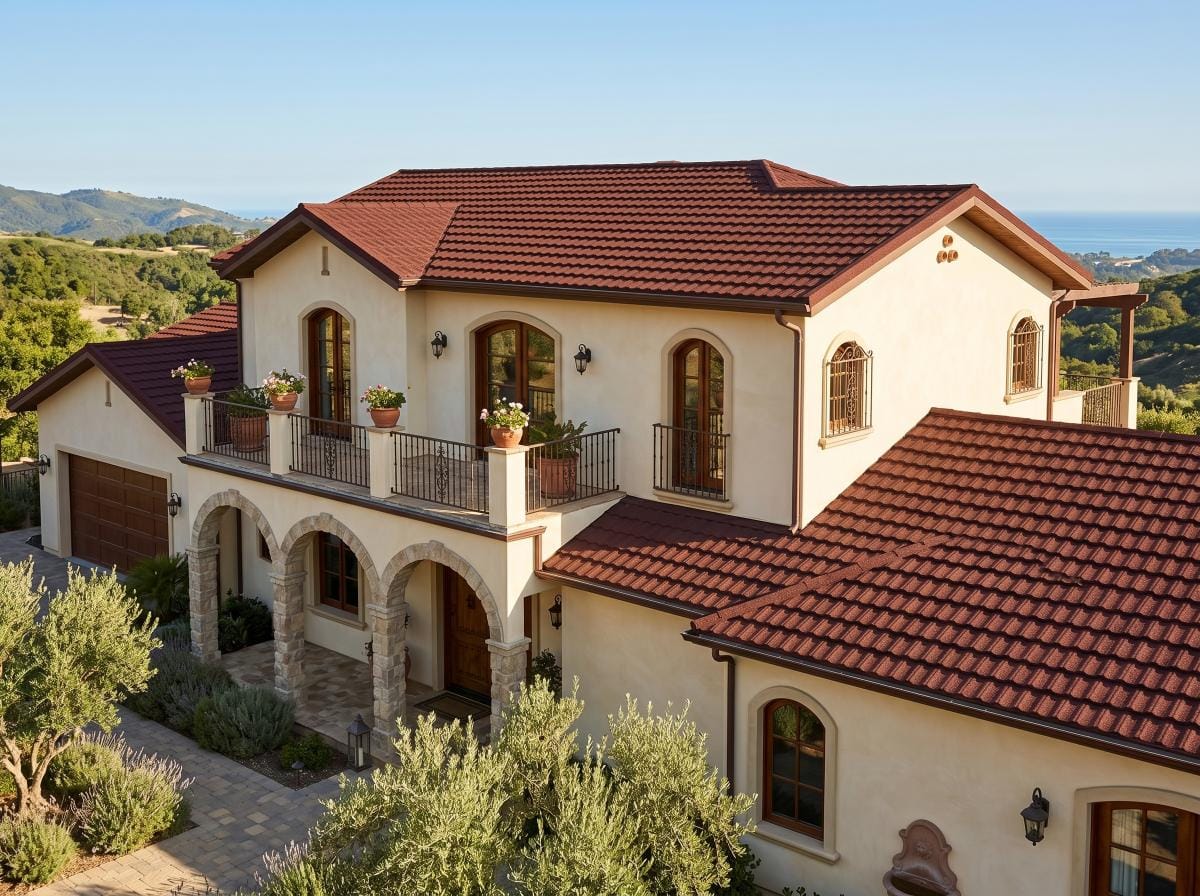

For distributors, contractors, and project developers, metal shingle roofing is often positioned as a middle ground between traditional asphalt shingles and high-end roofing systems. However, in real procurement scenarios, especially when evaluating alternatives like stone coated metal roofing tile, the decision is rarely about appearance alone. It becomes a question of lifecycle cost, installation efficiency, and long-term performance under varying environmental conditions.
Many buyers enter the sourcing process assuming that all metal shingles perform similarly. In reality, performance varies significantly depending on substrate quality, coating systems, and manufacturing consistency. This is why experienced procurement teams treat metal shingle roofing not as a generic category, but as a system that must be evaluated across multiple technical dimensions.
When compared directly with stone coated metal roofing tile systems, metal shingles may offer advantages in simplicity and cost, but they also present trade-offs in durability, acoustic performance, and surface protection that must be carefully assessed before making large-volume purchasing decisions.
How Metal Shingle Roofing Performs in Real Project Conditions
From an engineering perspective, metal shingle roofing systems rely on thin-profile steel or aluminum panels designed to mimic the look of traditional shingles. While this provides visual flexibility, it also introduces structural limitations when compared to thicker, coated systems.
In field applications, performance is heavily influenced by environmental exposure. In regions with high rainfall, temperature fluctuation, or coastal corrosion, the absence of a protective stone layer means that the metal surface is more directly exposed to environmental stress.
By contrast, stone coated metal roofing tile systems incorporate a multi-layer structure that enhances durability and reduces direct exposure, which is why they are often specified for projects requiring longer service life.
Key Performance Factors in Real Use
- Direct exposure of metal surface to UV and moisture
- Limited impact resistance compared to coated systems
- Higher dependency on coating quality for corrosion resistance
Where Metal Shingles Are Commonly Used
Metal shingle roofing is typically used in cost-sensitive residential projects or light commercial applications where installation speed and budget constraints take priority over long-term durability.
Material Structure and Its Impact on Durability and Maintenance
The structural simplicity of metal shingle roofing is both an advantage and a limitation. Without the additional stone coating layer found in stone coated metal roofing tile systems, the material relies entirely on its paint or coating system for protection.
This means that any inconsistency in coating thickness or application quality can directly affect lifespan. Over time, exposure to weather conditions may lead to fading, corrosion, or surface degradation, particularly in aggressive environments.
In contrast, multi-layer systems distribute environmental stress across different protective layers, reducing the burden on any single component.
Material Comparison Overview
| Feature | Metal Shingle Roofing | Stone Coated System |
|---|---|---|
| Surface protection | Paint or coating only | Stone granule + coating layers |
| Corrosion resistance | Depends on coating quality | Multi-layer protection |
| Impact resistance | Moderate | High |
| Maintenance frequency | Higher over time | Lower |
Implications for Procurement
For buyers managing long-term projects, lower initial cost may be offset by higher maintenance requirements. This is particularly relevant for distributors who need to maintain product reputation in their local markets.
Product Profiles and Market Positioning in Roofing Supply
Within the broader roofing market, different product profiles serve different functional and architectural needs. Metal shingle roofing typically competes in segments where cost efficiency and ease of installation are prioritized.
However, when projects demand higher durability or enhanced visual texture, buyers often shift toward systems like stone coated metal roofing tile, which offer more diverse profile options and stronger structural performance.
This is where profile diversity becomes a strategic advantage for manufacturers and distributors.
Common Profile Applications in the Market
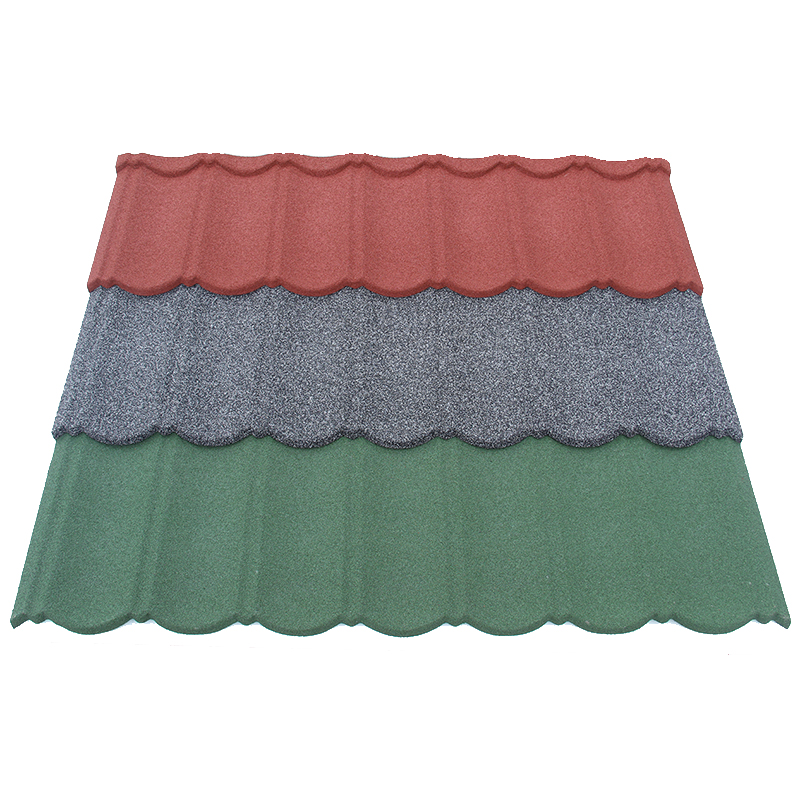
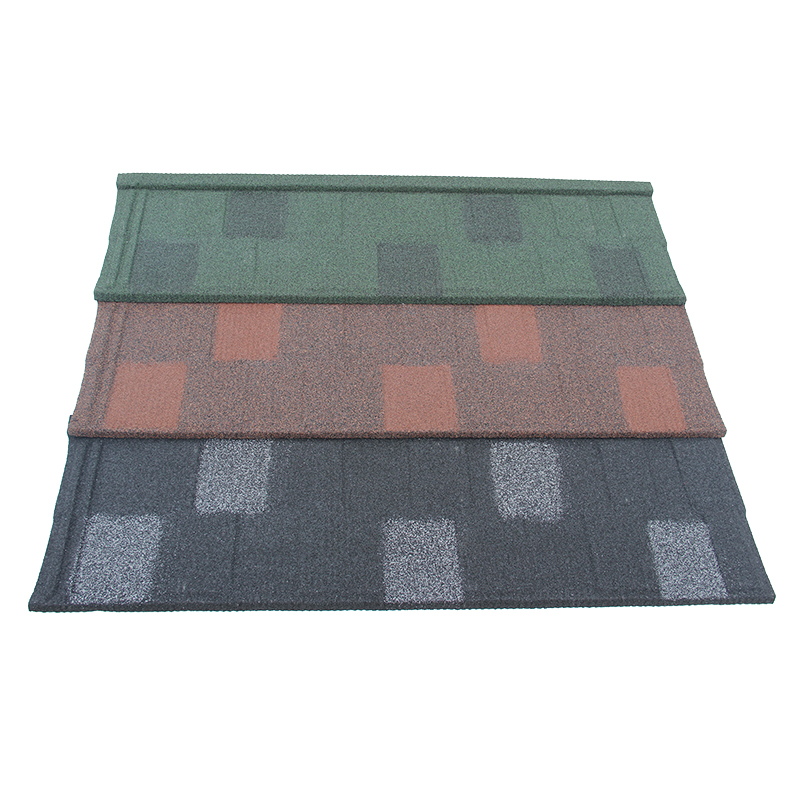
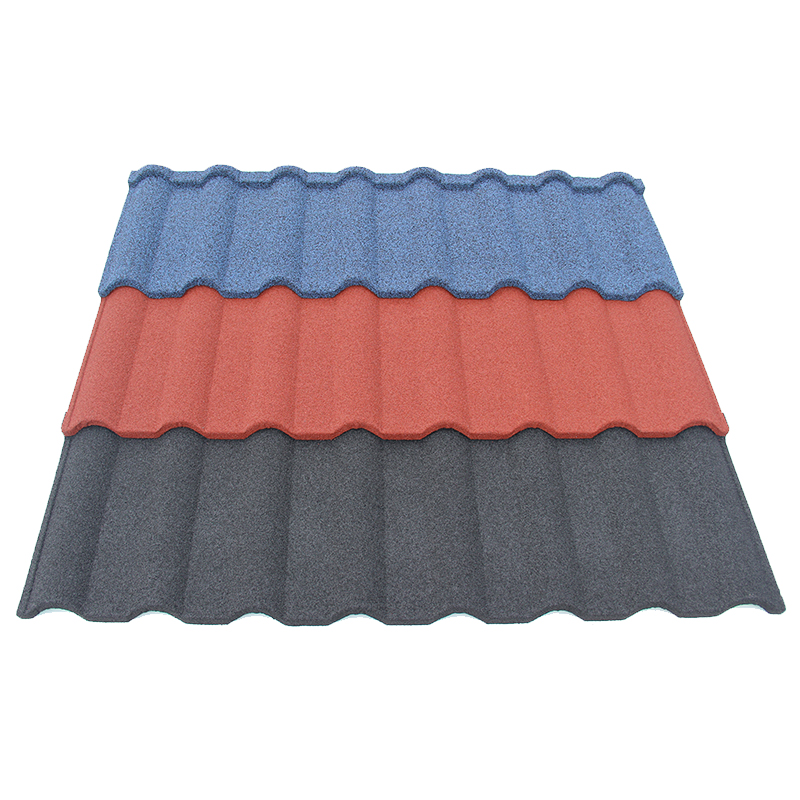
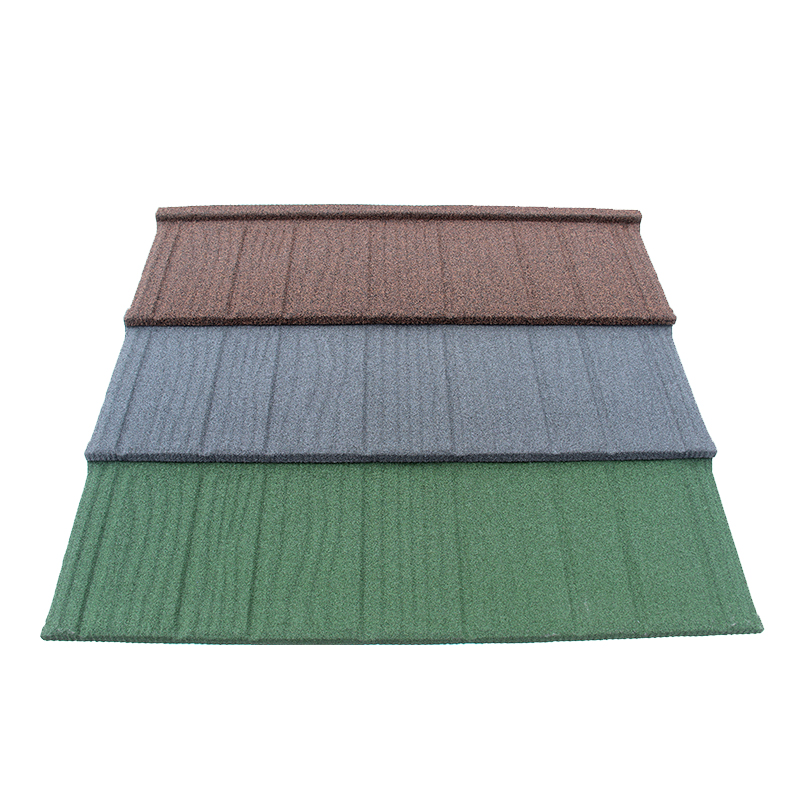
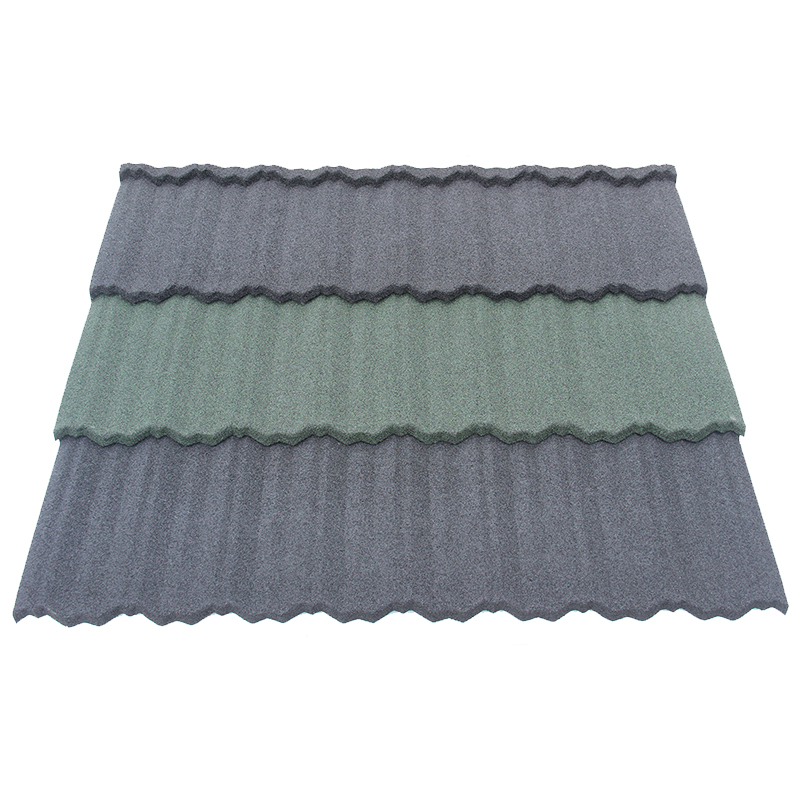
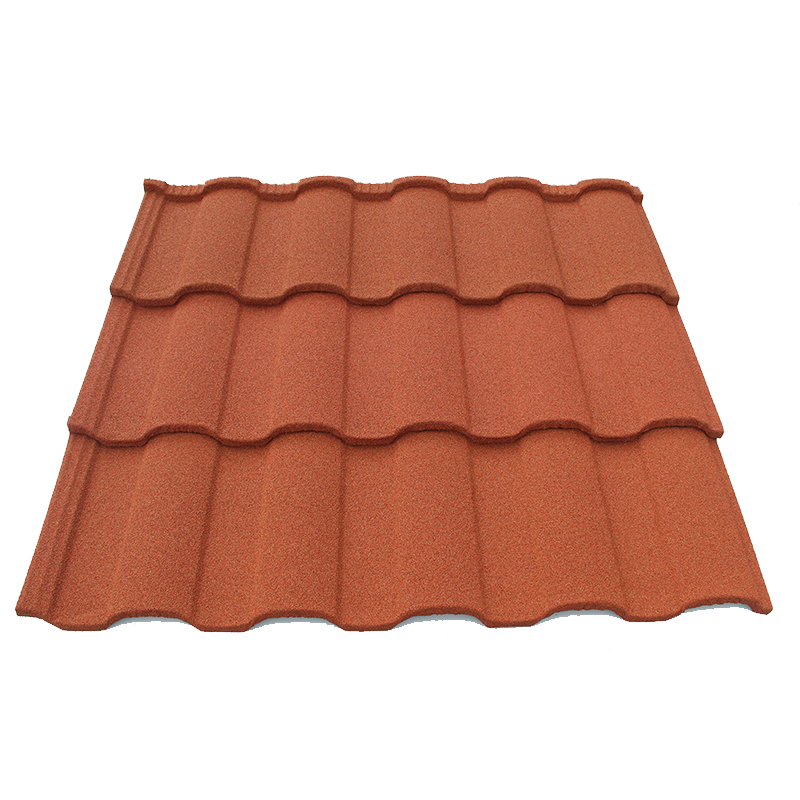
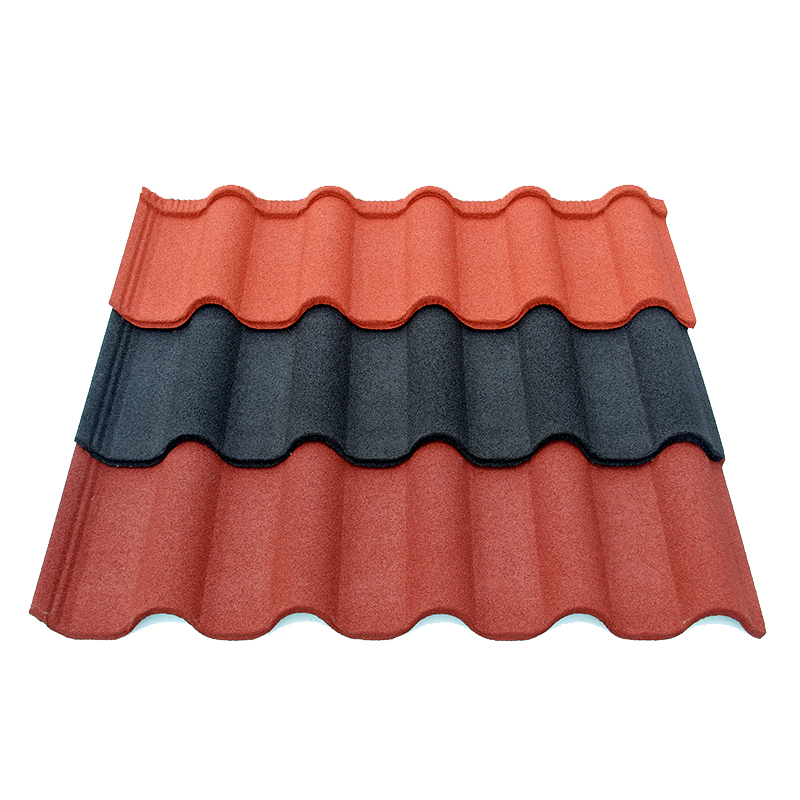
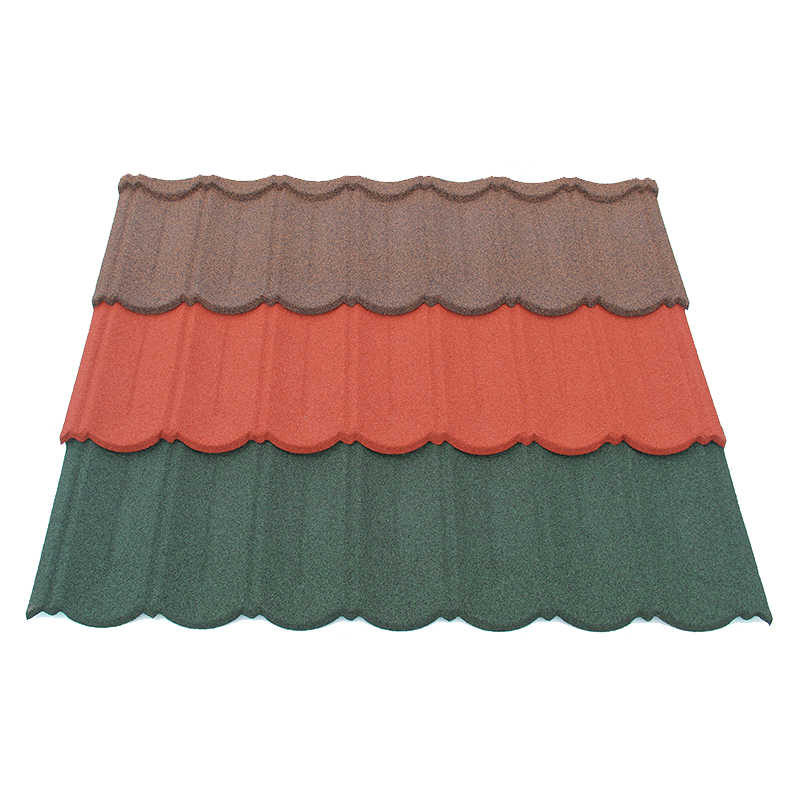
- Bond Tile: widely used for standardized export projects requiring cost-performance balance
- Roman Tile: preferred in large residential developments with consistent design language
- Shingle Tile: applied in modular systems emphasizing installation efficiency
- Milano Tile: selected for premium architectural aesthetics
- Shake Tile: used in high-end residential and villa-style constructions
Why Profile Variety Matters for Buyers
A broader product range allows distributors to adapt to different market demands without changing suppliers, which simplifies inventory management and reduces sourcing complexity.
Common Procurement Mistakes When Sourcing Metal Shingle Roofing
One of the most frequent issues in sourcing metal shingle roofing is underestimating the importance of coating quality and substrate consistency. Many suppliers offer visually similar products, but performance differences only become apparent after installation.
In international trade, this risk is amplified by limited visibility into manufacturing processes. Buyers who rely solely on pricing or sample inspection often encounter quality inconsistencies across shipments.
Working with manufacturers that maintain strict production control, such as JCROOF, helps reduce these risks by ensuring consistent material specifications and quality standards.
Typical Sourcing Risks
- Inconsistent coating thickness leading to premature wear
- Unverified substrate materials affecting durability
- Lack of batch-level quality control
- Over-reliance on sample-based evaluation
How to Reduce Procurement Risk
Buyers should implement structured verification processes, including material certification review, factory audits, and ongoing batch testing to ensure consistent quality across orders.
Choosing the Right Roofing System Based on Project Requirements
The decision between metal shingle roofing and more advanced systems should always be based on project requirements rather than initial cost alone. Factors such as climate, building type, maintenance expectations, and installation conditions all play a role in determining the most suitable solution.
For projects where long-term durability and reduced maintenance are priorities, stone coated metal roofing tile systems often provide a more stable solution. For cost-sensitive applications with shorter lifecycle expectations, metal shingles may still be a viable option.
Ultimately, the goal for B2B buyers is not to choose the cheapest product, but to select a system that aligns with project performance requirements and market positioning.
Decision-Making Framework
- Evaluate environmental exposure conditions
- Define expected service life of the project
- Compare lifecycle cost rather than initial price
- Assess supplier capability and consistency