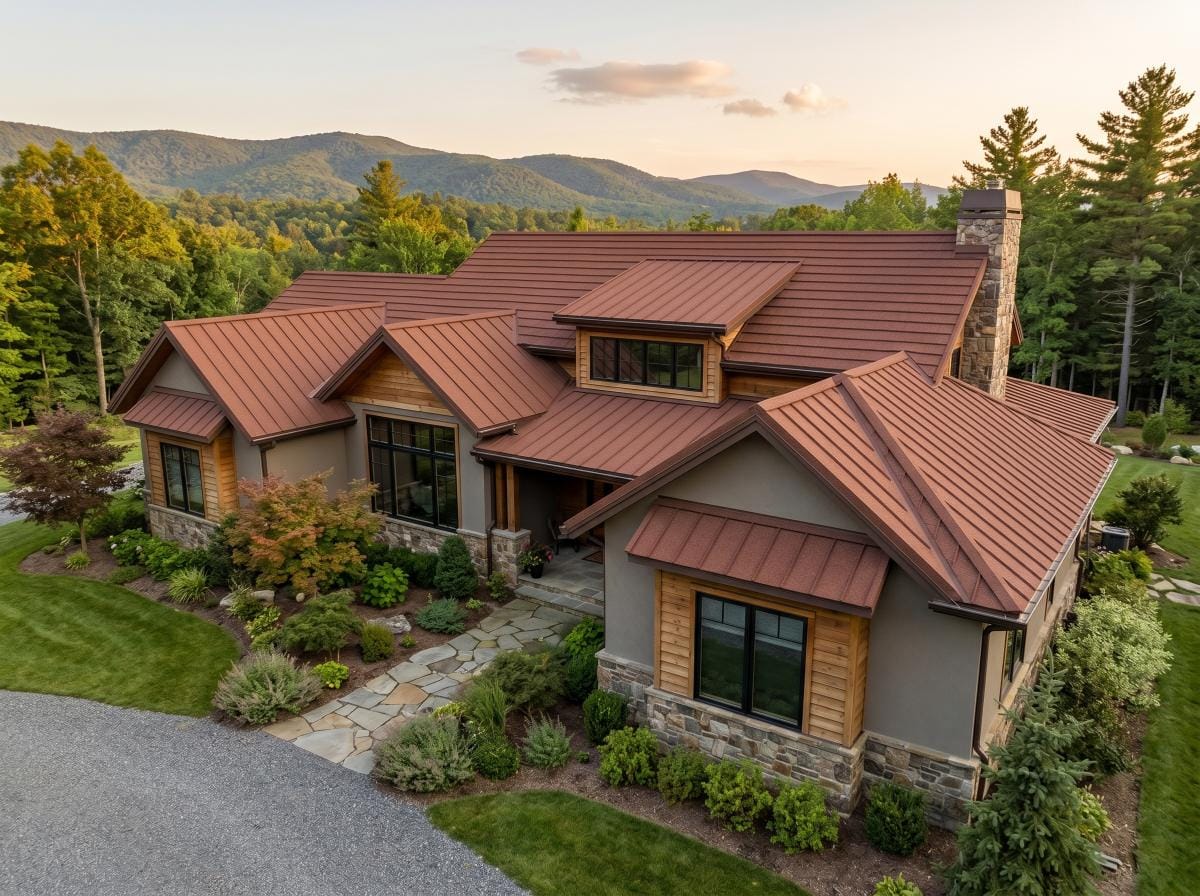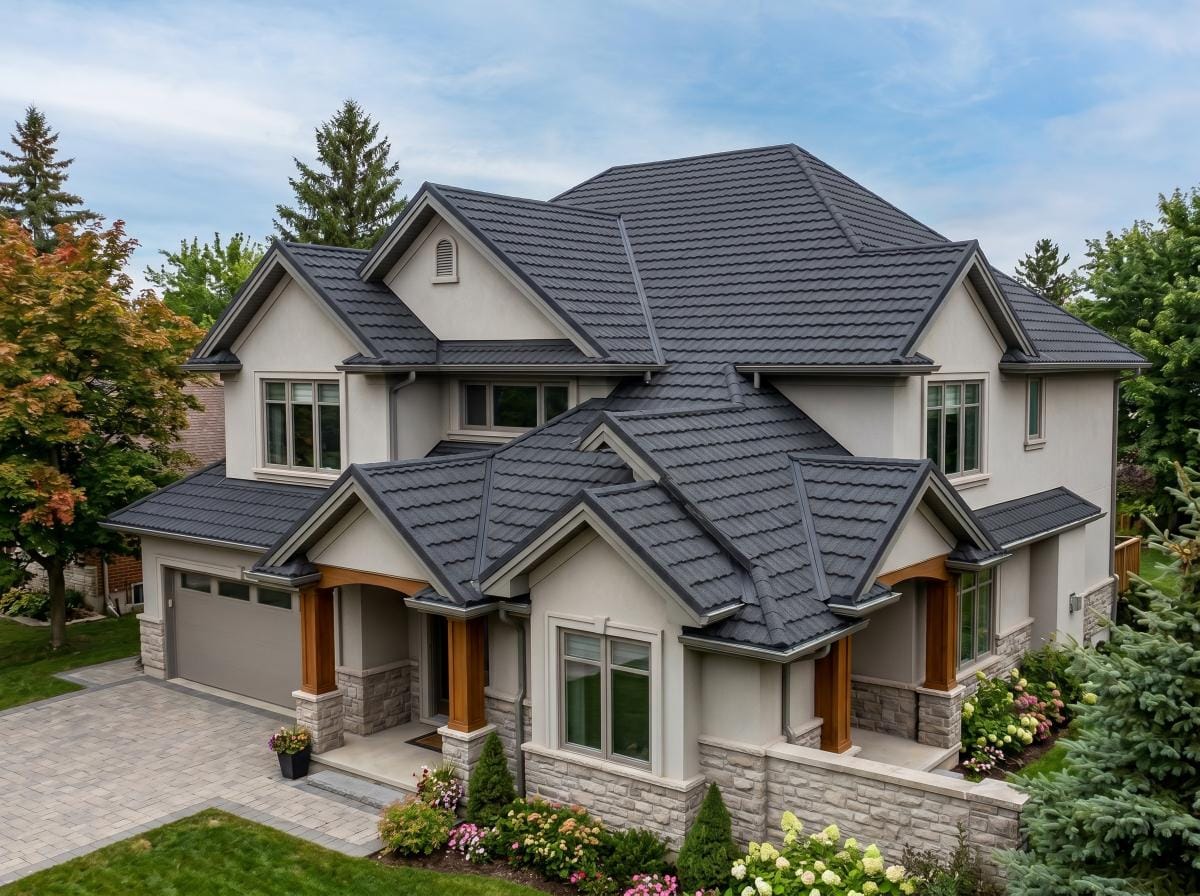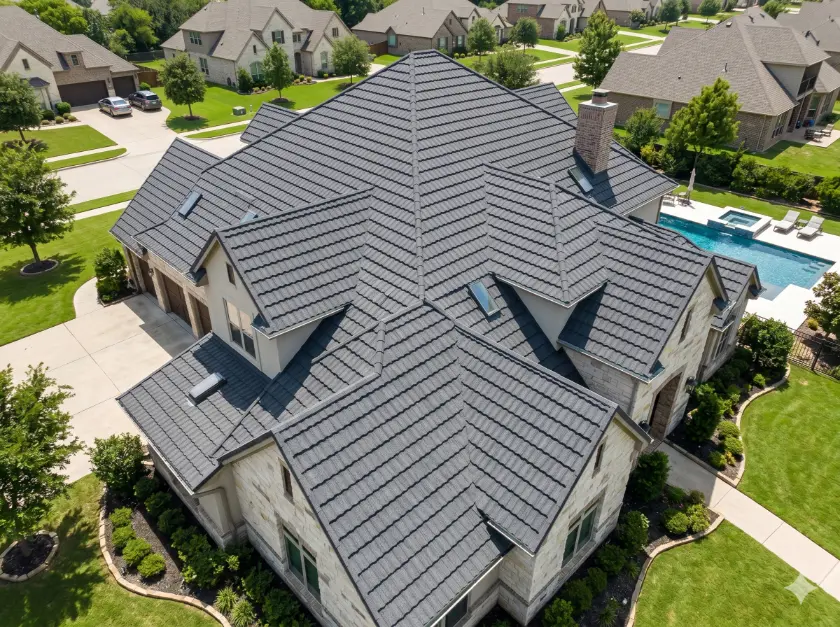

Commercial real estate development carries immense financial risk globally. Therefore, managing construction execution is absolutely critical for developers. Poor workmanship destroys premium building materials instantly. Consequently, procurement managers must understand proper engineering protocols deeply. Specifically, installing Stone Coated Steel Roofing Systems requires rigorous technical discipline constantly. A sloppy installation process voids massive commercial warranties overnight. Furthermore, it invites catastrophic water damage during severe weather events. Thus, B2B buyers must audit their general contractors aggressively. This technical guide highlights the most frequent installation errors clearly. As a result, project managers can identify and correct these fatal mistakes early. Indeed, proactive auditing prevents massive financial liabilities completely. Ultimately, flawless execution guarantees a permanent, indestructible commercial asset for the property portfolio.
1. The Fatal Error of Improper Batten Grid Spacing
The raised batten grid provides the foundational skeleton for the entire exterior envelope. Therefore, incorrect wooden framing measurements will cause immediate structural failures. Installers must space these horizontal purlins with absolute mathematical perfection. If the spacing is off, the interlocking steel panels simply will not align correctly. Consequently, the commercial roof becomes highly vulnerable to massive wind uplift. Thus, site foremen must supervise this carpentry phase with extreme technical prejudice. This vigilance prevents costly tear-downs and massive project delays.
Mathematical Precision in Structural Framing
Contractors frequently guess batten spacing to save labor time on site. However, this lazy approach ruins the architectural layout completely. Every specific profile demands a highly precise horizontal measurement continuously. Therefore, professional installers use custom-cut wooden templates constantly. These physical templates eliminate dangerous human measuring errors completely. Furthermore, standardizing the gap ensures perfect horizontal panel alignment globally. As a result, the subsequent metal installation proceeds rapidly and flawlessly. Consequently, the general contractor finishes the massive roofing phase strictly on schedule.
Concealed Fastening and Flat Alignments
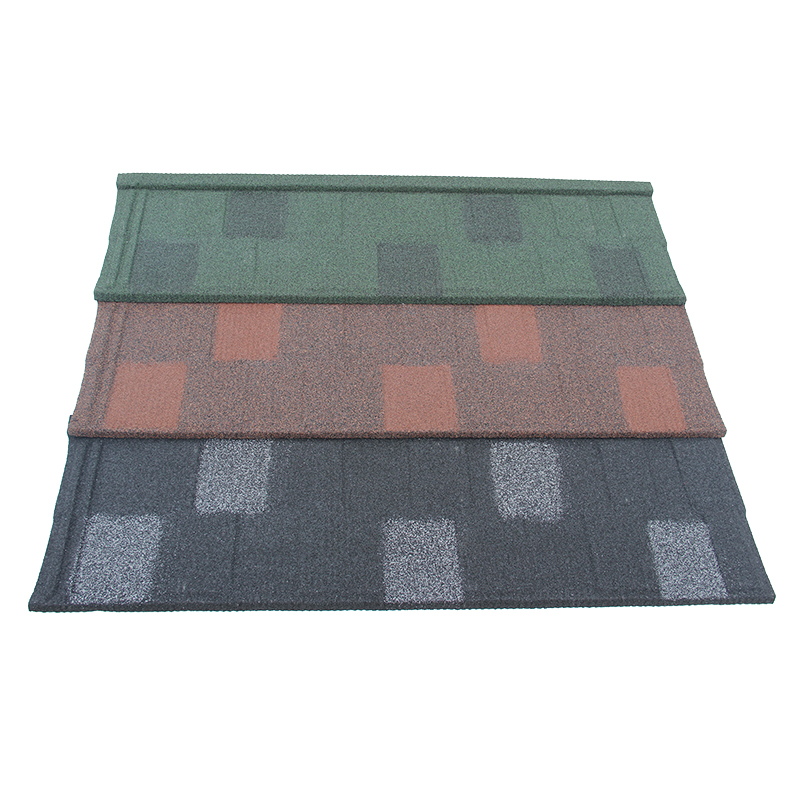
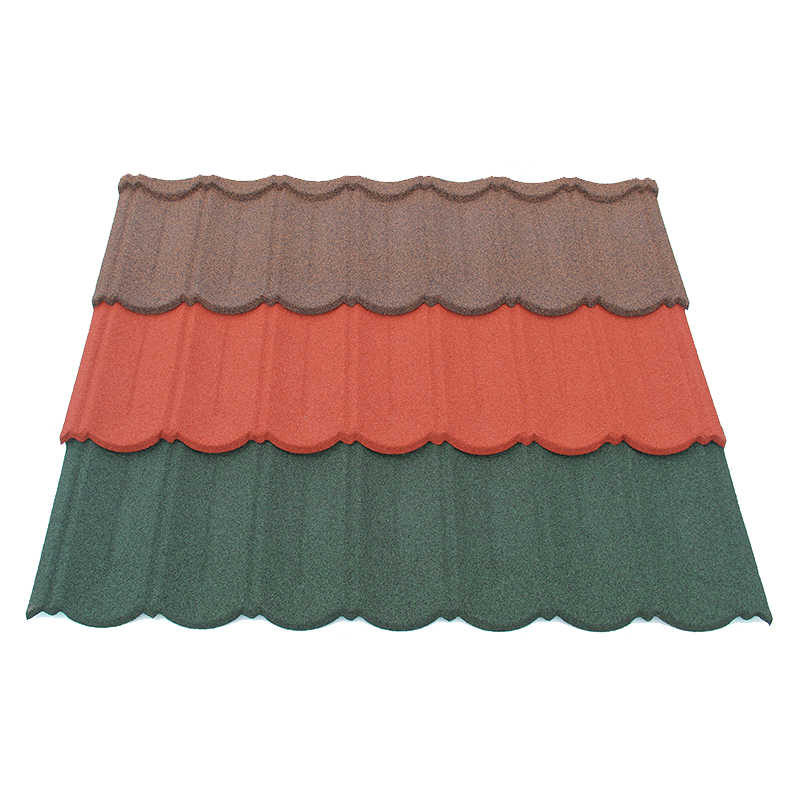
Warped timber creates massive problems for specific architectural designs. Specifically, a highly engineered Shingle Tile requires a perfectly flat structural deck. Its tight interlocking geometry relies on absolute horizontal consistency perfectly. Therefore, carpenters must secure the battens tightly into the heavy vertical trusses. Furthermore, they must cull any twisted lumber before installation begins. Consequently, the fasteners remain completely concealed from the external elements permanently. Thus, the sleek corporate aesthetic remains perfectly intact and highly weatherproof. Indeed, precision carpentry defines the final exterior visual quality.
2. Mishandling the Interlocking Seams and Overlaps
Advanced metal panels utilize complex geometric folds to repel heavy rainfall. Therefore, engaging these interlocking seams correctly is an absolute engineering mandate. Lazy installers often fail to lock the horizontal panels together completely. As a result, high-velocity winds easily pry the steel sheets apart. Furthermore, this mistake creates massive gaps for driving rain to enter. Consequently, developers must inspect these horizontal joints meticulously before authorizing payment. Verifying these seams ensures absolute aerodynamic stability.
Capillary Action and Wind-Driven Rain
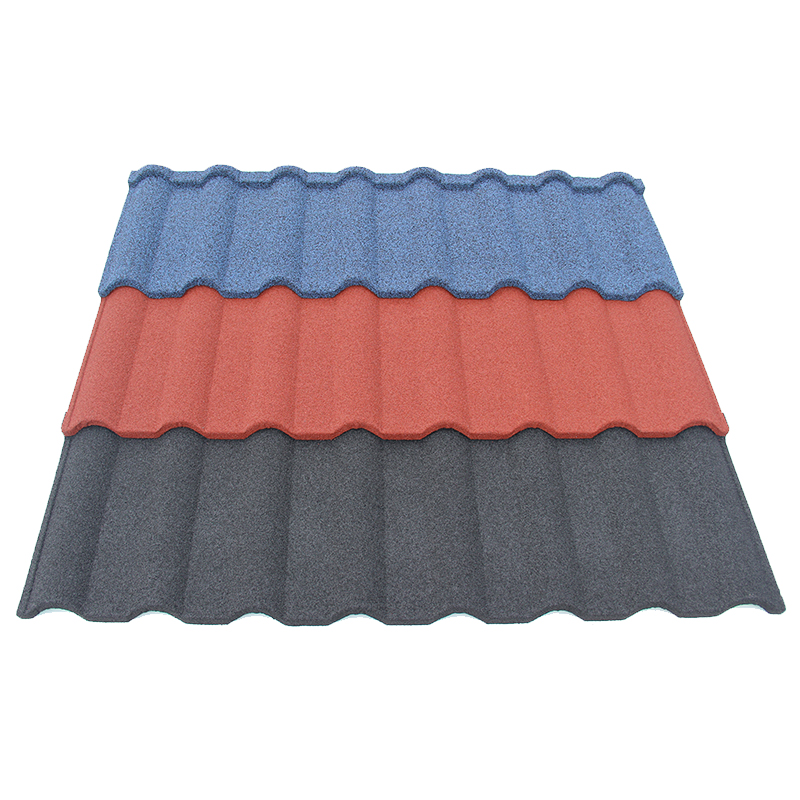
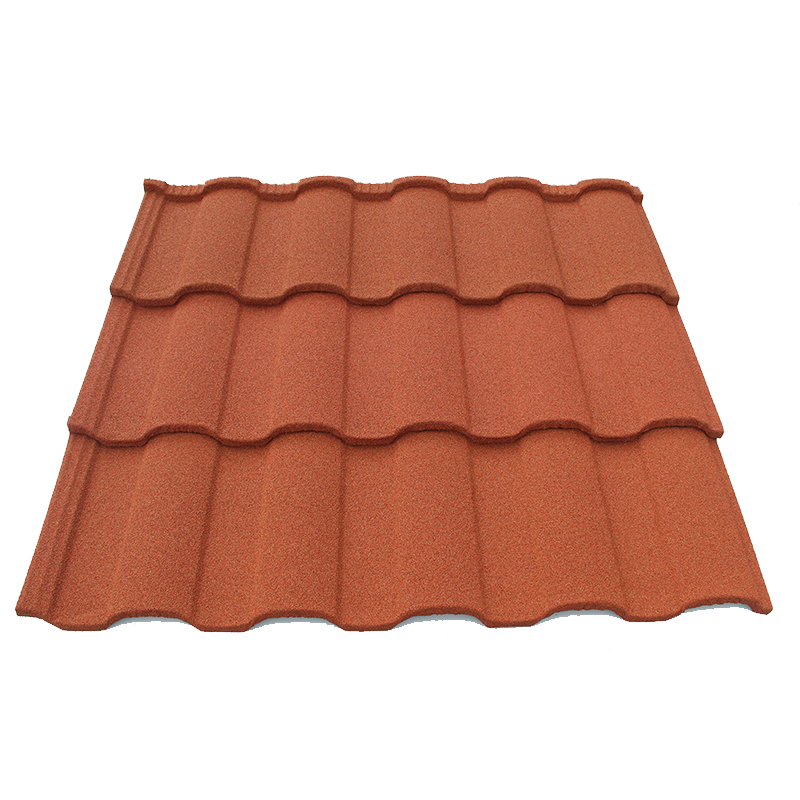
Improperly overlapped seams act as dangerous water vacuums during severe storms. Capillary action pulls standing water upward into the commercial attic space silently. Therefore, contractors must force the metal folds together securely and permanently. This is especially critical for deep hydraulic profiles globally. For instance, the sweeping valleys of a Roman Tile channel massive volumes of water. If the seams are loose, this high-velocity water will penetrate the building envelope instantly. Thus, workers must physically lock every single groove perfectly. Consequently, the interior facility remains dry during aggressive tropical monsoons.
Correcting Fastener Placement Errors
Driving screws directly through the face of the panel is a catastrophic mistake. Consequently, thermal expansion quickly destroys the exposed rubber washers. Therefore, professional installers utilize horizontal side-nailing exclusively. This technique drives the fastener directly into the batten through the panel nose. As a result, the heavy steel nail remains permanently hidden from the sun. Furthermore, this method provides maximum aerodynamic resistance against hurricane winds. Thus, the roof survives extreme weather without losing any structural integrity. Indeed, proper fastening is the ultimate defense mechanism.
3. Catastrophic Flashing and Valley Miscalculations
Commercial roof leaks rarely occur in the middle of a solid steel panel. Instead, massive water ingress happens almost exclusively at the structural joints. Therefore, installing heavy-duty valley pans and edge flashings requires elite technical expertise. Inexperienced roofers frequently cut corners around chimneys and massive ventilation shafts. Consequently, these vulnerable transition points fail during the first heavy rainstorm. Thus, auditing the custom sheet metal work is a mandatory B2B procurement step. Proper flashing guarantees complete waterproof security.
Designing High-Volume Water Channels
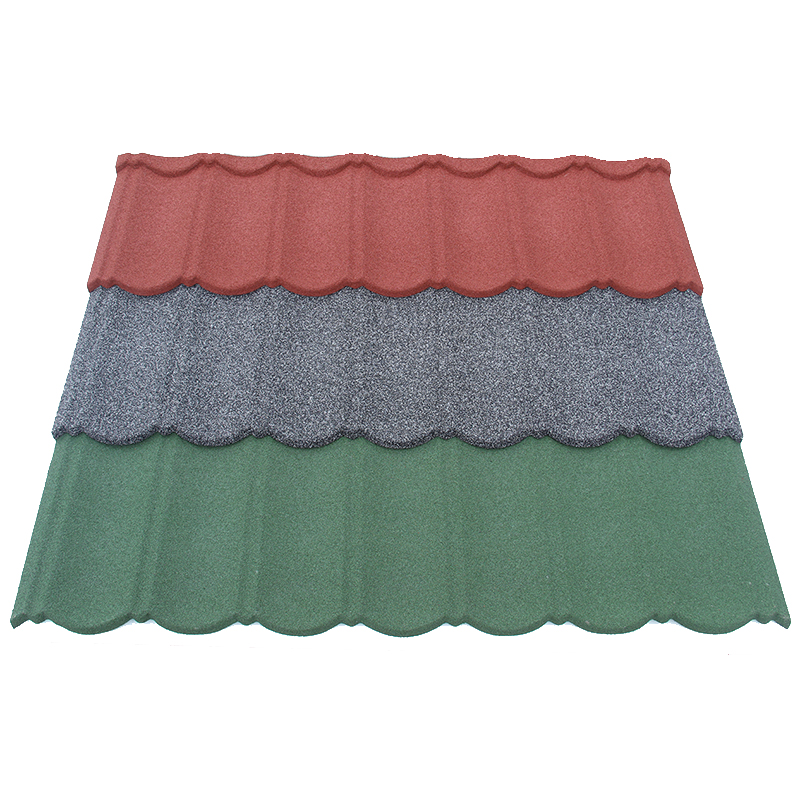
Valleys act as massive hydraulic funnels during heavy seasonal rainstorms constantly. Therefore, standard residential flashing is completely inadequate for commercial applications. Installers must utilize ultra-wide, heavy-gauge steel valley pans exclusively. Furthermore, they must fold the primary panels correctly over the valley edge. A luxurious Milano Tile sheds rainwater incredibly rapidly due to its steep Mediterranean curves. Consequently, the underlying valley must handle this massive, concentrated hydraulic load safely. Therefore, workers must bend the cut metal edges downward to prevent lateral splashing. Thus, water channels safely into the primary gutter system.
Chimney and Parapet Wall Transitions
Transitioning from a sloped roof to a vertical parapet wall is notoriously difficult. Contractors often rely heavily on cheap silicone caulking to seal these critical joints. However, silicone degrades rapidly under intense commercial solar radiation. Therefore, installers must use proper interlocking metal counter-flashings instead. This mechanical barrier overlaps the primary base flashing securely and permanently. As a result, water sheds naturally away from the masonry wall without relying on chemical sealants. Thus, the facility manager avoids highly expensive emergency leak repairs completely. Consequently, the building maintenance budget remains incredibly low.
4. Surface Damage During the Active Construction Phase
High-performance exterior cladding utilizes highly engineered chemical and mineral coatings. Therefore, reckless construction crews can destroy this protective shield incredibly quickly. Heavy boots and dropped tools crush the vital sintered stone granules easily. Consequently, this careless behavior exposes the underlying Aluzinc core to immediate atmospheric oxidation. Furthermore, leaving sharp metallic debris on the roof causes severe, permanent rust stains. Thus, strict site management is essential to protect the massive corporate investment. Preserving the surface layer guarantees the fifty-year structural lifespan.
Managing Roof Deck Foot Traffic
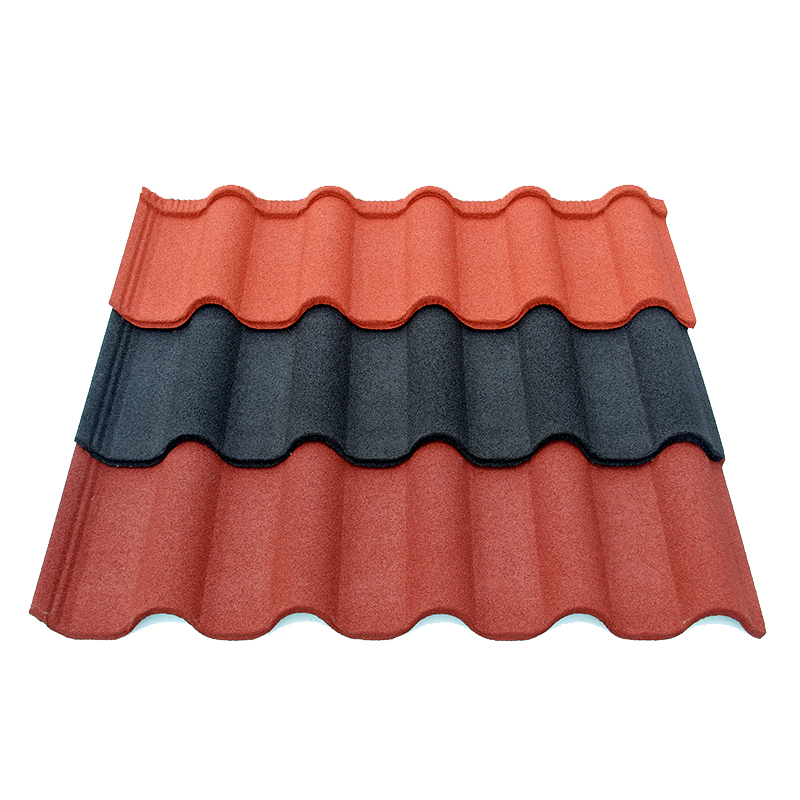
Commercial roofs frequently experience heavy foot traffic from HVAC maintenance crews. However, walking incorrectly on stamped metal panels causes irreversible physical damage. Workers must step exclusively on the reinforced noses of the interlocking panels. Specifically, stepping on the lowest point directly over the wooden batten is mandatory. This strict rule applies heavily to deeply corrugated profiles like the Bond Tile. Stepping directly in the middle of this high arc will crush the steel instantly. Therefore, general contractors must train all personnel on proper roof navigation techniques. Consequently, the structural geometry remains perfectly intact.
Clearing Metallic Dust Safely
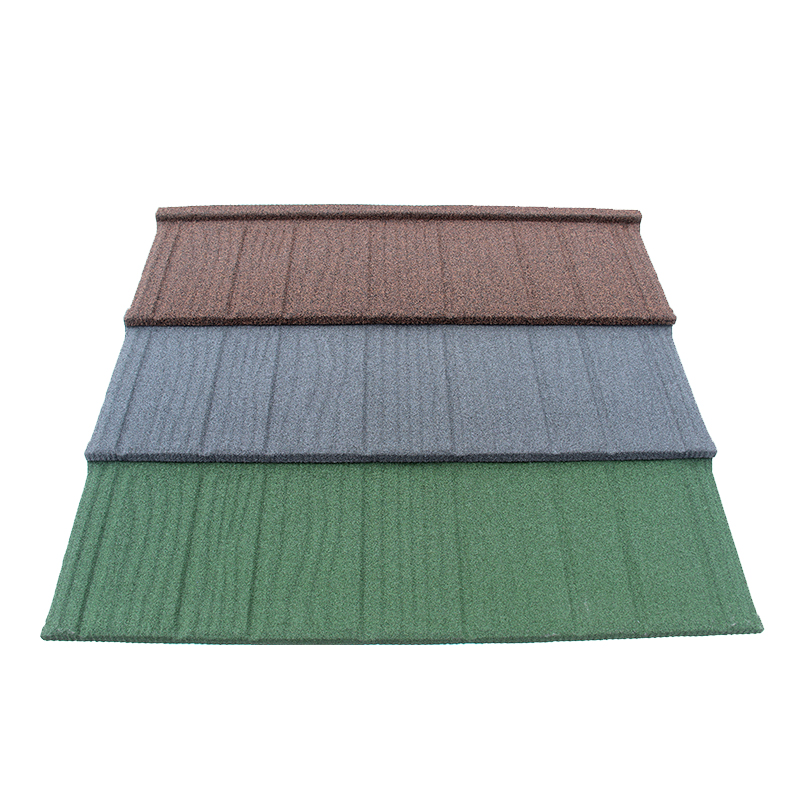
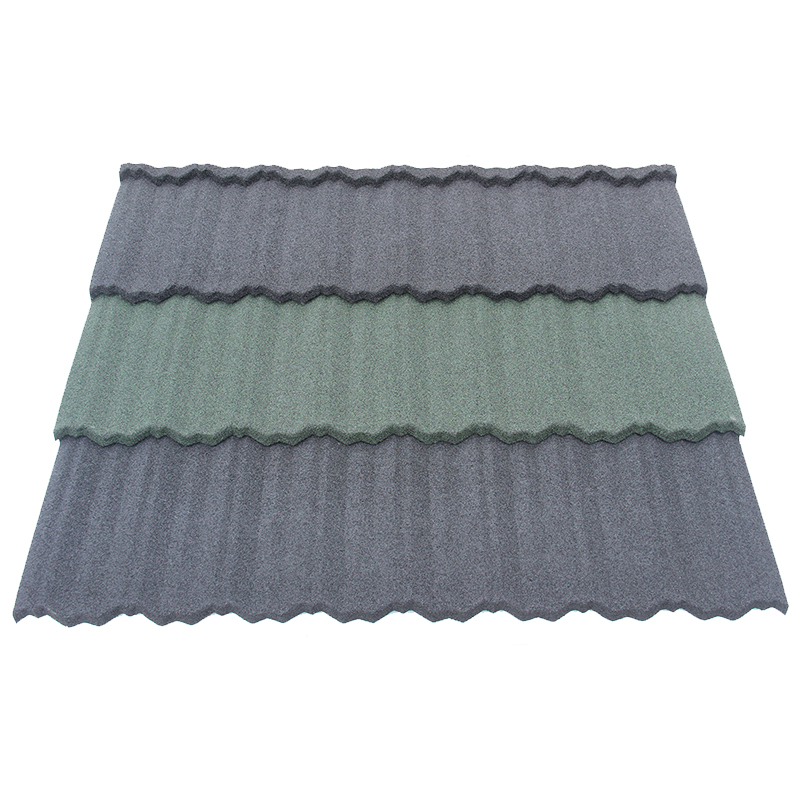
Roofing crews cut massive amounts of steel daily using circular saws or industrial shears. Consequently, fine metallic dust settles heavily across the entire finished roof deck. If left uncleaned, this raw iron dust rusts overnight upon exposure to morning dew. Therefore, workers must use high-powered blowers to clear the roof entirely. Furthermore, they must never use harsh chemical solvents to clean the protective surface. A heavily textured Shake Tile traps this metallic dust easily within its deep wood-grain crevices. Thus, meticulous sweeping and blowing are absolutely critical to preserve the pristine architectural aesthetic. As a result, the commercial property maintains its luxurious curb appeal perfectly.
5. Supply Chain Failures and Procurement Missteps
Flawless installation mechanics mean nothing if the raw materials are substandard. Therefore, procurement teams must standardize the entire construction supply chain rigorously. Buying mismatched accessories from local hardware stores ruins the system engineering completely. Consequently, incompatible screws or thin flashings will fail long before the primary steel panels. Thus, B2B buyers must source all components directly from the primary industrial manufacturer. Indeed, unified procurement guarantees long-term structural harmony and comprehensive warranty protection. Proper sourcing is the foundation of structural success.
Standardizing Factory Accessories
General contractors frequently try to save money by purchasing cheap, generic fasteners. However, these low-grade screws rust rapidly, destroying the interlocking metal seams instantly. Therefore, B2B procurement officers must mandate the use of factory-authorized accessories. These specific fasteners are color-matched and chemically treated to survive for fifty years. Furthermore, utilizing official factory ridge caps ensures perfect aerodynamic fitment. As a result, the commercial building envelope acts as a single, indestructible unit. Consequently, developers avoid frustrating warranty disputes caused by unapproved hardware.
Securing Reliable Factory Partnerships
The global B2B building materials market contains numerous deceptive third-party brokers. Therefore, buying from unverified trading companies introduces massive quality control risks. Smart developers bypass these middlemen and partner directly with elite manufacturing facilities. For instance, JCROOF operates exclusively as a highly trusted, factory-direct exporter for wholesale B2B trade. They possess over eleven years of dedicated industrial manufacturing experience. Consequently, they supply perfect, batch-consistent panels and matching accessories for massive global projects. Thus, procurement managers eliminate installation errors caused by defective or mismatched commercial materials. Ultimately, partnering directly guarantees massive supply chain reliability.
| Installation Error | Structural Consequence | Correct Technical Solution |
|---|---|---|
| Incorrect Batten Spacing | Panels fail to interlock properly causing massive leaks. | Use precise, custom-cut factory spacing templates constantly. |
| Face-Nailing Steel Panels | Exposed screws leak and rust rapidly over time. | Utilize horizontal side-nailing directly into the battens. |
| Cheap Silicone in Valleys | Sealant cracks quickly and causes severe interior moisture damage. | Install overlapping heavy-gauge metal counter-flashings securely. |
| Walking on Panel Arcs | Steel geometry crushes, warps, and loses structural strength. | Step only on panel noses directly over wooden battens. |
| Leaving Cutting Dust | Roof develops massive, ugly rust stains overnight. | Blow the entire roof deck completely clean daily. |