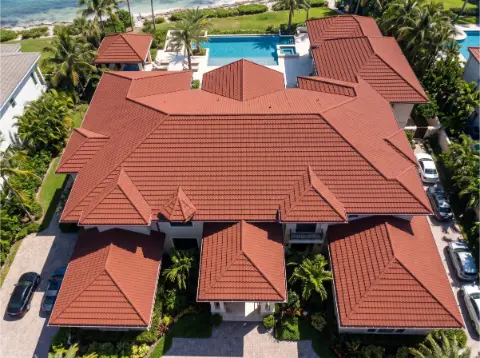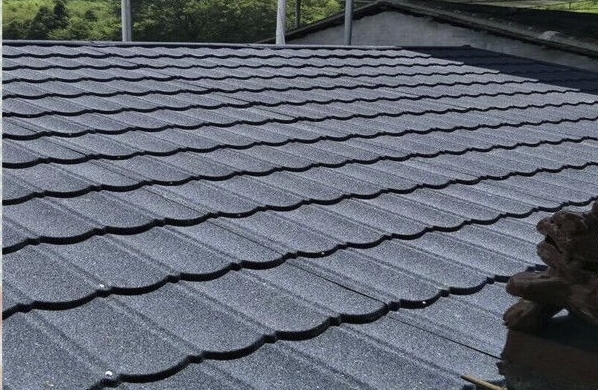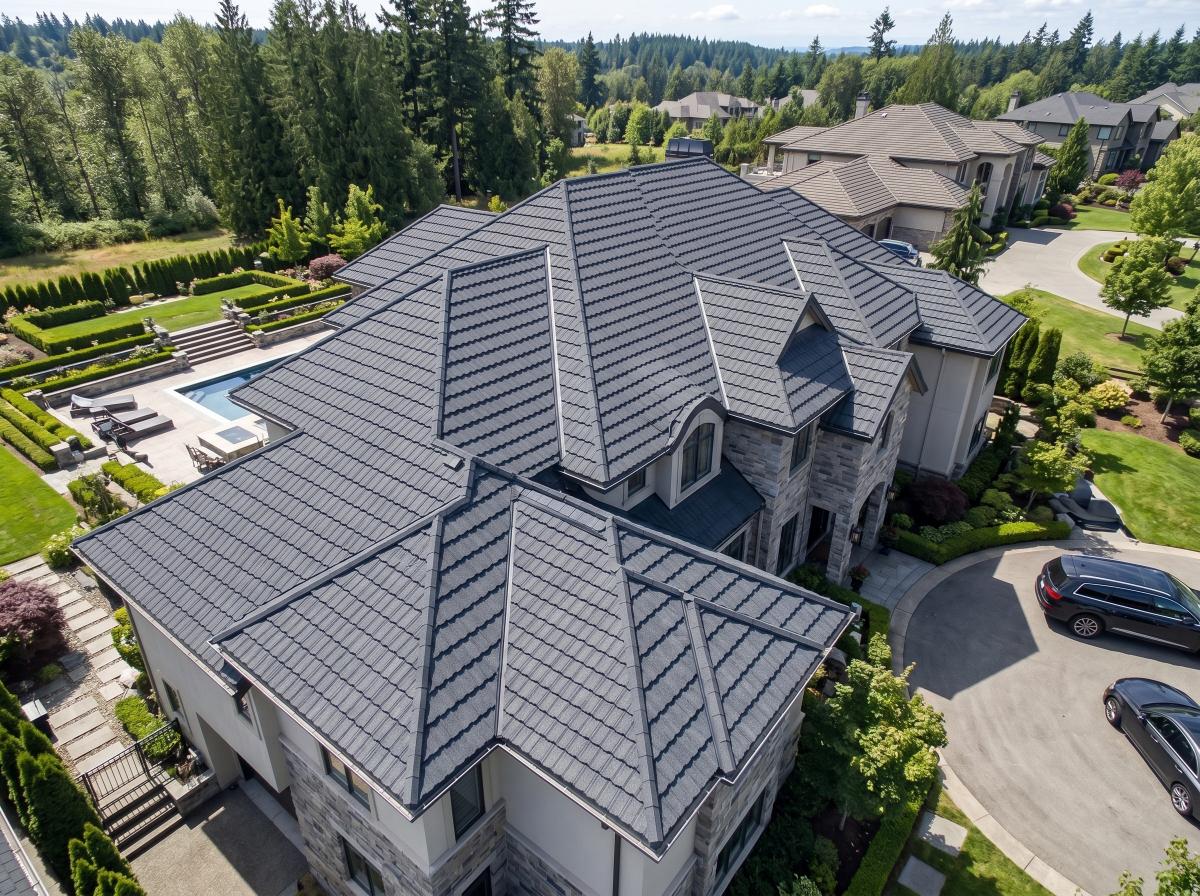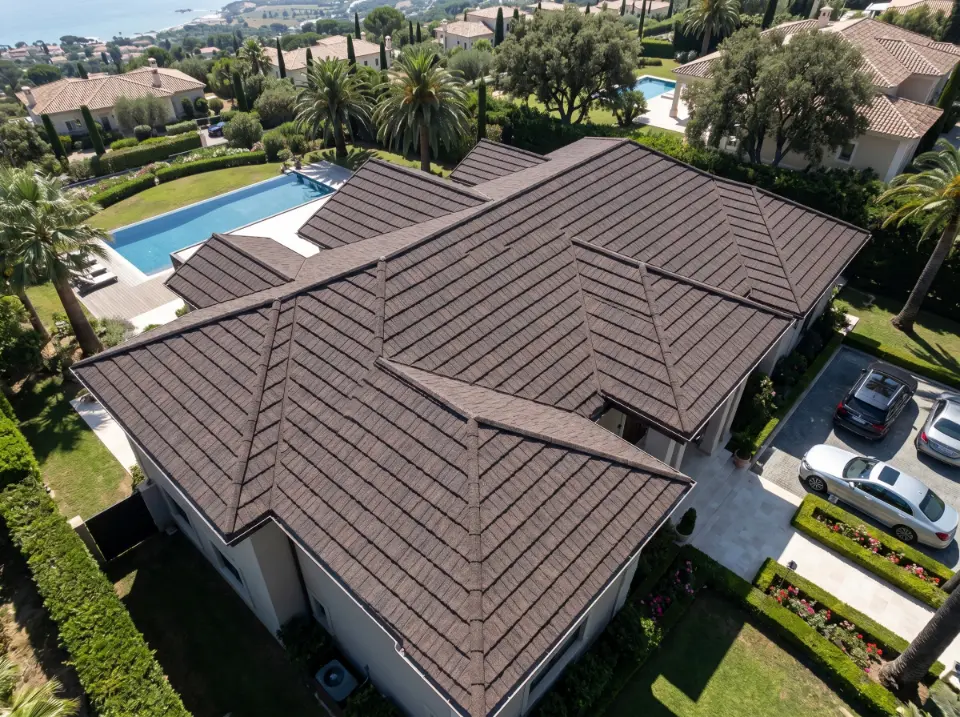

In coastal regions, roofing materials face one of the harshest environments—constant exposure to salt-laden air, high humidity, and strong winds. For stone coated roofing (stone coated steel roofing), the ability to resist salt spray corrosion is a critical factor in long-term performance.
At the core of this protection is Aluzinc-coated steel, a specialized metallic coating that significantly enhances corrosion resistance compared to traditional galvanized steel. For contractors, distributors, and project planners working in coastal markets, understanding how this material works is essential for selecting reliable roofing systems.
What Is Aluzinc Steel?
Aluzinc steel (also known as aluminum-zinc alloy coated steel) is a metal substrate coated with a combination of aluminum, zinc, and silicon. This coating is designed to provide both barrier protection and sacrificial protection against corrosion.
The typical composition includes approximately 55% aluminum, 43.4% zinc, and 1.6% silicon.
This unique combination allows the material to perform exceptionally well in aggressive environments such as coastal areas.
Key Properties of Aluzinc Coating
- High corrosion resistance
- Strong adhesion to the steel base
- Improved heat reflectivity
Why Salt Spray Is So Damaging
Salt spray corrosion occurs when airborne salt particles settle on metal surfaces and attract moisture. This creates an էլectrochemical reaction that accelerates rust formation.
In coastal environments, this process is continuous, making standard steel highly vulnerable.
Without proper protection, roofing materials can deteriorate بسرعة.
Corrosion Challenges in Coastal Areas
- High salt concentration in the air
- Constant humidity and moisture
- Frequent temperature changes
How Aluzinc Provides Dual Protection
Aluzinc steel protects against corrosion through two complementary mechanisms: barrier protection and sacrificial protection. This dual system is what makes it superior to traditional coatings.
Each component of the alloy plays a specific role in preventing corrosion.
Together, they create a long-lasting защитный layer.
Barrier Protection (Aluminum)
The aluminum content forms a dense, stable oxide layer on the surface, which acts as a barrier against moisture and oxygen. This slows down the corrosion process significantly.
Sacrificial Protection (Zinc)
Zinc provides sacrificial protection by corroding first, protecting the underlying steel even if the coating is scratched or damaged.
Performance Compared to Galvanized Steel
Traditional galvanized steel relies primarily on zinc for protection, which can be less effective in highly corrosive environments. Aluzinc combines the benefits of both aluminum and zinc, resulting in significantly improved performance.
This difference becomes especially noticeable in coastal applications.
Long-term durability is the key advantage.
Comparison Table
| Feature | Galvanized Steel | Aluzinc Steel |
|---|---|---|
| Corrosion Resistance | Moderate | High |
| Salt Spray Performance | Limited | Excellent |
| Lifespan in Coastal Areas | Shorter | Longer |
Role in Stone Coated Roofing Systems
In stone coated metal roofing, the Aluzinc layer serves as the foundational защитный barrier beneath the primer, adhesive, and stone granules. While the outer layers provide additional protection and aesthetics, the base coating is critical for long-term durability.
Even if the surface layer is exposed in small areas, the Aluzinc coating continues to protect the steel core.
This makes it a key component of the entire system.
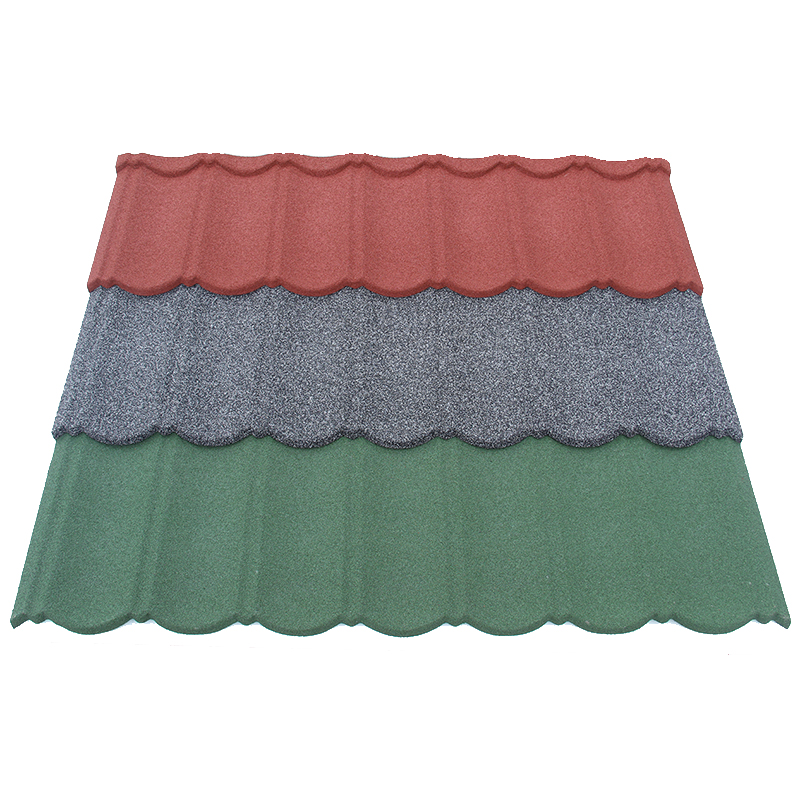
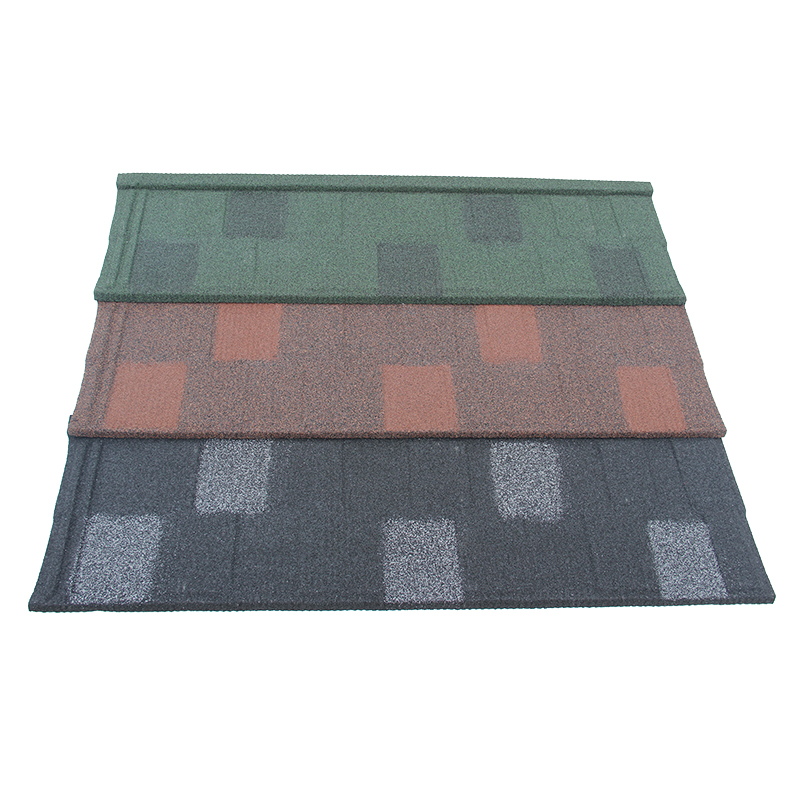
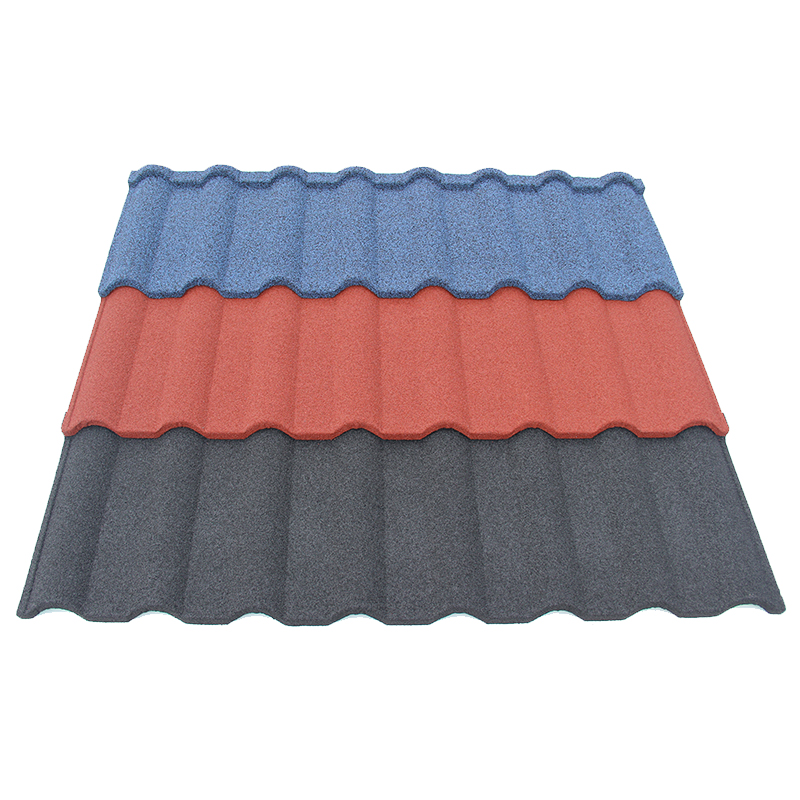
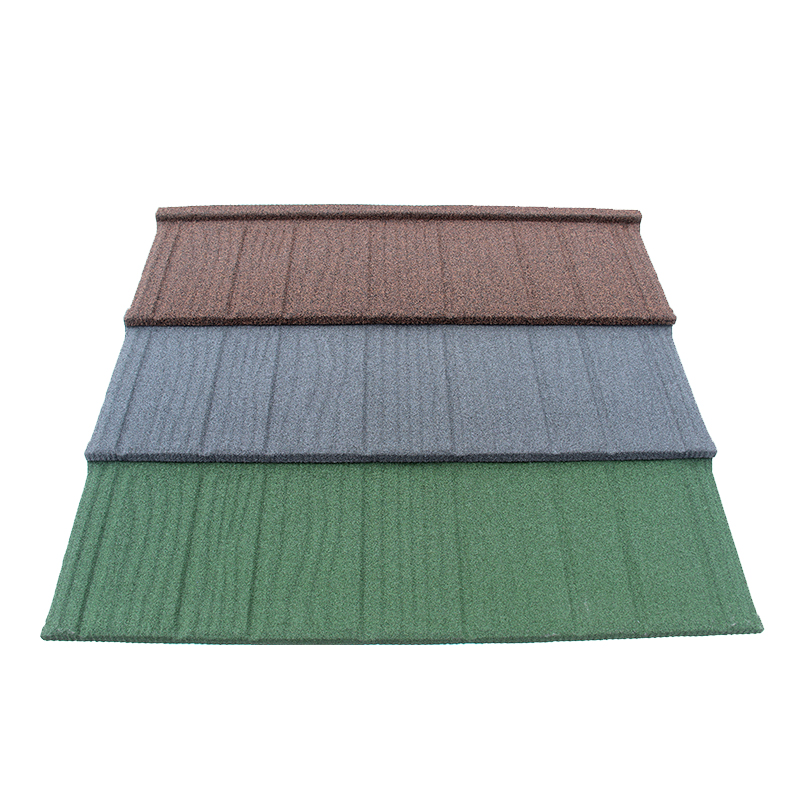
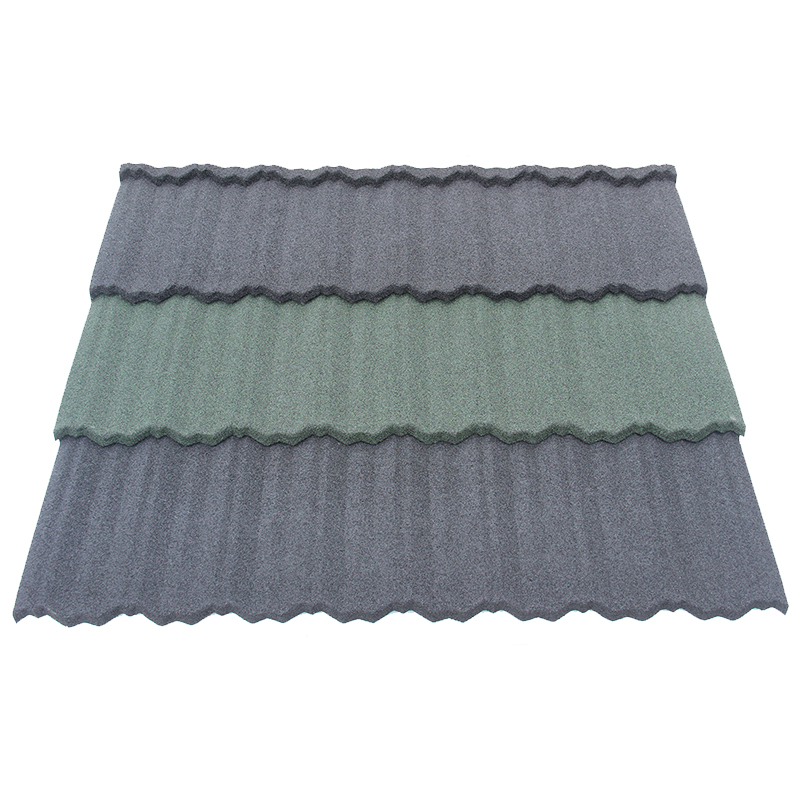
In profiles like Bond Tile, consistent coating performance ensures durability across both flat and contoured surfaces.
Salt Spray Testing and Standards
To evaluate corrosion resistance, manufacturers conduct salt spray tests that simulate long-term exposure to coastal conditions. These tests provide measurable data on how materials perform over time.
Higher-quality stone coated roofing products typically meet or exceed international standards.
Test results are an important indicator of reliability.
Common Test Indicators
- Hours of salt spray resistance without corrosion
- Surface condition after testing
- Adhesion performance after exposure
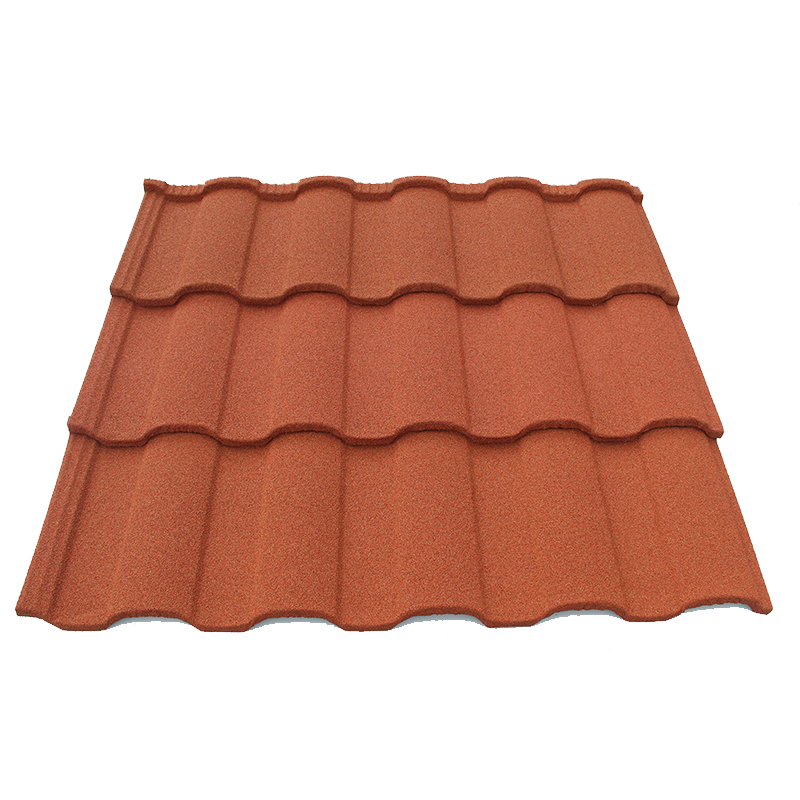
In curved profiles such as Roman Tile, maintaining coating integrity across different angles is essential for consistent performance.
Additional Protection from Coating Layers
While Aluzinc provides the primary corrosion resistance, additional layers in stone coated roofing systems enhance protection further. These include primer coatings, acrylic adhesives, and stone granules.
Each layer contributes to overall durability.
Together, they form a multi-layer защитный system.
Layered Protection System
- Aluzinc coating (primary corrosion protection)
- Primer layer (adhesion and дополнитель protection)
- Adhesive and stone layer (surface protection)
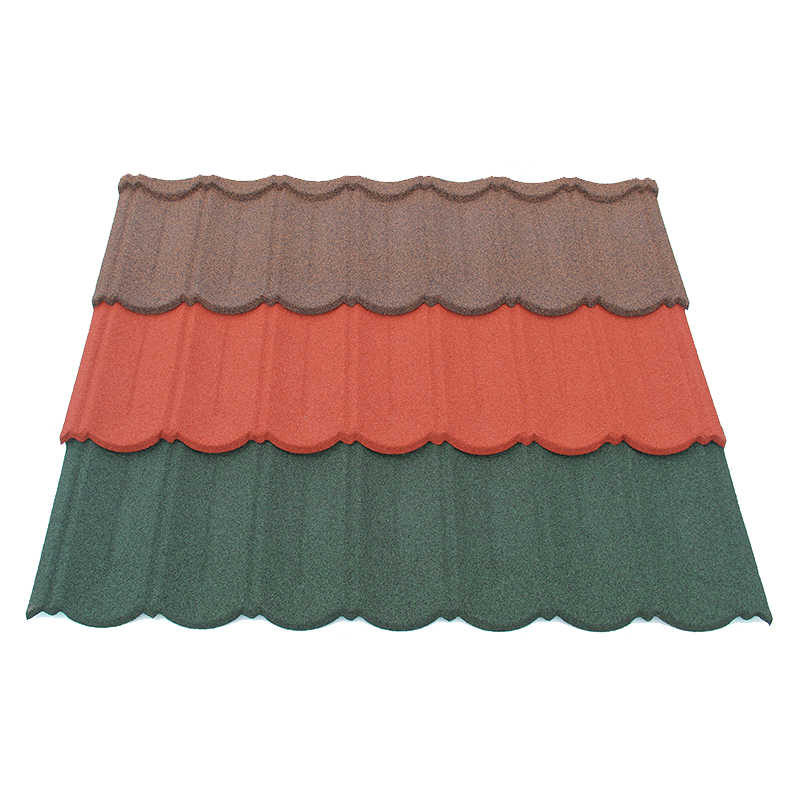
In flatter designs like Shingle Tile, uniform layering ensures consistent resistance across the entire roof surface.
Common Misconceptions About Coastal Roofing
There are several misunderstandings regarding corrosion resistance in coastal environments.
“All Metal Roofs Rust Quickly Near the Coast”
High-quality materials like Aluzinc steel are specifically designed to resist corrosion in these conditions.
“Surface Coating Alone Is Enough”
The base metal coating is critical—surface layers cannot compensate for poor substrate protection.
“Thickness Determines Corrosion Resistance”
Coating composition is more important than thickness alone.
Why Aluzinc Matters for Long-Term Investment
For B2B buyers and project developers, corrosion resistance directly impacts lifecycle cost and maintenance requirements. Roofing systems that fail prematurely in coastal environments can lead to significant repair or replacement expenses.
Using Aluzinc-based stone coated roofing reduces these risks.
This makes it a preferred choice for coastal projects.
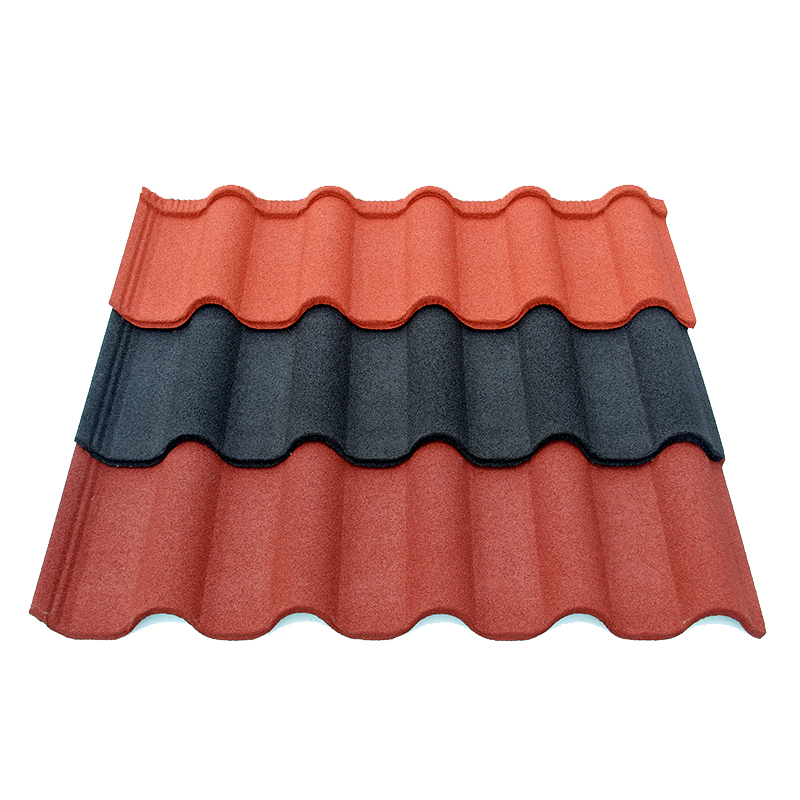
In premium applications such as Milano Tile, long-term durability is essential for maintaining both performance and visual appeal.
Practical Advice for Coastal Projects
Selecting the right material is only part of the solution. Proper installation and maintenance also play a role in maximizing corrosion resistance.
Attention to detail during installation helps preserve the protective layers.
Regular inspection can further extend lifespan.
Recommended Practices
- Choose products with verified Aluzinc coating specifications
- Ensure proper installation to avoid coating damage
- Use compatible accessories and fasteners
- Conduct periodic inspections in high-salt environments
Conclusion: Built for Harsh Environments
Aluzinc steel provides a robust solution for resisting salt spray corrosion in coastal environments. Through its dual protection mechanism and integration into multi-layer roofing systems, it ensures long-term durability and reliability for stone coated roofing.
For contractors and buyers working in challenging climates, understanding and prioritizing this material is key to achieving consistent performance and protecting long-term investment.