
Proper maintenance is essential to preserve both the appearance and performance of stone coated roofing (stone coated steel roofing). One of the most common concerns among property owners and contractors is how to clean the roof without damaging the stone granule surface.
The stone layer plays a key role in protecting the roof and maintaining its aesthetic value. Incorrect cleaning methods can loosen granules, reduce durability, and affect long-term performance. Understanding the correct approach ensures effective cleaning while preserving the integrity of the roofing system.
Why the Stone Granule Layer Matters
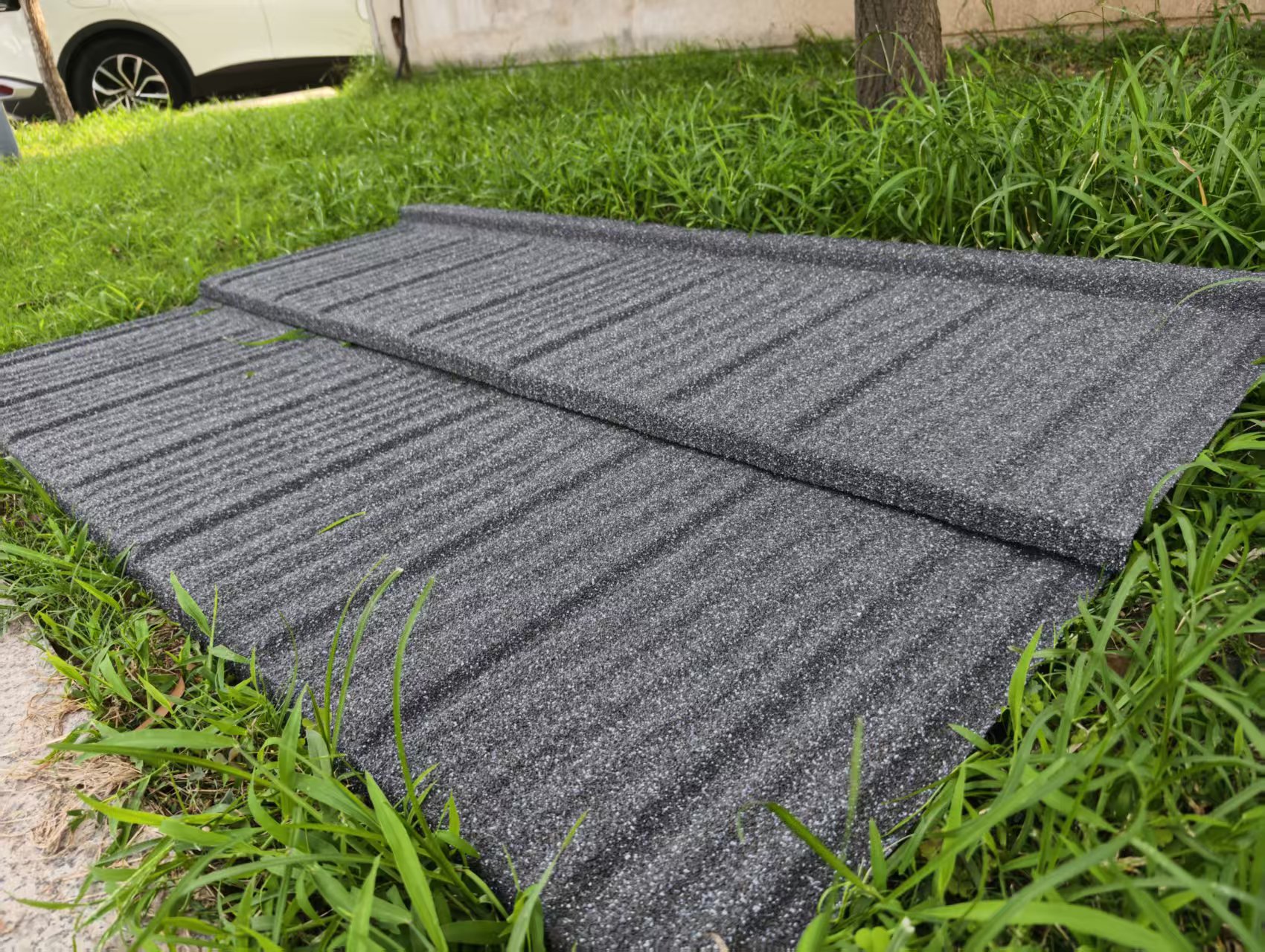
The stone granules on stone coated steel roofing are not just decorative—they provide additional protection against UV exposure, mechanical wear, and weathering. They also contribute to the roof’s textured appearance.
Maintaining this layer is critical for long-term performance.
Damage to the granules can reduce both protection and visual quality.
Functions of the Stone Layer
- Protects against UV radiation
- Enhances durability and surface strength
- Provides consistent color and texture
Common Causes of Granule Loss
Granule loss is often caused by improper cleaning techniques rather than natural wear. Understanding these causes helps prevent unnecessary damage.
Most issues are avoidable with the right methods.
Careful handling is essential.
Typical Causes
- High-pressure washing
- Using abrasive brushes or tools
- Walking improperly on the roof
- Harsh chemical cleaners
Safe Cleaning Methods for Stone Coated Roofing
Cleaning stone coated roofing requires a gentle approach that removes dirt and debris without disturbing the stone layer. The goal is to clean effectively while minimizing mechanical stress.
Simple methods are often the most effective.
Consistency is more important than intensity.
Recommended Cleaning Steps
- Use low-pressure water to rinse the surface
- Apply mild, non-abrasive cleaning solutions if needed
- Remove debris manually using soft tools
- Rinse thoroughly to avoid residue buildup
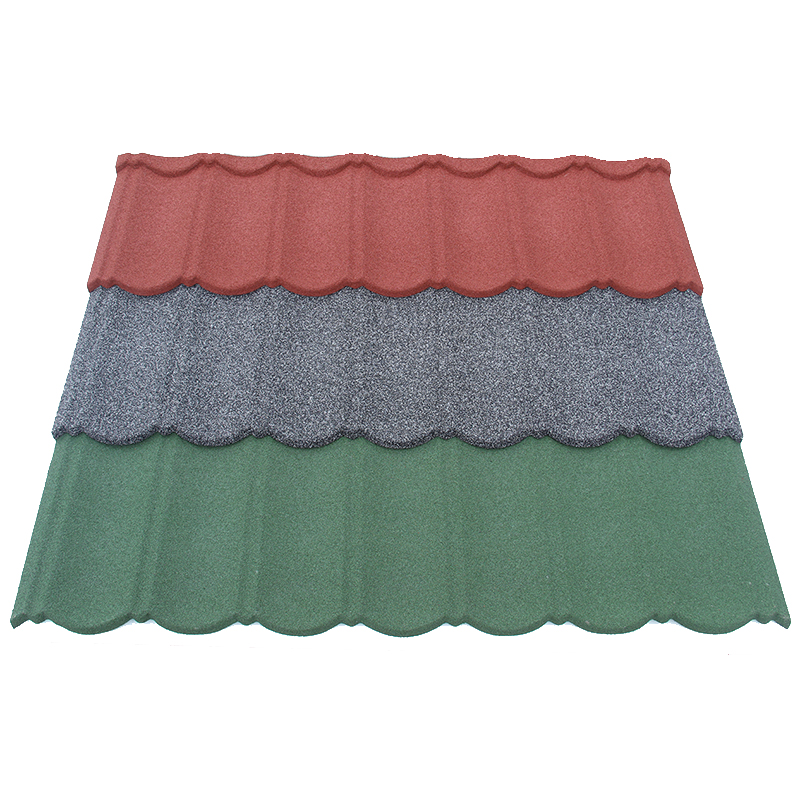
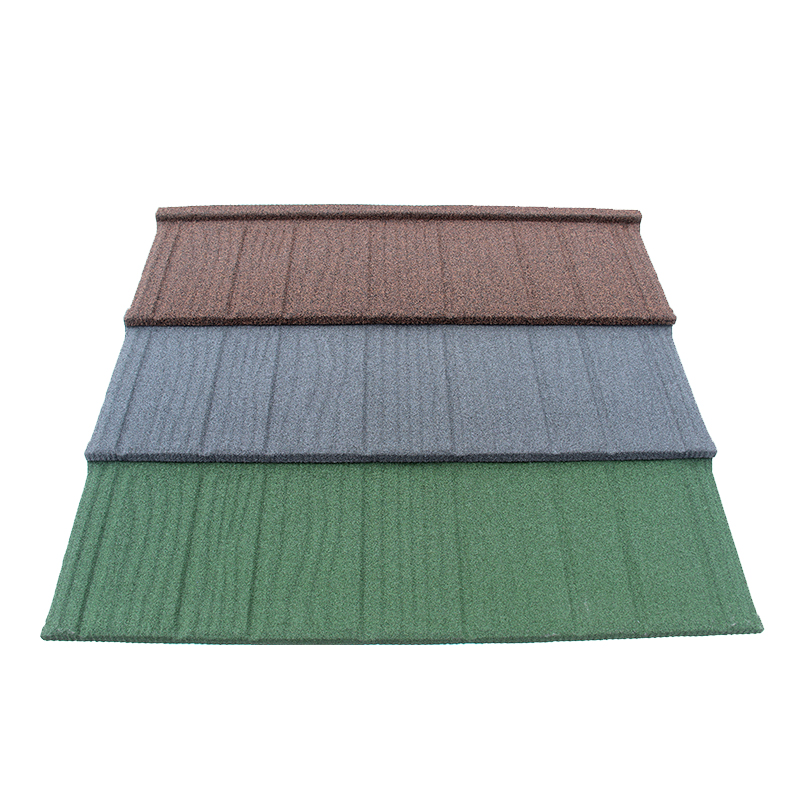
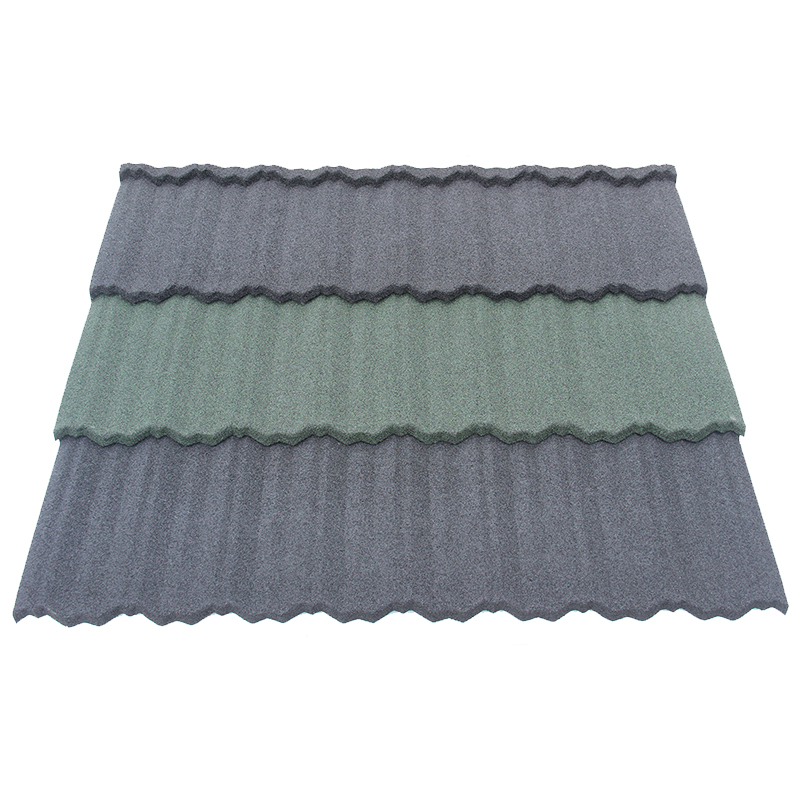
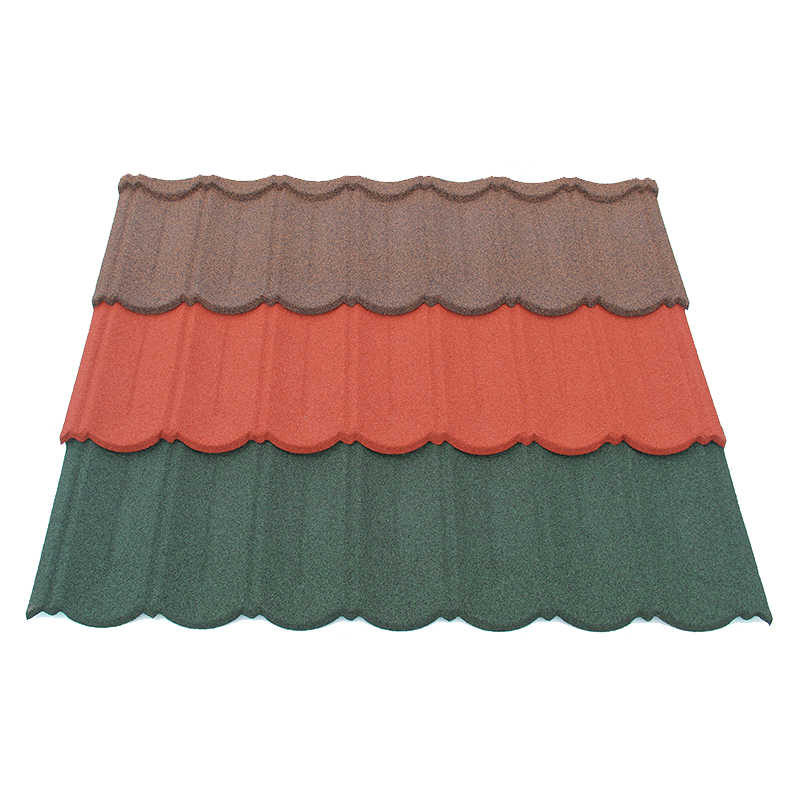
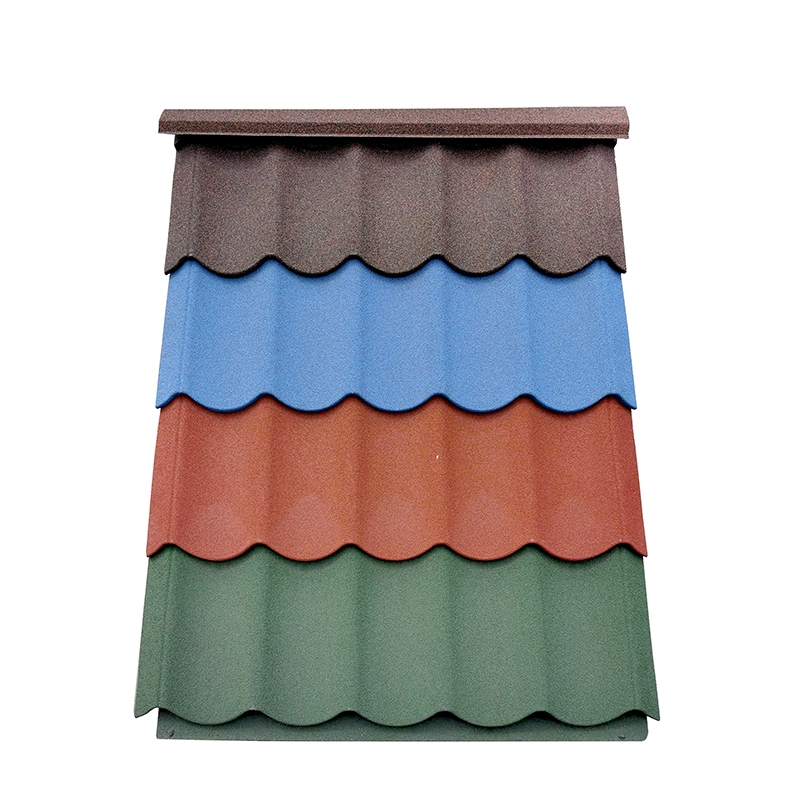
In profiles such as Bond Tile, the structured surface allows water to flow naturally, helping remove dirt with minimal effort.
Tools to Use—and Avoid
The choice of tools has a direct impact on whether the stone granules remain intact. Using the wrong equipment can cause immediate and visible damage.
Gentle tools are always preferred.
Avoid aggressive cleaning methods.
Safe Tools
- Soft-bristle brushes
- Garden hose with low pressure
- Non-abrasive cloths or sponges
Tools to Avoid
- Pressure washers with high القوة
- Wire brushes or कठोर tools
- Industrial cleaning equipment
How to Walk on the Roof Safely
Walking on the roof is sometimes necessary for cleaning and maintenance, but improper movement can damage the surface and loosen granules.
Understanding where and how to step is important.
Safety and care go together.
Best Practices
- Step on lower sections of tiles where support is strongest
- Distribute weight evenly
- Avoid dragging tools across the surface
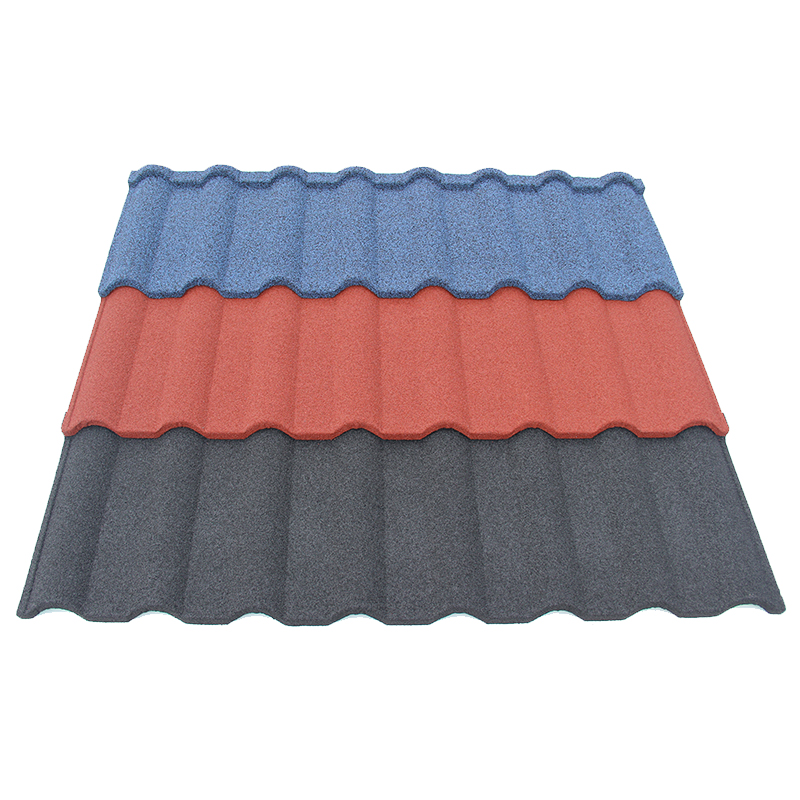
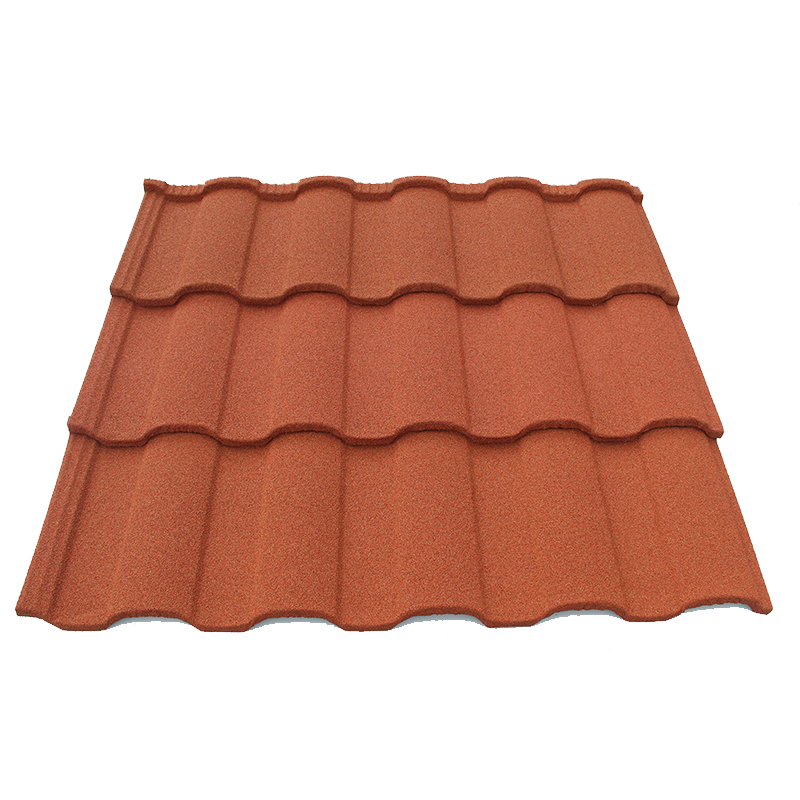
In curved designs like Roman Tile, stepping in the correct areas helps maintain both structural integrity and surface condition.
Dealing with Moss, Algae, and Stains
In humid environments, moss and algae can develop on roofing surfaces. These should be removed carefully to prevent damage to the stone coating.
Targeted treatment is more effective than aggressive cleaning.
Regular maintenance helps prevent buildup.
Recommended Approach
- Use mild, roofing-safe cleaning solutions
- Apply treatment and allow it to work before rinsing
- Avoid scraping or forceful removal
Cleaning Frequency and Maintenance Schedule
Regular maintenance reduces the need for intensive cleaning. A consistent schedule helps keep the roof in good condition without excessive intervention.
Preventive care is more effective than reactive cleaning.
Planning ahead reduces risk.
Suggested Schedule
- Inspect roof twice a year
- Clean as needed based on environment
- Remove debris after storms
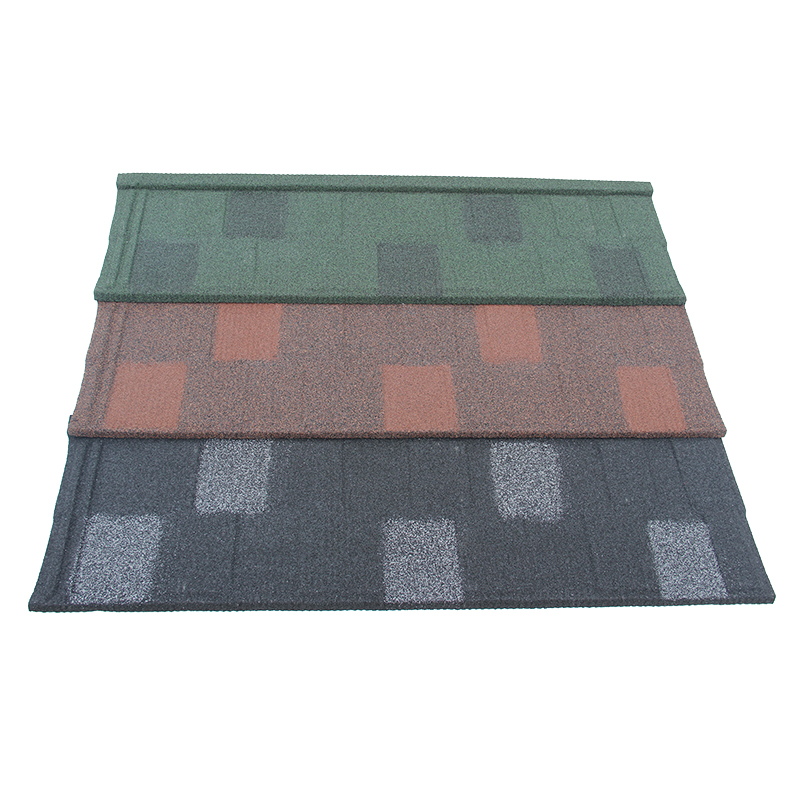
In modern applications using Shingle Tile, flat surfaces may require slightly more frequent inspection to prevent debris accumulation.
Common Mistakes to Avoid
Many cleaning issues arise from simple mistakes that can be easily prevented with proper knowledge.
Typical Errors
- Using excessive water pressure
- Applying harsh chemicals
- Ignoring manufacturer guidelines
- Delaying maintenance for too long
Why Proper Maintenance Matters for B2B Projects
For contractors and property managers, maintaining roofing systems is essential for protecting long-term investment and ensuring customer satisfaction. Proper cleaning practices help extend the lifespan of stone coated roofing and reduce maintenance costs.
This is especially important for large-scale projects.
Consistency improves performance.
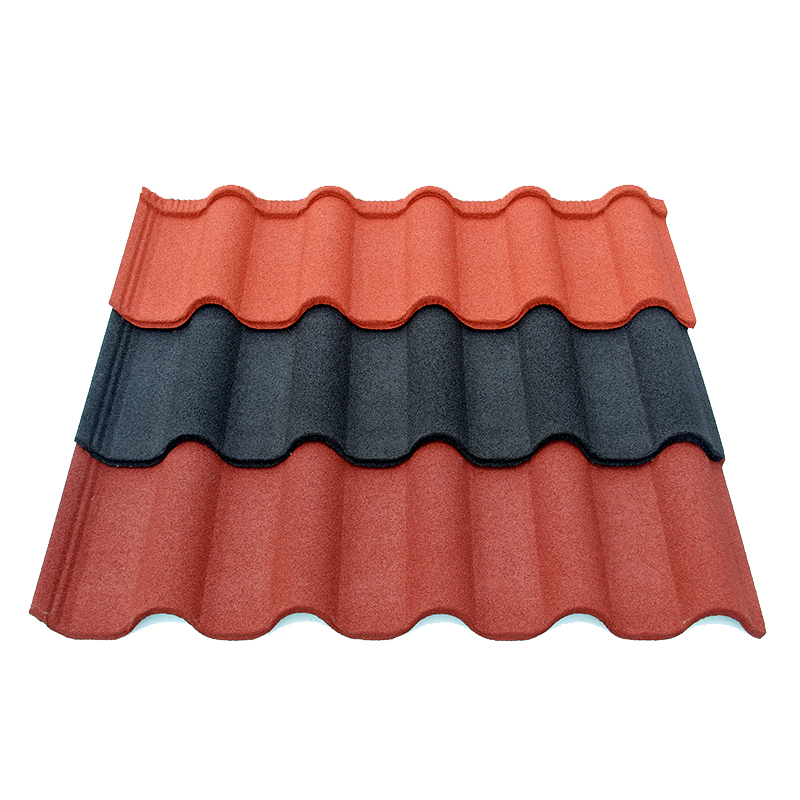
In premium systems such as Milano Tile, preserving surface quality is key to maintaining both durability and visual appeal over time.
When to Call Professionals
In some cases, professional cleaning services may be the best option, especially for large or complex roofs. Experienced professionals have the tools and knowledge to clean safely without causing damage.
This reduces risk.
It also ensures proper results.
When Professional Help Is Recommended
- Large commercial or multi-story buildings
- Severe staining or biological growth
- Limited access or safety concerns
Manufacturers such as JCROOF typically provide maintenance guidelines to help ensure proper care and long-term performance of their roofing systems.
Conclusion: Clean Gently, Protect Long-Term
Cleaning stone coated roofing does not require aggressive methods—in fact, the safest approach is often the simplest. By using low-pressure cleaning, gentle tools, and regular maintenance, it is possible to keep the roof clean without losing stone granules.
For contractors and property owners, understanding these practices ensures that the roofing system maintains its durability, appearance, and value for years to come.