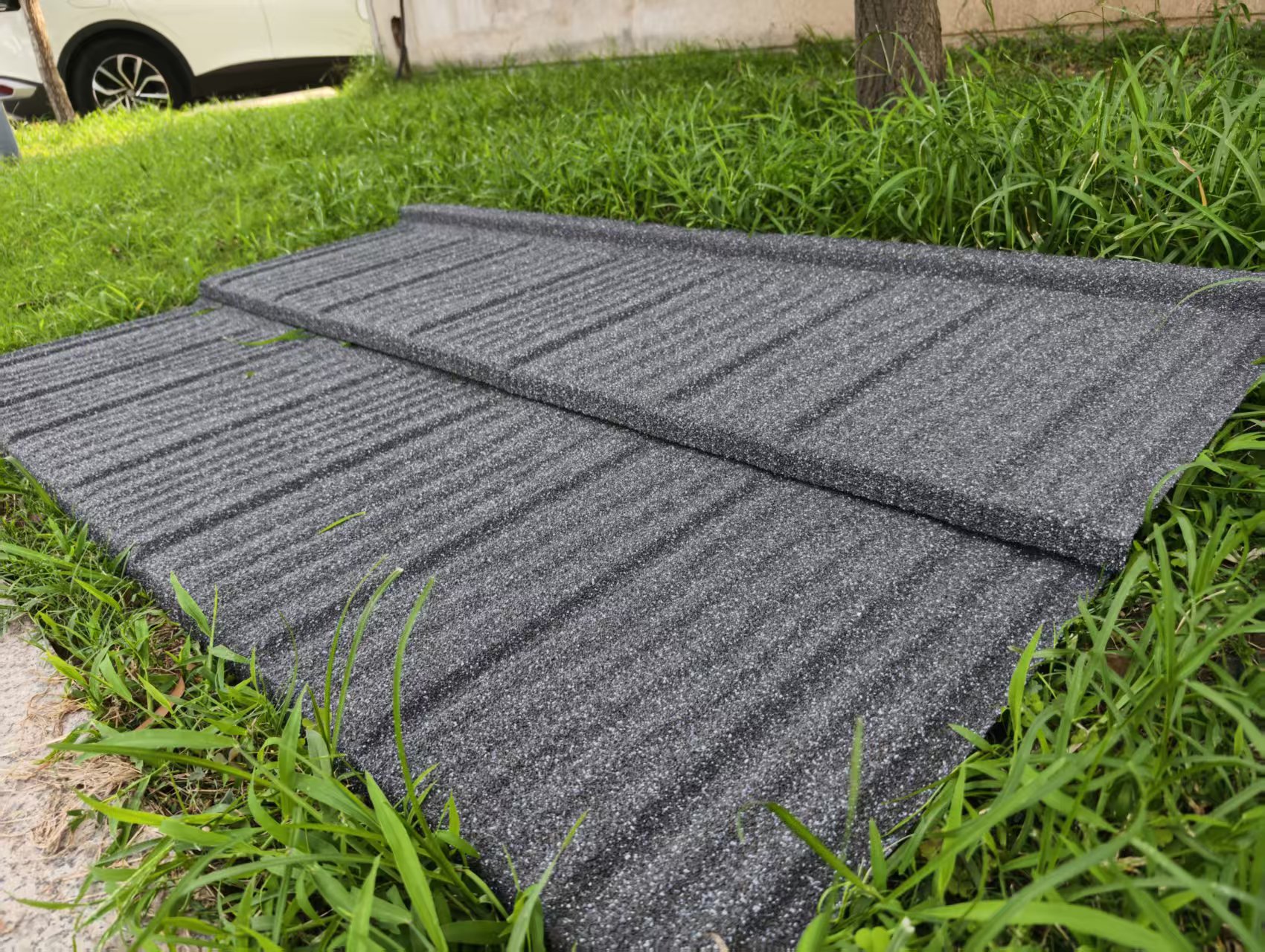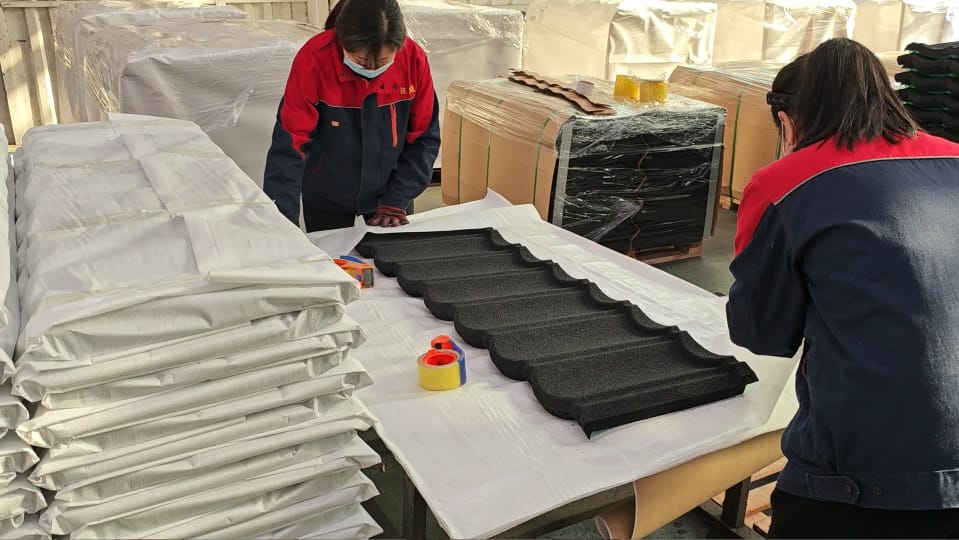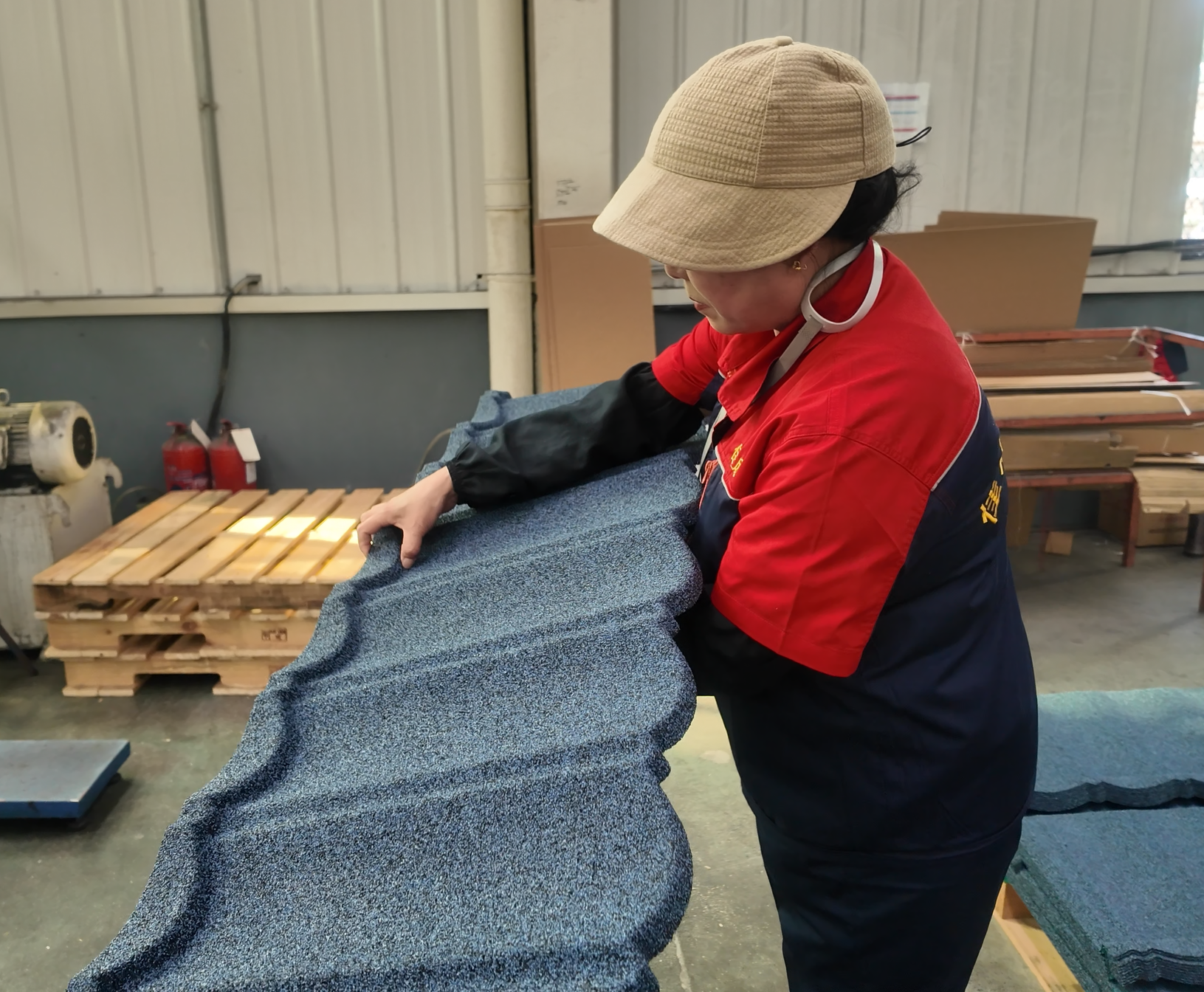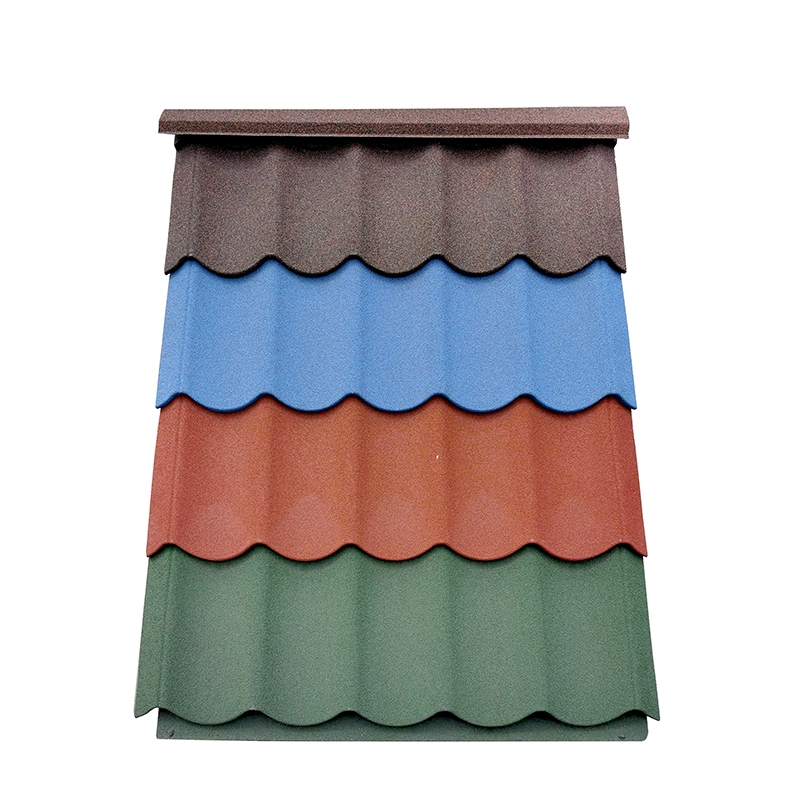

For exporters, distributors, and project buyers, shipping efficiency is just as important as product quality. When dealing with stone coated roofing (stone coated steel roofing), optimizing container loading can significantly reduce logistics cost per square meter and improve overall project margins.
A common benchmark in the industry is maximizing a 20GP or 40HQ container to hold up to 10,000 tiles (depending on profile and packaging). Achieving this safely requires careful planning, not just stacking more products into limited space.
This guide explains the real factors behind high-efficiency loading—covering tile dimensions, packaging strategy, weight limits, and practical constraints that many buyers overlook.
Understanding the Real Constraints: Volume vs Weight
Before attempting to maximize loading capacity, it is critical to understand that container optimization is controlled by two key factors: volume (space) and weight limits.
Stone coated metal roofing is relatively lightweight per piece, but when loaded in large quantities, total weight can quickly approach container limits.
Balancing these two factors is essential to avoid overloading or underutilizing space.
Typical Container Limits
| Container Type | Max Payload (Approx.) | Volume Constraint |
|---|---|---|
| 20GP | 25–28 tons | Weight-limited |
| 40HQ | 26–28 tons | Volume-limited |
Tile Size and Profile: The Starting Point
The number of tiles that can fit into a container depends heavily on tile dimensions and profile shape. Different profiles occupy different amounts of space, even if their coverage area is similar.
Compact, flatter profiles allow tighter stacking, while deeper or curved profiles require more vertical space.
This directly affects how close you can get to the 10,000-tile target.
Profile Impact on Loading Efficiency
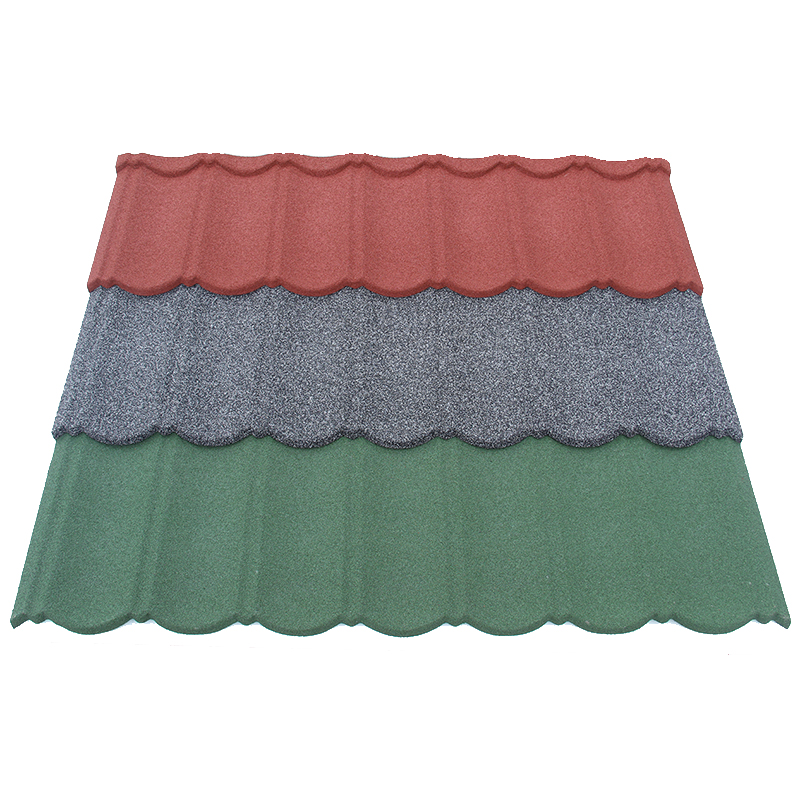
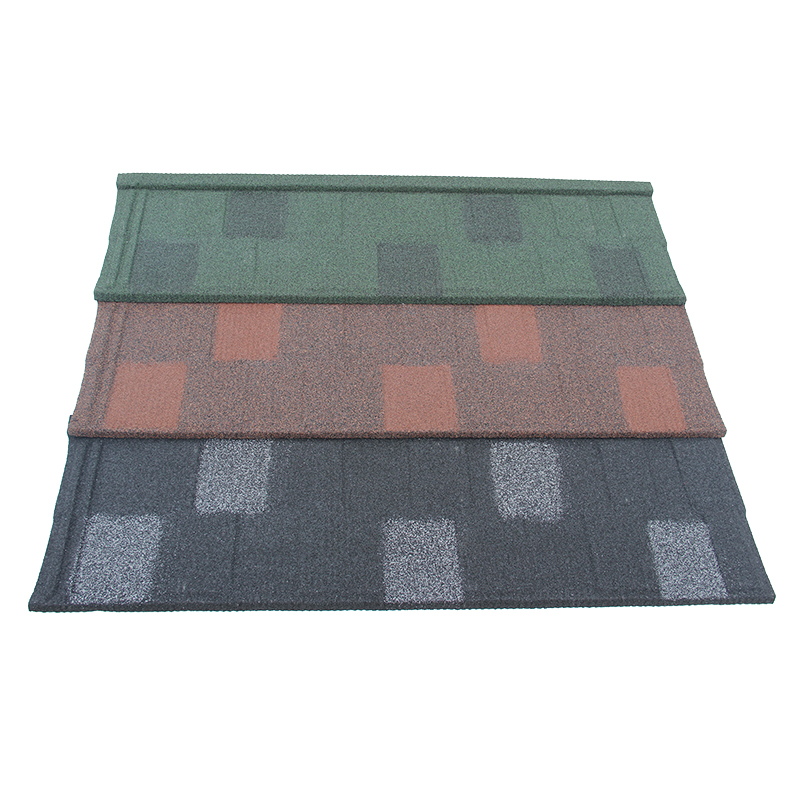
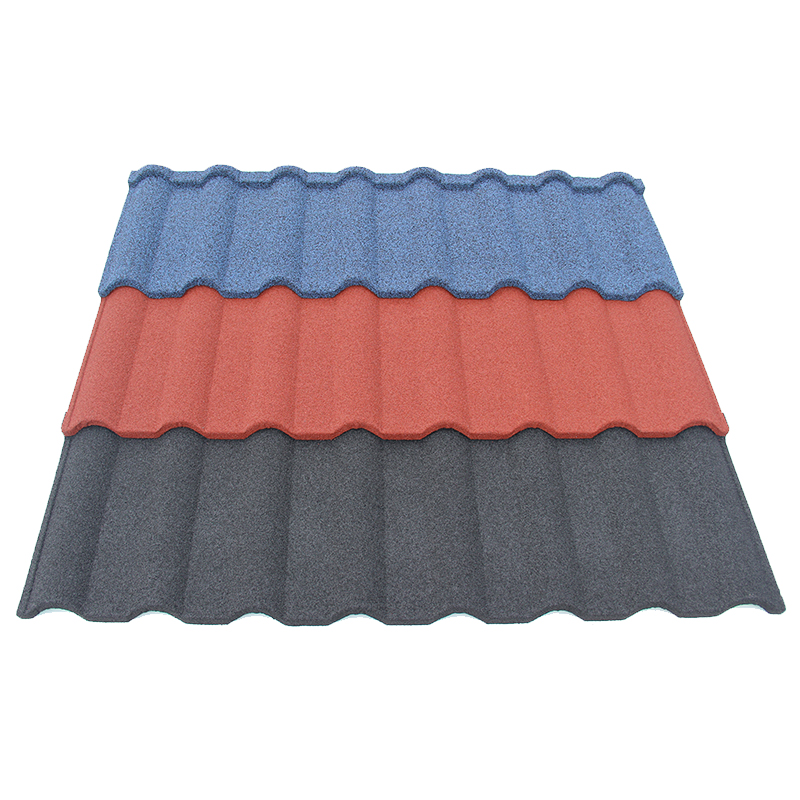
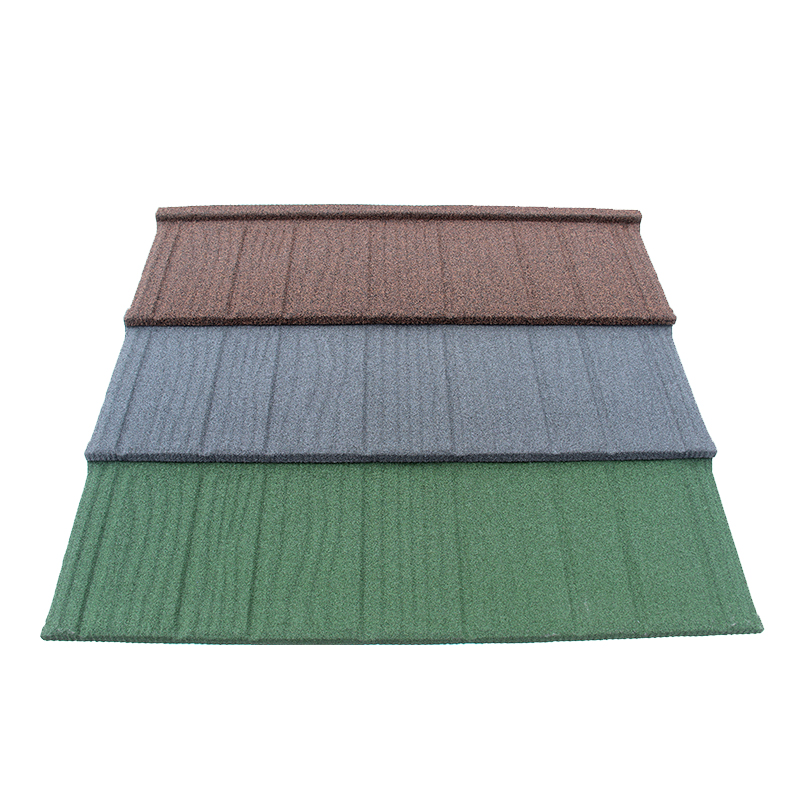
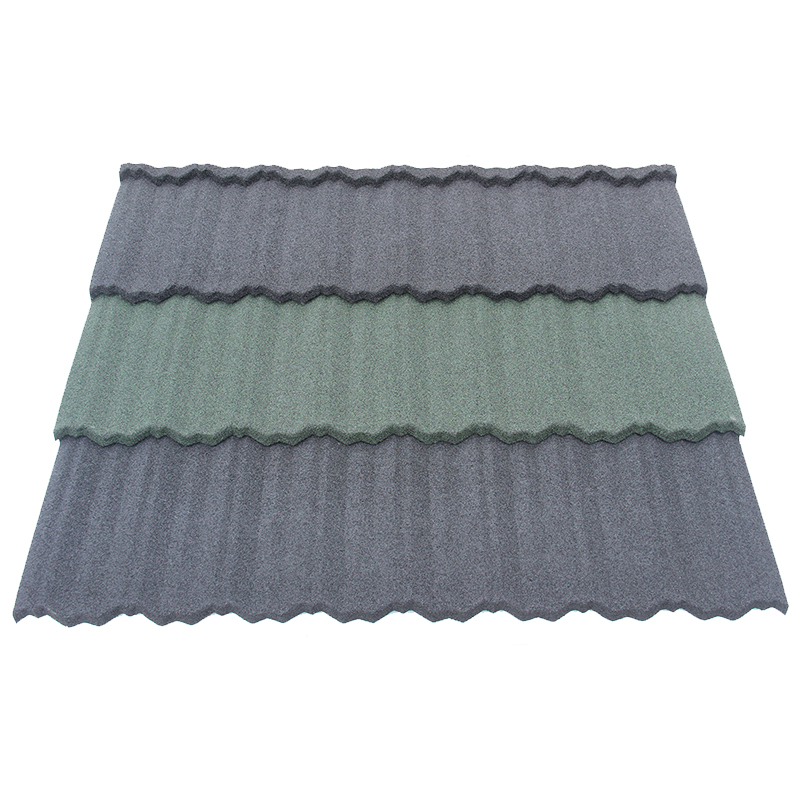
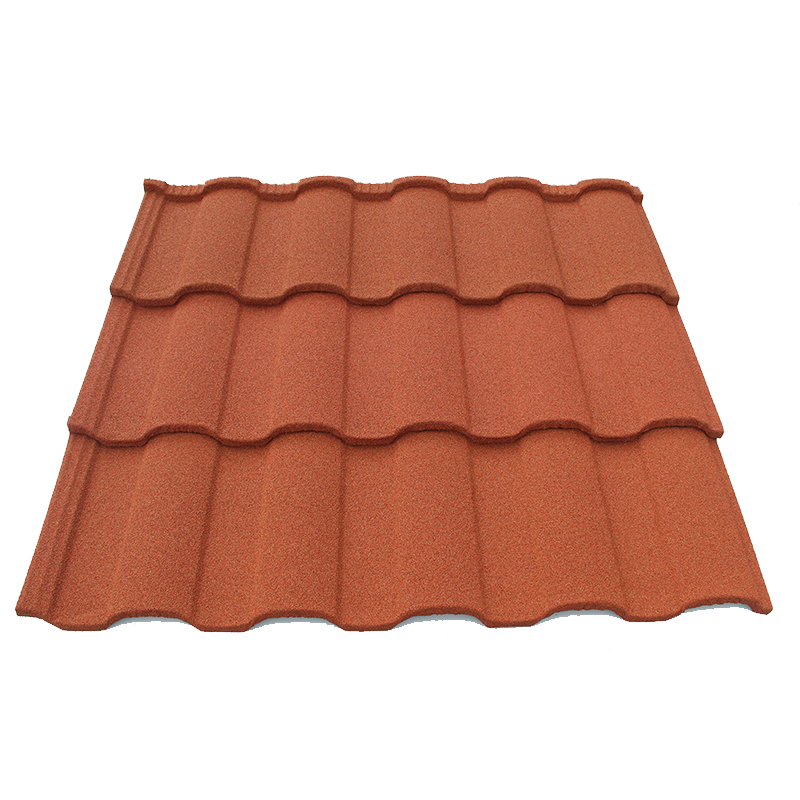
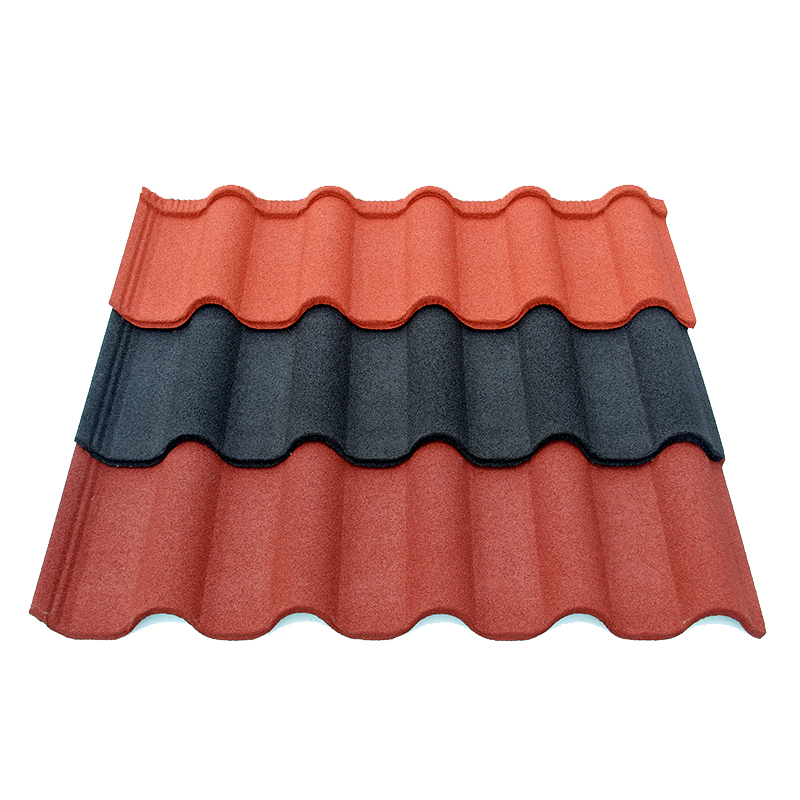
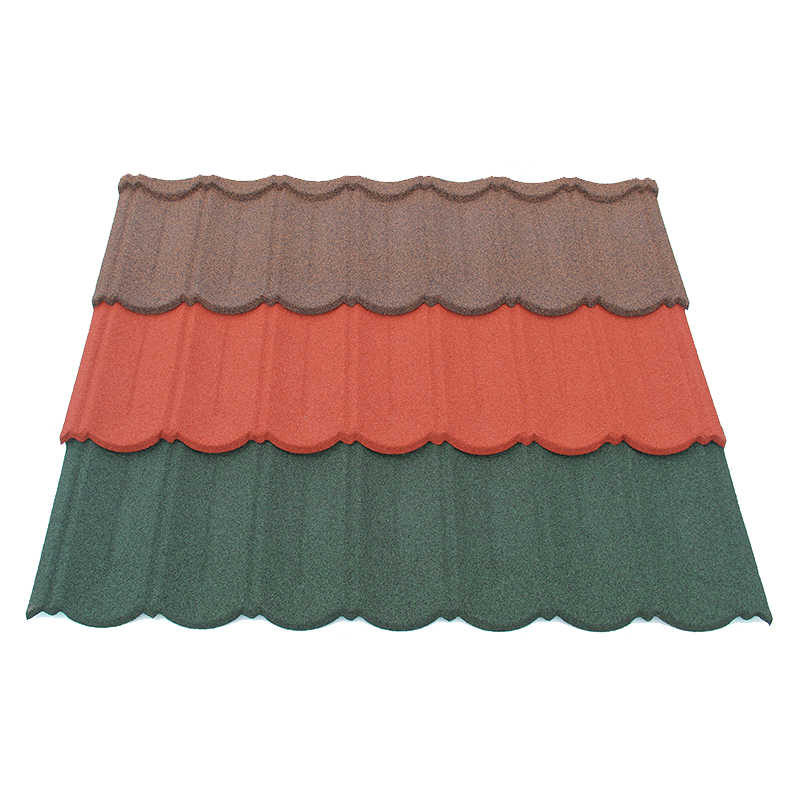
- Shingle Tile – high stacking efficiency due to flat design
- Bond Tile – balanced efficiency and structure
- Roman Tile – lower stacking density due to deeper curves
- Milano Tile – moderate efficiency depending on design depth
Stacking Method: Loose vs Palletized Loading
One of the biggest decisions in container loading is whether to use palletized or loose stacking. Each method has trade-offs between efficiency, protection, and handling.
Loose loading maximizes quantity but increases handling complexity, while palletized loading improves safety and speed at the cost of space.
The choice depends on project priorities and destination handling capabilities.
Comparison of Loading Methods
| Method | Capacity | Protection | Handling Efficiency |
|---|---|---|---|
| Loose Loading | Highest | Moderate | Low |
| Palletized Loading | Moderate | High | High |
Optimizing Packaging for Maximum Capacity
Packaging design plays a critical role in how many tiles can fit into a container. Overly bulky packaging reduces loading efficiency, while insufficient protection increases the risk of damage.
Experienced suppliers optimize packaging to balance these factors.
This often involves customized stacking patterns and protective materials.
Key Packaging Strategies
- Use compact stacking bundles
- Minimize excess packaging material
- Reinforce edges to prevent deformation
- Align bundles to maximize container geometry
Weight Distribution and Safety Considerations
Even if space allows for more tiles, uneven weight distribution can create safety risks during transportation. Containers must be loaded with balanced weight to prevent shifting or structural stress.
This is particularly important for long-distance or sea freight shipments.
Proper loading patterns help maintain stability.
Best Practices
- Distribute weight evenly across the container floor
- Avoid stacking too high in one section
- Secure loads to prevent movement
Realistic Loading Scenarios: Can You Reach 10,000 Tiles?
Reaching 10,000 tiles in a single container is possible under optimized conditions, but it depends on multiple variables including tile size, packaging method, and container type.
In practice, this number is more achievable with flatter profiles and loose loading strategies.
For curved profiles, the actual number may be lower.
Estimated Capacity by Profile
| Profile | Estimated Tiles per 40HQ |
|---|---|
| Shingle Tile | 9,000–10,000 |
| Bond Tile | 8,000–9,500 |
| Roman Tile | 7,000–8,500 |
| Milano Tile | 8,000–9,000 |
Common Mistakes That Reduce Loading Efficiency
Many shipments fail to reach optimal capacity due to avoidable mistakes. These issues often result from poor planning or lack of coordination between supplier and logistics teams.
Frequent Errors
- Using oversized pallets that waste space
- Ignoring container internal dimensions
- Overpacking for protection at the expense of capacity
- Failing to optimize stacking patterns
Balancing Cost, Safety, and Efficiency
While maximizing tile count is important, it should not come at the expense of product safety or handling efficiency. Damage during transport can offset any savings from higher loading density.
The goal is to find the optimal balance between capacity and protection.
This balance may vary depending on project requirements and shipping distance.
How Experienced Suppliers Optimize Container Loading
Suppliers with export experience typically develop standardized loading plans based on tile type and destination requirements. These plans are refined over time to achieve consistent results.
They also coordinate closely with logistics teams to ensure proper execution.
Manufacturers such as JCROOF often provide loading recommendations and customized packaging solutions to help buyers maximize container efficiency while maintaining product integrity.
Practical Advice for Buyers and Importers
For buyers, container optimization should be part of the purchasing discussion, not an afterthought. Early coordination with suppliers can significantly improve shipping efficiency.
Clear communication helps align expectations and avoid costly adjustments later.
Understanding the trade-offs between capacity and protection is key.
Recommended Approach
- Confirm loading plan before production
- Request container loading drawings or photos
- Align packaging method with unloading conditions
- Consider total landed cost, not just unit price
Conclusion: Smart Loading Is a Competitive Advantage
Maximizing container capacity for stone coated roofing is not simply about fitting more tiles—it requires a structured approach that considers tile design, packaging, weight distribution, and logistics constraints.
Reaching targets like 10,000 tiles per container is achievable under the right conditions, but only when efficiency and safety are carefully balanced. For B2B buyers, mastering this aspect of the supply chain can deliver measurable cost advantages across projects.