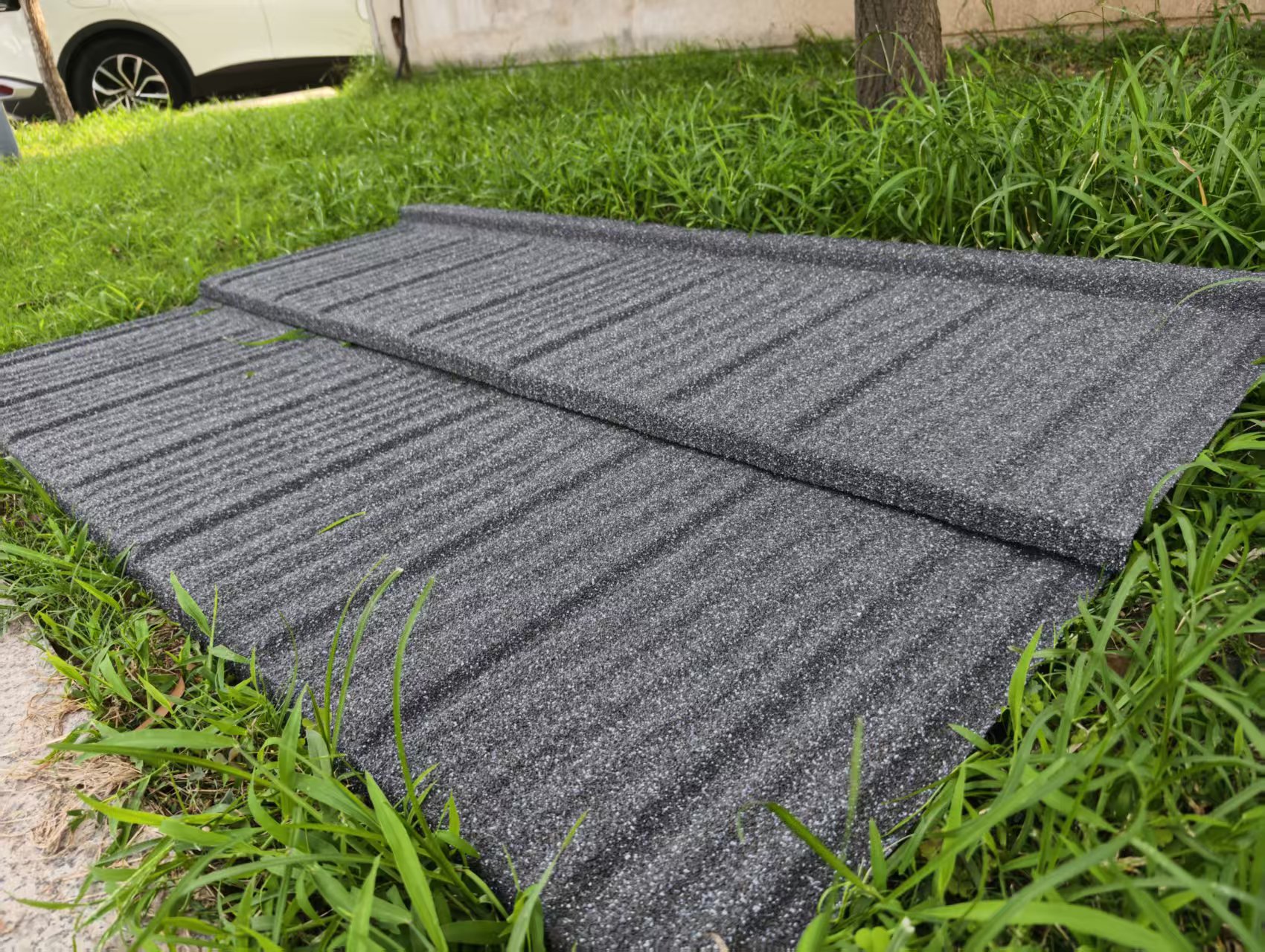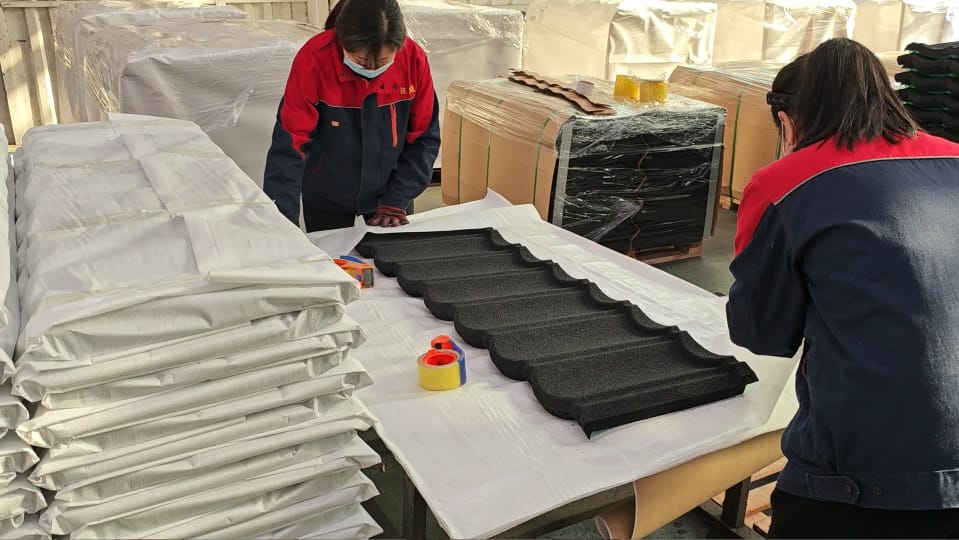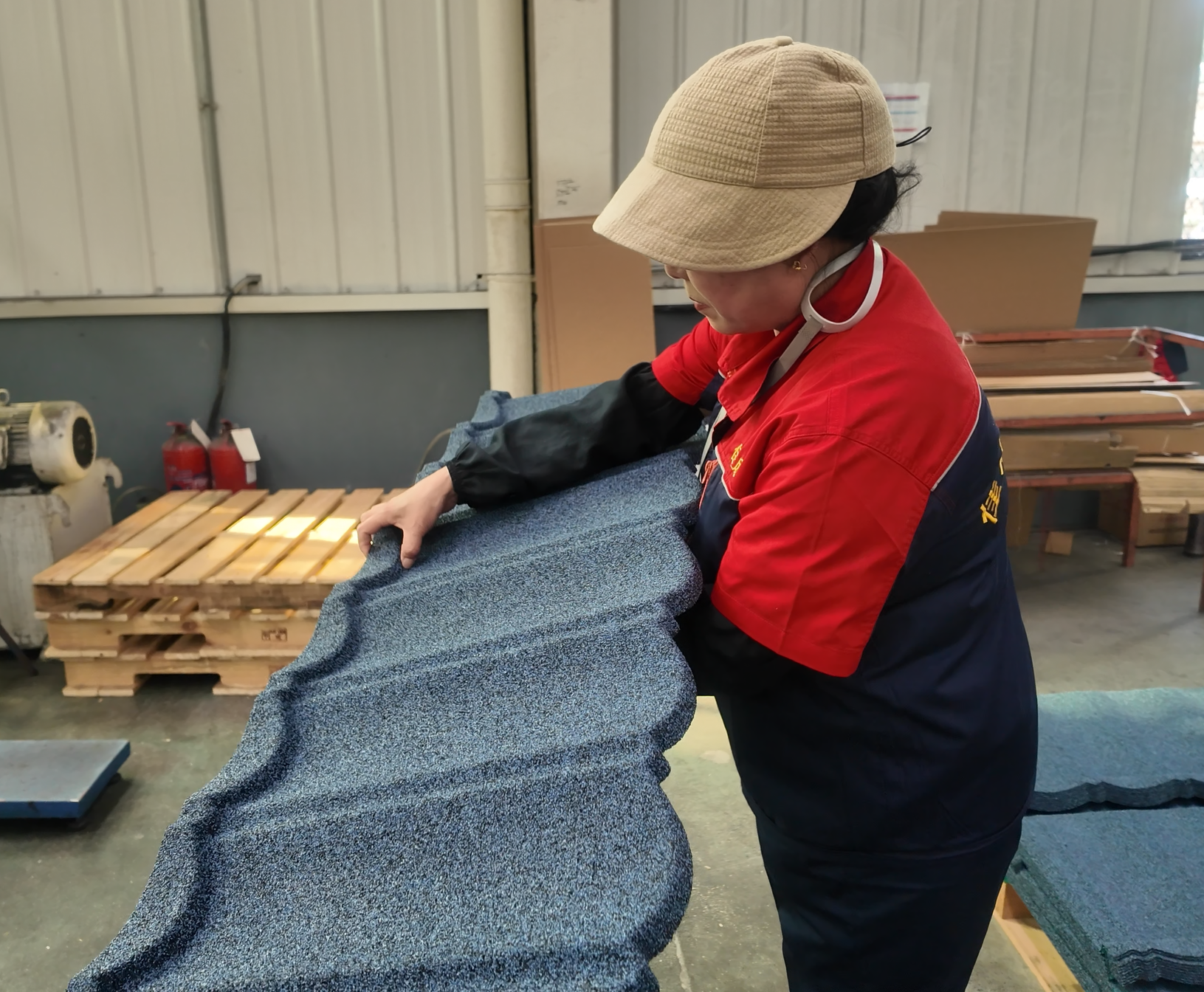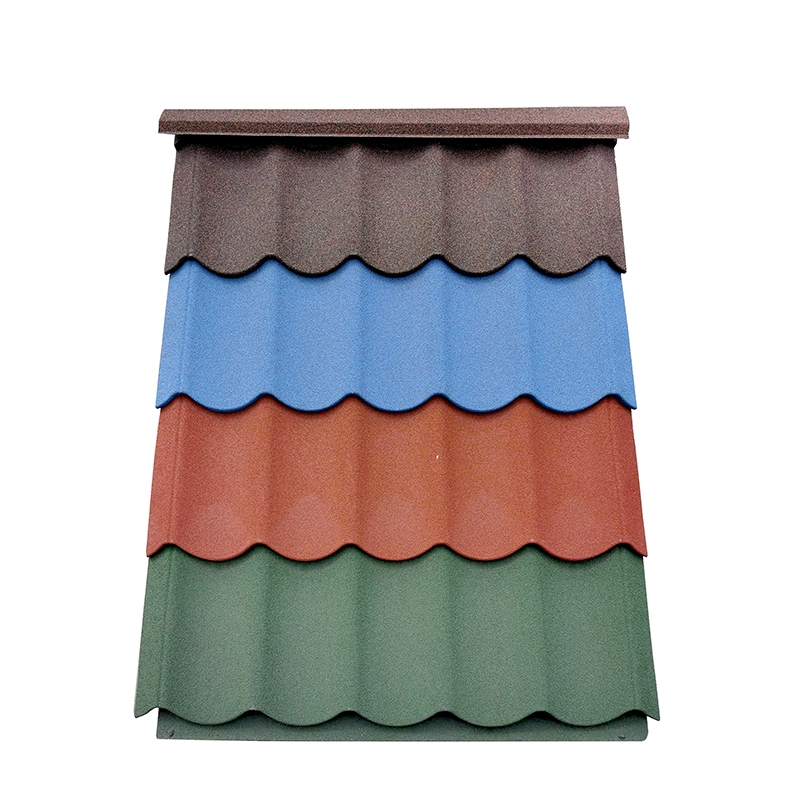

When sourcing or specifying stone coated roofing (stone coated steel roofing), one of the most misunderstood parameters is steel thickness. Many suppliers promote “total thickness” figures, but for contractors, distributors, and project engineers, the only number that truly matters is the steel core thickness. This value directly affects strength, durability, and long-term performance of stone coated metal roofing systems.
In practical procurement scenarios, misunderstanding thickness specifications can lead to underperforming roofs, installation issues, or even disputes with suppliers. This guide breaks down what steel thickness really means, how it is measured, and how to make the right decision based on project requirements.
What Does Steel Thickness Actually Refer To?
Steel thickness in stone coated roofing refers strictly to the base metal layer before any coatings are applied. This is the structural component that determines how the roofing panel behaves under load, impact, and environmental stress.
All other layers—such as anti-corrosion coatings, primer, adhesive, and stone granules—serve protective and aesthetic purposes, but they do not significantly contribute to structural strength.
This is why experienced buyers always separate “steel core thickness” from “overall panel thickness” when comparing products.
Typical Layer Composition
- Steel core (base material)
- Aluzinc or galvanized coating
- Primer layer
- Adhesive bonding layer
- Stone granule surface
- Protective overglaze
Standard Steel Thickness Range in the Market
In the global market, stone coated steel roofing is typically produced with a steel core thickness ranging from 0.35 mm to 0.55 mm. The most common specification for residential use falls between 0.40 mm and 0.45 mm.
This range balances cost, strength, and ease of installation. Going below this range may reduce durability, while going above it increases cost and weight without always providing proportional benefits.
For most standard projects, staying within the mid-range ensures reliable performance.
Common Thickness Options
- 0.35 mm – entry-level, cost-sensitive projects
- 0.40–0.45 mm – standard residential applications
- 0.50–0.55 mm – high-end or heavy-duty use
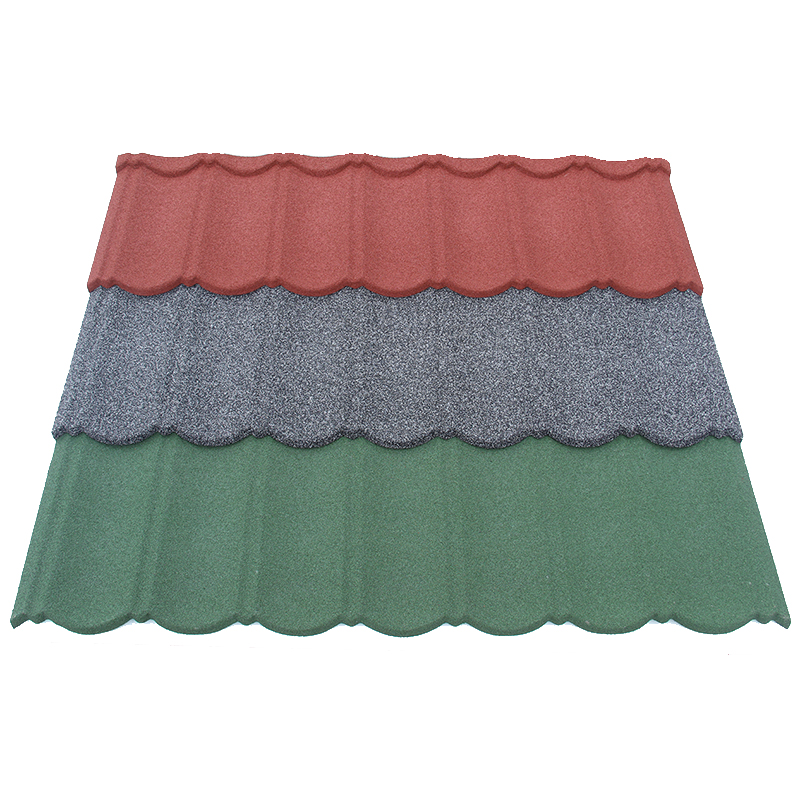
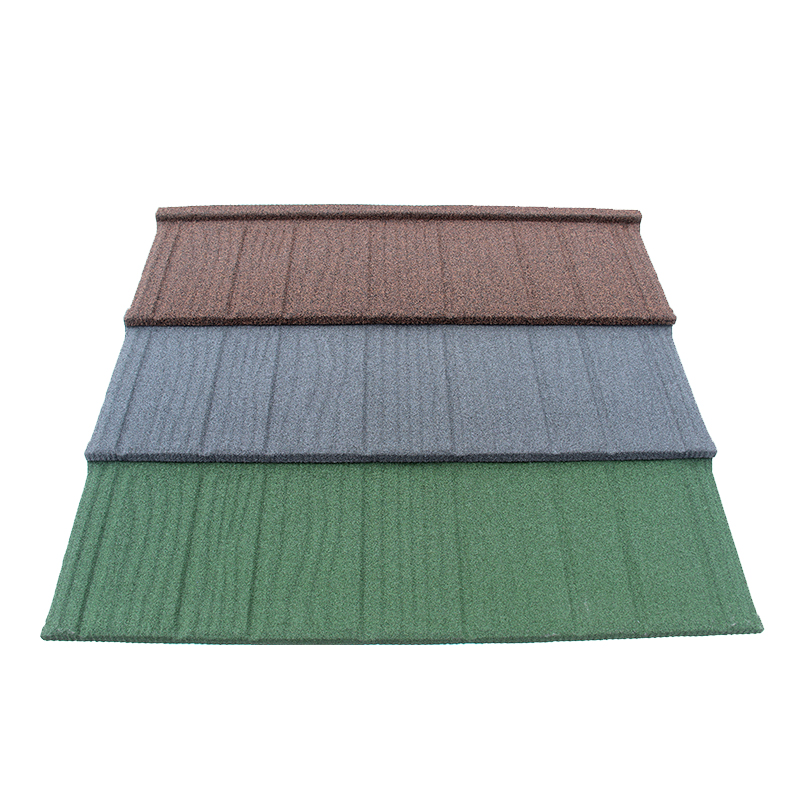
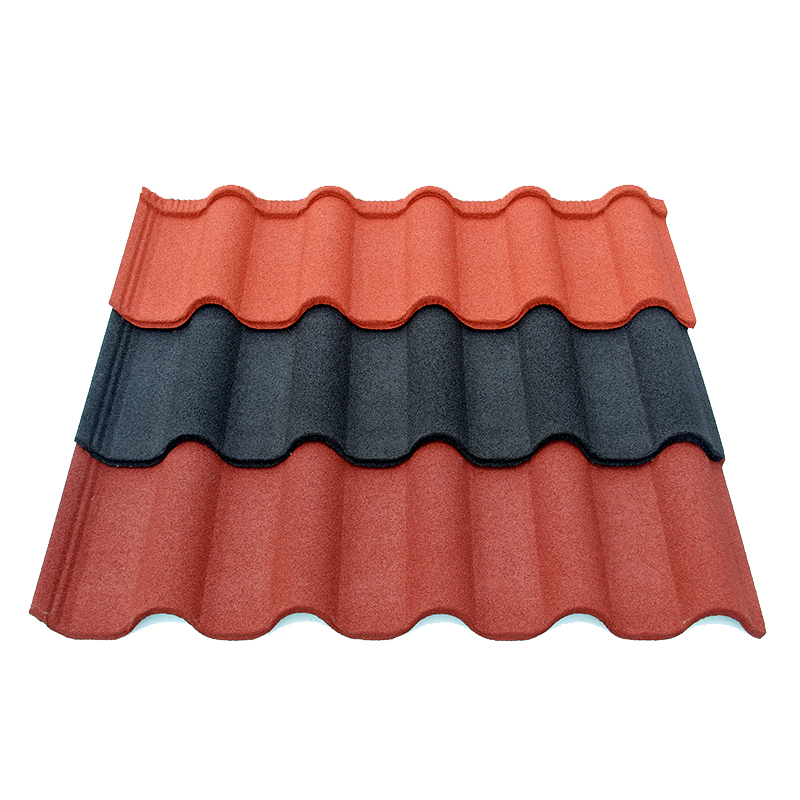
In systems such as Bond Tile, the structural profile can enhance perceived rigidity, but the actual performance still depends on the steel core thickness.
Why Steel Thickness Is Critical for Performance
The steel core is the backbone of stone coated roofing. Its thickness directly influences how the panel performs under real-world conditions, including wind uplift, foot traffic, and impact from debris or hail.
Thicker steel provides better resistance to deformation, while thinner steel may flex or dent more easily during installation or maintenance.
This makes thickness a key decision factor, especially in demanding environments.
Performance Impacts
- Higher thickness improves dent resistance
- Better load-bearing capacity
- Reduced risk of deformation during installation
Total Thickness vs Steel Core Thickness: Avoiding Confusion
One of the most common issues in procurement is confusion between total panel thickness and steel core thickness. Some suppliers may highlight total thickness because it appears larger and more impressive.
However, this figure includes coatings and stone layers, which do not significantly enhance structural strength.
For accurate comparison, always request the steel core thickness separately.
Key Differences
- Total thickness includes coatings and granules
- Steel core thickness refers only to the metal layer
- Structural performance depends on steel, not coatings
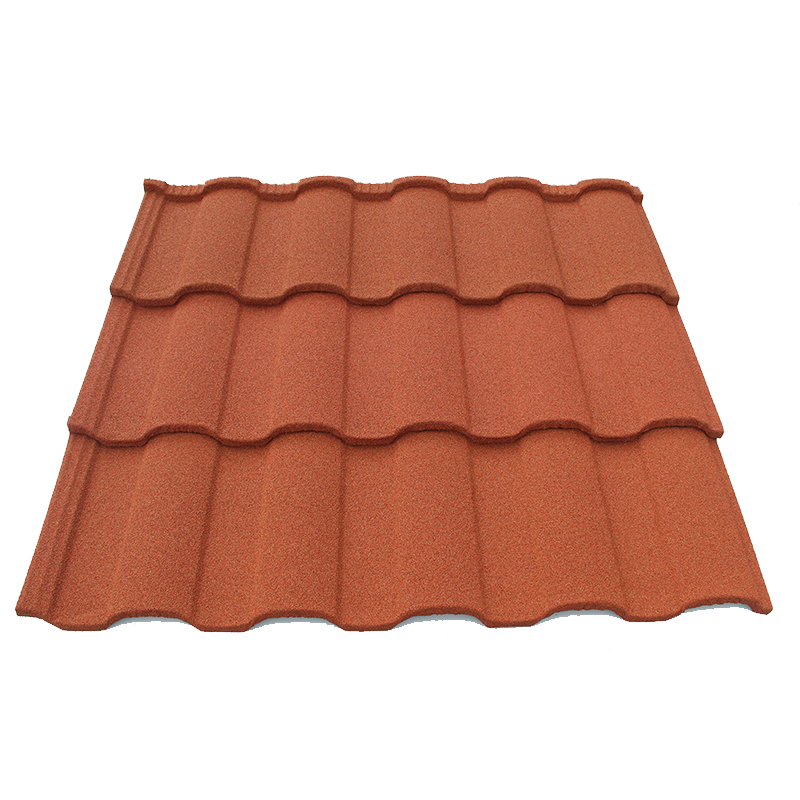
In curved profiles like Roman Tile, this distinction becomes even more important due to forming stress during manufacturing.
How to Verify Steel Thickness in Practice
Verifying steel thickness requires more than visual inspection. Because coatings add to the overall measurement, direct measurement must be done carefully or supported by documentation.
Professional buyers typically combine documentation review with physical checks.
This helps avoid misrepresentation and ensures consistency across batches.
Verification Methods
- Request mill test certificates (MTC)
- Confirm specifications in purchase contracts
- Use precision tools on exposed edges when possible
Thickness vs Weight: Are They the Same?
Although thicker steel generally results in heavier panels, weight alone is not a reliable indicator of steel thickness. Stone coating density and adhesive layers can vary significantly between manufacturers.
This means two panels with similar weight may have different steel core thicknesses.
For accurate evaluation, thickness and weight should be considered together—not interchangeably.
Key Insight
- Weight includes coatings and granules
- Thickness refers to structural steel only
- Both factors must be verified independently
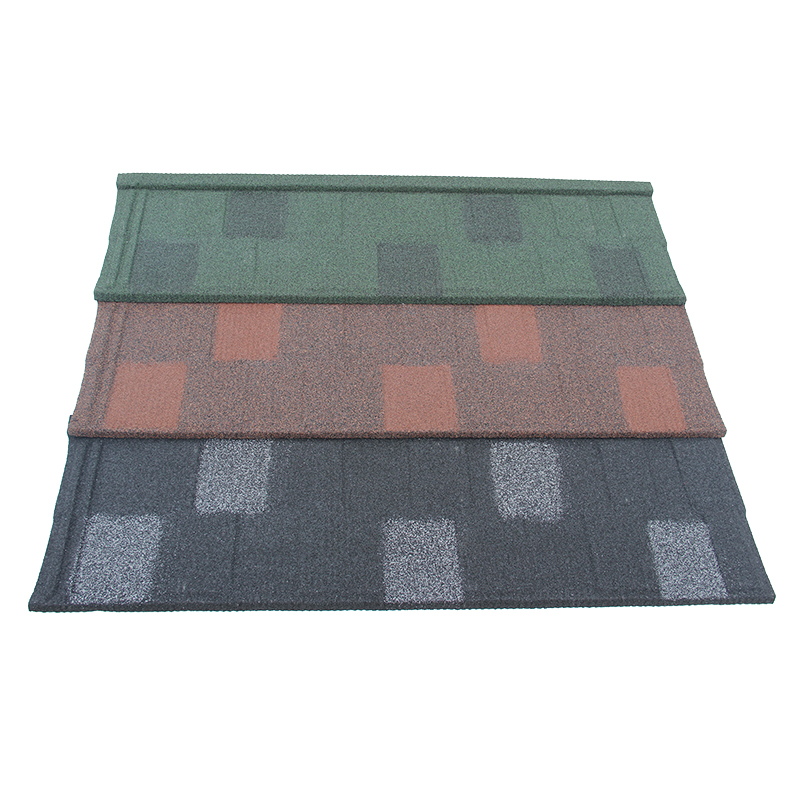
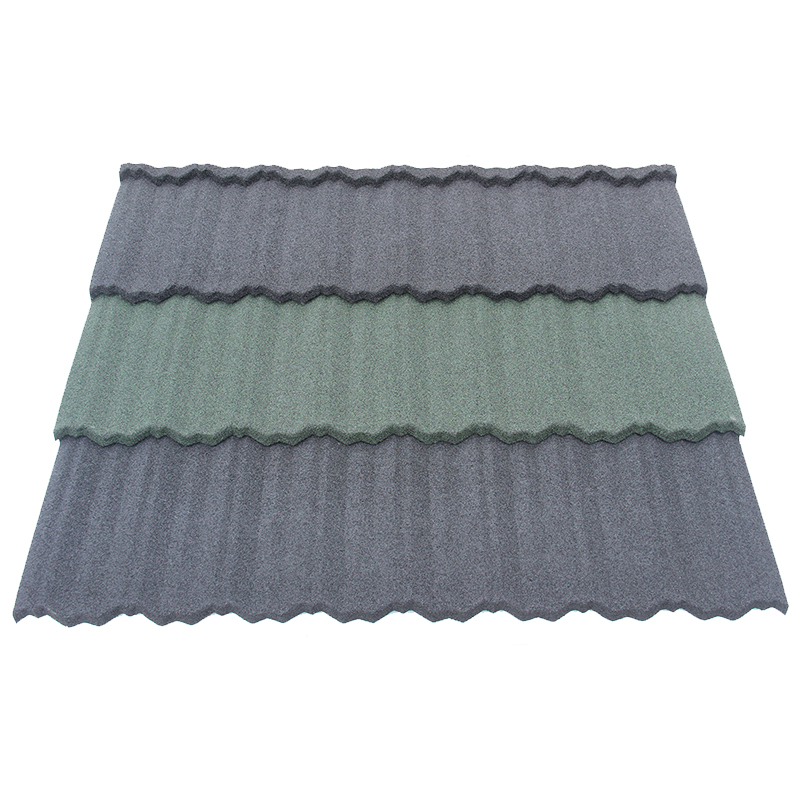
In flatter designs such as Shingle Tile, weight distribution may feel more uniform, but this does not reflect differences in steel thickness.
How Roof Profile Affects Perceived Strength
The shape of the roofing profile can influence how strong or rigid a panel feels during handling. Deeper or more contoured designs often provide additional structural stiffness.
However, this is a geometric effect—not a change in material thickness.
Profile design and steel thickness work together but serve different roles.
Choosing the Right Thickness for Your Project
Selecting the appropriate steel thickness depends on project conditions, including climate, building type, and budget. There is no universal specification that fits all scenarios.
However, most residential and light commercial projects perform well within the standard range when paired with proper installation.
Higher thickness should be considered for more demanding environments.
Selection Guidelines
- Standard housing: 0.40–0.45 mm
- High wind or impact-prone areas: 0.50 mm+
- Budget-sensitive projects: evaluate carefully below 0.40 mm
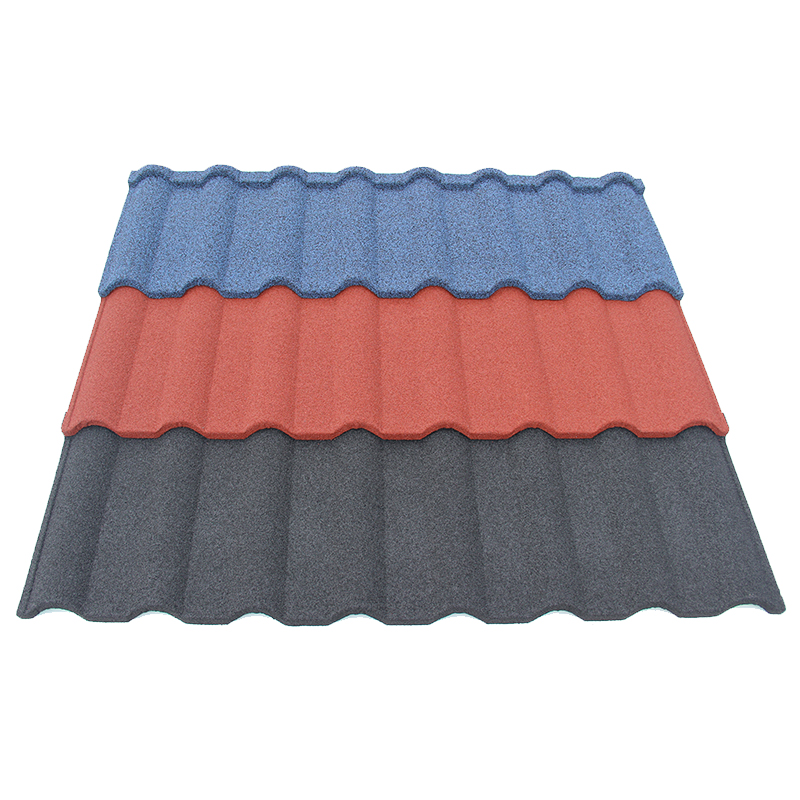
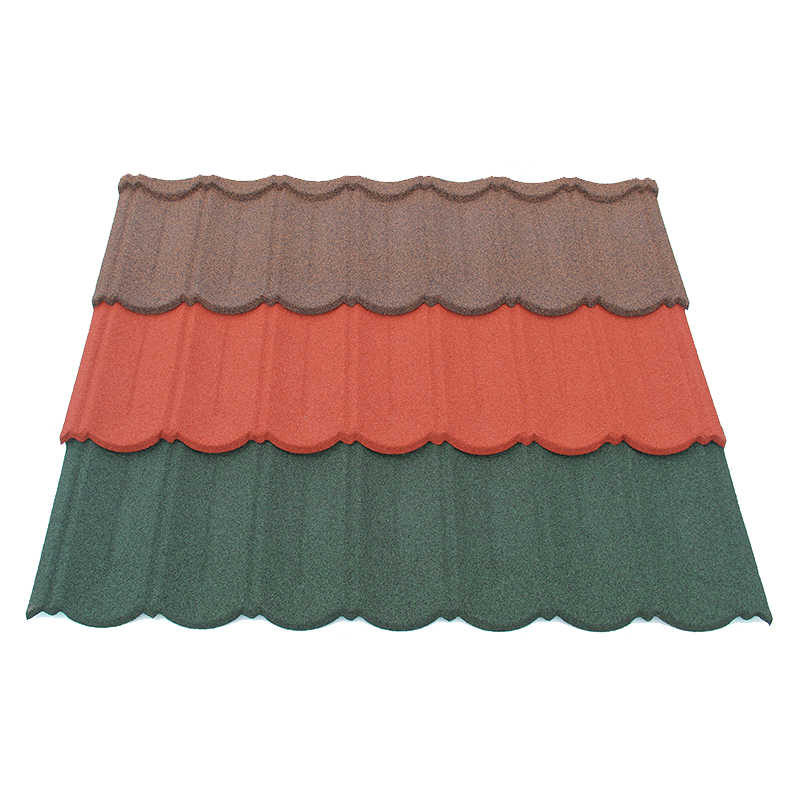
In premium profiles like Milano Tile, thickness selection often aligns with both structural performance and design expectations.
Common Mistakes Buyers Should Avoid
Many procurement issues arise from misunderstanding or overlooking thickness specifications. Avoiding these common mistakes can significantly improve project outcomes.
Frequent Errors
- Relying on total thickness instead of steel core thickness
- Judging quality based only on weight
- Ignoring documentation and certification
- Assuming thicker appearance equals stronger material
Practical Advice for Contractors and Distributors
From a B2B perspective, steel thickness should always be clearly defined and verified before purchase. It is one of the most critical factors affecting performance, installation experience, and long-term durability.
Reliable suppliers provide transparent specifications and maintain consistency across production batches.
Manufacturers such as JCROOF typically include detailed technical data to support buyers in making accurate comparisons.
Recommended Approach
- Always request steel core thickness explicitly
- Verify documentation before order confirmation
- Match thickness to project requirements
- Avoid decisions based solely on price or appearance
Conclusion: Focus on What Really Matters
Understanding steel thickness is essential when evaluating stone coated roofing. While total thickness may look impressive on paper, it is the steel core thickness that determines real performance.
By focusing on accurate specifications and verifying supplier claims, buyers can ensure that their stone coated steel roofing systems deliver the expected durability, strength, and long-term value.