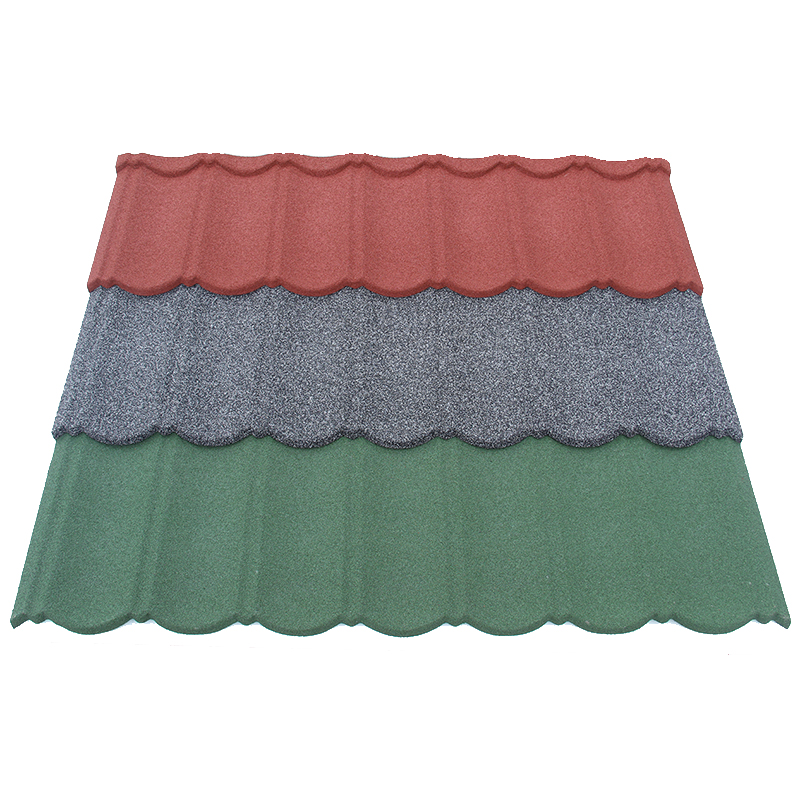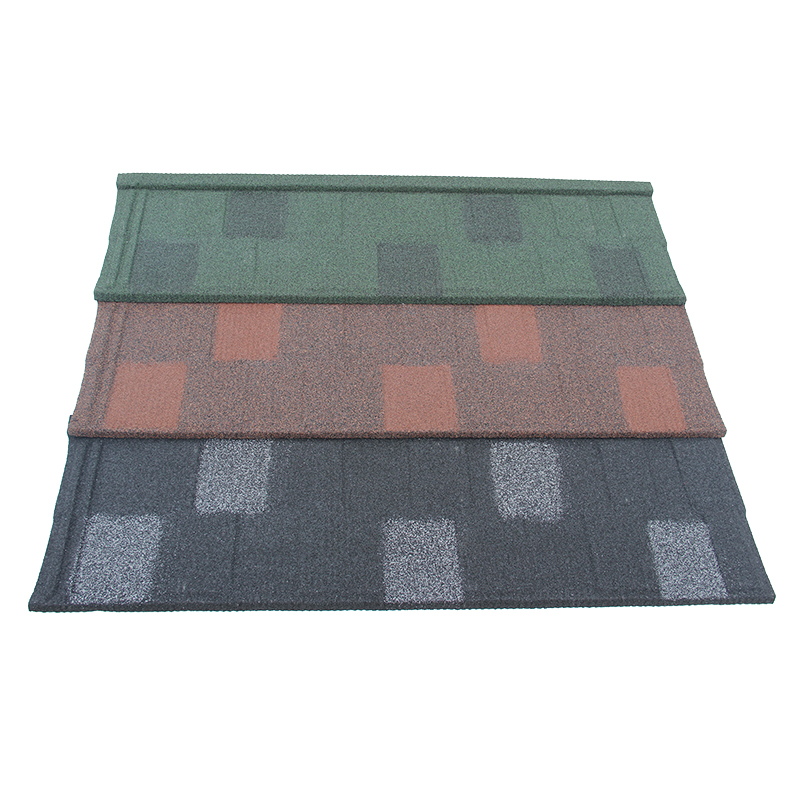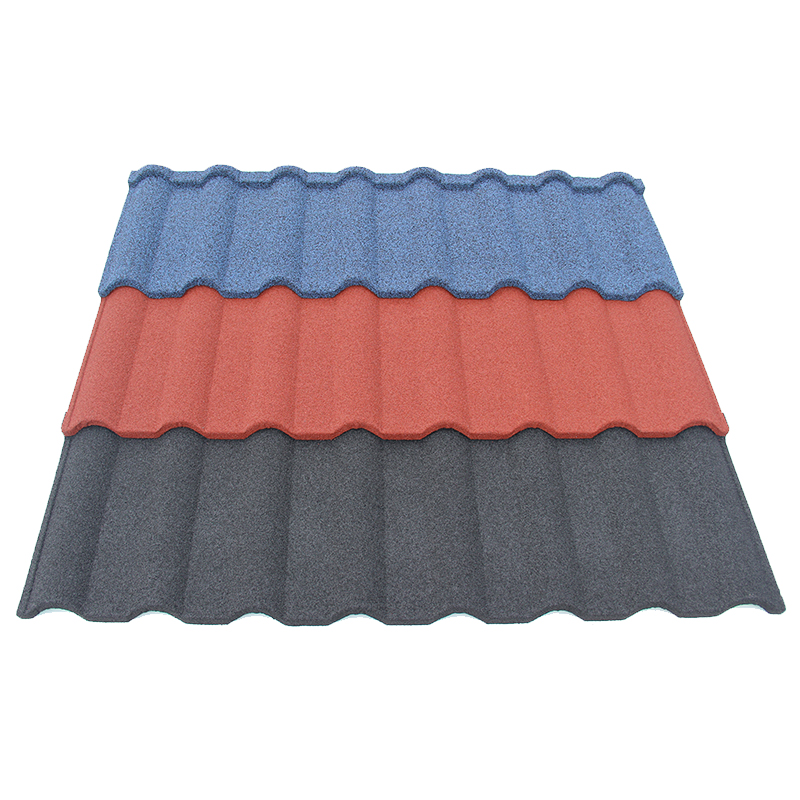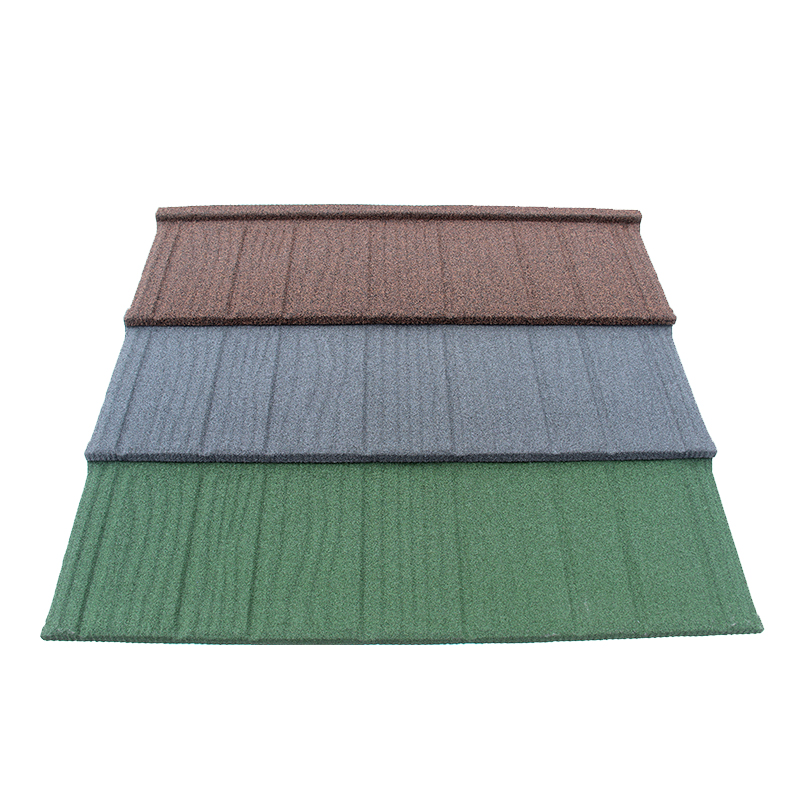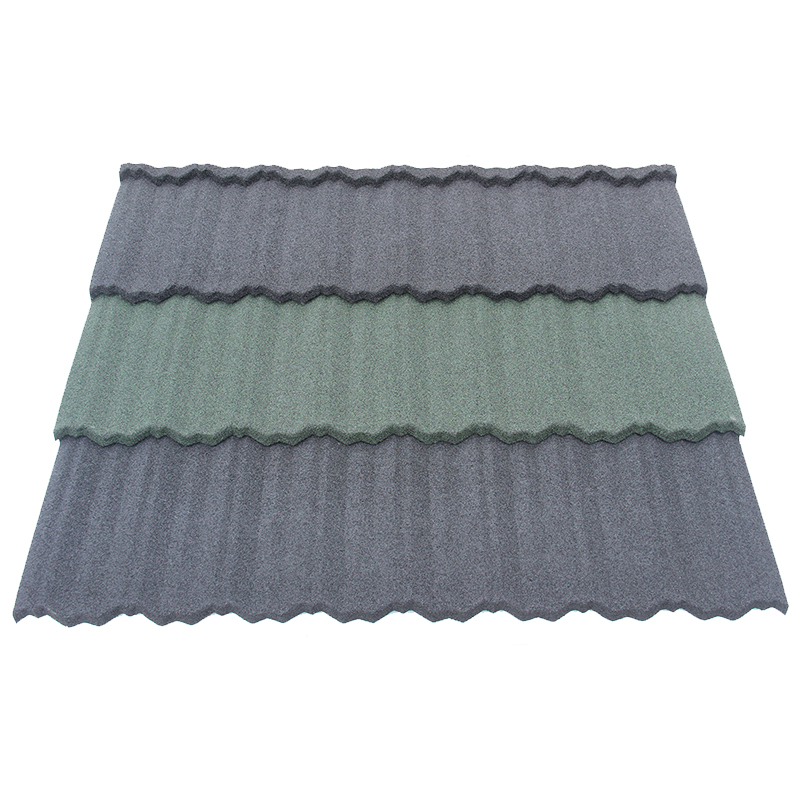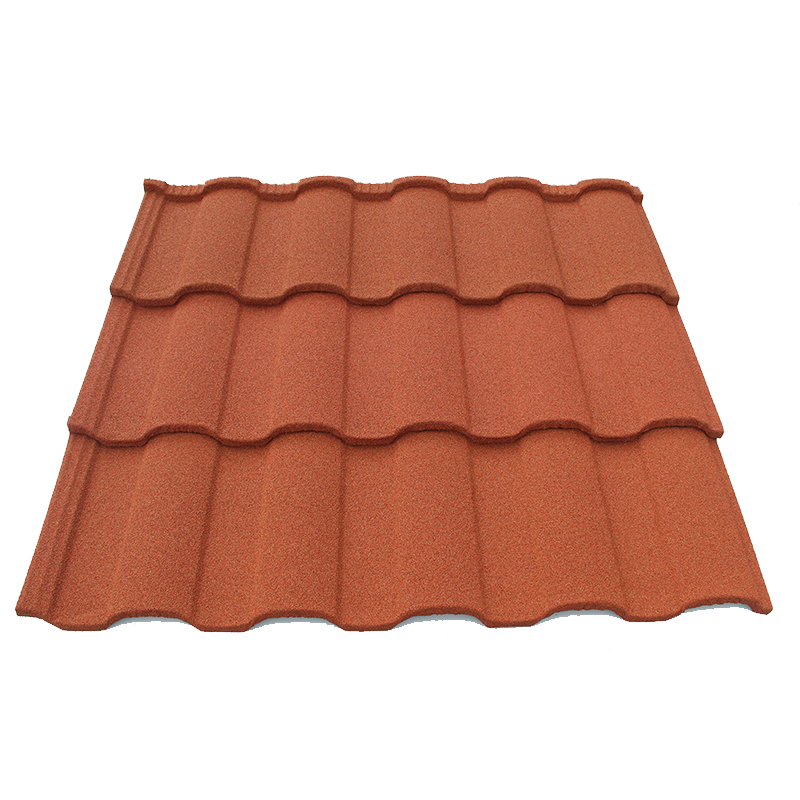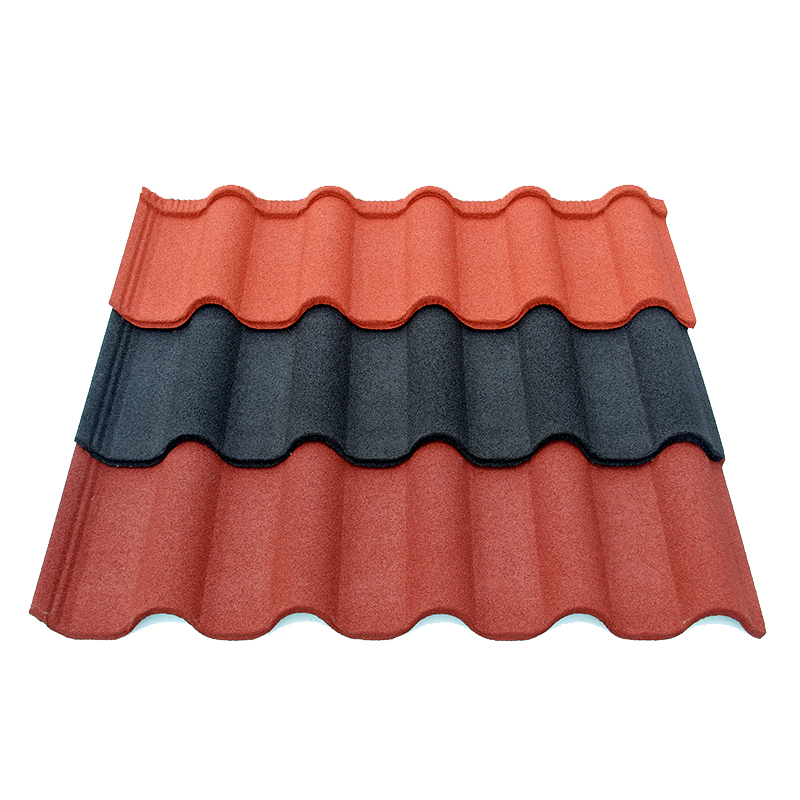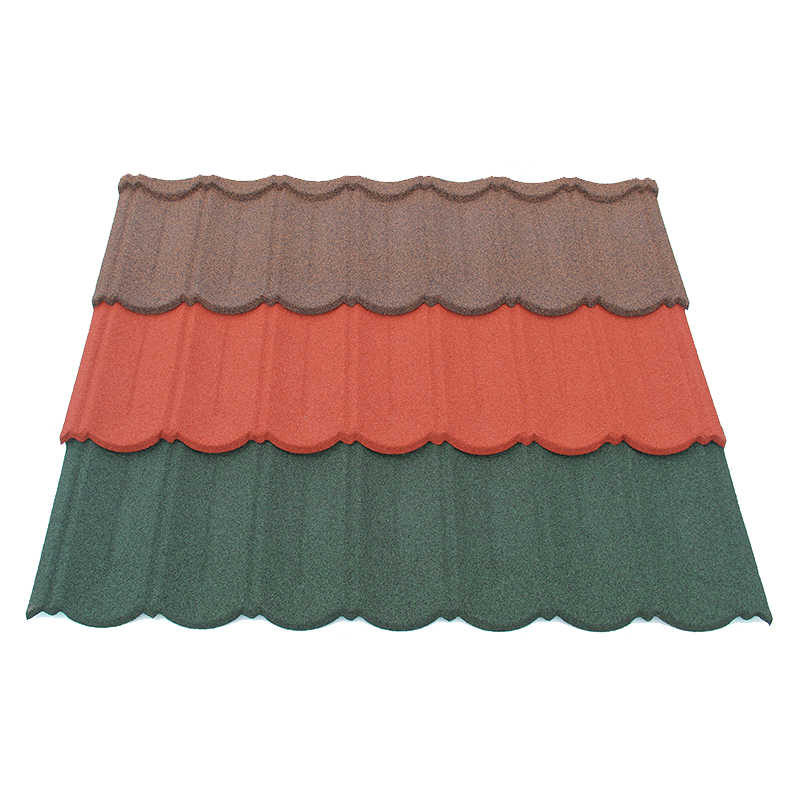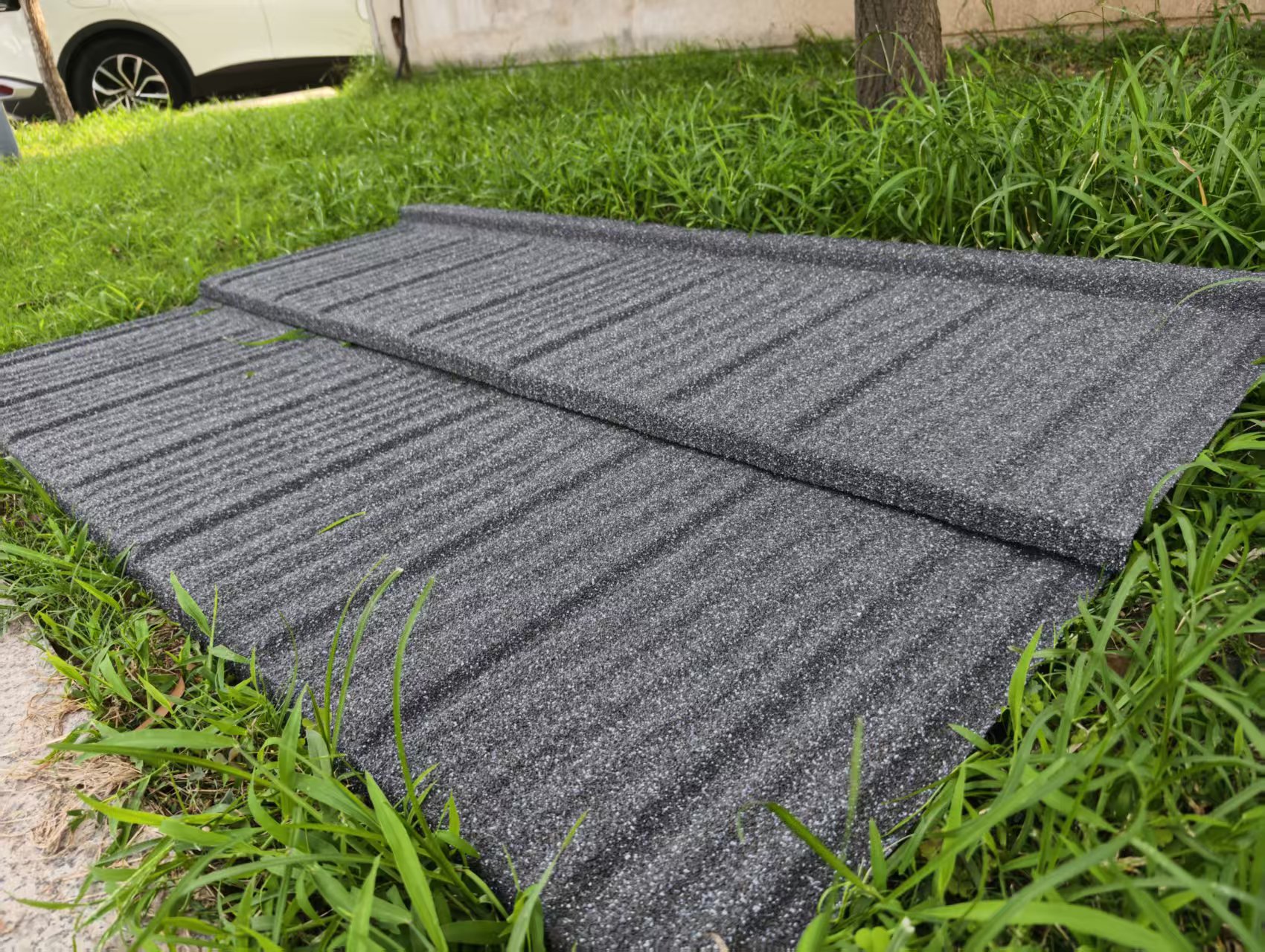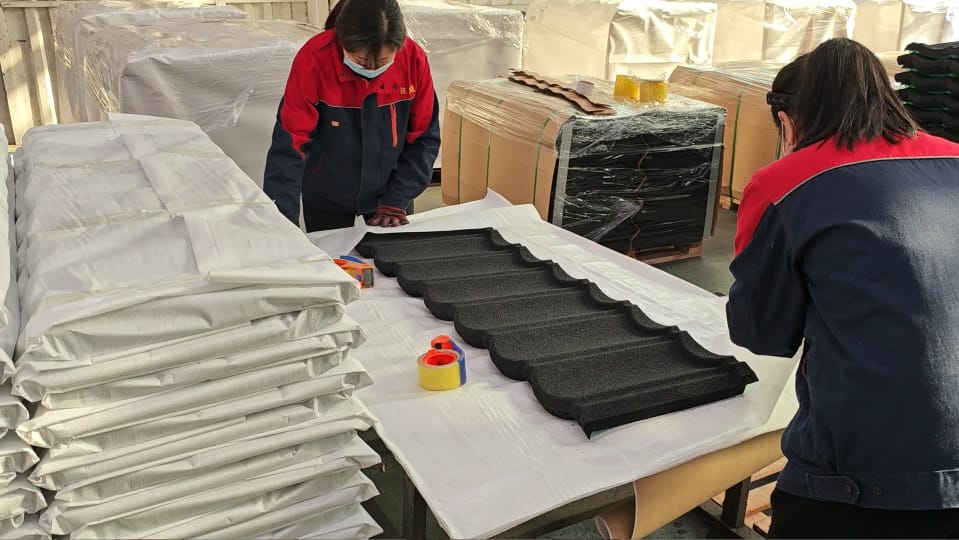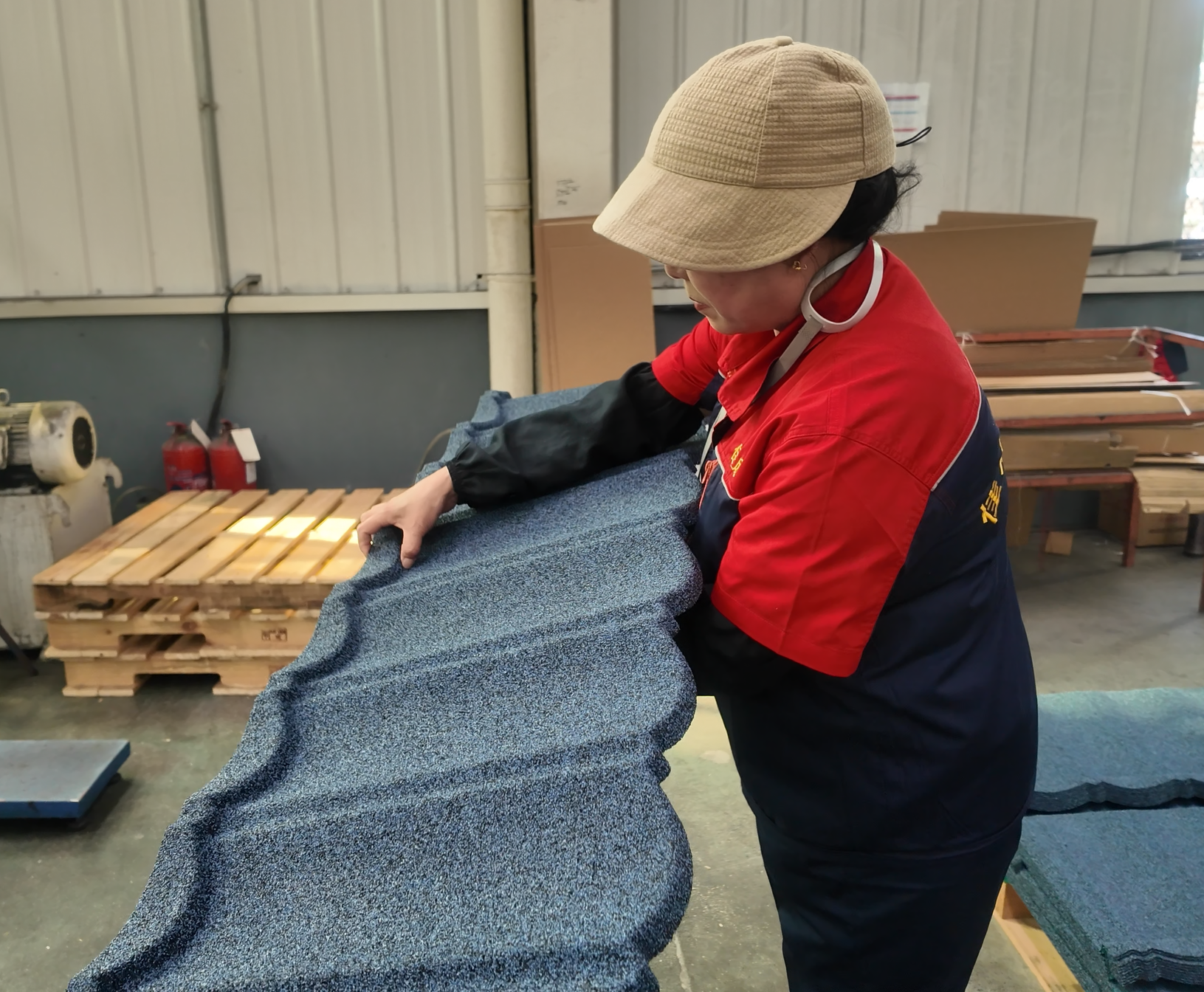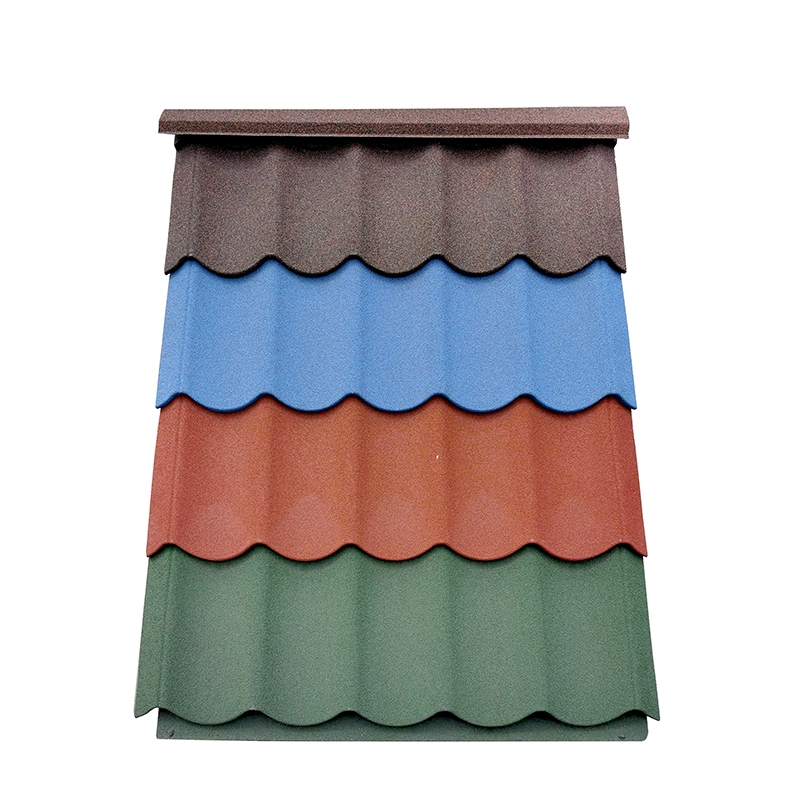

When evaluating stone coated roofing (stone coated steel roofing) for procurement or project specification, one of the most frequently misunderstood parameters is thickness—specifically, the actual thickness of the steel core excluding the coating layers. Many suppliers quote total thickness, which includes paint, adhesive, and stone granules, but for engineers and buyers, the steel core thickness is the real indicator of structural performance.
Understanding this distinction is critical when comparing suppliers, verifying quality, and ensuring that the selected stone coated metal roofing meets project requirements.
What “Steel Core Thickness” Really Means
The steel core thickness refers strictly to the base metal layer before any protective or decorative coatings are applied. This is the structural backbone of stone coated roofing and determines its strength, rigidity, and resistance to deformation.
All additional layers—such as anti-corrosion coatings, primer, adhesive, and stone granules—do not contribute significantly to structural strength.
However, they do affect durability and surface performance.
Typical Layer Structure (From Bottom to Top)
- Steel core (base metal)
- Aluzinc or galvanized coating
- Primer layer
- Acrylic adhesive layer
- Stone granule coating
- Protective overglaze
Standard Steel Core Thickness Range in the Market
In most global markets, the steel core thickness for stone coated steel roofing typically ranges between 0.35 mm and 0.55 mm. The most commonly specified thickness for residential and light commercial applications is around 0.40 mm to 0.45 mm.
It’s important to note that this measurement excludes all surface coatings.
Some suppliers may advertise higher “total thickness” figures, which can be misleading if not clarified.
Common Thickness Categories
- 0.35 mm: entry-level, cost-sensitive projects
- 0.40–0.45 mm: standard residential use
- 0.50–0.55 mm: higher-end or heavy-duty applications
In systems like Bond Tile, the perceived rigidity may feel higher due to profile design, even when the steel thickness is within standard range.
Why Steel Core Thickness Matters More Than Total Thickness
For professional buyers, focusing on total panel thickness can lead to incorrect conclusions about quality. The stone layer may add visual bulk, but it does not significantly increase load-bearing capacity.
The steel core is what determines how the panel performs under foot traffic, wind uplift, and long-term stress.
This is especially relevant in projects requiring durability and structural reliability.
Performance Impact of Steel Thickness
- Higher thickness improves dent resistance
- Better load distribution under pressure
- Increased resistance to deformation during installation
How to Verify Steel Core Thickness in Practice
In real procurement scenarios, verifying steel core thickness requires more than visual inspection. Because coatings add to the overall measurement, direct measurement tools must be used carefully.
Most professional buyers rely on supplier documentation combined with spot verification.
Misrepresentation of thickness is one of the most common quality issues in the market.
Verification Methods
- Request mill test certificates (MTC)
- Use micrometers on uncoated edges if available
- Confirm specifications in purchase contracts
In curved profiles like Roman Tile, thickness consistency across the panel is also important due to forming stress during production.
Thickness vs Weight: Are They Always Aligned?
While thicker steel generally results in heavier panels, weight alone is not a precise indicator of steel core thickness. Coating density and stone granule weight can vary between manufacturers.
This means two panels with similar weight may have different steel core thicknesses.
Relying solely on weight can lead to incorrect assumptions.
Key Insight
- Weight includes coatings and granules
- Thickness refers only to steel core (for structural evaluation)
- Both should be considered together—not independently
Does Roof Profile Affect Perceived Thickness?
Yes, the shape of the roofing profile can influence how thick or strong a panel feels. Deeper or more contoured designs often appear more rigid due to structural geometry.
However, this does not change the actual steel thickness.
Profile design and material thickness work together but are not interchangeable.
For example, flatter profiles like Shingle Tile may feel less rigid than deeper profiles, even when using the same steel thickness.
Common Misunderstandings in the Market
Many buyers encounter confusing or misleading information when comparing stone coated roofing products. Understanding these common issues helps avoid procurement risks.
Frequent Misconceptions
- Confusing total thickness with steel core thickness
- Assuming thicker appearance equals stronger material
- Relying only on weight as a quality indicator
Choosing the Right Thickness for Your Project
The ideal steel core thickness depends on project requirements, including climate conditions, building type, and budget. There is no one-size-fits-all specification.
However, most residential projects perform well within the standard range when paired with proper installation.
Higher thickness should be considered for demanding environments.
Selection Guidelines
- Standard housing: 0.40–0.45 mm
- High wind or heavy impact مناطق: 0.50 mm or above
- Budget projects: evaluate carefully below 0.40 mm
In premium systems like Milano Tile, thickness selection is often aligned with both structural performance and aesthetic expectations.
Practical Advice for Buyers and Contractors
From a B2B perspective, steel core thickness should always be clearly specified and verified during procurement. It is one of the most critical parameters affecting long-term performance.
Relying on marketing descriptions without technical confirmation can lead to costly issues.
Manufacturers such as JCROOF typically provide detailed specifications to ensure transparency in steel thickness and coating systems.
Recommended Approach
- Always request steel core thickness separately from total thickness
- Verify documentation before placing orders
- Match thickness to project requirements—not just price
- Avoid decisions based solely on appearance or weight
Conclusion: What Is the Real Thickness?
So, what is the actual thickness of the steel core in stone coated roofing? In most cases, it ranges from 0.35 mm to 0.55 mm, with 0.40–0.45 mm being the industry standard for residential applications.
The key takeaway is simple: always focus on the steel core thickness—not the total panel thickness—when evaluating stone coated steel roofing. This ensures that your selection meets both structural and long-term performance expectations.