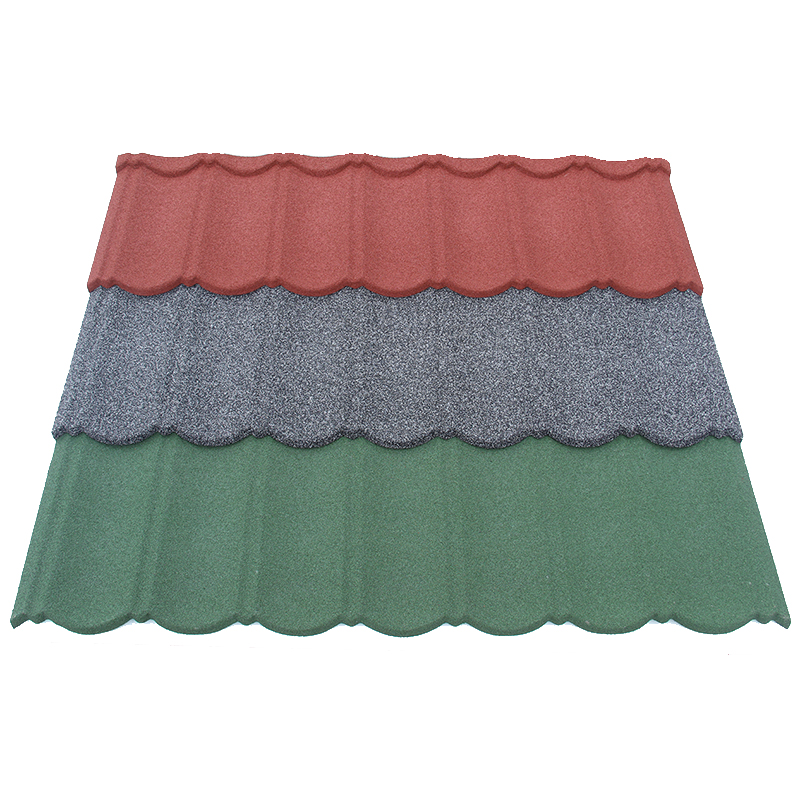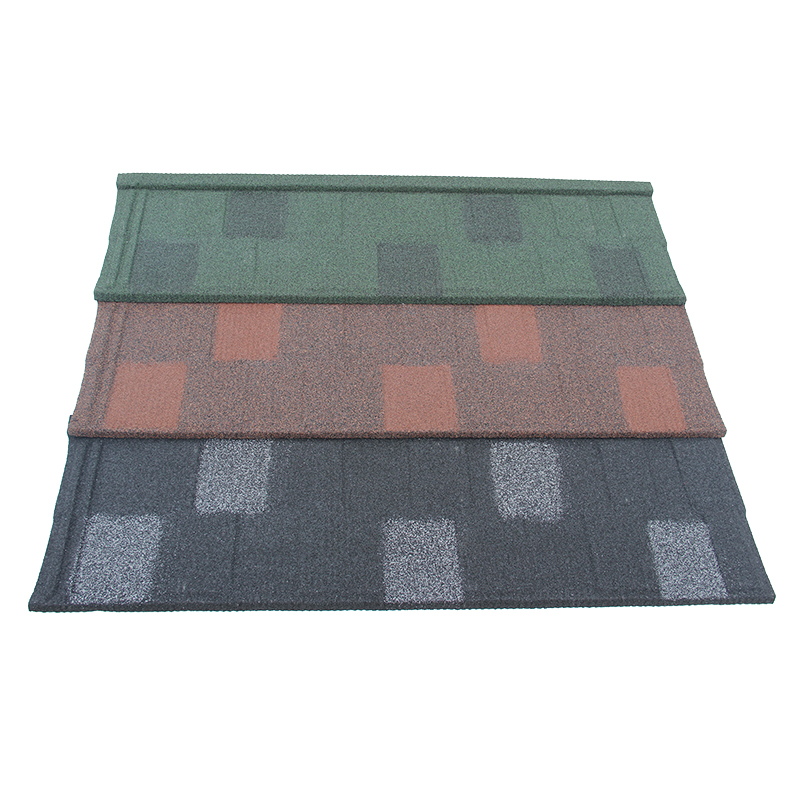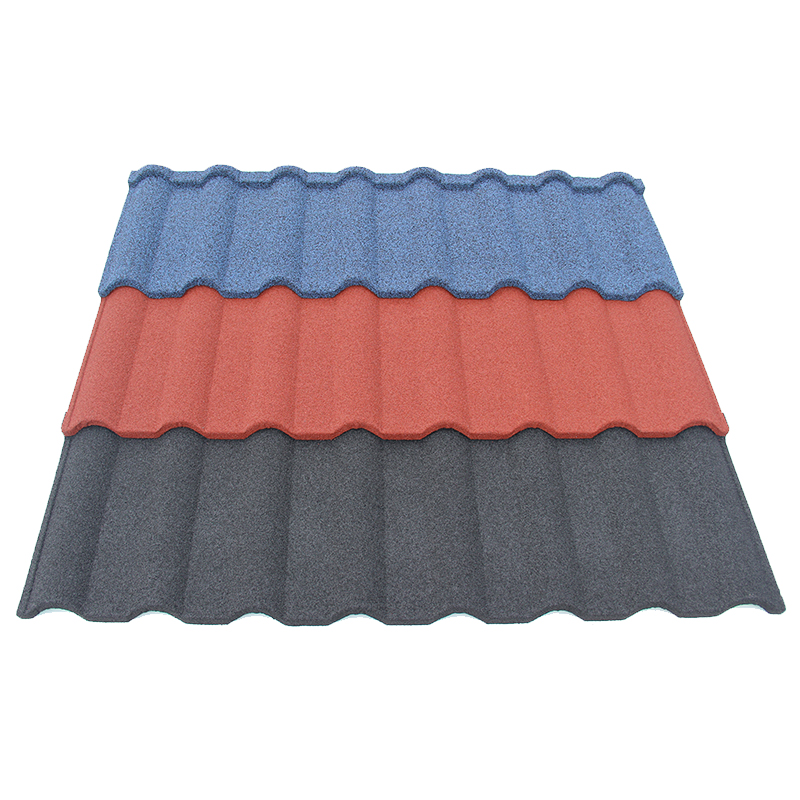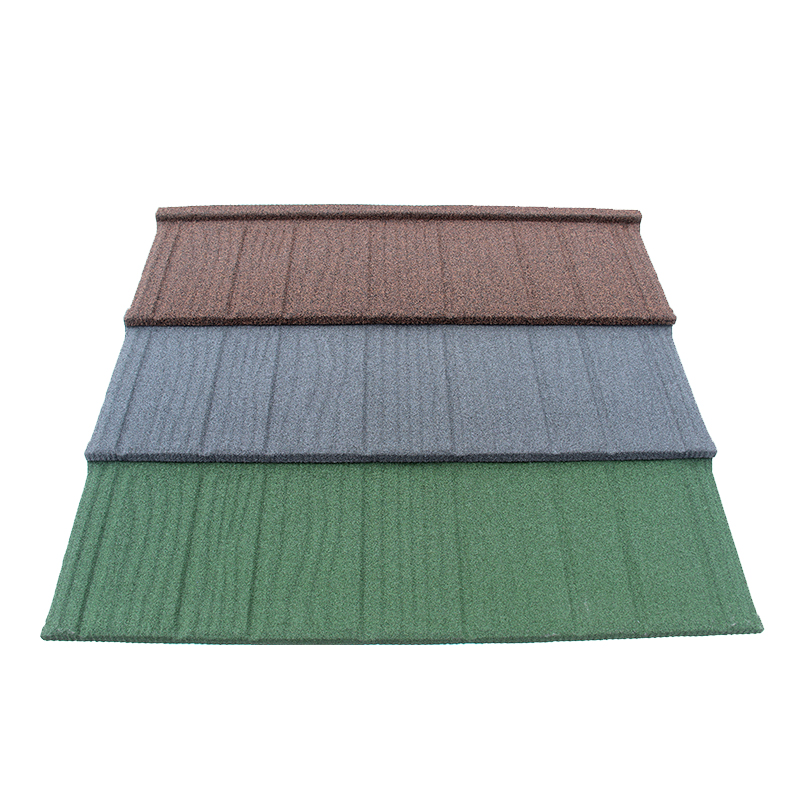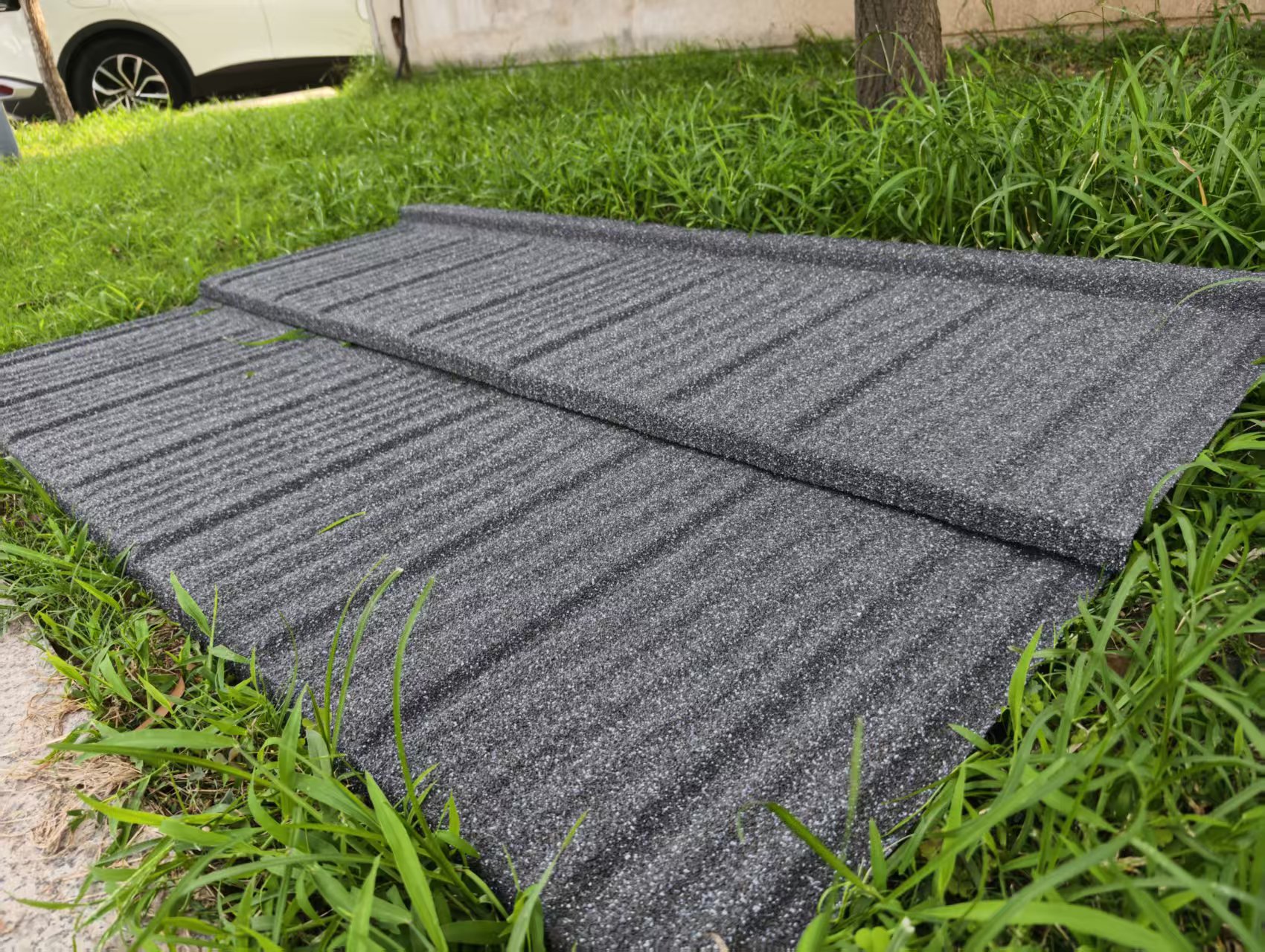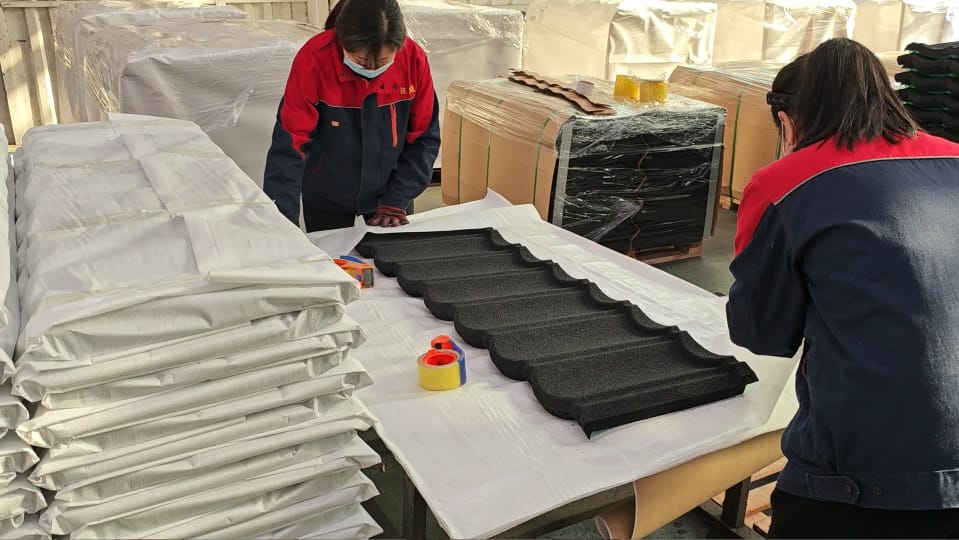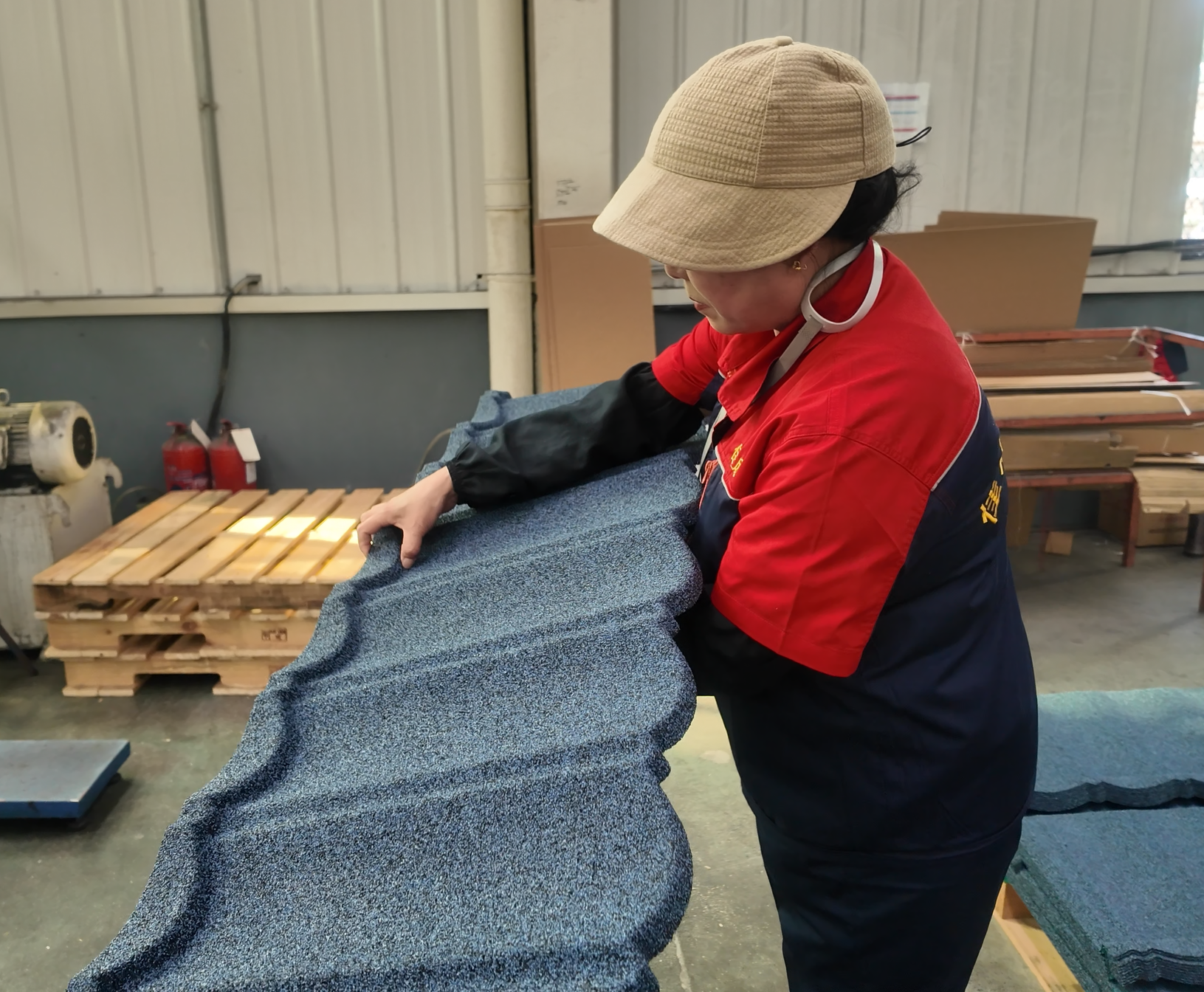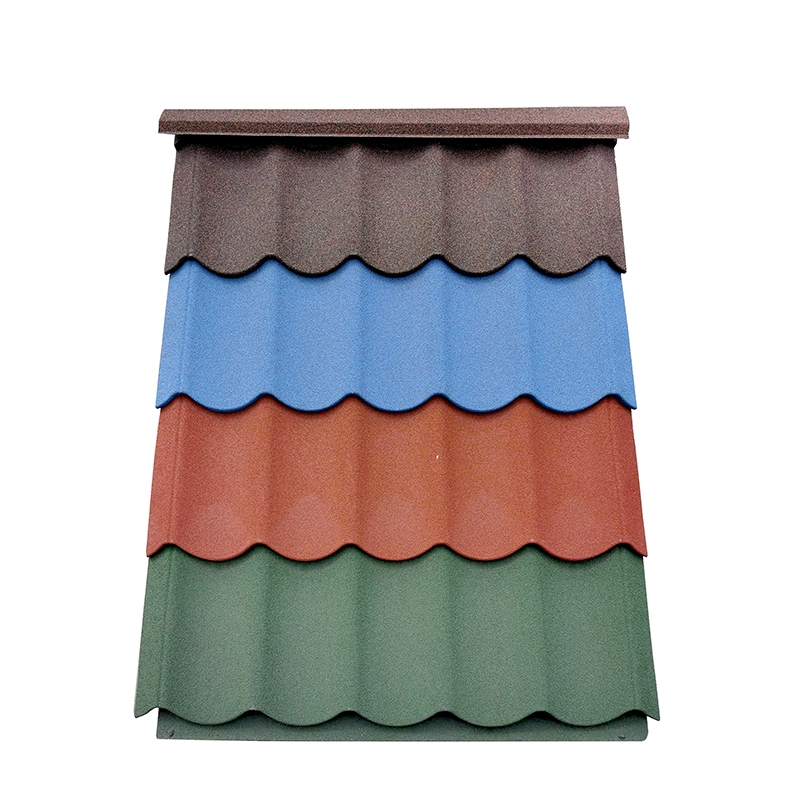

Across multiple regions, a noticeable shift is taking place in roofing specifications—contractors and developers are increasingly moving from traditional clay tiles to stone coated roofing (stone coated steel roofing). This transition is not driven by a single factor, but by a combination of cost pressure, installation efficiency, structural considerations, and long-term performance requirements.
In 2026, this trend is becoming more visible in both residential and light commercial projects. For B2B buyers, distributors, and contractors, understanding why stone coated metal roofing is gaining ground over clay is essential for staying aligned with market demand and making competitive procurement decisions.
Cost Pressure and Project Economics Are Driving Change
One of the most immediate reasons contractors are switching from clay to steel is cost control—not just material cost, but total installed cost. While clay tiles may appear competitive at the material level in some markets, the overall project cost often tells a different story.
Labor, structural requirements, and breakage rates all contribute to higher total costs for clay systems.
Stone coated roofing offers a more predictable cost structure with fewer hidden variables.
Cost Comparison Factors
- Lower breakage during transport and installation
- Reduced structural reinforcement requirements
- Faster installation time
- Lower long-term maintenance costs
Weight Advantage and Structural Efficiency
Clay tiles are significantly heavier than stone coated steel roofing. This weight difference has direct implications for structural design, especially in new builds and renovations.
Heavier roofing systems require stronger support structures, which increases construction cost and complexity.
In contrast, stone coated roofing provides similar visual appeal with much lower weight.
Typical Weight Comparison
| Material | Approx. Weight (kg/m²) | Structural Impact |
|---|---|---|
| Clay Tiles | 40–60 | High structural load |
| Stone Coated Steel Roofing | 6–8 | Low structural load |
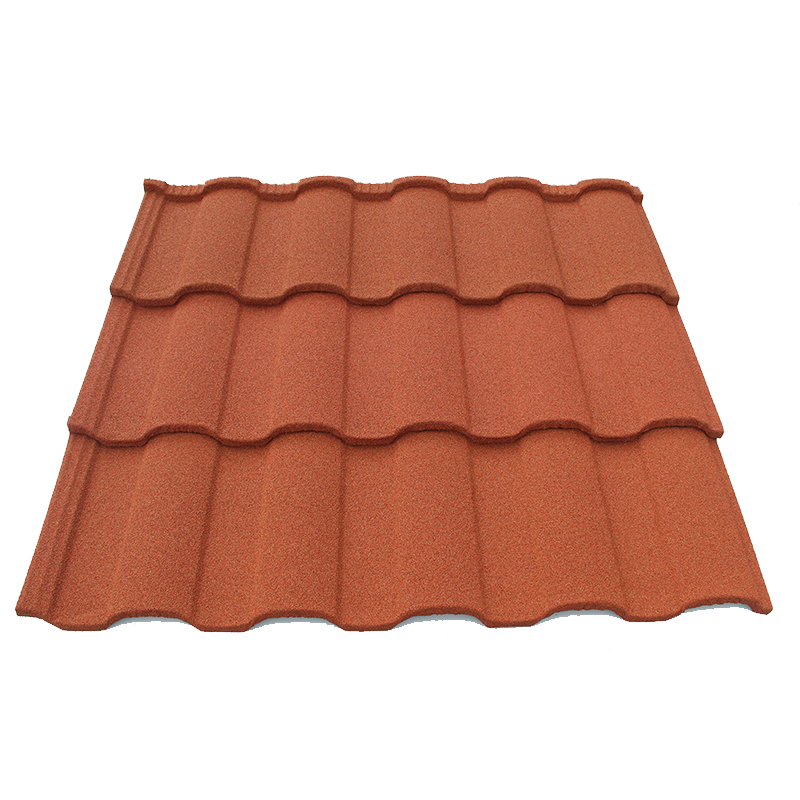
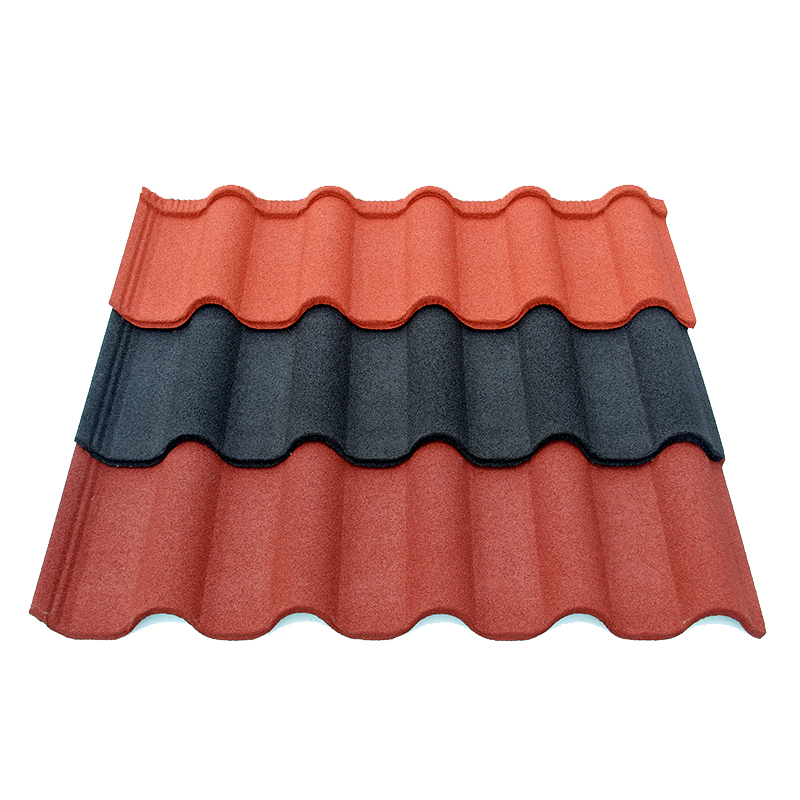
In profiles like Roman Tile, contractors can achieve a traditional clay-like appearance without the associated structural burden.
Installation Speed and Labor Efficiency
Labor availability and cost are becoming critical factors in many markets. Clay tile installation is labor-intensive, requiring careful handling, alignment, and higher installation time per square meter.
Stone coated metal roofing systems are designed for faster installation through interlocking panels and modular sizing.
This efficiency translates directly into lower labor costs and shorter project timelines.
Installation Advantages
- Larger coverage per tile
- Interlocking system reduces alignment complexity
- Lower breakage reduces rework
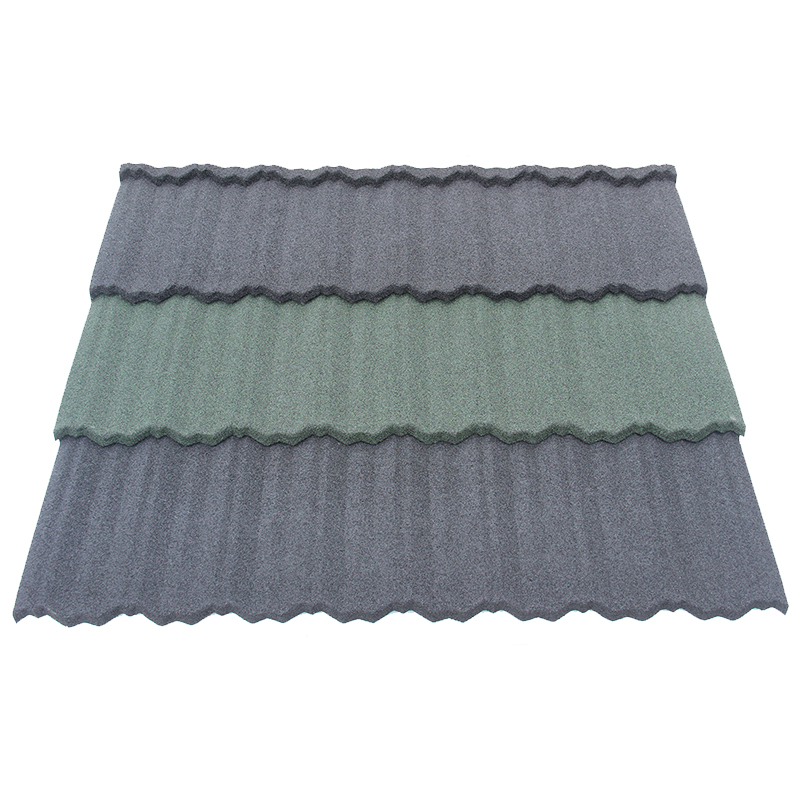
In modular systems such as Bond Tile, installers can maintain consistent spacing and alignment with less manual adjustment.
Durability and Weather Resistance
Modern construction increasingly prioritizes durability under extreme weather conditions. Clay tiles, while durable in certain environments, are more vulnerable to impact damage and can crack under stress.
Stone coated steel roofing offers improved resistance to wind uplift, impact, and temperature variation.
This makes it more suitable for regions with harsh climates.
Performance Comparison
- Better wind resistance due to mechanical fastening
- Higher impact resistance compared to brittle clay
- Improved performance under temperature fluctuations
Transportation and Logistics Efficiency
Transporting clay tiles involves higher risk of breakage and increased shipping weight, which raises logistics costs. This is particularly relevant for export-oriented projects.
Stone coated roofing panels are lighter and more durable during transport, reducing loss rates and improving cost efficiency.
This advantage becomes significant in large-scale projects.
Logistics Benefits
- Lower shipping weight per square meter
- Reduced damage during handling
- More efficient packaging and stacking
Design Flexibility and Market Preferences
While clay tiles have a traditional aesthetic appeal, modern projects often require a balance between appearance and performance. Stone coated roofing offers multiple profiles that replicate traditional styles while meeting contemporary performance standards.
This flexibility allows contractors to meet both design and functional requirements.
It also enables easier adaptation across different architectural styles.
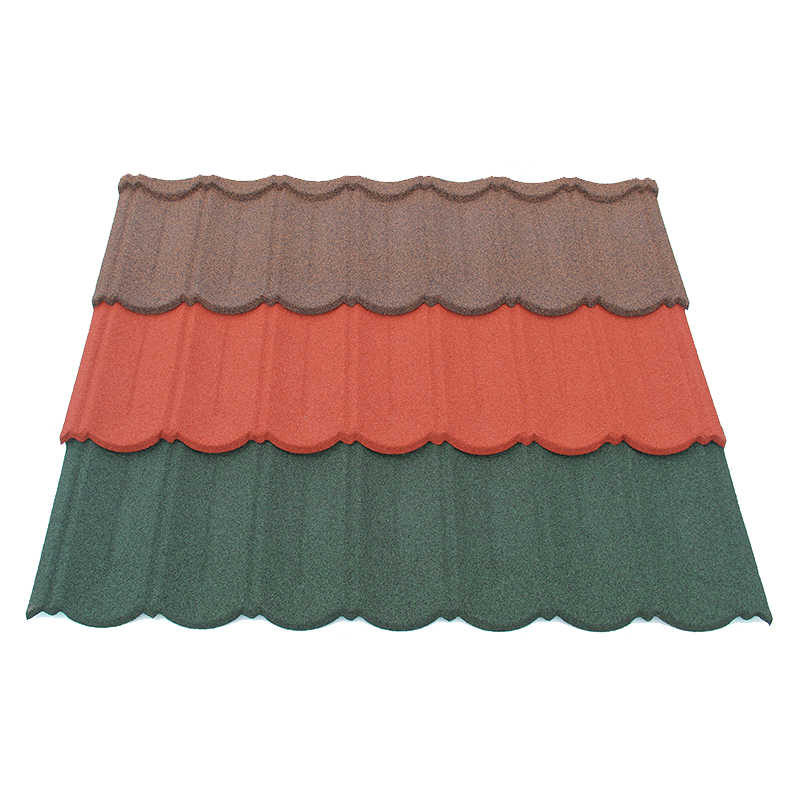
For example, Shingle Tile provides a cleaner, more contemporary look compared to traditional clay systems, while still maintaining a textured finish.
Maintenance and Lifecycle Considerations
Maintenance requirements play a growing role in material selection, especially for long-term property ownership or investment projects. Clay tiles can require replacement of broken pieces and periodic inspection.
Stone coated steel roofing systems generally require less maintenance due to their durability and resistance to environmental damage.
This reduces lifecycle costs over time.
Maintenance Comparison
- Clay: higher risk of breakage and replacement
- Steel: lower maintenance frequency
- Steel: more consistent long-term performance
In premium applications such as Milano Tile, long-term appearance retention also contributes to reduced maintenance expectations.
Common Concerns When Switching from Clay to Steel
Despite the advantages, some contractors and buyers still have concerns when transitioning to stone coated roofing. These concerns are often based on outdated assumptions or lack of familiarity with modern systems.
Typical Concerns
- Perceived difference in aesthetic authenticity
- Questions about long-term durability
- Installation learning curve for new systems
In practice, most of these concerns can be addressed through proper product selection and installer training.
Why the Shift Is Accelerating in 2026
The shift from clay to stone coated steel roofing is accelerating due to a combination of economic, technical, and market-driven factors. Rising labor costs, stricter building standards, and increased demand for durable materials are all contributing to this trend.
At the same time, improvements in manufacturing quality have made stone coated roofing more reliable and widely accepted.
Manufacturers such as JCROOF have contributed to this shift by offering systems that balance performance, cost efficiency, and design flexibility.
Practical Advice for Contractors and Buyers
For contractors considering the transition, it is important to evaluate not just the material, but the entire roofing system—including installation methods, accessories, and supplier support.
Proper planning ensures a smooth transition and maximizes the benefits of stone coated roofing.
Training and familiarity with the system are also key factors.
Recommended Approach
- Start with pilot projects to gain experience
- Work with suppliers that provide technical support
- Evaluate total project cost, not just material price
- Align product choice with project requirements
Conclusion: A Structural and Economic Shift
The move from clay tiles to stone coated roofing is not just a trend—it reflects a broader shift in how construction projects are evaluated and executed. Contractors are prioritizing efficiency, durability, and predictable costs, all of which favor stone coated steel roofing systems.
For B2B buyers and suppliers, adapting to this shift is essential for staying competitive in a rapidly evolving market.