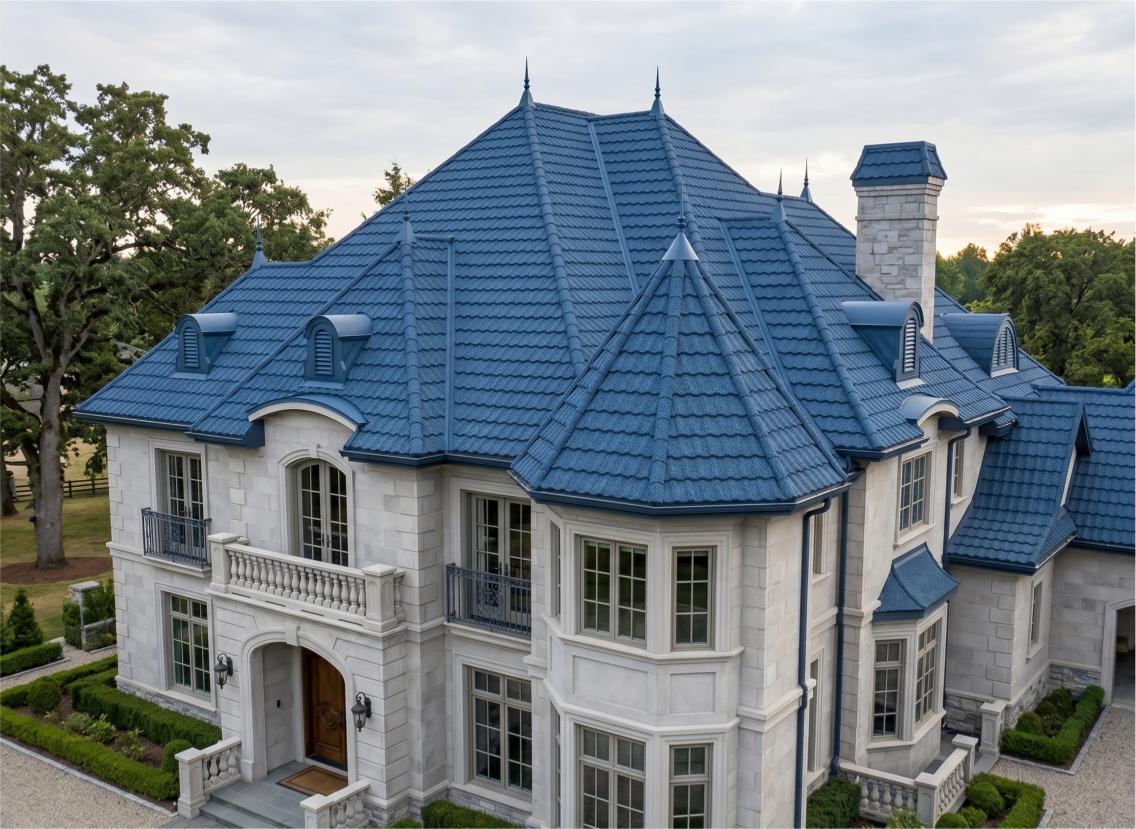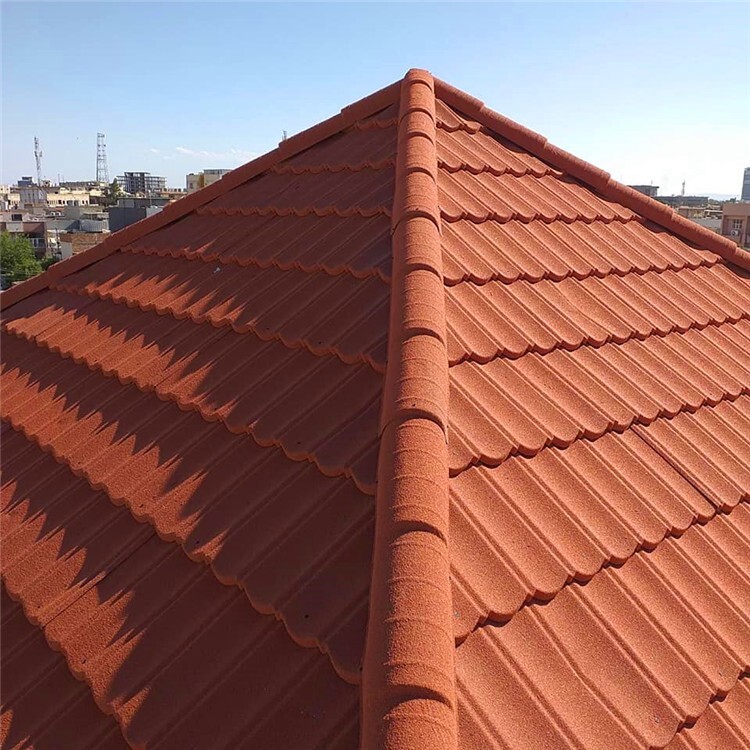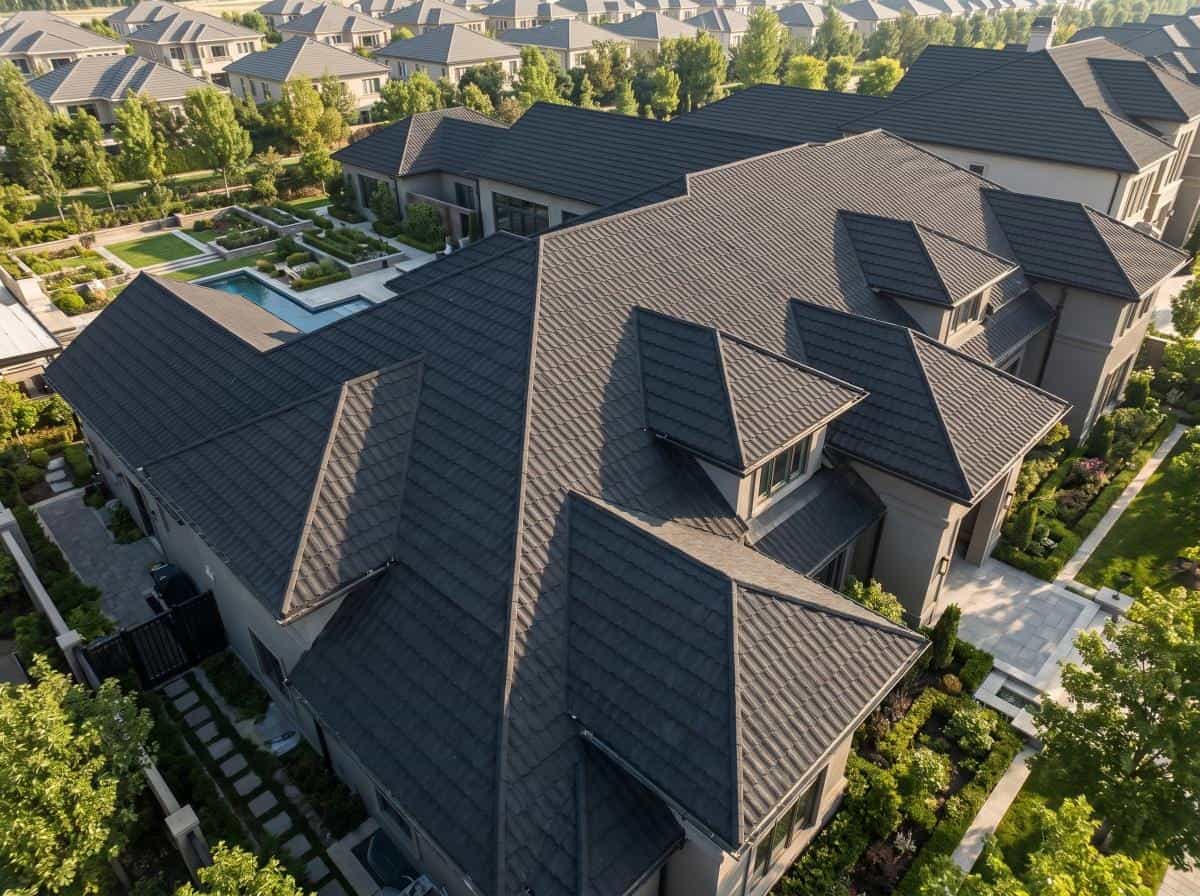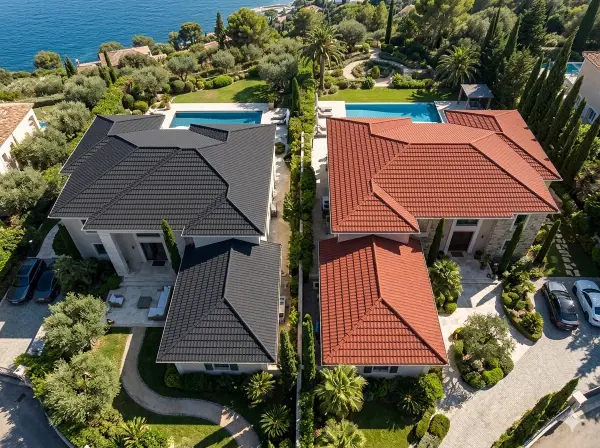

Color durability is one of the most critical performance factors in stone coated roofing (stone coated steel roofing), especially for projects exposed to intense sunlight, coastal environments, or long-term weathering. Buyers often ask why some roofs maintain their color for decades while others fade unevenly within a few years.
The answer lies in the manufacturing process—specifically, whether the stone granules are ceramic sintered at high temperatures (around 800°C or higher). This process fundamentally changes how color is formed and bonded, making it far more stable than surface-level coatings.
For contractors, distributors, and procurement teams, understanding this “800°C difference” is essential when evaluating stone coated metal roofing quality and long-term appearance performance.
What Is Ceramic Sintering and Why It Matters
Ceramic sintering is a high-temperature process where mineral granules are heated to extreme temperatures, typically around 800°C or more, to permanently fuse pigments into the structure of the stone. Unlike surface painting, the color becomes part of the material itself.
This means the color is not simply sitting on top—it is embedded within the granule at a molecular level.
As a result, sintered granules resist fading, UV degradation, and weather-related discoloration far better than coated alternatives.
Key Characteristics of Sintered Granules
- Color integrated into the material, not applied on the surface
- High resistance to UV radiation
- Stable under extreme temperature changes
The 800°C Difference vs Conventional Coating Methods
Not all stone coated roofing uses ceramic sintering. Lower-quality products often rely on painted or dyed granules, where color is applied externally rather than fused into the material.
This difference becomes visible over time, especially in harsh environments.
At a glance, both options may look similar when new—but their long-term performance diverges significantly.
Comparison of Color Formation Methods
| Method | Color Stability | UV Resistance | Long-Term Appearance |
|---|---|---|---|
| Ceramic Sintering (~800°C) | Excellent | High | Consistent over time |
| Surface Coating / Painting | Moderate to Low | Limited | Prone to fading and patchiness |
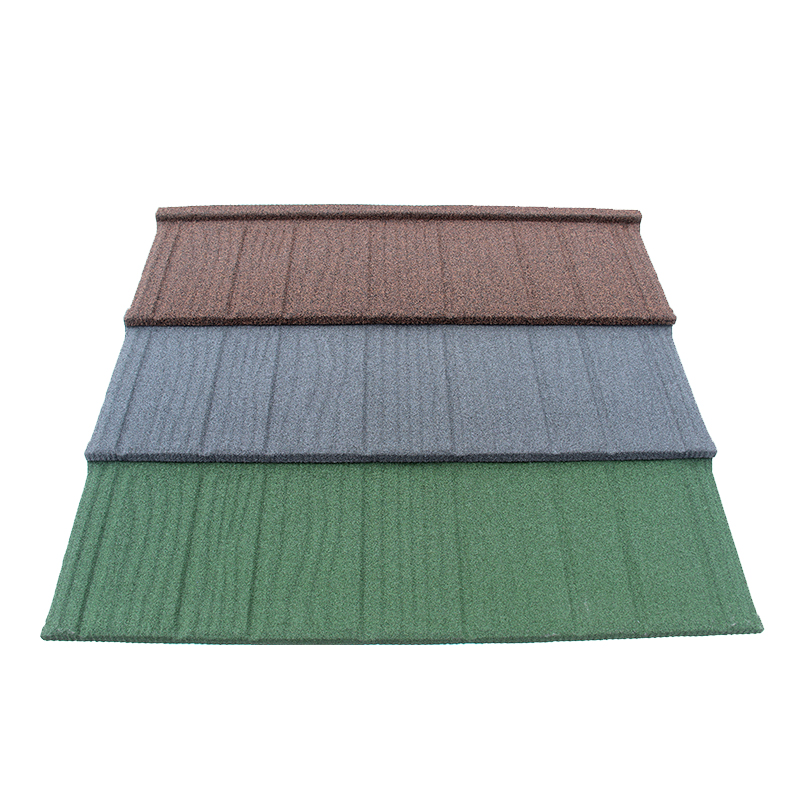
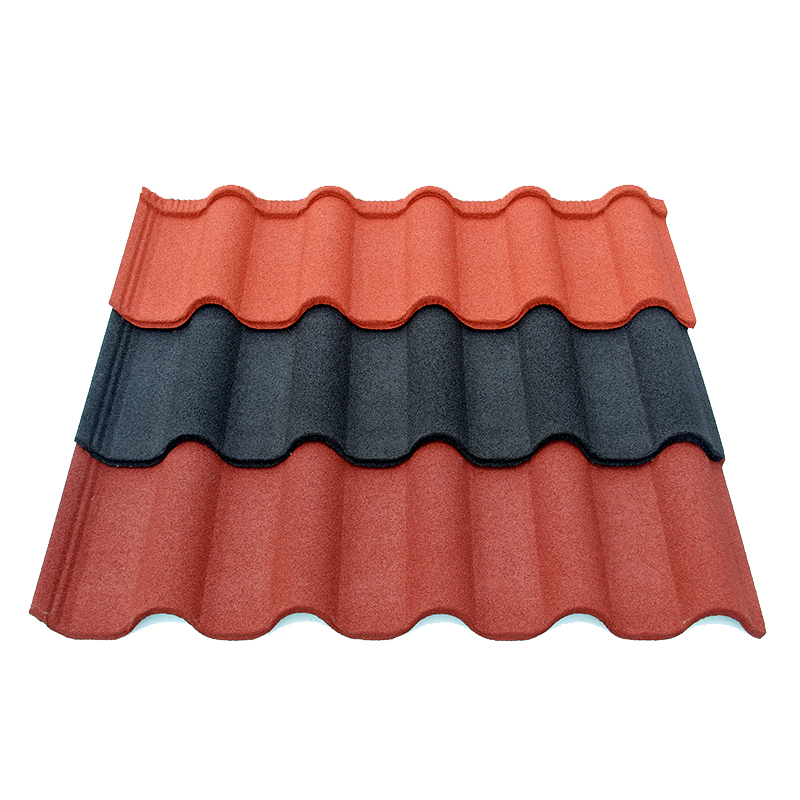
In profiles like Bond Tile, where surface texture is highly visible, maintaining consistent color over time is particularly important for overall roof appearance.
How Sintered Granules Improve Long-Term Performance
The benefits of ceramic sintering extend beyond color retention. Because the granules are more stable, they also contribute to overall coating durability and surface protection.
This directly impacts how the roof performs under real-world conditions such as UV exposure, rain, and temperature fluctuations.
For long-term projects, this is a key differentiator.
Performance Advantages
- Reduced fading over decades
- Better resistance to chalking and discoloration
- Improved surface durability under weather exposure
Does Sintering Affect All Roof Profiles Equally?
Yes, the sintering process applies to the granules themselves, regardless of the roofing profile. However, its visual impact can vary depending on the design.
Profiles with more depth and shadow lines tend to show color variation more clearly over time if fading occurs.
This makes high-quality granules even more important for certain designs.
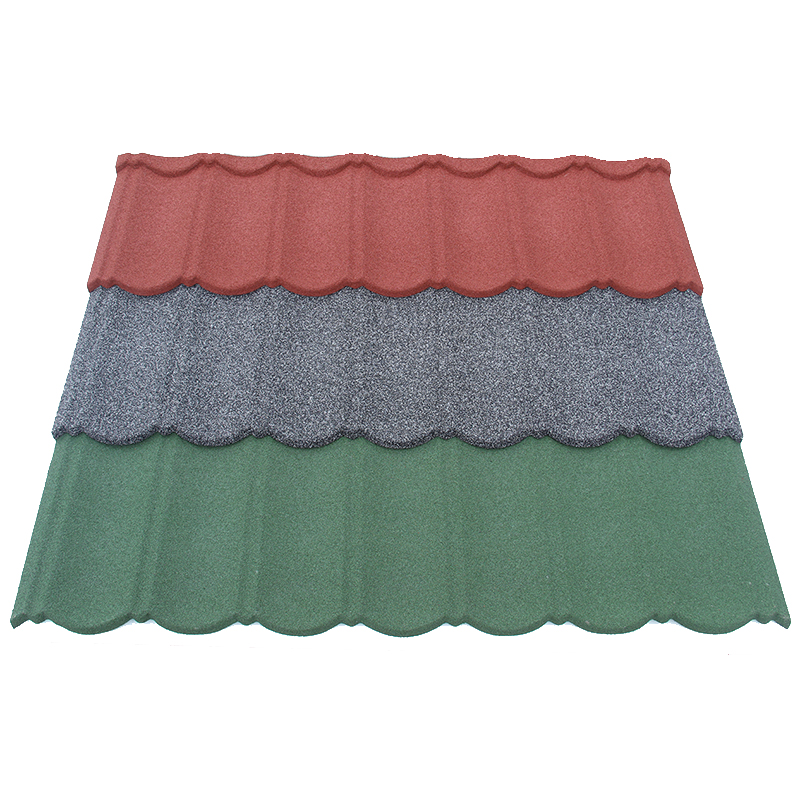
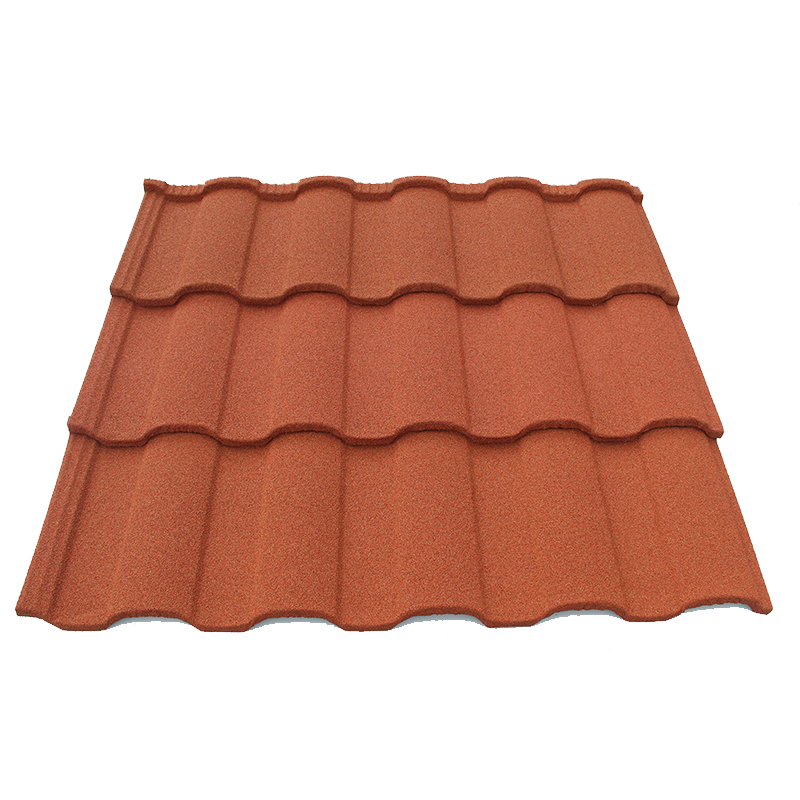
For example, in curved systems like Roman Tile, uneven fading becomes more noticeable due to light reflection across different angles.
How to Identify Sintered vs Non-Sintered Granules
From a buyer’s perspective, distinguishing between sintered and non-sintered products is not always straightforward, especially when evaluating samples.
However, there are practical ways to assess quality.
Documentation and supplier transparency are key.
Evaluation Methods
- Request technical data on granule production process
- Check UV resistance and color retention test reports
- Review long-term project references
- Observe sample consistency under strong light
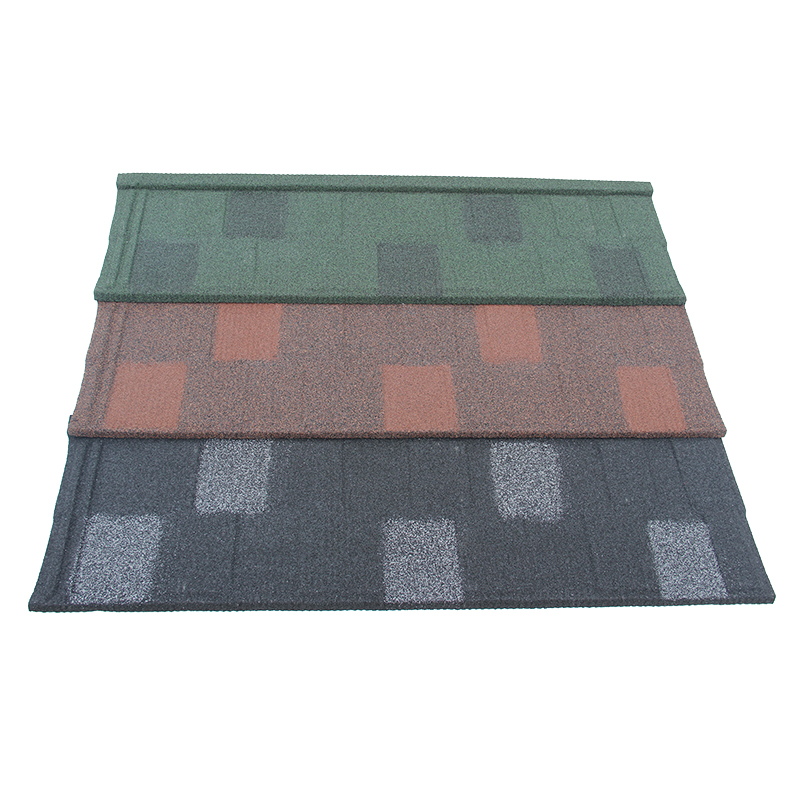
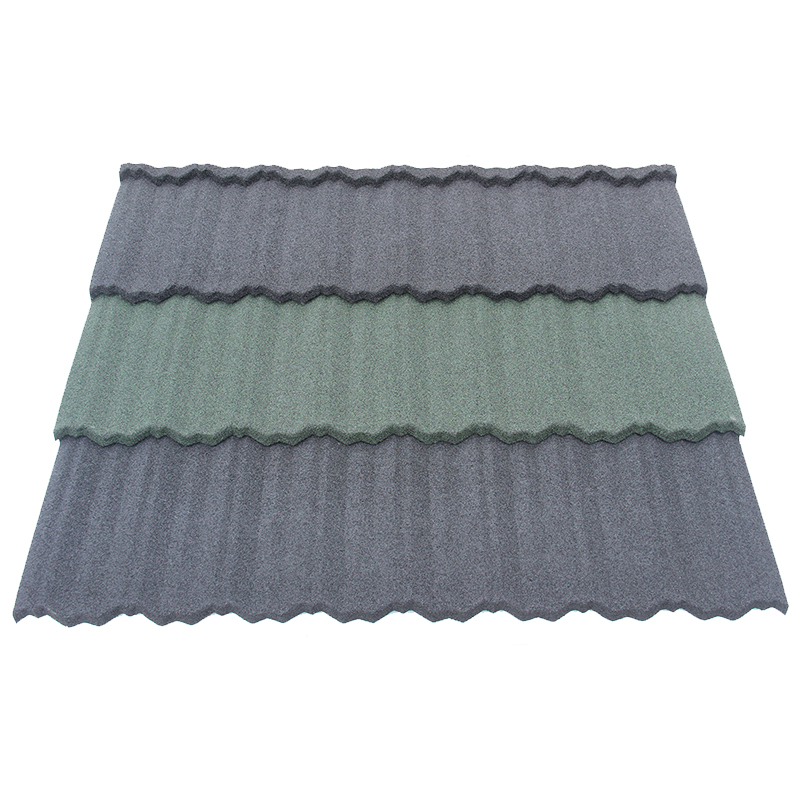
In flatter designs such as Shingle Tile, color uniformity is easier to assess visually, making inconsistencies more noticeable during inspection.
Common Misconceptions About Color Fading
There are several misunderstandings in the market regarding why stone coated roofing changes appearance over time.
“All Stone Coated Roofs Fade the Same Way”
In reality, fading varies significantly depending on whether ceramic sintering is used.
“Color Loss Is Only Due to Weather”
Manufacturing quality plays a major role in how well the color withstands environmental exposure.
“Thicker Coating Means Better Color Retention”
Thickness does not compensate for poor granule quality or lack of sintering.
Why This Matters for Buyers and Long-Term Projects
From a procurement standpoint, color stability is not just an aesthetic issue—it affects perceived quality, brand reputation, and maintenance expectations.
Uneven fading can lead to customer complaints, especially in large-scale residential or commercial projects.
Choosing stone coated roofing with sintered granules helps mitigate these risks.
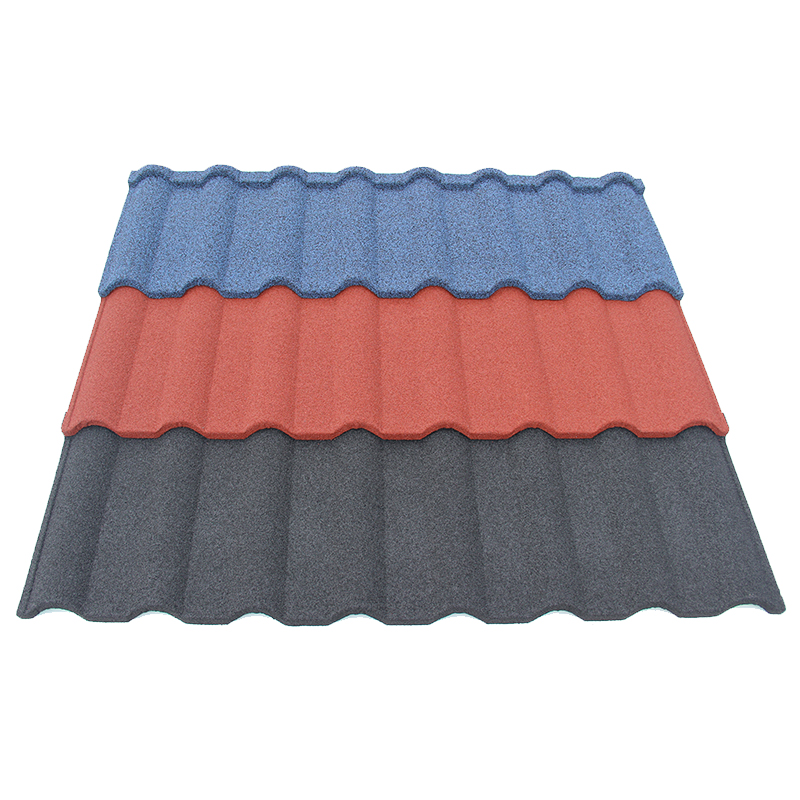
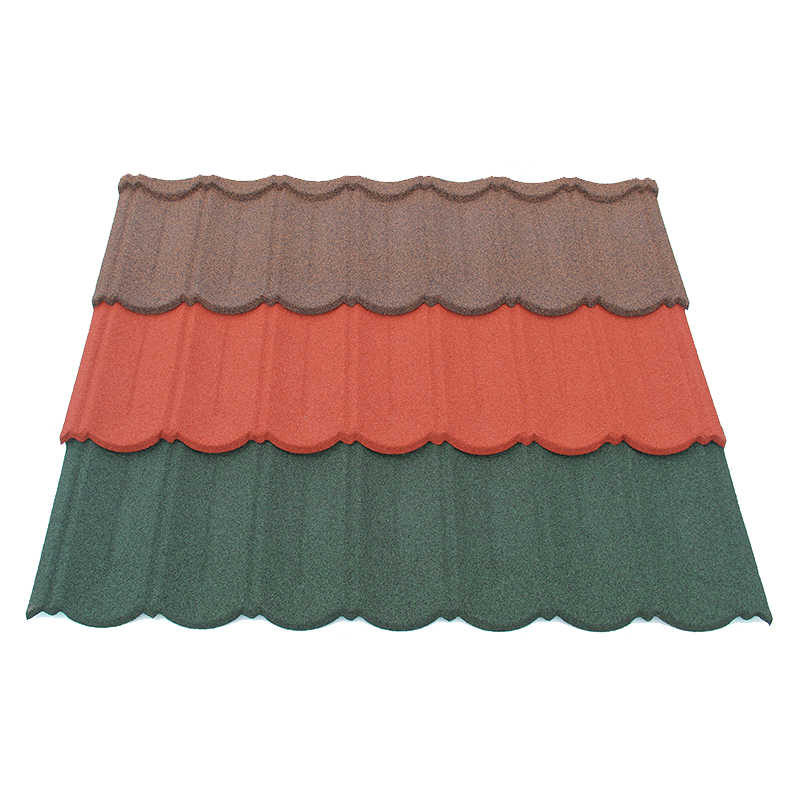
In premium profiles like Milano Tile, where visual consistency is a key selling point, long-term color performance becomes even more critical.
Practical Advice for Selecting High-Quality Products
For contractors and distributors, verifying the use of ceramic sintering should be part of the supplier evaluation process. It is one of the most reliable indicators of long-term surface performance.
While it may increase upfront cost slightly, it reduces the risk of premature aging and customer dissatisfaction.
Manufacturers such as JCROOF typically emphasize granule quality and processing methods as part of their overall system performance.
Recommended Approach
- Confirm sintering process in technical specifications
- Request UV and weathering test data
- Evaluate long-term project case studies
- Avoid selecting products based solely on initial appearance
Conclusion: Why the 800°C Process Makes a Difference
The “800°C difference” is not just a technical detail—it is a defining factor in how stone coated roofing performs over time. Ceramic sintering ensures that color is embedded within the granules, providing superior resistance to fading and environmental degradation.
For buyers focused on durability, consistency, and long-term value, understanding this process is essential when selecting stone coated steel roofing systems. It is one of the clearest indicators of whether a product will maintain its appearance for years—or begin to show wear far sooner than expected.