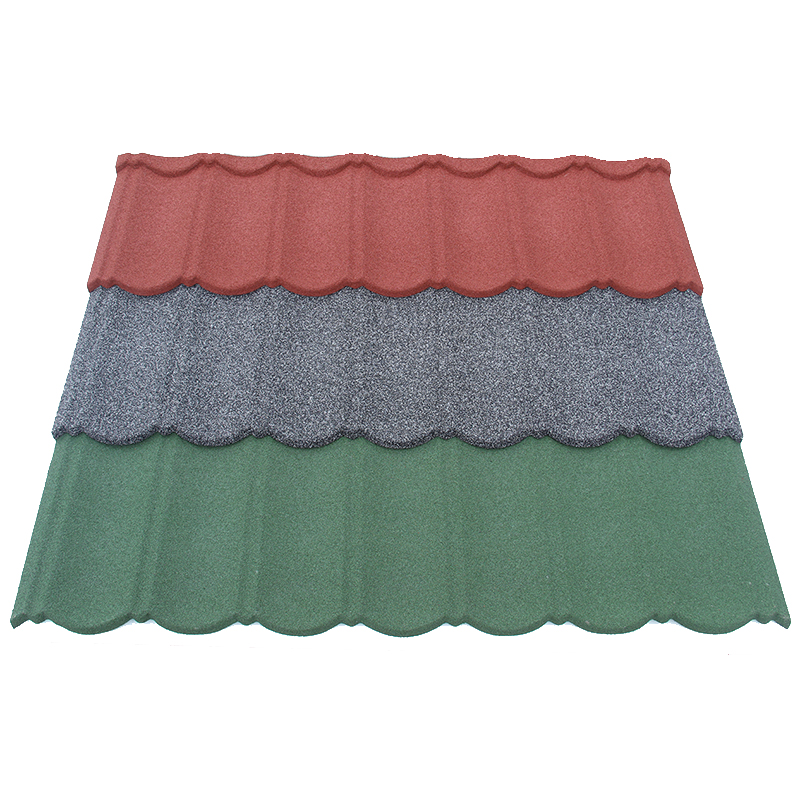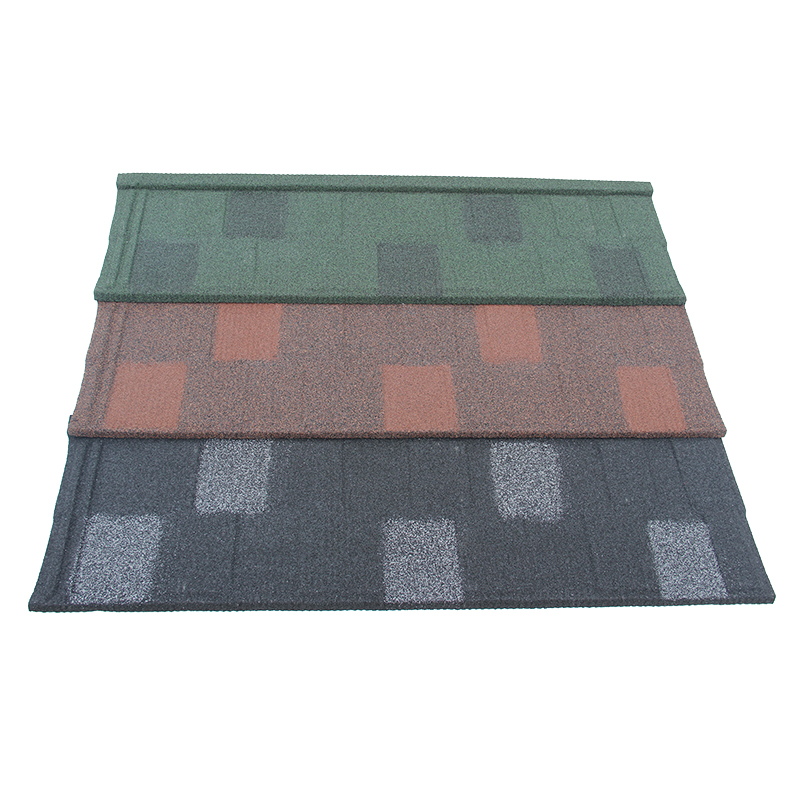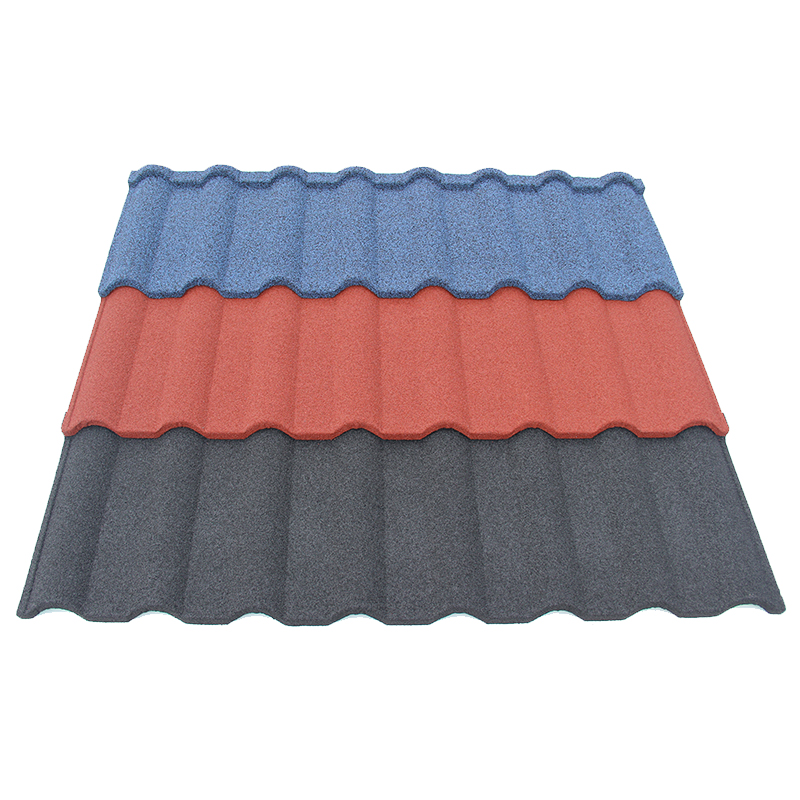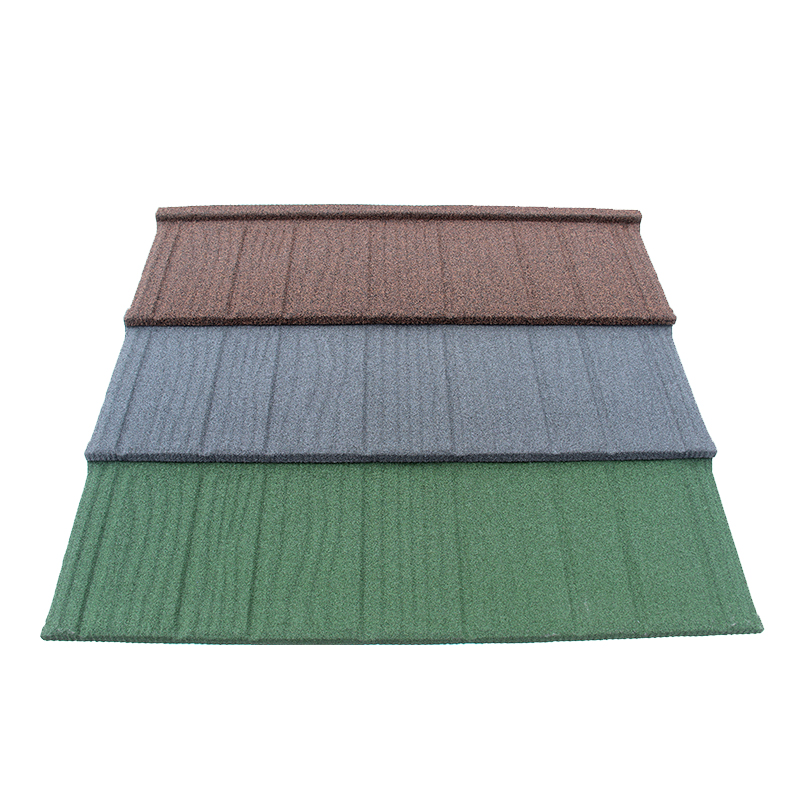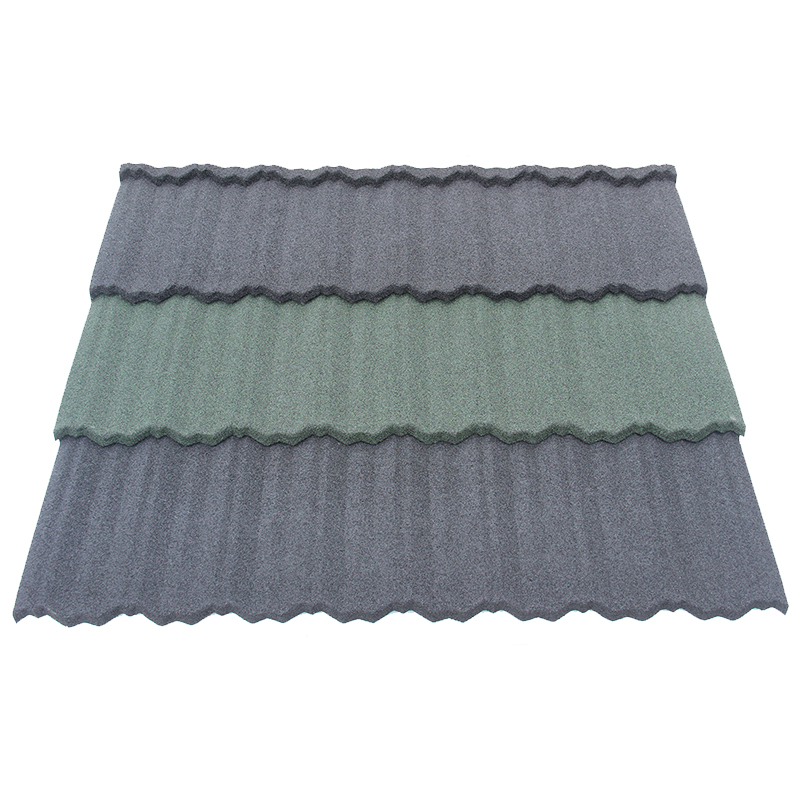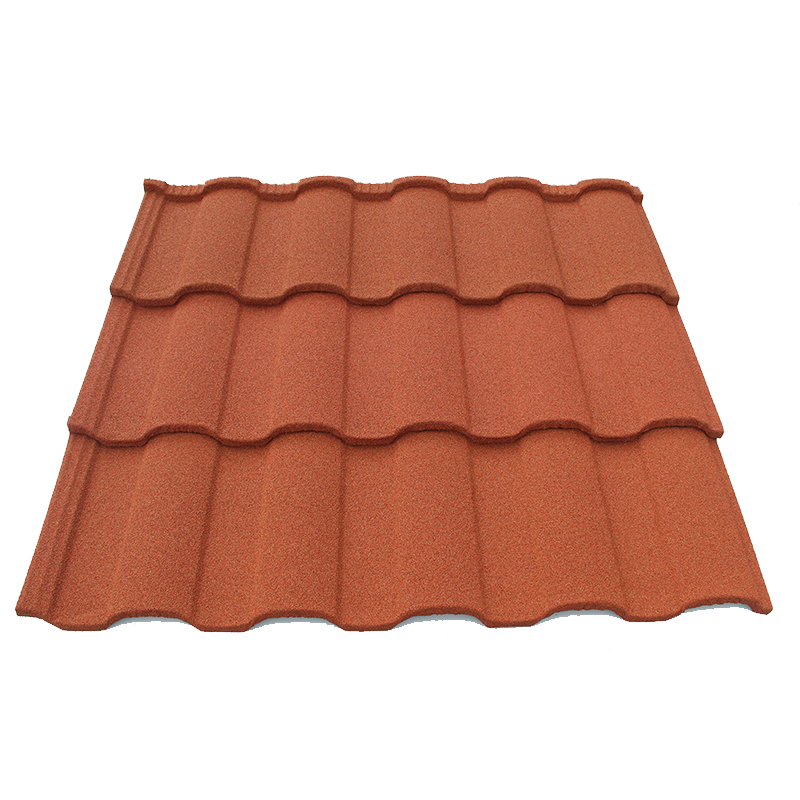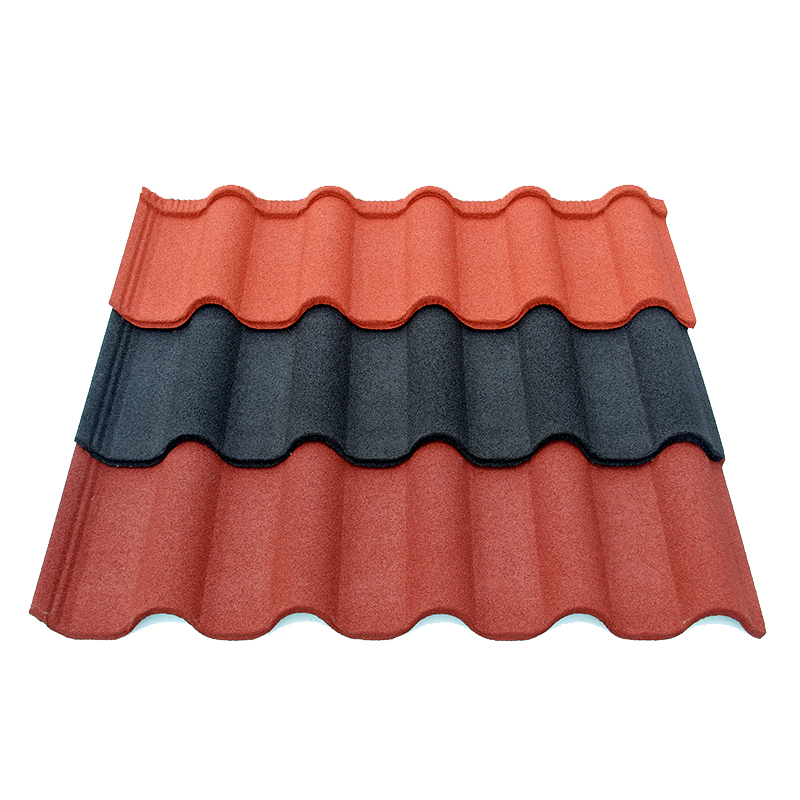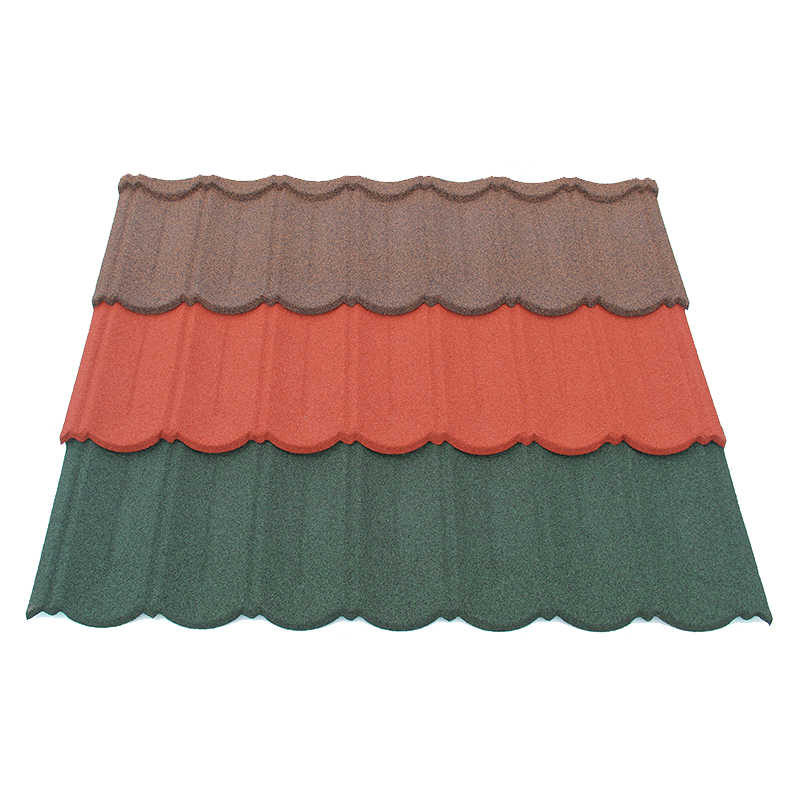


A stone coated roofing tile SRI, or Solar Reflective Index, rating tells you far more about its real-world heat performance than the color name on a sample card. Distributors get asked constantly whether dark tiles cost customers more in cooling bills. The honest answer needs actual numbers, not a general rule about light versus dark.
This guide breaks down what actually determines a tile’s heat performance, how to read the technical ratings suppliers provide, and how to advise customers who want a specific look without sacrificing performance in a hot climate. It also covers a practical middle ground for customers who prefer darker colors but still care about cooling costs.
How Roof Color Affects Heat Absorption
Dark surfaces absorb more of the sun’s energy and convert it to heat. Light surfaces reflect more of that energy back into the atmosphere. This basic physics applies to any roofing material, stone coated tiles included.
The effect is measurable, not just anecdotal. Roof surface temperatures can differ by 30 to 50 degrees Fahrenheit between a dark and a light-colored product under the same sun exposure. That temperature difference transfers into the building below, which is why cooling costs shift noticeably based on roof color in hot climates. Over a full cooling season, this can translate into a meaningful percentage difference in air conditioning energy use, particularly in buildings with limited attic insulation or ventilation.
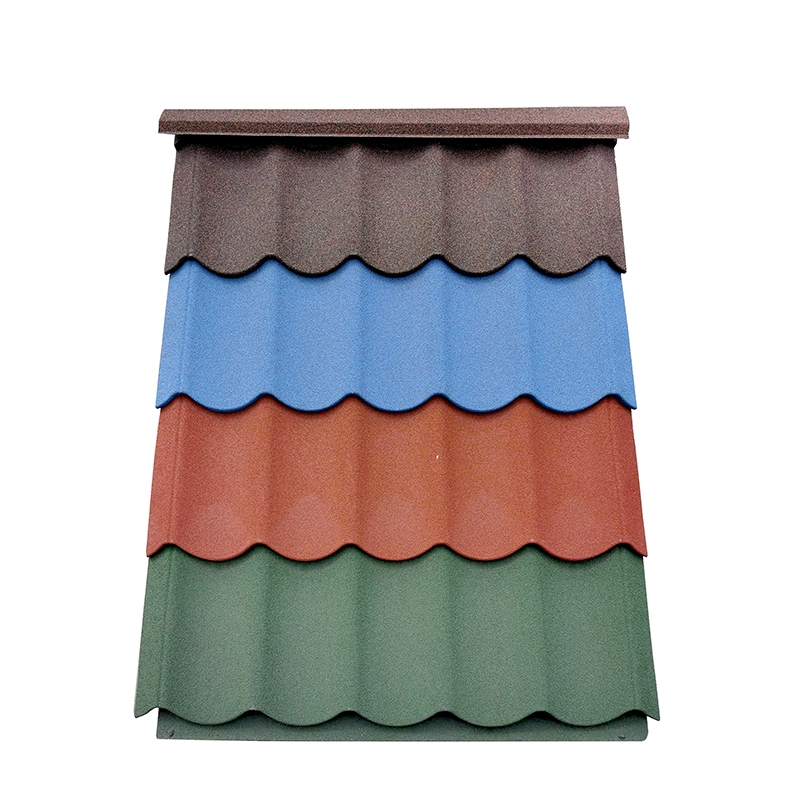
But color name alone doesn’t tell the full story. Two “dark gray” tiles from different suppliers can perform very differently depending on the pigment technology behind the coating. That’s exactly why checking a stone coated roofing tile SRI rating matters more than trusting a color swatch alone.
Roof orientation and slope also affect how much heat a color difference actually delivers in practice. A steeply pitched roof facing away from direct sun exposure absorbs less total solar energy than a shallow roof facing straight into it, regardless of color. This is worth mentioning to customers who assume color alone determines the outcome, since it sets realistic expectations about how much difference a color change will actually make on their specific building.
Understanding Solar Reflective Index (SRI) and What the Numbers Mean
Solar Reflective Index (SRI): a single number that combines a roofing material’s solar reflectance and thermal emittance into one score, measuring its ability to stay cool under sunlight.
The scale runs from 0 to 100. A standard black roofing material sits at 0. A standard white material sits at 100. Materials that run especially hot can score below 0, and highly reflective materials can score above 100. The Cool Roof Rating Council (CRRC) maintains the independent testing and directory system most manufacturers reference for these ratings.
A few reference points help put the scale in context:
- Below 20: Typical for standard dark roofing colors with no reflective treatment.
- 20 to 40: A moderate improvement, often achieved through basic reflective pigments.
- Above 40: Considered a strong performer, common among purpose-built cool roof colors.
The two components behind this single number matter individually too. Solar reflectance measures how much sunlight the surface bounces away, expressed as a value between 0 and 1. Thermal emittance measures how efficiently the surface releases absorbed heat back into the air rather than trapping it. A material can score reasonably on one and poorly on the other, so the combined SRI figure gives a more complete picture than either measurement alone.
CRRC also publishes both an initial SRI value and a three-year aged value, since dirt and weathering reduce reflectance over time. Ask your supplier for the aged value whenever possible, since it reflects real long-term performance rather than a freshly manufactured sample.
For context, CRRC data shows that tile roofing products as a category can range anywhere from an SRI in the single digits up into the 90s once aged three years, depending heavily on color and coating technology. That wide range is exactly why asking for a specific number matters more than trusting a general material category.
Matching Roof Color to Climate: A Practical Framework
Not every market needs the highest stone coated roofing tile SRI rating available. Matching the recommendation to actual climate conditions keeps the advice useful rather than generic.
| Climate type | Heat exposure | Color recommendation |
|---|---|---|
| Hot, arid (e.g. Gulf region, North Africa) | Very high | Light to medium tones, or dark tones with infrared-reflective pigment |
| Hot, humid tropical (e.g. Southeast Asia) | High | Light to medium tones preferred; ventilation also plays a major role |
| Mediterranean / temperate | Moderate | Flexible; both light and dark perform reasonably well |
| Cooler, four-season climates | Low to moderate | Darker tones acceptable; winter heat retention offers some offset |
Use this table as a conversation starter with customers, not a rigid rule. Building orientation, insulation quality, and roof ventilation all affect the final outcome as much as tile color does.
For distributors quoting into multiple regions, it’s worth keeping a simple note on file for each recurring market: typical climate classification, common local building code requirements around reflectance, and which of your color options tend to perform best there. This turns a one-off recommendation into a repeatable part of your sales process.
When Customers Want Dark Colors Anyway — Infrared-Reflective Coating as a Middle Ground
Dark roof tiles remain popular in many export markets, especially where Mediterranean and traditional European styles influence local taste. Telling a customer to switch to a lighter color purely for energy savings often isn’t a realistic conversation.
This is where infrared-reflective pigment technology matters. These pigments are engineered to reflect the infrared portion of sunlight, the part responsible for most of the heat, while still absorbing visible light normally. The result is a tile that looks dark to the eye but performs meaningfully better than a standard dark coating under a solar reflectance test.
Q: Can a dark tile ever match a light tile’s performance? A: Not exactly, but the gap narrows significantly with infrared-reflective pigments. A standard dark tile might score below 10 on the SRI scale, while an infrared-reflective dark tile in a similar shade can reach into the 20s or higher.
Q: Is this technology available across all colors? A: Not universally. Ask your supplier specifically which colors in their range use infrared-reflective pigment, since it typically applies to select shades rather than the entire catalog.
This gives you a genuine middle-ground recommendation, rather than forcing a choice between aesthetics and performance.
This matters most in markets where building codes are starting to reference reflectance requirements, even outside the United States. As more countries adopt green building standards influenced by programs like LEED, having a documented reflective color option ready gives you an answer before a customer’s architect or regulator asks the question.
Questions to Ask Your Supplier About Reflective Performance
Before making a color recommendation to a customer in a hot climate, confirm these details directly with your supplier. This builds on the broader due-diligence approach in our buyer’s checklist for stone coated roofing tiles.
- Does this color have a published stone coated roofing tile SRI value, and is it the initial or three-year aged figure?
- Which colors in the range use infrared-reflective pigment technology?
- Is the product listed in the CRRC Rated Roof Products Directory?
- How does the coating’s reflectance compare to a standard dark tile of the same color family?
Suppliers who can answer with specific numbers and documentation are giving you something real to bring back to your customer, rather than a general assurance that “our colors perform well.” A supplier without any published SRI data at all isn’t necessarily using an inferior product, but it does mean you’re recommending a color based on assumption rather than evidence, which is a harder position to defend if a customer later compares your quote against a competitor citing real numbers.
Putting Color Recommendations Into Your Sales Conversation
Framing this conversation around data, rather than a blanket rule about light versus dark, builds more trust with customers making a real investment decision. Show the climate table, explain what a stone coated roofing tile SRI rating actually measures, and offer the infrared-reflective option where the customer’s preferred color allows it.
This approach works across profiles. Whether a customer is drawn to the textured look of the Shake Tile or the classic silhouette of the Roman Tile, the same reflectance questions apply regardless of which profile they choose.
JCROOF offers color options across its tile range suited to a variety of climate conditions, and its project gallery includes completed installations across hot and temperate markets alike.
A Quick Way to Think About Color and Climate
None of this means color choice needs to become a complicated technical negotiation with every customer. Most conversations only need three pieces of information: the project’s general climate, the customer’s color preference, and whether an infrared-reflective option exists in that shade.
Keep those three data points on hand for your most commonly quoted colors and climates, and you’ll be able to answer the “does dark cost more to cool” question with a specific, credible answer instead of a vague generalization. That specificity is often what separates a distributor customers trust from one they’re simply buying from on price.