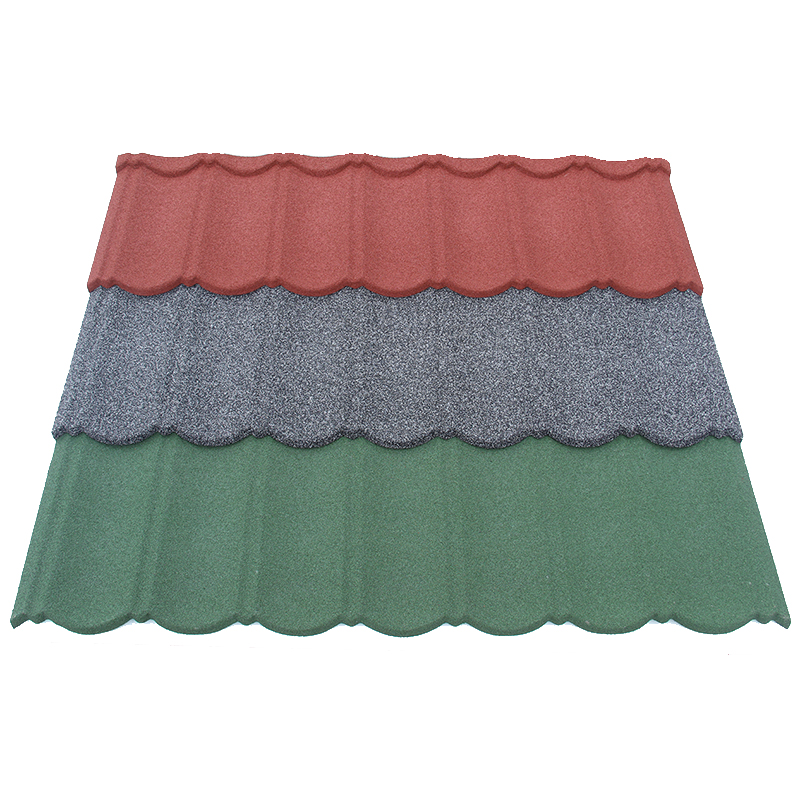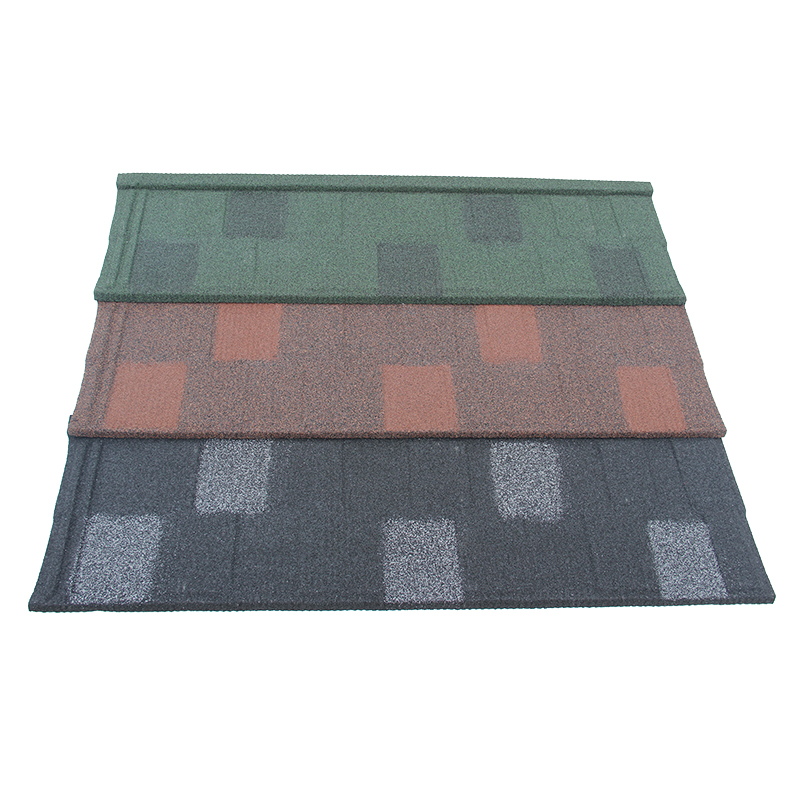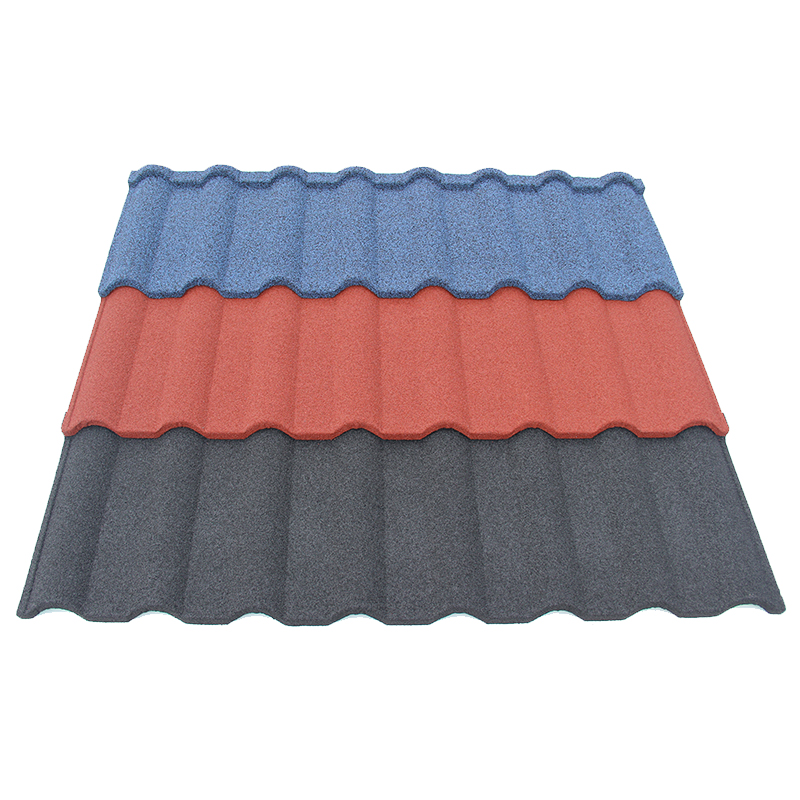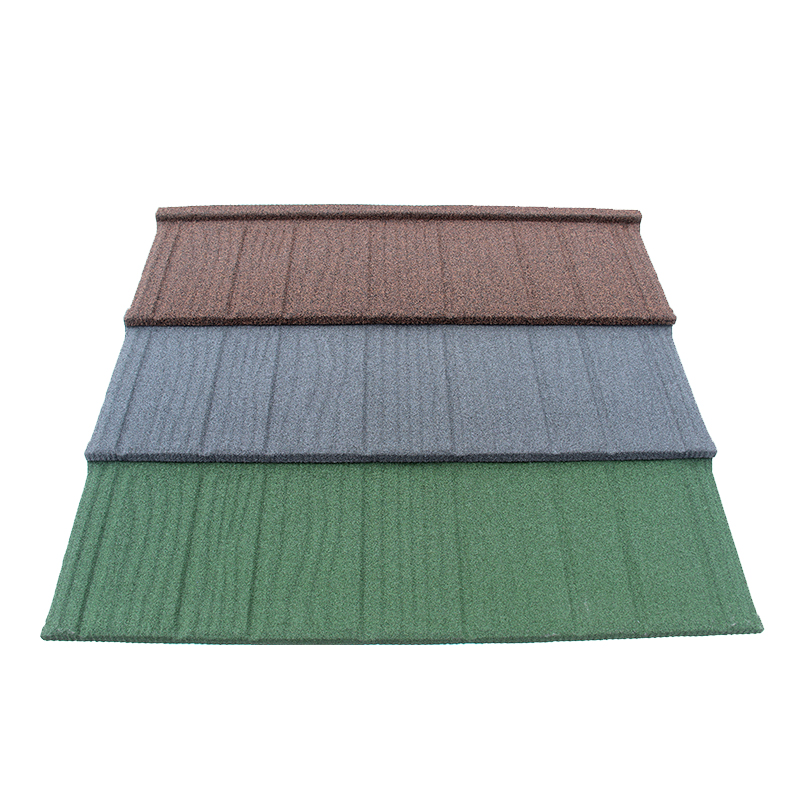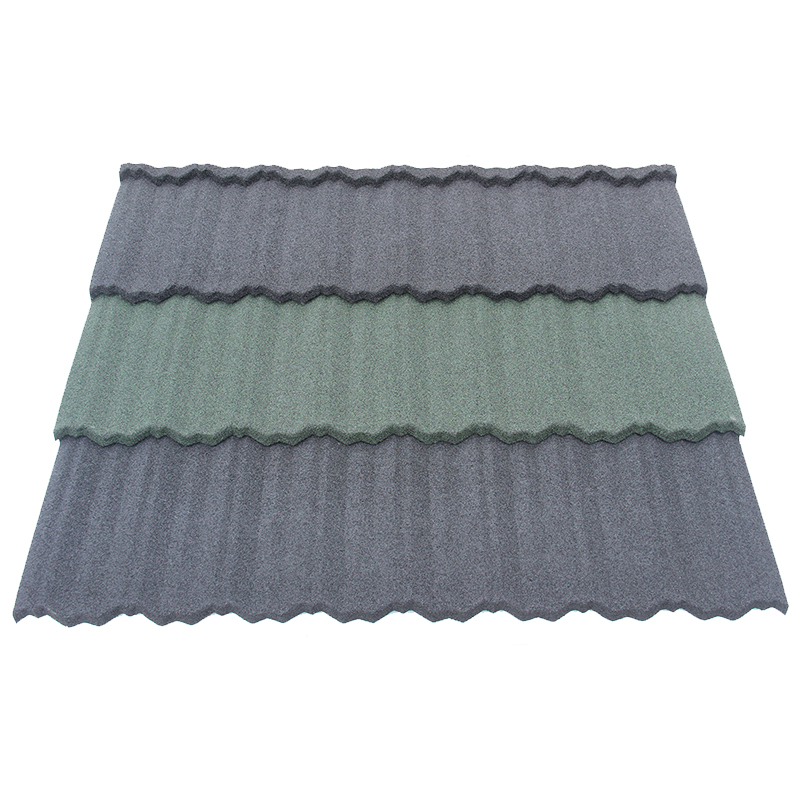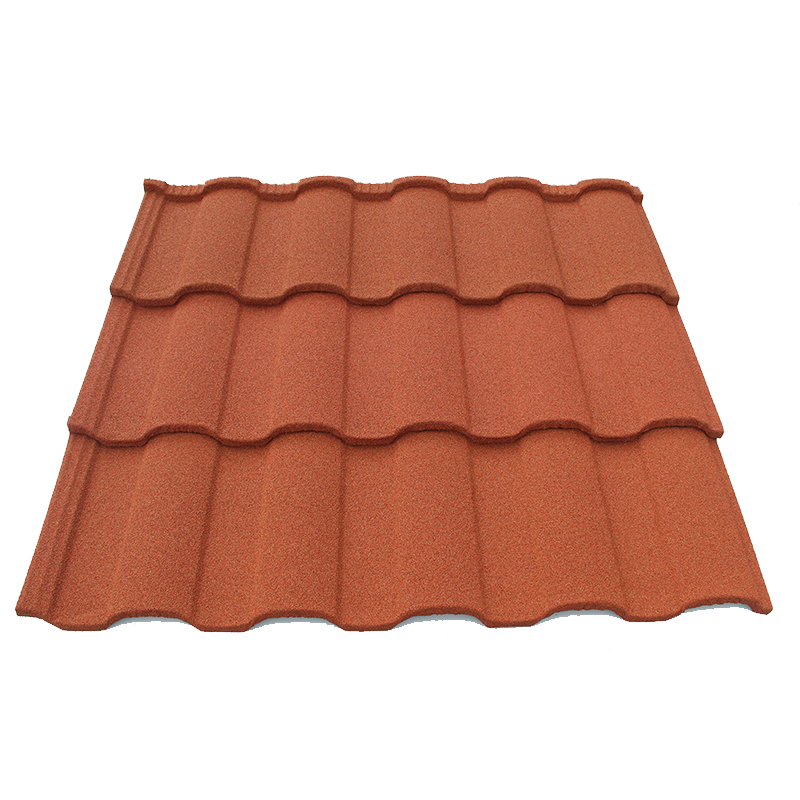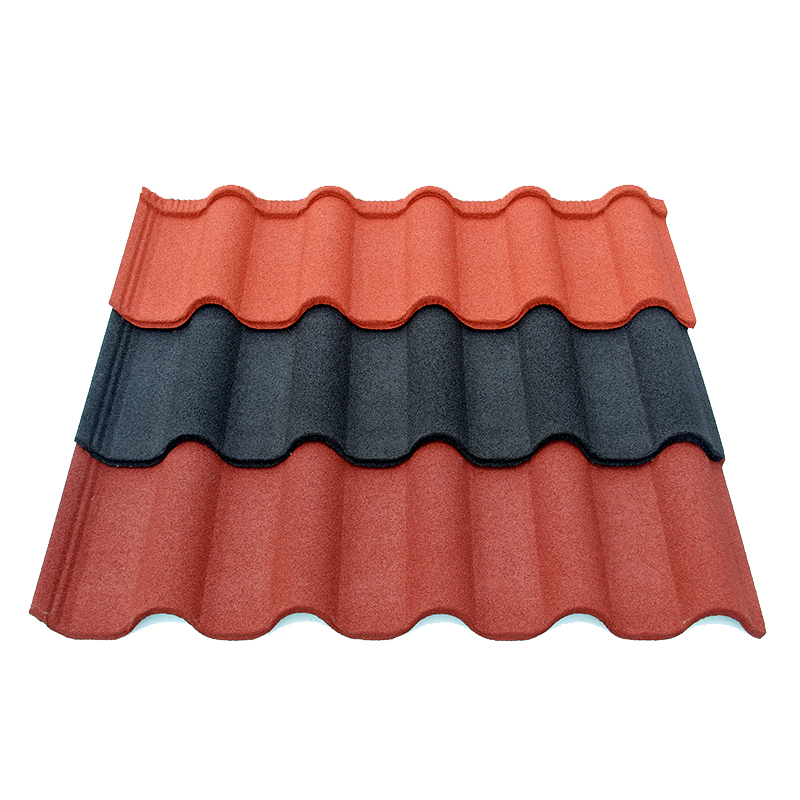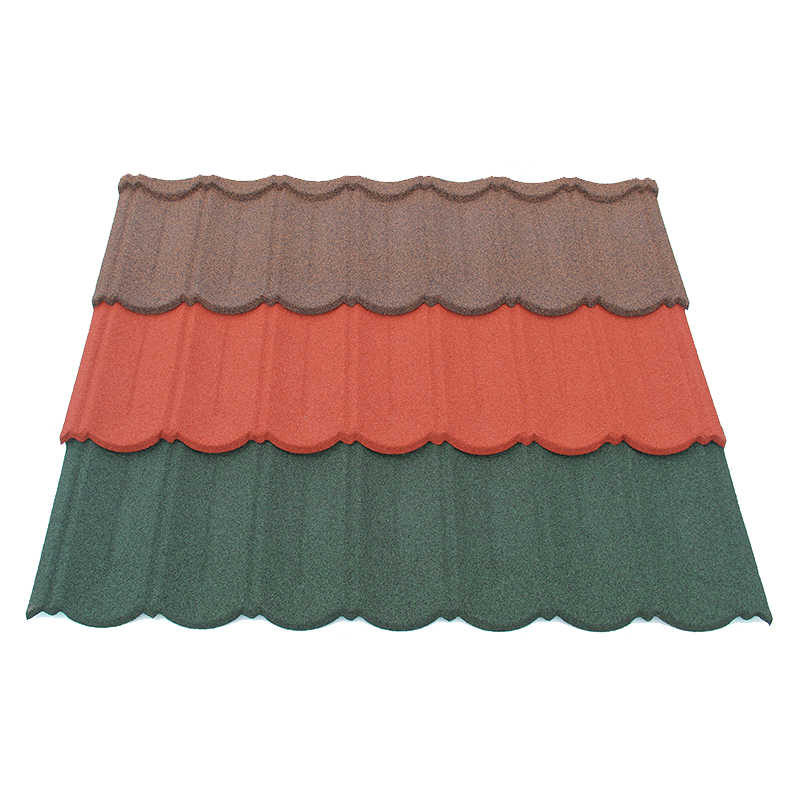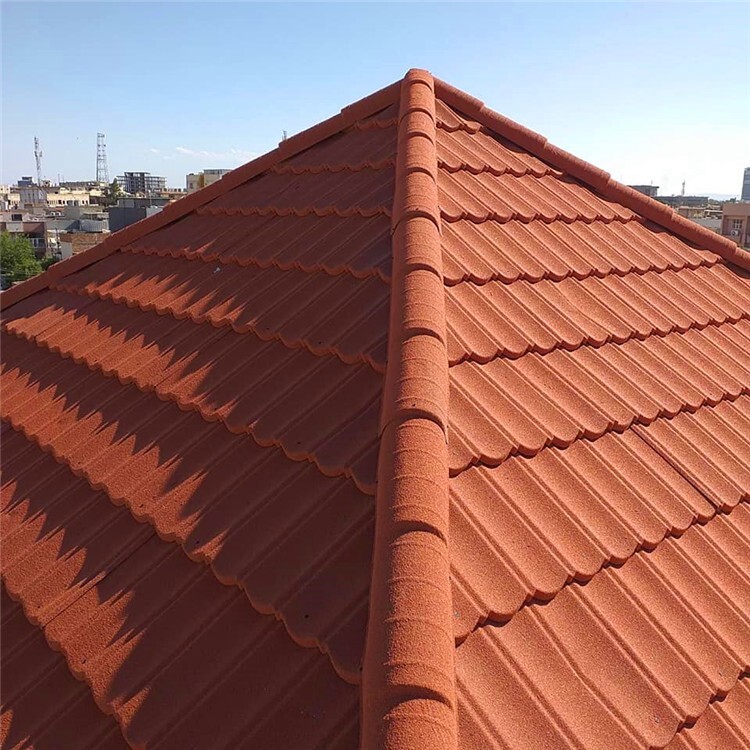

In stone coated roofing (stone coated steel roofing) projects, cost control is often focused on the main tiles, while accessories are treated as secondary items. However, experienced contractors and distributors know that accessories—ridge caps, valleys, flashing, fasteners, and underlayment—can significantly impact both total project cost and installation efficiency.
Choosing a one-stop procurement approach, where all components are sourced together as a complete system, is becoming a standard strategy in 2026. This approach not only simplifies logistics but also delivers measurable cost savings and reduces project risks.
For B2B buyers, understanding how integrated purchasing works is essential for optimizing both budget and execution.
What Does “One-Stop Solution” Really Mean?
A one-stop solution in stone coated roofing refers to sourcing all system components from a single supplier or coordinated supply chain. This includes not only the tiles themselves but also all supporting accessories required for installation.
Instead of purchasing each component separately from different vendors, buyers receive a complete, compatible package.
This approach ensures that every part of the roofing system is designed to work together.
Typical Components Included
- Roofing tiles (various profiles)
- Ridge caps and hip caps
- Valley trays and flashing systems
- Fasteners and screws
- Underlayment and ventilation components
Direct Cost Savings Through Bulk Purchasing
One of the most immediate advantages of purchasing accessories together is cost reduction through bulk pricing. Suppliers are more likely to offer favorable pricing when multiple components are ordered as part of a complete system.
This reduces the unit cost of each accessory.
It also simplifies pricing negotiations.
Cost Advantages
- Lower per-unit price for accessories
- Reduced transaction and procurement costs
- More predictable overall project budgeting
Reduced Logistics and Shipping Costs
Shipping is a major cost factor in international and large-scale projects. When accessories are sourced from multiple suppliers, each shipment adds additional freight, handling, and coordination costs.
A one-stop solution consolidates shipments, improving container utilization and reducing logistics complexity.
This can lead to significant savings, especially in export scenarios.
Logistics Benefits
- Fewer shipments and lower freight costs
- Optimized container loading efficiency
- Simplified customs and documentation processes
For example, combining tiles like Bond Tile with matching ridge and valley components in the same shipment improves packing efficiency and reduces wasted space.
Compatibility and System Performance
Roofing systems perform best when all components are designed to work together. Mixing accessories from different suppliers can create compatibility issues that affect installation quality and long-term performance.
One-stop procurement ensures that all parts are aligned in terms of dimensions, materials, and installation methods.
This reduces the risk of on-site adjustments or failures.
System Advantages
- Consistent fit between tiles and accessories
- Reduced installation errors
- Improved weatherproofing performance
In curved profiles such as Roman Tile, precise alignment between tiles and ridge components is especially important for both aesthetics and water resistance.
Labor Cost Reduction and Installation Efficiency
Installation efficiency is directly affected by how well components fit together. When accessories are sourced separately, installers may need to modify or adapt parts on-site, increasing labor time and cost.
With a complete system, installation becomes more straightforward and predictable.
This improves productivity and reduces delays.
Efficiency Gains
- Faster installation due to standardized components
- Less need for on-site adjustments
- Reduced risk of installation errors
Inventory Management and Project Coordination
Managing multiple suppliers increases complexity in inventory tracking, delivery scheduling, and project coordination. Missing or delayed accessories can halt installation, even if tiles are already on-site.
A one-stop solution simplifies inventory management by consolidating all components under a single supply plan.
This improves project reliability.
Coordination Benefits
- Single point of contact for all components
- Synchronized delivery schedules
- Reduced risk of missing items
In modern applications using Shingle Tile, where clean lines and precise alignment are critical, having all matching accessories available on time is essential for maintaining installation quality.
Quality Consistency Across the Entire System
When components are sourced from different suppliers, quality levels may vary. This can create weak points in the roofing system, even if the main tiles are high quality.
One-stop sourcing ensures consistent quality standards across all components.
This is particularly important for long-term durability.
Quality Advantages
- Uniform material standards
- Consistent coating and finish
- Better overall system durability
Common Mistakes When Buying Accessories Separately
Many buyers underestimate the importance of accessories and attempt to reduce costs by sourcing them separately. This approach often leads to hidden expenses and operational challenges.
Typical Issues
- Mismatch in dimensions or design
- Higher cumulative shipping costs
- Installation delays due to missing components
- Inconsistent quality affecting performance
Real Cost Comparison: Separate vs One-Stop Procurement
The financial impact of procurement strategy can be illustrated through a simplified comparison.
| Factor | Separate Purchasing | One-Stop Solution |
|---|---|---|
| Material Cost | Moderate | Lower (bulk pricing) |
| Shipping Cost | High | Lower |
| Labor Cost | Higher | Lower |
| Project Risk | Higher | Lower |
In premium systems like Milano Tile, where design and performance expectations are higher, using matched accessories becomes even more important for achieving the desired result.
Why the Industry Is Moving Toward Integrated Supply
The shift toward one-stop solutions is driven by increasing project complexity, rising labor costs, and the need for greater efficiency. Contractors and developers are prioritizing reliability and predictability over fragmented sourcing strategies.
This trend is expected to continue as supply chains become more integrated.
Manufacturers such as JCROOF support this approach by offering complete roofing systems that include both tiles and accessories, helping buyers streamline procurement and reduce overall costs.
Practical Advice for Buyers and Contractors
Adopting a one-stop procurement strategy requires planning and coordination with suppliers. The goal is to ensure that all components are aligned with project requirements from the beginning.
This reduces the risk of adjustments later in the process.
Clear communication is essential.
Recommended Approach
- Request a full system quotation, not just tile pricing
- Verify compatibility of all components
- Confirm delivery schedules for all items
- Evaluate total project cost, including logistics and labor
Conclusion: Efficiency Comes from Integration
Purchasing stone coated roofing accessories together as part of a complete system is not just a convenience—it is a strategic decision that impacts cost, efficiency, and project success. By reducing logistics complexity, improving compatibility, and lowering hidden costs, a one-stop solution delivers clear advantages for B2B buyers.
In today’s market, where margins and timelines are under pressure, integrated procurement is becoming a key factor in achieving better overall results.