
When contractors and importers ask which is the best stone coated metal roofing brand and profile, they are usually asking a procurement question, not a taste question. The best system for your project depends on the steel gauge, the coating class, the profile geometry, and the supplier’s quality control, not on a brand name alone. A roof that performs well on a steep coastal house can be the wrong choice for a low slope commercial building, and a cheap panel from an unverified factory can fail long before its advertised warranty expires.
This guide gives you a repeatable method for picking the best stone coated metal roofing for a given project. You will find the material specifications worth comparing, the test evidence that separates quality panels from weak ones, the profile differences that affect installation and weather performance, and the supplier due diligence that protects your purchase. Use the selection logic in the sections below and you can defend the choice in any value engineering meeting.
What Defines the Best Stone Coated Metal Roofing Panel
Every panel in this category shares the same basic build: a steel core, a protective coating, and a bonded layer of natural stone granules. The differences that separate a premium panel from a commodity panel show up in the thickness of the steel, the weight of the coating, and the quality of the granule bond. Buyers who compare only the face price end up comparing products that are not equivalent.
Start the comparison with these five material parameters, because each one maps to a real failure mode on a real roof:
- Base steel gauge, which controls dent resistance and stiffness
- Galvalume coating class, which controls corrosion at cut edges
- Granule adhesion, which controls how long the surface stays intact
- Profile depth, which controls rigidity and water flow
- Interlock geometry, which controls wind uplift resistance
Steel Gauge and the Weight It Carries
Roofing panels usually run from 0.40 millimeter to 0.50 millimeter of steel core, and that small difference changes the behavior of the roof in a meaningful way. A thicker core resists hail dents, holds fastener pullout better, and reduces oil canning across large spans. Contractors who install both thicknesses report that the heavier panel installs flatter and stays flatter over the first decade.
Coating Class and Edge Corrosion
The steel core carries a Galvalume coating, and the coating weight is the number to compare. A higher coating class delays the onset of corrosion at the cut edges and the fastener holes, which are the first places a roof fails in coastal air. Request the coating weight on the mill certificate and treat a panel that cannot provide it with suspicion.
Test Evidence That Separates Quality Panels
Marketing language repeats the same adjectives for every panel, so the reliable signal is independent test evidence. Ask the supplier for results that match real site conditions: wind uplift pressure, hail impact class, fire rating, and salt spray exposure. The panels that pass these tests at the high end of the range are the panels you can specify with confidence.
| Performance metric | Test or standard | What a top panel shows |
|---|---|---|
| Wind uplift | Pressure chamber test | Resists hurricane force uplift at the roof edge |
| Hail impact | Class 4 rating | No surface damage from steel ball impact |
| Fire | Class A rating | Noncombustible surface, no flame spread |
| Corrosion | Salt spray exposure | No red rust after extended exposure |
Wind Uplift and the Interlock System
Wind failure begins at the edges and corners of a roof, where uplift pressure is highest. A deep interlock transfers that load to the fasteners and the framing below, so the panel resists lift rather than peeling off sheet by sheet. Profiles with a positive mechanical lock outperform shallow overlapped seams in the pressure chamber.
Hail and Impact Resistance
Hail damage is the leading cause of premature roof replacement in storm regions, and the stone granule layer absorbs much of that energy. A Class 4 rated panel can survive the impact of a two inch hailstone without a visible dent, which keeps the warranty valid and the roof watertight. Buyers in hail country should treat the impact class as a hard requirement rather than a nice to have. Keep in mind that impact ratings come from controlled tests, so pair the rating with a competent installation that keeps the panels properly fastened; a loose panel transfers impact energy to the fasteners and fails before its rating suggests.
How to Compare Stone Coated Metal Roofing Profiles
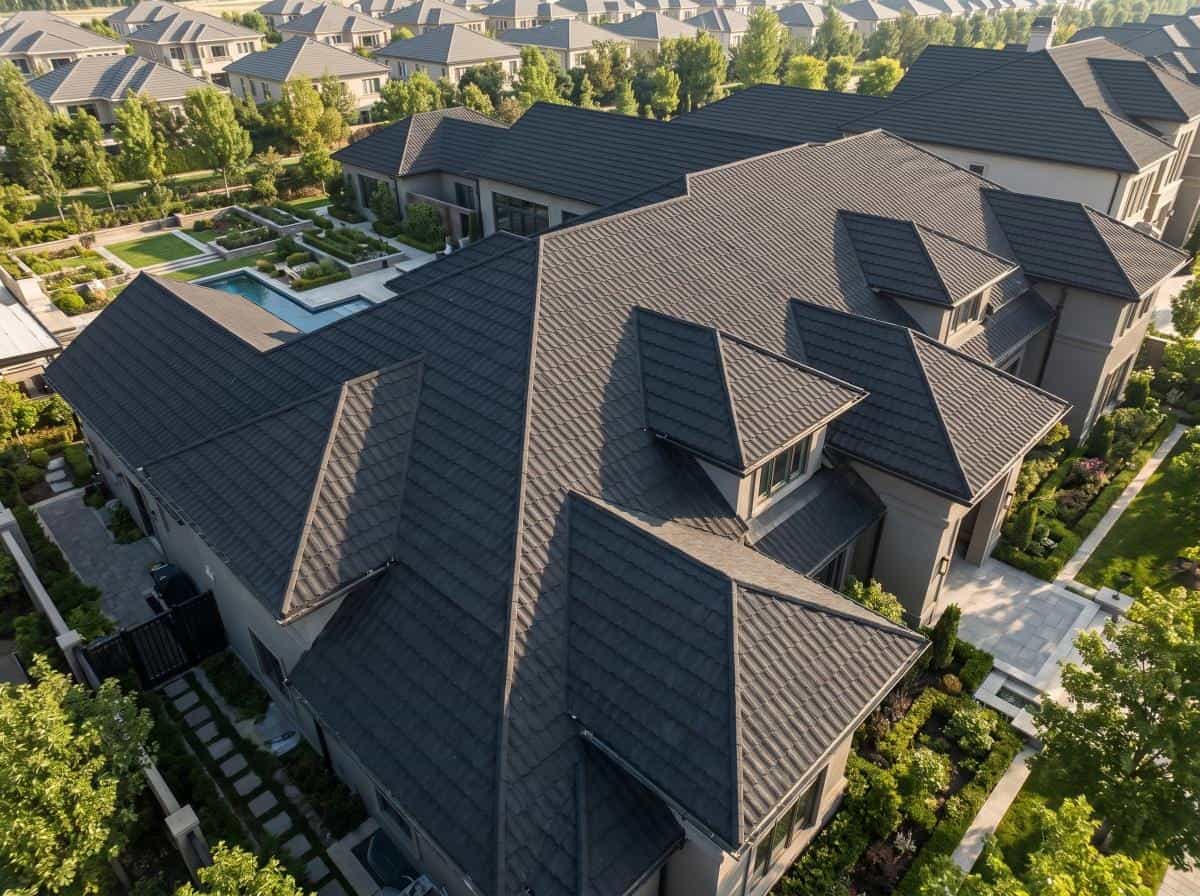
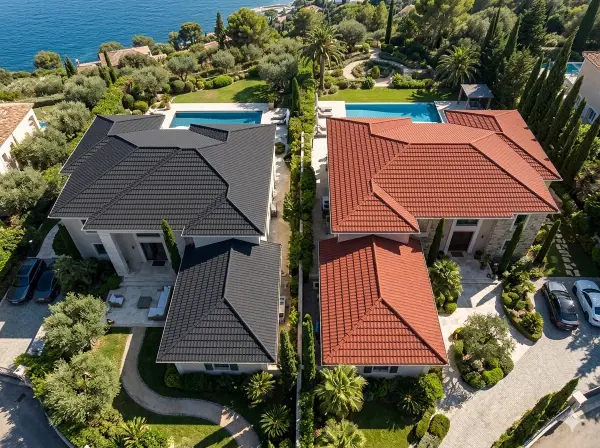
Profile choice affects installation speed, visual style, and weather performance, so the best stone coated metal roofing for one building may not be the best for another. Compare the profiles against the geometry of your roof and the aesthetic your client expects, then weigh the installation labor, because complex profiles cost more to cut, fit, and flash. A profile that looks striking on a rendered image can add days of labor on a roof with many valleys, hips, and penetrations, so the total installed cost should drive the decision as much as the look.
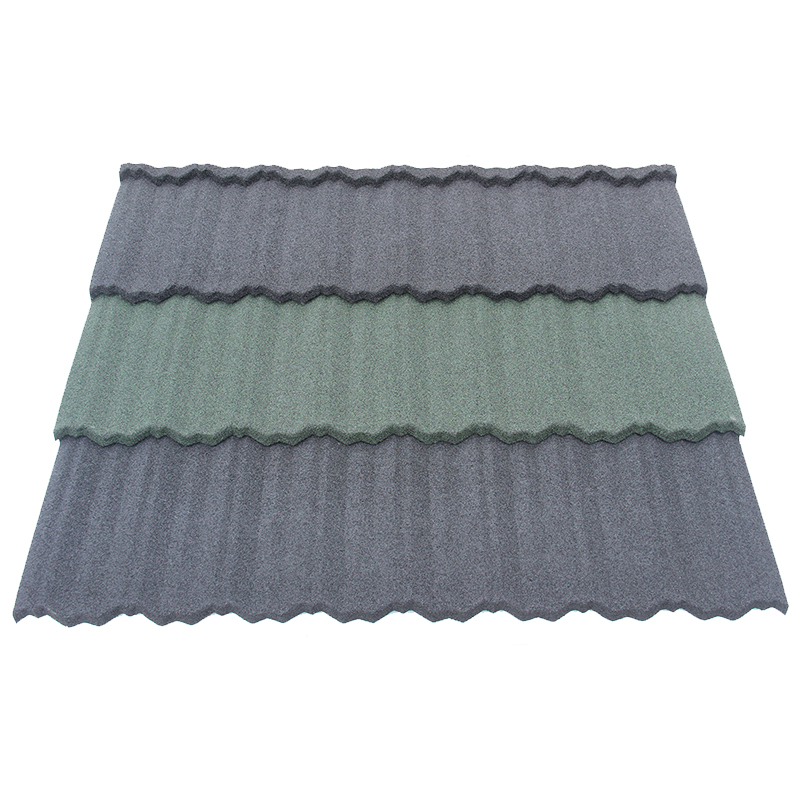
Compact Profiles for Simple Roofs
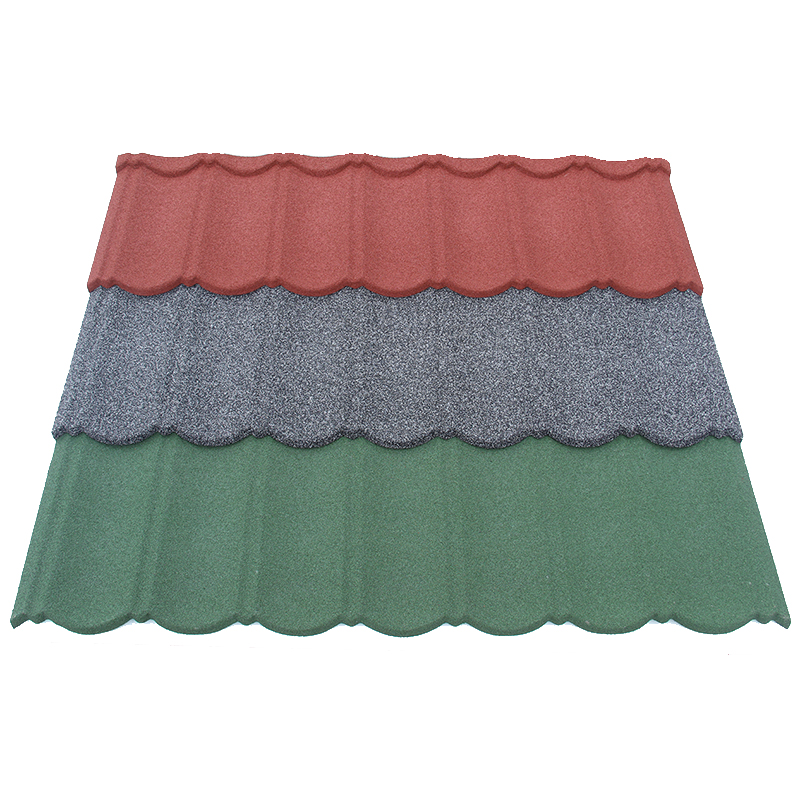
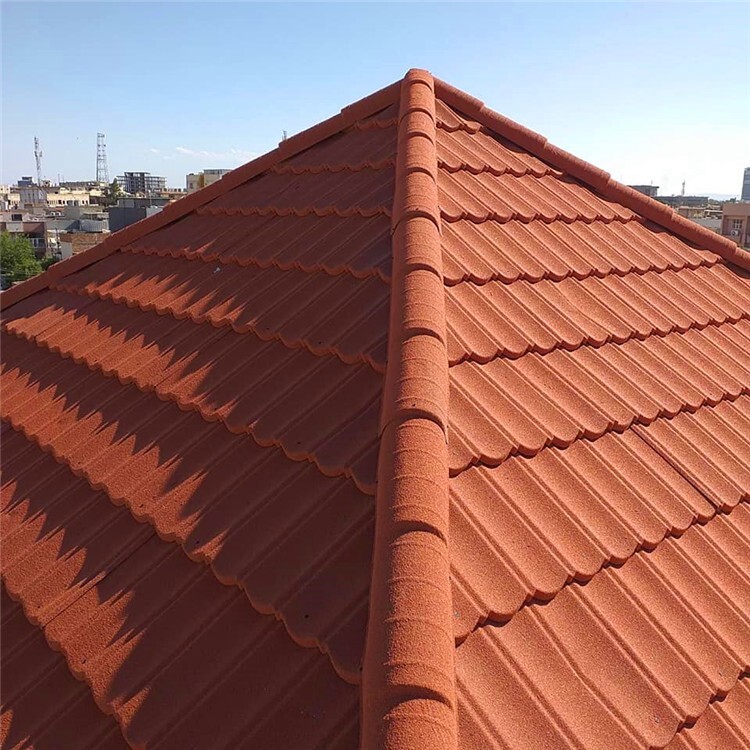
A compact interlocking panel suits simple gable roofs and modern architectural lines, and it installs quickly with fewer cuts. The Bond Tile profile fits this category, with a tight interlock that performs well on straightforward geometries. Contractors working on tract housing and simple custom homes prefer it because the small format keeps scrap waste low and the pattern reads evenly across the roof plane.
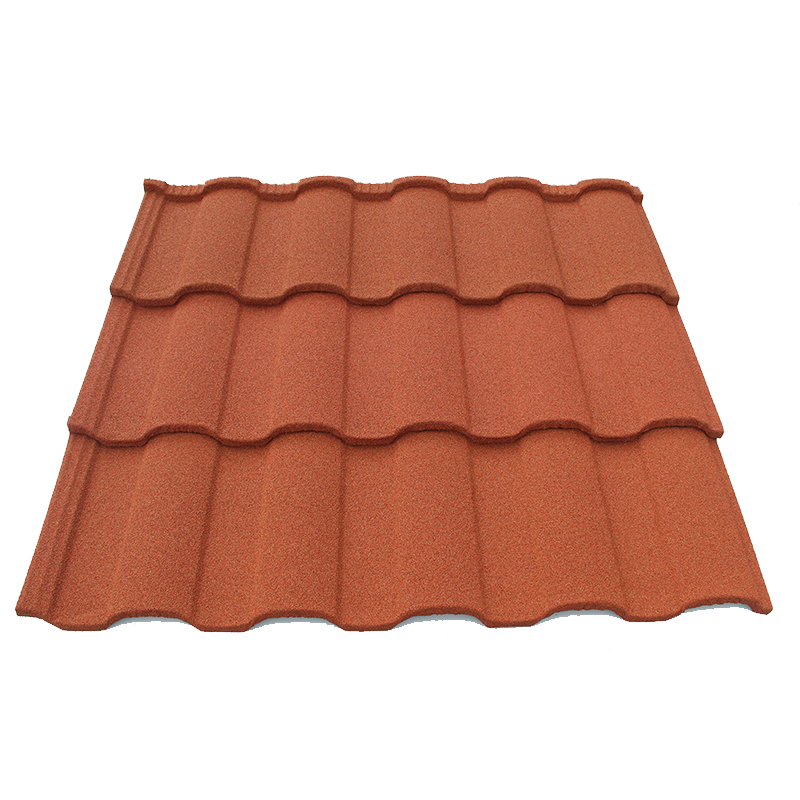
Curved Profiles for Steep and Ornamental Roofs
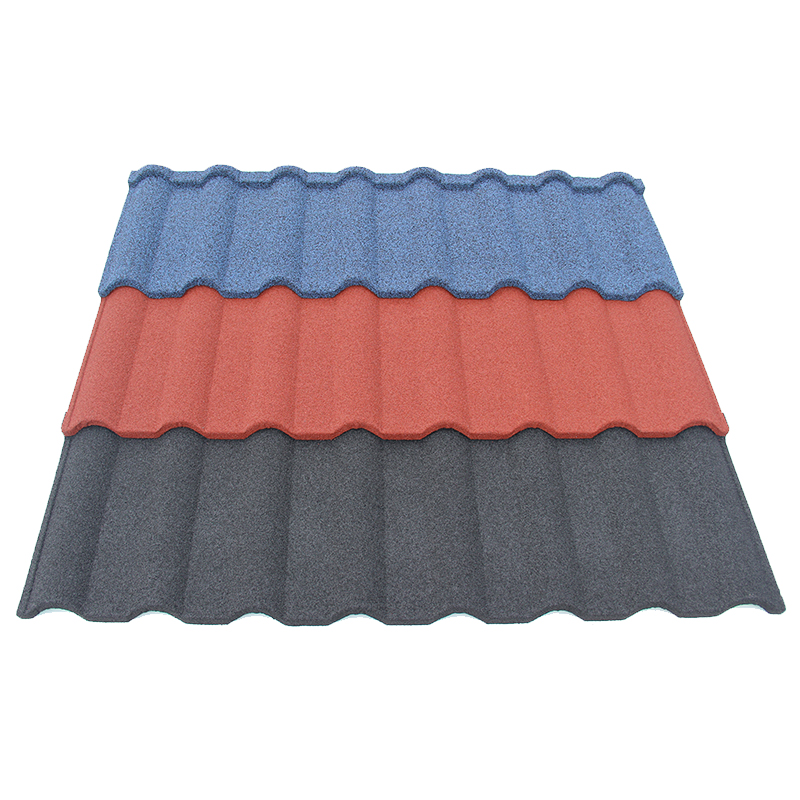
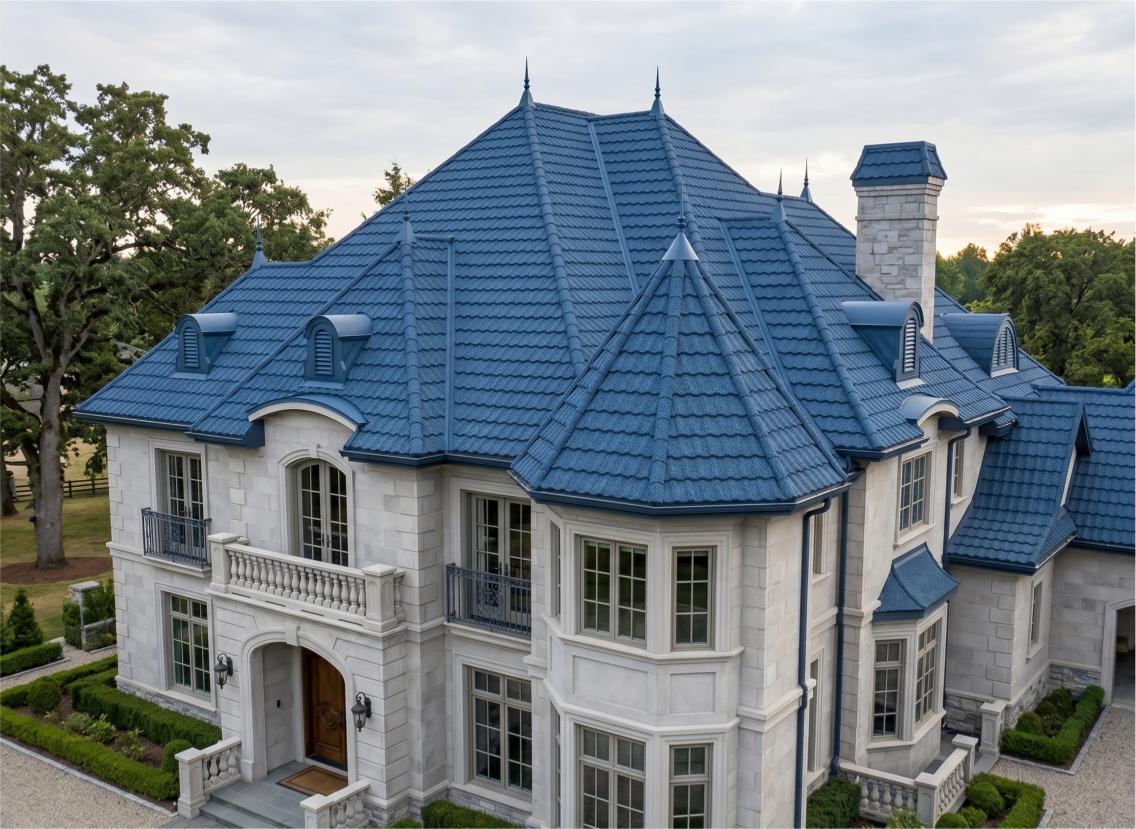
Curved panels manage water well on steep slopes and add a classic silhouette, but they demand more skill at the valleys and hips. The Roman Tile profile gives you that Mediterranean look while directing water in controlled channels. It earns its place on turrets, towers, and porches where a curved line is part of the architecture rather than an afterthought.
Flat Profiles for Contemporary Design
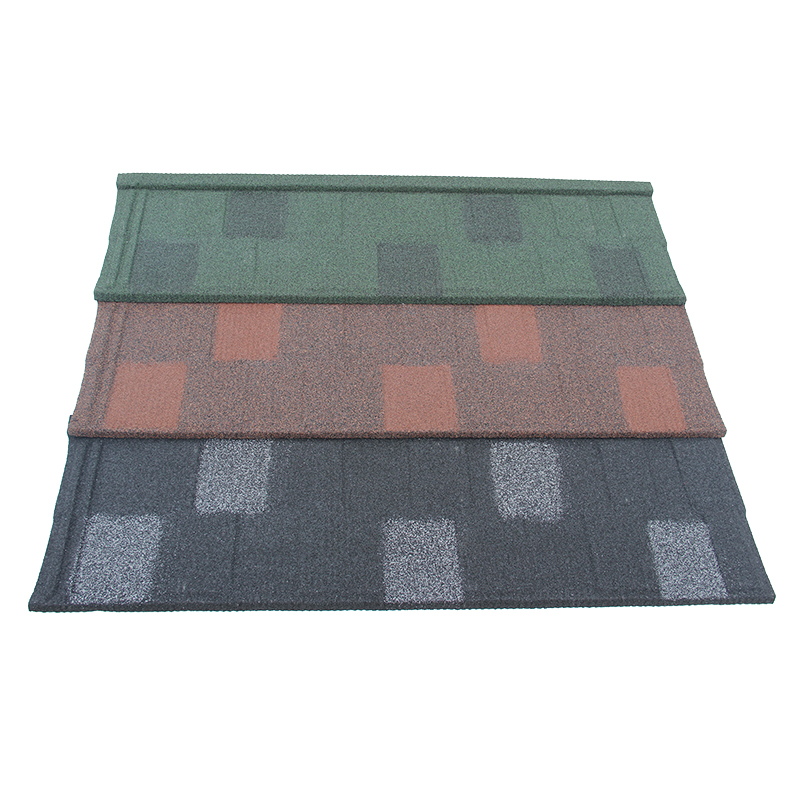
Modern homes favor a flat, clean panel that reads as a shingle from the street. The Shingle Tile profile delivers that minimal line with the same metal performance underneath, and its straight edges make layout simple on boxy, single plane roofs that dominate contemporary architecture.
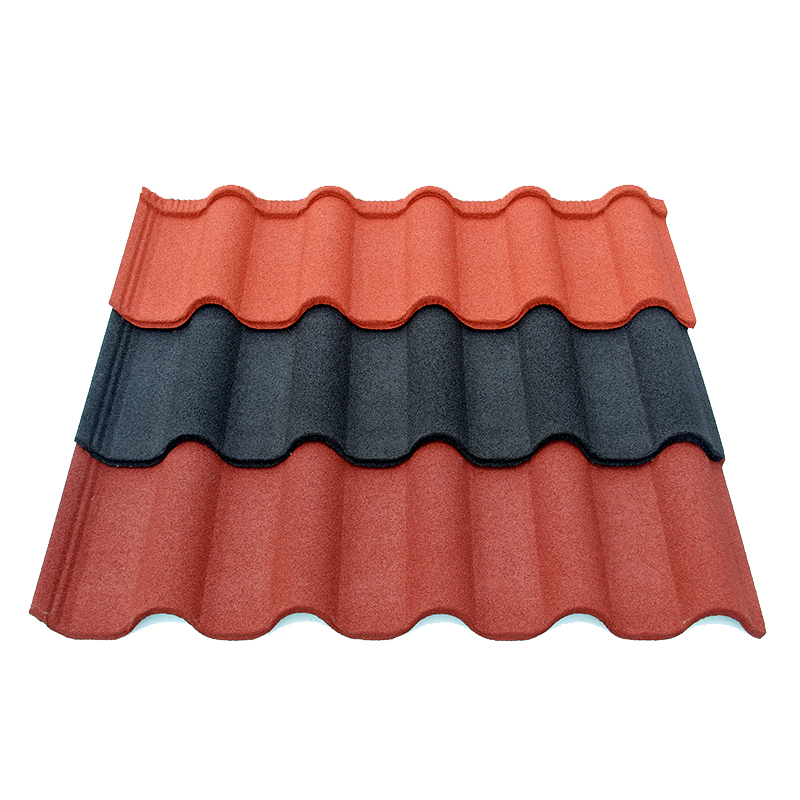
Large Formats for High Wind Zones
Bigger panels mean fewer seams, and fewer seams mean fewer places for wind to gain a purchase. The Milano Tile profile pairs a larger format with a reinforced interlock for European style buildings and exposed sites. Fewer laps also cut the installation labor, which moves the total cost in the right direction on large roofs.
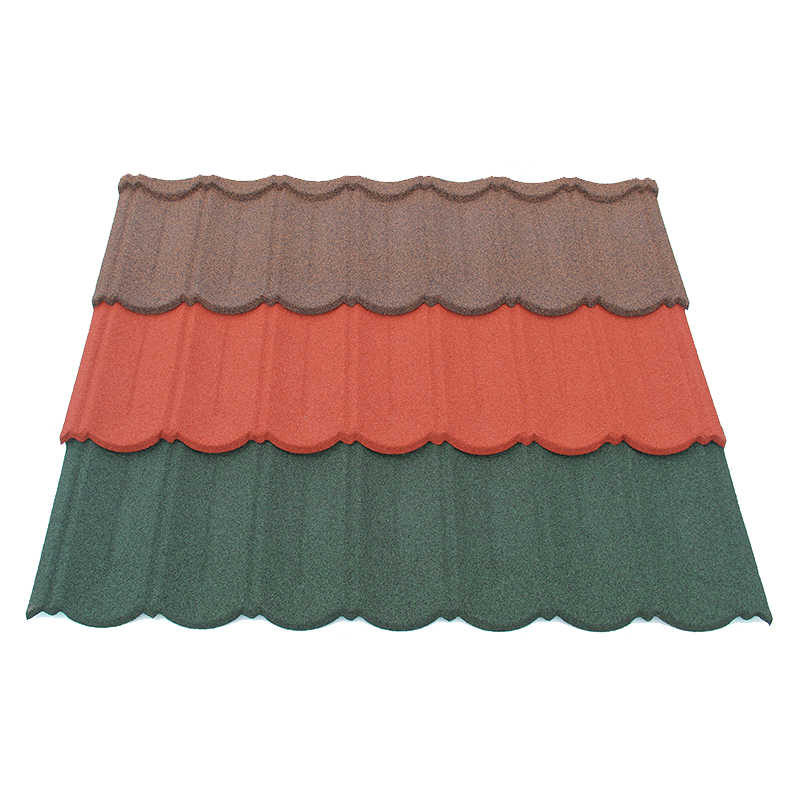
Wood Look Profiles for Rustic Projects
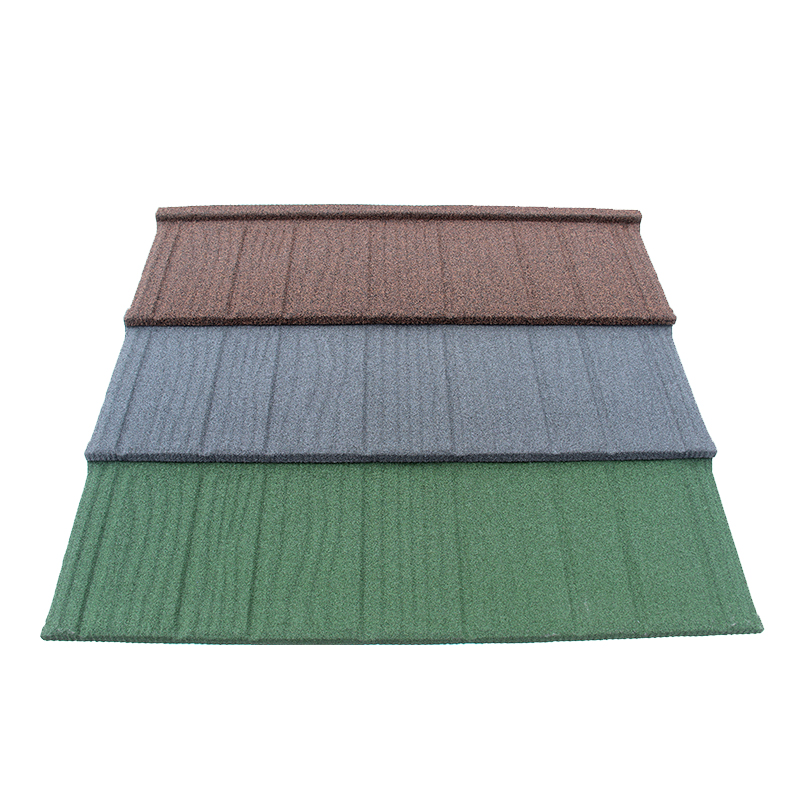
Owners who want the warmth of cedar without the fire risk and maintenance can choose a wood look panel. The Shake Tile profile reproduces the texture of a wood shake while keeping the metal envelope intact, which makes it the default choice for cabins, lodges, and mountain homes in fire prone districts.
Supplier Due Diligence for the Best Result
The panel is only half of the outcome. The supplier’s quality control, the consistency of production, and the warranty terms decide whether the installed roof performs like the datasheet. Run the same due diligence you would run on any critical building material before you place the order.
Verifying Production Consistency
Ask for coating weight certificates across multiple production batches rather than a single sample. A supplier that maintains consistent coating weights and granule application across batches produces a roof that looks uniform and ages uniformly. Inconsistent batches show up as color drift and patchy granule loss within the first few years. A useful test is to request samples from two different production runs and lay them side by side; visible variation in color, granule density, or coating coverage is a warning flag that the factory is not holding its process to a tight standard.
Warranty Terms That Actually Protect You
Read the warranty as a procurement document. Confirm that it covers the stone coating as well as the steel, that it transfers to a new owner, and that the claim process does not require a long list of special conditions. A clear warranty shows a manufacturer that expects the roof to last, while a vague one signals the opposite.
Installation Partner and Labor Cost
The best panel still depends on the crew that installs it, so evaluate labor before you finalize the material choice. Ask the installer how many square feet of this specific profile they have completed, and request references from projects within the last three years. Complex profiles demand skilled fitters at the flashings and penetrations, and an inexperienced crew can erase the performance advantage of an expensive panel. Budget for the installation cost honestly, because the price of the material is only part of the number that lands on the invoice.
Choosing a Supplier You Can Hold Accountable
A single accountable source makes every future issue easier to resolve. JCROOF manufactures stone coated metal roofing with documented quality control and backs the panels with transferable warranty coverage, which gives importers and contractors one supplier for specification, supply, and after sales support. That structure keeps the responsibility in one place when a project needs answers.