
Procurement teams keep asking about the benefits of stone coated metal roof systems and whether the higher upfront price pays off, and the question deserves a precise answer rather than a marketing pitch. The system pairs a Galvalume steel core with a bonded layer of natural stone granules, which delivers the visual profile of clay or slate while behaving like a metal assembly in service. For buyers who must justify the specification to a finance department, an insurer, or a building owner, the decision rests on measurable advantages: expected service life, weather performance, fire rating, and total cost across decades of operation.
This guide reviews the benefits of a stone coated metal roof in the order that matters to procurement and engineering teams. You will find the material facts behind each claim, the test standards that support them, and the specification choices that decide whether you capture those advantages on an actual project.
Core Benefits of a Stone Coated Metal Roof: Structure and Materials
Before comparing brands, understand what makes the system perform. The roof starts with a steel sheet, typically G550 grade with a Galvalume coating, formed into a tile profile. Manufacturers then apply an acrylic base coat and embed natural stone granules into the surface, followed by a clear topcoat that seals the granules in place. The finished panel carries a fraction of the dead load of a concrete tile roof while keeping a similar architectural finish.
That structure drives the three benefits of a stone coated metal roof that appear in almost every buyer evaluation:
- Weight savings that reduce structural framing cost
- Corrosion resistance from the metal coating system
- Impact resistance from the stone armor layer
Why the Weight Advantage Matters to Engineers
A stone coated metal panel weighs roughly one sixth of a concrete tile at the same coverage. When a roof replacement moves from concrete tile to this system, a structural engineer can often keep the original rafter spacing, which removes the cost of adding framing. For new construction, the lighter dead load can reduce steel tonnage in the frame and the size of the foundation. That saving appears in the bill of quantities before the first panel is delivered, so it is easy to document in a value engineering review.
How the Coating System Protects the Core
Galvalume combines aluminum and zinc in a single coating, and the aluminum fraction slows corrosion at cut edges and fastening holes. The stone granules add a second layer of defense against hail, falling branches, and maintenance traffic. Together these layers support the long service life that the product is known for, provided the manufacturer controls coating weight and granule adhesion during production. Buyers should request the coating class in writing and verify it on the mill certificate rather than accepting a vague product description.
Weather and Fire Benefits of a Stone Coated Metal Roof
Performance under extreme conditions is where the benefits of a stone coated metal roof become most visible to buyers. The panels interlock, which means wind cannot lift the edge of one sheet and work the entire field loose the way it can with standing seam or shingle assemblies. Independent tests rate many systems for wind resistance up to hurricane force, and the metal core cannot feed a fire the way organic shingles can.
Wind Resistance and Interlocking Panels
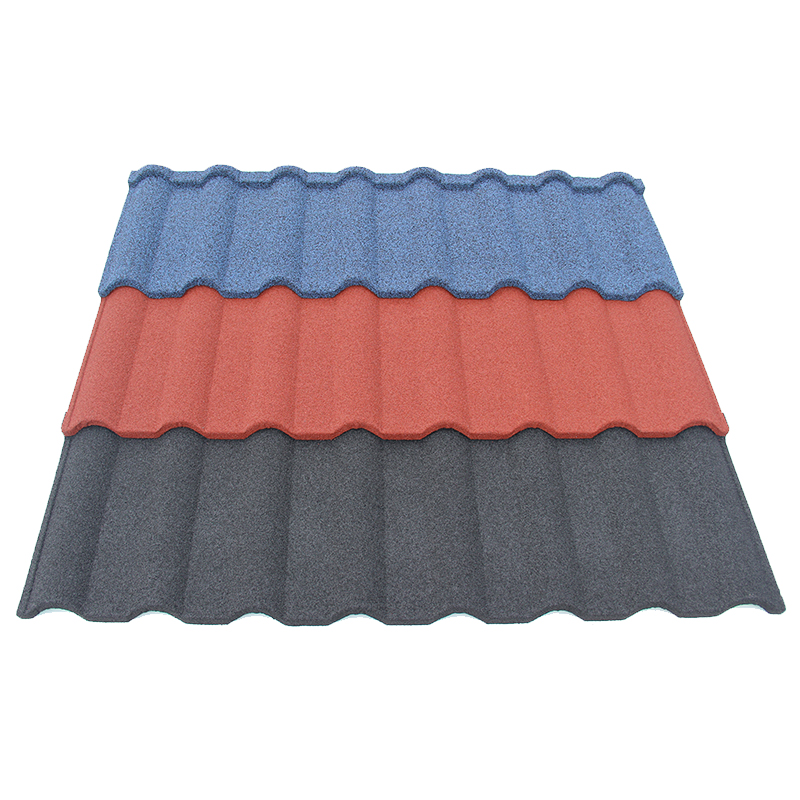
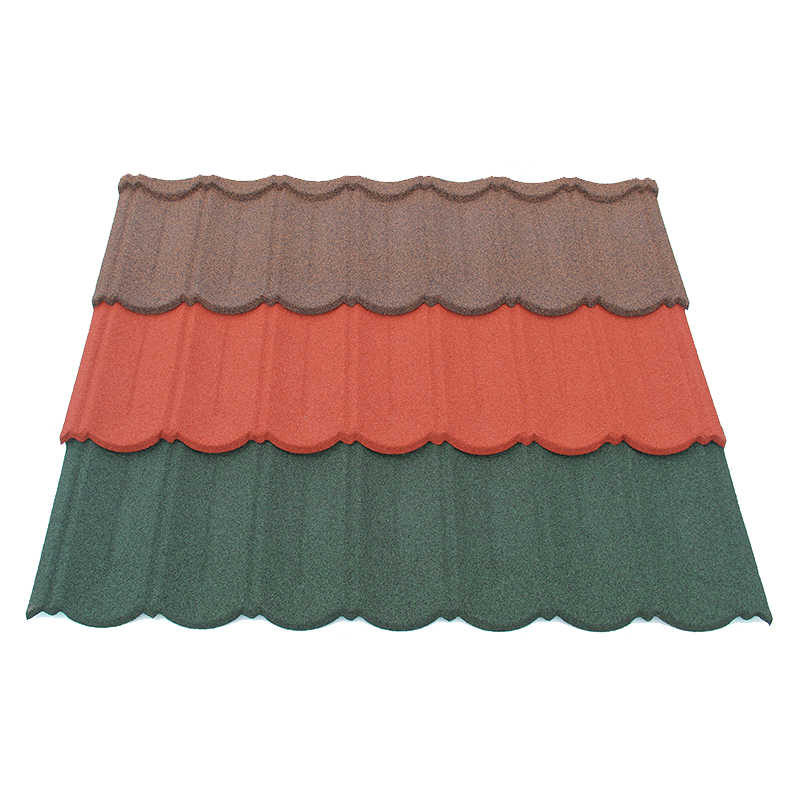
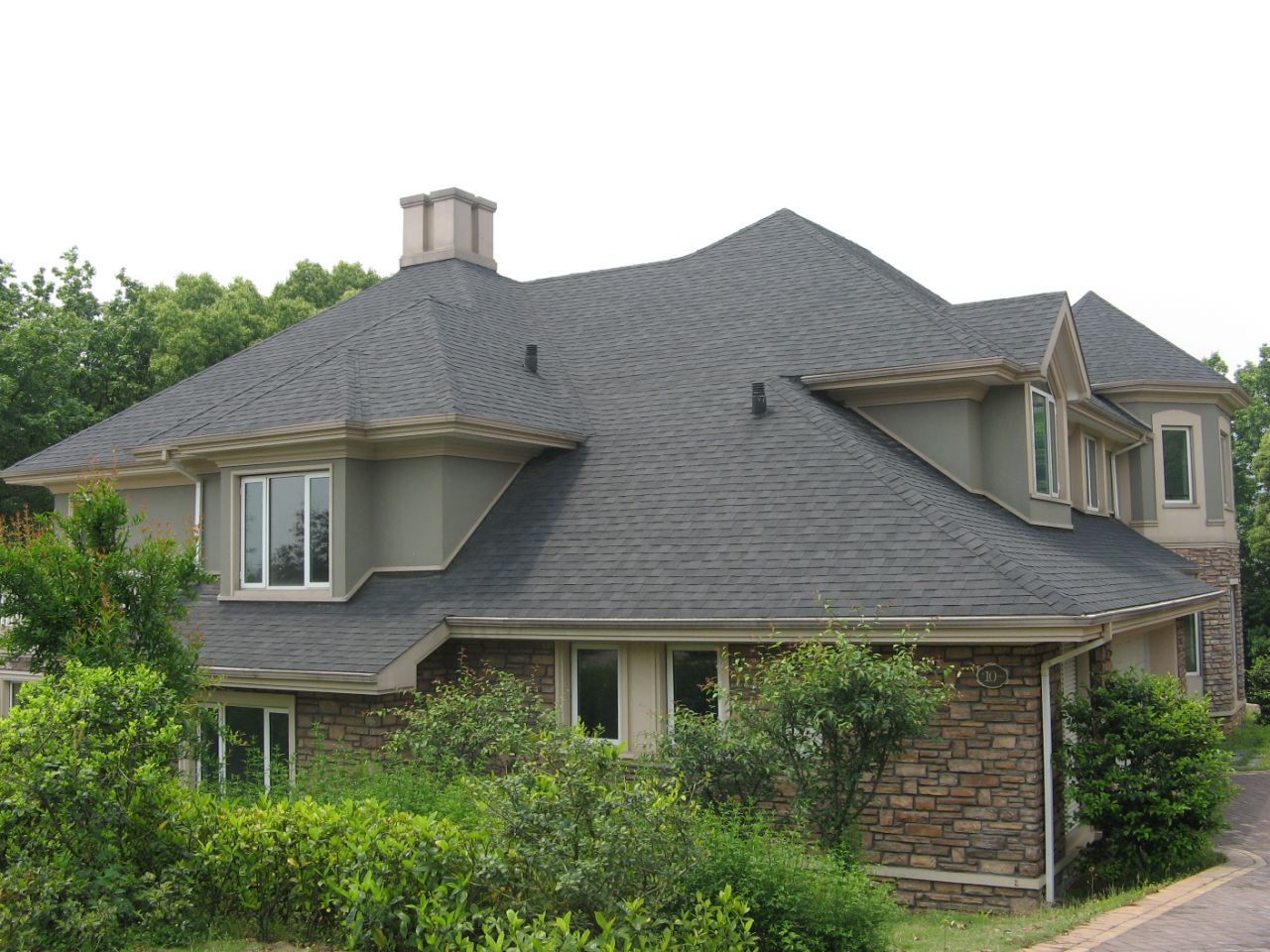
The interlock is the critical detail. Each panel locks to the next panel along the perimeter, creating a continuous mechanical connection across the roof plane. A properly installed stone coated metal roof has passed air pressure tests that simulate severe hurricane exposure, and the Bond Tile profile uses a compact interlock that suits simple gable roofs and modern lines. On coastal projects, engineers should pair that interlock with a fastener schedule that matches the local wind speed zone.
Fire Performance and Class A Ratings
Steel does not ignite, so the system carries Class A fire resistance in most configurations. That rating matters for insurance premiums and for projects in wildfire zones, where local codes may require a noncombustible covering. The stone granules protect the steel from radiant heat and help the assembly hold its shape during a fire event. An insurance broker can quote the premium difference between a Class A roof and a combustible covering, and that number belongs in the lifecycle cost model.
Water Management with Curved Profiles
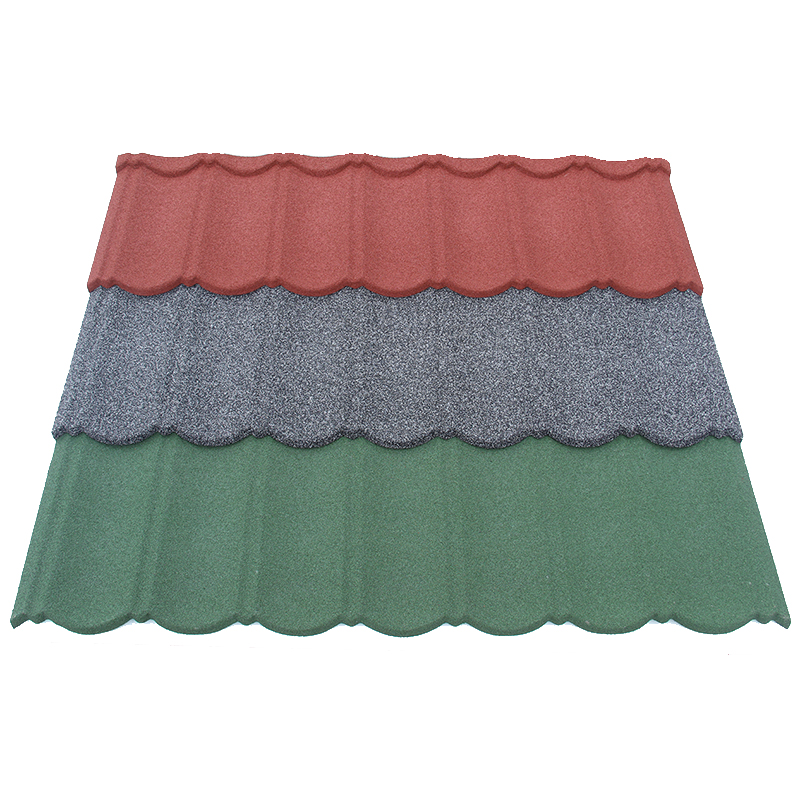
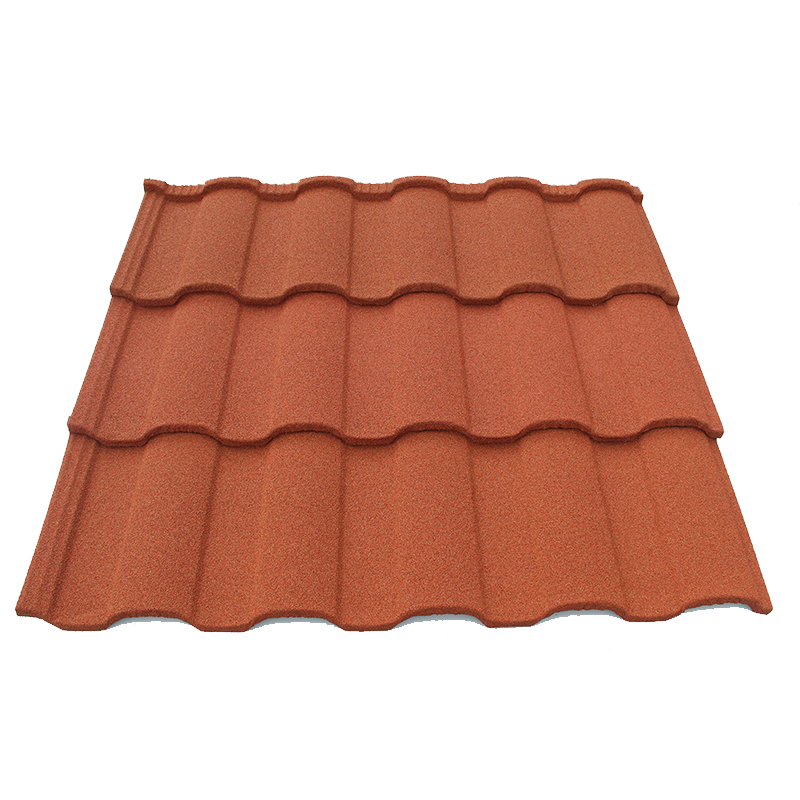
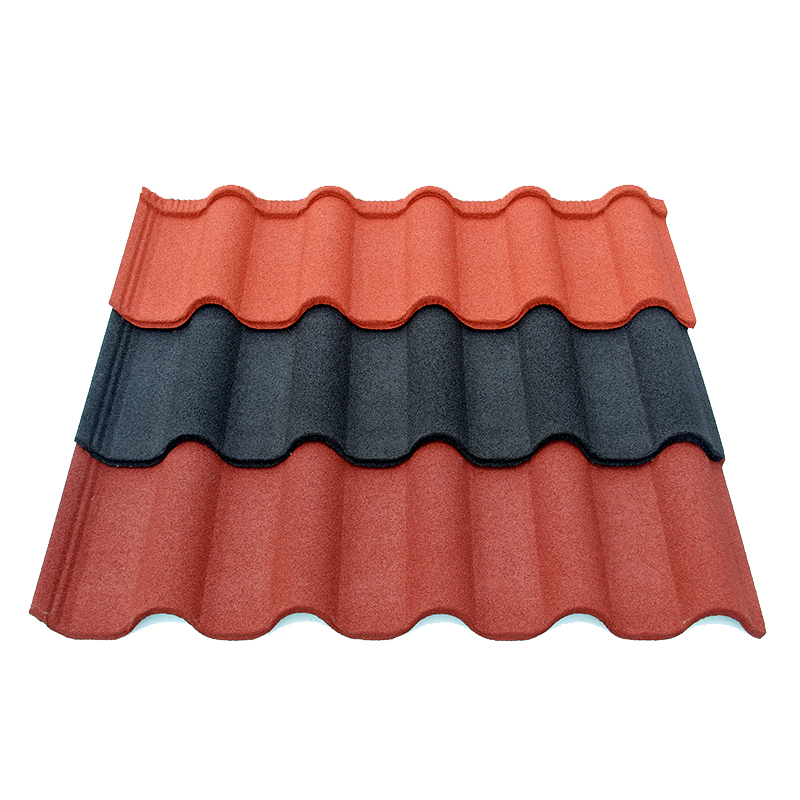
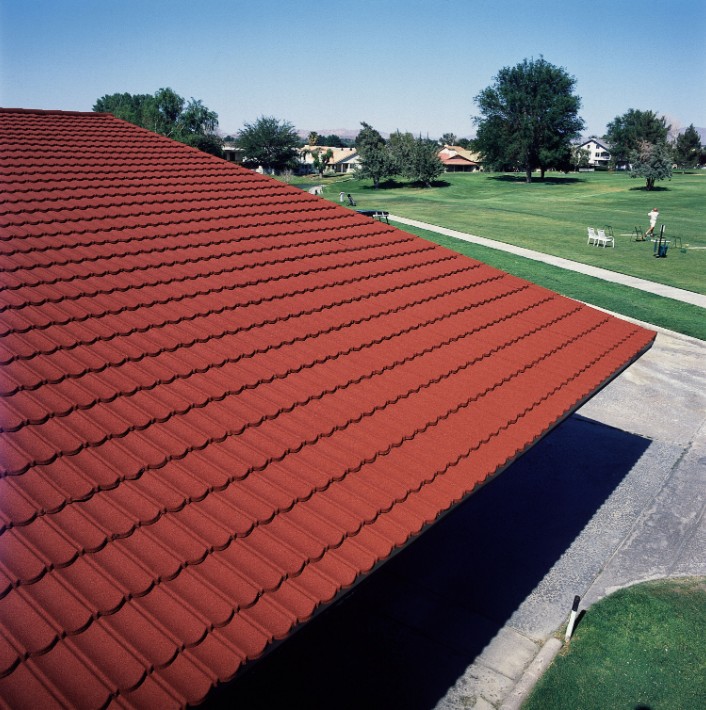
Curved profiles direct water in controlled channels, which keeps runoff away from wall penetrations and footings. The Roman Tile profile follows this logic with a Mediterranean silhouette that manages water well on steep slopes and turrets. Roof geometry with valleys and dormers benefits from a profile that can be cut and flashed cleanly at every junction.
Long Term Cost Benefits of a Stone Coated Metal Roof
Most buyers compare sticker prices, but the financial case for this product lives in the total cost over the service life. A quality stone coated metal roof can serve for 40 to 50 years with modest maintenance, which means the replacement cycle is two to three times longer than for premium asphalt shingles. The table below compares the systems across the metrics a procurement team actually reviews.
| Roofing system | Typical service life | Maintenance level | Replacement cycles per 50 years |
|---|---|---|---|
| Asphalt shingle | 20 to 30 years | Moderate | 2 to 3 |
| Concrete tile | 50+ years | High structural load | 1 with heavy framing |
| Stone coated metal | 40 to 50 years | Low | 1 with light framing |
Energy and Insulation Savings
A reflective metal surface sheds solar heat, which lowers cooling loads in warm climates. When you combine the reflective topcoat with an attic ventilation strategy, the air conditioning savings can offset a portion of the operating cost every year, and that recurring benefit compounds over the service life. Building owners in hot climates routinely report measurable summer peak demand reduction after the switch.
Replacement Cost and Salvage Value
The metal core has scrap value at the end of its life, and the panels are lighter to remove than concrete tile, which lowers demolition cost. A buyer who counts these factors gets a clearer picture of the lifetime cost than one who stops at the purchase order. The residual value is small but real, and it removes the liability of hauling heavy broken tile from a demolition site.
Maintenance Cost Compared with Other Coverings
Stone coated metal needs the least attention of any premium roofing family. The coated surface resists moss growth better than concrete and asphalt, and the interlocking panels rarely need resealing at the seams. A simple inspection each spring and a rinse of the valleys keeps the system performing. Compare that with a shingle roof, where lifted tabs and aging seal strips create steady repair tickets after year fifteen, and the annual maintenance line in your budget drops noticeably.
Warranty Structure Worth Reading
Not all warranties carry the same value, and the differences show up in the fine print. Look for a warranty that covers both the steel core and the stone coating, that transfers to a new owner when the property sells, and that does not require a certified installer list so narrow it drives up your labor cost. A manufacturer that stands behind the granule bond matters most, because that bond is what separates a stone coated roof that looks new after twenty years from one that needs recoating.
How to Capture the Full Benefits of a Stone Coated Metal Roof in Your Spec
The listed advantages only appear when the specification is right. Gauge, coating weight, fastener schedule, and flashing details decide the outcome more than the brand sticker. Engineering teams should write performance requirements into the spec instead of relying on a generic product name.
Profile Selection by Application
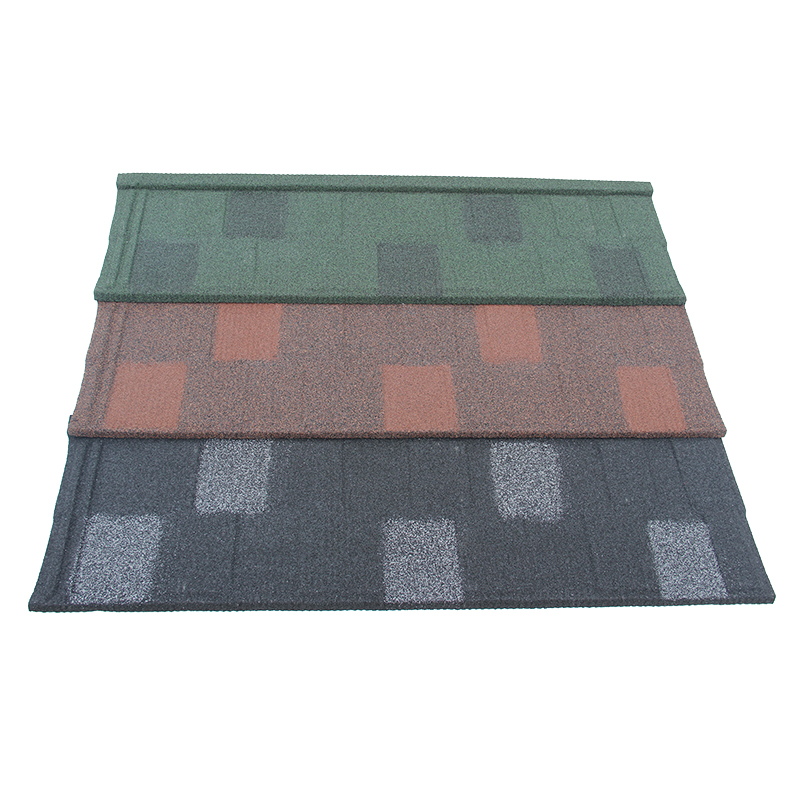
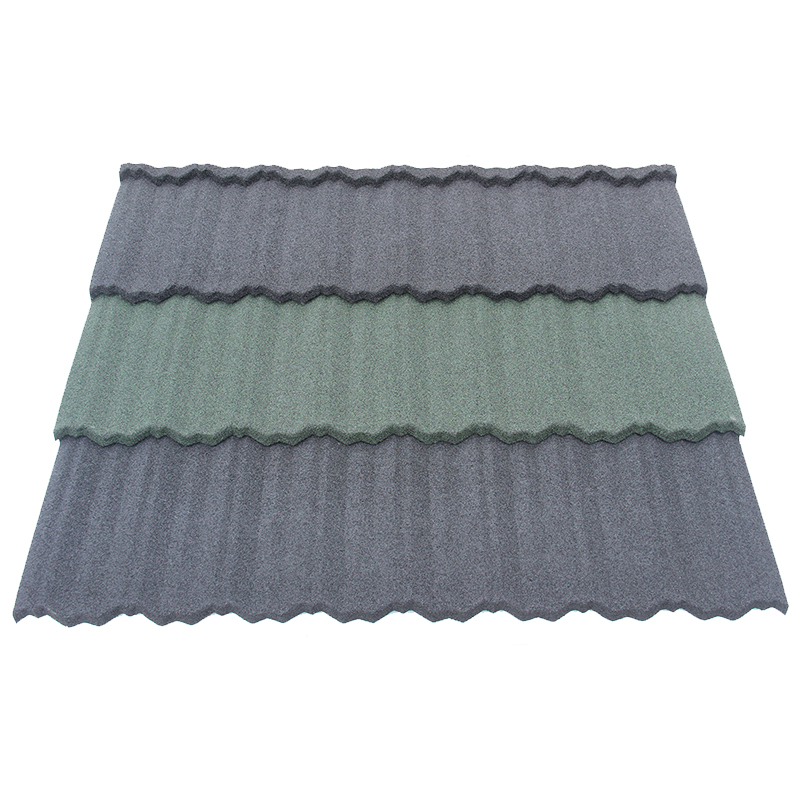
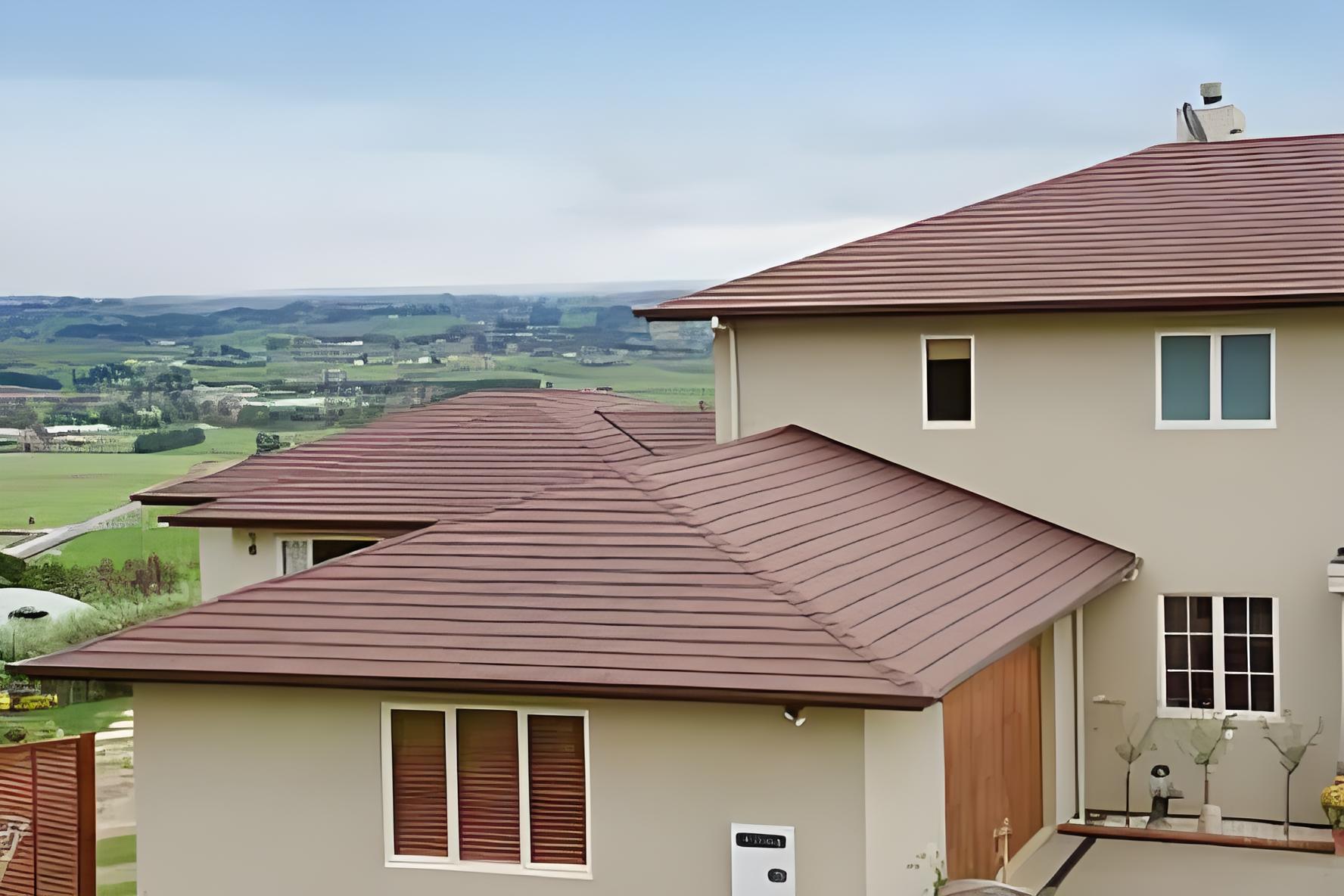
Choose the profile by the building type rather than by preference. The Shingle Tile profile gives a modern flat panel look for contemporary homes, while the Milano Tile profile suits European style buildings and high wind load zones with its larger format and reinforced interlock.
Using Stone Coated Metal as a Shake Replacement
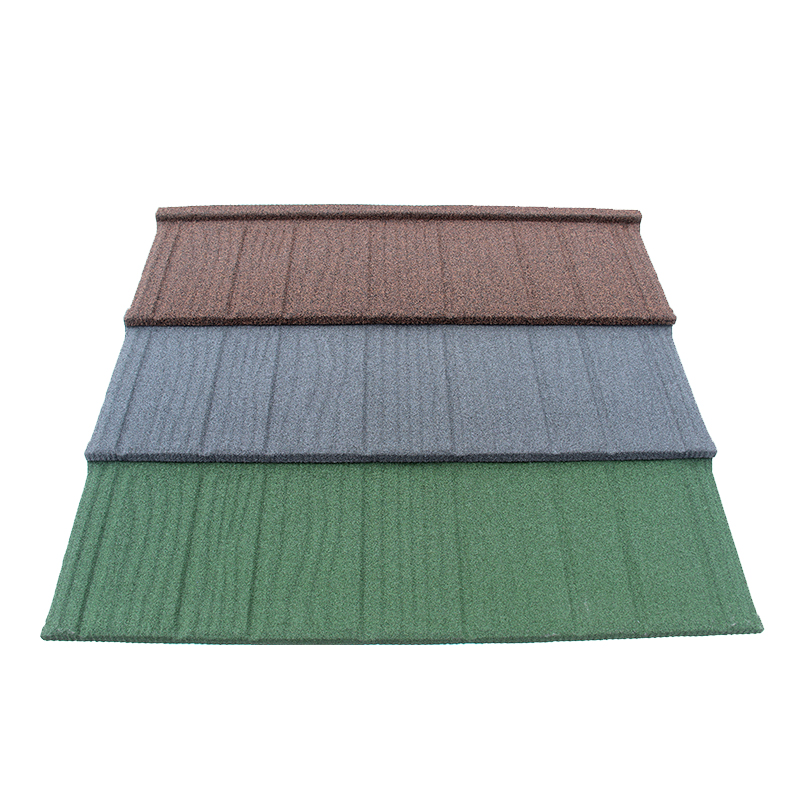
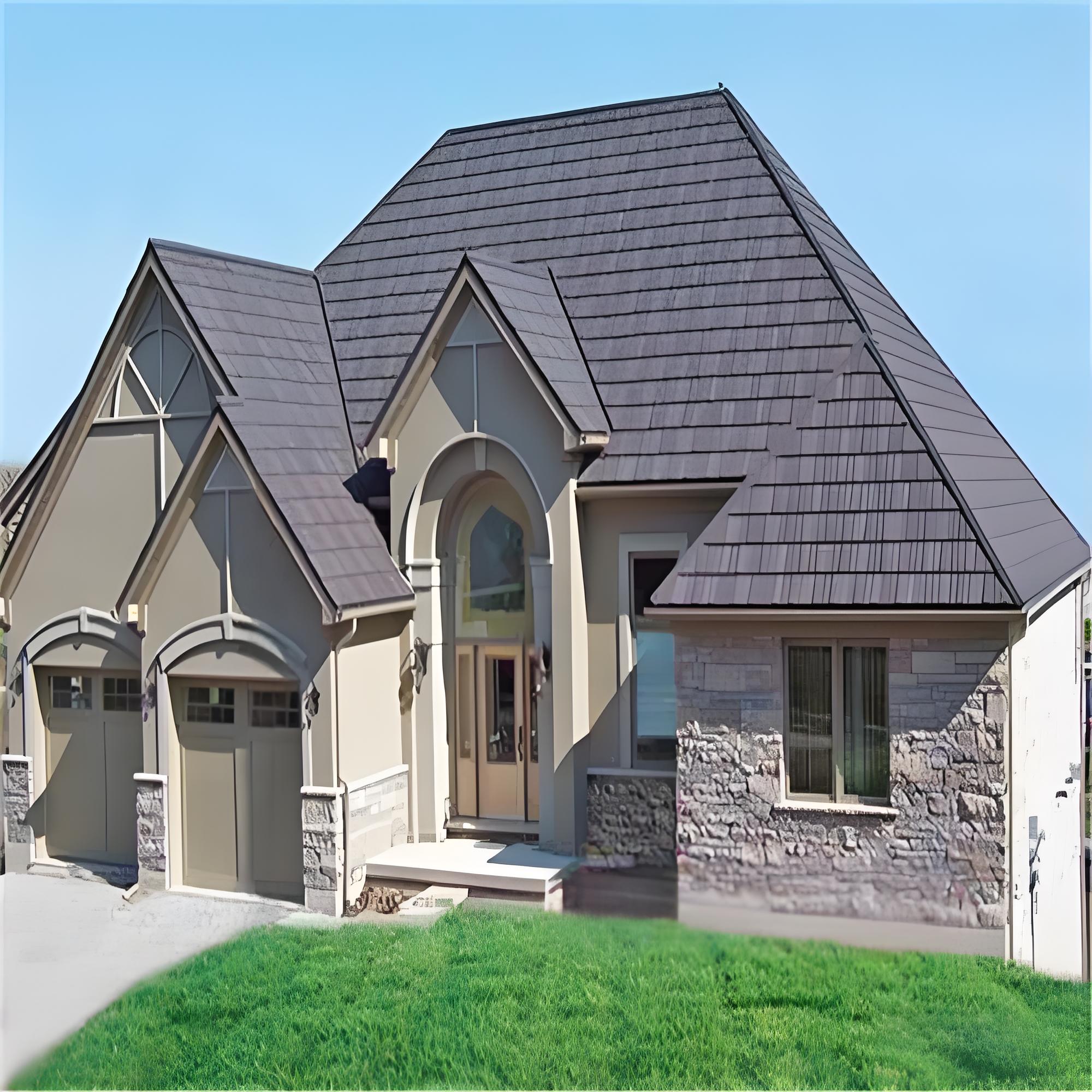
For owners who want a wood look without the fire risk and maintenance of cedar, the Shake Tile profile mimics a wood shake profile while keeping the metal performance envelope. That option matters in districts where fire codes restrict organic shakes, and it gives designers a way to keep a rustic aesthetic without the annual inspection burden.
Procurement Checklist
Before you issue the order, verify these points on the datasheet:
- Base steel gauge and coating class
- Granule adhesion test results
- Wind resistance and fire classification
- Warranty length and transfer terms
- Fastener compatibility with the substrate
Installation Quality Is Half the Equation
The best panel fails fast under a poor fastener schedule, so the labor side deserves the same scrutiny as the material side. Confirm that the crew installs the underlayment in the order the manufacturer specifies, sets every fastener into a rafter, and flashes every valley and penetration rather than sealing them with caulk alone. A written installation checklist from the supplier keeps the inspection honest and gives you a document to hold the contractor to.
Resale Value and Insurance Position
Owners who sell within fifteen years usually recover a meaningful share of the roof investment, because the long service life transfers to the next owner as a real asset. Insurers also view a Class A, impact resistant covering favorably, which can trim premiums or keep coverage available in markets where shingle roofs face surcharges. Both effects belong in the total cost calculation, and both tilt the decision toward the stone coated metal option on most commercial and upscale residential projects.
Specify the system from a manufacturer with documented quality control. JCROOF builds stone coated metal roofing to consistent coating weights and backs the product with a warranty that transfers to the next owner, which gives procurement a single accountable supplier for the whole envelope.