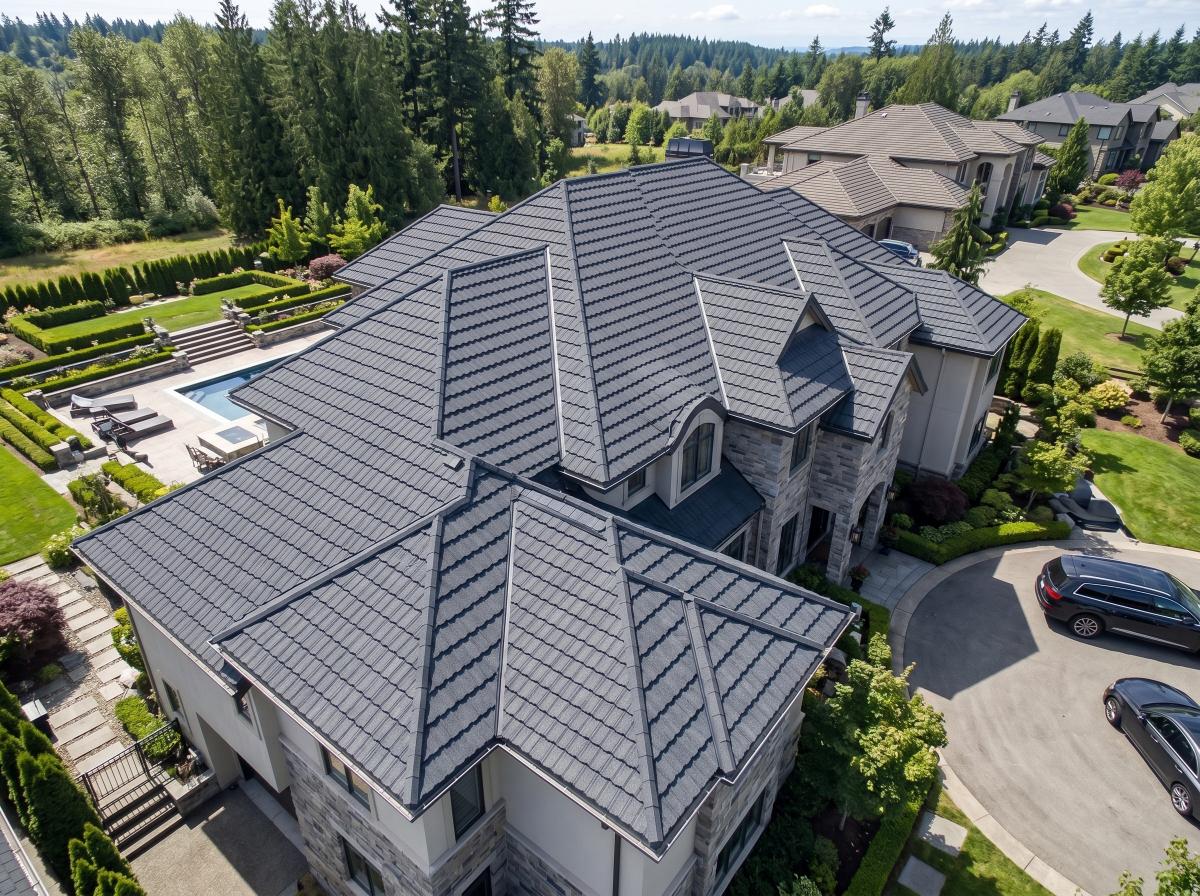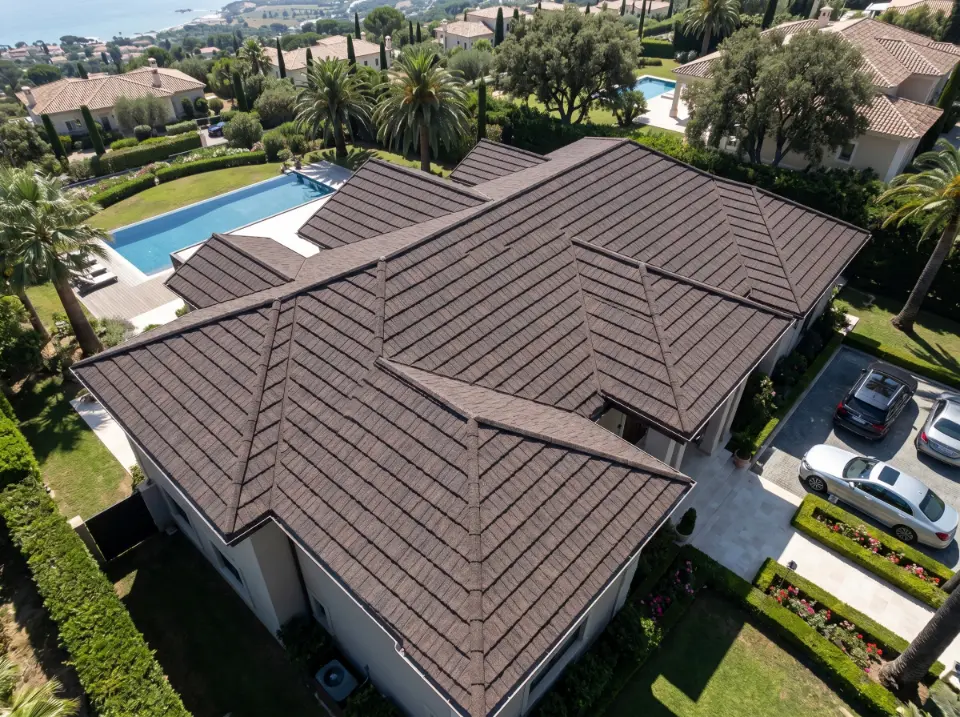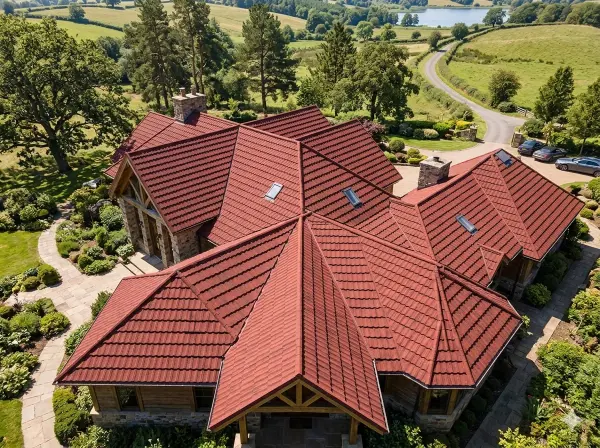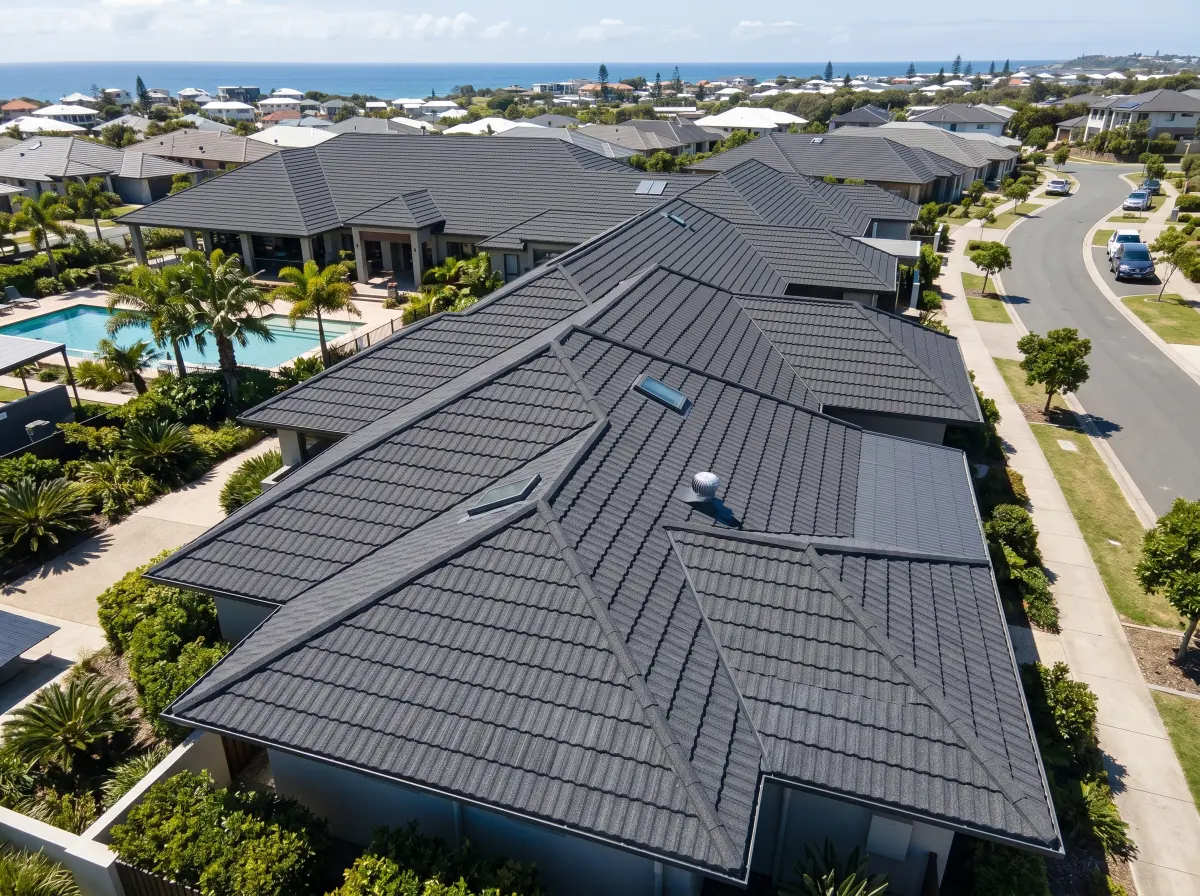

In competitive construction and distribution markets, profit is no longer driven purely by volume—it is increasingly shaped by product positioning and lifecycle value. This is particularly true for stone coated roofing (stone coated steel roofing), where the shift toward premium systems is changing how contractors, distributors, and developers approach margins.
While entry-level roofing materials may offer lower upfront costs, premium stone coated metal roofing often delivers stronger overall returns through better pricing power, reduced risk, and long-term customer value. For B2B buyers, understanding this margin structure is essential for making strategic procurement and sales decisions.
Understanding Margin vs Markup in Roofing Projects
Before analyzing premium roofing, it is important to distinguish between markup and margin. Many businesses focus on markup (the difference between cost and selling price), but margin (profit as a percentage of revenue) is what ultimately determines profitability.
Premium roofing products typically allow for higher margins, even if the markup percentage appears similar.
This is because the base value of the product is higher, and pricing is less constrained by low-cost competition.
Basic Comparison
| Category | Low-End Roofing | Premium Roofing |
|---|---|---|
| Unit Price | Low | High |
| Markup Flexibility | Limited | Greater |
| Margin Potential | Lower | Higher |
Pricing Power: The Core Advantage of Premium Roofing
Premium roofing products such as stone coated steel roofing are not sold purely on price—they are sold on performance, durability, and long-term value. This creates pricing power, allowing contractors and distributors to maintain healthier margins.
Customers are less likely to compare purely on price when the product offers clear advantages.
This reduces downward pricing pressure.
Drivers of Pricing Power
- Longer lifespan and reduced replacement cost
- Enhanced durability in harsh environments
- Stronger aesthetic appeal and design flexibility
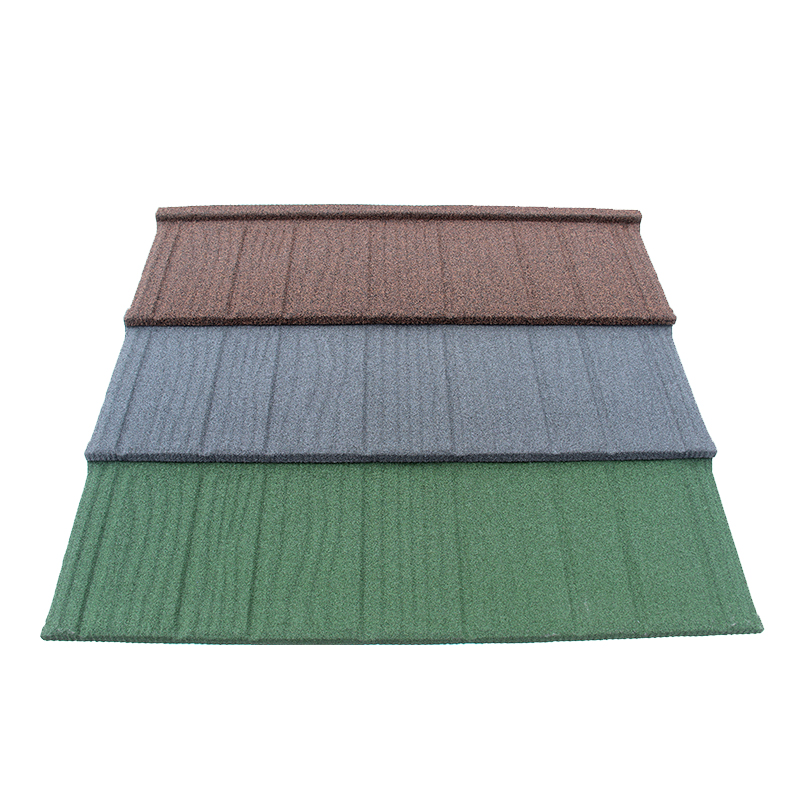
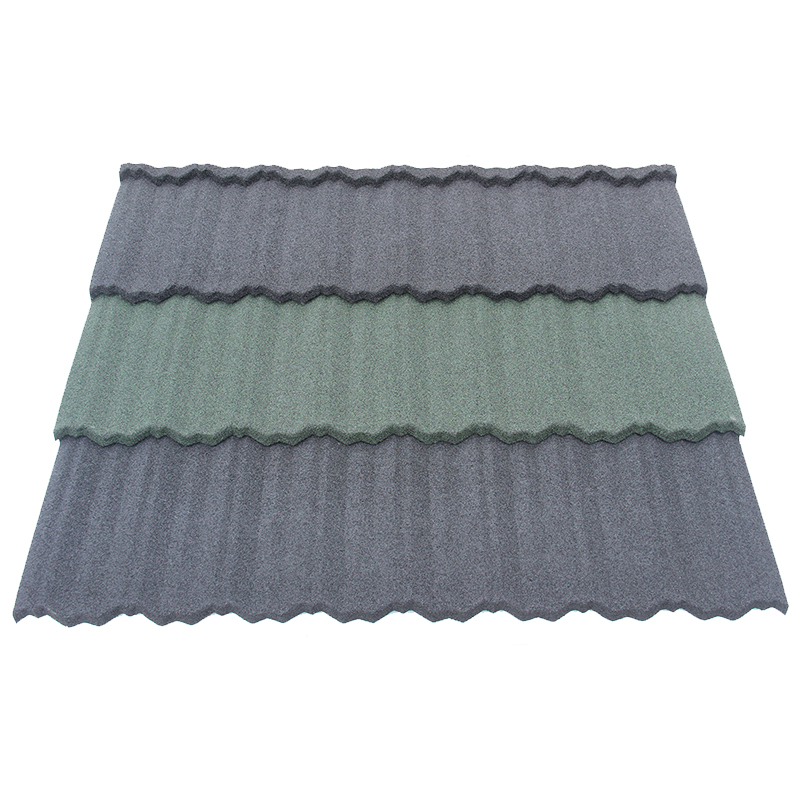
In visually balanced profiles like Bond Tile, the combination of performance and appearance supports premium positioning in mid- to high-end markets.
Lower Risk of Post-Sale Costs
One often overlooked factor in margin analysis is post-sale cost. Lower-quality roofing systems may lead to callbacks, repairs, or warranty claims, which directly reduce profit.
Premium stone coated roofing systems tend to have lower failure rates when properly installed.
This reduces hidden costs and protects margins over time.
Risk Reduction Benefits
- Fewer warranty claims
- Reduced maintenance issues
- Lower likelihood of customer disputes
Installation Efficiency and Labor Margin
Labor is a major cost component in roofing projects. Premium stone coated metal roofing systems are often designed for efficient installation, which can improve labor productivity.
Faster installation means more projects completed within the same timeframe, increasing overall revenue capacity.
This directly impacts profitability.
Labor Efficiency Factors
- Interlocking panel systems reduce installation time
- Lower breakage reduces rework
- Consistent dimensions improve workflow
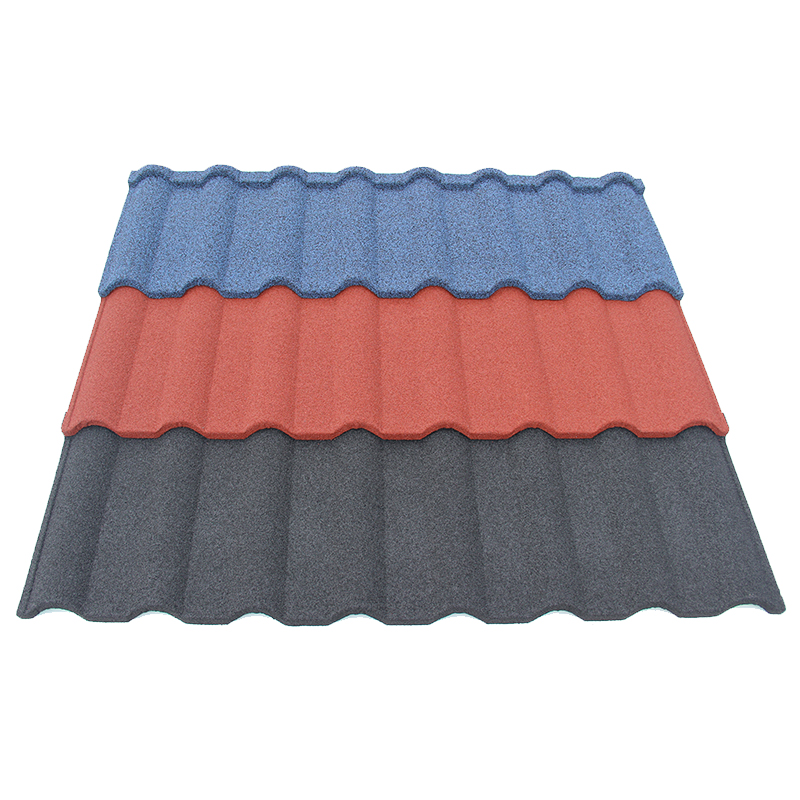
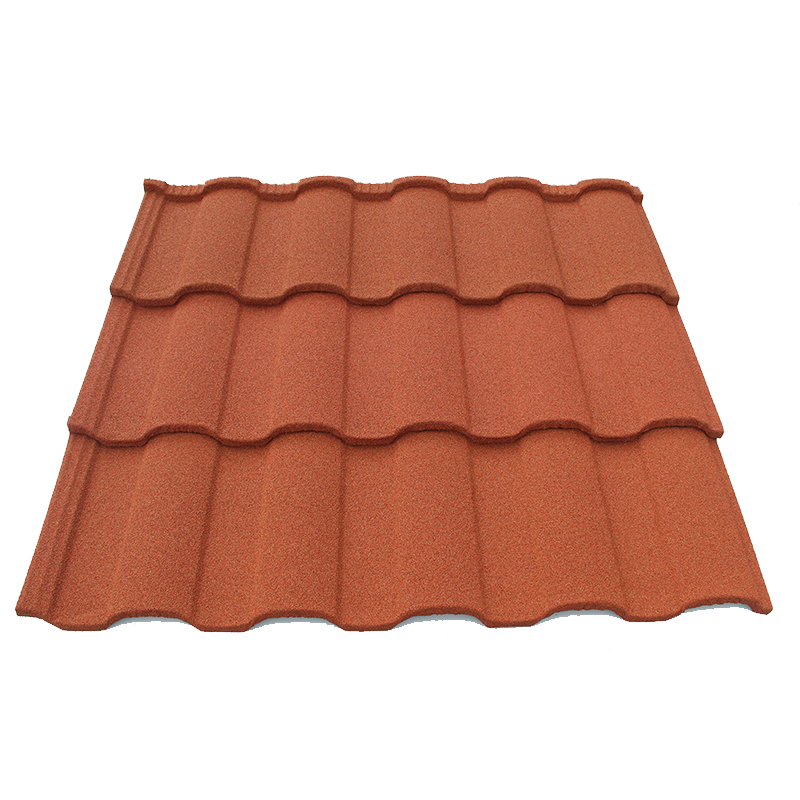
In curved systems such as Roman Tile, proper system design ensures both efficiency and aesthetic alignment without excessive manual adjustment.
Lifecycle Value: The Real Profit Driver
Premium roofing generates value not only at the point of sale but across the entire lifecycle of the project. Customers are increasingly aware of total cost of ownership, not just initial price.
This shift allows contractors to justify higher pricing while maintaining strong demand.
Lifecycle value is becoming a key differentiator in competitive markets.
Lifecycle Advantages
- Longer service life reduces replacement frequency
- Lower maintenance costs over time
- Higher customer satisfaction and referrals
Market Positioning: Competing Beyond Price
Businesses that focus solely on low-cost products often compete in saturated markets with thin margins. Premium roofing allows companies to move into higher-value segments where competition is less price-driven.
This shift improves both profitability and brand positioning.
It also creates opportunities for long-term client relationships.
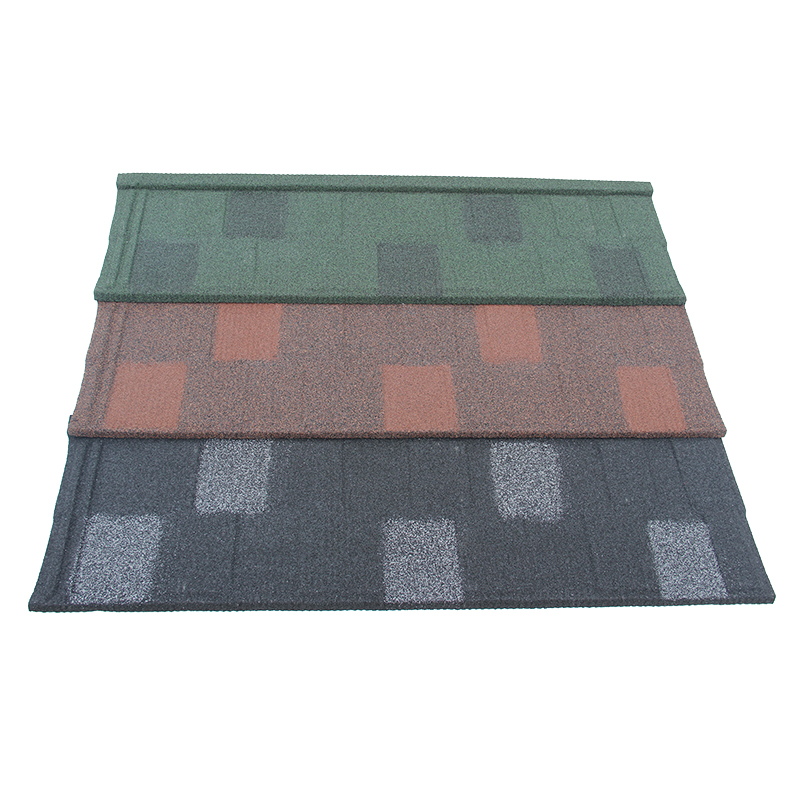
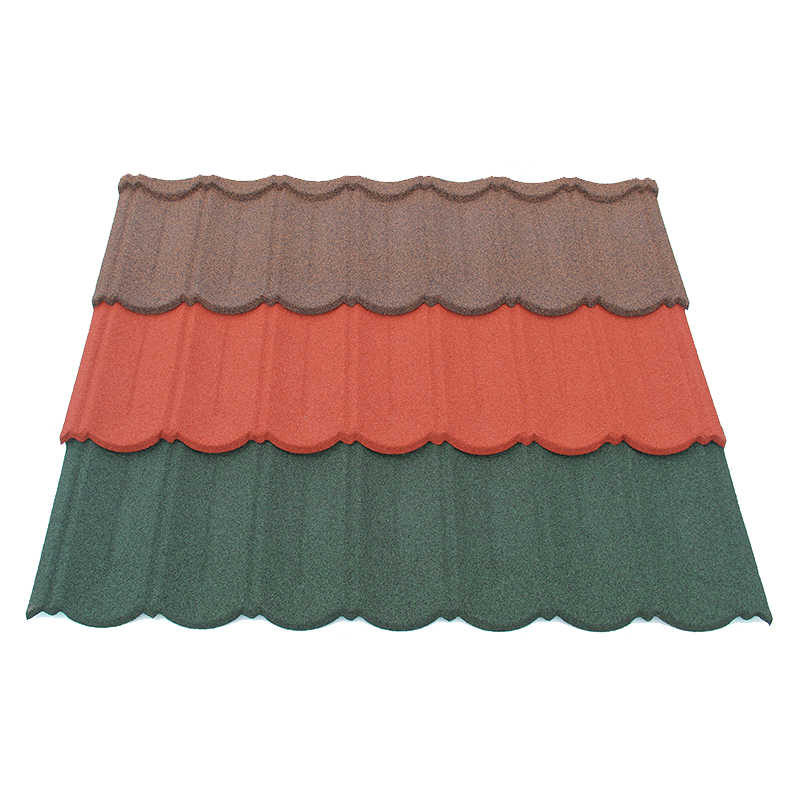
For example, Shingle Tile profiles are often used in modern developments where design and performance are equally important, supporting higher pricing strategies.
Inventory and Cash Flow Considerations
Premium products typically involve higher upfront investment, which can impact cash flow if not managed properly. However, they often move faster in the right market segments and generate higher revenue per transaction.
This can offset the higher initial cost.
Efficient inventory management is key to maximizing returns.
Key Considerations
- Align inventory with target market demand
- Avoid overstocking slow-moving profiles
- Focus on high-turnover premium products
Common Misconceptions About Premium Roofing Margins
There are several misconceptions that prevent businesses from fully leveraging premium roofing opportunities.
“Higher Cost Means Lower Profit”
In reality, higher-value products often deliver better margins due to pricing flexibility.
“Customers Only Care About Price”
Many customers prioritize durability, aesthetics, and long-term savings.
“Premium Products Are Harder to Sell”
With the right positioning, premium products can be easier to sell due to clear value differentiation.
Real-World Margin Comparison Scenario
To illustrate the difference, consider a simplified comparison between low-end and premium roofing projects.
| Factor | Low-End Roofing | Premium Roofing |
|---|---|---|
| Project Revenue | Lower | Higher |
| Gross Margin % | 10–15% | 20–30% |
| Post-Sale Costs | Higher | Lower |
| Customer Retention | Moderate | High |
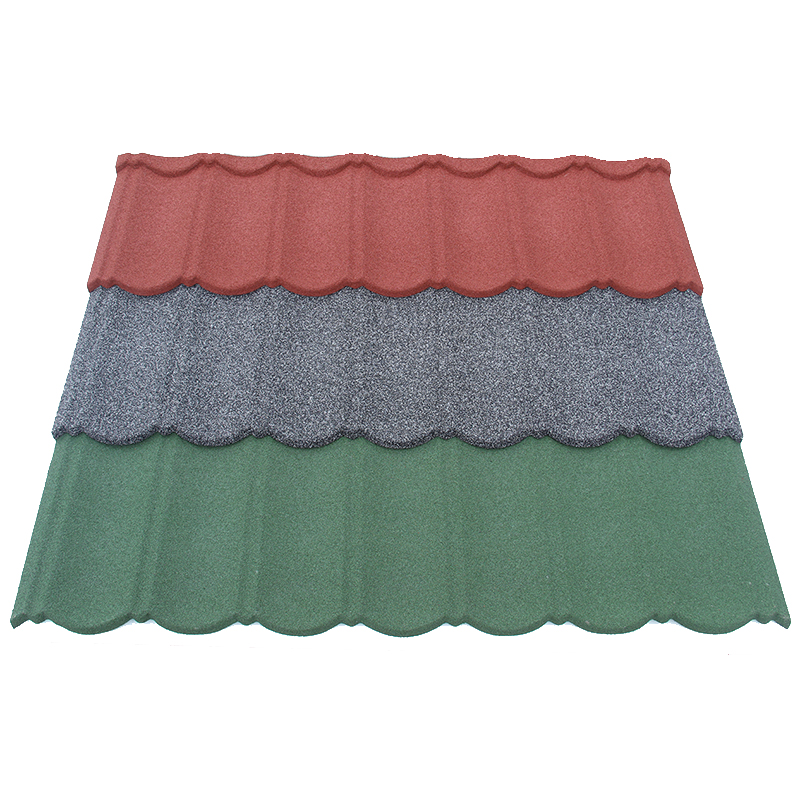
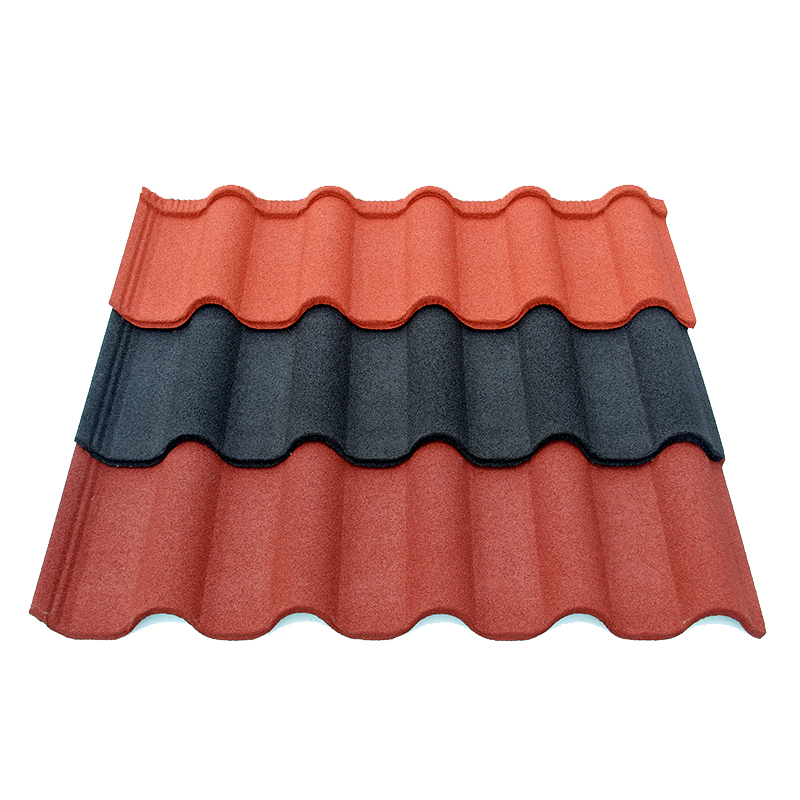
In premium profiles like Milano Tile, the ability to command higher pricing combined with lower risk contributes to stronger overall profitability.
Why the Trend Is Accelerating
The shift toward premium roofing is accelerating due to rising labor costs, increased quality expectations, and greater awareness of lifecycle value. Contractors and distributors are adapting by focusing on products that offer both performance and margin stability.
This trend is expected to continue as markets become more quality-driven.
Manufacturers such as JCROOF support this shift by offering systems designed for both performance and long-term value, aligning with evolving market demands.
Practical Advice for Maximizing Returns
For B2B buyers and contractors, transitioning to premium roofing requires a strategic approach. Simply offering higher-end products is not enough—positioning and execution are key.
Understanding your target market and aligning your product mix accordingly will determine success.
Training sales teams to communicate value is equally important.
Recommended Strategy
- Focus on lifecycle value in sales discussions
- Target segments that value durability and aesthetics
- Build relationships with reliable suppliers
- Monitor margins across different product categories
Conclusion: Profit Is Built on Value, Not Just Cost
Premium roofing products like stone coated metal roofing offer more than just higher price points—they provide a framework for stronger, more sustainable profitability. By combining pricing power, reduced risk, and lifecycle value, they enable businesses to achieve higher returns compared to low-cost alternatives.
For contractors, distributors, and developers, the key is to shift from a cost-focused mindset to a value-driven strategy—where margins are protected not by lowering prices, but by delivering better products.