
Commercial real estate development demands extreme structural efficiency. Developers constantly seek materials that reduce overall building weight. Consequently, heavy roofing materials pose a significant engineering challenge. Heavy concrete tiles require massive, expensive wooden trusses to prevent structural failure. Therefore, procurement teams are shifting toward Lightweight Stone Coated Steel Tiles. These advanced systems offer the stunning visual appeal of traditional masonry. However, they weigh a fraction of their clay counterparts. This comprehensive guide explores the specific engineering principles behind this material. Furthermore, it explains exactly how this weight reduction impacts construction budgets and long-term asset security.
The Physics of Structural Load Reduction
Structural engineers calculate two primary forces during building design. Specifically, they evaluate dead loads and live loads. Dead loads represent the permanent weight of the building materials. Meanwhile, live loads include temporary forces like snow, wind, and maintenance workers. Traditional roofing adds an enormous dead load to the foundation. Lightweight Stone Coated Steel Tiles eliminate this massive structural burden completely. As a result, architects can design much more efficient supporting frames. This fundamental shift in weight distribution changes the entire economics of a construction project.
Dead Load Versus Live Load Management
Reducing the dead load provides an immediate safety advantage. The building retains much more capacity to handle extreme live loads. Consequently, the roof can easily support heavy winter snow accumulation without buckling. Furthermore, the underlying trusses experience significantly less daily mechanical stress. This prevents the gradual roof sagging that ruins older commercial buildings. Therefore, property owners avoid expensive structural reinforcements during future building renovations. Architects can also increase the span between interior support columns. Ultimately, this creates expansive, open floor plans for modern retail centers and warehouses.
Seismic Safety and Lateral Movement
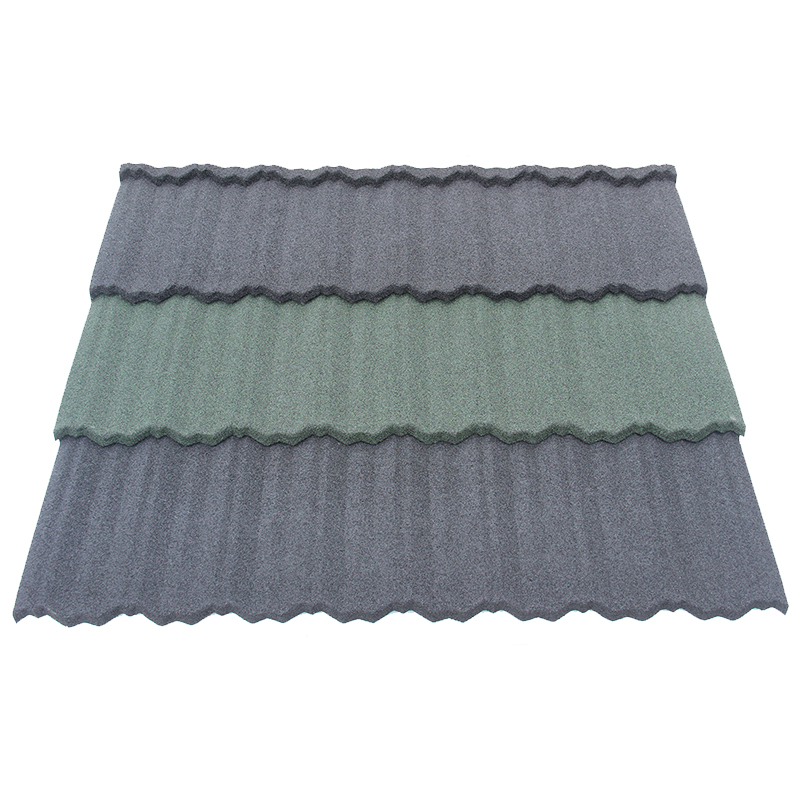
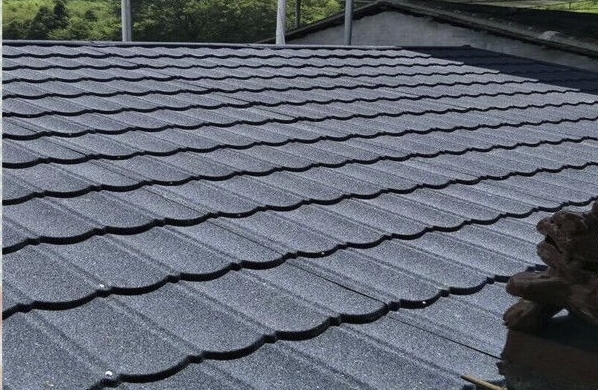
Earthquakes generate devastating lateral forces across a building structure. A heavy roof acts exactly like a swinging pendulum during an earthquake. This excessive top weight frequently causes catastrophic wall collapses. Conversely, metal systems reduce this dangerous pendulum effect dramatically. Specifically, the Bond Tile profile creates a rigid, lightweight diaphragm. This interlocking steel shield moves safely with the building during severe tremors. Thus, building inspectors heavily favor these systems in active seismic zones. Developers protect their massive capital investments by specifying these earthquake-resistant materials.
Material Science and High-Tensile Cores
The secret to this lightweight strength lies entirely in modern metallurgy. Manufacturers utilize premium high-tensile steel for the internal core. Consequently, the metal sheets remain remarkably thin but incredibly strong. This specialized steel resists bending and puncturing under severe impact. Furthermore, a complex chemical coating protects this high-strength core from oxidation. Therefore, the material survives decades of harsh environmental exposure without degrading. Procurement officers must understand this layered chemistry to evaluate supplier quality accurately.
The Aluminum-Zinc Alloy Barrier
Raw steel rusts quickly when exposed to environmental moisture. Therefore, engineers coat the steel with a precise aluminum-zinc alloy. This specific metallurgical mixture prevents oxidation in highly corrosive coastal climates. The aluminum provides a tough physical barrier against saltwater spray. Meanwhile, the zinc offers active cathodic protection for exposed cut edges. As a result, the panels never develop structural rust or weakness. Furthermore, this alloy layer possesses remarkable self-healing characteristics. It chemically seals microscopic scratches automatically over time, ensuring permanent core isolation.
Precision Stamping and Rigidity
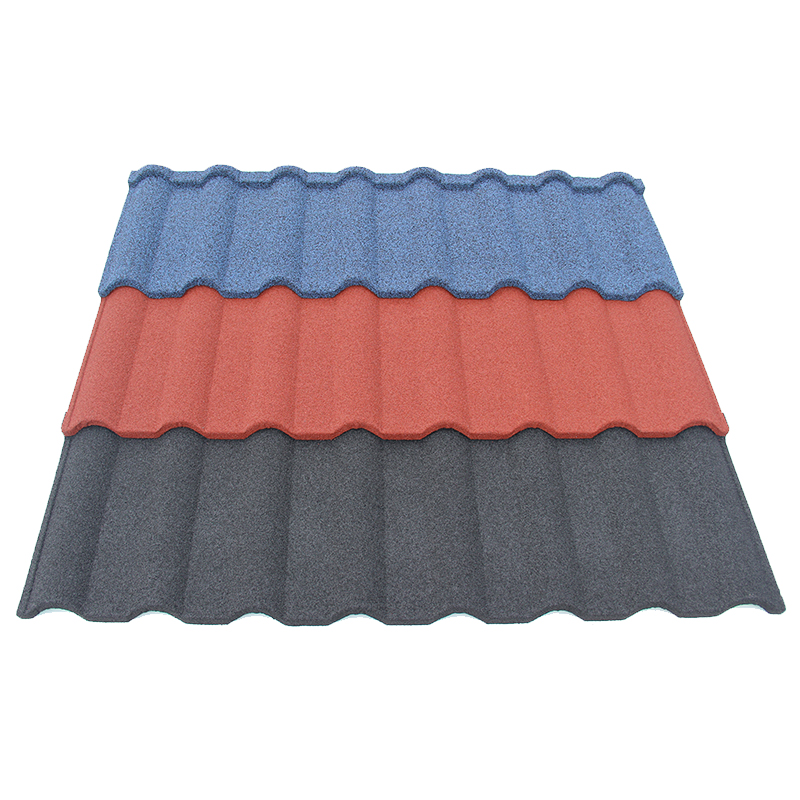
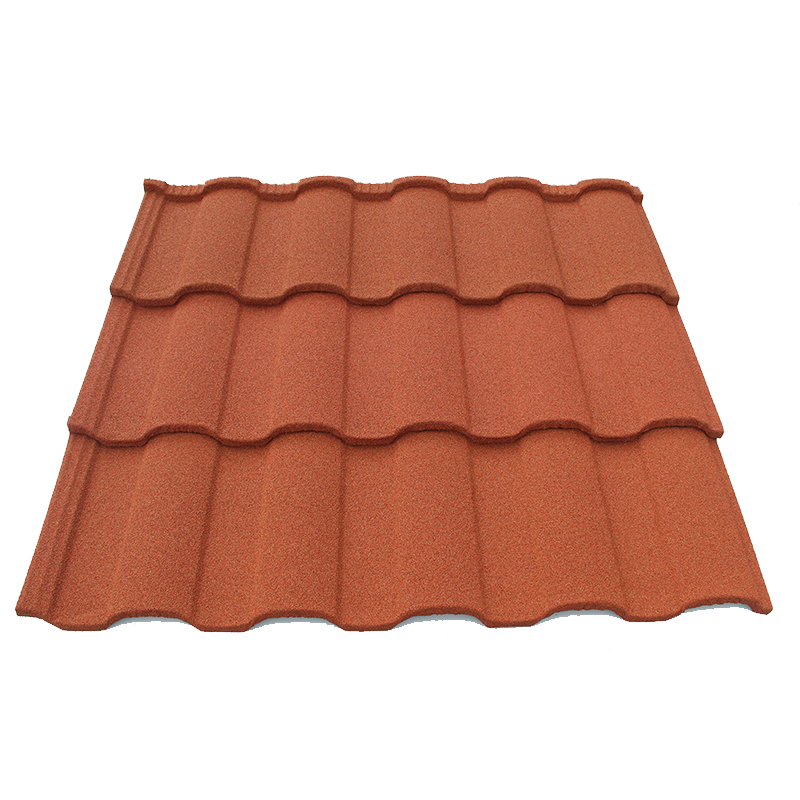
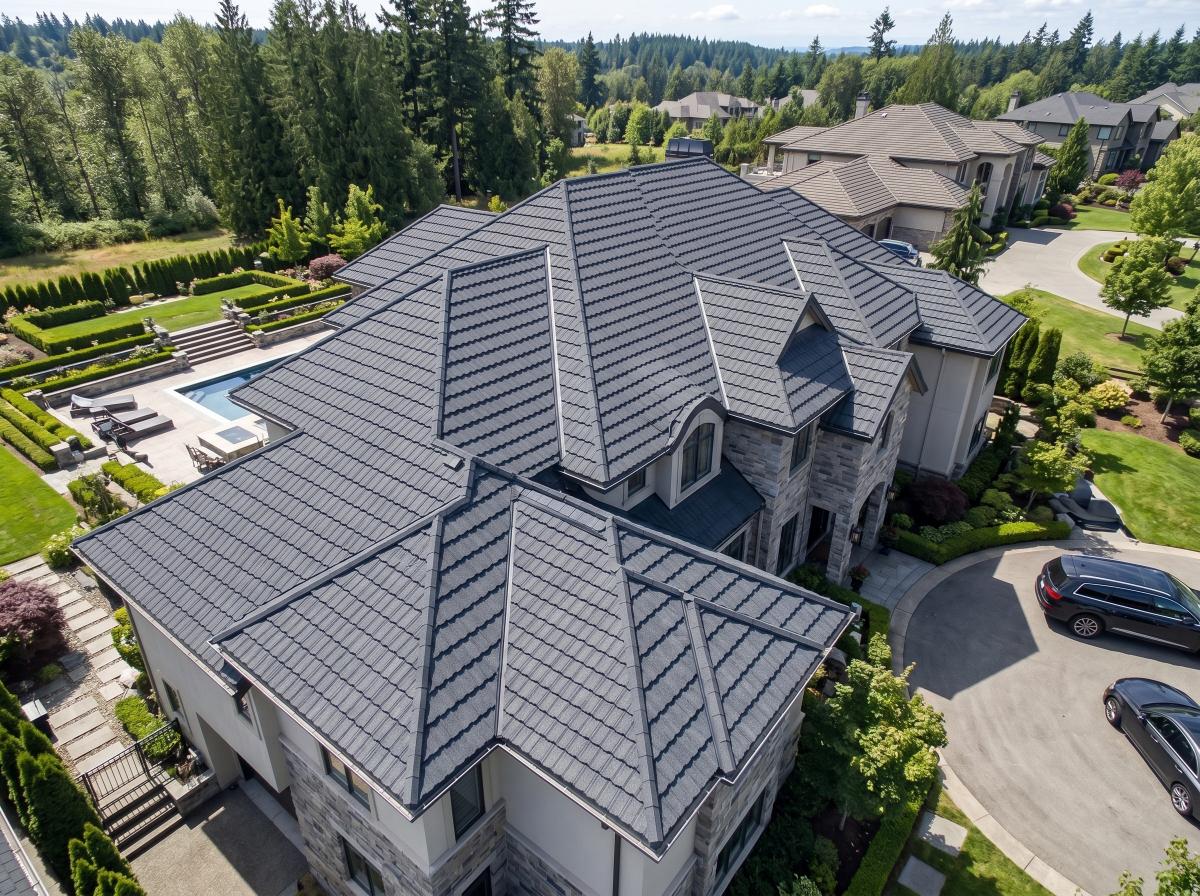
Flat metal sheets lack inherent structural rigidity. They bend very easily under applied pressure. Manufacturers solve this issue through advanced hydraulic stamping technology. The intense stamping process forms deep structural ribs across the panel. For instance, the Roman Tile utilizes deep corrugations to maximize panel stiffness. Consequently, the panel supports heavy foot traffic during routine commercial HVAC maintenance. This brilliant structural geometry creates incredible strength without adding any extra mass. Therefore, the roof maintains its perfect shape throughout its 50-year lifespan.
Installation Logistics and Procurement Efficiency
Procurement officers must evaluate the total landed cost of all building materials. The physical weight of a product heavily dictates its shipping expenses. Heavy concrete materials require dozens of expensive flatbed truck deliveries. Conversely, Lightweight Stone Coated Steel Tiles optimize the entire supply chain globally. Their low mass drastically reduces both sea freight costs and ground handling times. Therefore, B2B buyers consistently achieve much higher project profit margins. This logistical efficiency is crucial for massive international development projects.
Supply Chain Optimization
Shipping efficiency directly impacts the bottom line of massive developments. Manufacturers pack these thin metal panels tightly onto standard shipping pallets. Consequently, a single shipping container holds enough material for several commercial buildings. This high-density packing slashes international sea freight costs completely. Furthermore, local distributors spend significantly less money on fuel and transport vehicles. Ultimately, the developer receives premium roofing materials at a highly competitive delivered price. This procurement strategy frees up crucial capital for other phases of the construction project.
Reducing On-Site Labor Costs
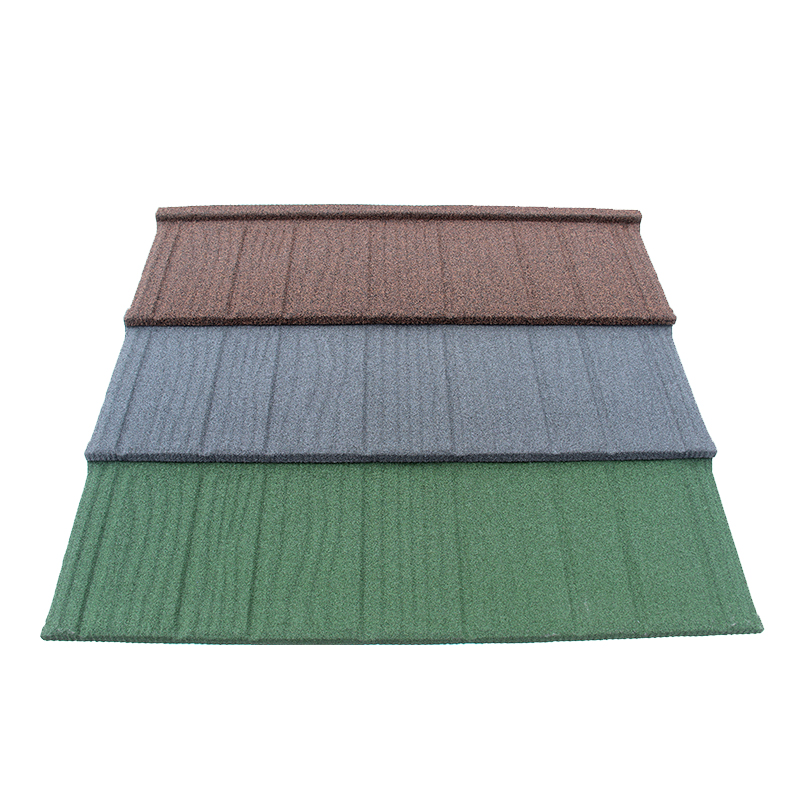
Commercial roofing labor is physically demanding and notoriously expensive. Workers spend countless hours hoisting heavy concrete tiles onto the roof. This slow, dangerous process delays the entire construction schedule. However, lightweight metal panels change this dynamic entirely. A single worker can easily carry multiple Shingle Tile panels simultaneously. Therefore, installation crews cover massive commercial roof areas with incredible speed. This rapid installation helps contractors meet strict project deadlines consistently. Consequently, developers open their buildings faster and begin generating revenue sooner.
| Project Metric | Concrete / Clay Roofs | Lightweight Metal Systems |
|---|---|---|
| Average Dead Weight | 45+ kg per square meter | 6 kg per square meter |
| Structural Truss Framing | Heavy Duty / Very Expensive | Standard / Highly Economical |
| Freight Density | Low (Requires many trucks) | High (Optimizes container space) |
| Installation Velocity | Slow and Labor Intensive | Extremely Fast and Efficient |
Aesthetic Versatility Without the Weight Penalty
Historically, developers traded aesthetic beauty for lightweight performance. Corrugated iron looked cheap and ruined the property value completely. Fortunately, modern stone-coated technology eliminates this frustrating architectural compromise. Developers can achieve stunning, high-end visual designs instantly. Furthermore, they keep the structural weight practically negligible. This versatility makes the material perfect for luxury hospitality and premium retail sectors. Architects no longer have to compromise their artistic vision to satisfy strict engineering constraints.
Replicating Heavy Masonry Safely
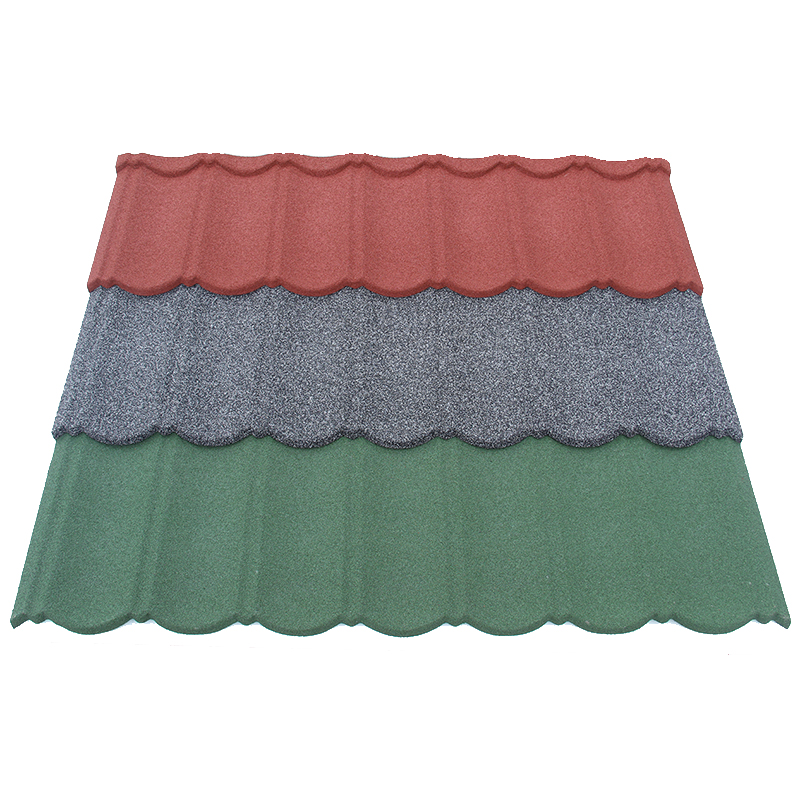
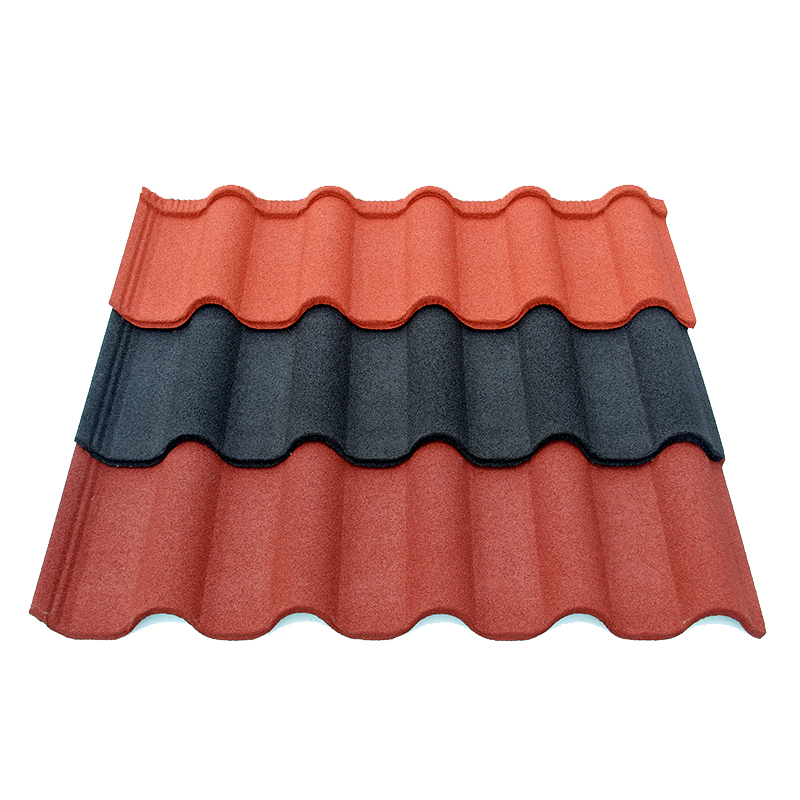
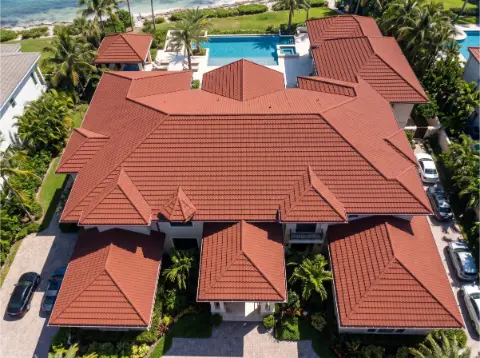
Mediterranean architecture relies heavily on the look of thick barrel tiles. However, authentic clay barrel tiles destroy lightweight timber roof frames. The Milano Tile solves this engineering problem beautifully. It accurately replicates the smooth, sweeping curves of classic Italian architecture. Consequently, luxury resorts achieve their desired aesthetic without expensive structural upgrades. Therefore, architects specify this product to maintain high design standards economically. Buyers appreciate the premium look and the low maintenance requirements. As a result, the commercial return on investment increases drastically.
Fire-Safe Rustic Alternatives
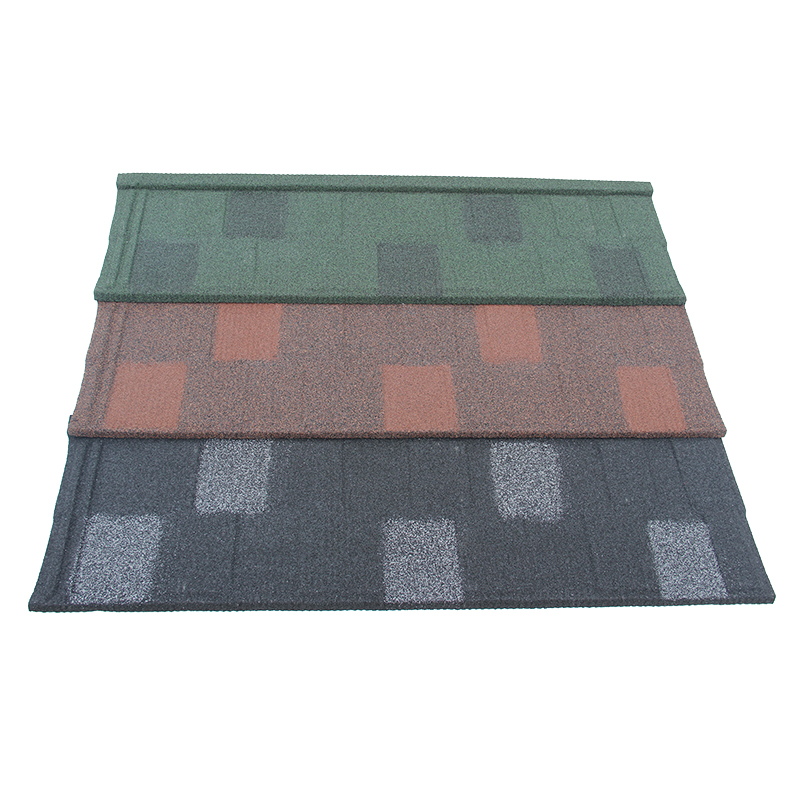
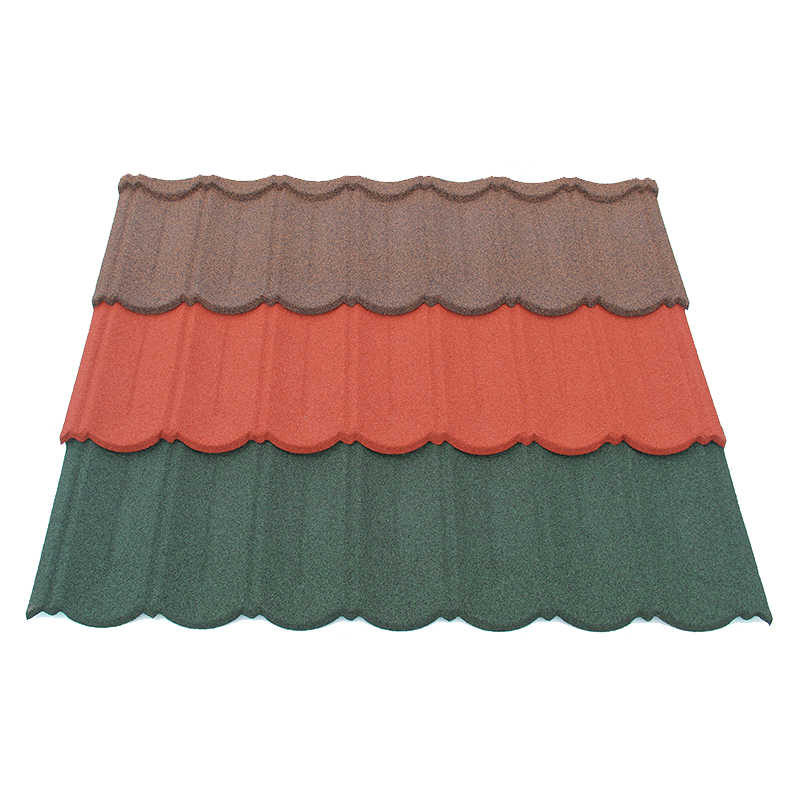
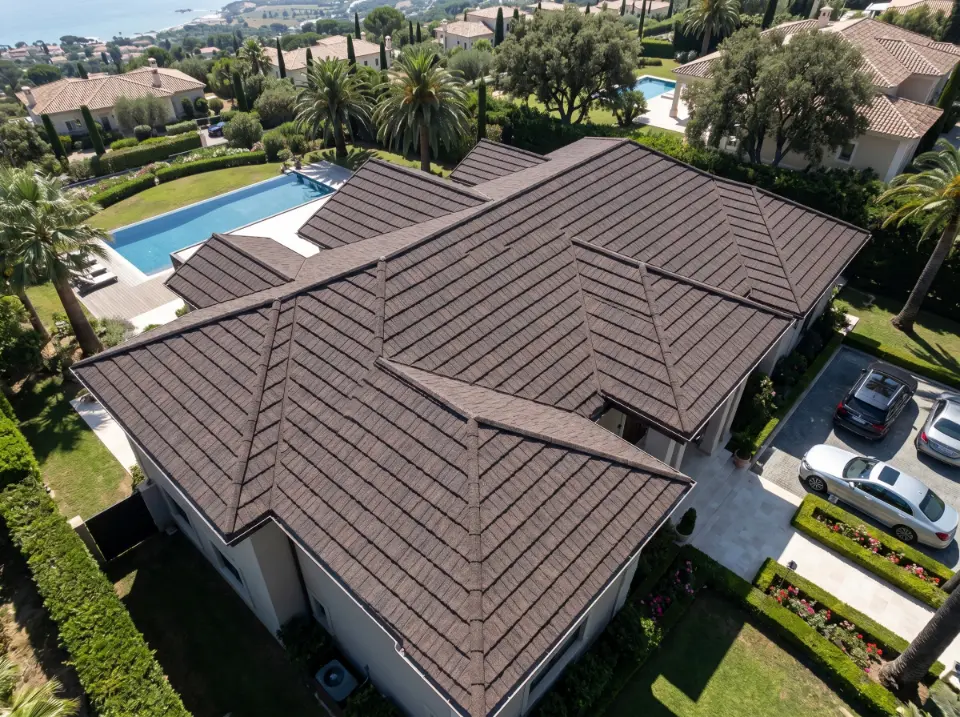
Many mountain resorts demand a rustic, natural exterior design. Architects often specify wood shakes to meet these strict aesthetic requirements. However, natural wood presents a massive, unacceptable fire hazard. Furthermore, wet wood adds unpredictable dead weight to the roof structure. The Shake Tile provides the perfect engineering alternative. It delivers a rugged timber appearance alongside a critical Class A fire rating. Leading industry manufacturers like JCROOF ensure these profiles look incredibly realistic. Thus, developers secure natural beauty, lightweight performance, and absolute fire safety simultaneously.
Common Procurement Errors and Structural Miscalculations
B2B buyers must navigate the building materials market carefully to ensure quality. Buying strictly on price often leads to disastrous engineering failures. Some cheap suppliers cut corners by using substandard raw materials. Consequently, these inferior roofs fail prematurely under moderate environmental stress. Procurement managers must establish strict technical specifications before signing purchase orders. This diligence prevents costly replacements and protects the firm’s professional reputation. Verifying technical data sheets is the most crucial step in commercial procurement.
The Dangers of Inadequate Steel Gauge
The thickness of the steel core determines the panel’s overall strength. Low-cost manufacturers often use excessively thin steel to boost profits. Unfortunately, these flimsy panels dent easily during minor hail storms. Furthermore, they warp severely under the weight of maintenance workers. B2B buyers must specify a minimum steel thickness for commercial projects. Usually, a 0.40mm to 0.45mm core provides the necessary structural resilience. This strict standard ensures the Lightweight Stone Coated Steel Tiles perform perfectly. Engineers cannot compromise on this fundamental material specification.
Ensuring Systemic Accessory Compatibility
A commercial roof functions as a complete, integrated weather system. The main panels represent only one small part of this system. Valleys, ridge caps, and eave flashings must match the panels perfectly. Mixing generic accessories with premium panels guarantees immediate water leaks. Therefore, procurement teams must order complete roofing kits from one primary supplier. This unified approach guarantees seamless integration and permanent waterproof security. Furthermore, using matching accessories ensures the manufacturer’s warranty remains fully valid for decades.