
For B2B procurement officers and developers operating in tropical or high-altitude regions, ultraviolet (UV) degradation is a significant threat to property value. Intense solar radiation and high temperatures cause many conventional roofing materials to lose their structural integrity and visual appeal. Asphalt shingles often dry out and crack, while painted metal sheets suffer from significant color “chalking” and peeling within a few years. Consequently, Stone Coated Metal Sheets have become the preferred specification for maintaining long-term curb appeal. This guide explores the material science of UV resistance and explains how advanced coating technologies protect the building’s aesthetic investment from solar damage.
The Chemistry of UV Degradation in Standard Roofing
UV radiation carries high energy that breaks the molecular bonds in organic materials like plastics, bitumen, and many liquid paints. In high-temperature climates, this chemical breakdown is accelerated by thermal oxidation. Standard painted roofs often experience pigment degradation, where the vibrant colors fade into a dull, white powder known as chalk. Stone Coated Metal Sheets solve this problem by utilizing inorganic mineral protection. Because the surface consists of natural volcanic stone, it is fundamentally immune to the molecular breakdown caused by UV rays. This ensures the roof maintains its original hue even after decades of intense solar exposure.
The Sintering Process and Permanent Color Fusion
The durability of the color depends entirely on how the pigments are applied to the stone granules. High-quality manufacturers like JCROOF utilize a high-temperature sintering process. During this process, stone granules are fired in a kiln at temperatures exceeding 800°C with inorganic pigments. This creates a ceramic-like bond where the color is fused into the stone structure rather than just sitting on the surface. Consequently, the granules do not fade, wash away, or react with environmental pollutants. This permanent color fusion is a critical differentiator for B2B buyers looking for a “set-and-forget” roofing solution.
Advanced Acrylic Binders and Solar Stability
While the stone provides the color, the acrylic resin provides the bond that holds the system together. Standard adhesives can become brittle and yellow under UV light, leading to granule loss. Specifically, Stone Coated Metal Sheets use a specialized UV-stabilized acrylic base coat. This resin is formulated with light absorbers and hindered amine light stabilizers (HALS) that neutralize the destructive energy of UV photons. Therefore, the adhesive remains flexible and strong, ensuring the Bond Tile profile retains its protective stone layer. This chemical resilience prevents the “balding” of roof panels, which is a common failure point in lower-quality roofing products.
Thermal Expansion and Coating Elasticity
High-temperature climates subject roofs to extreme thermal cycling, where temperatures can swing by 40°C between day and night. This causes the metal substrate to expand and contract repeatedly. If the protective coating is not elastic, it will develop micro-cracks that allow moisture and UV rays to reach the steel core. Stone Coated Metal Sheets are engineered with a multi-layered acrylic system that maintains its elasticity across a wide temperature range. Consequently, the coating moves in harmony with the steel, preventing delamination and ensuring the anti-corrosive Aluzinc layer remains protected.
Minimizing Solar Heat Gain with Reflective Granules
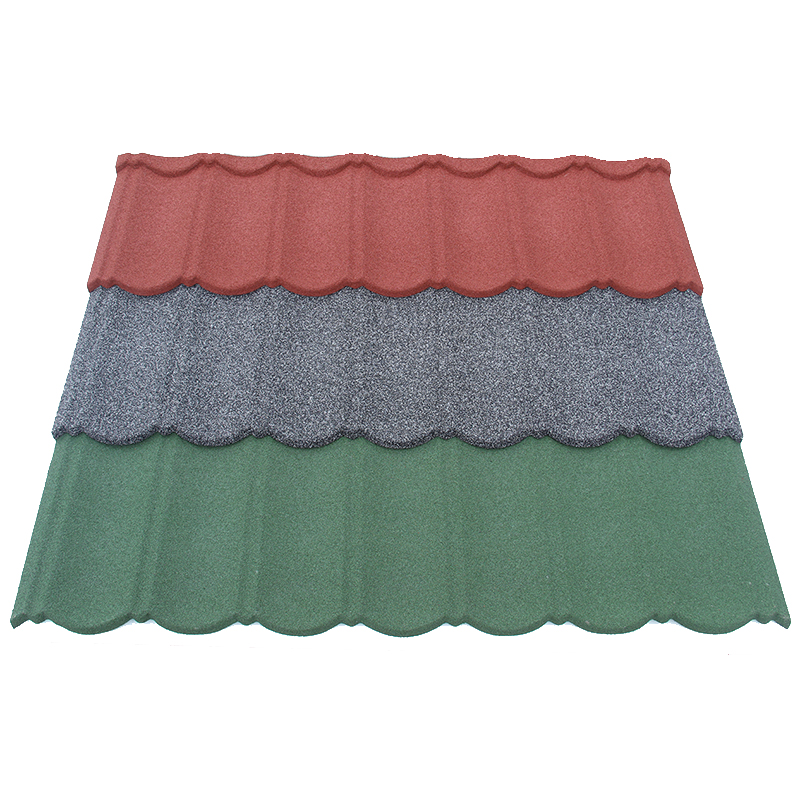
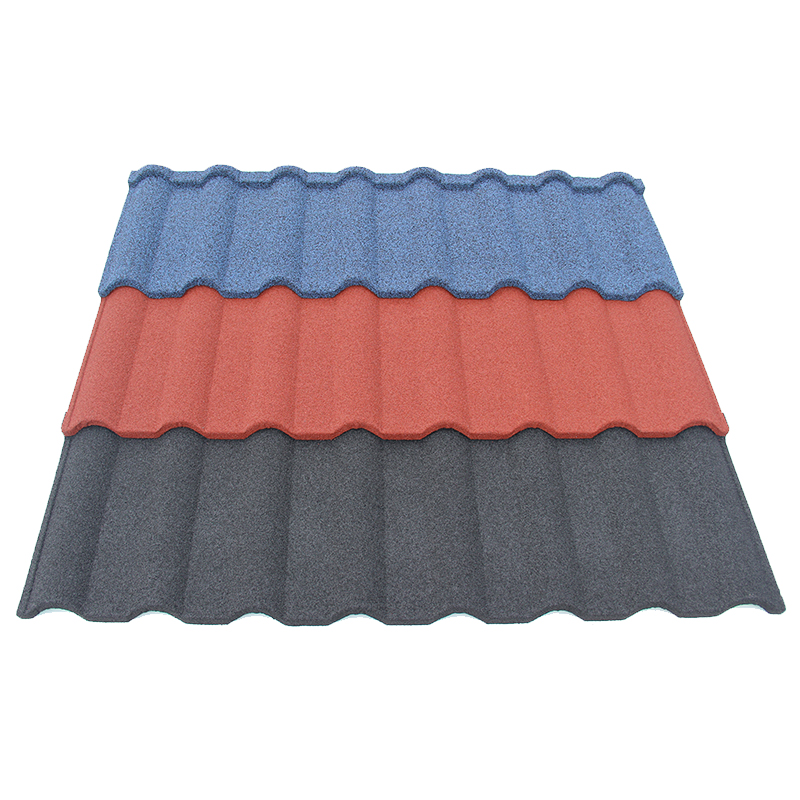
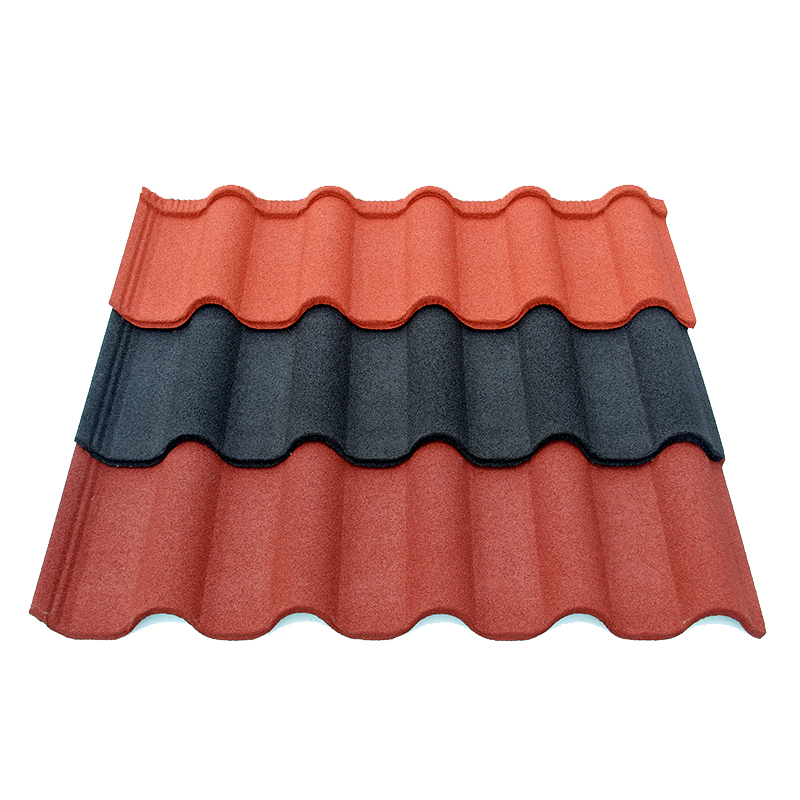
- High Emissivity: Profiles like the Milano Tile shed absorbed heat quickly, reducing the thermal stress on the bonding agents.
- Inorganic Pigments: These pigments reflect a higher percentage of the infrared spectrum, keeping the roof surface significantly cooler.
- Non-Porous Shield: Unlike concrete, the stone-coated surface does not absorb moisture that could expand and cause surface cracking during heat spikes.
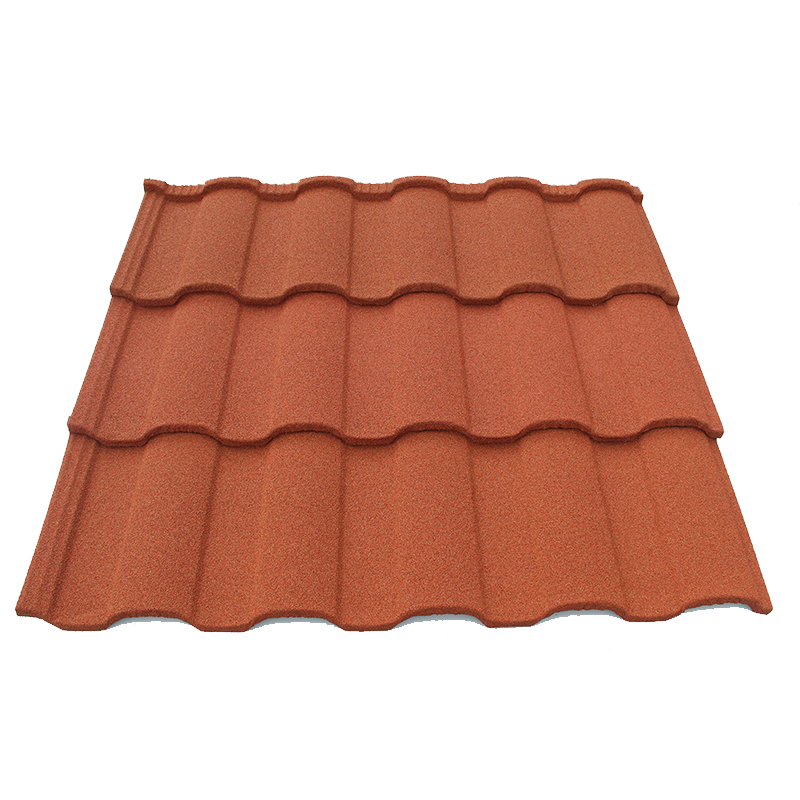
- Structural Integrity: The UV-resistant topcoat ensures that the Roman Tile ridges do not become brittle or prone to impact damage over time.
Comparative UV Resistance and Visual Longevity
| Material Category | UV Resistance Level | Primary Failure Mode | Estimated Aesthetic Life |
|---|---|---|---|
| Dyed Asphalt Shingles | Low | Brittleness & Cracking | 8 – 12 Years |
| Standard Painted Steel | Moderate | Chalking & Peeling | 10 – 15 Years |
| Stone Coated Metal Sheets | Excellent | None (Sintered Color) | 50+ Years |
Design Flexibility and Style Retention in Sunny Regions
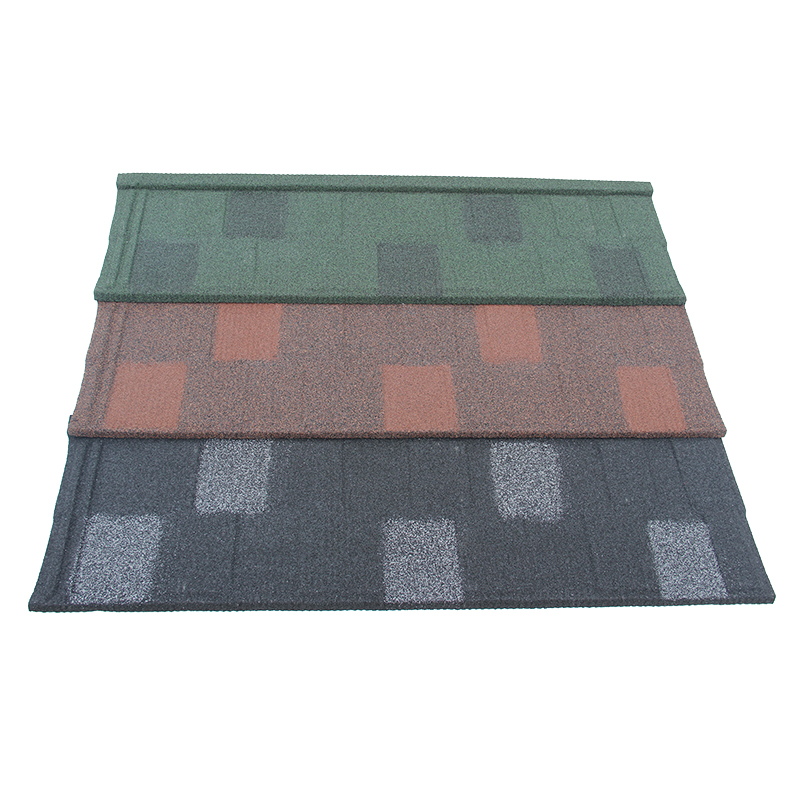
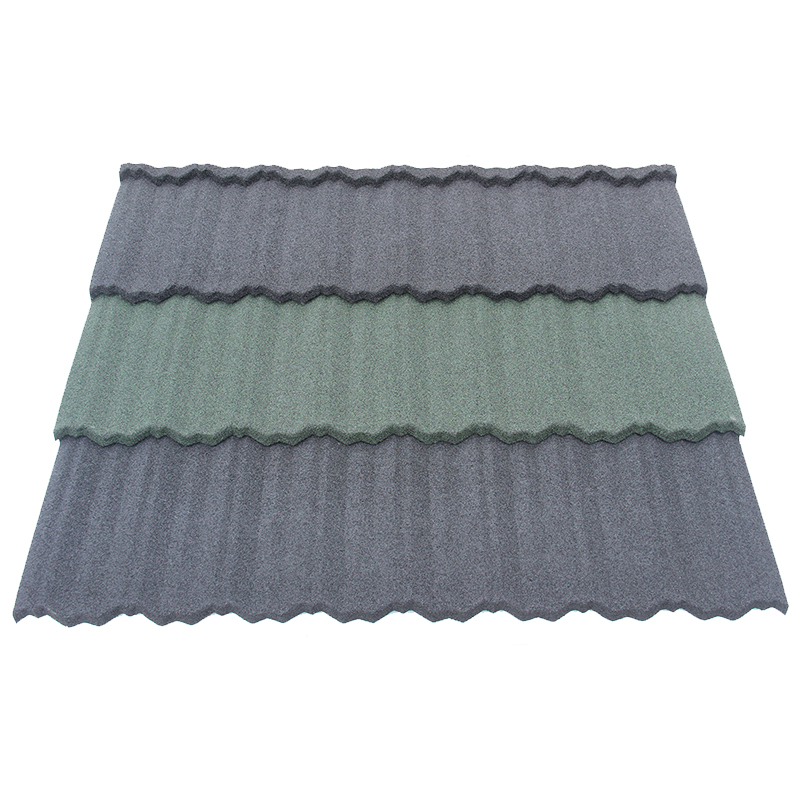
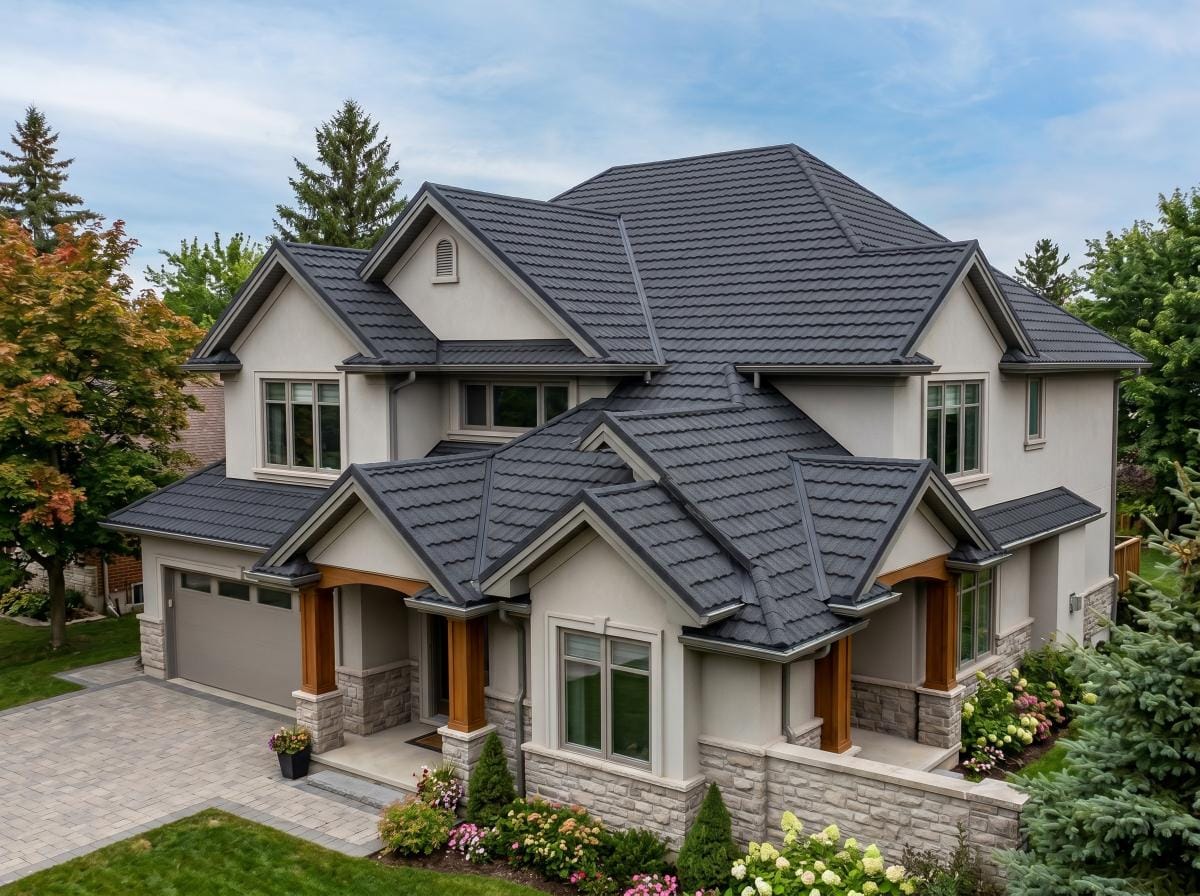
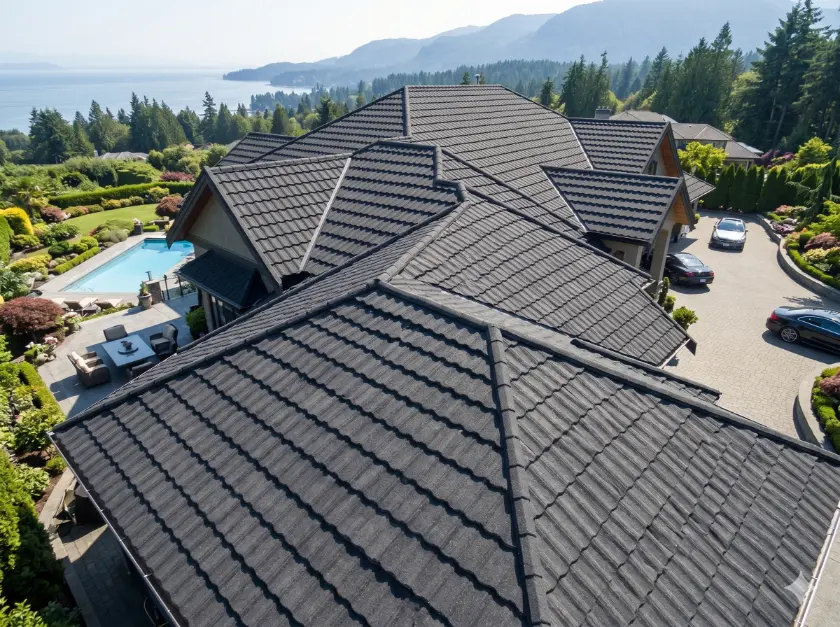
Architects in sun-drenched regions often avoid dark colors due to the fear of rapid fading. Stone Coated Metal Sheets remove this design restriction, allowing for deep, rich colors that stay vibrant. The Shingle Tile profile, for example, can be specified in dark charcoal or slate grey without the risk of turning light grey within a few seasons. This allows modern commercial buildings to maintain a bold, contemporary look throughout their entire lifecycle. Because the color is permanent, the building’s aesthetic remains a consistent asset, reducing the need for expensive exterior refurbishments.
Rustic Aesthetics for High-Heat Resorts
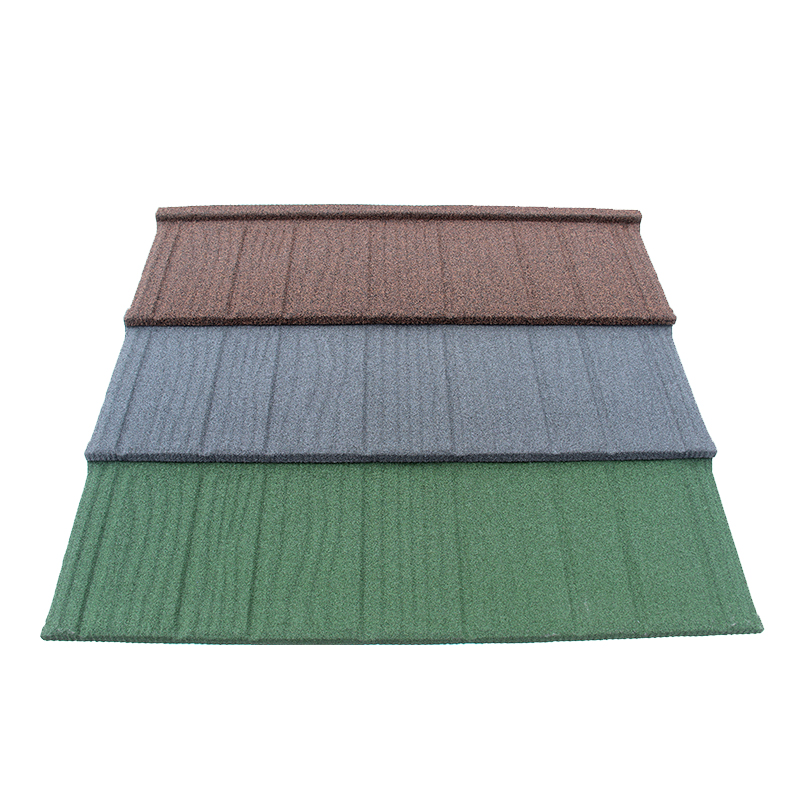
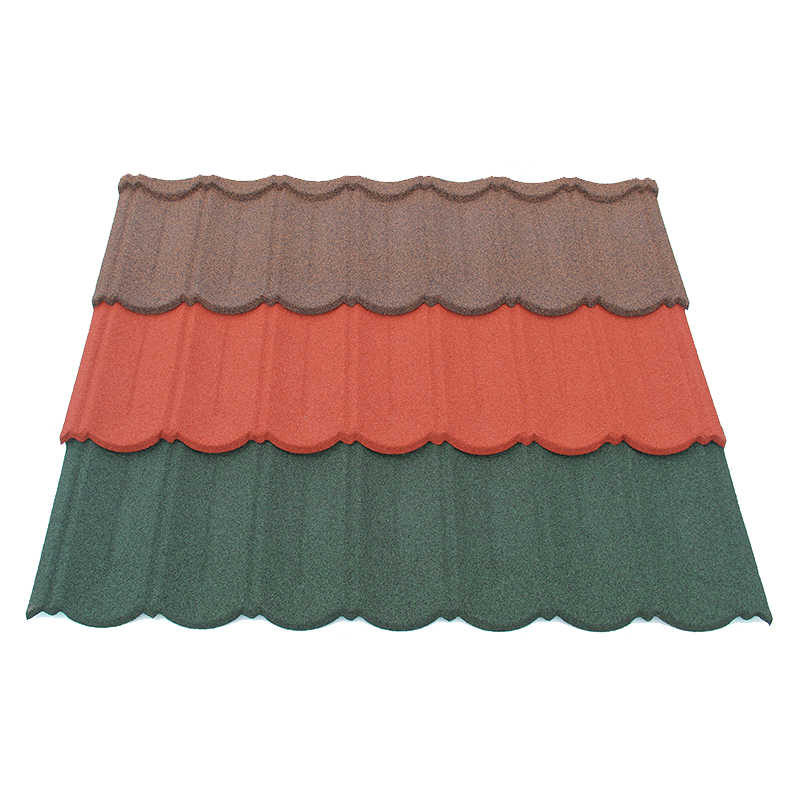
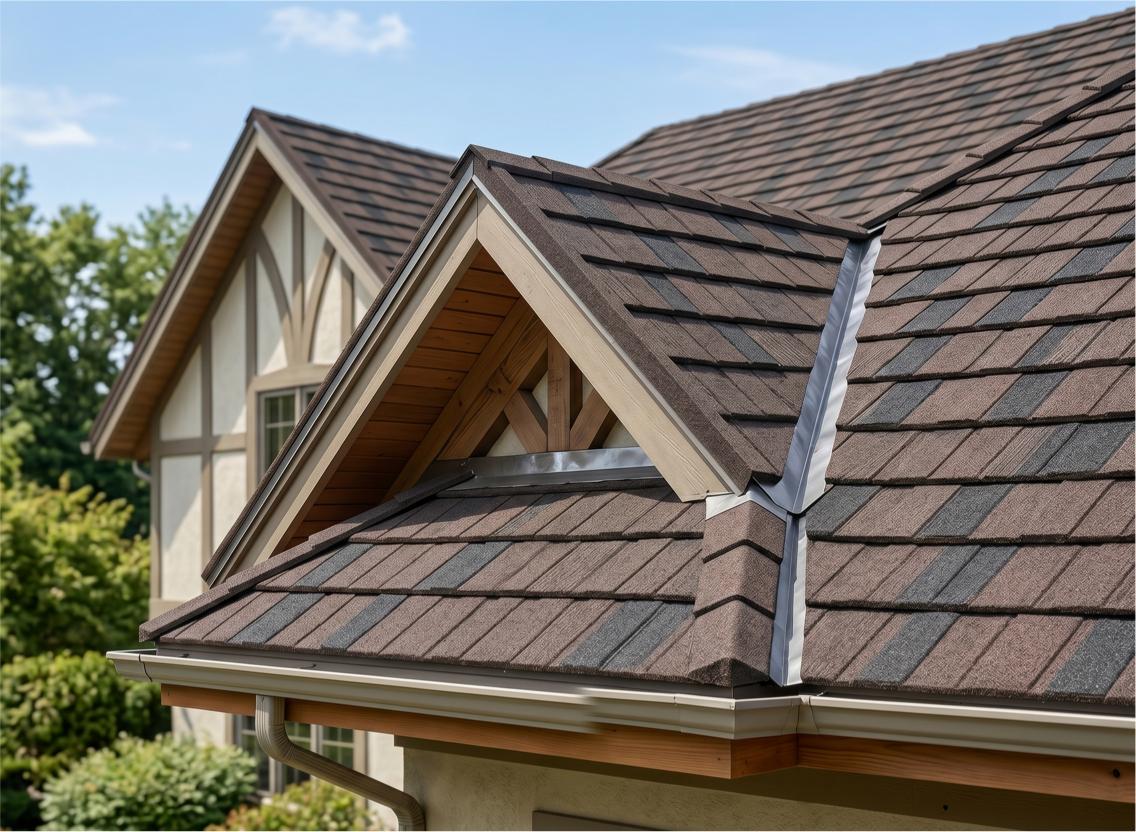
For luxury developments in desert or tropical environments, the Shake Tile profile provides the rugged look of natural wood without the drying and warping caused by the sun. Natural wood shakes require constant oiling and staining to prevent UV damage. Specifically, the metal version is maintenance-free and UV-immune. Furthermore, the deep-profile designs create natural shade across the roof surface, which helps lower the temperature of the panels. This combination of architectural beauty and technical UV performance makes stone-coated systems the ultimate choice for premium B2B real estate projects in harsh climates.
Procurement and Quality Assurance for Solar Projects
When sourcing Stone Coated Metal Sheets for high-UV environments, procurement managers must verify the source of the stone granules. Always demand proof that the granules are “sintered” and not merely “dyed.” Dyed granules will show significant color loss within the first 24 months of exposure. Furthermore, evaluate the manufacturer’s warranty specifically for color fastness and UV degradation. A reliable supplier will provide a warranty that covers the visual integrity of the roof for several decades, giving developers and investors the confidence that their project will continue to look new for years to come.
Technical Verification and Performance Standards
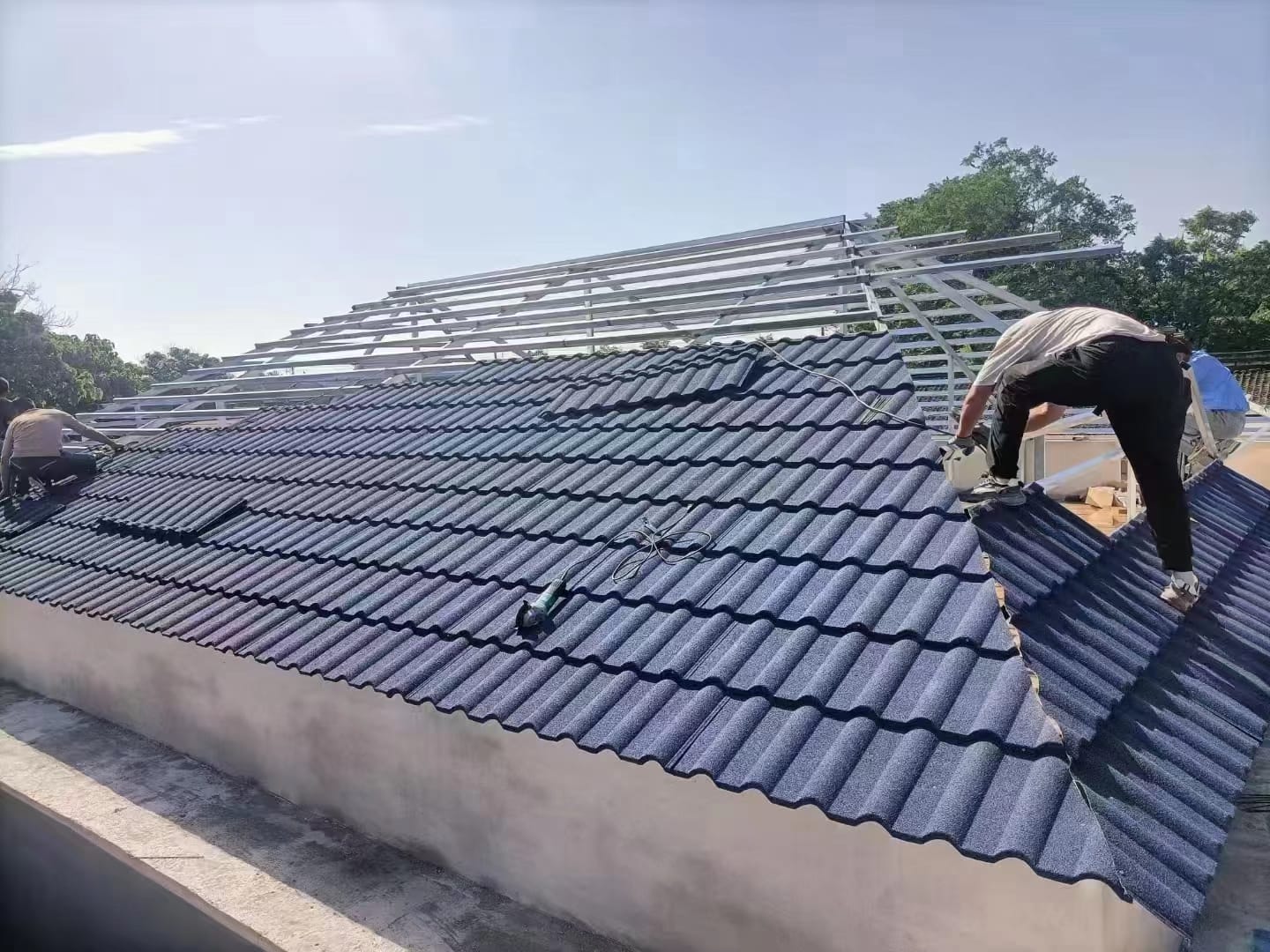
Always request a Xenon Arc weathering test report, which simulates years of intense UV exposure in a laboratory setting. Specifically, check that the products from JCROOF have passed these accelerated aging tests without significant color change or coating failure. Moreover, ensure that the installation team understands the importance of using UV-rated sealants for any penetrations. A roof is a complete system, and every component must be capable of surviving the intense solar load. By sourcing high-specification materials and following professional installation protocols, B2B buyers can ensure their buildings remain a lasting testament to quality and design.